Aconcagua
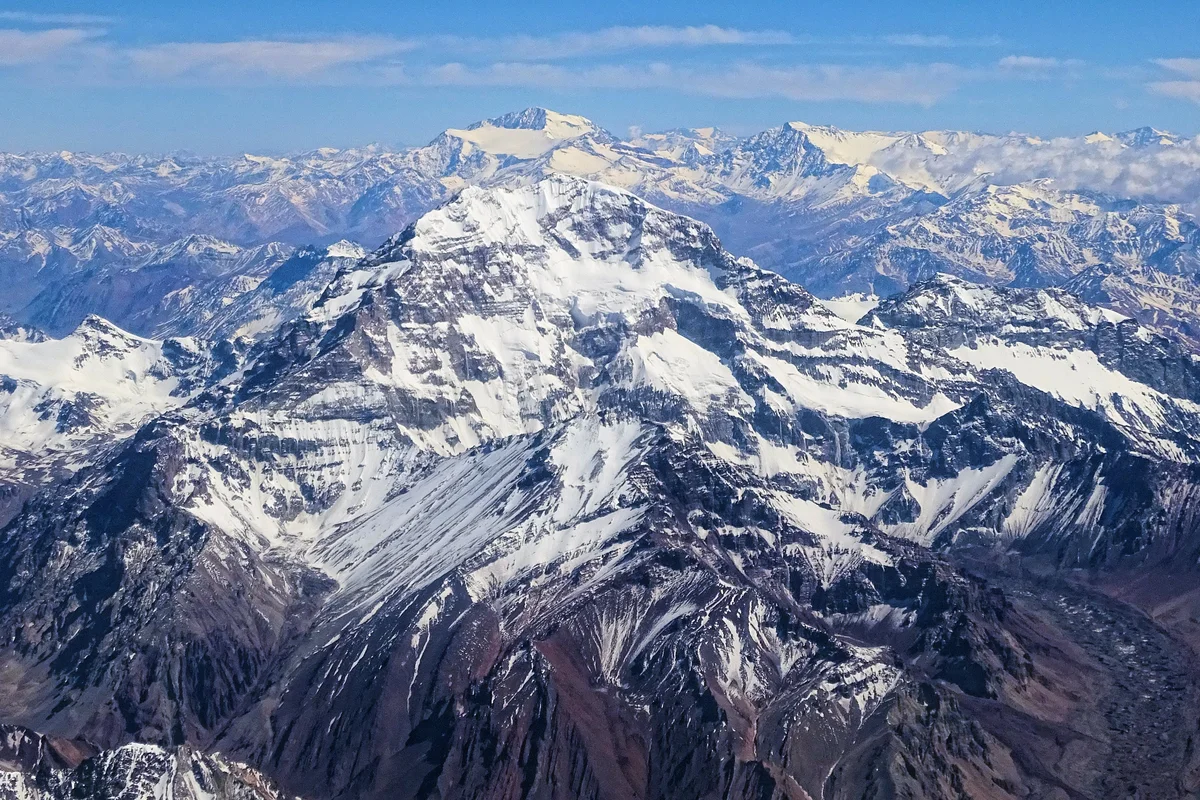
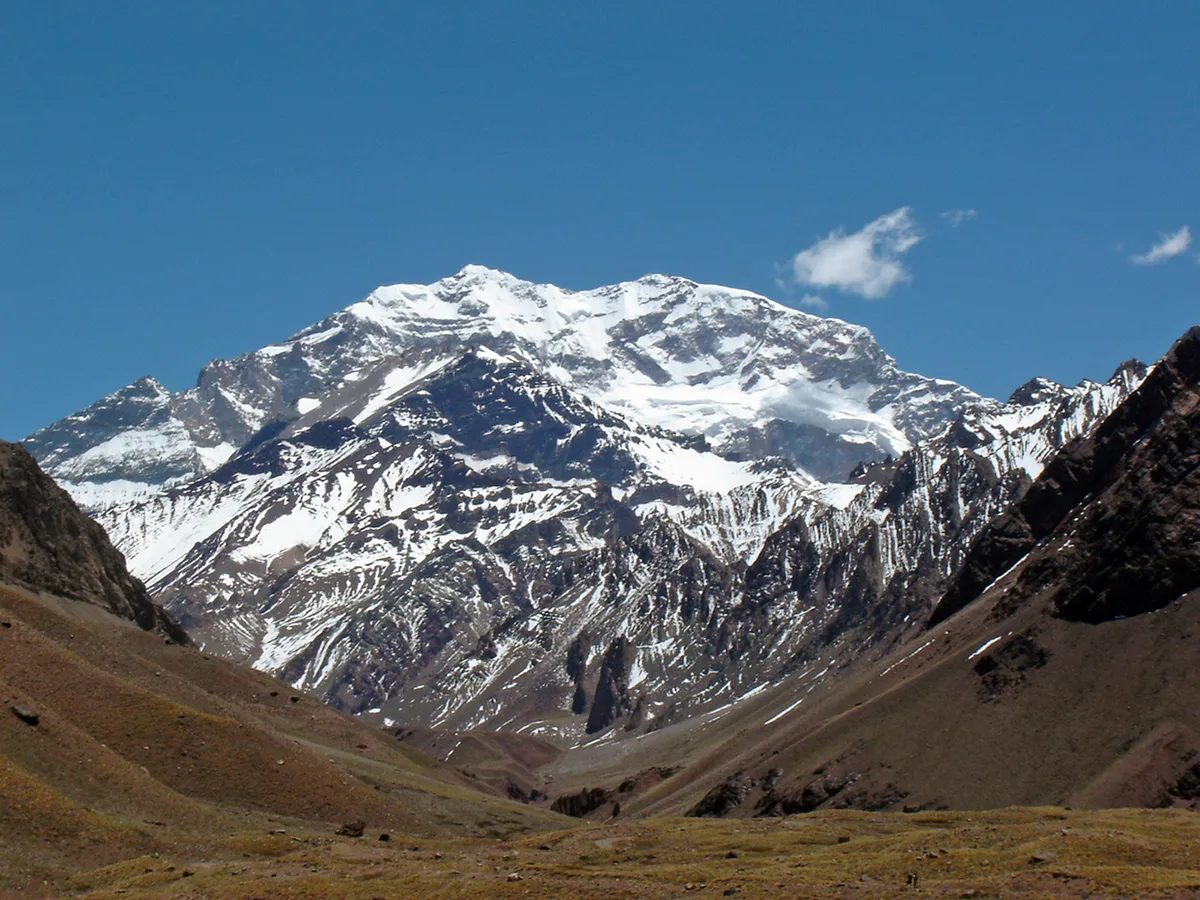
Aconcagua is the highest mountain in the Americas and the highest peak outside Asia, rising to 6,961 metres in Argentina's Andes. Celebrated as the second most topographically prominent mountain on Earth, it features colossal glaciated faces, intense high-altitude gales, and historic routes including the Polish Glacier.
Mountain Safety & Conditions Disclaimer: High-altitude climbing, glacial travel, and technical ascents entail severe objective risks including avalanches, serac collapses, rapid weather collapse, and altitude illness. Historical route descriptions and summit claims on Mountanity reflect documented archival sources and must not be used as live operational safety assessments. Local regulations, permits, and physical glacial topography change continuously.
Peer Review: Senior Editorial Board & Historical Reviewers • Editorial Standards
Geographical Setting & Topography
Situated entirely within Mendoza Province near the Chilean border, Aconcagua rises above the Horcones and Vacas river valleys. While its northern flank offers non-technical scree ascents, its eastern aspect is draped by the sweeping Polish Glacier, and its dramatic South Face plunges 2,700 vertical metres in sheer rock and hanging ice.
Historic First Ascent
Date: 1897-01-14
Ascent Team: Matthias Zurbriggen
Key Statistics & Topographic Figures
- Official Summit Elevation
- 6,961 metres (22,838 feet)
- Topographic Prominence
- 6,961 metres (Rank #2 on Earth)
- First Ascent Date
- January 14, 1897
- First Ascender
- Matthias Zurbriggen (Switzerland)
- Mountain Range
- Principal Cordillera, Argentine Andes
Archival Primary Source Quotations
“Aconcagua stands solitary and colossal, a stone sentinel whose crown touches the thin blue void of the stratosphere.”
Defined Alpine Terminology & Concepts
- Viento Blanco
- A violent, freezing Andean storm characterized by hurricane-force winds, blinding spindrift snow, and rapid temperature plunges.
- Penitentes
- Tall, blade-like snow and ice pinnacles formed by differential solar sublimation at high altitudes in dry Andean environments.
Aconcagua Mountain Weather Forecast
Detailed 14-Day Summit Window & Weather Timeline
Explore day-by-day summit push safety windows, wind shear analysis, and extended multi-day forecasts for Aconcagua.
Explore Aconcagua (6,961 m) in Interactive 3D
Inspect steep glacial walls, hanging seracs, ridge approaches, and elevation relief with 360° rotation and terrain tilt in WebGL.
Documented Climbing Routes (1)
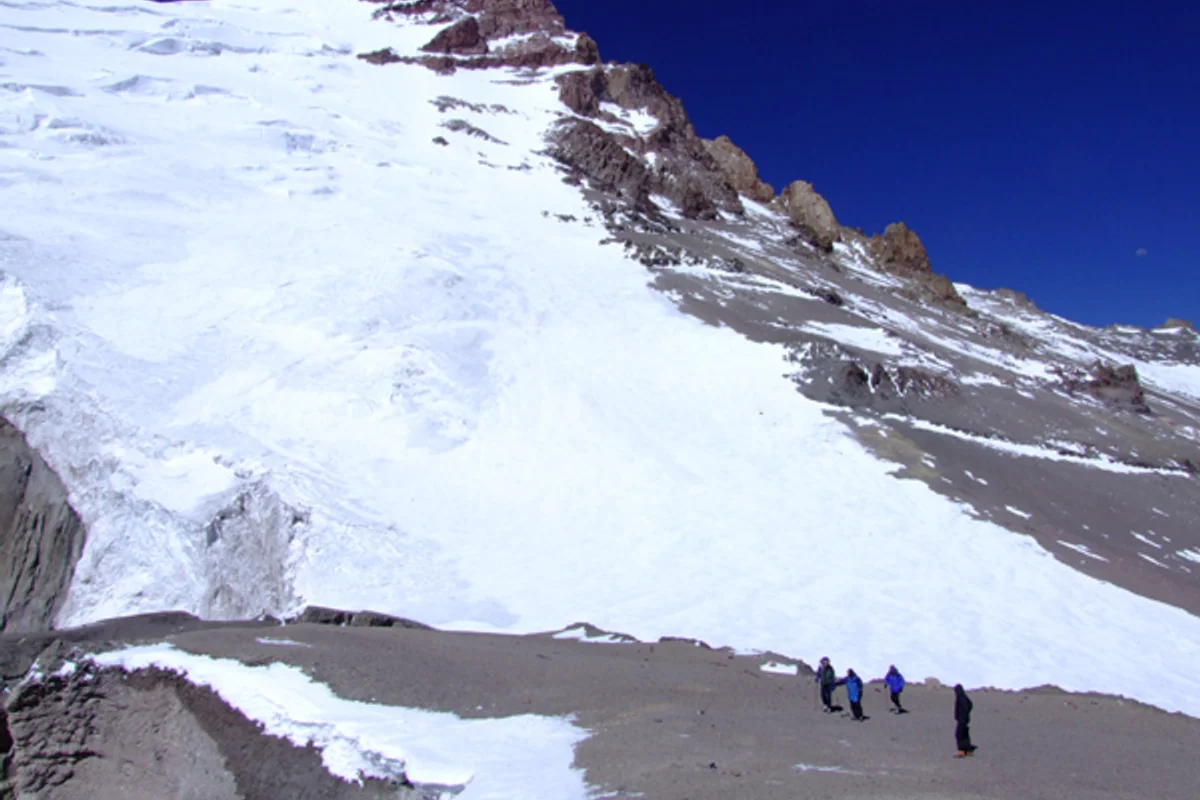
Polish Glacier (Aconcagua)
The Polish Glacier is the premier technical mountaineering route on Mount Aconcagua, ascending the steep eastern glaciated face over 1,000 vertical metres. Graded French D with sustained 50° to 65° slopes of hard alpine ice, it provides a dramatic, highly aesthetic alternative to the standard trekking route.
Historical Expeditions (2)
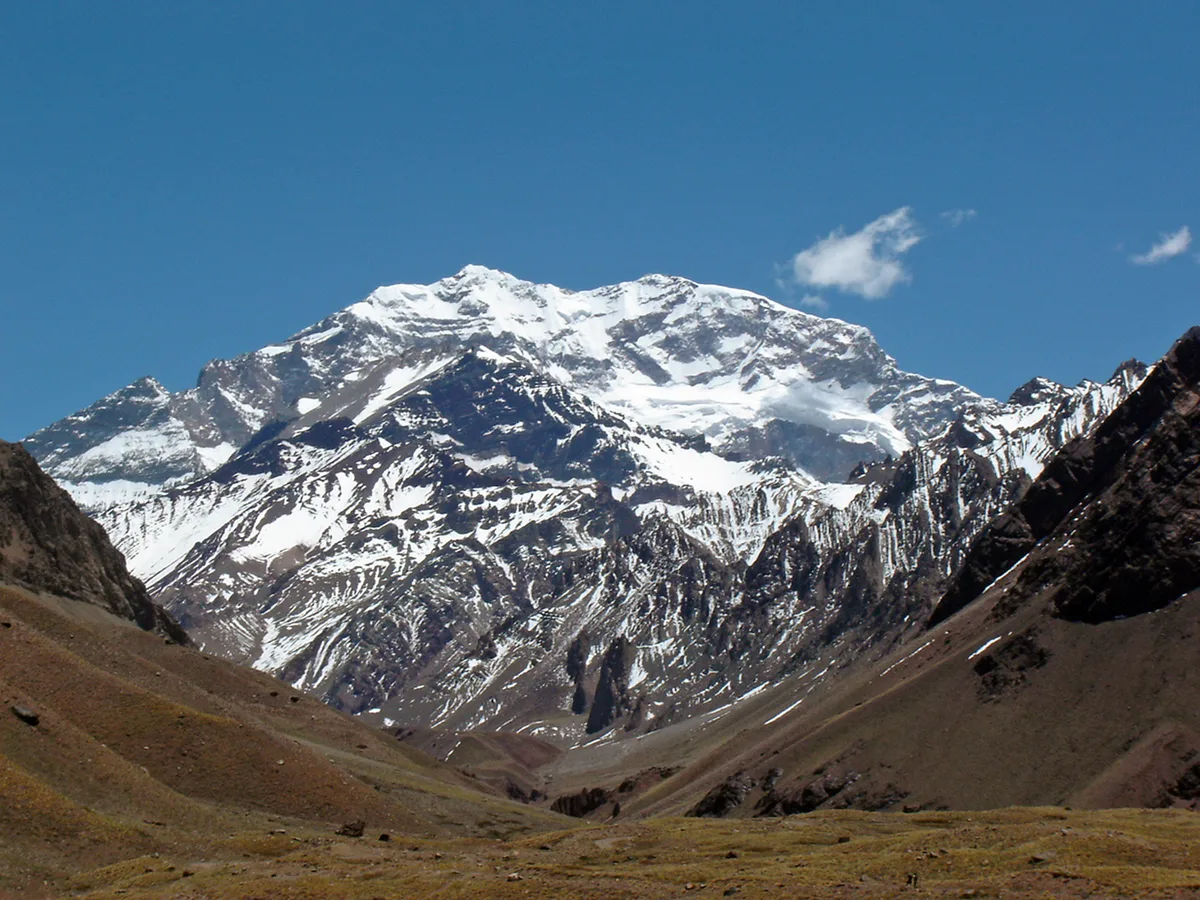
1897 First Ascent of Mount Aconcagua by Matthias Zurbriggen
On January 14, 1897, Swiss mountain guide Matthias Zurbriggen achieved the historic first ascent of Mount Aconcagua, battling severe mountain sickness, ferocious Andean gales, and loose scree to summit the 6,961-metre Colossus of America alone.
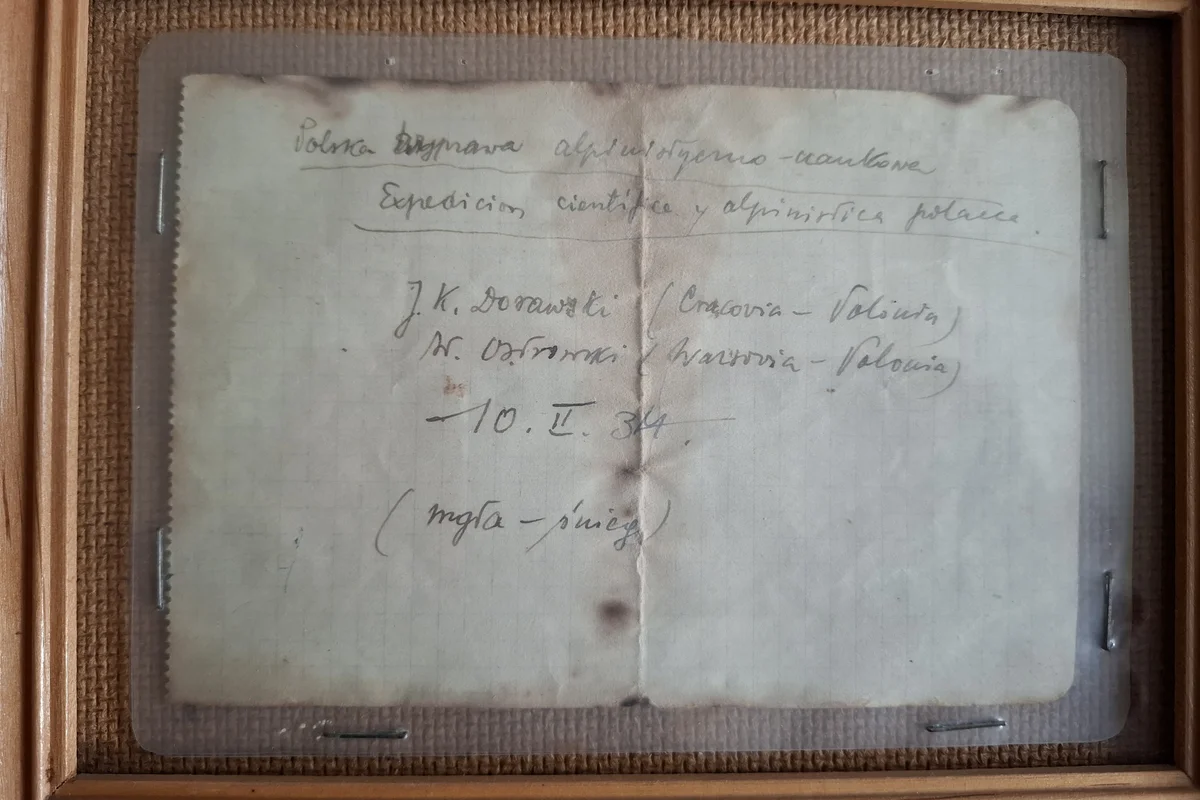
1934 First Ascent of the Polish Glacier on Aconcagua
On March 8, 1934, a four-man Polish expedition achieved the historic first ascent of the steep eastern glaciated face of Aconcagua, pioneering the renowned Polish Glacier route and marking Poland's emergence as an elite international mountaineering power.
Summit Chronicles & Stories (2)
The Stone Sentinel: Matthias Zurbriggen's 1897 Solo Conquest of Aconcagua
On January 14, 1897, Swiss mountain guide Matthias Zurbriggen battled deadly altitude sickness, howling Andean gales, and the shifting scree of the Canaleta to stand alone on the 6,961-metre summit of Mount Aconcagua.
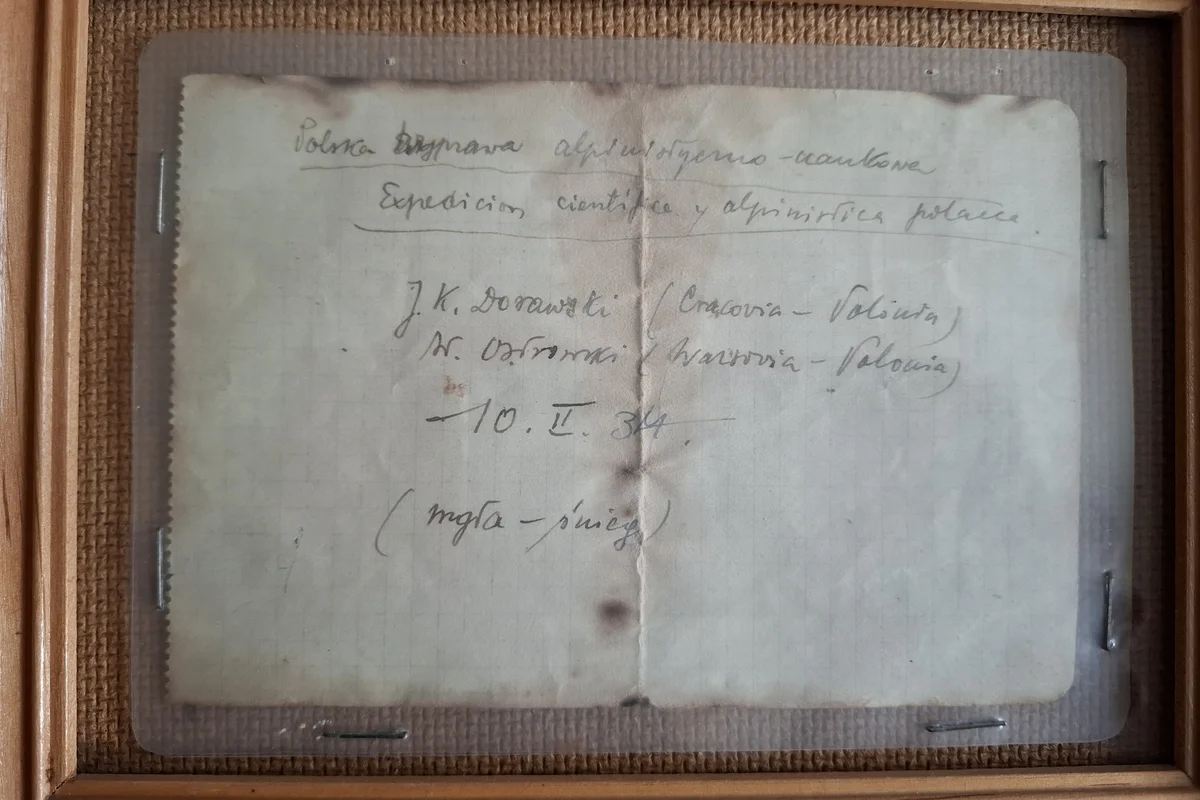
The Glacial Shield: The 1934 Polish First Ascent of Aconcagua's East Face
On March 8, 1934, four Polish mountaineers carved their way up the steep 1,000-metre hanging ice sheet on the eastern face of Aconcagua, pioneering the legendary Polish Glacier route.
Frequently Asked Questions: Aconcagua
What is Mount Aconcagua and where is it situated?
Mount Aconcagua is the highest mountain in the Americas and the highest peak outside Asia, rising to 6,961 metres in Mendoza Province, Argentina.
What is the official elevation and topographic prominence of Aconcagua?
Aconcagua stands at an elevation of 6,961 metres with a prominence of 6,961 metres, ranking as the second most prominent peak on Earth after Mount Everest.
Who made the first ascent of Mount Aconcagua?
Swiss mountain guide Matthias Zurbriggen made the historic first ascent on January 14, 1897, while participating in the British expedition led by Edward FitzGerald.
What are the main climbing routes on Aconcagua?
The primary routes are the non-technical Normal Route via the Horcones Valley, the Polish Glacier Traverse, the technical direct Polish Glacier, and the extreme South Face.
What makes climbing Aconcagua uniquely hazardous despite its non-technical terrain?
Extreme atmospheric thin air, sudden violent Andean windstorms called the Viento Blanco, sub-zero temperatures, and rapid onset of high-altitude illness.
What is the Polish Glacier on Aconcagua?
It is a steep 1,000-metre technical ice sheet on the eastern face, first climbed on March 8, 1934, by a four-man Polish mountaineering expedition.
What park protects Mount Aconcagua?
It is protected within Aconcagua Provincial Park, an Argentine wilderness reserve established in 1983 to preserve high Andean ecosystems and manage climber safety.
When is the best climbing season for Aconcagua?
The primary climbing season runs during the Southern Hemisphere summer from December through February, when temperatures are warmest and daylight is longest.
Documented Sources & Archival Citations
- American Alpine Journal: Polish Expedition to the Andes (1935)(American Alpine Club)
Supporting claim: Official record of the 1934 first ascent of the Polish Glacier on Aconcagua
Accessed/Documented: 2026 - The Highest Andes(Edward FitzGerald / Methuen & Co.)
Supporting claim: Account of the 1897 first ascent of Aconcagua by Matthias Zurbriggen
Accessed/Documented: 2026