From K2 to Everest: Andrzej Bargiel and Oxygen-Free 8,000m Skiing
Following his uninterrupted 2018 ski descent of K2, Polish alpinist Andrzej Bargiel stunned high-altitude mountaineering in September 2025 on Everest.
Mountain Safety & Conditions Disclaimer: High-altitude climbing, glacial travel, and technical ascents entail severe objective risks including avalanches, serac collapses, rapid weather collapse, and altitude illness. Historical route descriptions and summit claims on Mountainity reflect documented archival sources and must not be used as live operational safety assessments. Local regulations, permits, and physical glacial topography change continuously.
Peer Review: Senior Editorial Board & Historical Reviewers • Editorial Standards
Why Few Ski Completely From 8,000m Summits
For decades, high-altitude ski mountaineering suffered from fragmented lines: teams took skis off at jagged rock steps like K2’s Bottleneck or Everest’s Hillary Step and Khumbu Icefall, rappelling past seracs before clipping back in lower down. Polish ski mountaineer Andrzej Bargiel set himself a purer standard—climbing without supplemental oxygen, clipping in right at the summit snow, and maintaining continuous lines on skis all the way down to Base Camp.
July 22, 2018: Linking the Impossible on K2
On K2’s 8,611-meter pyramid, heavy afternoon sunlight threatens the towering hanging serac above the Bottleneck while steep 55-degree blue ice demands surgical edge control. On July 22, 2018, Bargiel summited without bottled oxygen, clicked into his skis, descended straight down the Shoulder past the serac zone, and linked the sweeping Messner Traverse across the South-Southeast flank into the Kukuczka–Piotrowski snowfields—reaching Base Camp with skis on the whole technical mountain.
September 22, 2025: Completing Everest Without Oxygen
Previously attempted without bottled oxygen from the top by Davo Karničar (2000, using supplemental oxygen) and Hans Kammerlander (partial ski on North side, 1996), Everest’s South Side had long lacked an unbroken oxygen-free summit-to-Base-Camp descent on skis.
In September 2025, climbing post-monsoon up the Nepal South Col route without bottled oxygen, Bargiel stepped onto the 8,849-meter summit on September 22, 2025. Descending straight off the cornice down the Southeast Ridge, threading past the Hillary Step and Lhotse Face, and skiing cleanly through the shifting crevasses of the Khumbu Icefall down to Base Camp, Bargiel linked K2 and Mount Everest in the same unbroken oxygen-free discipline—setting a high-water mark in extreme ski mountaineering.
Key Statistics & Topographic Figures
- Category
- Modern Alpinism
Archival Subject
- Reading Time
- 8 min read
Narrative Length
- Key Mountain
- mount-everest, k2
Objective
- Ascent Route
- abruzzi-spur, everest-south-col
Topography
- Verification
- Editorially Verified
Archival Standard
Defined Alpine Terminology & Concepts
- Summit Push
- The final continuous climbing effort from the highest established camp to the mountain apex and back.
- Death Zone Chronicle
- A verified, research-backed historical narrative documenting the human, technical, and environmental realities of an alpine expedition.
Frequently Asked Questions: From K2 to Everest: Andrzej Bargiel and Oxygen-Free 8,000m Skiing
What is the core chronicle and subject of "From K2 to Everest: Andrzej Bargiel and Oxygen-Free 8,000m Skiing"?
Following his uninterrupted 2018 ski descent of K2, Polish alpinist Andrzej Bargiel stunned high-altitude mountaineering in September 2025 on Everest.
Which mountain peaks and routes are featured in "From K2 to Everest: Andrzej Bargiel and Oxygen-Free 8,000m Skiing"?
This narrative documents climbs on mount-everest, k2 along the abruzzi-spur, everest-south-col in Nepal.
Which documented expedition is chronicled in this story?
This historical chronicle captures the events of the 2018-andrzej-bargiel-k2-ski-descent, 2025-andrzej-bargiel-everest-no-oxygen-ski, verified through contemporary journals and archival records.
Who authored and researched this archival chronicle?
Authored and researched by Mountainity Editorial & Research Desk, drawing on primary eyewitness testimonies, alpine club registries, and verified summit logs.
What makes this high-altitude chronicle historically significant?
Categorized under "Modern Alpinism", this chronicle preserves critical lessons in alpine leadership, survival, tactical speed, and human endurance in the death zone.
Related Mountains


Mount Everest
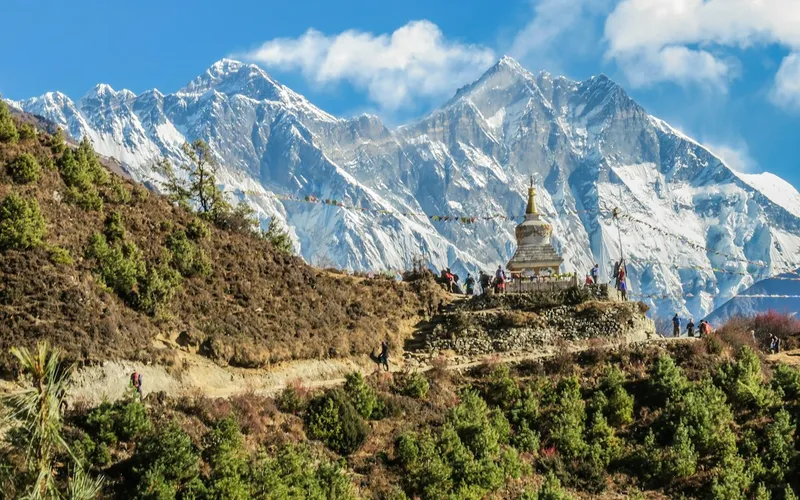
Mount Everest is the highest mountain above sea level on Earth, standing at an official elevation of 8,848.86 meters (29,031.7 ft). Straddling the international frontier between Nepal and China, it is known locally as Sagarmatha in Nepali ('Goddess of the Sky') and Chomolungma in Tibetan ('Mother Goddess of the World'). The peak rises into the extreme upper troposphere, where oxygen levels drop to barely one-third of sea-level pressure. Climbers face hurricane-force jet stream winds, severe frostbite conditions, shifting ice crevasses in the Khumbu Icefall, and the dangerous Death Zone above 8,000 meters.

K2
K2, at 8,611 meters (28,251 ft), is the second-highest mountain on Earth and widely regarded as the most technically demanding and lethal 8,000-meter peak. Located in the heart of the Karakoram on the border between Pakistan and China, K2 is characterized by sheer relief, severe weather anomalies, and persistent objective hazards including the notorious Bottleneck couloir.
Ascent Route & Topography (1)
View All Routes →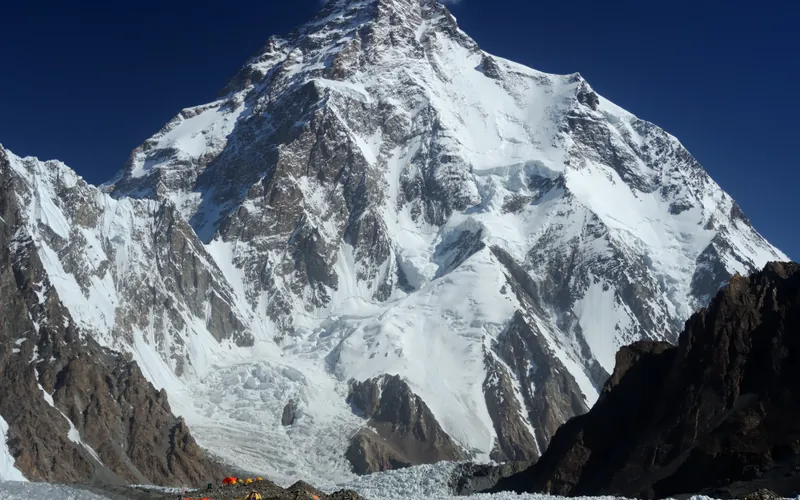
Abruzzi Spur (Southeast Ridge)
The Abruzzi Spur is the most famous and frequently climbed route on K2, tracing the mountain's steep southeast ridge from the Godwin-Austen Glacier to the summit. First explored in 1909 by Prince...
Featured Mountaineers & Pioneers (1)
Browse All Mountaineers →Andrzej Bargiel
Born in the Tatra foothills in Łętownia, Poland, Andrzej Bargiel transitioned from ski-mountaineering racing and a speed record on the five Snow Leopard peaks (2016) into pioneering uninterrupted ski descents from...
Documented Expeditions (2)
View All Expeditions →2018 Andrzej Bargiel First Complete Ski Descent of K2
Clicking into his skis right on the 8,611-meter summit without supplemental oxygen on July 22, 2018, Poland’s Andrzej Bargiel linked steep upper couloirs with the Messner Traverse to complete the first continuous ski descent of K2.
2025 Andrzej Bargiel Mount Everest No-Oxygen Ski Descent
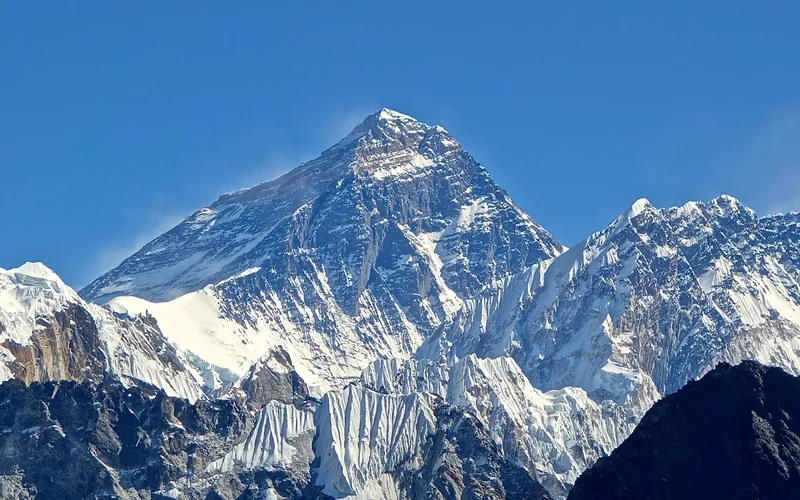
On September 22, 2025, Polish mountaineer Andrzej Bargiel climbed Mount Everest from Nepal without supplemental oxygen and executed the first continuous ski descent from the 8,849 m summit to Base Camp.
Documented Sources & Archival Citations
- Archival DatabaseAndrzej Bargiel Skies Everest Without Supplemental Oxygen (Sep 2025) ↗(ExplorersWeb / Alpine Chronicles)
Supporting claim: Verified September 22, 2025 continuous summit-to-base ski descent of Everest without O2 and July 22, 2018 K2 ski descent.
Share Exploration
Global Mountain Intelligence
✓ Link copied to clipboard!