
Mountains of Iran
Framed by the rugged Alborz and Zagros ranges, Iran offers extensive high-altitude mountaineering above 4,000 and 5,000 meters, crowned by Asia’s highest volcanic cone Mount Damavand (5,610 m) and the 4,409-meter Dena massif.
Peer Review: Senior Editorial Board & Historical Reviewers • Editorial Standards
Key Statistics & Topographic Figures
- Archive Classification
- COUNTRIES
Mountainity Knowledge Corpus
- Verification Status
- Editorially Verified
Archival Standards
- Citation Standard
- Primary Source Verified
Alpine Research Desk
Mountain Peaks in Iran
Technical profiles, elevations, and ascent histories for summits located in or spanning Iran.
Mount Damavand
Soaring to 5,610 meters (18,406 ft) northeast of Tehran in the Central Alborz, Mount Damavand ranks twelfth in the world by topographic prominence (4,661 m) and crowns the Volcanic Seven Summits in Asia. Revered in Ferdowsi's Shahnameh epic and Persian folklore, the dormant volcanic cone still vents active sulfur fumaroles near its ice-rimmed crater, testing winter and summer climbers across four classic compass routes.
Dena
Stretching along the boundary between Kohgiluyeh-Boyer Ahmad and Isfahan provinces north of Yasuj, the 80-kilometer Dena crest hosts more than forty summits exceeding 4,000 meters. At 4,409 meters (14,465 ft), Qash-e Mastan rises as the highest summit of the entire Zagros fold-and-thrust belt, characterized by dramatic karstic walls, deep spring snowpack chutes, and an ultra-prominent 2,604-meter topographic drop.
Mountain Ranges Spanning Iran
Geographic mountain massifs, regional topography, and glaciated chains within Iran.
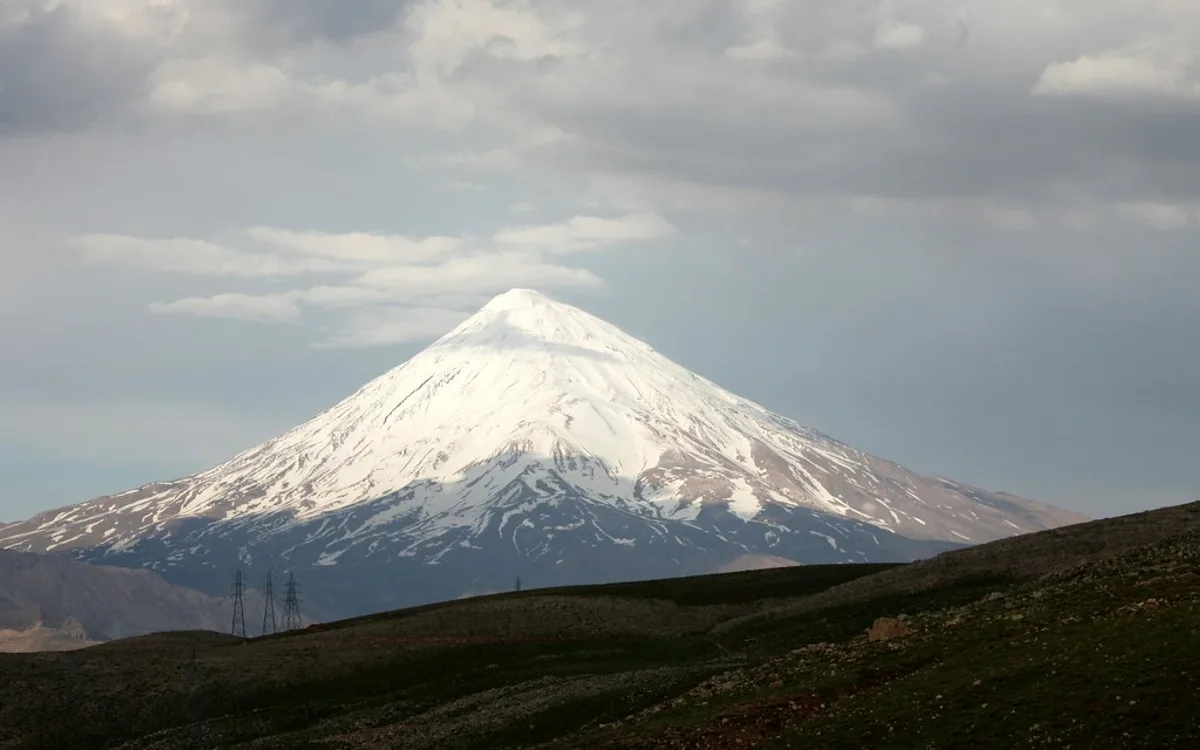
Alborz Mountains
A sinuous northern Iranian Alpide belt arcing along the southern Caspian Sea coast, culminating in the solitary Pleistocene stratovolcano Mount Damavand (5,610 m), the highest volcano in Asia and apex of the Iranian Plateau.
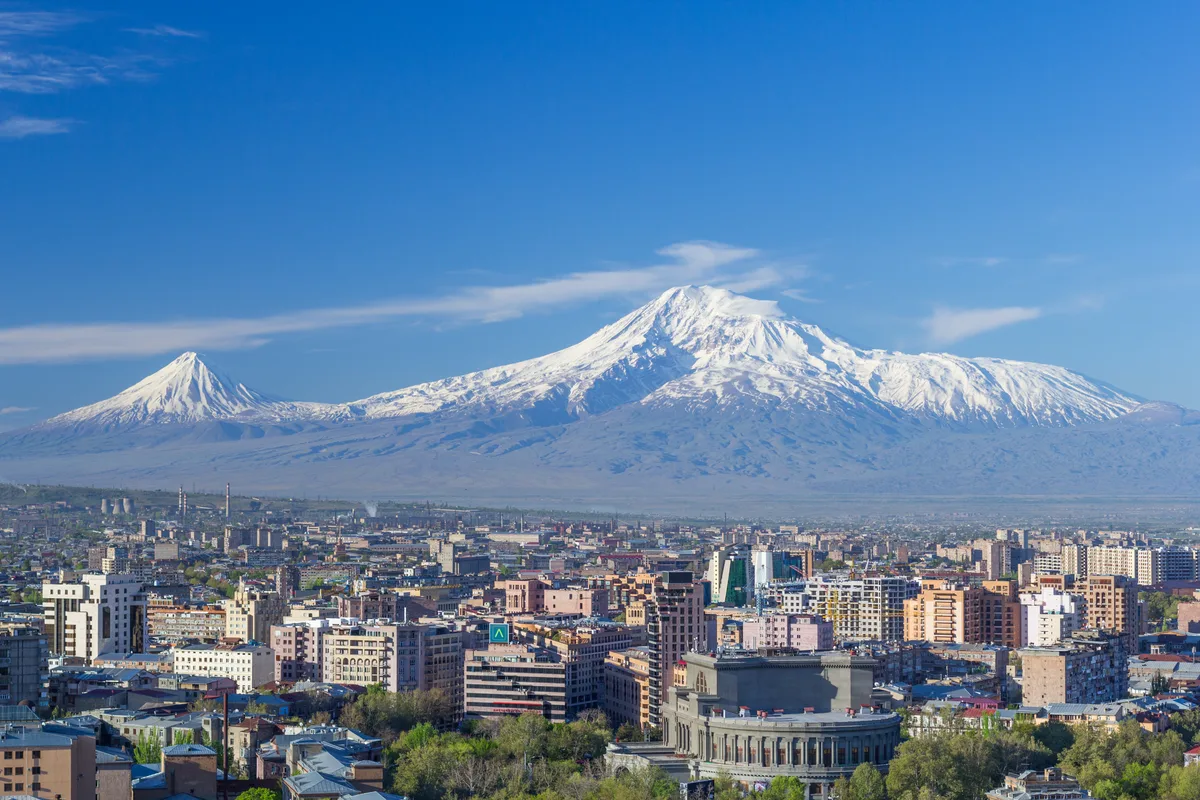
Armenian Highlands
A high tectonic plateau and volcanic collision zone in the Alpide-Himalayan belt between Anatolia and the Caucasus, characterized by colossal stratovolcanic peaks including Greater Ararat (5,137 m), Mount Aragats, and Lake Van basin.
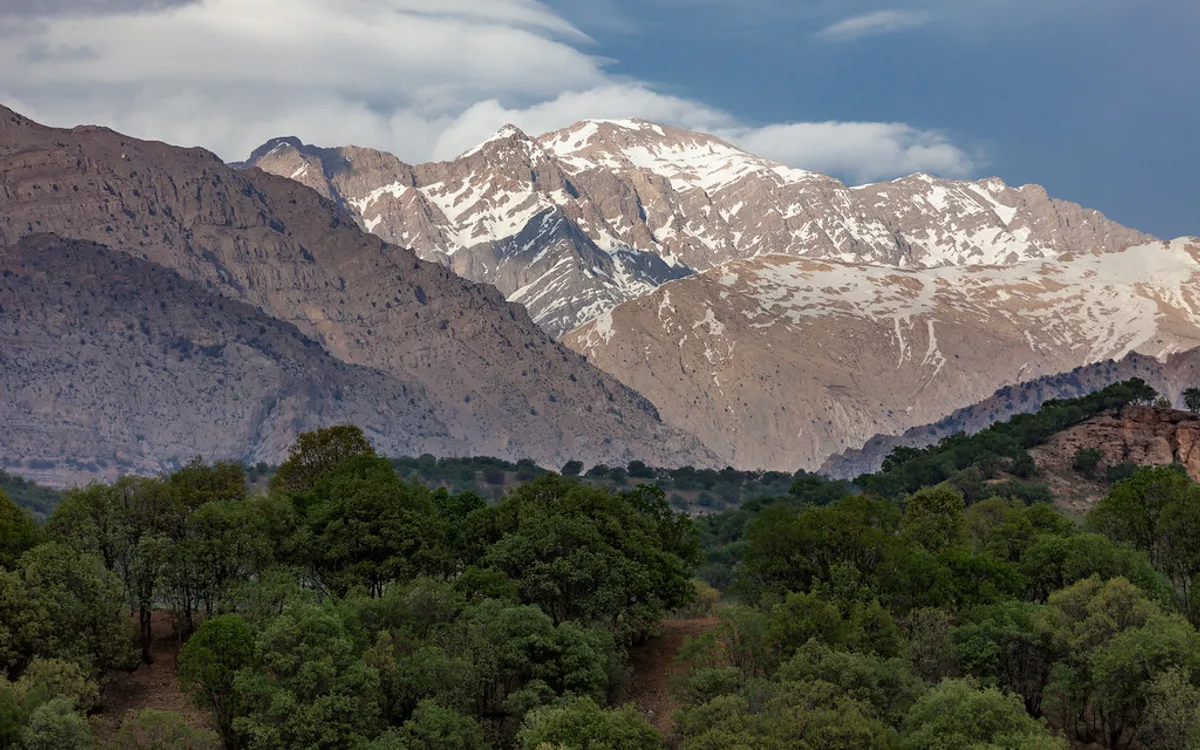
Zagros Mountains
A classic fold-and-thrust Alpide mountain belt formed by the continental collision of the Arabian Plate with central Iran, extending 1,600 km southeastward and reaching 4,409 meters at Qash-e Mastan in the Dena massif.
Pioneer Mountaineers of Iran
Biographical chronicles of legendary high-altitude alpinists hailing from Iran.
Azim Gheichisaz
Azim Gheichisaz (born 1981) is an iconic Iranian high-altitude mountaineer. He became the first Iranian to summit all 14 eight-thousanders on Earth, accomplishing the extraordinary feat entirely without supplemental...
Azim Gheychisaz
Born in Tabriz in northwestern Iran, Azim Gheychisaz emerged as the pioneer of Iranian high-altitude mountaineering. Beginning with a summit of Gasherbrum I in 2008, Gheychisaz completed all fourteen 8,000-metre peaks...
Parvaneh Kazemi
Parvaneh Kazemi (born 1970) is Iran's preeminent female high-altitude mountaineer. In May 2012, Kazemi made international mountaineering history by summiting Mount Everest and Lhotse within one week. In the Himalayan...
Defined Alpine Terminology & Concepts
- Archival Integrity
- The standard of verifying historical mountain facts, summit claims, and altitudes using primary expeditions journals and geodetic measurements.
Frequently Asked Questions: Iran Mountaineering
What historical significance does this countrie hold?
Iran represents an essential chapter in global mountaineering heritage, verified through contemporary expedition journals and archival sources.
How are the facts and records for Iran verified?
All records are checked against peer-reviewed journals, national alpine clubs, geodetic surveys, and the Mountainity Archival Integrity Policy.
Share Exploration
Global Mountain Intelligence
✓ Link copied to clipboard!