1903 Adolf Schulze, Cenzi von Ficker and Willi Rickmers Mount Ushba South Peak Historic First Ascent Expedition
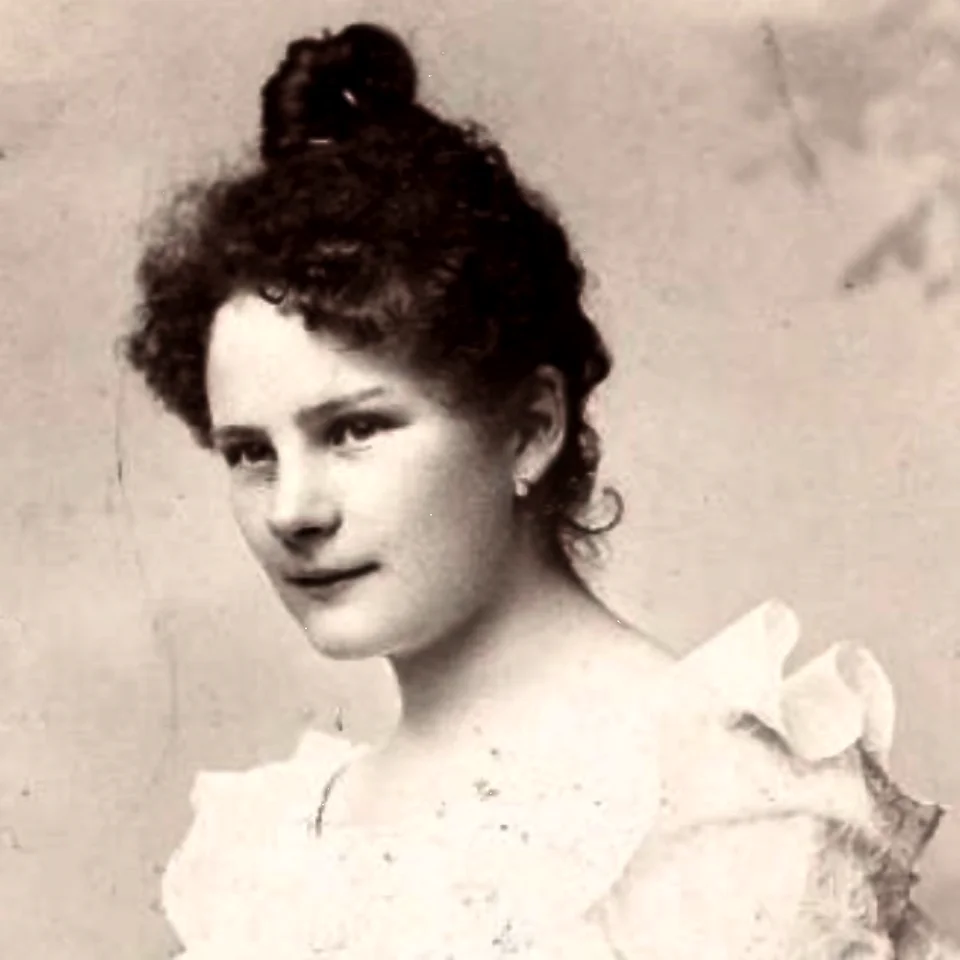
On July 26, 1903, an elite Austro-German expedition led by Adolf Schulze, Cenzi von Ficker, and Willi Rickmer Rickmers completed the first ascent of Mount Ushba South Peak (4,710 m), the highest and most difficult summit of the mountain. Following the epic climb, Prince Dadeshkeliani of Svaneti officially deeded Mount Ushba to Cenzi von Ficker.
Mountain Safety & Conditions Disclaimer: High-altitude climbing, glacial travel, and technical ascents entail severe objective risks including avalanches, serac collapses, rapid weather collapse, and altitude illness. Historical route descriptions and summit claims on Mountanity reflect documented archival sources and must not be used as live operational safety assessments. Local regulations, permits, and physical glacial topography change continuously.
Peer Review: Senior Editorial Board & Historical Reviewers • Editorial Standards
Official Expedition Narrative & Archival Record
By 1903, the South Peak of Mount Ushba (4,710 m) was universally considered by international mountaineers to be the most formidable unclimbed alpine objective on Earth. Rising twenty metres higher than the North Peak, its massive vertical granite walls and overhangs had defeated more than twenty serious attempts by elite British, German, and Swiss climbers. In July 1903, German explorer Willi Rickmer Rickmers organized a powerhouse expedition including German rock virtuoso Adolf Schulze, Swiss geodesist Robert Helbling, German geologist Friedrich Reichert, and twenty-four-year-old Austrian mountaineer Cenzi von Ficker. On their initial assault, Schulze was leading a vertical granite crack near the summit when a handhold tore loose; he plunged twenty metres through space, suffering severe head lacerations before the belay rope miraculously held. Held in place on an exposed ledge, the team orchestrated a harrowing emergency retreat through a fierce thunderstorm, during which Cenzi von Ficker demonstrated extraordinary composure and care for the injured leader. While Schulze recovered, Prince Tatarkhan Dadeshkeliani, the feudal ruler of Svaneti, was so enthralled by Cenzi's courage that he formally presented her with a legal parchment deeding Mount Ushba to her as a personal gift. On July 26, 1903, with bandages still wrapped around his head, Adolf Schulze returned to the mountain alongside Rickmers, Helbling, Reichert, and Anton Weber. Bypassing the fatal pitch, Schulze re-led the vertical crux to summit Ushba South Peak at 4,710 metres, completing the greatest technical triumph in Caucasian mountaineering history.
Documented Team Composition
- Adolf Schulze (Lead Rock Climber, Munich, Germany)
- Cenzi von Ficker (Lead Alpinist & 'Uschba-Mädel', Austria)
- Willi Rickmer Rickmers (Expedition Leader & Alpinist, Germany)
- Robert Helbling (Geodesist & Alpinist, Switzerland)
- Friedrich Reichert (Geologist & Alpinist, Germany)
- Anton Weber (Alpinist, Germany)
Key Statistics & Topographic Figures
- Summit Elevation
- 4,710 m (South Peak, Highest Point)
- Summit Date
- July 26, 1903
- Lead Rock Climber
- Adolf Schulze (Munich)
- Uschba-Mädel
- Cenzi von Ficker (Austria)
- Expedition Leader
- Willi Rickmer Rickmers
Archival Primary Source Quotations
“To the most courageous lady who dared to tread upon the glaciers of my ancestors, I give Mount Ushba.”
Defined Alpine Terminology & Concepts
- Prince Dadeshkeliani Deed
- The historic 1903 Georgian parchment in which the ruler of Svaneti formally granted ownership of Mount Ushba to Austrian climber Cenzi von Ficker.
- Schulze Crack
- The vertical red granite fracture pitch near the summit ridge of Ushba South Peak, mastered by Adolf Schulze.
Frequently Asked Questions: 1903 Adolf Schulze, Cenzi von Ficker and Willi Rickmers Mount Ushba South Peak Historic First Ascent Expedition
Who conquered the South Peak of Mount Ushba in 1903?
An Austro-German expedition led by Adolf Schulze, Willi Rickmer Rickmers, and Cenzi von Ficker conquered Ushba South Peak (4,710 m) on July 26, 1903.
Why was Cenzi von Ficker called Uschba-Mädel?
Cenzi von Ficker earned the international nickname for her bravery, composure, and climbing skill on Ushba during the perilous 1903 expedition.
Why did Prince Dadeshkeliani of Svaneti deed Mount Ushba to Cenzi von Ficker?
Prince Tatarkhan Dadeshkeliani was so amazed by Cenzi's courage on the sacred mountain that he presented her with a legal parchment gifting Mount Ushba to her.
What dramatic accident happened to Adolf Schulze on Ushba in 1903?
Schulze fell twenty metres from a vertical granite crack near the summit, suffering severe head wounds before returning with head bandages eight days later to conquer the peak.
Ascent Route & Topography
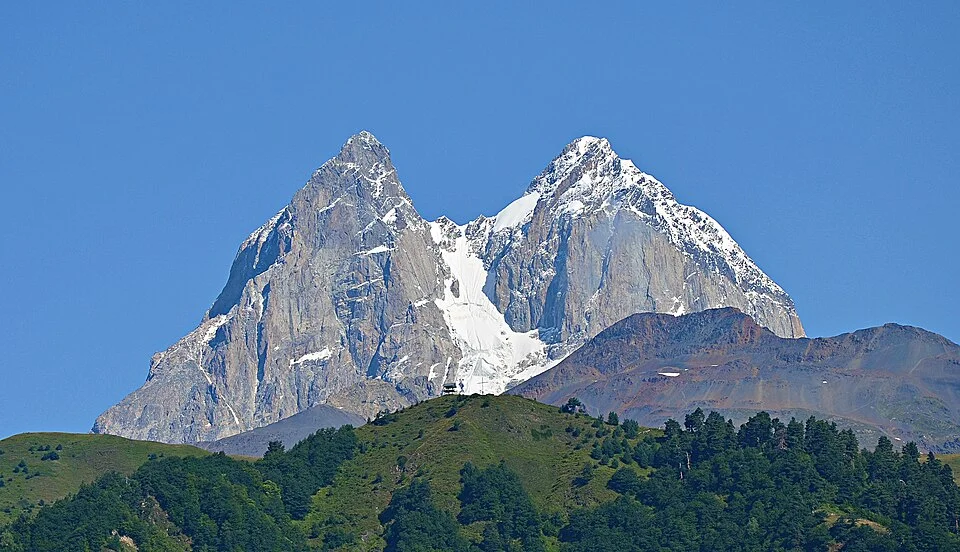
Ushba North Peak Northeast Ridge
The legendary classic testpiece of the central Caucasus, ascending from the Ushba Glacier plateau up the razor-sharp Northeast Ridge to the 4,690-metre summit of Ushba North Peak. Demanding world-class alpine prowess, sustained cramponing on 55-degree glacial ice, and exposure to sudden Caucasian thunderstorms.
Target Objective Peak
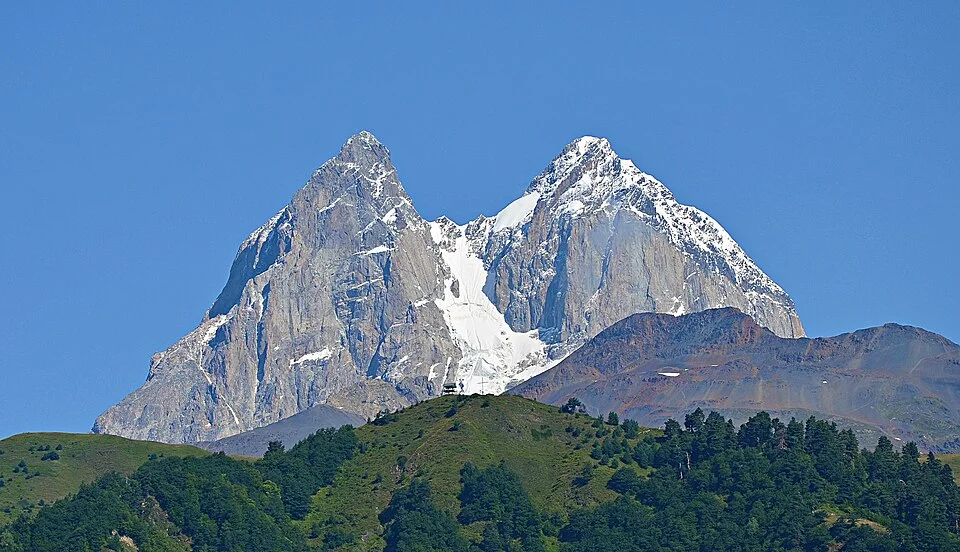

Ushba
Ushba is a legendary double-peaked granite horn in the Svaneti region of Georgia, universally celebrated as the 'Matterhorn of the Caucasus' and widely regarded as the most difficult technical mountaineering objective in the entire Caucasus range. Rising with breathtaking vertical ferocity above the high valleys of Mestia, Ushba features a South Peak (4,710 m) and a North Peak (4,690 m) separated by a jagged, corniced saddle. The North Peak was first climbed in 1888 by English mountaineer John Garford Cockin and Swiss guide Ulrich Almer, while the South Peak was first conquered in 1903 by a daring German-Austrian team led by Adolf Schulze, Willi Rickmer Rickmers, and Cenzi von Ficker.
Featured Expedition Climber
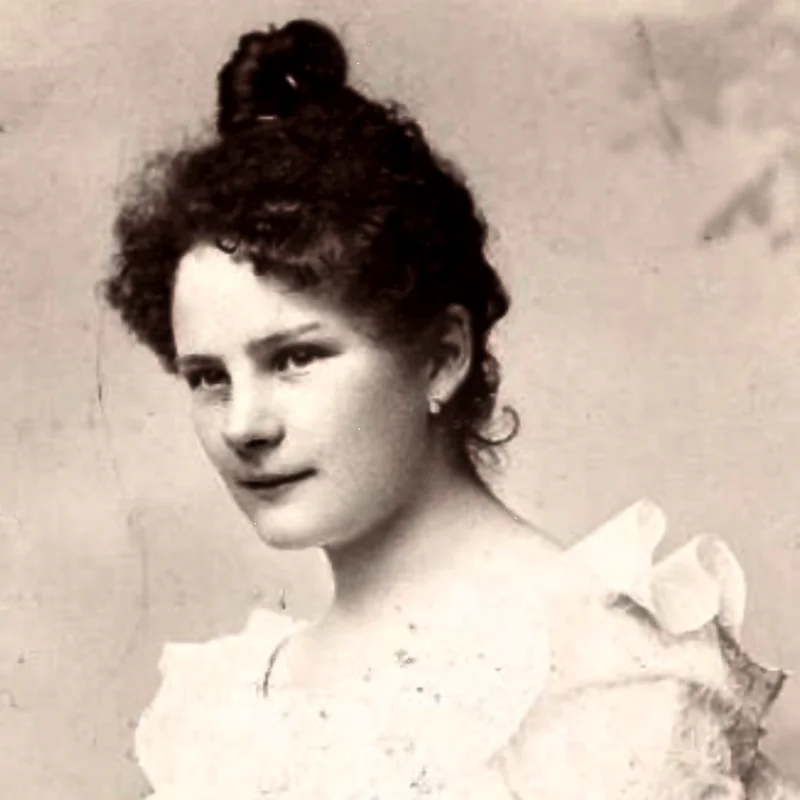
Cenzi von Ficker
Born in Munich in 1878 to a prominent Austrian academic family, Creszenz 'Cenzi' von Ficker emerged at the dawn of the 20th century as one of the boldest and most technically proficient female alpinists in the world. Roping up with her brother Heinrich von Ficker and renowned explorer Willi Rickmer Rickmers, Cenzi mastered the extreme limestone faces of the Eastern Alps and Dolomites. In the summer of 1903, Cenzi joined Rickmers's elite Austro-German expedition to the Caucasus to tackle Mount Ushba (4,710 m)—then universally feared as the most dangerous and difficult technical peak on Earth. Establishing base camp in the high valley of Svaneti, the team attempted the unclimbed South Peak. On an initial attempt, lead climber Adolf Schulze suffered a harrowing 20-metre fall; held securely on the rope, the team managed an emergency retreat through blinding weather. Cenzi's fearless composure, climbing skill, and endurance during the brutal expedition captivated both European mountaineers and the local Svan highlanders. Prince Tatarkhan Dadeshkeliani, the supreme ruler of Svaneti, was so impressed by Cenzi's grace and daring that he drew up an official deed declaring: 'As a gift to the most courageous lady who climbed the glaciers of our ancestors, I grant Mount Ushba to Cenzi von Ficker.' The expedition culminated on July 26, 1903, when Schulze, Rickmers, and companions conquered the South Peak. Cenzi married alpine jurist Hanns Sild and remained an iconic inspiration for women in high-altitude mountaineering until her death in 1956.
Associated Historical Chronicles & Stories
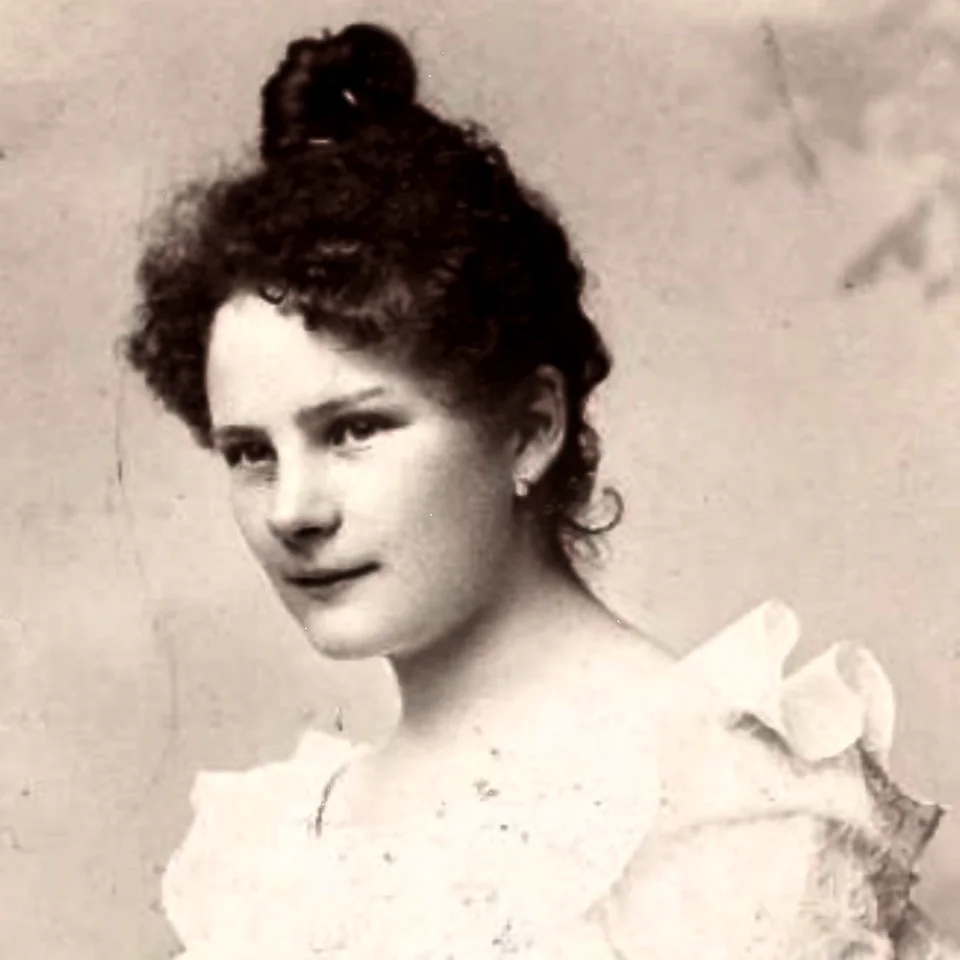
Uschba-Mädel: The 1903 First Ascent of Ushba South Peak and the Gift of a Mountain
On July 26, 1903, Adolf Schulze and Cenzi von Ficker conquered Ushba South Peak (4,710 m). In tribute, Prince Dadeshkeliani of Svaneti deeded Mount Ushba to Cenzi.
Documented Sources & Archival Citations
- Alpenvereinsjahrbuch: Die Erstbesteigung des Uschba-Südgipfels 1903(Deutscher und Österreichischer Alpenverein (DÖAV))
Supporting claim: Firsthand official report of the 1903 Ushba South Peak first ascent
Accessed/Documented: 1904 - Frauen am Berg(Caroline Fink and Karin Steinbach / Tyrolia Verlag)
Supporting claim: Historical analysis of Cenzi von Ficker and the deed of Mount Ushba
Accessed/Documented: 2013