1929 Bavarian Kangchenjunga Expedition
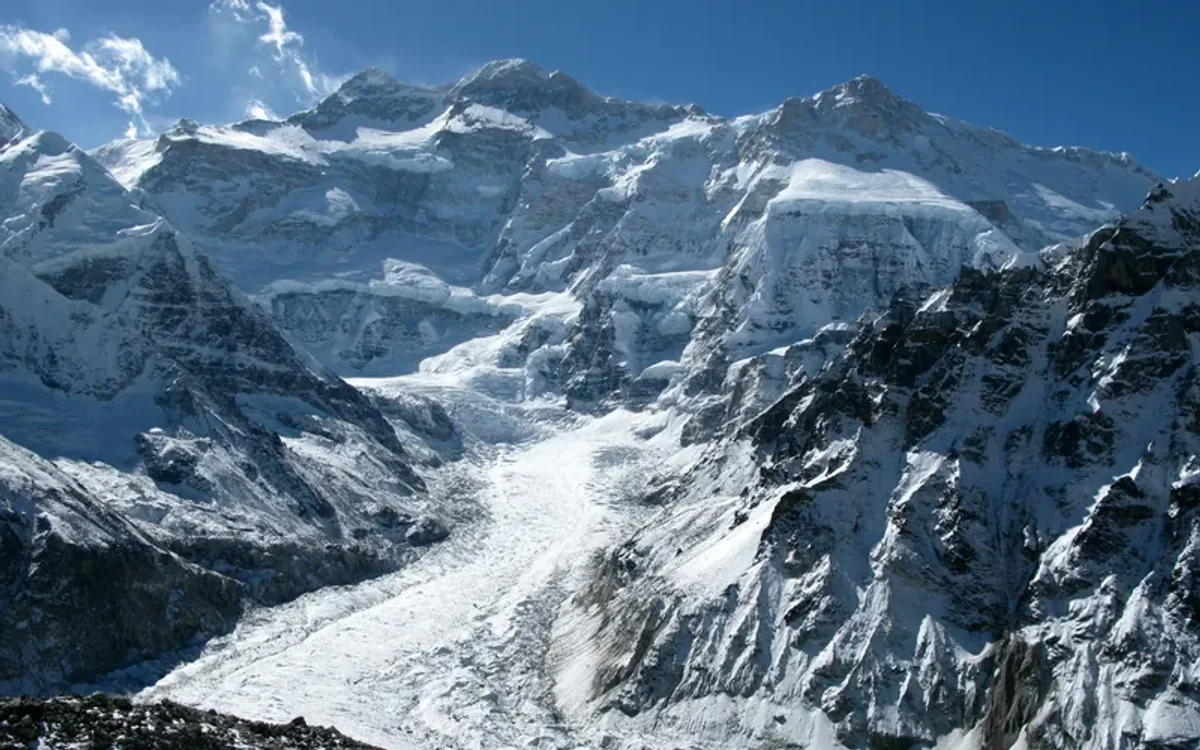
Led by Paul Bauer, the 1929 Bavarian expedition pioneered extreme icecraft on Kangchenjunga's treacherous Northeast Spur, reaching 7,400 meters through tower mushrooms before retreating.
Mountain Safety & Conditions Disclaimer: High-altitude climbing, glacial travel, and technical ascents entail severe objective risks including avalanches, serac collapses, rapid weather collapse, and altitude illness. Historical route descriptions and summit claims on Mountainity reflect documented archival sources and must not be used as live operational safety assessments. Local regulations, permits, and physical glacial topography change continuously.
Peer Review: Senior Editorial Board & Historical Reviewers • Editorial Standards
Official Expedition Narrative & Archival Record
In autumn 1929, a tight-knit Bavarian team led by Paul Bauer ventured into northern Sikkim to attempt the unclimbed Kangchenjunga (8,586m). Choosing the aesthetic, narrow Northeast Spur rising above the Zemu Glacier, the climbers confronted bizarre, overhanging ice towers and mushrooms. Over months of relentless effort, Bauer, Eugen Allwein, and Peter Aufschnaiter carved ice staircases and snow caves through the cornices, pushing to 7,400 meters. A devastating five-day hurricane blizzard deposited feet of fresh snow; demonstrating supreme judgment, Bauer organized a masterclass retreat without losing a single man.
Documented Team Composition
- Paul Bauer (Expedition Leader - 7,400m)
- Peter Aufschnaiter (Lead Climber)
- Eugen Allwein
- Ernst Beigel
- Julius Brenner
Key Statistics & Topographic Figures
- Official Outcome
- Daring Exploration & High Attempt on Northeast Spur (7,400m)
Expedition Status
- Summit Date
- 1929-10-25
Ascent Timestamp
- Target Objective
- kangchenjunga
Mountain Peak
- Ascent Route
- kangchenjunga-northeast-spur
Climbing Path
- Team Size
- 5 Climbers
High-Altitude Team
- Region / Country
- India (Sikkim / North Sikkim District)
Geography
Defined Alpine Terminology & Concepts
- Alpine Expedition
- A planned, self-contained high-altitude mountaineering undertaking operating in remote mountain terrain subject to extreme objective hazards.
- Death Zone
- The high-altitude region above 8,000 meters where atmospheric oxygen pressure is inadequate for sustained human survival.
Frequently Asked Questions: 1929 Bavarian Kangchenjunga Expedition
What was the primary outcome and achievement of the 1929 Bavarian Kangchenjunga Expedition?
Daring Exploration & High Attempt on Northeast Spur (7,400m). Led by Paul Bauer, the 1929 Bavarian expedition pioneered extreme icecraft on Kangchenjunga's treacherous Northeast Spur, reaching 7,400 meters through tower mushrooms before retreating.
When did the 1929 Bavarian Kangchenjunga Expedition reach the summit?
Summit and operational dates for the 1929 Bavarian Kangchenjunga Expedition are documented across 1929-08-01 to 1929-10-25.
Who were the documented climbing team members on the 1929 Bavarian Kangchenjunga Expedition?
The documented climbing roster included: Paul Bauer (Expedition Leader - 7,400m), Peter Aufschnaiter (Lead Climber), Eugen Allwein, Ernst Beigel, Julius Brenner.
What climbing route and mountain objective were tackled during the 1929 Bavarian Kangchenjunga Expedition?
The expedition tackled kangchenjunga via the kangchenjunga-northeast-spur in India (Sikkim / North Sikkim District).
How are the records and summit claims of the 1929 Bavarian Kangchenjunga Expedition verified?
Summit claims, route topography, and timeline logs for the 1929 Bavarian Kangchenjunga Expedition are cross-referenced with official alpine registries, national mountaineering federations, and primary expedition journals.
Ascent Route & Topography
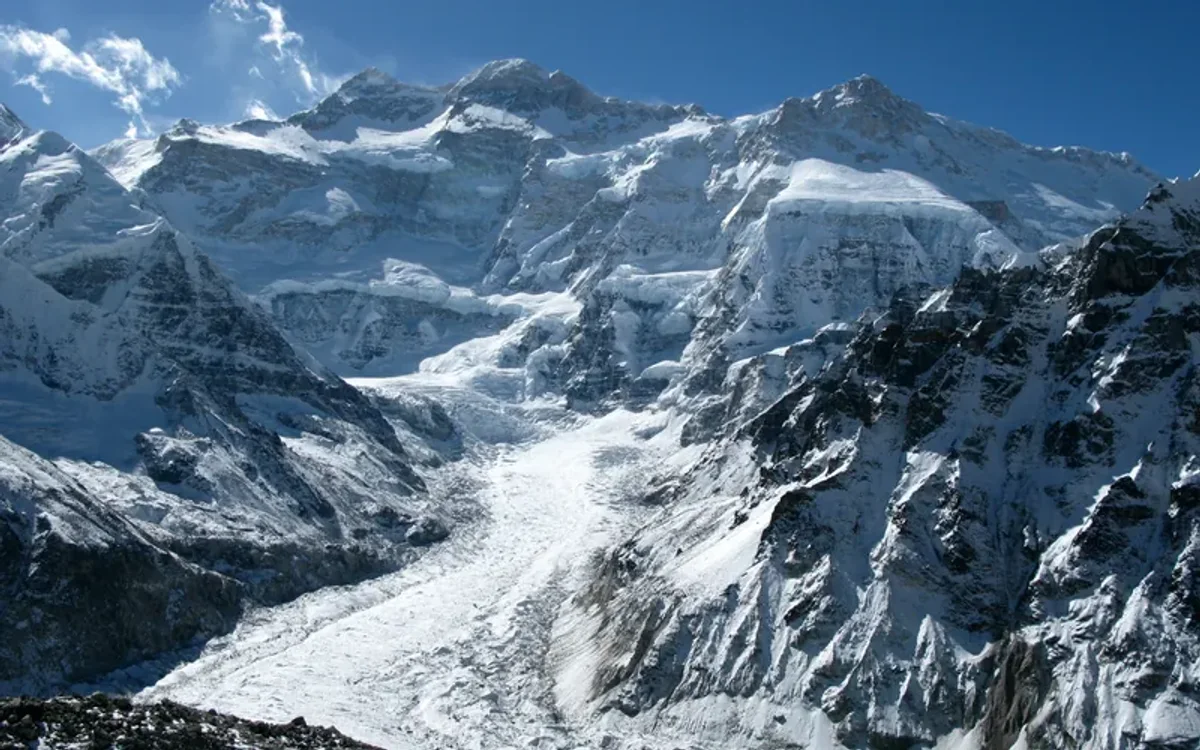
Kangchenjunga Northeast Spur
The Northeast Spur of Kangchenjunga rises from the Zemu Glacier in Sikkim, forming one of the most savage and intimidating defensive buttresses in the Himalayas. Besieged by Paul Bauer's Bavarian...
Target Objective Peak
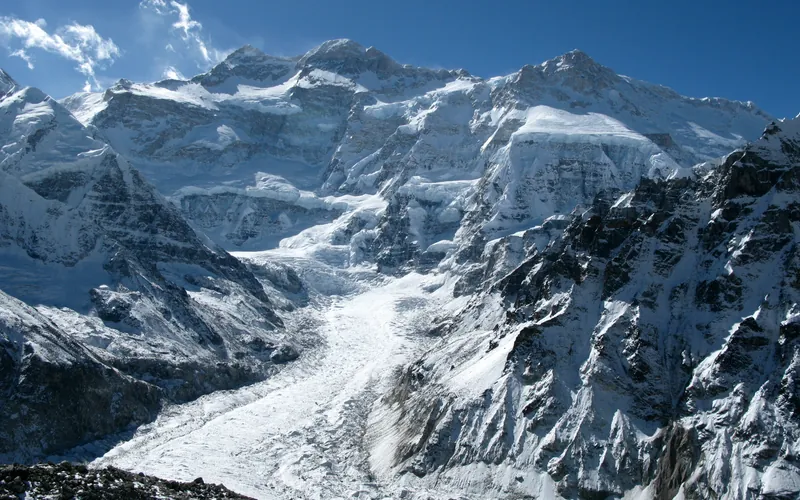


Kangchenjunga
Kangchenjunga, at 8,586 meters (28,169 ft), is the third-highest mountain on Earth, rising on the border between Nepal and Sikkim, India. Honored as sacred by locals, early ascent teams respected local beliefs by stopping short of the actual highest crest. It features immense vertical relief and notorious storm cycles.
Featured Expedition Climbers

Angtsering Sherpa
Angtsering Sherpa was one of the greatest endurance figures in early Himalayan exploration. Recruited in Darjeeling, Angtsering accompanied Paul Bauer on the pioneering Kangchenjunga expeditions in 1929 and 1931, joined...
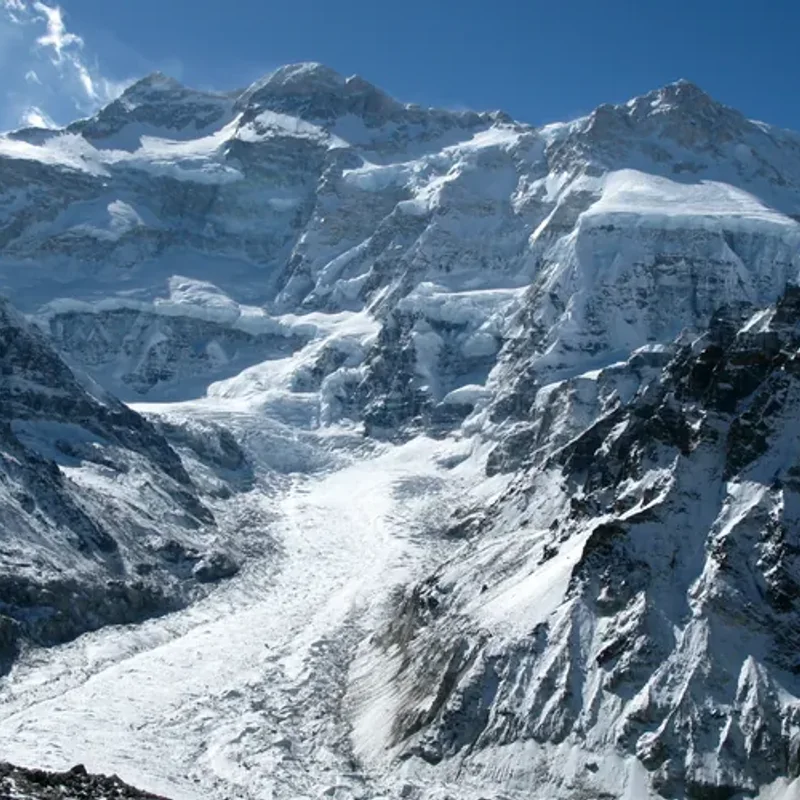
Paul Bauer
Born in Kusel in 1896, Paul Bauer became one of Germany's leading interwar alpine tacticians. In 1929, Bauer led a small Bavarian team to Sikkim to attempt Kangchenjunga (8,586m) via the unclimbed Northeast Spur. In...
Documented Sources & Archival Citations
- Primary Expedition ReportThe Battle for Kangchenjunga(Paul Bauer / Arnold & Co)
- Archival DatabaseThe Himalayan Database — Expedition Chronicle (KANG29201) ↗(Elizabeth Hawley / The Himalayan Database)
Supporting claim: Official Himalayan expedition chronology, camp telemetry, summit records and member log
Share Exploration
Global Mountain Intelligence
✓ Link copied to clipboard!