

Angtsering Sherpa
Also known as: Ang Tsering I, Nanga Parbat Angtsering
Angtsering Sherpa (c. 1904 – 2002) was a legendary high-altitude climber from Darjeeling whose extraordinary endurance during the 1934 Nanga Parbat disaster earned him the German Red Cross Medal of Honor.
Mountain Safety & Conditions Disclaimer: High-altitude climbing, glacial travel, and technical ascents entail severe objective risks including avalanches, serac collapses, rapid weather collapse, and altitude illness. Historical route descriptions and summit claims on Mountainity reflect documented archival sources and must not be used as live operational safety assessments. Local regulations, permits, and physical glacial topography change continuously.
Peer Review: Senior Editorial Board & Historical Reviewers • Editorial Standards
Biographical Record & Archival Chronicle
Angtsering Sherpa was one of the greatest endurance figures in early Himalayan exploration. Recruited in Darjeeling, Angtsering accompanied Paul Bauer on the pioneering Kangchenjunga expeditions in 1929 and 1931, joined Hugh Ruttledge in Kumaun in 1932, and served as Ruttledge's personal servant on Mount Everest in 1933. Contemporary Himalayan Journal records (HJ 7/16 and HJ 10/16) explicitly clarify that he was NOT the Ang Tsering of the Camp VI assault party on 1933 Everest (who was Ang Tsering II, H.C.P. No. 15). His supreme endurance entered mountaineering history during Willy Merkl's 1934 German expedition to Nanga Parbat (8,126m). Trapped above 7,400 metres by a ferocious multi-day blizzard alongside dying climbers, Angtsering left Camp 8 with Merkl and Gaylay as the last member of that group. Snow-blind during the early descent and spending multiple days in snow caves between Camps 7 and 6, Angtsering persevered after Merkl and Gaylay could go no farther. Miraculously descending alone after six days without food, he reached Camp 4 safely, becoming one of four survivors of the later-departing party alongside Kitar, Pasang Kikuli, and Dawa Tendrup (Dawa Thondup). For his unparalleled fortitude, the German Red Cross decorated him with the Medal of Honor in 1935.
Notable Milestones & Key Ascents (4)
One of four survivors of the later-departing high party in the 1934 Nanga Parbat disaster; survived solitary 6-day descent without food
Veteran of Paul Bauer's pioneering 1929 and 1931 Kangchenjunga expeditions on the Northeast Spur
Served with Hugh Ruttledge in Kumaun (1932) and as personal servant on Mount Everest (1933)
Awarded the German Red Cross Order of Merit (1935) for extraordinary endurance and devotion to duty
Key Statistics & Topographic Figures
- Archive Classification
- MOUNTAINEERS
Mountainity Knowledge Corpus
- Verification Status
- Editorially Verified
Archival Standards
- Citation Standard
- Primary Source Verified
Alpine Research Desk
Defined Alpine Terminology & Concepts
- Archival Integrity
- The standard of verifying historical mountain facts, summit claims, and altitudes using primary expeditions journals and geodetic measurements.
Frequently Asked Questions: Angtsering Sherpa
What historical significance does this mountaineer hold?
Angtsering Sherpa represents an essential chapter in global mountaineering heritage, verified through contemporary expedition journals and archival sources.
How are the facts and records for Angtsering Sherpa verified?
All records are checked against peer-reviewed journals, national alpine clubs, geodetic surveys, and the Mountainity Archival Integrity Policy.
Death Zone Summits (3 of 14)
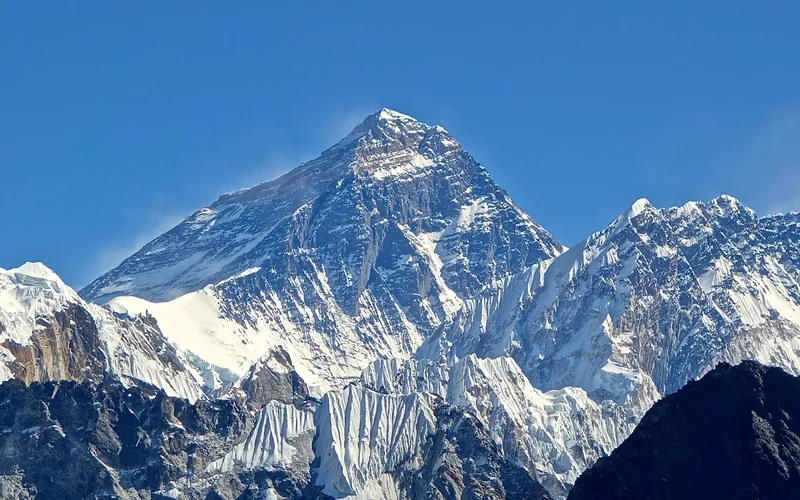

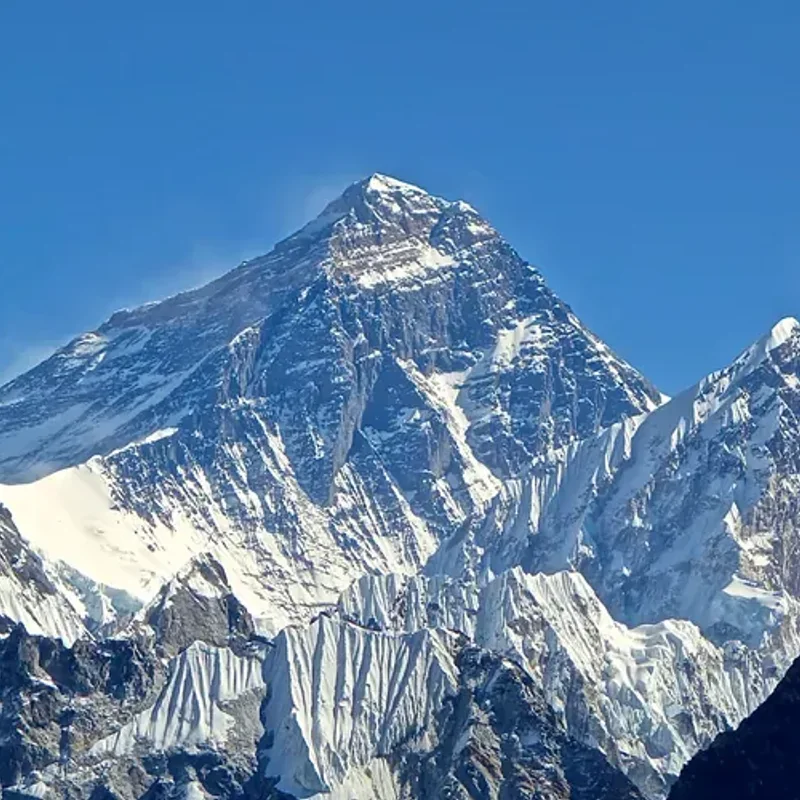
Mount Everest
Mount Everest is the highest mountain above sea level on Earth, standing at an official elevation of 8,848.86 meters (29,031.7 ft). Straddling the international frontier between Nepal and China, it is known locally as Sagarmatha in Nepali ('Goddess of the Sky') and Chomolungma in Tibetan ('Mother Goddess of the World'). The peak rises into the extreme upper troposphere, where oxygen levels drop to barely one-third of sea-level pressure. Climbers face hurricane-force jet stream winds, severe frostbite conditions, shifting ice crevasses in the Khumbu Icefall, and the dangerous Death Zone above 8,000 meters.
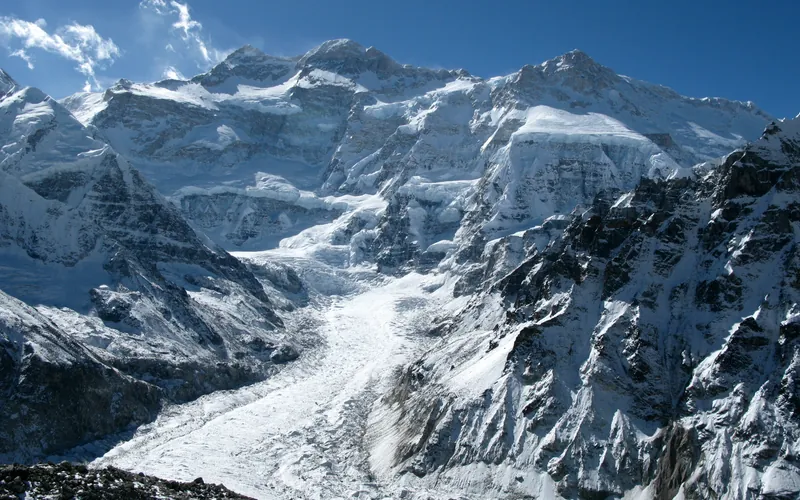
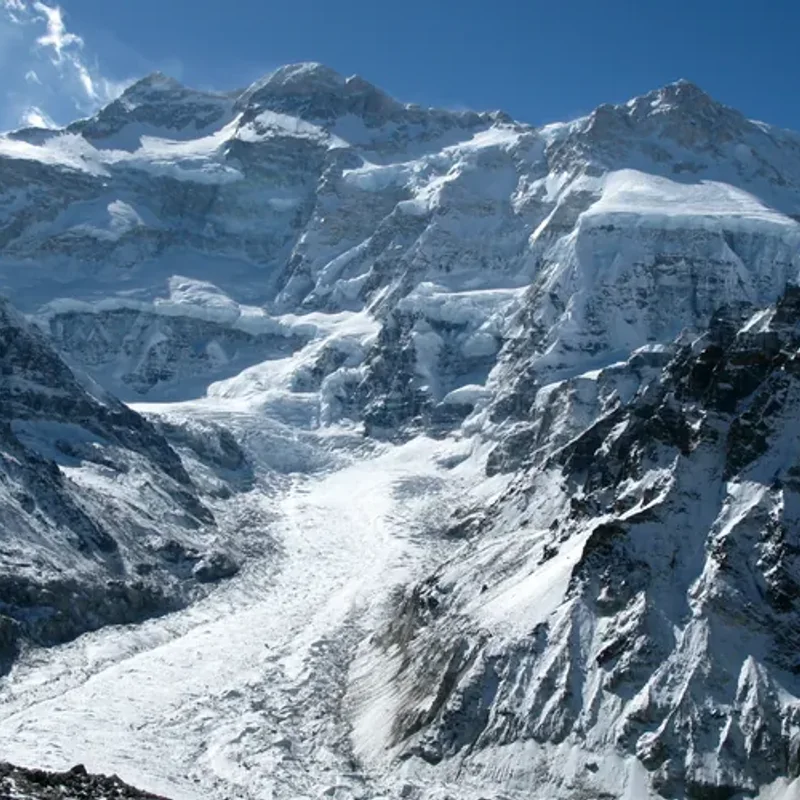
Kangchenjunga
Kangchenjunga, at 8,586 meters (28,169 ft), is the third-highest mountain on Earth, rising on the border between Nepal and Sikkim, India. Honored as sacred by locals, early ascent teams respected local beliefs by stopping short of the actual highest crest. It features immense vertical relief and notorious storm cycles.

Nanga Parbat
Nanga Parbat, at 8,126 meters (26,660 ft), is the ninth-highest mountain on Earth and the western anchor of the Himalayas in Pakistan. It boasts the Rupal Face, the highest vertical precipice in the world at 4,600 meters from valley floor to summit. Known for profound climbing history, highlighted by Hermann Buhl's legendary solo summit without supplemental oxygen in 1953.
Geographical Footprint & Mountain Ranges (1)
Documented Ascent Routes (3)
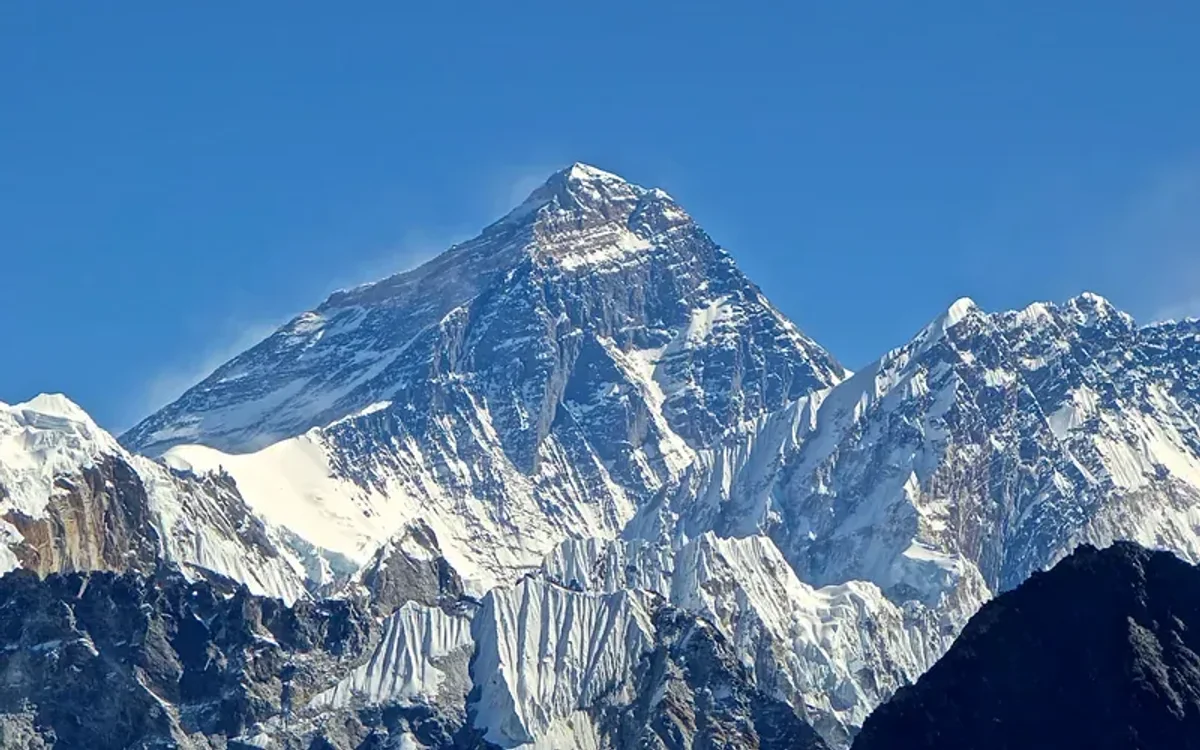
Everest North Col and Northeast Ridge
The North Col and Northeast Ridge is the standard northern climbing route on Mount Everest, beginning on the East Rongbuk Glacier in Tibet. First pioneered during the 1920s British expeditions and...
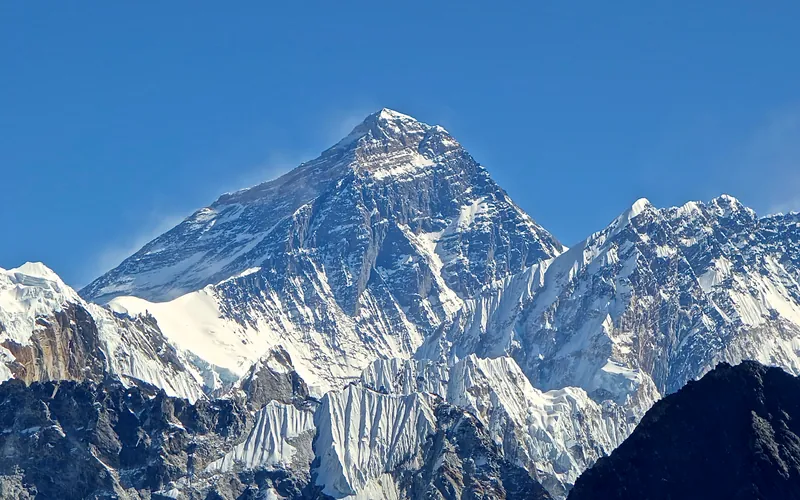
North Col & Northeast Ridge Route
The historic northern route on Mount Everest (8,848.86m), ascending from the Rongbuk and East Rongbuk glaciers to breach the icy wall of the North Col (7,020m). From the col, the route traverses the...
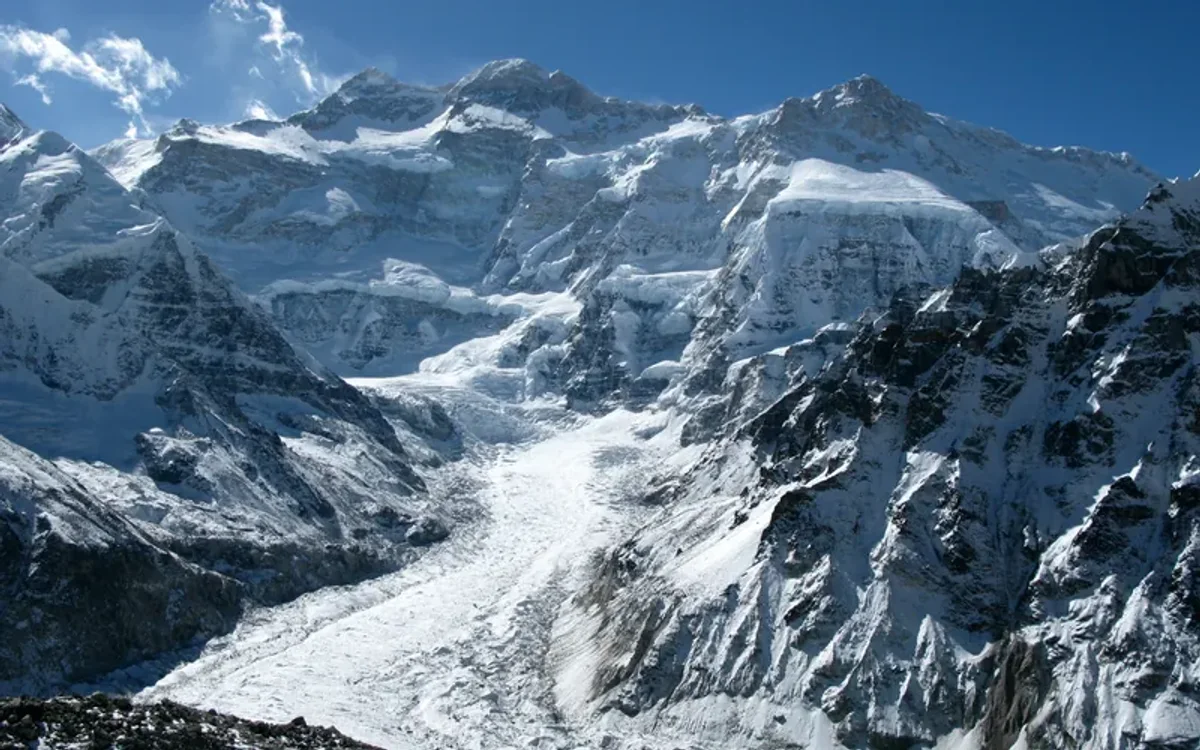
Kangchenjunga Northeast Spur
The Northeast Spur of Kangchenjunga rises from the Zemu Glacier in Sikkim, forming one of the most savage and intimidating defensive buttresses in the Himalayas. Besieged by Paul Bauer's Bavarian...
Documented Expeditions (5)
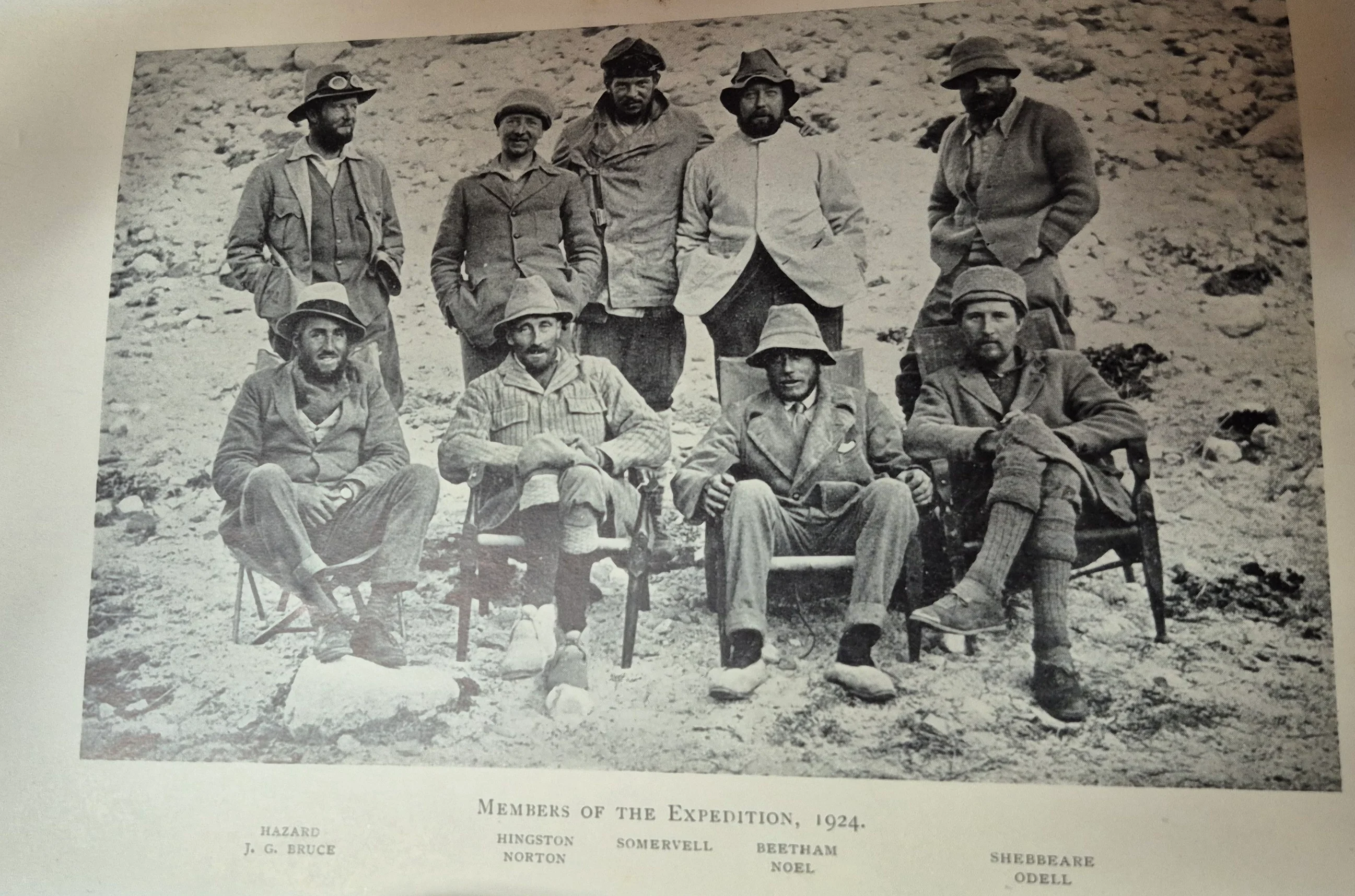
1924 British Mount Everest Expedition
The third British expedition to Mount Everest, marked by Edward Norton reaching 8,570m without supplemental oxygen and the tragic disappearance of George Mallory and Andrew Irvine high on the Northeast Ridge on June 8, 1924.
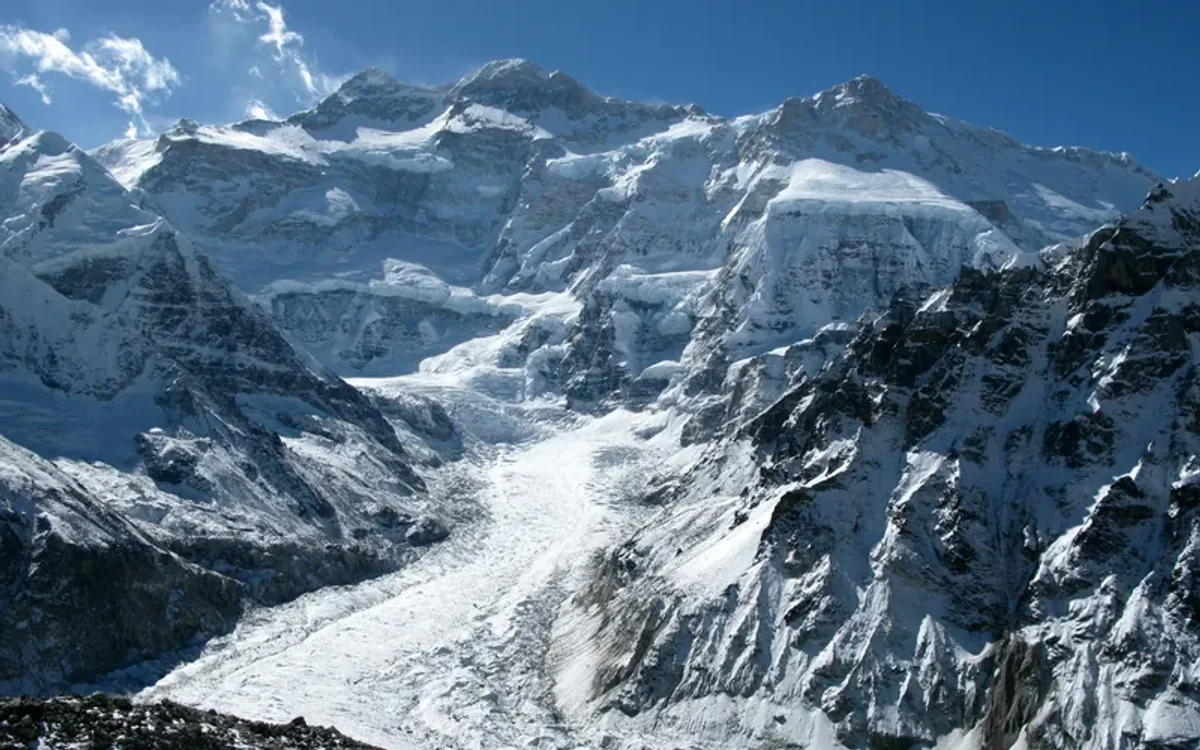
1929 Bavarian Kangchenjunga Expedition
Led by Paul Bauer, the 1929 Bavarian expedition pioneered extreme icecraft on Kangchenjunga's treacherous Northeast Spur, reaching 7,400 meters through tower mushrooms before retreating.
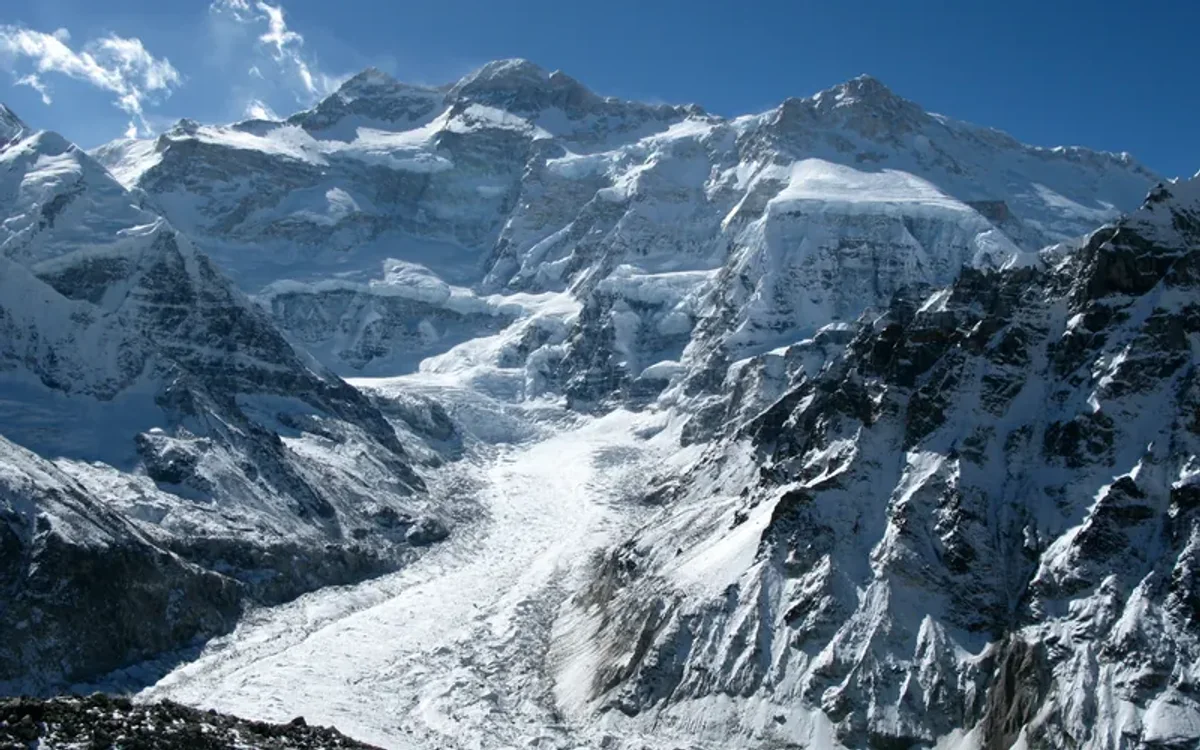
1931 Second Bavarian Kangchenjunga Expedition
Paul Bauer returned to Kangchenjunga's Northeast Spur in 1931, reaching 7,700 meters before severe avalanche conditions and the fatal fall of Hermann Schaller forced a retreat.
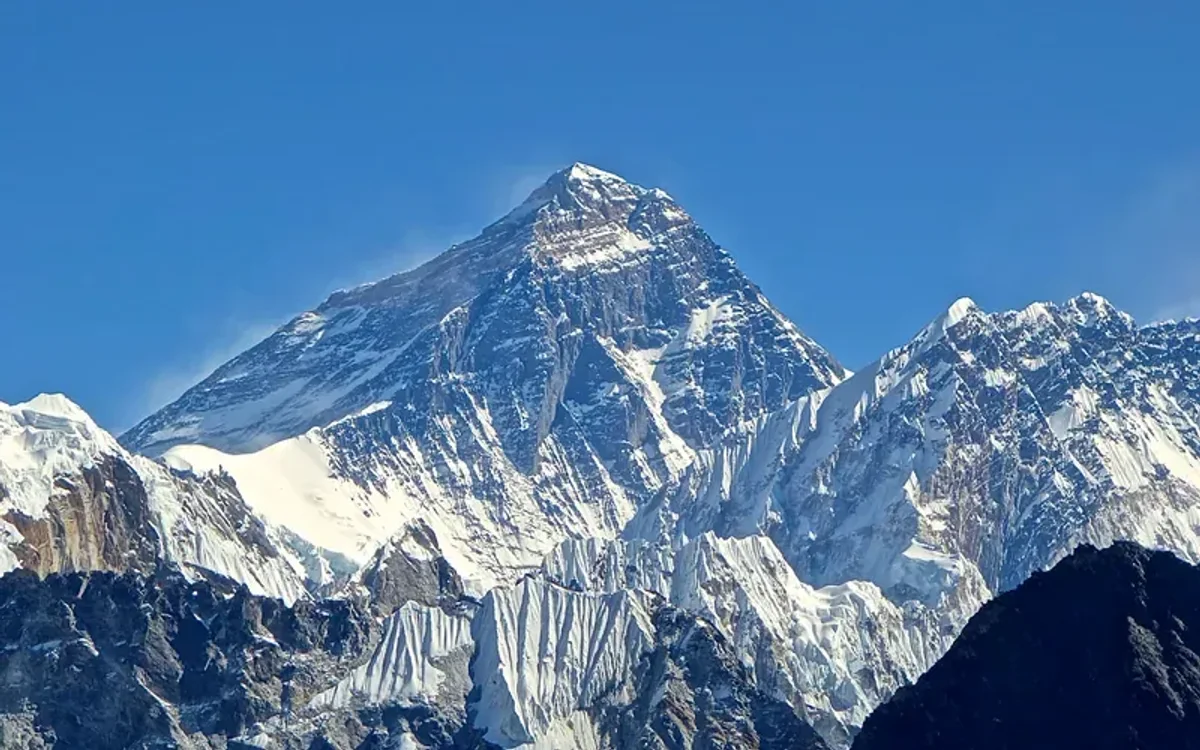
1933 British Mount Everest Expedition
Led by Hugh Ruttledge, the 1933 British expedition reached 8,570m on Everest's North Face without oxygen; on May 30, Percy Wyn-Harris discovered Mallory and Irvine's 1924 ice axe on the upper slabs.
1934 German-Austrian Nanga Parbat Expedition
The 1934 German expedition to Nanga Parbat ended in catastrophe when a ferocious blizzard claimed Willy Merkl, Willo Welzenbach, and six Sherpas.
Documented Expedition Partners (10)
Alpinists with documented shared expedition rosters, co-ascents, or collaborative high-altitude campaigns alongside Angtsering Sherpa.
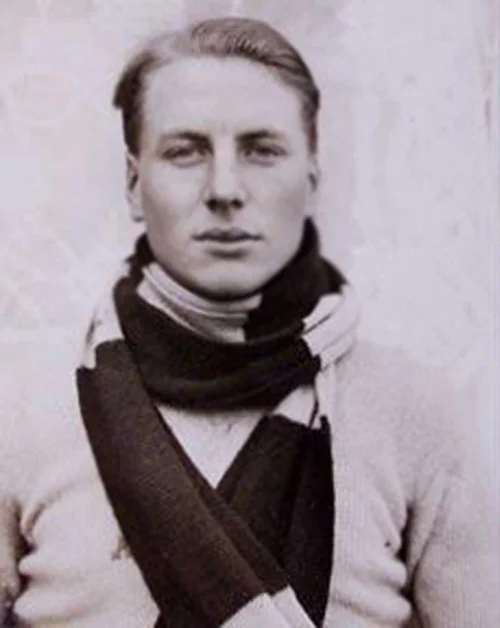
Andrew Comyn Irvine
Andrew Comyn 'Sandy' Irvine was born on April 8, 1902, in Birkenhead, Cheshire, England. Blessed with immense physical strength, towering height, and an extraordinary gift for mechanical engineering, Irvine was educated...

Ang Tsering II
Ang Tsering II (Himalayan Club Porter No. 15) was an elite Sherpa high-altitude climber from Solukhumbu. On May 29, 1933, during the 1933 British Mount Everest Expedition, Ang Tsering II was one of the eight heroic...

Dawa Thondup Sherpa
Dawa Thondup Sherpa, affectionately known across the international mountaineering community as 'Old Dawa', had one of the most enduring high-altitude climbing records in Himalayan exploration. Recruited in Darjeeling,...
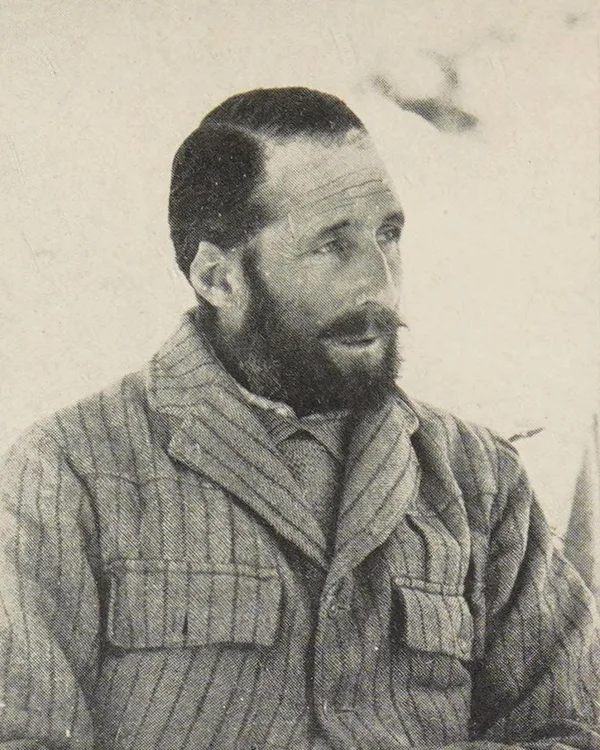
Edward Felix Norton
Edward Felix Norton was born on February 21, 1884, in San Salvador, the son of a British diplomat, and was educated at Charterhouse and the Royal Military Academy, Woolwich. Commissioned into the Royal Artillery, Norton...
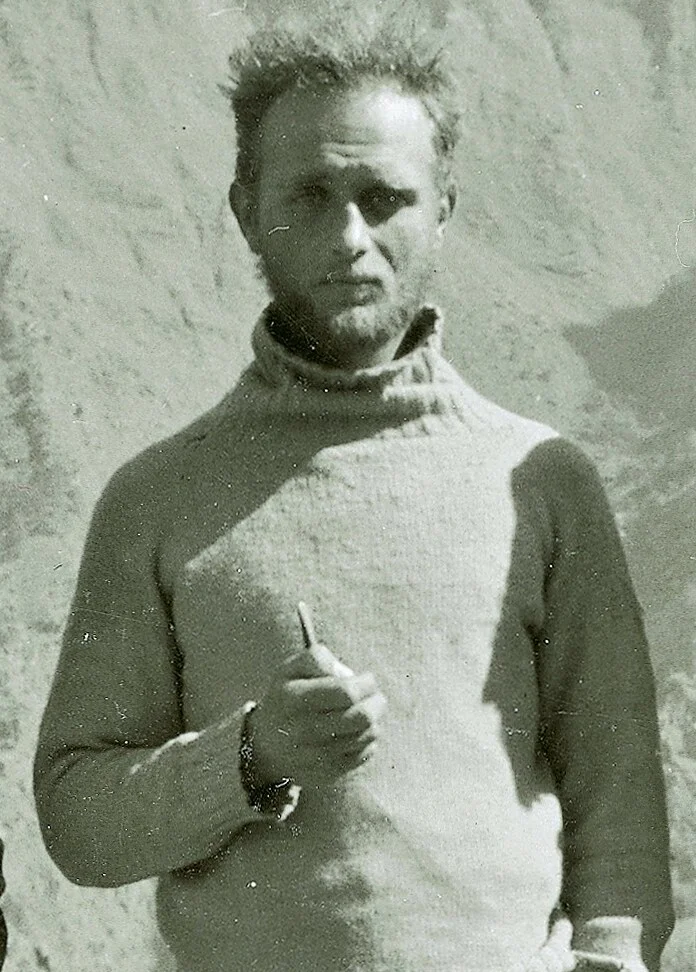
Eric Earle Shipton
Eric Earle Shipton was born on August 1, 1907, in Ceylon (now Sri Lanka). Drawn to wild, untracked frontiers from an early age, Shipton established his reputation in East Africa in 1929 by making the historic first...
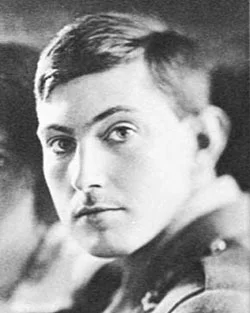
George Leigh Mallory
George Herbert Leigh Mallory was born on June 18, 1886, in Mobberley, Cheshire, England. Educated at Winchester College and Magdalene College, Cambridge, Mallory developed into an extraordinarily graceful and daring...

Dr. Howard Somervell
Dr. Theodore Howard Somervell was an extraordinary polymath whose courage on Mount Everest is legend. A decorated World War I battlefield surgeon, Somervell joined the 1922 and 1924 British Mount Everest Expeditions. On...
Noel Ewart Odell
Noel Ewart Odell was born on December 25, 1890, in St Lawrence, Isle of Wight, England. Educated at the Royal School of Mines, Imperial College London, Odell became a world-renowned geologist specializing in...
Paul Bauer
Born in Kusel in 1896, Paul Bauer became one of Germany's leading interwar alpine tacticians. In 1929, Bauer led a small Bavarian team to Sikkim to attempt Kangchenjunga (8,586m) via the unclimbed Northeast Spur. In...
Sir Percy Wyn-Harris
Born in Acton, London, in 1903, Percy Wyn-Harris made early ascents in the Alps and Kenya, achieving the first ascent of Mount Kenya's Batian peak in 1929 with Eric Shipton. In 1933, he was selected as an assault...
Contemporary Alpinists & Regional Peers (6)
Notable climbers sharing Nepal alpine heritage or active during contemporary climbing epochs.
Ajiwa Sherpa
Ajiwa Sherpa is a historic Nepalese high-altitude mountaineer celebrated for technical first ascents and exploratory climbs. Over 7 expeditions in the Himalayan Database, Ajiwa logged 5 summits across Mount Everest,...
Ang Dawa Sherpa
Ang Dawa Sherpa (born 1978) is an elite Nepalese climber and high-altitude guide from the Khumbu region. Documented across 73 expeditions, Ang Dawa achieved 40 summits, including 22 completed without supplemental...
Ang Dorje Sherpa
Ang Dorje Sherpa is a legendary figure in modern high-altitude mountaineering. Documented across 50 expeditions in the Himalayan Database, Ang Dorje stood on 26 summits, with an astounding 24 completed entirely without...
Ang Gelu Sherpa
Ang Gelu Sherpa (born 1991) is a skilled young Nepalese high-altitude guide documented across 22 expeditions, achieving 12 summits on Mount Everest, Cho Oyu, and Ama Dablam.
Ang Gyalzen Sherpa
Ang Gyalzen Sherpa is a seasoned high-altitude professional from Nepal. Over 11 expeditions documented in the Himalayan Database of Elizabeth Hawley, Ang Gyalzen Sherpa achieved 6 summits, providing critical...
Ang Gyalzen Sherpa
Ang Gyalzen Sherpa is an experienced Nepalese high-altitude climber from the Solu region. Across 21 expeditions in the Himalayan Database, Ang Gyalzen achieved 11 summits on Mount Everest and Cho Oyu.
Documented Sources & Archival Citations
- Primary Alpine JournalThe Himalayan Journal: Notes on the 1934 Nanga Parbat Porters ↗(The Himalayan Club)
Supporting claim: Contemporary primary record detailing Angtsering's 1934 Nanga Parbat survival, Kangchenjunga 1929/1931, Everest 1933 service with Ruttledge, and distinguishing him from the 1933 Camp VI porter.
- Primary Alpine JournalThe Himalayan Journal: In Memoriam - The Porters who died on Nanga Parbat, 1937 ↗(The Himalayan Club)
Supporting claim: Explicitly affirms that it was Ang Tsering II's namesake who survived the ordeal of Nanga Parbat in 1934.
Supporting claim: Later obituary documenting his longevity (living to age 97 in Darjeeling) and honoring his 1934 Nanga Parbat ordeal.
Share Exploration
Global Mountain Intelligence
✓ Link copied to clipboard!