

Ang Tsering II
Also known as: Ang Tshering II, H.C.P. No. 15
Ang Tsering II (c. 1905 – 1937) was an elite Sherpa high-altitude porter from Solukhumbu who carried to Camp VI (27,400ft) on 1933 Everest and summited Nanda Kot in 1936.
Mountain Safety & Conditions Disclaimer: High-altitude climbing, glacial travel, and technical ascents entail severe objective risks including avalanches, serac collapses, rapid weather collapse, and altitude illness. Historical route descriptions and summit claims on Mountainity reflect documented archival sources and must not be used as live operational safety assessments. Local regulations, permits, and physical glacial topography change continuously.
Peer Review: Senior Editorial Board & Historical Reviewers • Editorial Standards
Biographical Record & Archival Chronicle
Ang Tsering II (Himalayan Club Porter No. 15) was an elite Sherpa high-altitude climber from Solukhumbu. On May 29, 1933, during the 1933 British Mount Everest Expedition, Ang Tsering II was one of the eight heroic Sherpa porters who successfully established Camp VI at 27,400 feet (8,350m) on the North Face in support of Percy Wyn Harris, L. R. Wager, and Jack Longland, safely descending through a blinding gale. Contemporary Himalayan Club records (HJ 7/16 and HJ 10/16) explicitly distinguish him from his namesake who survived the 1934 Nanga Parbat disaster. In 1935, Ang Tsering II served on the British Mount Everest reconnaissance as personal porter to surveyor Michael Spender, and accompanied C. R. Cooke on his landmark expedition to Kabru North (7,412m). In spring 1936, he was entrusted alongside Ang Tharkay to select porters in Solukhumbu and escort them across the high Nangpa La pass to meet the British Everest expedition at Rongbuk. Later that year, he joined the Japanese Rikkyo University expedition to Nanda Kot (6,861m) in Kumaun, achieving the historic distinction of being the only porter to reach the maiden summit alongside the Japanese climbing team on October 5, 1936. In June 1937, he joined Karl Wien's German expedition to Nanga Parbat; tragically, on the night of June 14–15, 1937, a massive ice avalanche annihilated Camp IV (6,185m), killing seven German mountaineers and nine Sherpa porters, including Ang Tsering II.
Notable Milestones & Key Ascents (4)
One of eight elite porters who established Camp VI at 27,400 feet (8,350m) on the 1933 British Mount Everest Expedition
Sole porter to reach the summit of Nanda Kot (6,861m) with the Japanese first ascent party on October 5, 1936
Served on the 1935 British Mount Everest Reconnaissance and C. R. Cooke's 1935 Kabru North expedition
Escorted Sherpa recruits across the Nangpa La for the 1936 Everest expedition; died in the 1937 Nanga Parbat Camp IV avalanche
Key Statistics & Topographic Figures
- Archive Classification
- MOUNTAINEERS
Mountainity Knowledge Corpus
- Verification Status
- Editorially Verified
Archival Standards
- Citation Standard
- Primary Source Verified
Alpine Research Desk
Defined Alpine Terminology & Concepts
- Archival Integrity
- The standard of verifying historical mountain facts, summit claims, and altitudes using primary expeditions journals and geodetic measurements.
Frequently Asked Questions: Ang Tsering II
What historical significance does this mountaineer hold?
Ang Tsering II represents an essential chapter in global mountaineering heritage, verified through contemporary expedition journals and archival sources.
How are the facts and records for Ang Tsering II verified?
All records are checked against peer-reviewed journals, national alpine clubs, geodetic surveys, and the Mountainity Archival Integrity Policy.
Death Zone Summits (2 of 14)
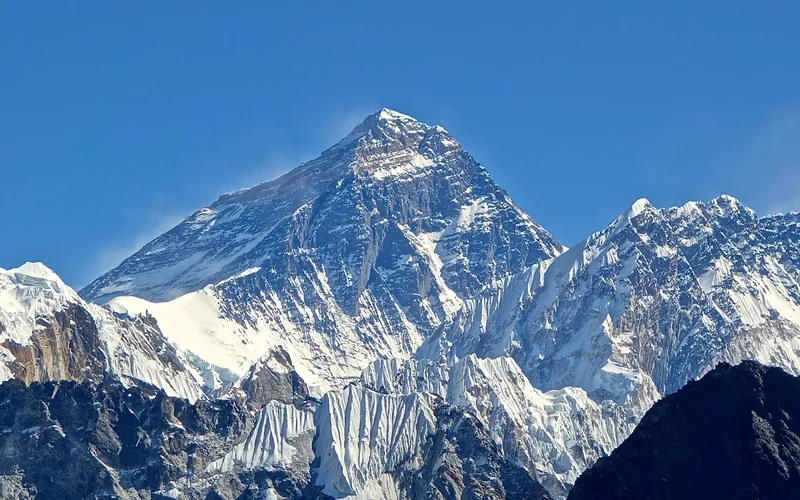

Mount Everest
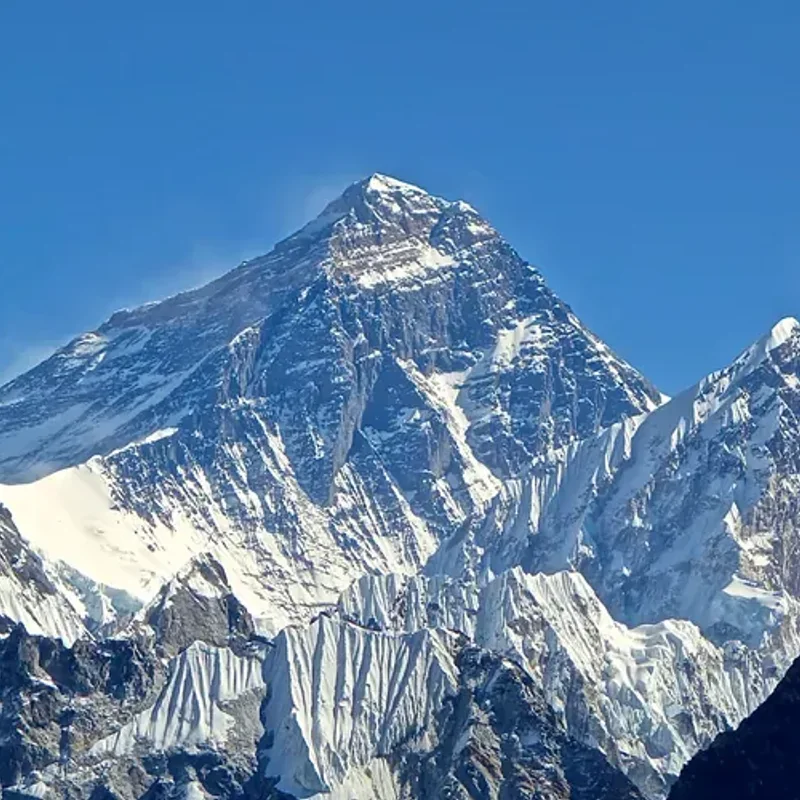
Mount Everest is the highest mountain above sea level on Earth, standing at an official elevation of 8,848.86 meters (29,031.7 ft). Straddling the international frontier between Nepal and China, it is known locally as Sagarmatha in Nepali ('Goddess of the Sky') and Chomolungma in Tibetan ('Mother Goddess of the World'). The peak rises into the extreme upper troposphere, where oxygen levels drop to barely one-third of sea-level pressure. Climbers face hurricane-force jet stream winds, severe frostbite conditions, shifting ice crevasses in the Khumbu Icefall, and the dangerous Death Zone above 8,000 meters.


Nanga Parbat
Nanga Parbat, at 8,126 meters (26,660 ft), is the ninth-highest mountain on Earth and the western anchor of the Himalayas in Pakistan. It boasts the Rupal Face, the highest vertical precipice in the world at 4,600 meters from valley floor to summit. Known for profound climbing history, highlighted by Hermann Buhl's legendary solo summit without supplemental oxygen in 1953.
Associated Mountain Peaks (2)
Kabru North
Kabru North rises to an official surveyed elevation of 7412 meters (24,318 feet) above sea level in the rugged Kangchenjunga Himalaya. Characterized by steep rock headwalls, complex icefalls, and prominent ridgelines, it is positioned among the dramatic high-altitude peaks of Nepal. The mountain's geography features severe glaciated flanks feeding local glacier systems. Climbers approaching Kabru North typically establish remote base camps across high moraines before tackling mixed snow and rock buttresses. Modern expeditions require complete self-sufficiency, careful acclimatization schedules, and navigation through active serac zones. Documented ascents and attempts on Kabru North highlight the technical difficulty and sustained exposure typical of 7,000-meter peaks in this subrange. Variable weather systems, combined with sudden wind shifts and avalanche hazards, make summit pushes demanding undertakings that require seasoned alpine judgment.

Nanda Kot
Nanda Kot ('Nanda's Fortress', 6,861m) is an ice pyramid southeast of Nanda Devi in the Kumaon Himalaya. It was first climbed on October 5, 1936 by Yaichi Hotta and T. Uchida via the Northeast Ridge in Japan's historic first Himalayan expedition.
Geographical Footprint & Mountain Ranges (1)
Documented Ascent Routes (1)
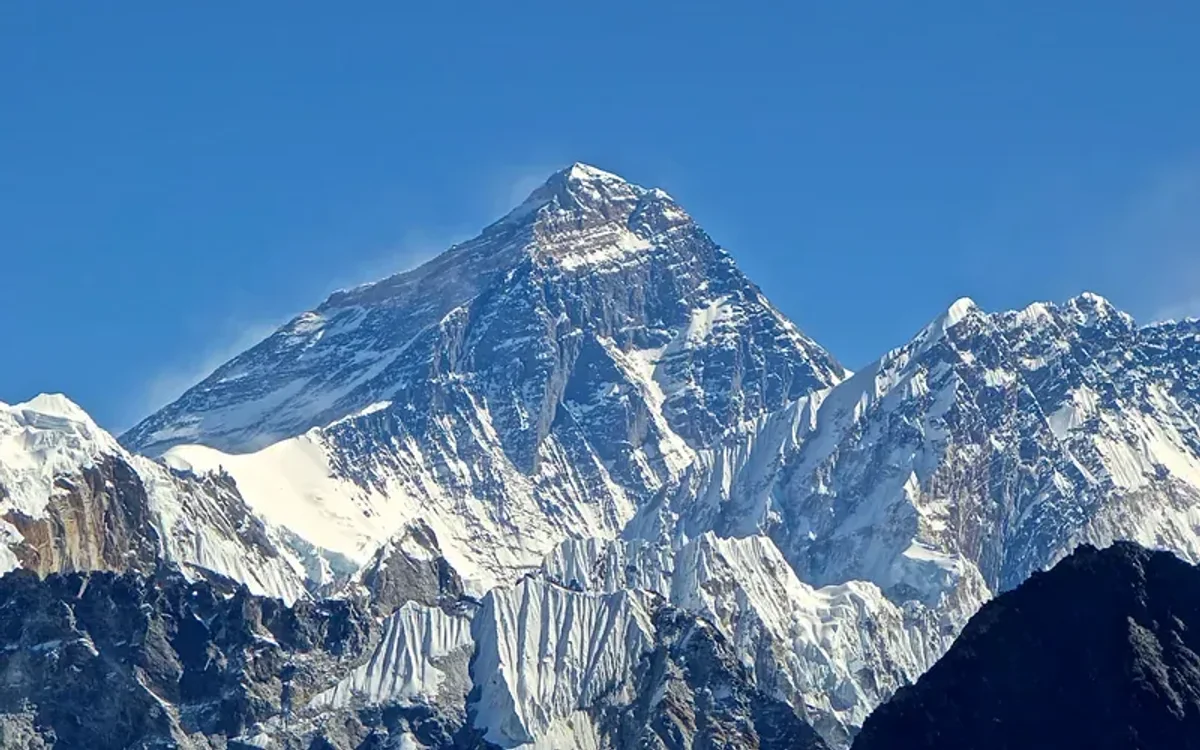
Everest North Col and Northeast Ridge
The North Col and Northeast Ridge is the standard northern climbing route on Mount Everest, beginning on the East Rongbuk Glacier in Tibet. First pioneered during the 1920s British expeditions and...
Documented Expeditions (5)
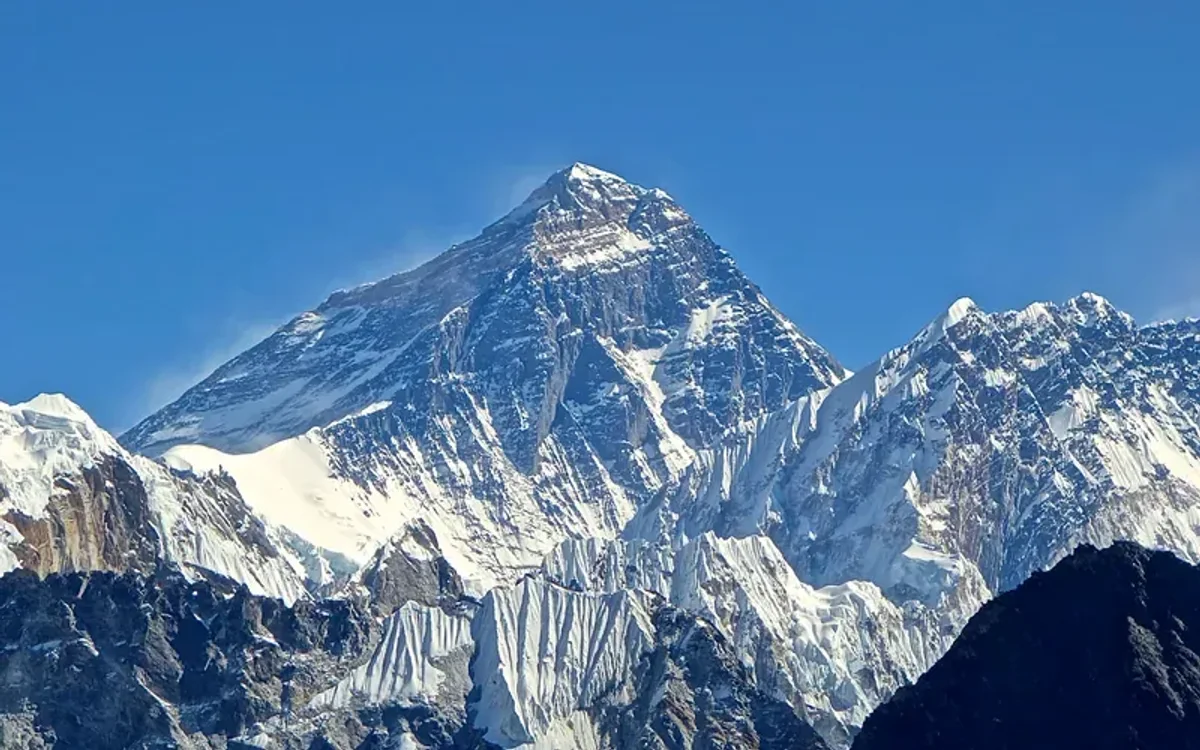
1933 British Mount Everest Expedition
Led by Hugh Ruttledge, the 1933 British expedition reached 8,570m on Everest's North Face without oxygen; on May 30, Percy Wyn-Harris discovered Mallory and Irvine's 1924 ice axe on the upper slabs.
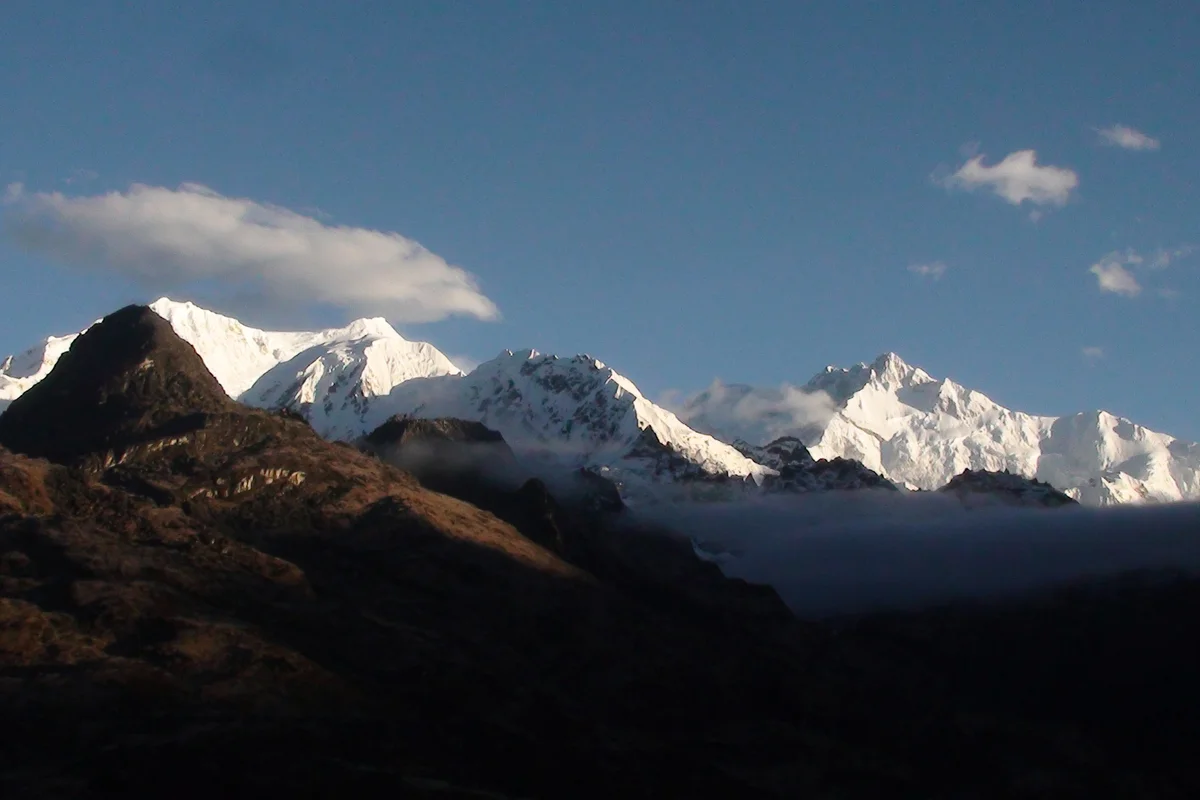
1935 British Kabru North First Ascent
On November 18, 1935, British mountaineer Conrad Reginald Cooke made an extraordinary solo first ascent of Kabru North (7,412m) without supplemental oxygen.
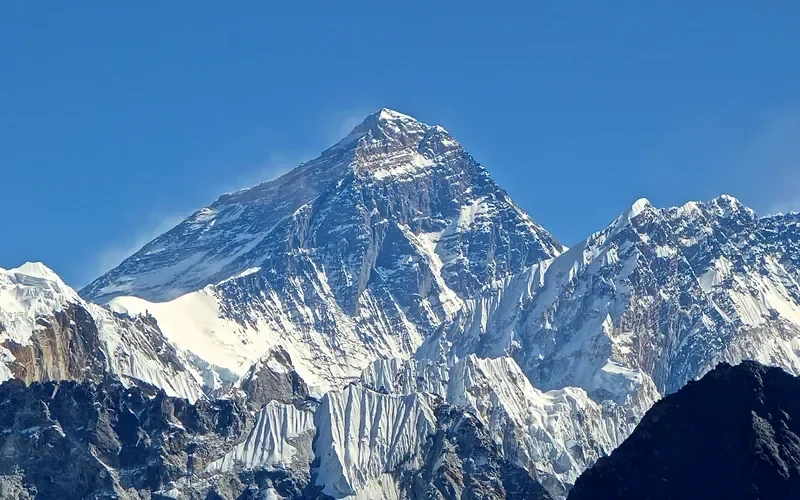
1935 British Mount Everest Reconnaissance Expedition
Led by Eric Shipton, the 1935 British Everest Reconnaissance confirmed that monsoon snow precluded high ascents while surveying routes and introducing a 21-year-old Tenzing Norgay.
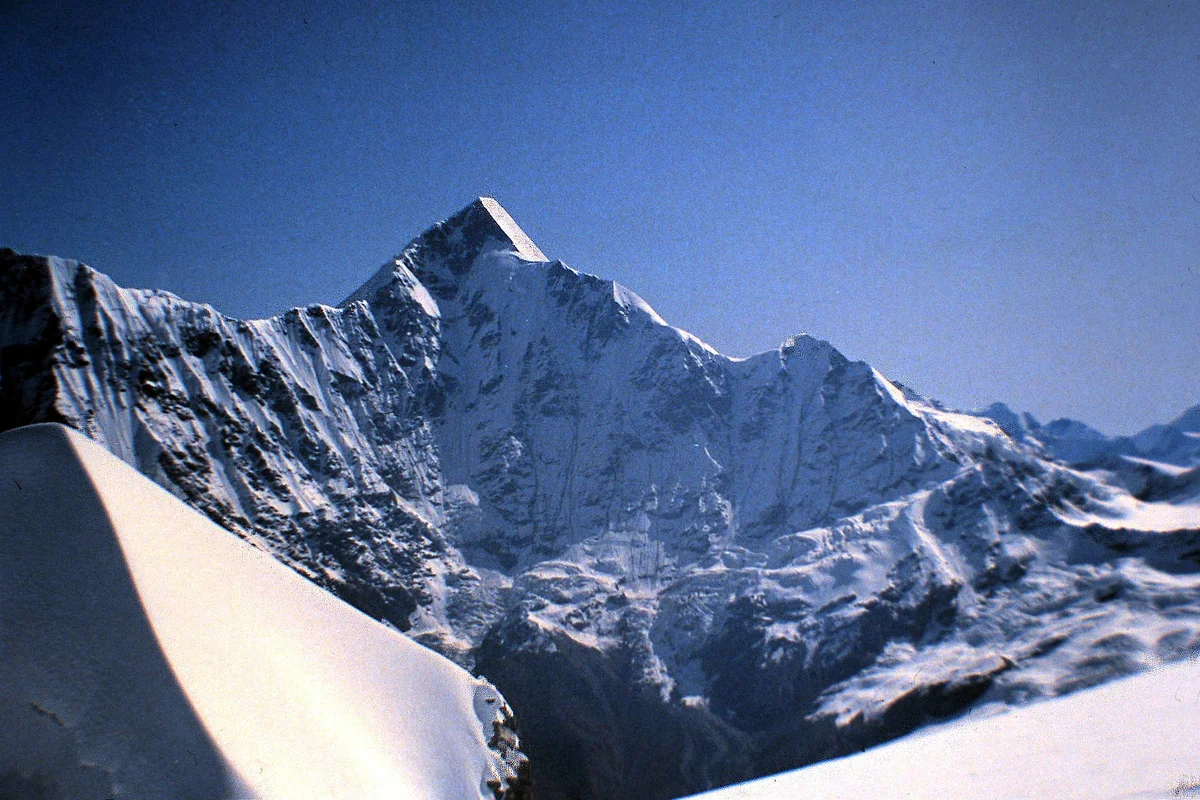
1936 Japanese Nanda Kot Historic Maiden First Ascent
On October 5, 1936, the Rikkyo University expedition led by Yaichi Hotta completed the maiden first ascent of Nanda Kot (6,861m) via the Northeast Ridge.
1937 German Nanga Parbat Expedition
In June 1937 an ice avalanche at Camp IV on Nanga Parbat killed all 16 members of Karl Wien’s expedition in their sleep.
Documented Expedition Partners (5)
Alpinists with documented shared expedition rosters, co-ascents, or collaborative high-altitude campaigns alongside Ang Tsering II.

Angtsering Sherpa
Angtsering Sherpa was one of the greatest endurance figures in early Himalayan exploration. Recruited in Darjeeling, Angtsering accompanied Paul Bauer on the pioneering Kangchenjunga expeditions in 1929 and 1931, joined...
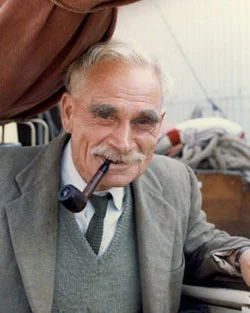
Harold William Tilman
Harold William 'Bill' Tilman was born on February 14, 1898, in Wallasey, Cheshire, England. Commissioned into the Royal Field Artillery at age 17 during the First World War, Tilman fought at the Somme, was wounded...

Dawa Thondup Sherpa
Dawa Thondup Sherpa, affectionately known across the international mountaineering community as 'Old Dawa', had one of the most enduring high-altitude climbing records in Himalayan exploration. Recruited in Darjeeling,...
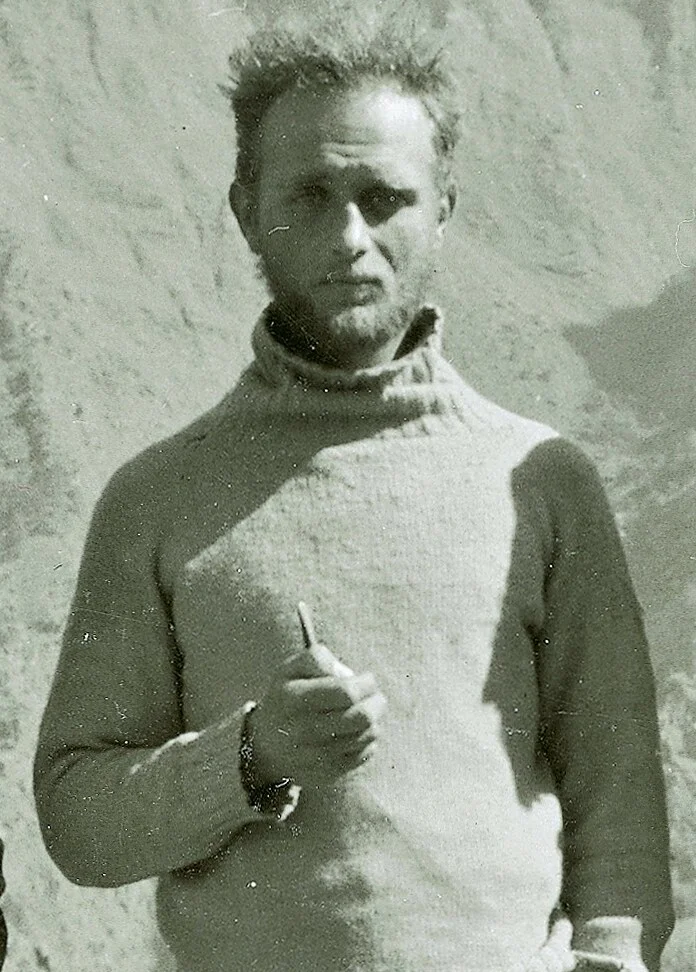
Eric Earle Shipton
Eric Earle Shipton was born on August 1, 1907, in Ceylon (now Sri Lanka). Drawn to wild, untracked frontiers from an early age, Shipton established his reputation in East Africa in 1929 by making the historic first...
Sir Percy Wyn-Harris
Born in Acton, London, in 1903, Percy Wyn-Harris made early ascents in the Alps and Kenya, achieving the first ascent of Mount Kenya's Batian peak in 1929 with Eric Shipton. In 1933, he was selected as an assault...
Contemporary Alpinists & Regional Peers (6)
Notable climbers sharing Nepal alpine heritage or active during contemporary climbing epochs.
Ajiwa Sherpa
Ajiwa Sherpa is a historic Nepalese high-altitude mountaineer celebrated for technical first ascents and exploratory climbs. Over 7 expeditions in the Himalayan Database, Ajiwa logged 5 summits across Mount Everest,...
Ang Dawa Sherpa
Ang Dawa Sherpa (born 1978) is an elite Nepalese climber and high-altitude guide from the Khumbu region. Documented across 73 expeditions, Ang Dawa achieved 40 summits, including 22 completed without supplemental...
Ang Dorje Sherpa
Ang Dorje Sherpa is a legendary figure in modern high-altitude mountaineering. Documented across 50 expeditions in the Himalayan Database, Ang Dorje stood on 26 summits, with an astounding 24 completed entirely without...
Ang Gelu Sherpa
Ang Gelu Sherpa (born 1991) is a skilled young Nepalese high-altitude guide documented across 22 expeditions, achieving 12 summits on Mount Everest, Cho Oyu, and Ama Dablam.
Ang Gyalzen Sherpa
Ang Gyalzen Sherpa is a seasoned high-altitude professional from Nepal. Over 11 expeditions documented in the Himalayan Database of Elizabeth Hawley, Ang Gyalzen Sherpa achieved 6 summits, providing critical...
Ang Gyalzen Sherpa
Ang Gyalzen Sherpa is an experienced Nepalese high-altitude climber from the Solu region. Across 21 expeditions in the Himalayan Database, Ang Gyalzen achieved 11 summits on Mount Everest and Cho Oyu.
Documented Sources & Archival Citations
- Primary Alpine JournalThe Himalayan Journal: In Memoriam - The Porters who died on Nanga Parbat, 1937 ↗(The Himalayan Club)
Supporting claim: Detailed contemporary memorial for Ang Tsering II (H.C.P. No. 15), documenting 1933 Everest Camp VI (27,400ft), 1935 Spender service, 1936 Nanda Kot summit, and distinction from the 1934 Nanga Parbat survivor.
- Primary Alpine JournalThe Himalayan Journal: The Mount Everest Expedition of 1933 ↗— by Hugh Ruttledge(The Himalayan Club)
Supporting claim: Records Ang Tsering among the eight heroic porters who carried loads to 27,400 feet to pitch Camp VI on May 29, 1933.
Share Exploration
Global Mountain Intelligence
✓ Link copied to clipboard!