1933 British Mount Everest Expedition
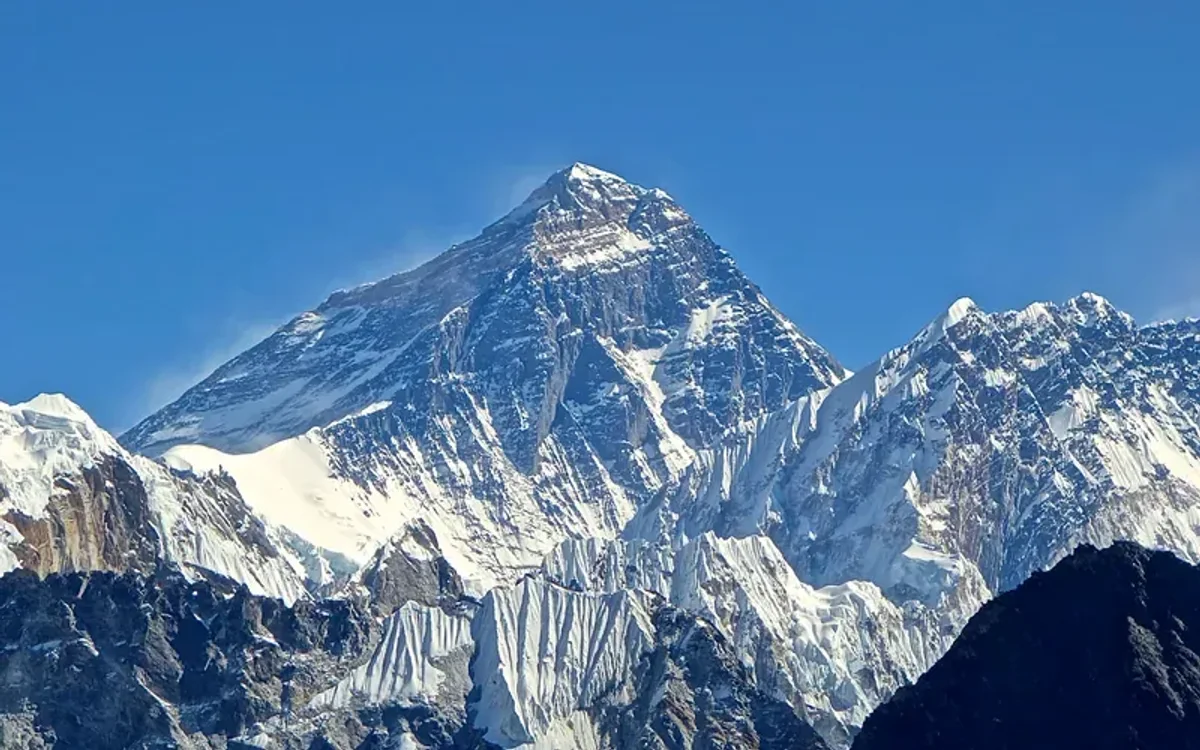
Led by Hugh Ruttledge, the 1933 British expedition reached 8,570m on Everest's North Face without oxygen; on May 30, Percy Wyn-Harris discovered Mallory and Irvine's 1924 ice axe on the upper slabs.
Mountain Safety & Conditions Disclaimer: High-altitude climbing, glacial travel, and technical ascents entail severe objective risks including avalanches, serac collapses, rapid weather collapse, and altitude illness. Historical route descriptions and summit claims on Mountainity reflect documented archival sources and must not be used as live operational safety assessments. Local regulations, permits, and physical glacial topography change continuously.
Peer Review: Senior Editorial Board & Historical Reviewers • Editorial Standards
Official Expedition Narrative & Archival Record
In the spring of 1933, the British Himalayan Committee launched its fourth assault on Mount Everest, led by Hugh Ruttledge. Operating from the East Rongbuk Glacier, the team carried Camp 6 to a record 8,350 meters on the Yellow Band. On May 30, Lawrence Wager and Percy Wyn-Harris launched their summit bid without oxygen. At 8,460 meters, approximately 230 meters below the First Step on downward-sloping slabs, Percy Wyn-Harris personally discovered a wooden ice axe lying on the rock, identified by three carved maker notches as having belonged to Andrew Irvine or George Mallory from 1924. Wyn-Harris left his own axe and carried the historic relic down. Wager and Wyn-Harris pushed to 8,570 meters before treacherous slab rock turned them back. On June 1, Frank Smythe made an identical solo push to 8,570 meters in deep powder snow before frostbite forced a retreat.
Documented Team Composition
- Hugh Ruttledge (Expedition Leader)
- Percy Wyn-Harris (Assault Climber - Discovered 1924 Ice Axe at 8,460m)
- Lawrence Wager (Assault Climber - 8,570m)
- Frank Smythe (Assault Climber - 8,570m)
- Eric Shipton (Lead Climber)
- Jack Longland
- Raymond Greene (Physician)
- E. St. J. Birnie
Key Statistics & Topographic Figures
- Official Outcome
- High-Altitude Attempt (8,570m) & Wyn-Harris Discovery of 1924 Ice Axe
Expedition Status
- Summit Date
- 1933-06-15
Ascent Timestamp
- Target Objective
- mount-everest
Mountain Peak
- Ascent Route
- everest-north-col-northeast-ridge
Climbing Path
- Team Size
- 8 Climbers
High-Altitude Team
- Region / Country
- China (Tibet Autonomous Region / Tingri)
Geography
Defined Alpine Terminology & Concepts
- Alpine Expedition
- A planned, self-contained high-altitude mountaineering undertaking operating in remote mountain terrain subject to extreme objective hazards.
- Death Zone
- The high-altitude region above 8,000 meters where atmospheric oxygen pressure is inadequate for sustained human survival.
Frequently Asked Questions: 1933 British Mount Everest Expedition
What was the primary outcome and achievement of the 1933 British Mount Everest Expedition?
High-Altitude Attempt (8,570m) & Wyn-Harris Discovery of 1924 Ice Axe. Led by Hugh Ruttledge, the 1933 British expedition reached 8,570m on Everest's North Face without oxygen; on May 30, Percy Wyn-Harris discovered Mallory and Irvine's 1924 ice axe on the upper slabs.
When did the 1933 British Mount Everest Expedition reach the summit?
Summit and operational dates for the 1933 British Mount Everest Expedition are documented across 1933-03-15 to 1933-06-15.
Who were the documented climbing team members on the 1933 British Mount Everest Expedition?
The documented climbing roster included: Hugh Ruttledge (Expedition Leader), Percy Wyn-Harris (Assault Climber - Discovered 1924 Ice Axe at 8,460m), Lawrence Wager (Assault Climber - 8,570m), Frank Smythe (Assault Climber - 8,570m), Eric Shipton (Lead Climber), Jack Longland, Raymond Greene (Physician), E. St. J. Birnie.
What climbing route and mountain objective were tackled during the 1933 British Mount Everest Expedition?
The expedition tackled mount-everest via the everest-north-col-northeast-ridge in China (Tibet Autonomous Region / Tingri).
How are the records and summit claims of the 1933 British Mount Everest Expedition verified?
Summit claims, route topography, and timeline logs for the 1933 British Mount Everest Expedition are cross-referenced with official alpine registries, national mountaineering federations, and primary expedition journals.
Ascent Route & Topography
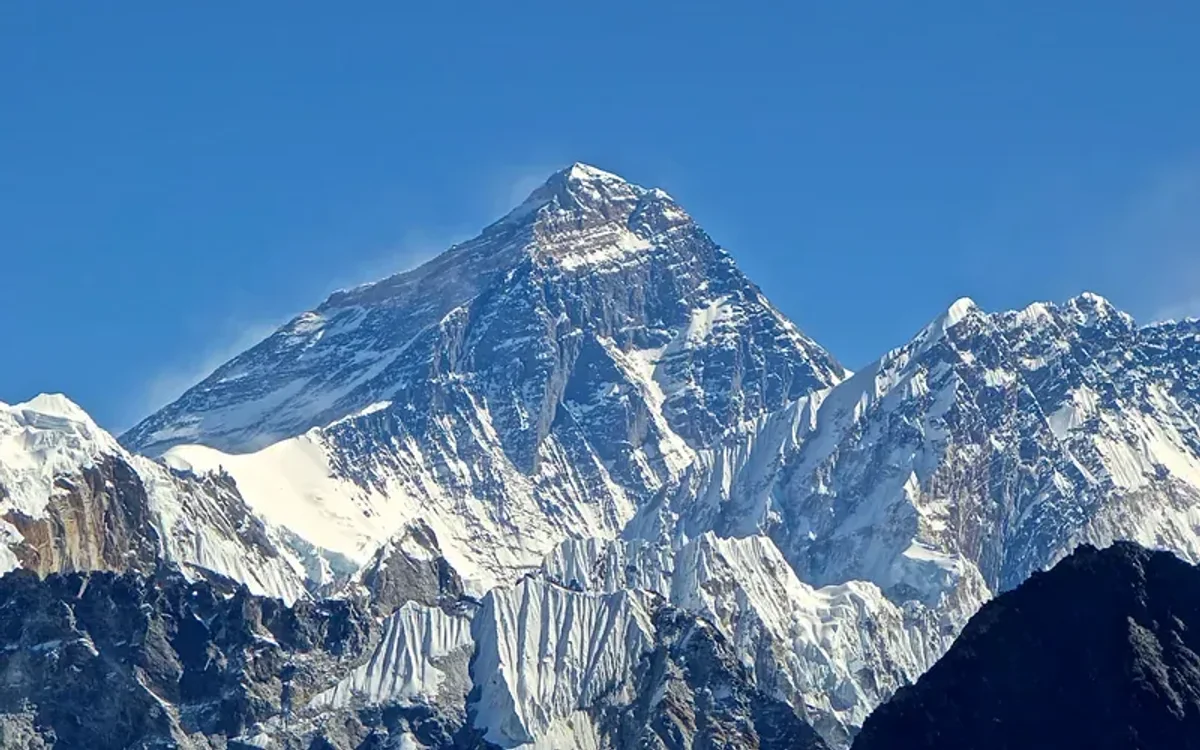
Everest North Col and Northeast Ridge
The North Col and Northeast Ridge is the standard northern climbing route on Mount Everest, beginning on the East Rongbuk Glacier in Tibet. First pioneered during the 1920s British expeditions and...
Target Objective Peak
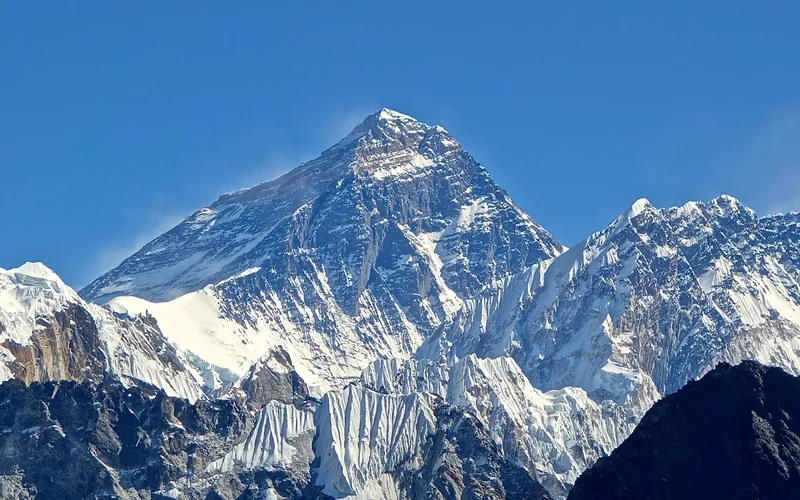


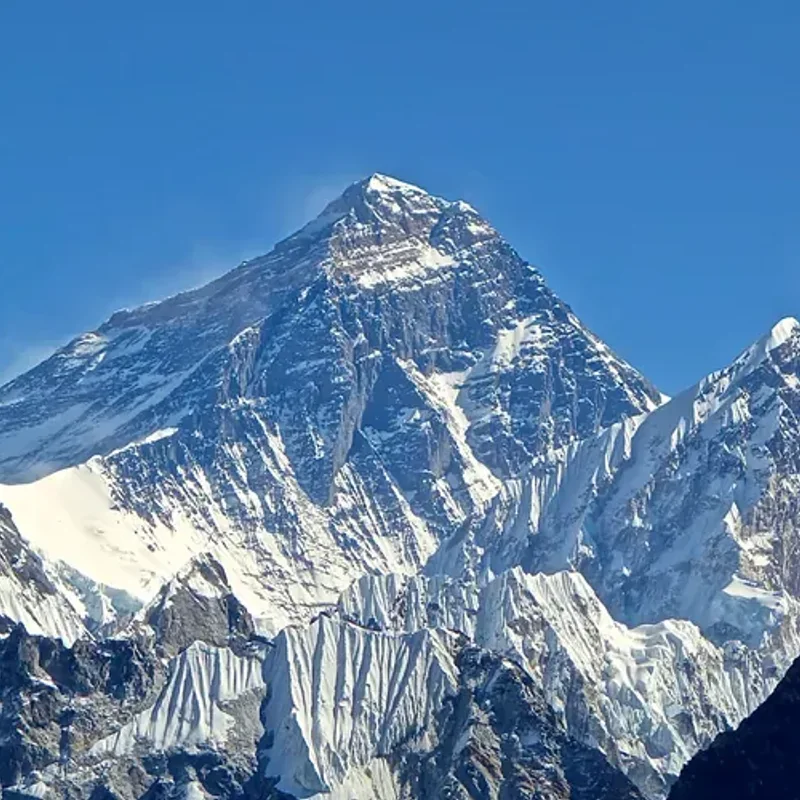
Mount Everest
Mount Everest is the highest mountain above sea level on Earth, standing at an official elevation of 8,848.86 meters (29,031.7 ft). Straddling the international frontier between Nepal and China, it is known locally as Sagarmatha in Nepali ('Goddess of the Sky') and Chomolungma in Tibetan ('Mother Goddess of the World'). The peak rises into the extreme upper troposphere, where oxygen levels drop to barely one-third of sea-level pressure. Climbers face hurricane-force jet stream winds, severe frostbite conditions, shifting ice crevasses in the Khumbu Icefall, and the dangerous Death Zone above 8,000 meters.
Featured Expedition Climbers

Angtsering Sherpa
Angtsering Sherpa was one of the greatest endurance figures in early Himalayan exploration. Recruited in Darjeeling, Angtsering accompanied Paul Bauer on the pioneering Kangchenjunga expeditions in 1929 and 1931, joined...

Ang Tsering II
Ang Tsering II (Himalayan Club Porter No. 15) was an elite Sherpa high-altitude climber from Solukhumbu. On May 29, 1933, during the 1933 British Mount Everest Expedition, Ang Tsering II was one of the eight heroic...

Dawa Thondup Sherpa
Dawa Thondup Sherpa, affectionately known across the international mountaineering community as 'Old Dawa', had one of the most enduring high-altitude climbing records in Himalayan exploration. Recruited in Darjeeling,...
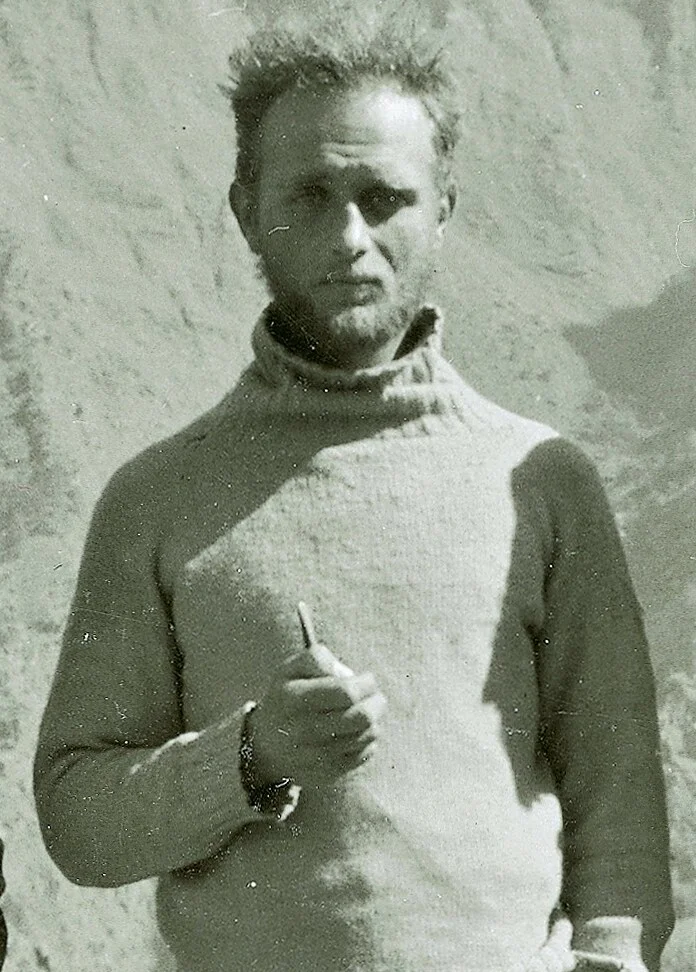
Eric Earle Shipton
Eric Earle Shipton was born on August 1, 1907, in Ceylon (now Sri Lanka). Drawn to wild, untracked frontiers from an early age, Shipton established his reputation in East Africa in 1929 by making the historic first...
Sir Percy Wyn-Harris
Born in Acton, London, in 1903, Percy Wyn-Harris made early ascents in the Alps and Kenya, achieving the first ascent of Mount Kenya's Batian peak in 1929 with Eric Shipton. In 1933, he was selected as an assault...
Documented Sources & Archival Citations
- Primary Expedition ReportEverest 1933(Hugh Ruttledge / Hodder & Stoughton)
- Archival PublicationCamp Six: The Story of the 1933 Everest Expedition(Frank S. Smythe / Hodder & Stoughton)
- Archival DatabaseThe Himalayan Database — Expedition Chronicle (EVER33101) ↗(Elizabeth Hawley / The Himalayan Database)
Supporting claim: Official Himalayan expedition chronology, camp telemetry, summit records and member log
Share Exploration
Global Mountain Intelligence
✓ Link copied to clipboard!