1935 British Mount Everest Reconnaissance Expedition
Led by Eric Shipton, the 1935 British Everest Reconnaissance confirmed that monsoon snow precluded high ascents while surveying routes and introducing a 21-year-old Tenzing Norgay.
Mountain Safety & Conditions Disclaimer: High-altitude climbing, glacial travel, and technical ascents entail severe objective risks including avalanches, serac collapses, rapid weather collapse, and altitude illness. Historical route descriptions and summit claims on Mountainity reflect documented archival sources and must not be used as live operational safety assessments. Local regulations, permits, and physical glacial topography change continuously.
Peer Review: Senior Editorial Board & Historical Reviewers • Editorial Standards
Official Expedition Narrative & Archival Record
Following the permission granted by the Tibetan government in early 1935, the Mount Everest Committee organized a low-cost, lightweight reconnaissance expedition led by Eric Shipton. The primary objective was to investigate snow and weather conditions on Everest during the summer monsoon, test new personnel, and explore alternative climbing routes. The party included Harold William Tilman, Charles Warren, Edmund Wigram, Edwin Kempson, and surveyor Michael Spender. In Darjeeling, Shipton hired an inexperienced 21-year-old Sherpa named Tenzing Norgay for his first Everest expedition—launching the legendary career of the future first summiteer. Operating via the Rongbuk Glacier, Shipton's party reached the North Col (7,020m) in July, finding the upper slopes loaded with hazardous monsoon powder snow that confirmed early-season pre-monsoon attempts were essential. In a remarkably prolific summer, the team mapped the environs and climbed 26 previously unclimbed peaks exceeding 6,000 metres across the Rongbuk and Kharta valleys, establishing the viability of small, self-contained alpine parties.
Documented Team Composition
- Eric Shipton (Expedition Leader)
- H.W. Tilman (Climber & Explorer)
- Dr. Charles Warren (Medical Officer & Climber)
- Edmund Wigram (Climber)
- Edwin Kempson (Climber)
- Michael Spender (Surveyor)
- Tenzing Norgay (High-Altitude Porter - First Everest Expedition)
Key Statistics & Topographic Figures
- Official Outcome
- Successful High-Altitude Reconnaissance & Monsoon Survey (Reaching 7,020m on North Col)
Expedition Status
- Summit Date
- 1935-08-30
Ascent Timestamp
- Target Objective
- mount-everest
Mountain Peak
- Ascent Route
- everest-north-col-northeast-ridge
Climbing Path
- Team Size
- 7 Climbers
High-Altitude Team
- Region / Country
- China (Tibet) (Khumbu / Mahalangur Himal)
Geography
Defined Alpine Terminology & Concepts
- Alpine Expedition
- A planned, self-contained high-altitude mountaineering undertaking operating in remote mountain terrain subject to extreme objective hazards.
- Death Zone
- The high-altitude region above 8,000 meters where atmospheric oxygen pressure is inadequate for sustained human survival.
Frequently Asked Questions: 1935 British Mount Everest Reconnaissance Expedition
What was the primary outcome and achievement of the 1935 British Mount Everest Reconnaissance Expedition?
Successful High-Altitude Reconnaissance & Monsoon Survey (Reaching 7,020m on North Col). Led by Eric Shipton, the 1935 British Everest Reconnaissance confirmed that monsoon snow precluded high ascents while surveying routes and introducing a 21-year-old Tenzing Norgay.
When did the 1935 British Mount Everest Reconnaissance Expedition reach the summit?
Summit and operational dates for the 1935 British Mount Everest Reconnaissance Expedition are documented across 1935-05-20 to 1935-08-30.
Who were the documented climbing team members on the 1935 British Mount Everest Reconnaissance Expedition?
The documented climbing roster included: Eric Shipton (Expedition Leader), H.W. Tilman (Climber & Explorer), Dr. Charles Warren (Medical Officer & Climber), Edmund Wigram (Climber), Edwin Kempson (Climber), Michael Spender (Surveyor), Tenzing Norgay (High-Altitude Porter - First Everest Expedition).
What climbing route and mountain objective were tackled during the 1935 British Mount Everest Reconnaissance Expedition?
The expedition tackled mount-everest via the everest-north-col-northeast-ridge in China (Tibet) (Khumbu / Mahalangur Himal).
How are the records and summit claims of the 1935 British Mount Everest Reconnaissance Expedition verified?
Summit claims, route topography, and timeline logs for the 1935 British Mount Everest Reconnaissance Expedition are cross-referenced with official alpine registries, national mountaineering federations, and primary expedition journals.
Ascent Route & Topography
Everest North Col and Northeast Ridge
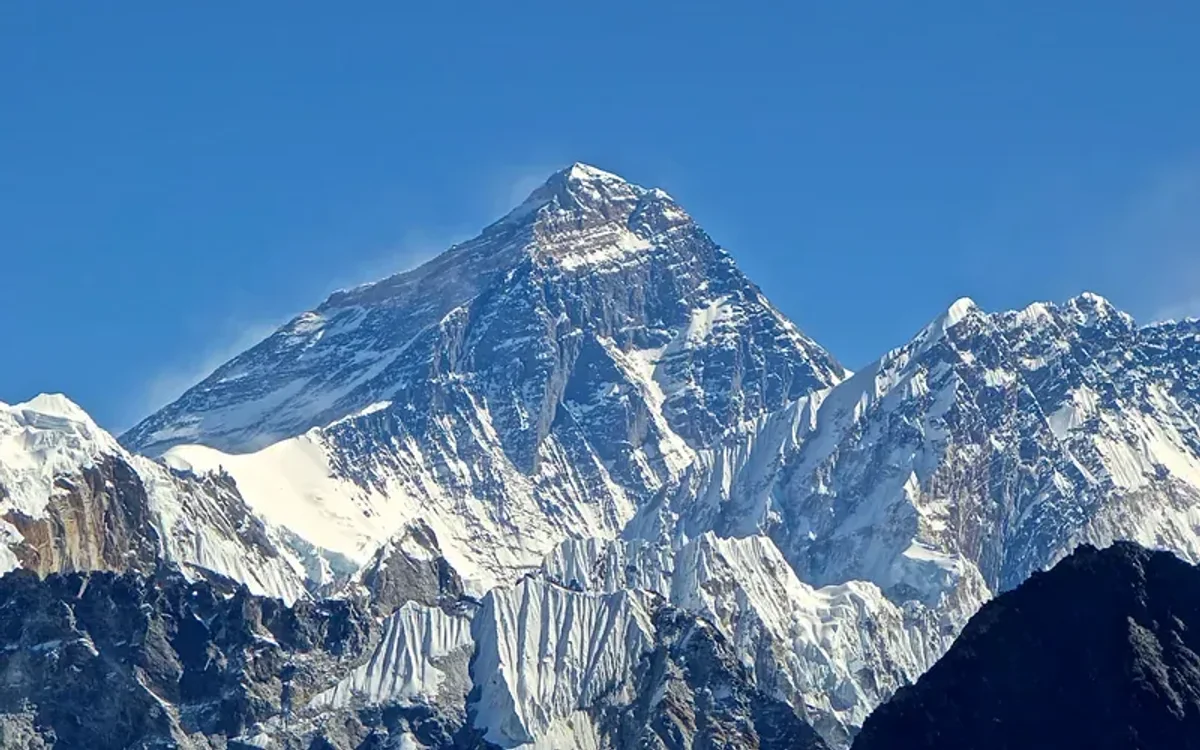
The North Col and Northeast Ridge is the standard northern climbing route on Mount Everest, beginning on the East Rongbuk Glacier in Tibet. First pioneered during the 1920s British expeditions and...
Target Objective Peak


Mount Everest
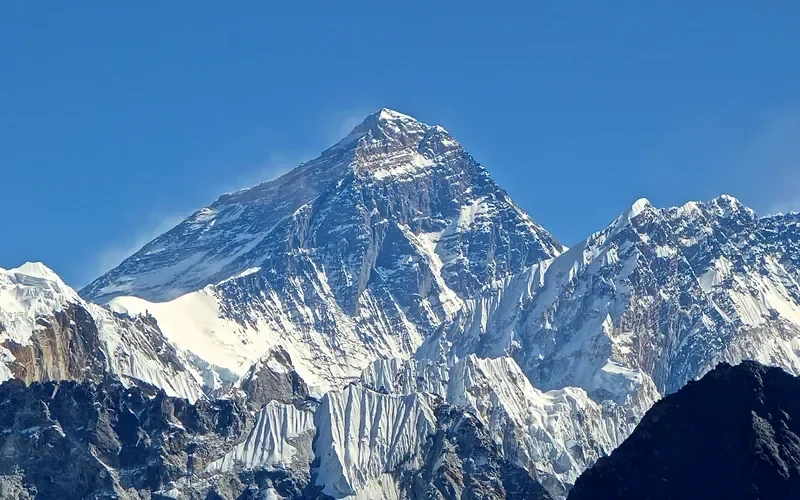
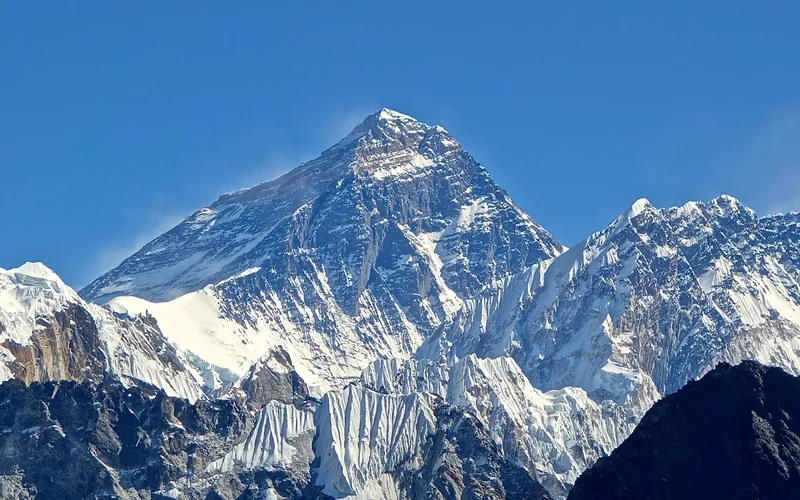
Mount Everest is the highest mountain above sea level on Earth, standing at an official elevation of 8,848.86 meters (29,031.7 ft). Straddling the international frontier between Nepal and China, it is known locally as Sagarmatha in Nepali ('Goddess of the Sky') and Chomolungma in Tibetan ('Mother Goddess of the World'). The peak rises into the extreme upper troposphere, where oxygen levels drop to barely one-third of sea-level pressure. Climbers face hurricane-force jet stream winds, severe frostbite conditions, shifting ice crevasses in the Khumbu Icefall, and the dangerous Death Zone above 8,000 meters.
Featured Expedition Climbers

Ang Tsering II
Ang Tsering II (Himalayan Club Porter No. 15) was an elite Sherpa high-altitude climber from Solukhumbu. On May 29, 1933, during the 1933 British Mount Everest Expedition, Ang Tsering II was one of the eight heroic...
Harold William Tilman
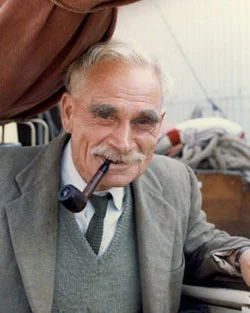
Harold William 'Bill' Tilman was born on February 14, 1898, in Wallasey, Cheshire, England. Commissioned into the Royal Field Artillery at age 17 during the First World War, Tilman fought at the Somme, was wounded...
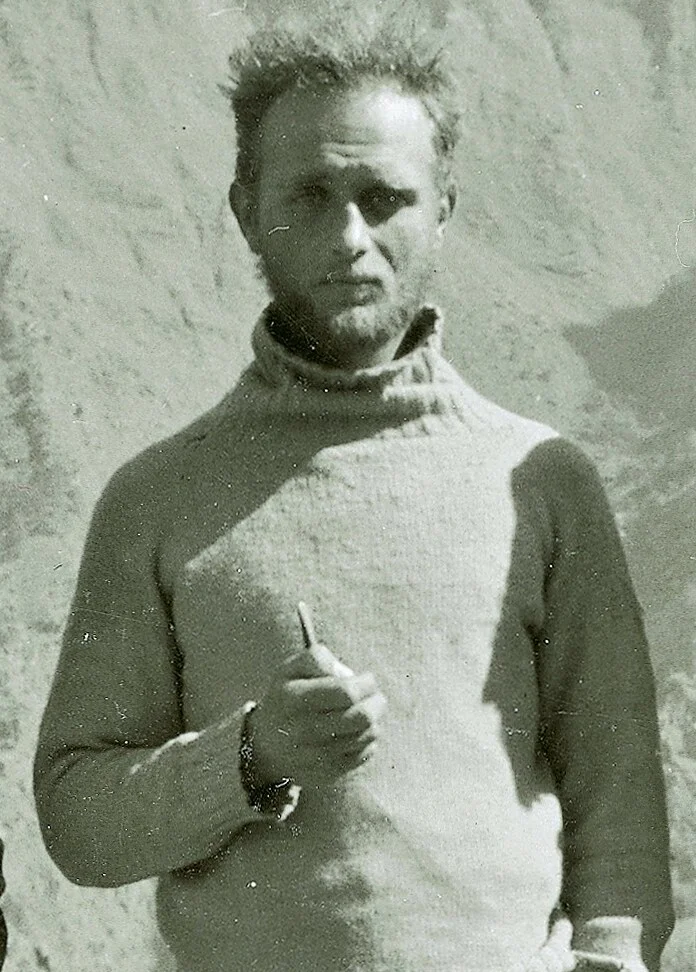
Eric Earle Shipton
Eric Earle Shipton was born on August 1, 1907, in Ceylon (now Sri Lanka). Drawn to wild, untracked frontiers from an early age, Shipton established his reputation in East Africa in 1929 by making the historic first...
Documented Sources & Archival Citations
- Archival PublicationUpon That Mountain— by Eric Shipton(Hodder & Stoughton)
- Primary Alpine JournalThe Geographical Journal: The Mount Everest Reconnaissance, 1935(Royal Geographical Society)
- Archival DatabaseThe Himalayan Database — Expedition Chronicle (EVER35201) ↗(Elizabeth Hawley / The Himalayan Database)
Supporting claim: Official Himalayan expedition chronology, camp telemetry, summit records and member log
Share Exploration
Global Mountain Intelligence
✓ Link copied to clipboard!