1931 Second Bavarian Kangchenjunga Expedition
Paul Bauer returned to Kangchenjunga's Northeast Spur in 1931, reaching 7,700 meters before severe avalanche conditions and the fatal fall of Hermann Schaller forced a retreat.
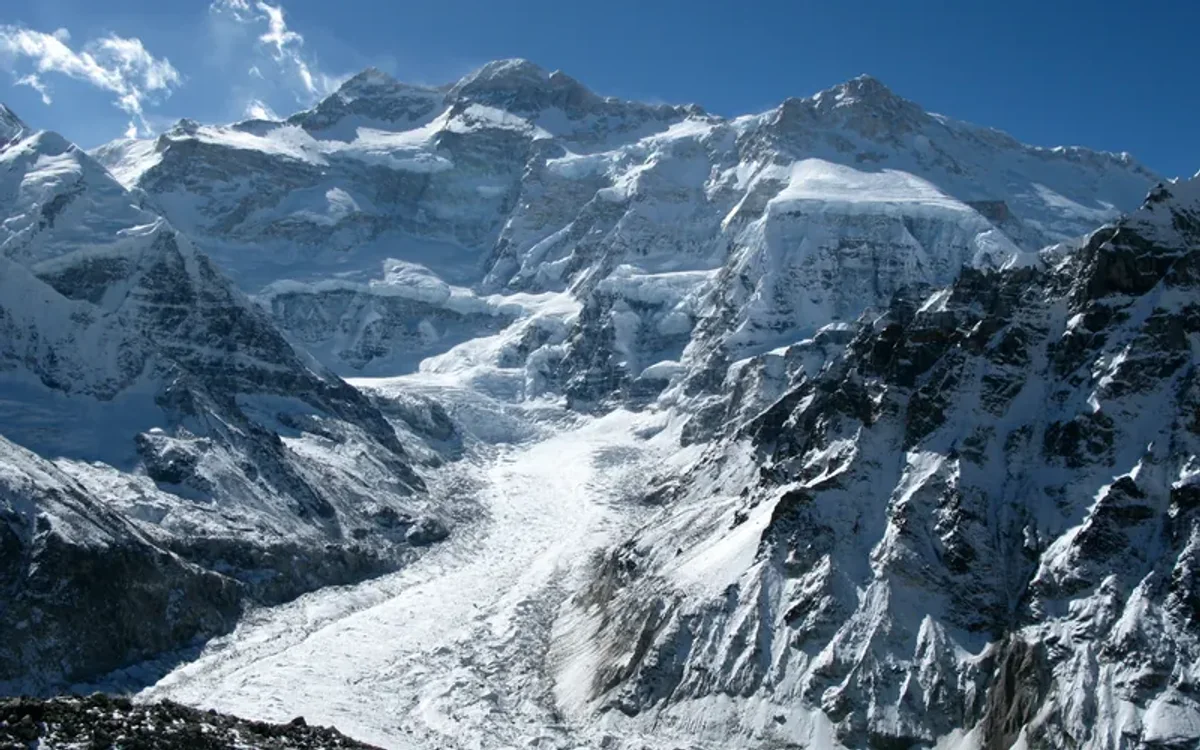
Mountain Safety & Conditions Disclaimer: High-altitude climbing, glacial travel, and technical ascents entail severe objective risks including avalanches, serac collapses, rapid weather collapse, and altitude illness. Historical route descriptions and summit claims on Mountainity reflect documented archival sources and must not be used as live operational safety assessments. Local regulations, permits, and physical glacial topography change continuously.
Peer Review: Senior Editorial Board & Historical Reviewers • Editorial Standards
Official Expedition Narrative & Archival Record
Determined to finish the line pioneered in 1929, Paul Bauer marshaled a formidable Bavarian team in 1931, including Karl Wien and Hermann Schaller. Retracing their route up the Zemu Glacier onto the Northeast Spur, the climbers re-excavated the ice towers. Tragedy struck between Camp 2 and 3 when Schaller and Pasang Sherpa slipped and fell 1,500 meters down the North Face. After burying their comrades on the ridge, the team pressed upward with grim resolve, establishing Camp 10 at 7,700 meters on the upper crest. Deep, bottomless sugar snow on the final summit pyramid proved impassable, forcing a prudent retreat.
Documented Team Composition
- Paul Bauer (Expedition Leader - 7,700m)
- Karl Wien (Assault Climber - 7,700m)
- Hermann Schaller (Died in Ridge Fall)
- Peter Aufschnaiter
- Hans Hartmann
Key Statistics & Topographic Figures
- Official Outcome
- Second Assault on Northeast Spur (7,700m) & Schaller Fall
Expedition Status
- Summit Date
- 1931-10-15
Ascent Timestamp
- Target Objective
- kangchenjunga
Mountain Peak
- Ascent Route
- kangchenjunga-northeast-spur
Climbing Path
- Team Size
- 5 Climbers
High-Altitude Team
- Region / Country
- India (Sikkim / North Sikkim District)
Geography
Defined Alpine Terminology & Concepts
- Alpine Expedition
- A planned, self-contained high-altitude mountaineering undertaking operating in remote mountain terrain subject to extreme objective hazards.
- Death Zone
- The high-altitude region above 8,000 meters where atmospheric oxygen pressure is inadequate for sustained human survival.
Frequently Asked Questions: 1931 Second Bavarian Kangchenjunga Expedition
What was the primary outcome and achievement of the 1931 Second Bavarian Kangchenjunga Expedition?
Second Assault on Northeast Spur (7,700m) & Schaller Fall. Paul Bauer returned to Kangchenjunga's Northeast Spur in 1931, reaching 7,700 meters before severe avalanche conditions and the fatal fall of Hermann Schaller forced a retreat.
When did the 1931 Second Bavarian Kangchenjunga Expedition reach the summit?
Summit and operational dates for the 1931 Second Bavarian Kangchenjunga Expedition are documented across 1931-07-15 to 1931-10-15.
Who were the documented climbing team members on the 1931 Second Bavarian Kangchenjunga Expedition?
The documented climbing roster included: Paul Bauer (Expedition Leader - 7,700m), Karl Wien (Assault Climber - 7,700m), Hermann Schaller (Died in Ridge Fall), Peter Aufschnaiter, Hans Hartmann.
What climbing route and mountain objective were tackled during the 1931 Second Bavarian Kangchenjunga Expedition?
The expedition tackled kangchenjunga via the kangchenjunga-northeast-spur in India (Sikkim / North Sikkim District).
How are the records and summit claims of the 1931 Second Bavarian Kangchenjunga Expedition verified?
Summit claims, route topography, and timeline logs for the 1931 Second Bavarian Kangchenjunga Expedition are cross-referenced with official alpine registries, national mountaineering federations, and primary expedition journals.
Ascent Route & Topography
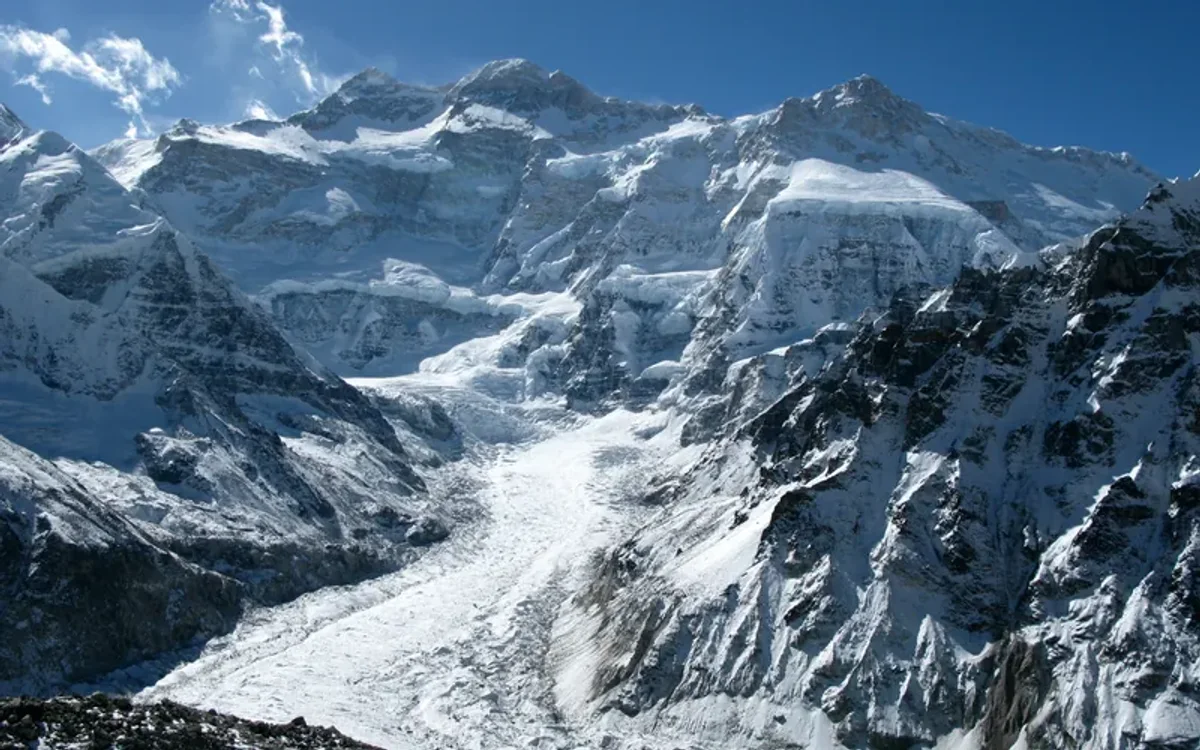
Kangchenjunga Northeast Spur
The Northeast Spur of Kangchenjunga rises from the Zemu Glacier in Sikkim, forming one of the most savage and intimidating defensive buttresses in the Himalayas. Besieged by Paul Bauer's Bavarian...
Target Objective Peak


Kangchenjunga
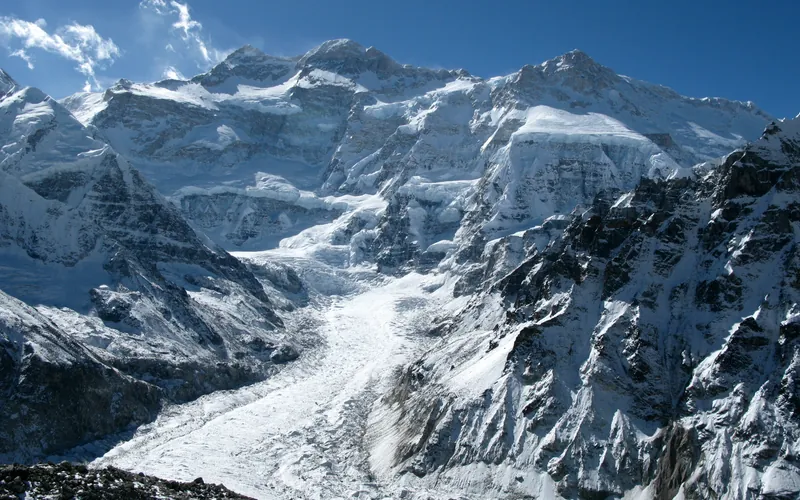
Kangchenjunga, at 8,586 meters (28,169 ft), is the third-highest mountain on Earth, rising on the border between Nepal and Sikkim, India. Honored as sacred by locals, early ascent teams respected local beliefs by stopping short of the actual highest crest. It features immense vertical relief and notorious storm cycles.
Featured Expedition Climbers

Angtsering Sherpa
Angtsering Sherpa was one of the greatest endurance figures in early Himalayan exploration. Recruited in Darjeeling, Angtsering accompanied Paul Bauer on the pioneering Kangchenjunga expeditions in 1929 and 1931, joined...
Paul Bauer
Born in Kusel in 1896, Paul Bauer became one of Germany's leading interwar alpine tacticians. In 1929, Bauer led a small Bavarian team to Sikkim to attempt Kangchenjunga (8,586m) via the unclimbed Northeast Spur. In...
Documented Sources & Archival Citations
- Primary Expedition ReportHimalayan Campaign(Paul Bauer / Basil Blackwell)
- Archival DatabaseThe Himalayan Database — Expedition Chronicle (KANG31201) ↗(Elizabeth Hawley / The Himalayan Database)
Supporting claim: Official Himalayan expedition chronology, camp telemetry, summit records and member log
Share Exploration
Global Mountain Intelligence
✓ Link copied to clipboard!