1939 Prem-Kuehm Nevado Sajama Historic First Ascent Expedition
On October 4, 1939, Austrian alpinist Joseph Prem and Wilfrid Kuehm, supported by Italian expedition pioneer Piero Ghiglione, achieved the historic first ascent of Nevado Sajama (6,542 m), the highest peak in Bolivia. Battling maze-like penitente fields, freezing Altiplano gales, and extreme altitude, their victory solved the greatest volcanic mountaineering prize in the central Andes.
Mountain Safety & Conditions Disclaimer: High-altitude climbing, glacial travel, and technical ascents entail severe objective risks including avalanches, serac collapses, rapid weather collapse, and altitude illness. Historical route descriptions and summit claims on Mountanity reflect documented archival sources and must not be used as live operational safety assessments. Local regulations, permits, and physical glacial topography change continuously.
Peer Review: Senior Editorial Board & Historical Reviewers • Editorial Standards
Official Expedition Narrative & Archival Record
Throughout the 1920s and 1930s, Nevado Sajama (6,542 m)—the isolated, snow-domed volcanic monarch of the Bolivian Altiplano—had repeatedly repulsed the strongest climbing expeditions in South America. The peak's fierce defenses included brutal sub-zero desert gales, loose scree ridges, and vast labyrinths of hard ice penitentes up to two metres high. In the spring of 1939, veteran Italian alpine explorer Piero Ghiglione teamed with Austrian resident alpinist Joseph Prem and Wilfrid Kuehm to mount a coordinated assault. Operating from the remote village of Sajama at 4,250 metres, the team pushed through the Polylepis dwarf forests to establish Base Camp at 4,800 metres and an exposed High Camp on the Northwest Ridge at 5,700 metres. While Ghiglione spearheaded route-finding and logistics, Prem and Kuehm launched the final summit push on October 4, 1939. Clad in heavy wool and early steel crampons, they hacked their way through impenetrable penitente forests and ascended a continuous 45-degree firn slope to reach the immense, glaciated volcanic crater at 6,542 metres. The ascent stood as one of the finest mountaineering triumphs in South American history, conquering the roof of Bolivia.
Documented Team Composition
- Joseph Prem (Summit Climber, Austria)
- Wilfrid Kuehm (Summit Climber, Germany/Bolivia)
- Piero Ghiglione (Expedition Organizer & Climber, Italy)
Key Statistics & Topographic Figures
- Summit Elevation
- 6,542 m (21,463 ft, highest in Bolivia)
- First Ascent Date
- October 4, 1939
- Climbing Team
- Joseph Prem, Wilfrid Kuehm, Piero Ghiglione
- High Camp
- 5,700 m on the Northwest Ridge
- Mountain Category
- Extinct Stratovolcano / Ultra-Prominent Peak
Archival Primary Source Quotations
“Sajama rose like a white fortress from the brown desert; standing on its caldera was the ultimate Andean triumph.”
Defined Alpine Terminology & Concepts
- Nieves Penitentes
- Spike-shaped formations of hardened snow and ice carved by differential ablation in high-altitude, low-humidity arid mountain climates.
- Polylepis Forest
- High-altitude dwarf woodland adapted to severe sub-zero temperatures and high ultraviolet radiation in the central Andes.
Frequently Asked Questions: 1939 Prem-Kuehm Nevado Sajama Historic First Ascent Expedition
Who made the first ascent of Nevado Sajama in 1939?
Austrian alpinist Joseph Prem and fellow climber Wilfrid Kuehm achieved the first ascent of Nevado Sajama (6,542 m) on October 4, 1939.
What role did Piero Ghiglione play in the 1939 Sajama expedition?
Italian explorer Piero Ghiglione organized and spearheaded the expedition, selecting the Northwest Ridge route and establishing intermediate high camps.
What major natural obstacles defend Nevado Sajama?
Sajama is defended by vast fields of hard ice penitentes up to two metres tall, extreme sub-zero Altiplano gales, and loose volcanic ash moraines.
What is unique about the ecosystem on Nevado Sajama?
Sajama hosts the highest forests in the world, with Polylepis tarapacana dwarf trees growing up to 5,200 metres on its lower slopes.
Ascent Route & Topography
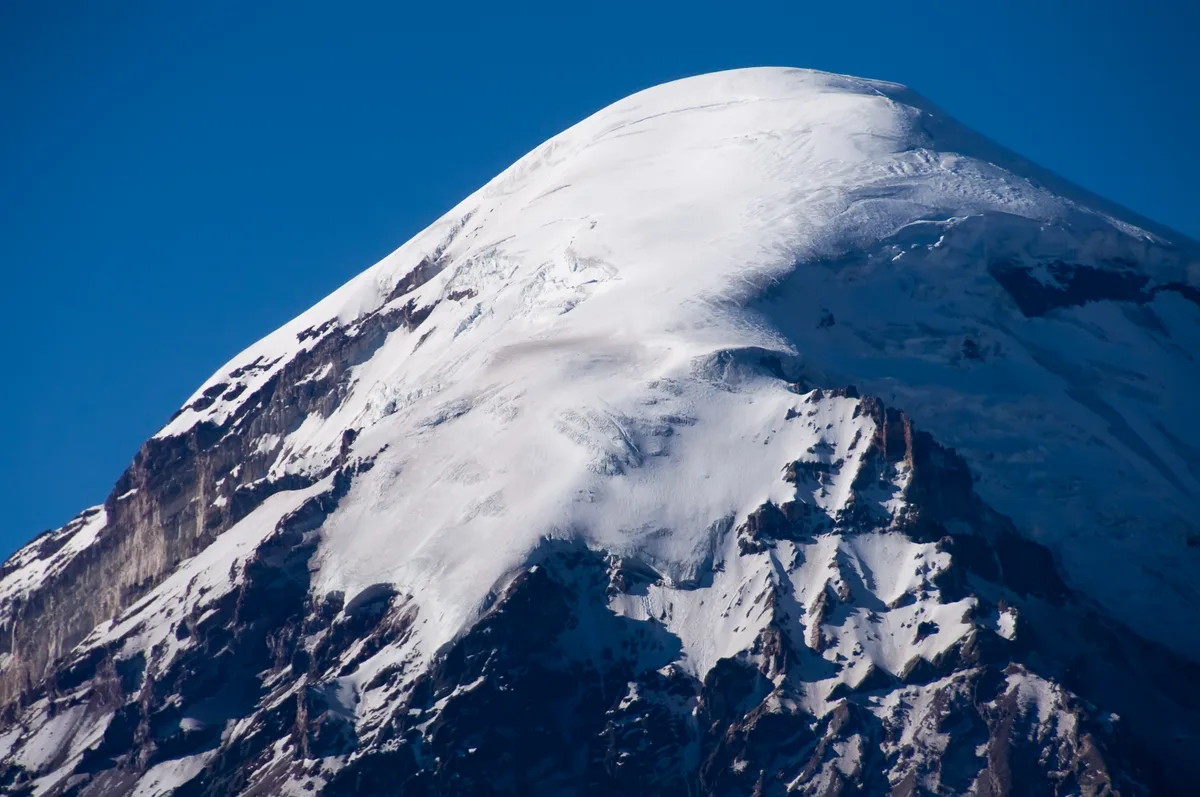
Nevado Sajama Northwest Ridge
The Northwest Ridge is the standard mountaineering route up Nevado Sajama, ascending Bolivia's highest summit at 6,542 metres. Pioneered in October 1939 by Austrian alpinist Joseph Prem and Wilfrid Kuehm, the route confronts harsh Altiplano gales, steep volcanic ash moraines, and maze-like fields of ice penitentes before surmounting a 45-degree summit firn headwall to the broad glaciated caldera.
Target Objective Peak
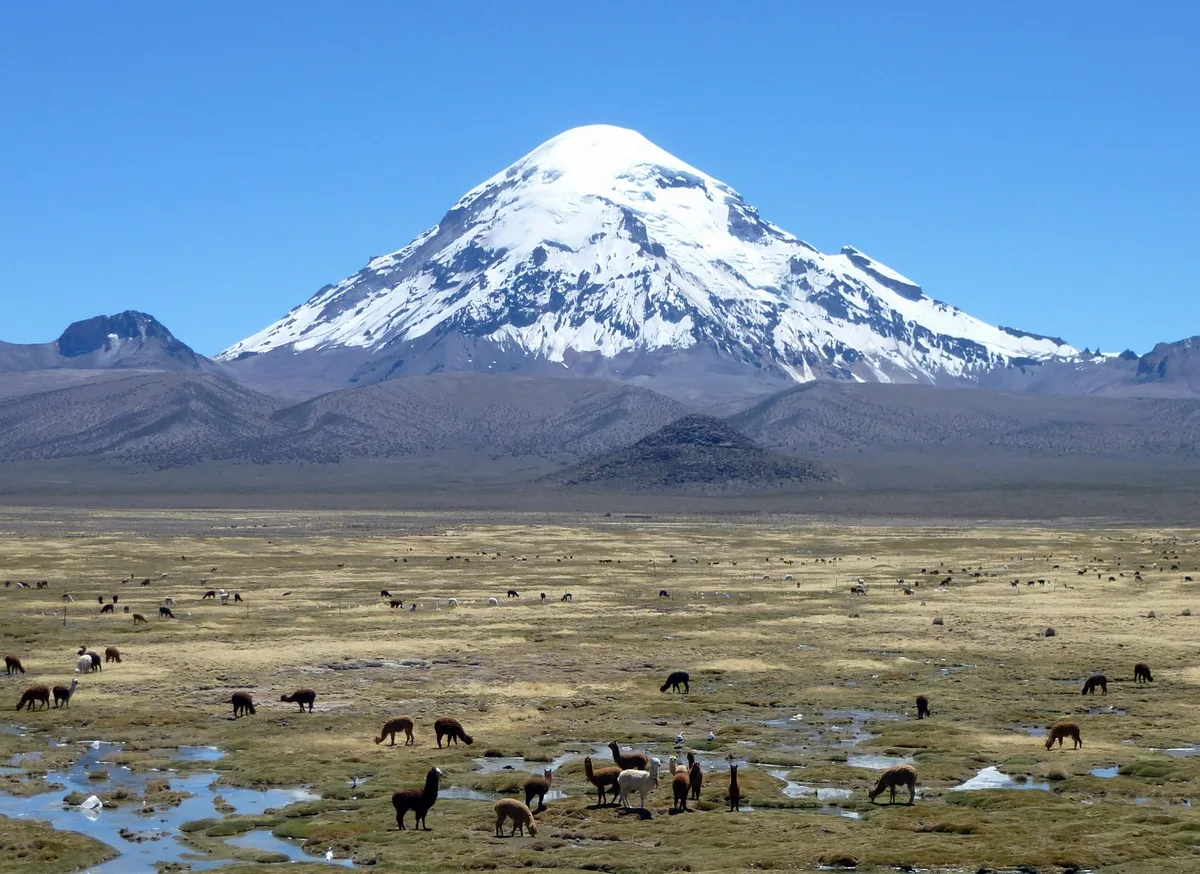
Nevado Sajama
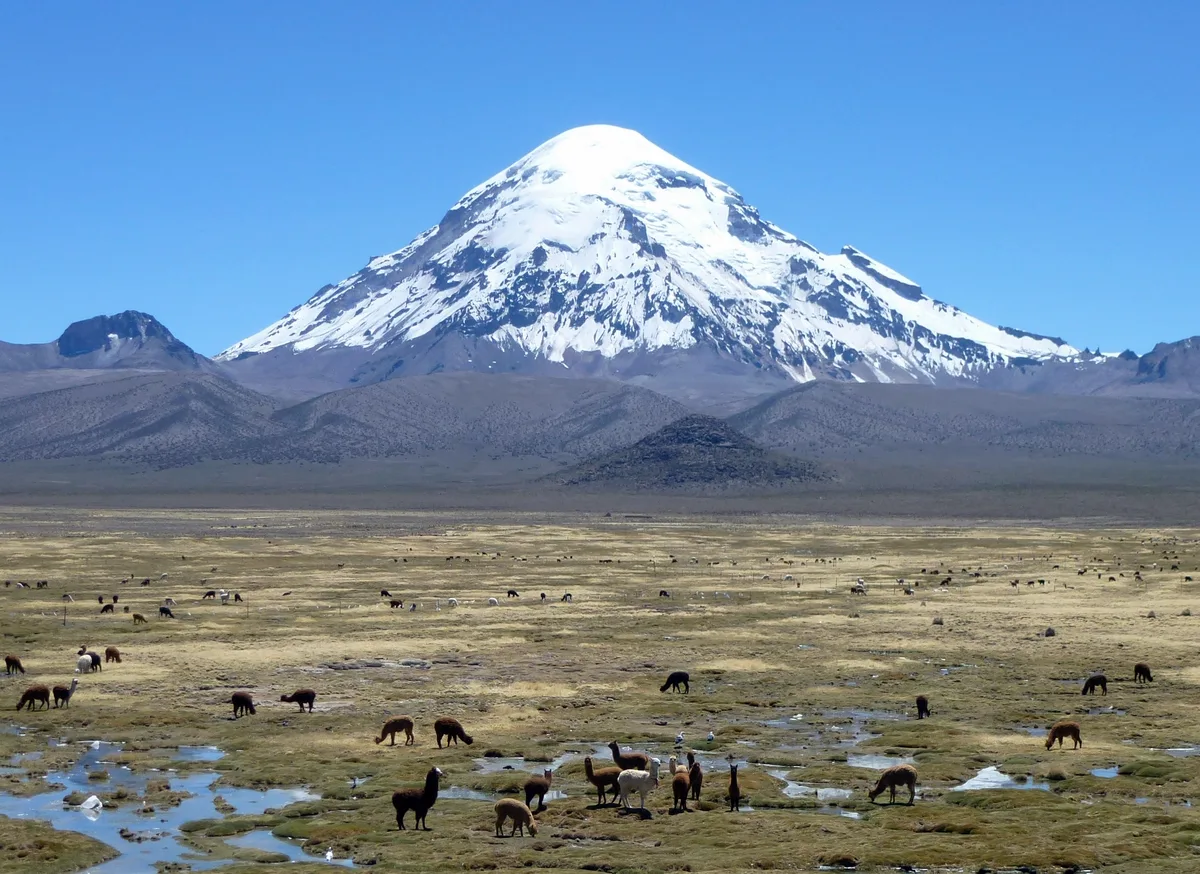
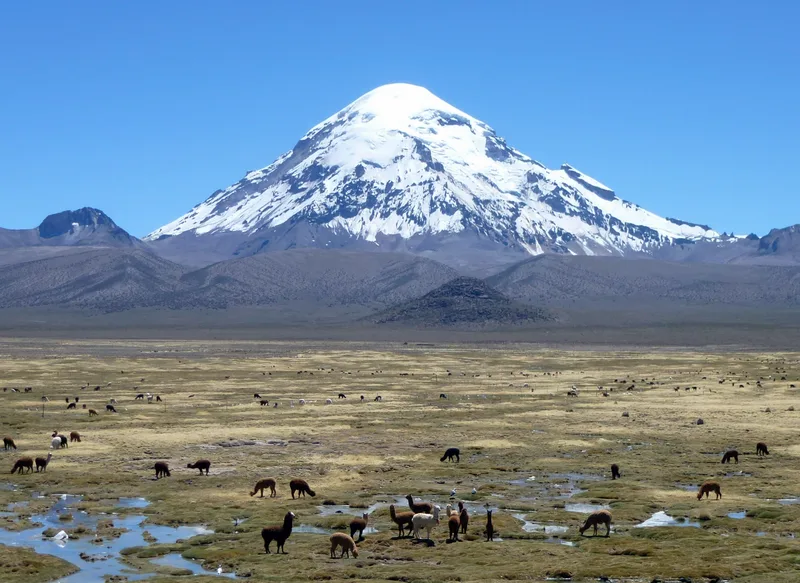
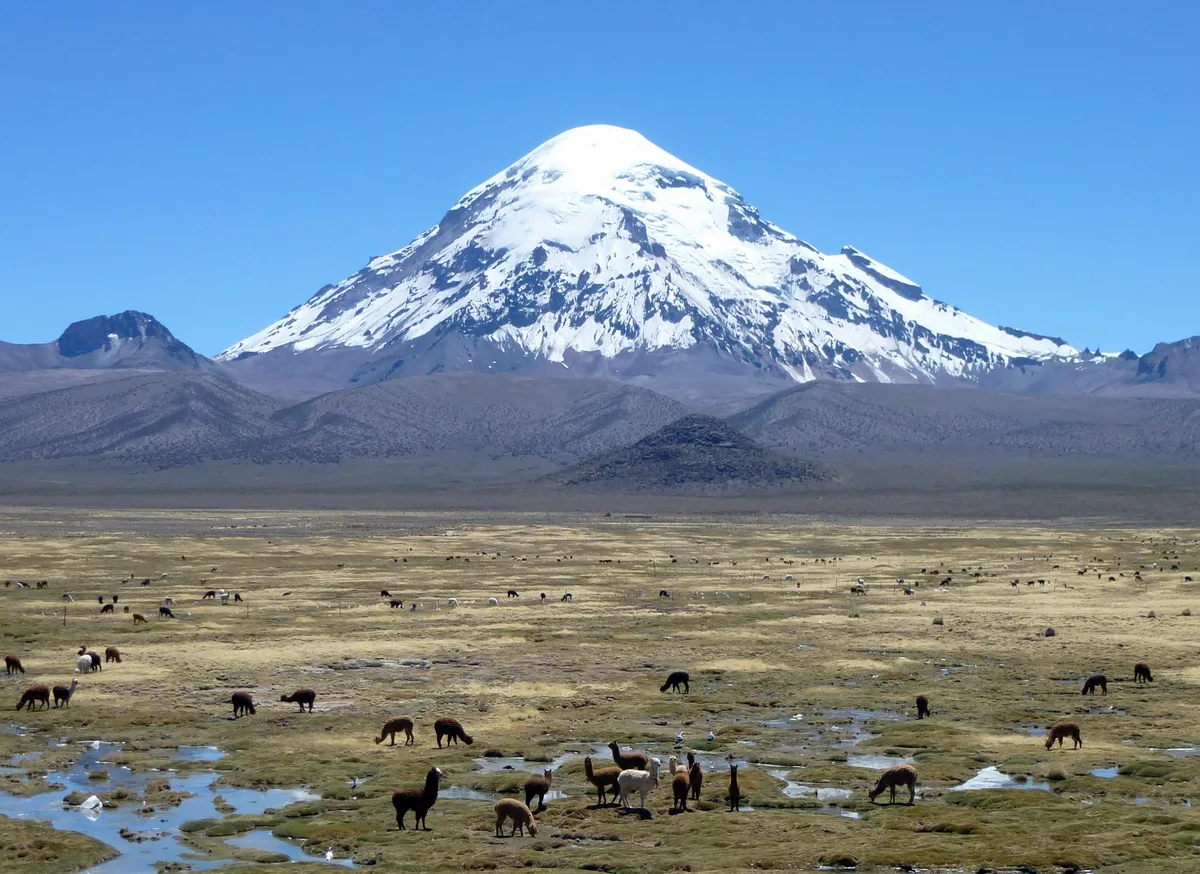
Nevado Sajama is an immense 6,542-metre extinct stratovolcano and the highest mountain in Bolivia, rising majestically above the arid high plains of Sajama National Park. First climbed in October 1939 by Austrian alpinist Joseph Prem and fellow climber Wilfrid Kuehm, the mountain features vast fields of ice penitentes, sub-zero winds, and rare high-altitude Polylepis dwarf forests along its flanks. Sajama stands as an isolated giant near the Chilean frontier.
Featured Expedition Climbers
Joseph Prem
Born in Austria, Joseph Prem developed formidable rock and ice skills in the Eastern Alps before emigrating to South America during the interwar era. Residing in Bolivia, Prem became captivated by the towering volcanic peaks and glaciated ranges of the Altiplano. In the late 1930s, the greatest unclimbed prize in Bolivia was Nevado Sajama (6,542 m), a colossal extinct stratovolcano rising isolated from the western desert near the Chilean border. Prior expeditions by prominent European alpinists, including Italian explorer Piero Ghiglione, had repeatedly failed due to impenetrable fields of ice penitentes, gale-force winds, and extreme cold. Partnering with fellow climber Wilfrid Kuehm in the spring of 1939, Prem scouted a viable line up the Northwest Ridge. Overcoming loose volcanic scree, brittle penitente fields that required delicate step-kicking, and punishing sub-zero temperatures, Prem and Kuehm reached the summit icecap on October 4, 1939. Their conquest of Sajama stood as a monumental triumph in South American mountaineering, solving the highest summit in Bolivia. Prem continued exploring throughout the Cordillera Real and Cordillera Quimsa Cruz, mentoring younger climbers and authoring valuable expedition reports for the German and Austrian Alpine Club.
Piero Ghiglione
Born on February 25, 1883, in Borgosesia, Piedmont, Piero Ghiglione trained as a civil engineer while emerging as one of Italy's most daring and prolific alpinists. A member of the Club Alpino Italiano (CAI), Ghiglione established new routes across the Western Alps, including the legendary 1930 first ascent of the North Face of Gran Paradiso alongside Renato Chabod. In 1934, Ghiglione was selected for Günter Oskar Dyhrenfurth's International Himalayan Expedition to the Baltoro Karakoram, where he climbed on Gasherbrum I and explored Sia Kangri. Turning his attention to South America, Ghiglione embarked on wide-ranging exploratory climbs throughout the Andes of Peru, Chile, and Bolivia. In 1939, Ghiglione organized the historic expedition to Nevado Sajama (6,542 m), leading the exploratory reconnaissance and establishing high camps before teammate Joseph Prem reached the virgin summit. Over a remarkable career spanning five decades, Ghiglione authored dozens of mountaineering books, documented remote indigenous cultures, and climbed extensively in the Ruwenzori and Himalayas. Ghiglione passed away in 1960 following a climbing accident on the Alps, celebrated as one of Italy's greatest globetrotting high-altitude pioneers.
Associated Historical Chronicles & Stories
Conquering the Volcano of Ice: The 1939 First Ascent of Sajama
On October 4, 1939, Austrian alpinist Joseph Prem and Wilfrid Kuehm achieved the historic first ascent of Nevado Sajama (6,542 m), the highest peak in Bolivia.
Documented Sources & Archival Citations
- Alpine Journal: Ascent of Mount Sajama(Piero Ghiglione / Alpine Club)
Supporting claim: Firsthand expedition report detailing logistics, penitente hazards, and Prem's summit ascent
Accessed/Documented: 1940 - Bolivia: A Climbing Guide(Yossi Brain / The Mountaineers Books)
Supporting claim: Historical analysis and route confirmation of the 1939 Northwest Ridge first ascent
Accessed/Documented: 1999