1950 Hans Ertl First Ascent of Illimani South Peak
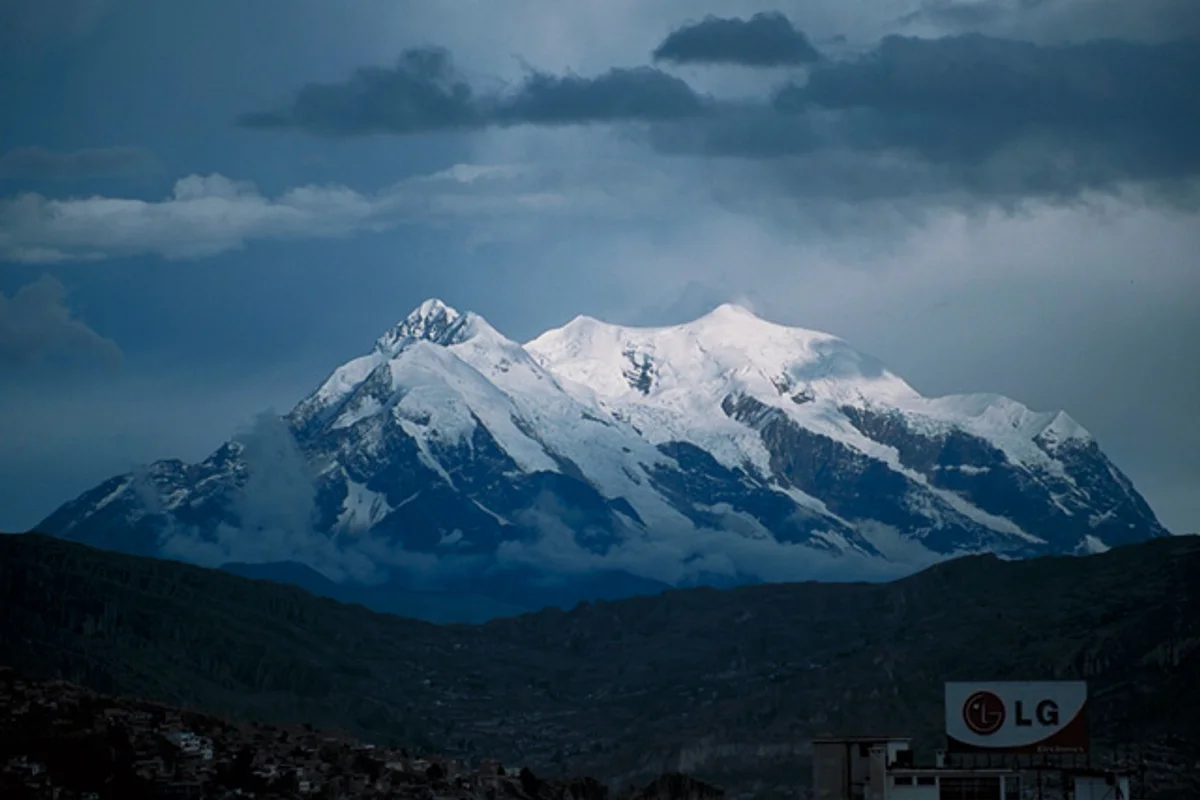
In April 1950, German-Bolivian mountaineer and cinematographer Hans Ertl completed the historic first ascent of the South Peak of Illimani (6,438 m), the highest and most difficult summit of the iconic Andean massif.
Mountain Safety & Conditions Disclaimer: High-altitude climbing, glacial travel, and technical ascents entail severe objective risks including avalanches, serac collapses, rapid weather collapse, and altitude illness. Historical route descriptions and summit claims on Mountanity reflect documented archival sources and must not be used as live operational safety assessments. Local regulations, permits, and physical glacial topography change continuously.
Peer Review: Senior Editorial Board & Historical Reviewers • Editorial Standards
Official Expedition Narrative & Archival Record
In April 1950, German mountaineer and documentary cinematographer Hans Ertl mounted an exploratory expedition into the Cordillera Real of Bolivia, targeting the untamed South Peak of Nevado Illimani (6,438 m). Rising in massive glacial ramparts above the Altiplano and the capital city of La Paz, Illimani's southern summit had resisted multiple earlier European attempts due to complex crevassed icefalls and razor-thin snow cornices. Operating with lightweight logistics and supported by local Aymara porters, Ertl pioneered a bold line up the glaciated southwest slopes and south ridge. Chopping steps in hard alpine ice and bridging across yawning bergschrunds without modern protective gear, Ertl and his partner reached the highest crest of the massif on April 24, 1950. His triumph opened the modern era of Bolivian high-altitude mountaineering and led to a series of pioneering ascents across the Cordillera Real, including Mount Campamento and the glaciated massifs of the Apolobamba.
Documented Team Composition
- Hans Ertl (Leader & Climber, Germany / Bolivia)
- Gert Schroeder (Climber, Germany)
Key Statistics & Topographic Figures
- Summit Date
- April 24, 1950
- Summit Elevation
- 6,438 metres (21,122 feet)
- Mountain Massif
- Nevado Illimani, Cordillera Real, Bolivia
- Team Members
- Hans Ertl and Gert Schroeder
- Achievement
- First Ascent of Illimani's highest southern peak
Archival Primary Source Quotations
“Standing on Illimani's highest crest, with the jungle sea to the east and the yellow altiplano to the west, I knew Bolivia had captured my heart forever.”
Defined Alpine Terminology & Concepts
- Amazonian Rime Cornice
- Extremely fragile, overhanging snow and rime formations created on eastern Andean crests by moist air rising from the Amazon basin.
- Apu Spirit
- A sacred mountain spirit in Andean and Aymara mythology, revered as a living protector and guardian of the surrounding communities.
Frequently Asked Questions: 1950 Hans Ertl First Ascent of Illimani South Peak
What was Hans Ertl's 1950 Illimani South Peak expedition?
It was the historic first ascent of the highest and most difficult summit of Nevado Illimani (6,438 m) in Bolivia by German mountaineer Hans Ertl.
When did Hans Ertl summit the South Peak of Illimani?
Hans Ertl and Gert Schroeder reached the summit of Illimani South Peak on April 24, 1950.
What route did Ertl pioneer on Illimani South Peak?
He ascended the heavily glaciated southwest slopes, negotiating steep ice couloirs and razor-thin rime cornices along the south ridge.
Why had the South Peak of Illimani resisted earlier attempts?
Because of giant overhanging rime cornices formed by moisture rising from the Amazon basin and complex crevassed icefalls.
What equipment did Ertl and Schroeder use in 1950?
Traditional hemp climbing ropes, wooden ice axes, ten-point crampons, and motion-picture camera gear carried in heavy canvas packs.
How did local Aymara communities support the 1950 expedition?
Indigenous porters from the village of Cohoni assisted in carrying expedition supplies to high moraine camps on the mountain.
What historical era did the 1950 Illimani climb initiate in Bolivia?
It inaugurated the modern golden era of high-altitude exploratory mountaineering across the Cordillera Real and Apolobamba.
What famous Himalayan climb did Hans Ertl film three years later?
In 1953, Ertl served as lead cinematographer on Nanga Parbat, capturing Hermann Buhl's legendary solo first ascent on 16mm film.
Featured Expedition Climber
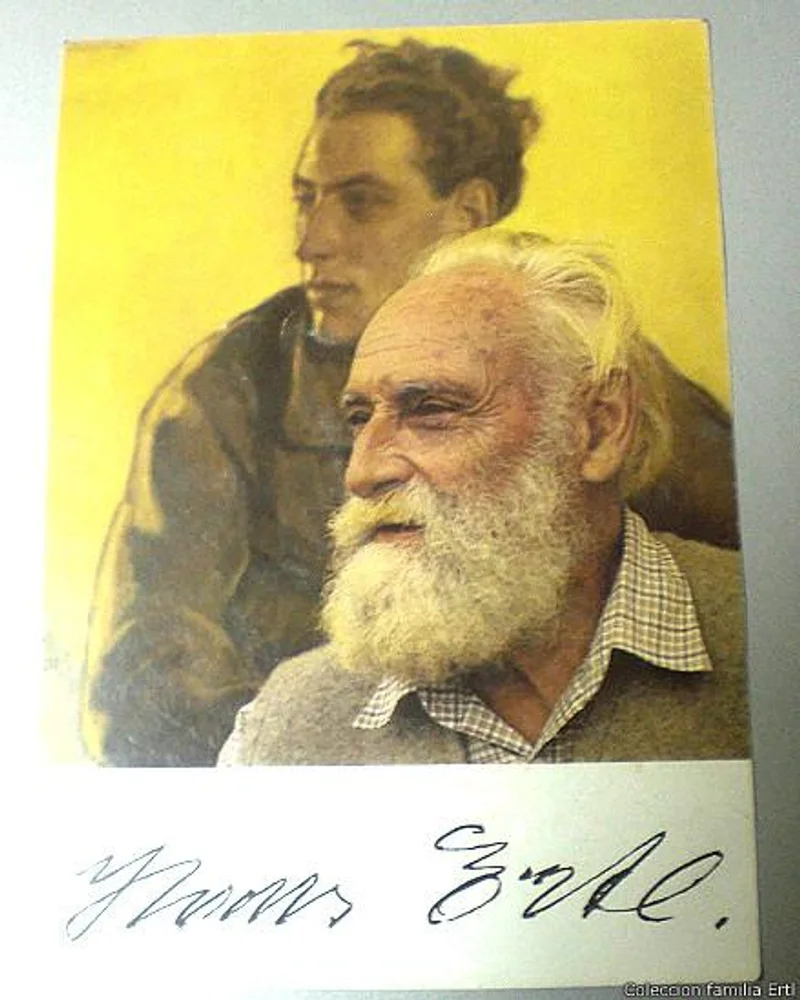
Hans Ertl
Born on February 21, 1908, in Munich, Germany, Hans Ertl demonstrated prodigious climbing skill in the Bavarian Alps from a young age, achieving a daring solo first ascent of the steep North Face of the Königspitze in 1930. Gifted with an artist's visual sense, Ertl became one of the foremost mountain documentary cinematographers of the twentieth century, developing custom underwater and high-altitude camera gear with Arnold Fanck and Leni Riefenstahl. Following the Second World War, Ertl immigrated to Bolivia in 1948, captivated by the wild, unmapped peaks of the Cordillera Real and the Amazon basin. In 1950, Ertl made the historic first ascent of the sheer South Peak of Illimani (6,438 m), the glaciated guardian of La Paz, followed by first ascents of Mount Campamento and multiple remote summits across the Bolivian Andes. In 1953, Ertl was chosen as the chief cinematographer for the German-Austrian Willy Merkl Memorial Expedition to Nanga Parbat, where his dramatic footage immortalized Hermann Buhl's legendary solo summit push on the 8,126-metre giant. Ertl spent the remainder of his life living on an isolated farm in the Bolivian Chaco, exploring pre-Columbian ruins and documenting Andean geography until his death in 2000 at age 92.
Associated Historical Chronicles & Stories
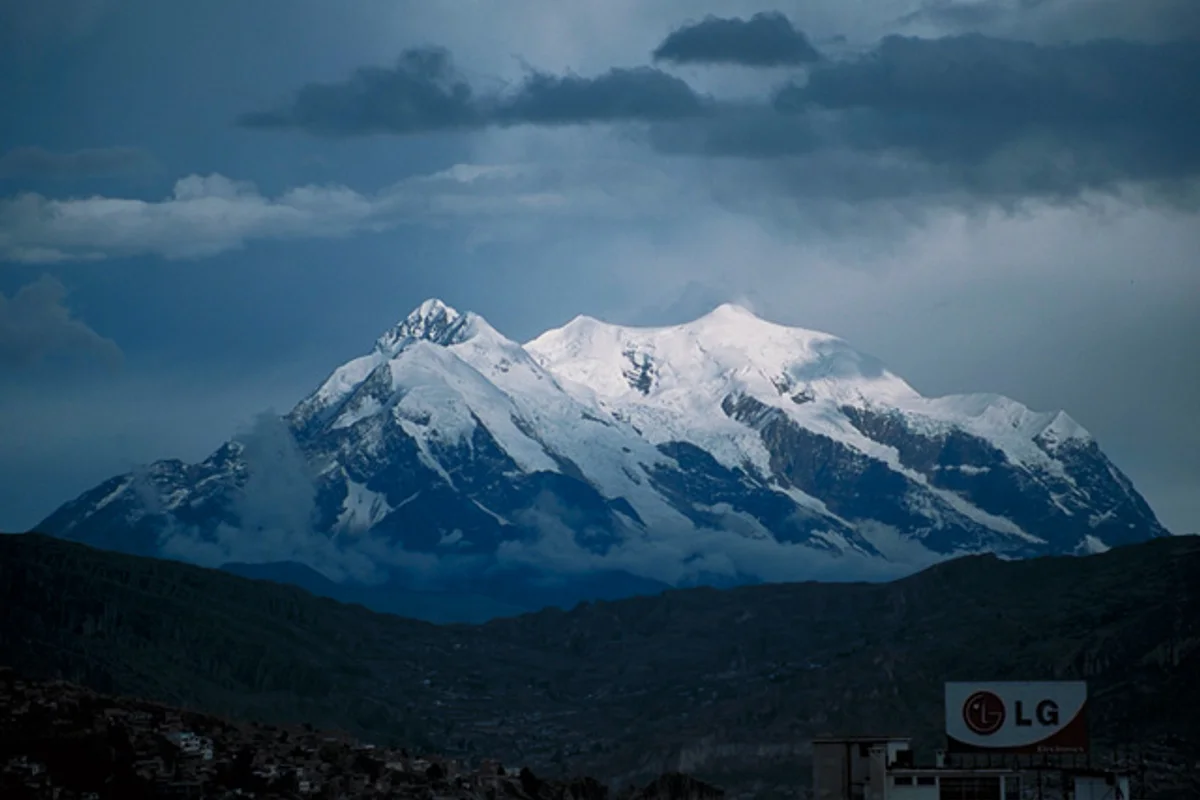
Guardian of the Altiplano: Hans Ertl and the 1950 Conquest of Illimani South Peak
In April 1950, German mountaineer and cinematographer Hans Ertl unlocked the towering, corniced South Peak of Nevado Illimani (6,438 m), establishing modern high-altitude alpinism in the Bolivian Andes.
Documented Sources & Archival Citations
- American Alpine Journal: Andean Climbs by Hans Ertl (1951)(American Alpine Club)
Supporting claim: Documentation of first ascents on Illimani and Cordillera Real peaks
Accessed/Documented: 2026 - Bergvagabunden(Hans Ertl / Nymphenburger Verlagshandlung)
Supporting claim: Autobiographical account of early Andean mountaineering and exploration
Accessed/Documented: 2026