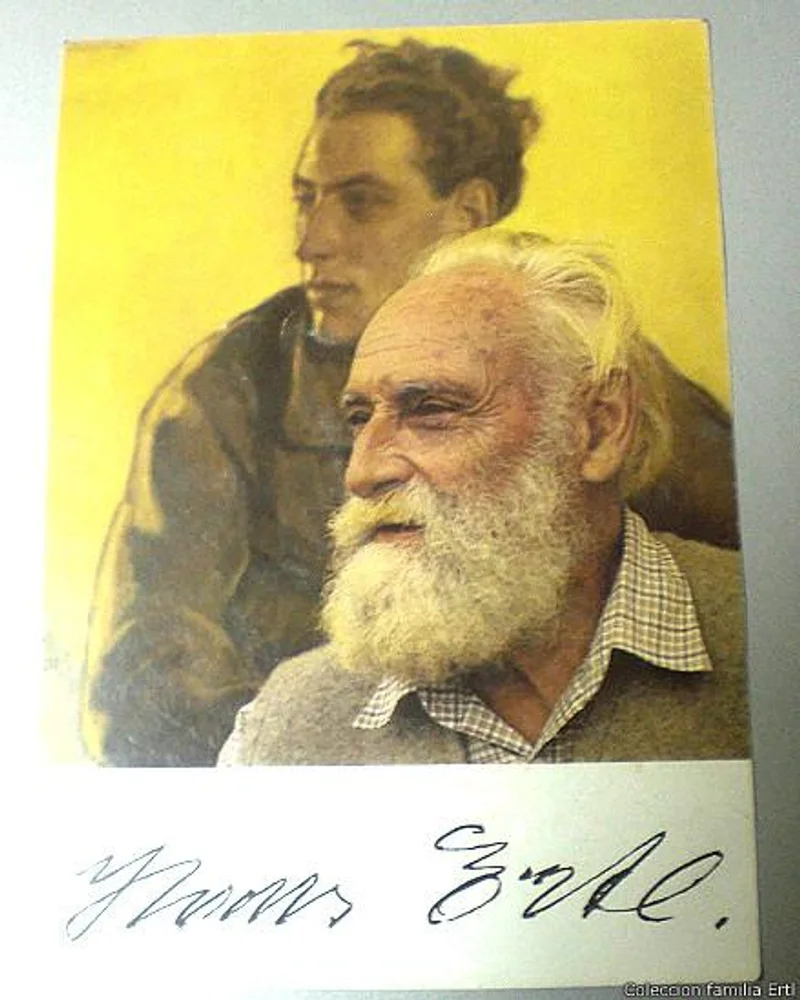
Hans Ertl
Hans Ertl was a renowned German-Bolivian mountaineer, explorer, and documentary cinematographer. He achieved the historic first ascent of the South Peak of Illimani in 1950 and the first ascent of Campamento in the Cordillera Real. In 1953, he served as lead high-altitude cameraman on Hermann Buhl's historic solo first ascent of Nanga Parbat.
Mountain Safety & Conditions Disclaimer: High-altitude climbing, glacial travel, and technical ascents entail severe objective risks including avalanches, serac collapses, rapid weather collapse, and altitude illness. Historical route descriptions and summit claims on Mountanity reflect documented archival sources and must not be used as live operational safety assessments. Local regulations, permits, and physical glacial topography change continuously.
Peer Review: Senior Editorial Board & Historical Reviewers • Editorial Standards
Biographical Record & Archival Chronicle
Born on February 21, 1908, in Munich, Germany, Hans Ertl demonstrated prodigious climbing skill in the Bavarian Alps from a young age, achieving a daring solo first ascent of the steep North Face of the Königspitze in 1930. Gifted with an artist's visual sense, Ertl became one of the foremost mountain documentary cinematographers of the twentieth century, developing custom underwater and high-altitude camera gear with Arnold Fanck and Leni Riefenstahl. Following the Second World War, Ertl immigrated to Bolivia in 1948, captivated by the wild, unmapped peaks of the Cordillera Real and the Amazon basin. In 1950, Ertl made the historic first ascent of the sheer South Peak of Illimani (6,438 m), the glaciated guardian of La Paz, followed by first ascents of Mount Campamento and multiple remote summits across the Bolivian Andes. In 1953, Ertl was chosen as the chief cinematographer for the German-Austrian Willy Merkl Memorial Expedition to Nanga Parbat, where his dramatic footage immortalized Hermann Buhl's legendary solo summit push on the 8,126-metre giant. Ertl spent the remainder of his life living on an isolated farm in the Bolivian Chaco, exploring pre-Columbian ruins and documenting Andean geography until his death in 2000 at age 92.
Notable Milestones & Ascents
- First ascent of the South Peak of Nevado Illimani (6,438 m) in Bolivia in 1950
- First ascent of Mount Campamento and exploratory ascents across the Cordillera Real in the 1950s
- Chief high-altitude cinematographer for the 1953 Nanga Parbat expedition capturing Hermann Buhl's first ascent
- Pioneered the dramatic solo first ascent of the North Face of the Königspitze in the Ortler Alps in 1930
- Invented specialized high-altitude optical housings for motion-picture cameras on glaciated peaks
Key Statistics & Topographic Figures
- Lifespan
- February 21, 1908 – October 23, 2000 (Age 92)
- Illimani South Peak
- April 24, 1950 (Historic First Ascent)
- Nanga Parbat 1953
- Lead Cinematographer (Filmed Hermann Buhl)
- Königspitze North Face
- 1930 Solo First Ascent
- Autobiography
- Bergvagabunden (Mountain Vagabonds)
Archival Primary Source Quotations
“The camera and the ice axe were one in my hands. To record the truth of the heights is as demanding as reaching the summit itself.”
Defined Alpine Terminology & Concepts
- High-Altitude Cinematography
- The art and technical discipline of operating motion-picture cameras under extreme high-altitude cold, hypoxia, and wind conditions.
- Cordillera Real
- A majestic glaciated mountain range in the Bolivian Andes rising between the Altiplano and the eastern Amazon lowlands.
Frequently Asked Questions: Hans Ertl
Who was Hans Ertl in mountaineering history?
Hans Ertl was a renowned German-Bolivian mountaineer, explorer, and documentary cinematographer who pioneered high-altitude climbing in the Andes.
What famous first ascent did Hans Ertl achieve on Nevado Illimani?
On April 24, 1950, Hans Ertl made the historic first ascent of the sheer, corniced South Peak of Illimani (6,438 m) in Bolivia.
What was Hans Ertl's role on the historic 1953 Nanga Parbat expedition?
He was the chief high-altitude cinematographer, capturing the historic footage of Hermann Buhl's solo first ascent of the 8,126-metre mountain.
What early solo first ascent made Hans Ertl famous in the Alps?
In 1930, Ertl completed a daring solo first ascent of the steep, glaciated North Face of the Königspitze in the Ortler Alps.
When did Hans Ertl move to Bolivia and why?
He immigrated to Bolivia in 1948 following the Second World War, drawn by the untracked, glaciated summits of the Cordillera Real.
What other peaks did Hans Ertl explore in South America?
Ertl achieved first ascents across the Bolivian Cordillera Real, including Mount Campamento, and conducted expeditions into the Amazon basin.
What camera innovations did Hans Ertl invent for mountain filming?
He developed custom high-altitude optical housings and lightweight camera rigs capable of operating in sub-zero temperatures and high winds.
When was Hans Ertl born and when did he pass away?
He was born on February 21, 1908, in Munich, Germany, and passed away on October 23, 2000, in Chiquitania, Bolivia, at age 92.
Associated Summits (1)


Nanga Parbat
Nanga Parbat, at 8,126 meters (26,660 ft), is the ninth-highest mountain on Earth and the western anchor of the Himalayas in Pakistan. It boasts the Rupal Face, the highest vertical precipice in the world at 4,600 meters from valley floor to summit. Known for profound climbing history, highlighted by Hermann Buhl's legendary solo summit without supplemental oxygen in 1953.
Pioneered & Associated Routes (4)
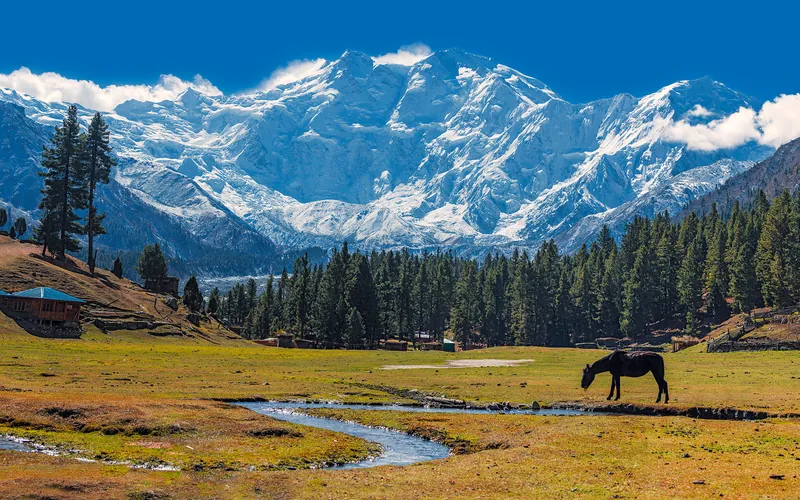
Kinshofer Route (Diamir Face)
The Kinshofer Route is the standard climbing route up the Diamir Face on Nanga Parbat's western side. First climbed in 1962 by German mountaineer Toni Kinshofer and his teammates, it is famous for its early vertical crux, the Kinshofer Wall, which sits low on the mountain between Camp I and Camp II. Once past the wall, climbers face a massive glaciated amphitheater leading up into the freezing upper Bazhin Basin and summit shoulder.
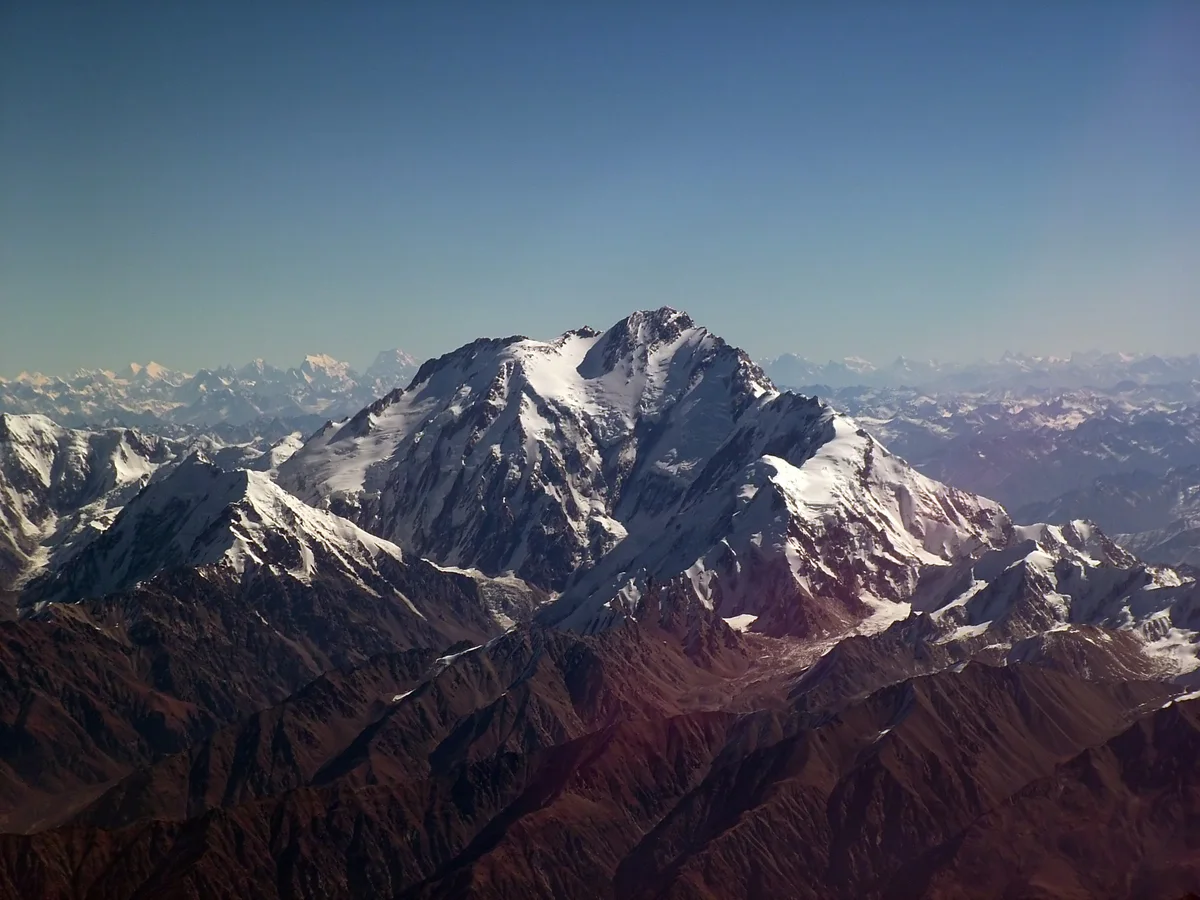
Mazeno Ridge Complete Traverse
The Mazeno Ridge of Nanga Parbat is widely considered the longest and most demanding high-altitude ridge on any eight-thousander, stretching an unbelievable 10 kilometres in length and traversing eight subsidiary peaks exceeding 7,000 metres before meeting the final summit pyramid. Long dubbed the last great problem of the Western Himalaya, it defeated numerous elite expeditions over three decades until British veterans Sandy Allan and Rick Allen completed the first full integral traverse and summit push in pure alpine style over eighteen heroic days in July 2012.
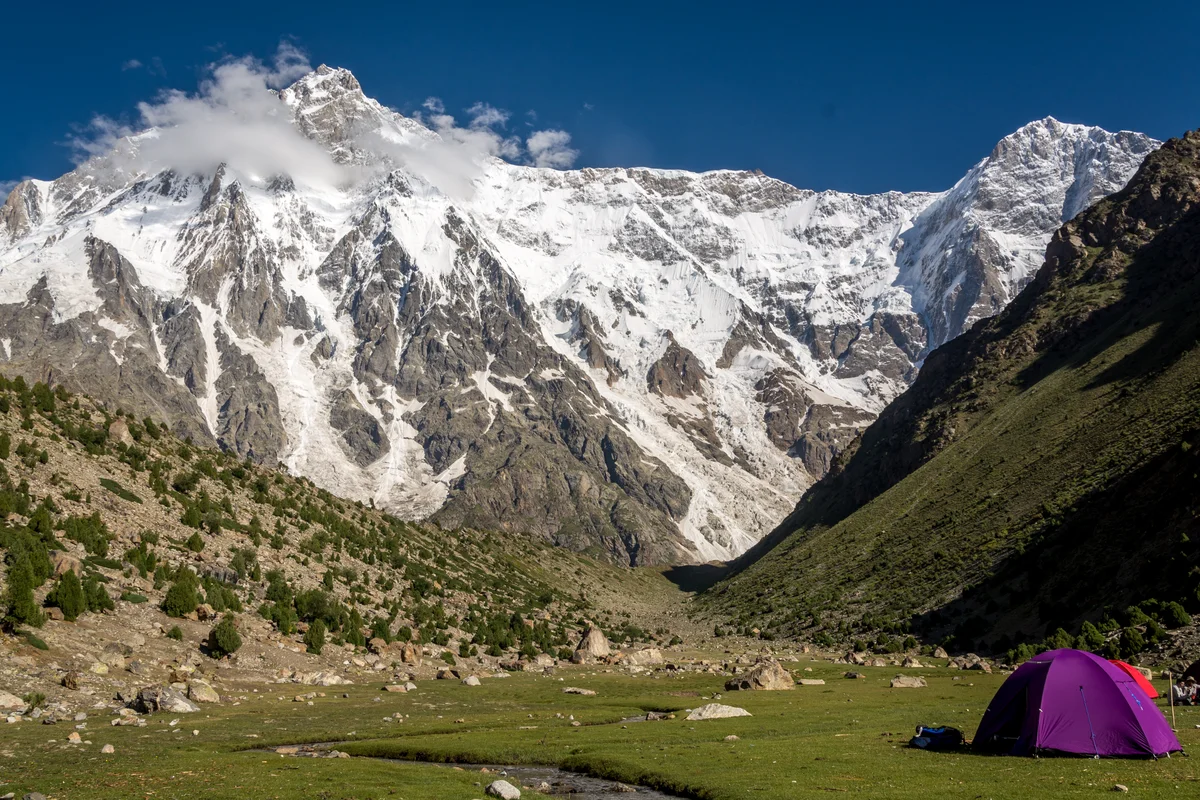
Central Pillar of the Rupal Face Direct
The Central Pillar of the Rupal Face on Nanga Parbat is the greatest vertical mountain wall on Earth, rising an astounding 4,100 metres from the Rupal Valley floor to the 8,126-metre summit. First attempted over decades, it was conquered in pure, lightweight alpine style between September 1 and 8, 2005, by American alpinists Steve House and Vince Anderson without fixed ropes, high camps, or supplemental oxygen, earning them the prestigious Piolet d'Or.
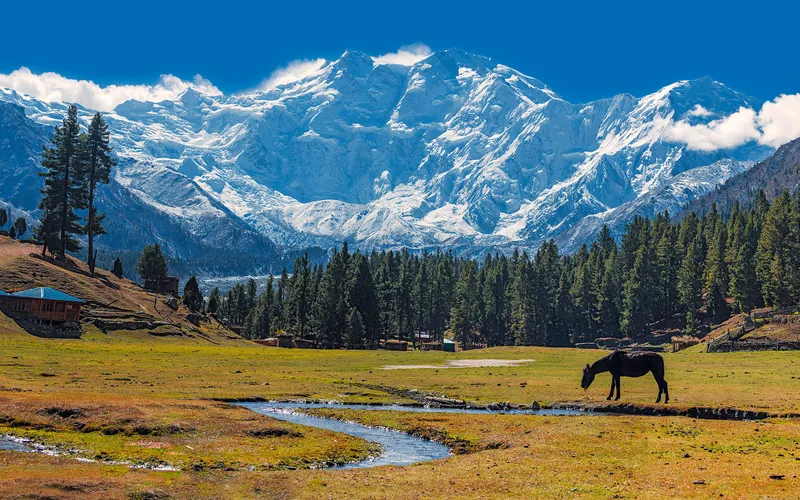
Rakhiot Flank & East Ridge (Original 1953 Route)
The historic original route on Nanga Parbat (8,126m), ascending from the Rakhiot Glacier over the heavily crevassed Rakhiot Icefall to reach the colossal Silbersattel (Silver Saddle) at 7,450 meters. From the saddle, the route traverses an immense high snow plateau for over three kilometers before negotiating the Bazhin Gap and climbing steep mixed rock ribs up the summit pyramid. Immortalized by Hermann Buhl's epic 41-hour solo summit without supplemental oxygen in July 1953.
Documented Expeditions (1)
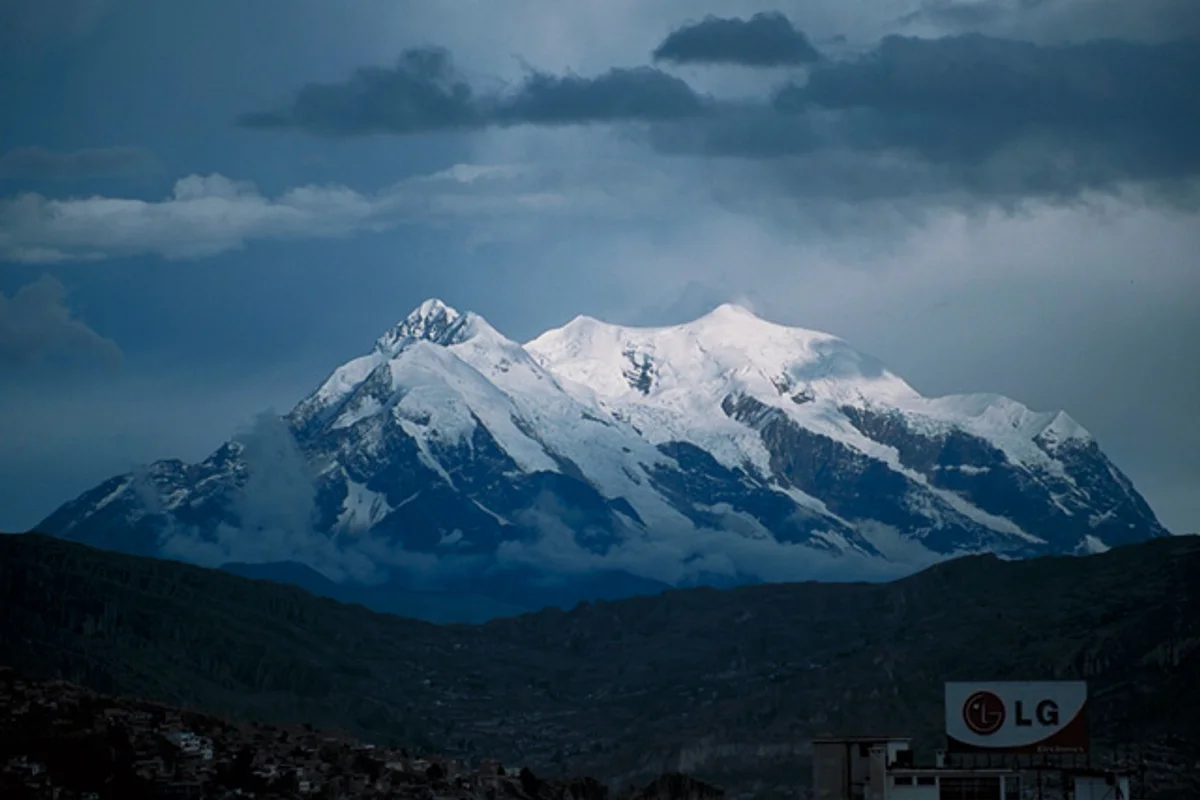
1950 Hans Ertl First Ascent of Illimani South Peak
In April 1950, German-Bolivian mountaineer and cinematographer Hans Ertl completed the historic first ascent of the South Peak of Illimani (6,438 m), the highest and most difficult summit of the iconic Andean massif.
Associated Chronicles & Stories (1)
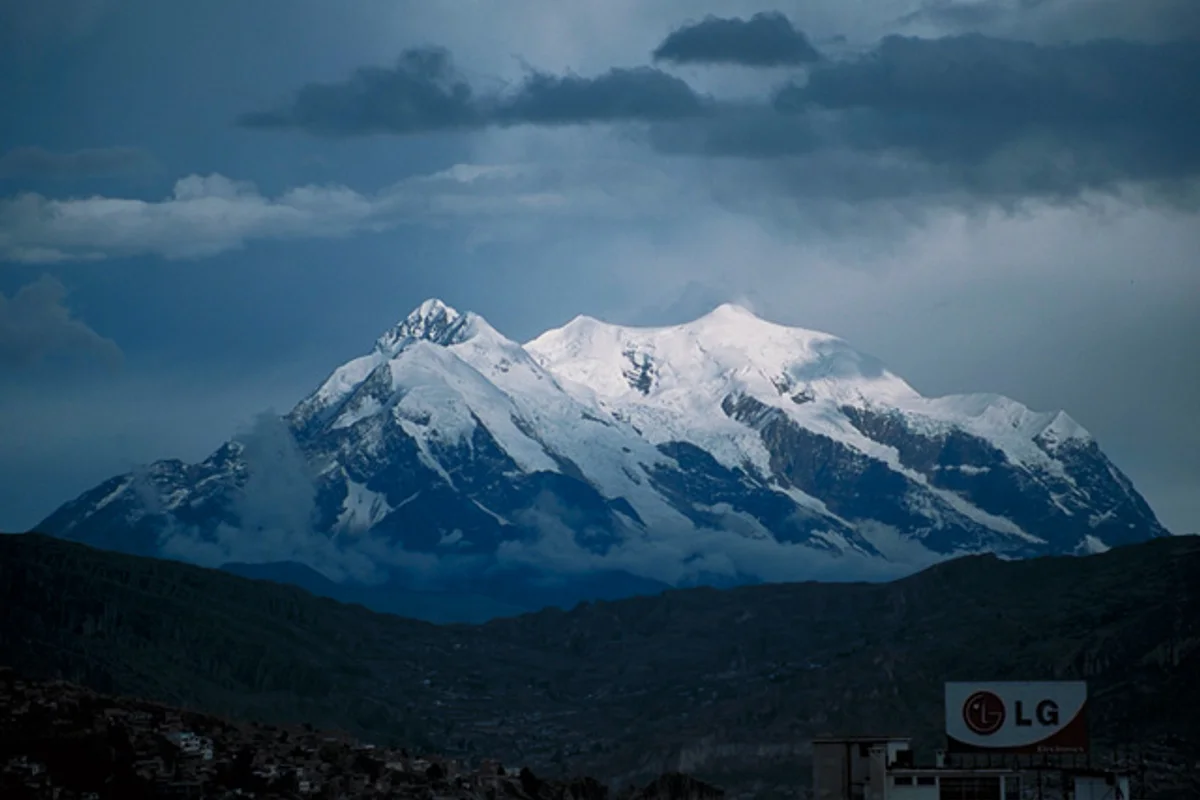
Guardian of the Altiplano: Hans Ertl and the 1950 Conquest of Illimani South Peak
In April 1950, German mountaineer and cinematographer Hans Ertl unlocked the towering, corniced South Peak of Nevado Illimani (6,438 m), establishing modern high-altitude alpinism in the Bolivian Andes.
Documented Sources & Archival Citations
- American Alpine Journal: Andean Climbs by Hans Ertl (1951)(American Alpine Club)
Supporting claim: Documentation of first ascents on Illimani and Cordillera Real peaks
Accessed/Documented: 2026 - Bergvagabunden(Hans Ertl / Nymphenburger Verlagshandlung)
Supporting claim: Autobiographical accounts of early solo alpine ascents, cinematography, and South American exploration
Accessed/Documented: 2026