Central Pillar of the Rupal Face Direct
The Central Pillar of the Rupal Face on Nanga Parbat is the greatest vertical mountain wall on Earth, rising an astounding 4,100 metres from the Rupal Valley floor to the 8,126-metre summit.
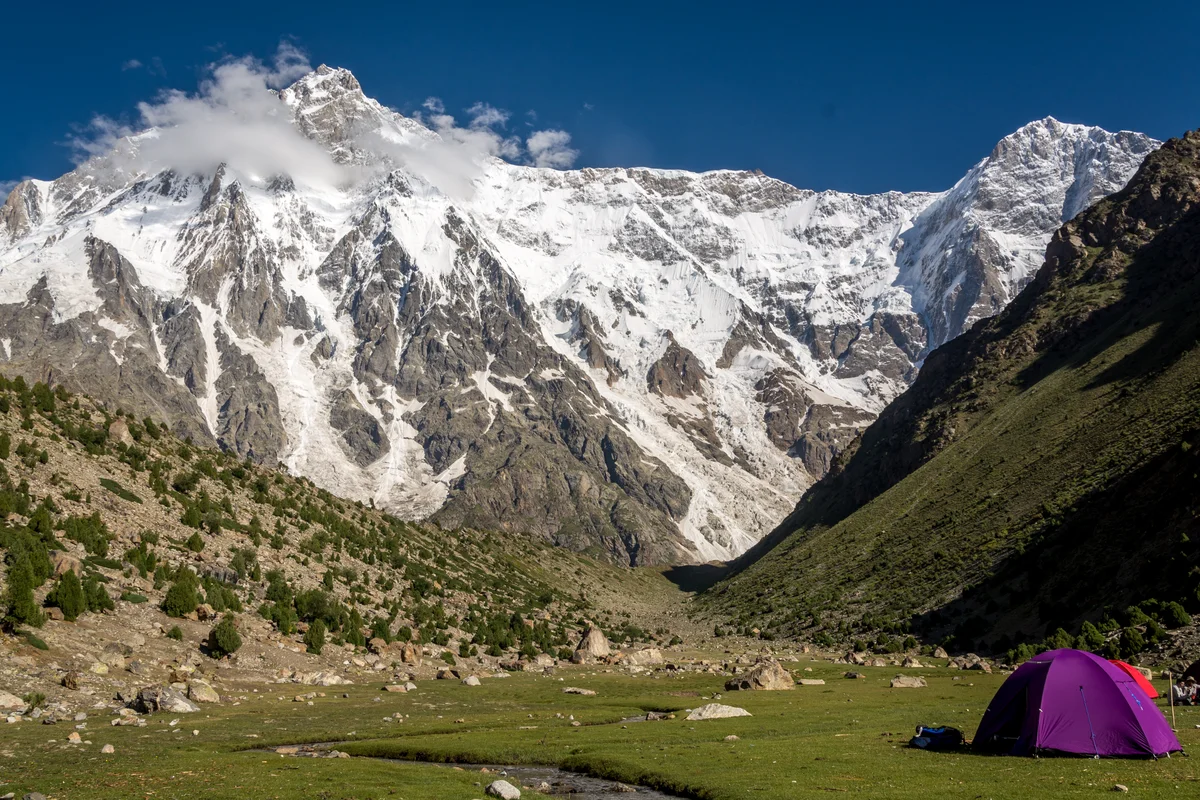
Ascent line, technical cruxes & camp topography profile for Central Pillar of the Rupal Face Direct
Mountain Safety & Conditions Disclaimer: High-altitude climbing, glacial travel, and technical ascents entail severe objective risks including avalanches, serac collapses, rapid weather collapse, and altitude illness. Historical route descriptions and summit claims on Mountanity reflect documented archival sources and must not be used as live operational safety assessments. Local regulations, permits, and physical glacial topography change continuously.
Peer Review: Senior Editorial Board & Historical Reviewers • Editorial Standards
Tactical & Camp Notes
Requires world-class mixed climbing mastery, extreme speed, flawless meteorological forecasting, and psychological commitment to non-reversible alpine style.
Identified Objective Hazards
- •Continuous, massive rockfall and powder avalanches sweeping the 4,100m direct wall
- •Absolute inability to retreat safely past 6,500m due to committing steepness
- •Severe hypothermia and frostbite from open hanging bivouacs in sub-zero alpine conditions
- •Extreme physical exhaustion and cerebral hypoxia after a week in the death zone
Historical Context
Pioneered in September 2005 by Steve House and Vince Anderson in an eight-day round trip, hailed as one of the greatest alpine-style ascents in mountaineering history.
Interactive Elevation Profile
Vertical profile, technical cruxes, and camp staging progression for Central Pillar of the Rupal Face Direct on Nanga Parbat.
Located on the idyllic green pastures of the Rupal Valley directly gazing up at the four-kilometre wall.
Camp-by-Camp Topography
Key staging altitudes, technical cruxes, and terrain transitions for Central Pillar of the Rupal Face Direct.
Rupal Base Camp (Herligkoffer Base)
Located on the idyllic green pastures of the Rupal Valley directly gazing up at the four-kilometre wall.
Bivouac 1
Pitched on a tiny snow ledge after navigating the lower ice runnels and mixed gullies.
Bivouac 2
A precarious snow shelf below the technical granite headwalls of the Central Pillar.
Bivouac 3
Perched on a razor-sharp mixed ridge amidst extreme exposure and howling valley winds.
Bivouac 4
Chiseled into a steep ice fluting beneath the upper headwall and summit couloirs.
Bivouac 5
High bivy beneath the summit trapezoid in the severe hypoxia of the Death Zone.
Nanga Parbat Summit
Gained via steep ice gullies breaking onto the south summit ridge and true summit crest.
Topographic Location & Terrain Map
Cartographic datum, massif coordinates, and terrain context for Central Pillar of the Rupal Face Direct on Nanga Parbat.
Interactive Topographic Terrain Map
Click below to load live cartographic contours, glacier approaches, and geographic markers for Nanga Parbat (35°14′14″ N, 74°35′21″ E).
Key Statistics & Topographic Figures
- Route Type
- Direct Alpine Big-Wall Route
Topography
- Technical Difficulty
- Extremely Severe / Grade VI, M5 X, 5.9, WI4
Grade VI, M5 X, 5.9, WI4, 4,100m vertical face
- Country / Region
- Pakistan (Astore / Gilgit-Baltistan)
Location
Archival Primary Source Quotations
“A mountain route is not merely a path of rock and ice; it is a test of human endurance, judgment, and humility.”
Defined Alpine Terminology & Concepts
- Crux
- The most difficult and technically demanding pitch or section of a climbing route.
- Normal Route (Voie Normale)
- The most frequently climbed, least technical, and historically standard path to a mountain summit.
Frequently Asked Questions: Central Pillar of the Rupal Face Direct
What is the climbing difficulty and grade of Central Pillar of the Rupal Face Direct?
Central Pillar of the Rupal Face Direct on nanga-parbat is graded as Extremely Severe / Grade VI, M5 X, 5.9, WI4, with technical climbing requirements including Grade VI, M5 X, 5.9, WI4, 4,100m vertical face.
What are the primary hazards on the Central Pillar of the Rupal Face Direct?
Climbers on Central Pillar of the Rupal Face Direct must navigate severe objective hazards including Continuous, massive rockfall and powder avalanches sweeping the 4,100m direct wall, Absolute inability to retreat safely past 6,500m due to committing steepness, Severe hypothermia and frostbite from open hanging bivouacs in sub-zero alpine conditions, Extreme physical exhaustion and cerebral hypoxia after a week in the death zone.
What camps are established on Central Pillar of the Rupal Face Direct?
Central Pillar of the Rupal Face Direct typically features 7 staging camps, progressing from Rupal Base Camp (Herligkoffer Base) (3550m) up toward the summit.
Mountain Ascended
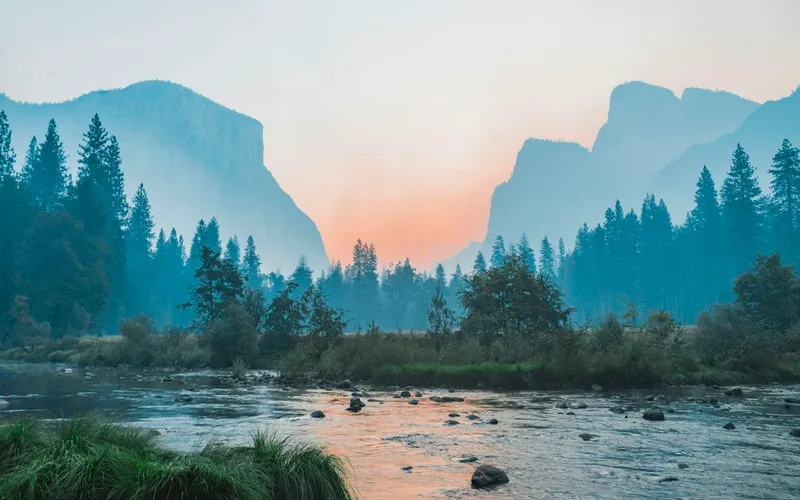

Nanga Parbat
Nanga Parbat, at 8,126 meters (26,660 ft), is the ninth-highest mountain on Earth and the western anchor of the Himalayas in Pakistan. It boasts the Rupal Face, the highest vertical precipice in the world at 4,600 meters from valley floor to summit. Known for profound climbing history, highlighted by Hermann Buhl's legendary solo summit without supplemental oxygen in 1953.
Documented Expeditions on this Route (1)
Verified historical summits, siege campaigns, and pioneer attempts recorded on Central Pillar of the Rupal Face Direct.
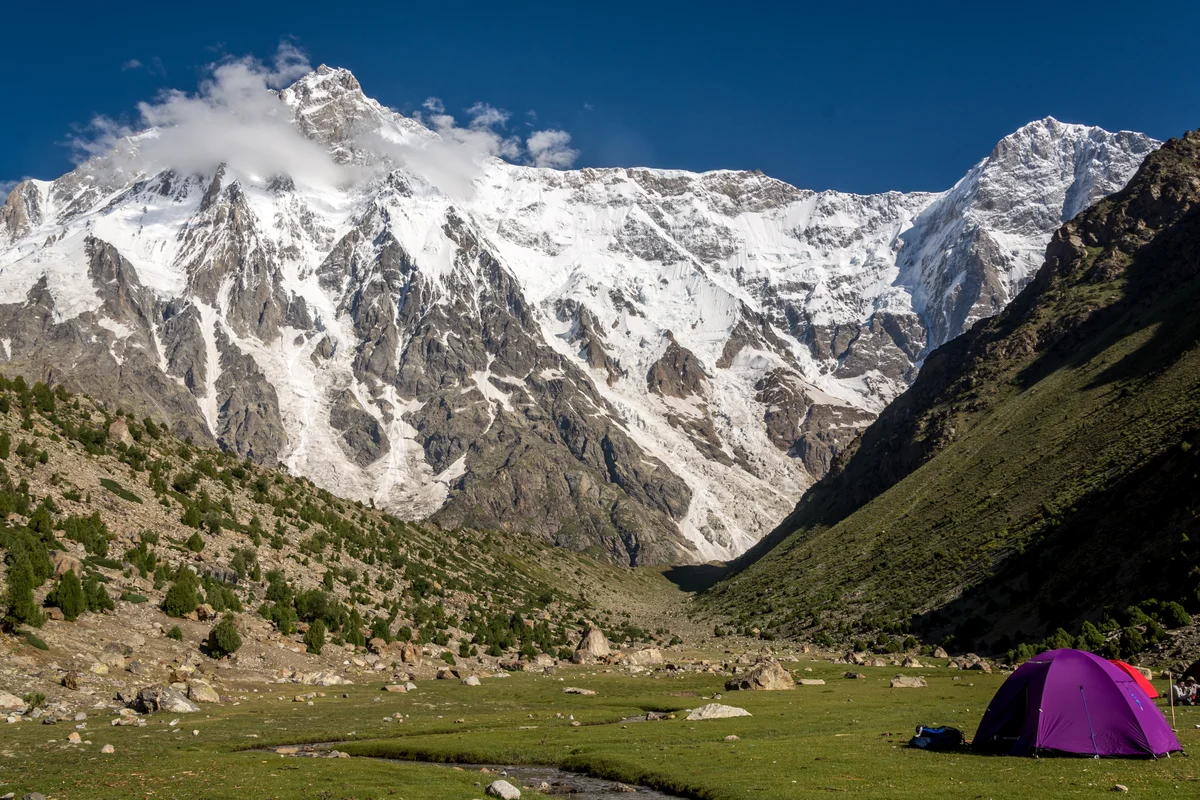
2005 Steve House & Vince Anderson Nanga Parbat Rupal Face Direct Expedition
Between September 1 and 8, 2005, American alpinists Steve House and Vince Anderson accomplished one of the greatest alpine-style ascents in mountaineering history by climbing the 4,100-metre Central Pillar of the Rupal Face on Nanga Parbat (8,126m) direct in an eight-day round trip without fixed ropes or supplemental oxygen.
Archival Chronicles & Stories on this Route (1)
In-depth longform historical narratives, harrowing survival accounts, and firsthand alpine journals on Central Pillar of the Rupal Face Direct.
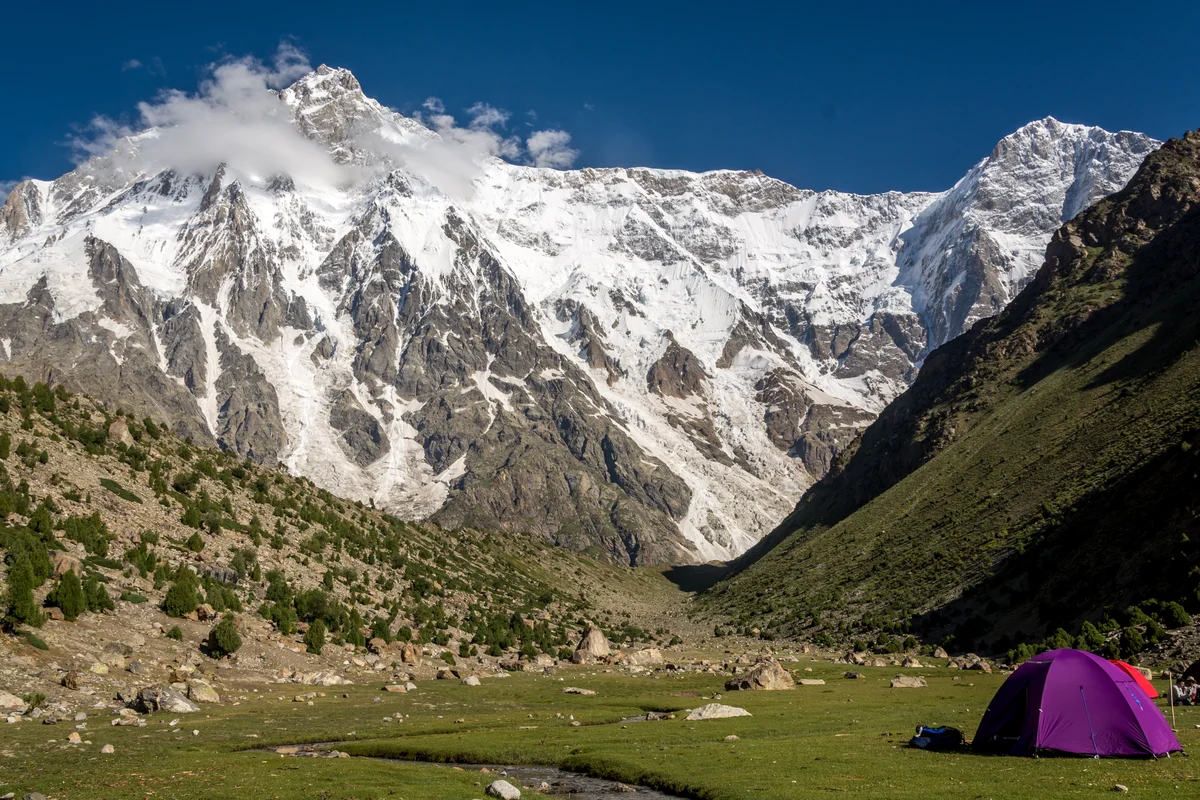
The Greatest Wall on Earth: Steve House and Vince Anderson on the Rupal Face
In September 2005, American alpinists Steve House and Vince Anderson conquered the 4,100-metre Rupal Face of Nanga Parbat direct in pure alpine style, earning the Piolet d'Or.
Documented Sources & Archival Citations
- American Alpine Journal: Nanga Parbat, Rupal Face Direct in Alpine Style(American Alpine Club)
Supporting claim: Official technical climb report of House and Anderson's 2005 first ascent
Accessed/Documented: 2006 - Beyond the Mountain(Steve House / Mountaineers Books)
Supporting claim: Detailed autobiographical account of the Rupal Face ascent and alpine philosophy
Accessed/Documented: 2009