2005 Steve House & Vince Anderson Nanga Parbat Rupal Face Direct Expedition
Between September 1 and 8, 2005, American alpinists Steve House and Vince Anderson accomplished one of the greatest alpine-style ascents in mountaineering history by climbing the 4,100-metre Central Pillar of the Rupal Face on Nanga Parbat (8,126m) direct in an eight-day round trip without fixed ropes or supplemental oxygen.
Mountain Safety & Conditions Disclaimer: High-altitude climbing, glacial travel, and technical ascents entail severe objective risks including avalanches, serac collapses, rapid weather collapse, and altitude illness. Historical route descriptions and summit claims on Mountanity reflect documented archival sources and must not be used as live operational safety assessments. Local regulations, permits, and physical glacial topography change continuously.
Peer Review: Senior Editorial Board & Historical Reviewers • Editorial Standards
Official Expedition Narrative & Archival Record
In late summer 2005, Steve House and Vince Anderson arrived in the Rupal Valley of Pakistan to confront the highest vertical wall on the planet: the 4,100-metre Rupal Face of Nanga Parbat (8,126m). Rejecting heavy siege methods, fixed lines, and supplemental bottled oxygen, they adopted a purist alpine philosophy, carrying tiny packs weighing less than twenty pounds with five days of food and a single lightweight rope. On September 1, they crossed the bergschrund and began climbing the unclimbed Central Pillar. Over the next five days, they executed sustained mixed climbing on vertical granite headwalls and brittle water ice up to Grade VI, M5 X, and WI4. Navigating extreme exposure with zero margin for error, they carved open bivouacs into forty-degree ice slopes each night. On September 6, 2005, despite severe dehydration and exhaustion in the Death Zone, House and Anderson crested the summit trapezoid and stepped onto the 8,126-metre summit of Nanga Parbat. They successfully down-climbed and rappelled the face over the next two days, reaching Base Camp on September 8. Their masterwork was universally acclaimed as a defining pinnacle of twenty-first-century alpinism and awarded the prestigious Piolet d'Or.
Documented Team Composition
- Steve House (United States, Summit Climber)
- Vince Anderson (United States, Summit Climber)
Key Statistics & Topographic Figures
- Official Outcome
- Piolet d'Or Winning Alpine-Style First Direct Ascent of the 4,100m Central Pillar of the Rupal Face
Expedition Status
- Summit Date
- 2005-09-06
Ascent Timestamp
- Target Objective
- nanga-parbat
Mountain Peak
- Ascent Route
- nanga-parbat-rupal-face-direct
Climbing Path
- Team Size
- 2 Climbers
High-Altitude Team
- Region / Country
- Pakistan (Astore / Gilgit-Baltistan)
Geography
Archival Primary Source Quotations
“In late summer 2005, Steve House and Vince Anderson arrived in the Rupal Valley of Pakistan to confront the highest vertical wall on the planet: the 4,100-metre Rupal Face of Nanga...”
Defined Alpine Terminology & Concepts
- Alpine Expedition
- A planned, self-contained high-altitude mountaineering undertaking operating in remote mountain terrain subject to extreme objective hazards.
- Death Zone
- The high-altitude region above 8,000 meters where atmospheric oxygen pressure is inadequate for sustained human survival.
Frequently Asked Questions: 2005 Steve House & Vince Anderson Nanga Parbat Rupal Face Direct Expedition
What was the primary outcome and achievement of the 2005 Steve House & Vince Anderson Nanga Parbat Rupal Face Direct Expedition?
Piolet d'Or Winning Alpine-Style First Direct Ascent of the 4,100m Central Pillar of the Rupal Face. Between September 1 and 8, 2005, American alpinists Steve House and Vince Anderson accomplished one of the greatest alpine-style ascents in mountaineering history by climbing the 4,100-metre Central Pillar of the Rupal Face on Nanga Parbat (8,126m) direct in an eight-day round trip without fixed ropes or supplemental oxygen.
When did the 2005 Steve House & Vince Anderson Nanga Parbat Rupal Face Direct Expedition reach the summit?
The expedition officially reached the summit on 2005-09-06, operating between 2005-08-15 and 2005-09-15.
Who were the documented climbing team members on the 2005 Steve House & Vince Anderson Nanga Parbat Rupal Face Direct Expedition?
The documented climbing roster included: Steve House (United States, Summit Climber), Vince Anderson (United States, Summit Climber).
What climbing route and mountain objective were tackled during the 2005 Steve House & Vince Anderson Nanga Parbat Rupal Face Direct Expedition?
The expedition tackled nanga-parbat via the nanga-parbat-rupal-face-direct in Pakistan (Astore / Gilgit-Baltistan).
How are the records and summit claims of the 2005 Steve House & Vince Anderson Nanga Parbat Rupal Face Direct Expedition verified?
Summit claims, route topography, and timeline logs for the 2005 Steve House & Vince Anderson Nanga Parbat Rupal Face Direct Expedition are cross-referenced with official alpine registries, national mountaineering federations, and primary expedition journals.
Ascent Route & Topography
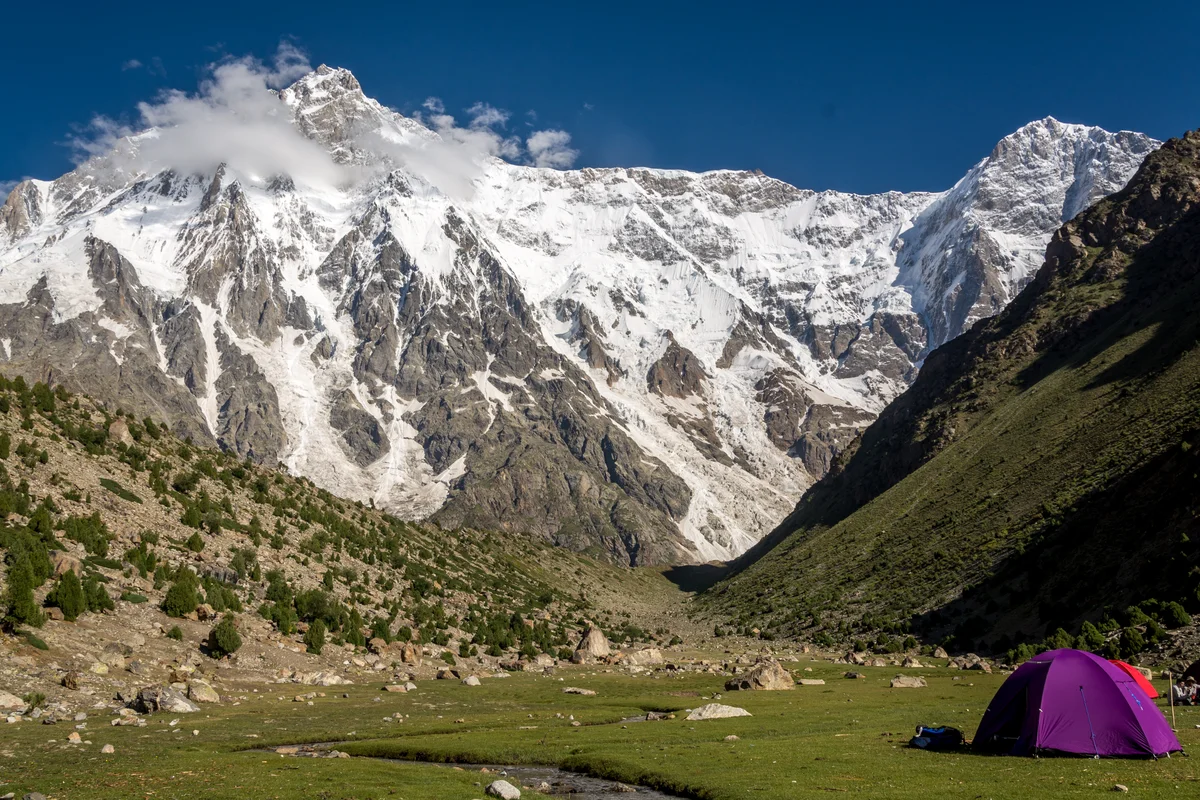
Central Pillar of the Rupal Face Direct
The Central Pillar of the Rupal Face on Nanga Parbat is the greatest vertical mountain wall on Earth, rising an astounding 4,100 metres from the Rupal Valley floor to the 8,126-metre summit. First attempted over decades, it was conquered in pure, lightweight alpine style between September 1 and 8, 2005, by American alpinists Steve House and Vince Anderson without fixed ropes, high camps, or supplemental oxygen, earning them the prestigious Piolet d'Or.
Target Objective Peak


Nanga Parbat
Nanga Parbat, at 8,126 meters (26,660 ft), is the ninth-highest mountain on Earth and the western anchor of the Himalayas in Pakistan. It boasts the Rupal Face, the highest vertical precipice in the world at 4,600 meters from valley floor to summit. Known for profound climbing history, highlighted by Hermann Buhl's legendary solo summit without supplemental oxygen in 1953.
Featured Expedition Climbers
Steve House
Steve House was born on August 4, 1970, in La Grande, Oregon. Introduced to mountaineering in the Pacific Northwest, House underwent a formative transformation while living as an exchange student in Slovenia in 1988, where he was mentored by the fierce, purist school of Slovenian alpinists. Rejecting heavy siege-style expedition tactics, House dedicated himself to pure alpine style: climbing without fixed ropes, without intermediate high-altitude camps, without high-altitude porters, and without supplemental bottled oxygen. Over the 1990s and early 2000s, House established an astonishing resume of lightweight first ascents in the Alaska Range and Canadian Rockies. Highlights included new direct routes on Mount Bradley, Mount Hunter, and the legendary Slovak Direct on the South Face of Denali, which House, Mark Twight, and Scott Backes climbed continuously in sixty hours in 2000. In 2004, House made an audacious solo ascent of K7 (6,934m) in the Karakoram's Charakusa Valley, a masterwork that garnered international acclaim. In September 2005, House and longtime climbing partner Vince Anderson achieved what is widely regarded as one of the greatest alpine-style ascents in mountaineering history: the direct first ascent of the 4,100-metre Central Pillar of the Rupal Face on Nanga Parbat (8,126m). Climbing over eight continuous days carrying minimalist twenty-pound packs, they navigated vertical granite and brittle mixed runnels to reach the summit, winning the 2005 Piolet d'Or. An eloquent writer and philosopher, House authored 'Beyond the Mountain' and co-founded Uphill Athlete, profoundly shaping the training and ethical standards of modern global mountaineering.
Vince Anderson
Vince Anderson was born on April 15, 1970, in the United States. Drawn to rock climbing and backcountry skiing in the Rocky Mountains and Pacific Northwest, Anderson became one of the premier American mountain guides, attaining full UIAGM/IFMGA international certification. Renowned among peers for his ice-climbing virtuosity, quiet focus, and bulletproof route judgment, Anderson forged a legendary partnership with Steve House, based on shared convictions about fair-means alpine style. In September 2005, Anderson and House journeyed to the remote Rupal Valley in Pakistan to tackle the largest vertical precipice on Earth: the 4,100-metre Rupal Face of Nanga Parbat (8,126m). Rejecting siege tactics, fixed ropes, and bottled oxygen, they launched an alpine-style sprint straight up the Central Pillar. Over eight days of intense climbing, Anderson led critical mixed cruxes through sheer granite bands and crumbling ice flutings. Reaching the summit on September 6, 2005, they completed one of the most revered ascents in alpine history, earning the 2005 Piolet d'Or. Throughout his subsequent career, Anderson continued to open technical alpine routes across Alaska, the Canadian Rockies, the Karakoram, and the Alps. A dedicated mentor and educator, he has served as a senior instructor for the American Mountain Guides Association (AMGA) and co-coach at Uphill Athlete, training hundreds of professional guides and aspiring alpinists. Vince Anderson remains celebrated as a consummate professional whose technical excellence helped elevate modern alpine style to its highest expression.
Associated Historical Chronicles & Stories
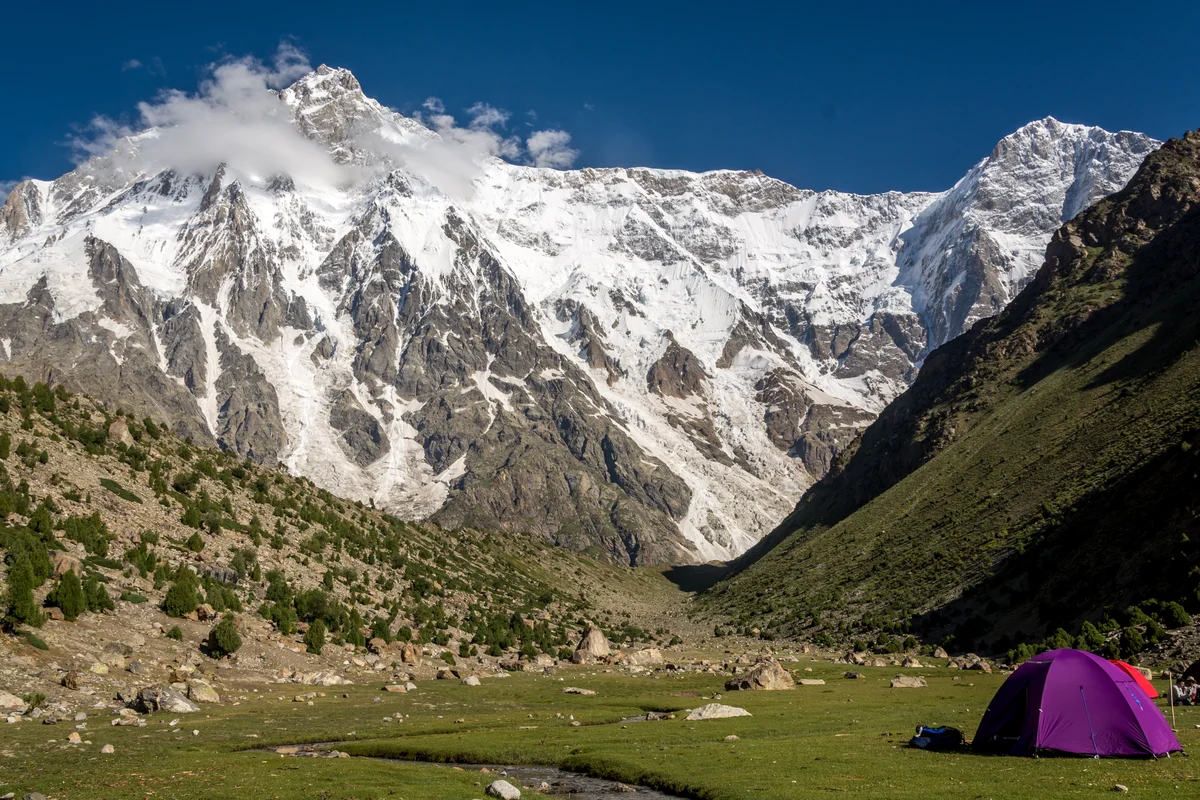
The Greatest Wall on Earth: Steve House and Vince Anderson on the Rupal Face
In September 2005, American alpinists Steve House and Vince Anderson conquered the 4,100-metre Rupal Face of Nanga Parbat direct in pure alpine style, earning the Piolet d'Or.
Documented Sources & Archival Citations
- American Alpine Journal: Nanga Parbat, Rupal Face Direct in Alpine Style(American Alpine Club)
Supporting claim: Official climb report and technical analysis of the September 2005 Rupal Face direct first ascent
Accessed/Documented: 2006 - Beyond the Mountain(Steve House / Mountaineers Books)
Supporting claim: Comprehensive autobiographical narrative of the eight-day alpine style climb
Accessed/Documented: 2009