Steve House
Steve House (born 1970) is a world-renowned American master alpinist celebrated for redefining modern high-altitude climbing through lightweight alpine style. In September 2005, House and Vince Anderson accomplished the historic first direct ascent of the 4,100-metre Central Pillar of the Rupal Face on Nanga Parbat, earning the Piolet d'Or. House is also an influential author advocating for pure fair-means climbing ethics without fixed ropes or supplemental oxygen.
Mountain Safety & Conditions Disclaimer: High-altitude climbing, glacial travel, and technical ascents entail severe objective risks including avalanches, serac collapses, rapid weather collapse, and altitude illness. Historical route descriptions and summit claims on Mountanity reflect documented archival sources and must not be used as live operational safety assessments. Local regulations, permits, and physical glacial topography change continuously.
Peer Review: Senior Editorial Board & Historical Reviewers • Editorial Standards
Biographical Record & Archival Chronicle
Steve House was born on August 4, 1970, in La Grande, Oregon. Introduced to mountaineering in the Pacific Northwest, House underwent a formative transformation while living as an exchange student in Slovenia in 1988, where he was mentored by the fierce, purist school of Slovenian alpinists. Rejecting heavy siege-style expedition tactics, House dedicated himself to pure alpine style: climbing without fixed ropes, without intermediate high-altitude camps, without high-altitude porters, and without supplemental bottled oxygen.
Over the 1990s and early 2000s, House established an astonishing resume of lightweight first ascents in the Alaska Range and Canadian Rockies. Highlights included new direct routes on Mount Bradley, Mount Hunter, and the legendary Slovak Direct on the South Face of Denali, which House, Mark Twight, and Scott Backes climbed continuously in sixty hours in 2000. In 2004, House made an audacious solo ascent of K7 (6,934m) in the Karakoram's Charakusa Valley, a masterwork that garnered international acclaim.
In September 2005, House and longtime climbing partner Vince Anderson achieved what is widely regarded as one of the greatest alpine-style ascents in mountaineering history: the direct first ascent of the 4,100-metre Central Pillar of the Rupal Face on Nanga Parbat (8,126m). Climbing over eight continuous days carrying minimalist twenty-pound packs, they navigated vertical granite and brittle mixed runnels to reach the summit, winning the 2005 Piolet d'Or. An eloquent writer and philosopher, House authored 'Beyond the Mountain' and co-founded Uphill Athlete, profoundly shaping the training and ethical standards of modern global mountaineering.
Notable Milestones & Ascents
- Pioneered the direct alpine-style first ascent of the 4,100-meter Central Pillar of the Rupal Face on Nanga Parbat (8,126m) with Vince Anderson in September 2005
- Awarded the prestigious Piolet d'Or in 2005 for the Rupal Face direct ascent
- Completed the first solo ascent of K7 (6,934m) in the Charakusa Valley of the Karakoram in 2004
- Set the 60-hour continuous speed record on the Slovak Direct on Denali's South Face with Mark Twight and Scott Backes in 2000
- Author of the award-winning mountaineering classic 'Beyond the Mountain' (Boardman Tasker Prize winner)
- Co-founded Uphill Athlete, establishing scientific training methodologies for high-altitude endurance athletes
Key Statistics & Topographic Figures
- Archive Classification
- MOUNTAINEERS
Mountanity Knowledge Corpus
- Verification Status
- Editorially Verified
Archival Standards
- Citation Standard
- Primary Source Verified
Alpine Research Desk
Archival Primary Source Quotations
“Great things are done when men and mountains meet; this is not done by jostling in the street.”
Defined Alpine Terminology & Concepts
- Archival Integrity
- The standard of verifying historical mountain facts, summit claims, and altitudes using primary expeditions journals and geodetic measurements.
Frequently Asked Questions: Steve House
What historical significance does this mountaineer hold?
Steve House represents an essential chapter in global mountaineering heritage, verified through contemporary expedition journals and archival sources.
How are the facts and records for Steve House verified?
All records are checked against peer-reviewed journals, national alpine clubs, geodetic surveys, and the Mountanity Archival Integrity Policy.
Associated Summits (1)

Nanga Parbat
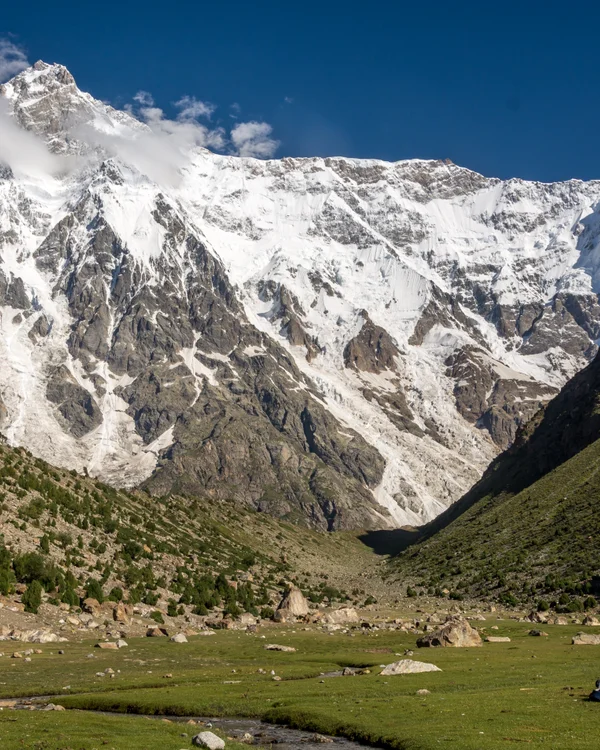
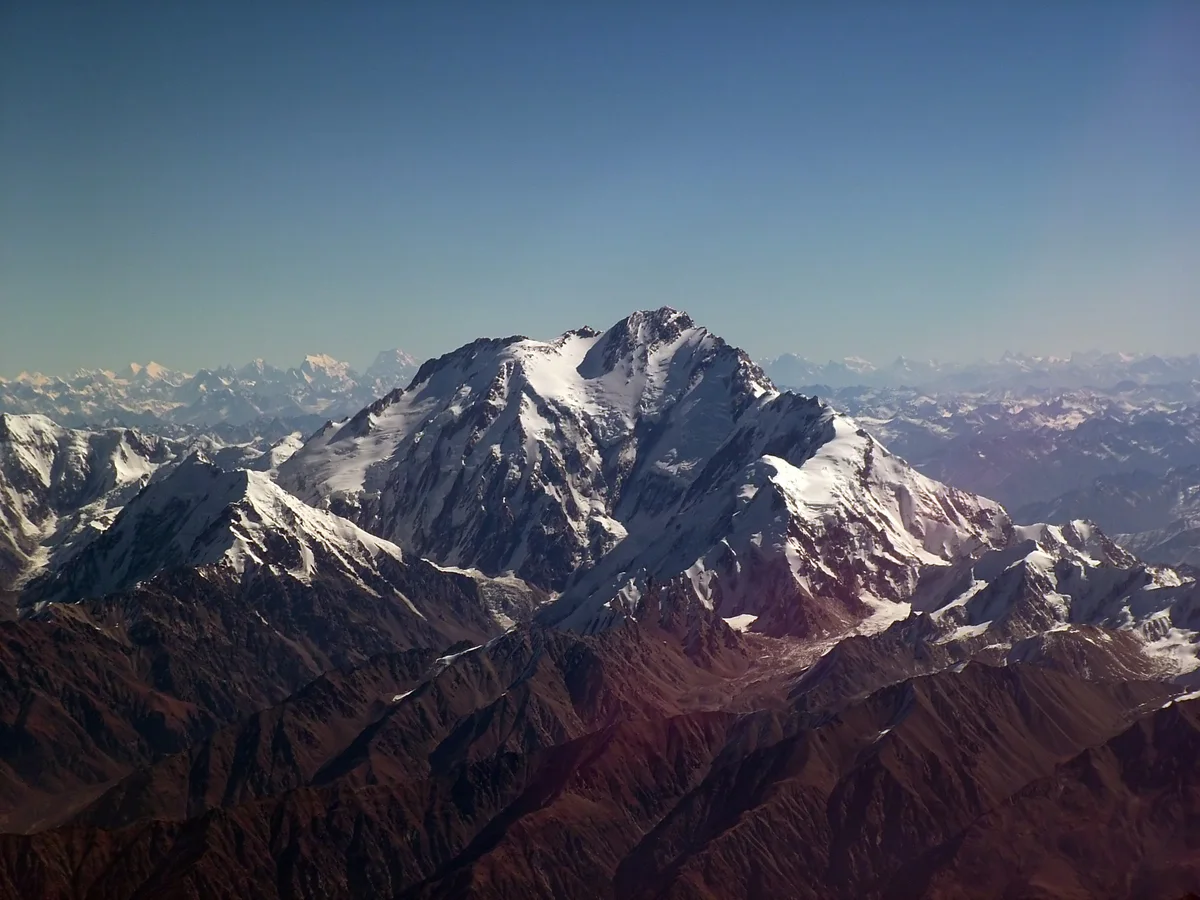
Nanga Parbat, at 8,126 meters (26,660 ft), is the ninth-highest mountain on Earth and the western anchor of the Himalayas in Pakistan. It boasts the Rupal Face, the highest vertical precipice in the world at 4,600 meters from valley floor to summit. Known for profound climbing history, highlighted by Hermann Buhl's legendary solo summit without supplemental oxygen in 1953.
Pioneered & Associated Routes (4)
Kinshofer Route (Diamir Face)
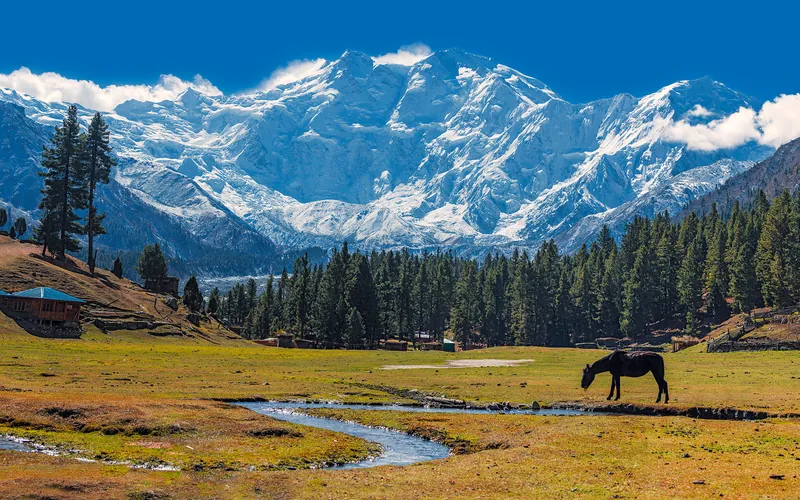
The Kinshofer Route is the standard climbing route up the Diamir Face on Nanga Parbat's western side. First climbed in 1962 by German mountaineer Toni Kinshofer and his teammates, it is famous for its early vertical crux, the Kinshofer Wall, which sits low on the mountain between Camp I and Camp II. Once past the wall, climbers face a massive glaciated amphitheater leading up into the freezing upper Bazhin Basin and summit shoulder.
Mazeno Ridge Complete Traverse
The Mazeno Ridge of Nanga Parbat is widely considered the longest and most demanding high-altitude ridge on any eight-thousander, stretching an unbelievable 10 kilometres in length and traversing eight subsidiary peaks exceeding 7,000 metres before meeting the final summit pyramid. Long dubbed the last great problem of the Western Himalaya, it defeated numerous elite expeditions over three decades until British veterans Sandy Allan and Rick Allen completed the first full integral traverse and summit push in pure alpine style over eighteen heroic days in July 2012.
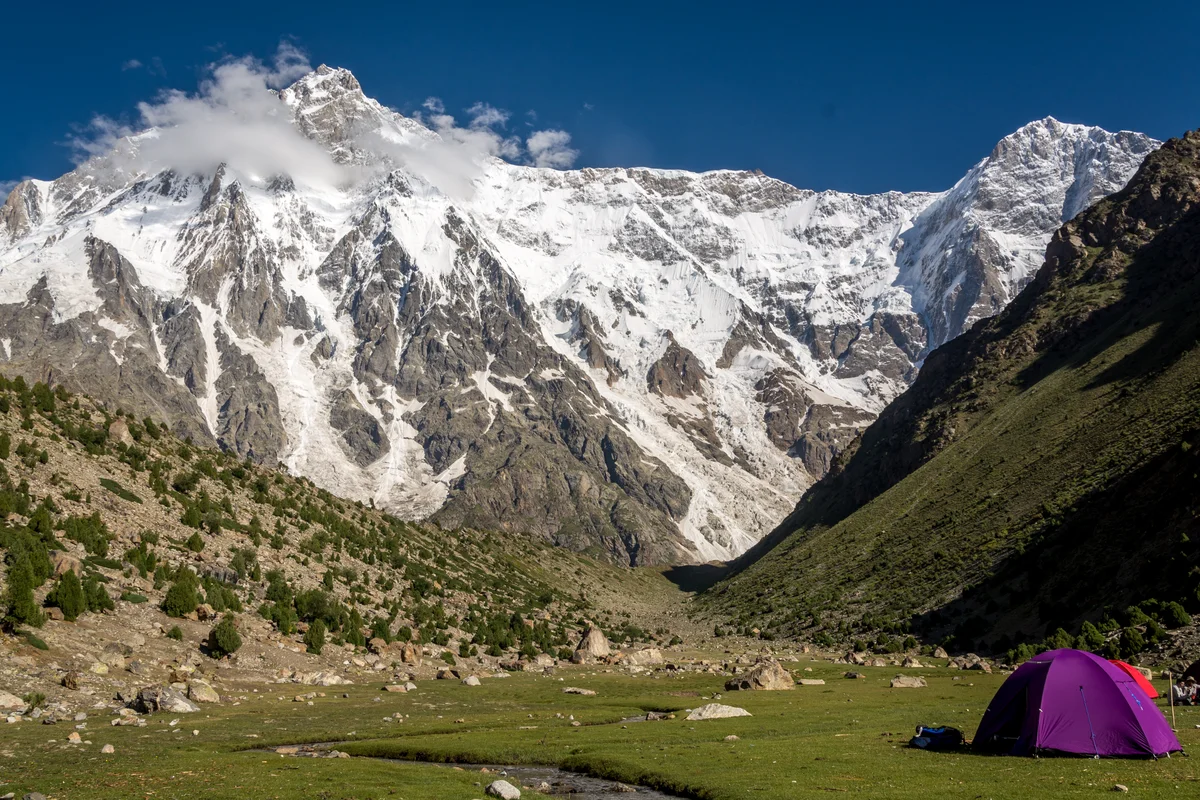
Central Pillar of the Rupal Face Direct
The Central Pillar of the Rupal Face on Nanga Parbat is the greatest vertical mountain wall on Earth, rising an astounding 4,100 metres from the Rupal Valley floor to the 8,126-metre summit. First attempted over decades, it was conquered in pure, lightweight alpine style between September 1 and 8, 2005, by American alpinists Steve House and Vince Anderson without fixed ropes, high camps, or supplemental oxygen, earning them the prestigious Piolet d'Or.
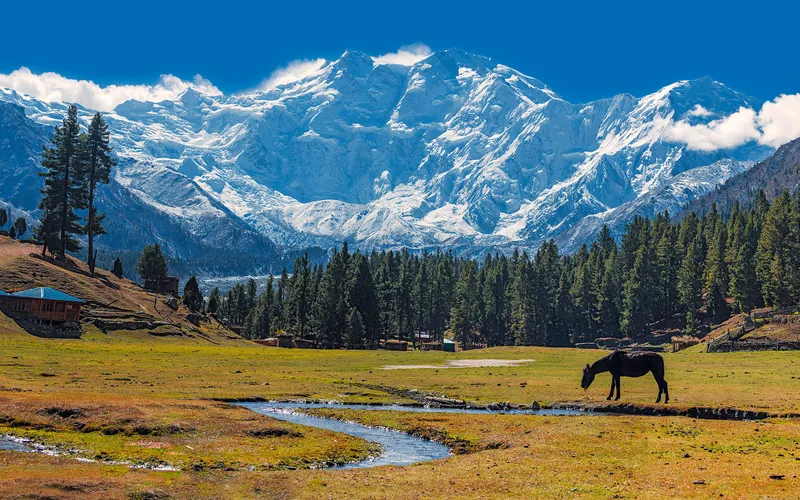
Rakhiot Flank & East Ridge (Original 1953 Route)
The historic original route on Nanga Parbat (8,126m), ascending from the Rakhiot Glacier over the heavily crevassed Rakhiot Icefall to reach the colossal Silbersattel (Silver Saddle) at 7,450 meters. From the saddle, the route traverses an immense high snow plateau for over three kilometers before negotiating the Bazhin Gap and climbing steep mixed rock ribs up the summit pyramid. Immortalized by Hermann Buhl's epic 41-hour solo summit without supplemental oxygen in July 1953.
Documented Expeditions (1)
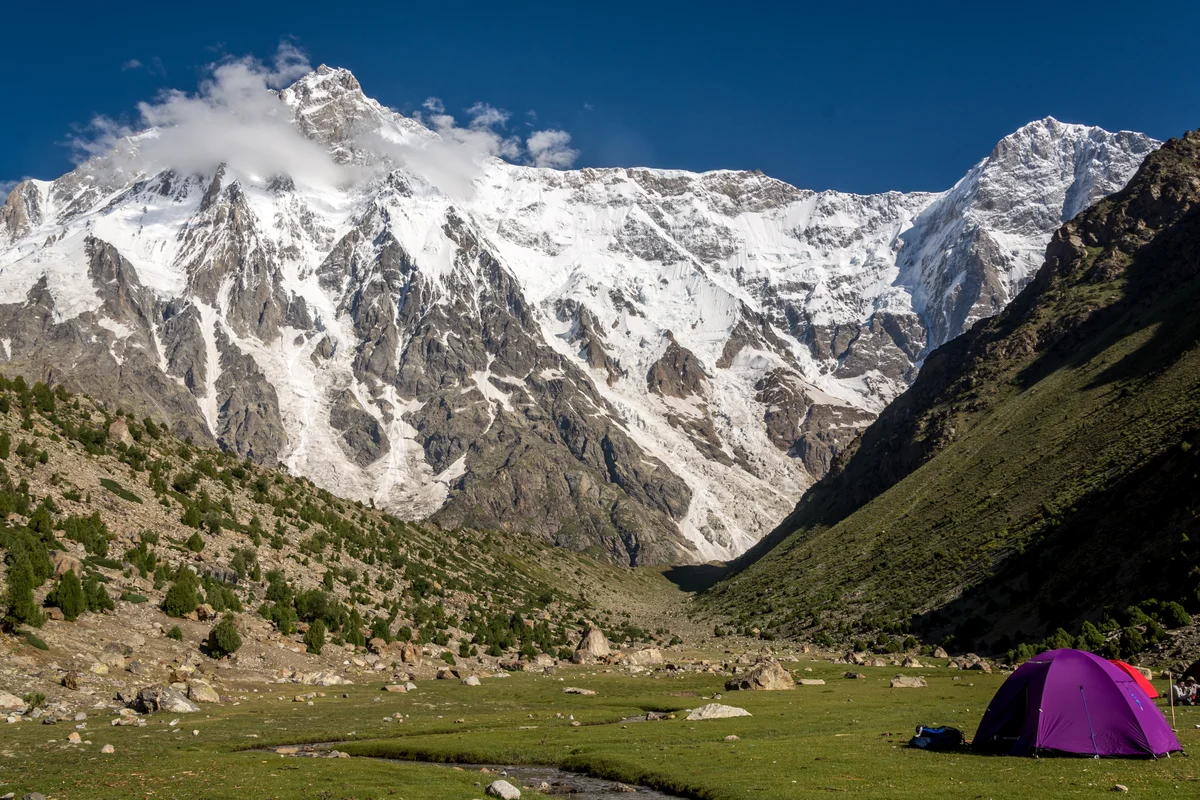
2005 Steve House & Vince Anderson Nanga Parbat Rupal Face Direct Expedition
Between September 1 and 8, 2005, American alpinists Steve House and Vince Anderson accomplished one of the greatest alpine-style ascents in mountaineering history by climbing the 4,100-metre Central Pillar of the Rupal Face on Nanga Parbat (8,126m) direct in an eight-day round trip without fixed ropes or supplemental oxygen.
Associated Chronicles & Stories (1)
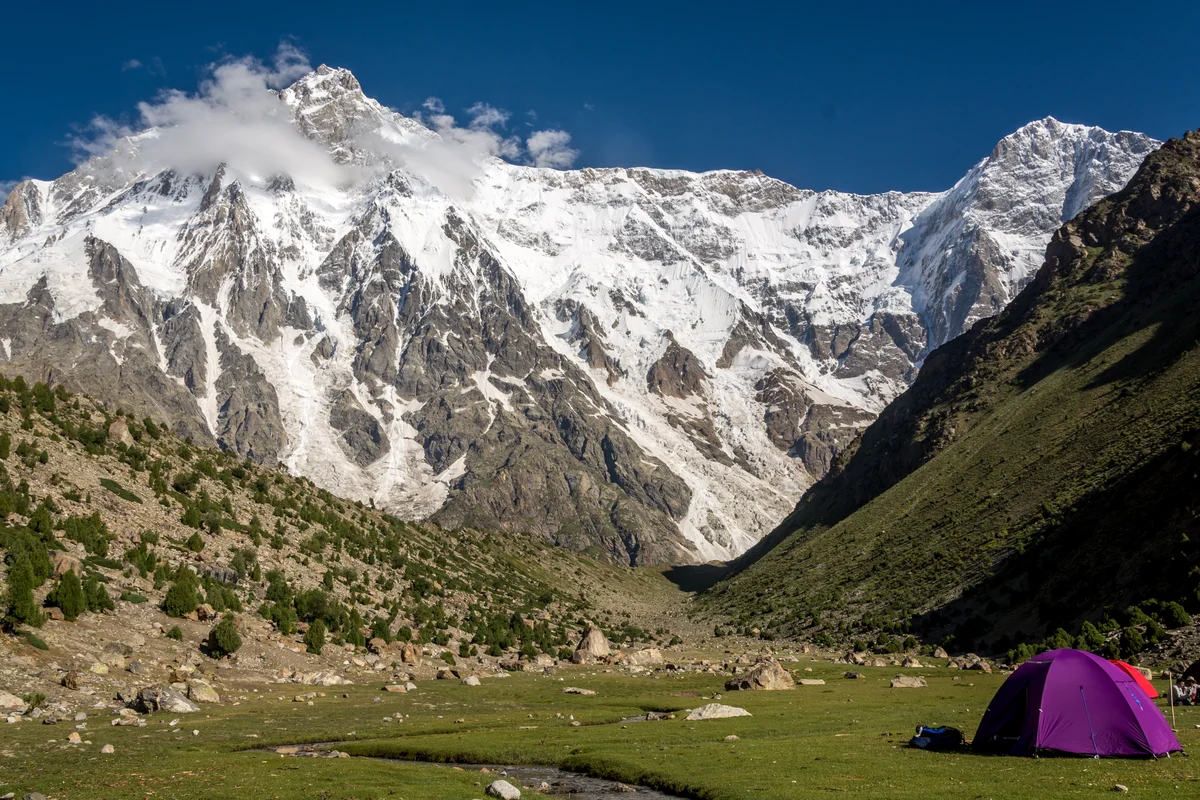
The Greatest Wall on Earth: Steve House and Vince Anderson on the Rupal Face
In September 2005, American alpinists Steve House and Vince Anderson conquered the 4,100-metre Rupal Face of Nanga Parbat direct in pure alpine style, earning the Piolet d'Or.
Documented Sources & Archival Citations
- American Alpine Journal: Nanga Parbat, Rupal Face Direct by Steve House and Vince Anderson(American Alpine Club)
Supporting claim: Official climb report and technical analysis of the September 2005 Rupal Face direct first ascent
Accessed/Documented: 2006 - Beyond the Mountain(Steve House / Mountaineers Books)
Supporting claim: Autobiographical account of the Rupal Face breakthrough and alpine style philosophy
Accessed/Documented: 2009