1985 Herrligkoffer Gasherbrum I Expedition
Organized by veteran leader Dr. Karl Herrligkoffer, the 1985 international expedition put Erhard Loretan, Marcel Rüedi, and Pierre Morand on Gasherbrum I's summit in high-speed oxygenless style.
Mountain Safety & Conditions Disclaimer: High-altitude climbing, glacial travel, and technical ascents entail severe objective risks including avalanches, serac collapses, rapid weather collapse, and altitude illness. Historical route descriptions and summit claims on Mountainity reflect documented archival sources and must not be used as live operational safety assessments. Local regulations, permits, and physical glacial topography change continuously.
Peer Review: Senior Editorial Board & Historical Reviewers • Editorial Standards
Official Expedition Narrative & Archival Record
In June 1985, Dr. Karl Herrligkoffer led his 30th major Himalayan campaign to the Gasherbrum group. Swiss speed pioneers Erhard Loretan, Marcel Rüedi, and Pierre Morand joined the expedition to climb Gasherbrum I (8,080m). Moving with astonishing velocity without bottled oxygen, the Swiss trio climbed the American route, summiting on June 25, 1985. Loretan and Rüedi completed both Gasherbrum I and Gasherbrum II within weeks, showcasing the rise of speed mountaineering in the Karakoram.
Documented Team Composition
- Dr. Karl Herrligkoffer (Expedition Leader)
- Erhard Loretan (Summit Climber, Switzerland)
- Marcel Rüedi (Summit Climber, Switzerland)
- Pierre Morand (Summit Climber, Switzerland)
Key Statistics & Topographic Figures
- Official Outcome
- Rapid Oxygenless Summits on Gasherbrum I
Expedition Status
- Summit Date
- 1985-06-25
Ascent Timestamp
- Target Objective
- gasherbrum-i
Mountain Peak
- Ascent Route
- gasherbrum-1-northwest-face
Climbing Path
- Team Size
- 4 Climbers
High-Altitude Team
- Region / Country
- Pakistan (Gilgit-Baltistan / Baltoro Muztagh)
Geography
Defined Alpine Terminology & Concepts
- Alpine Expedition
- A planned, self-contained high-altitude mountaineering undertaking operating in remote mountain terrain subject to extreme objective hazards.
- Death Zone
- The high-altitude region above 8,000 meters where atmospheric oxygen pressure is inadequate for sustained human survival.
Frequently Asked Questions: 1985 Herrligkoffer Gasherbrum I Expedition
What was the primary outcome and achievement of the 1985 Herrligkoffer Gasherbrum I Expedition?
Rapid Oxygenless Summits on Gasherbrum I. Organized by veteran leader Dr. Karl Herrligkoffer, the 1985 international expedition put Erhard Loretan, Marcel Rüedi, and Pierre Morand on Gasherbrum I's summit in high-speed oxygenless style.
When did the 1985 Herrligkoffer Gasherbrum I Expedition reach the summit?
The expedition officially reached the summit on 1985-06-25, operating between 1985-06-01 and 1985-07-15.
Who were the documented climbing team members on the 1985 Herrligkoffer Gasherbrum I Expedition?
The documented climbing roster included: Dr. Karl Herrligkoffer (Expedition Leader), Erhard Loretan (Summit Climber, Switzerland), Marcel Rüedi (Summit Climber, Switzerland), Pierre Morand (Summit Climber, Switzerland).
What climbing route and mountain objective were tackled during the 1985 Herrligkoffer Gasherbrum I Expedition?
The expedition tackled gasherbrum-i via the gasherbrum-1-northwest-face in Pakistan (Gilgit-Baltistan / Baltoro Muztagh).
How are the records and summit claims of the 1985 Herrligkoffer Gasherbrum I Expedition verified?
Summit claims, route topography, and timeline logs for the 1985 Herrligkoffer Gasherbrum I Expedition are cross-referenced with official alpine registries, national mountaineering federations, and primary expedition journals.
Ascent Route & Topography
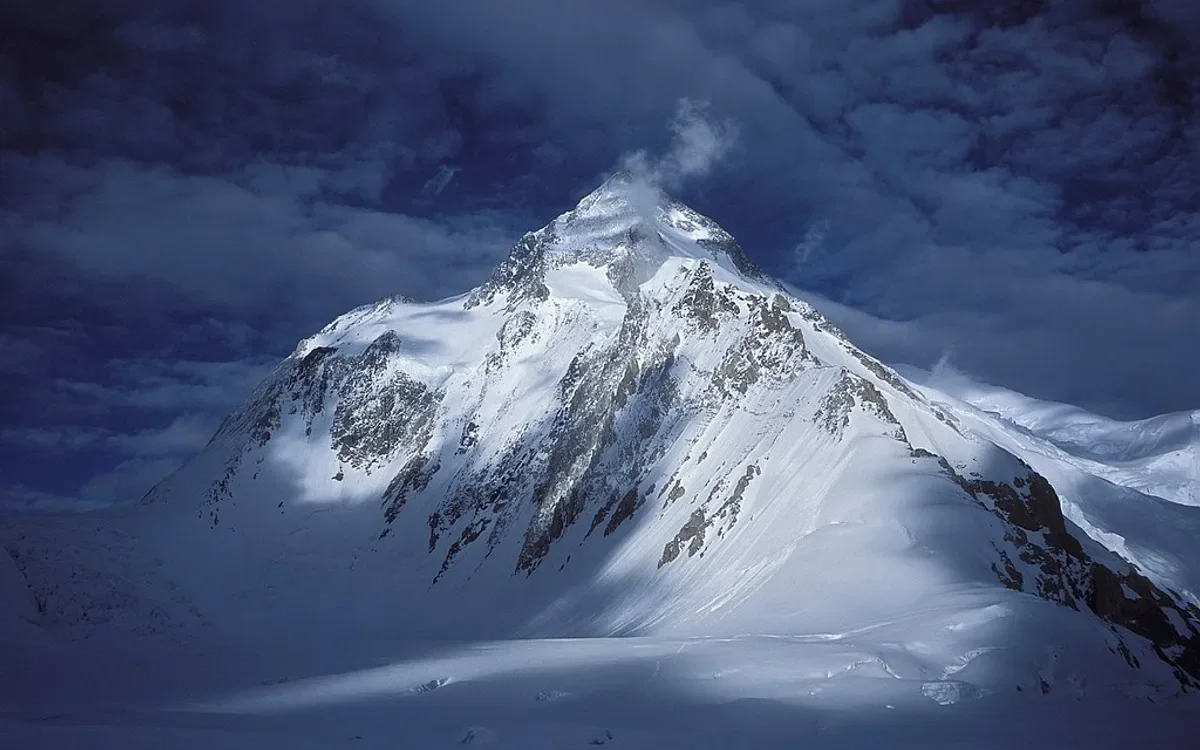
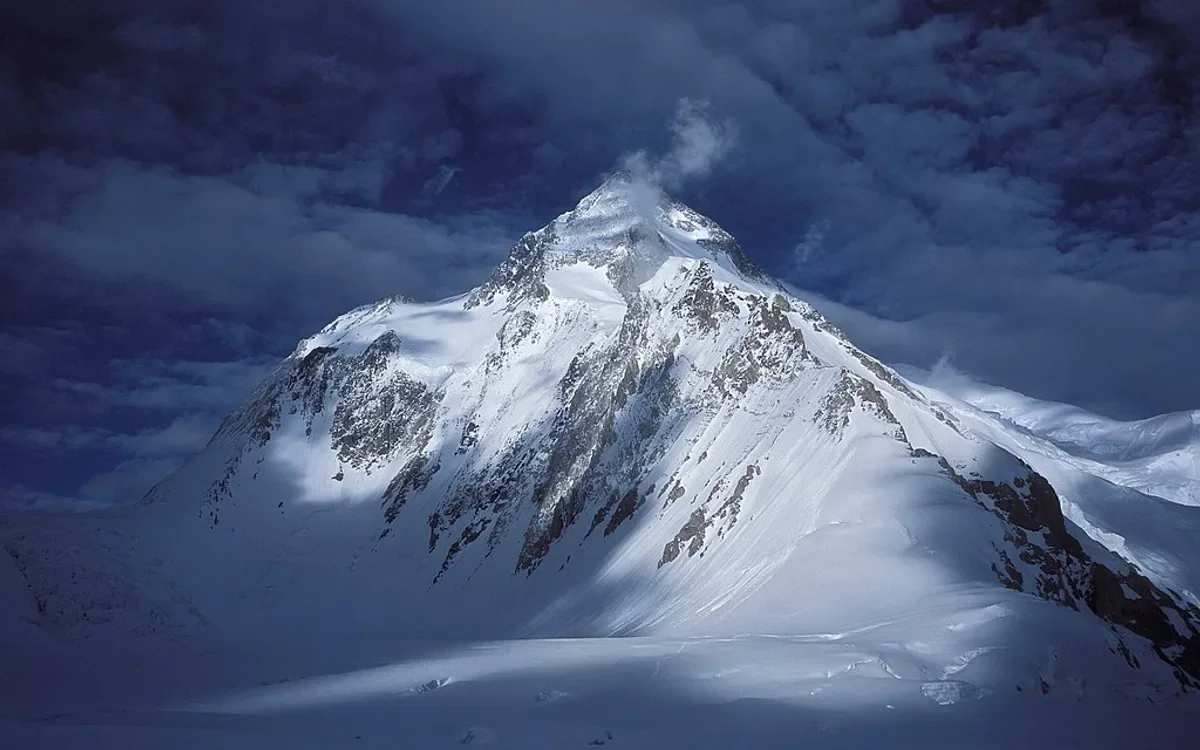
Gasherbrum I Northwest Face (Messner-Habeler Route)
The Northwest Face of Gasherbrum I (Hidden Peak) is a classic 55-degree snow, ice, and mixed wall rising above the South Gasherbrum Glacier in the Karakoram. In August 1975, Reinhold Messner and...
Target Objective Peak


Gasherbrum I
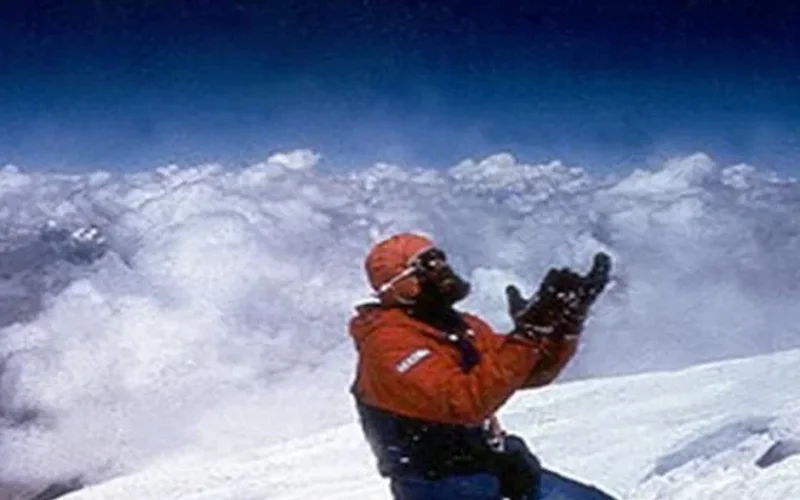
Gasherbrum I, at 8,080 meters (26,510 ft), is the eleventh-highest mountain on Earth, also known as Hidden Peak or K5. Named by William Martin Conway in 1892 due to its extreme seclusion behind the Gasherbrum ridge, it stands on the border between Pakistan and China. First summited in 1958 by an American expedition led by Nicholas Clinch, it was also the scene of Reinhold Messner and Peter Habeler's historic 1975 alpine-style ascent without supplemental oxygen.
Featured Expedition Climber
Erhard Loretan
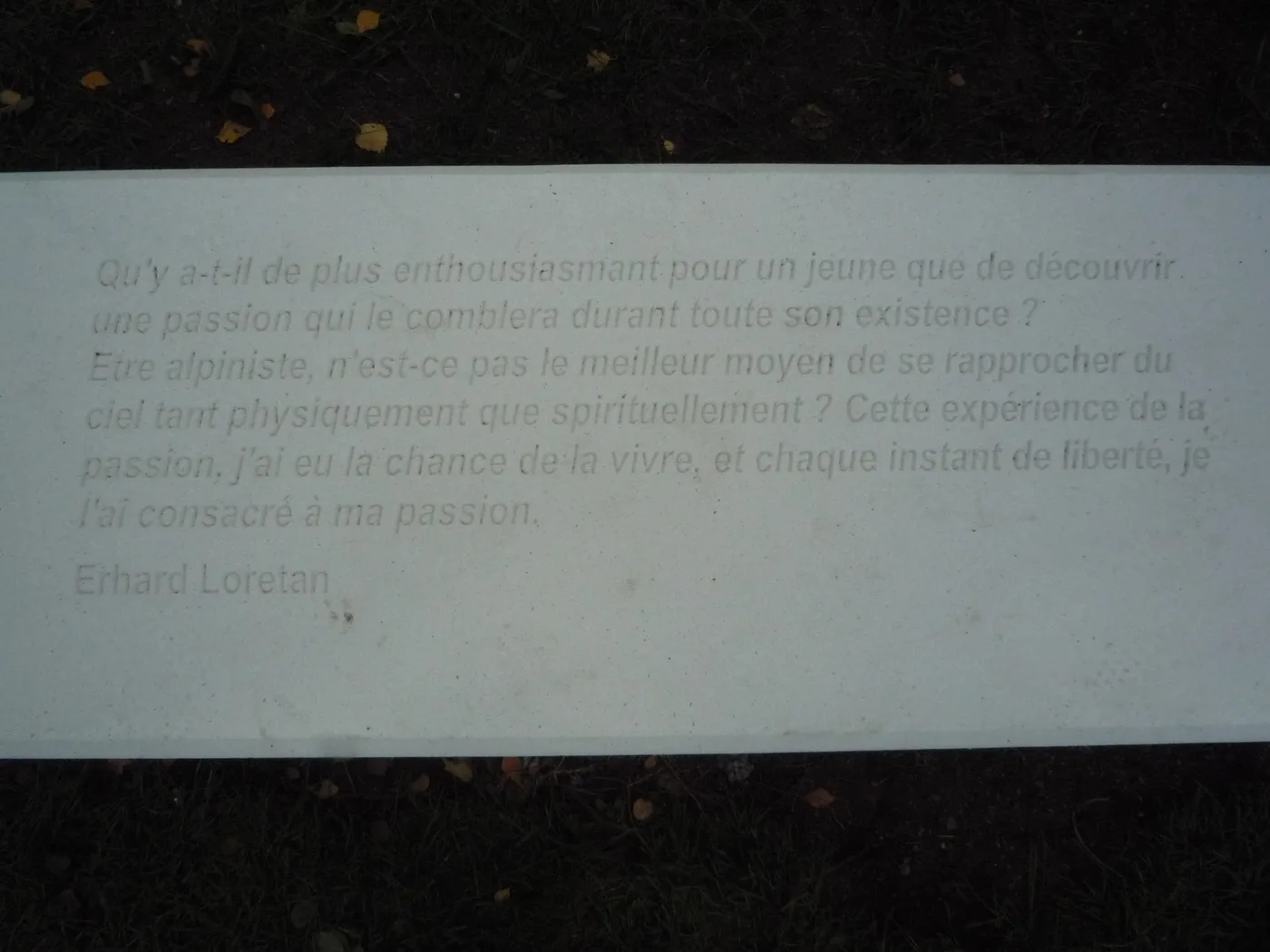
Erhard Loretan was born on April 28, 1959, in Bulle in the Canton of Fribourg, Switzerland. Raised in the shadow of the Pre-Alps, he began climbing local limestone spires at age eleven. Endowed with exceptional lung...
Documented Sources & Archival Citations
- Primary Alpine JournalAmerican Alpine Journal: Gasherbrum I 1985(American Alpine Club)
Share Exploration
Global Mountain Intelligence
✓ Link copied to clipboard!