Gasherbrum I
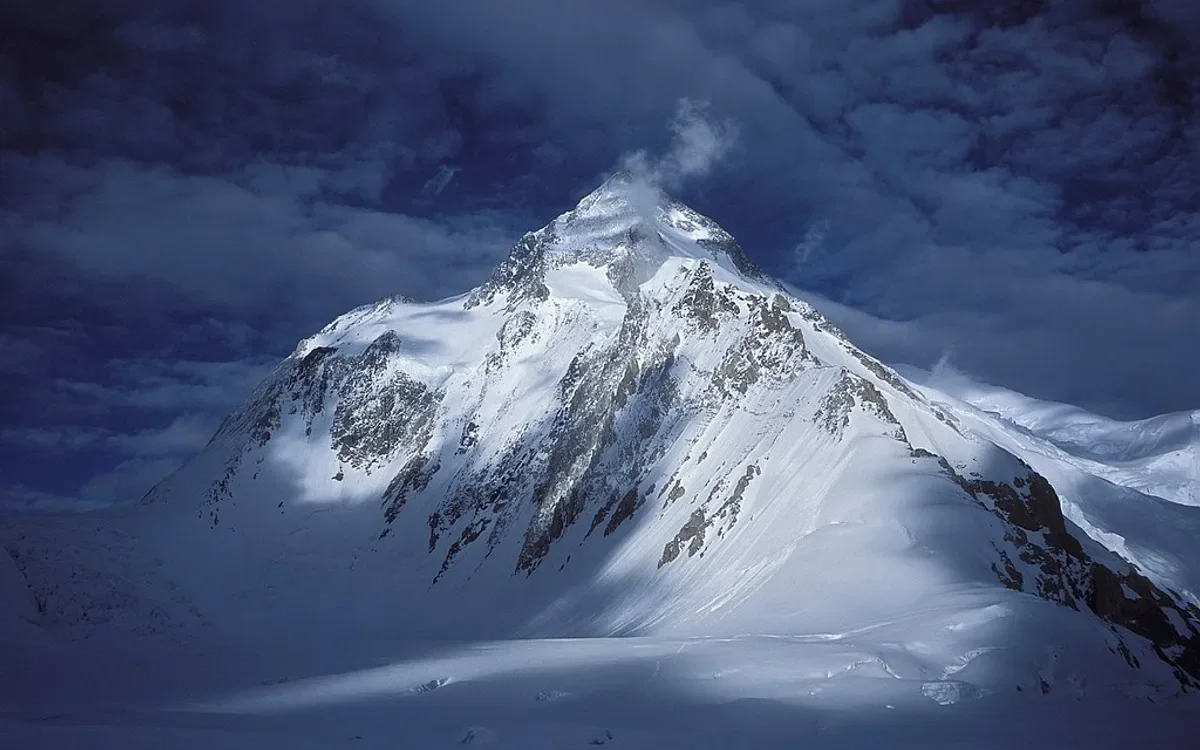
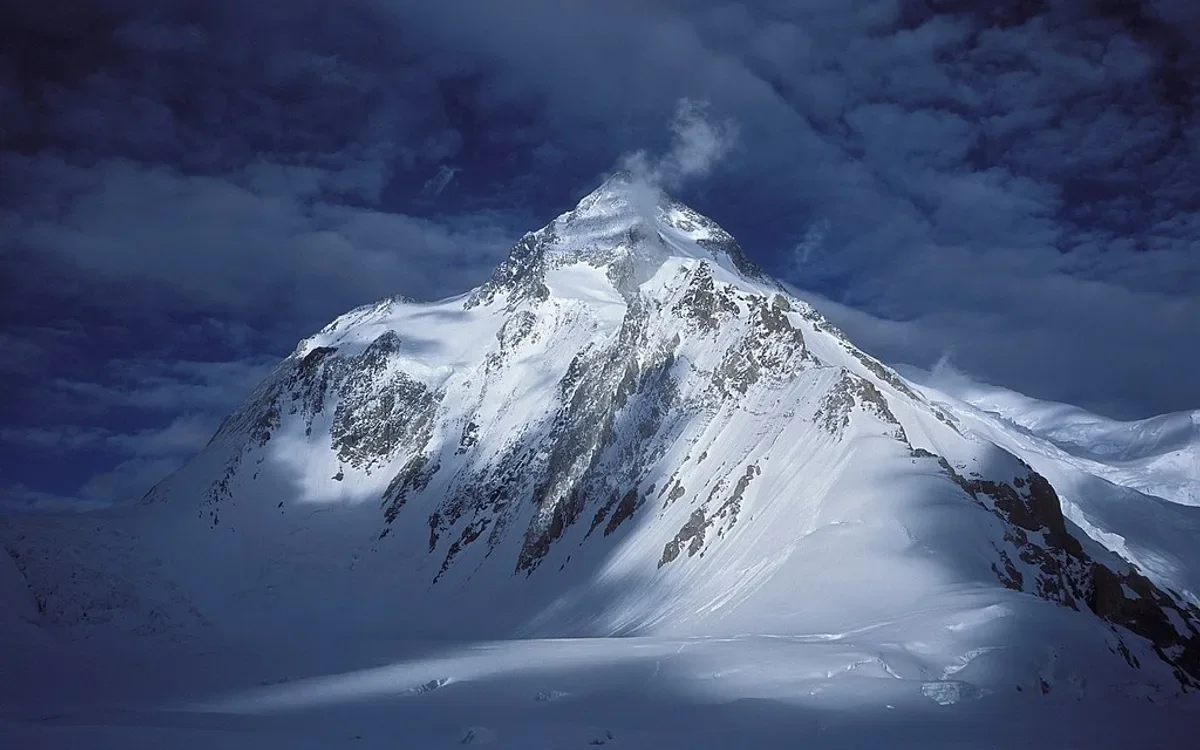
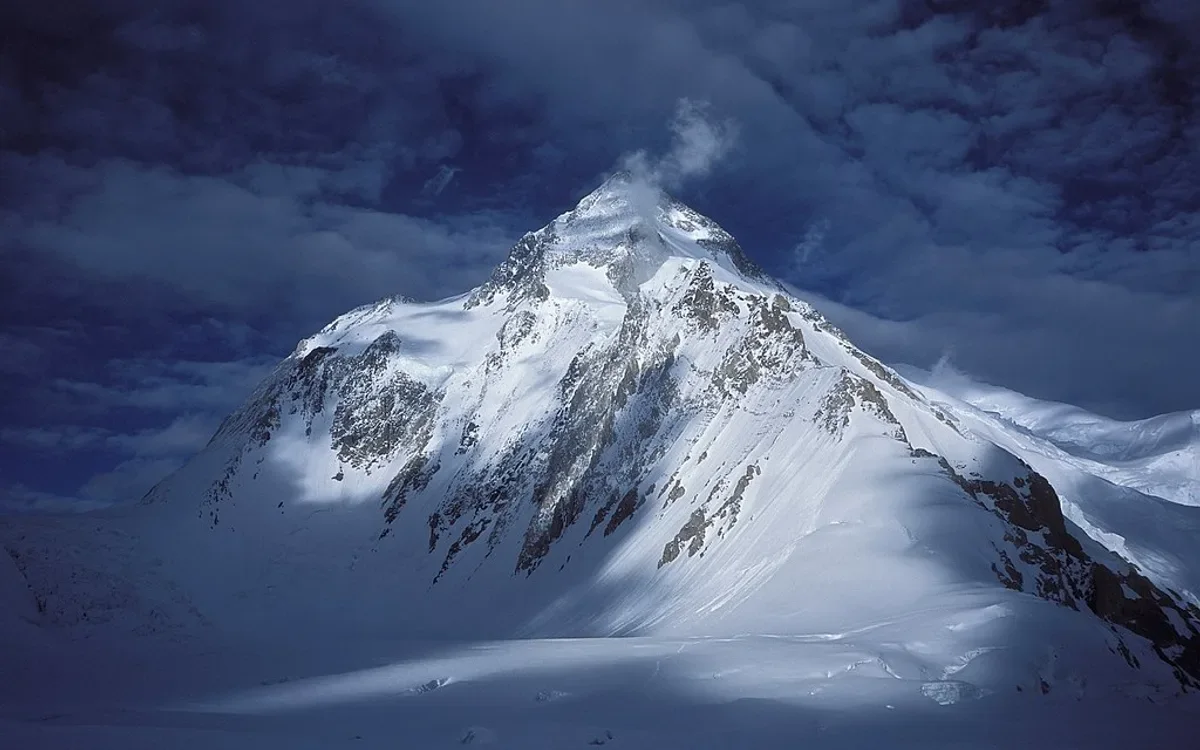
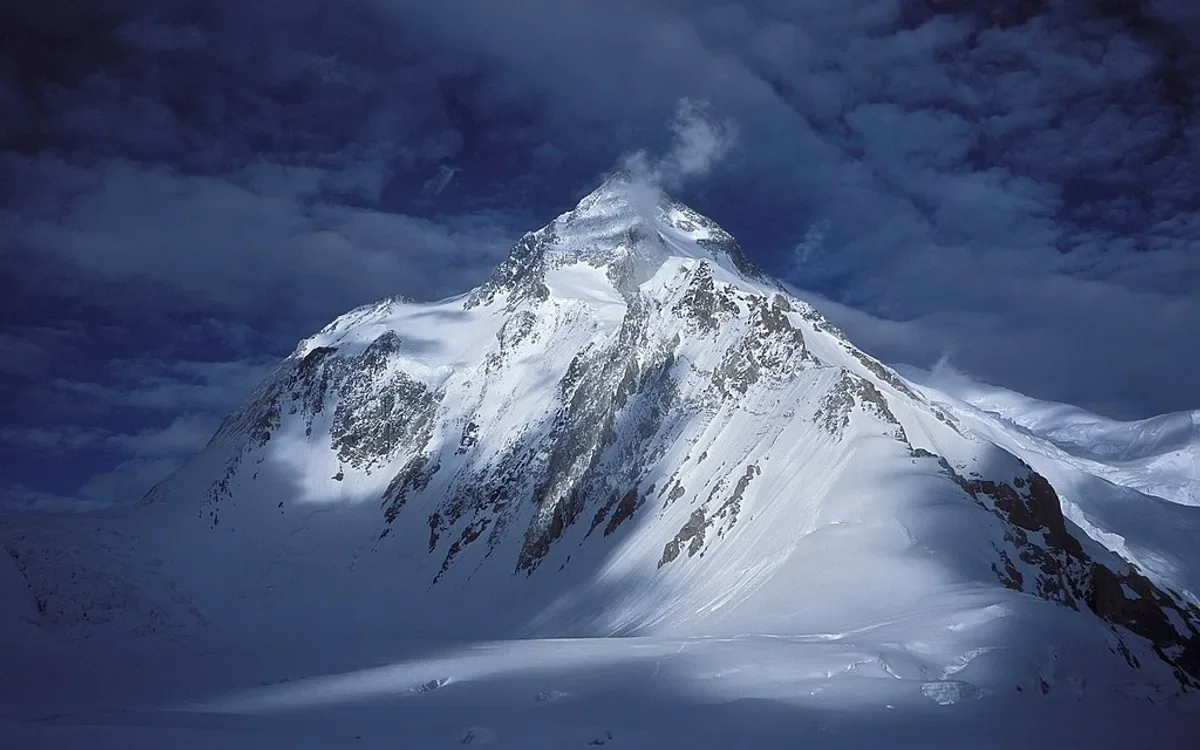
Gasherbrum I, at 8,080 meters (26,510 ft), is the eleventh-highest mountain on Earth, also known as Hidden Peak or K5. Named by William Martin Conway in 1892 due to its extreme seclusion behind the Gasherbrum ridge, it stands on the border between Pakistan and China.


Mountain Safety & Conditions Disclaimer: High-altitude climbing, glacial travel, and technical ascents entail severe objective risks including avalanches, serac collapses, rapid weather collapse, and altitude illness. Historical route descriptions and summit claims on Mountainity reflect documented archival sources and must not be used as live operational safety assessments. Local regulations, permits, and physical glacial topography change continuously.
Peer Review: Senior Editorial Board & Historical Reviewers • Editorial Standards
Geographical Setting & Topography
Southeastern Gasherbrum group, Baltoro Muztagh subrange of the Karakoram, situated at the terminus of the South Gasherbrum Glacier.
Historic First Ascent
July 5, 1958First Winter Ascent
March 9, 2012Topographic & Historical Footnotes
- Official modern recognized elevation is 8,080 m (26,510 ft).
- Earlier British Great Trigonometrical Survey sheets recorded 8,068 m (26,470 ft) under the designation K5.
Key Statistics & Topographic Figures
- Official Elevation
- 8,068 m (26,470 ft)
11th Highest on Earth
- Topographic Prominence
- 2,155 m
Rank #52 globally
- First Ascent Date
- July 5, 1958
Pete Schoening & Andy Kauffman
- First Alpine Style Ascent
- August 10, 1975
Reinhold Messner & Peter Habeler
- Geographic Coordinates
- 35°43′28″ N, 76°41′47″ E
Pakistan / China Border
- Technical Crux
- Japanese Couloir (55-60° ice)
Northwest Face
Documented Historical Testimony
“Hidden Peak was a silent, terrifying fortress of black granite and blue ice, revealing its secrets only to those willing to move with maximum commitment and speed.”
“Standing on Hidden Peak after pushing through the Japanese Couloir completed a twelve-year dream across Pakistan’s 8,000-meter giants.”
Defined Alpine Terminology & Concepts
- Japanese Couloir
- A steep, narrow funnel of black ice and mixed rock spanning 500 vertical meters on the Northwest Face of Gasherbrum I, connecting the lower Cwm to the upper high camps.
- Hidden Peak
- The historical designation bestowed upon Gasherbrum I by William Martin Conway in 1892 due to its geographical isolation behind the outer ramparts of the Baltoro Muztagh.
Gasherbrum I Mountain Weather Forecast
Meteorological Feed Unavailable
Unable to reach meteorological station endpoint. Please verify your connection or retry.
Loading condition...
Target Elevation: 8,080 mSafe summit ridge climbing requires gusts below 40 km/h.
Evaluating thermal loss...
Tracking glacial freezing boundary...
Assessing whiteout and cloud immersion hazards...
High-altitude snow glare requires Category 4 glacier glasses to prevent snow blindness.
Evaluating oxygen partial pressure...
Detailed 14-Day Summit Window & Weather Timeline
Explore day-by-day summit push safety windows, wind shear analysis, and extended multi-day forecasts for Gasherbrum I.
Explore Gasherbrum I (8,080 m) in Interactive 3D
Inspect steep glacial walls, hanging seracs, ridge approaches, and elevation relief with 360° rotation and terrain tilt.
Plan Your Gasherbrum I Expedition Budget & Flights
Model verified government royalties, commercial guide packages, equipment allocations, and compare gateway flights worldwide.
Search & Compare Expedition Flights
Find available flight connections to the airports serving your next mountain adventure.
Gasherbrum I Mountaineering Gear Checklist
Customise your equipment plan across 17 technical categories tailored to Gasherbrum I's 8,080 m altitude profile, technical route cruxes, and season.
Documented Climbing Routes
Gasherbrum I Normal Route (Japanese Couloir / NW Face)
The standard route on Gasherbrum I (Hidden Peak, 8,080m) ascends from the Gasherbrum South Cwm through the Gasherbrum Icefall onto the Northwest Face. The central crux is the Japanese Couloir, a...
Northwest Face & Japanese Couloir (Normal Route)
The Northwest Face via the Japanese Couloir is the standard and most frequently climbed line on Gasherbrum I (8,068m / Hidden Peak). Starting from the South Gasherbrum Glacier, climbers traverse the...
Gasherbrum I Northwest Face (Messner-Habeler Route)
The Northwest Face of Gasherbrum I (Hidden Peak) is a classic 55-degree snow, ice, and mixed wall rising above the South Gasherbrum Glacier in the Karakoram. In August 1975, Reinhold Messner and...
Historical Expeditions (15)
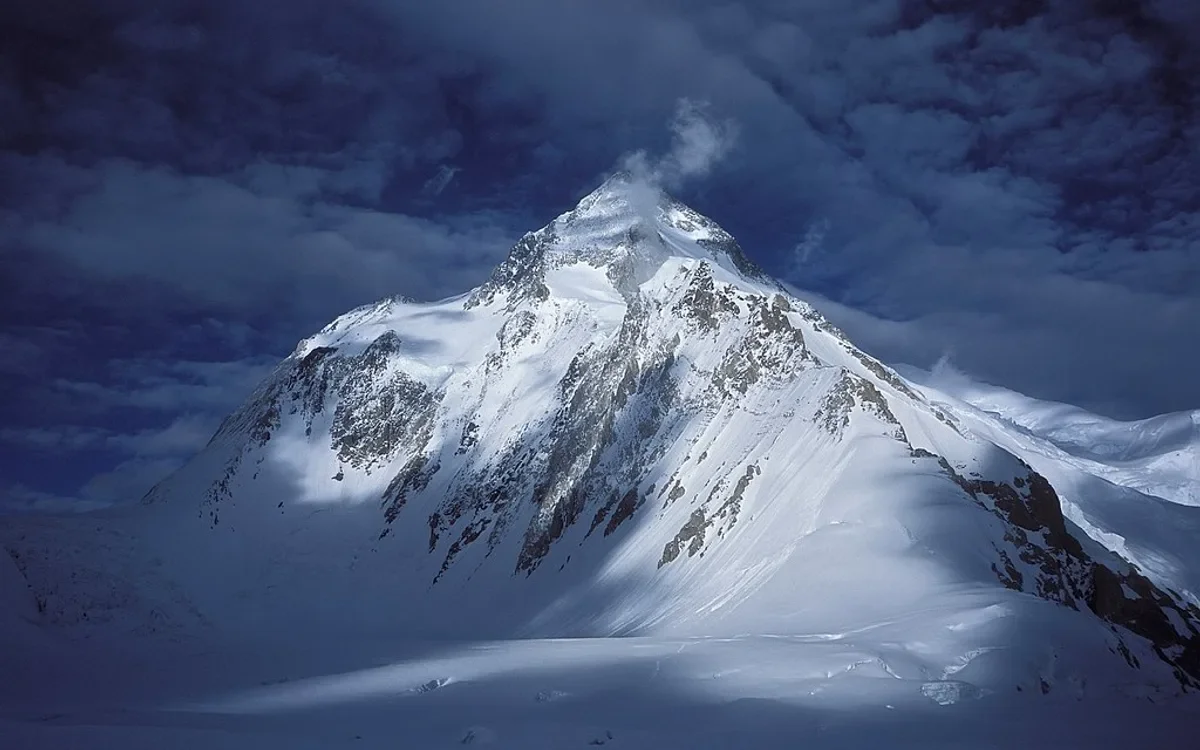
1934 International Karakoram Expedition to Gasherbrum
Günter Oskar Dyhrenfurth led an ambitious international scientific expedition mapping the Upper Baltoro and South Gasherbrum glaciers, achieving first ascents of Sia Kangri and Baltoro Kangri.
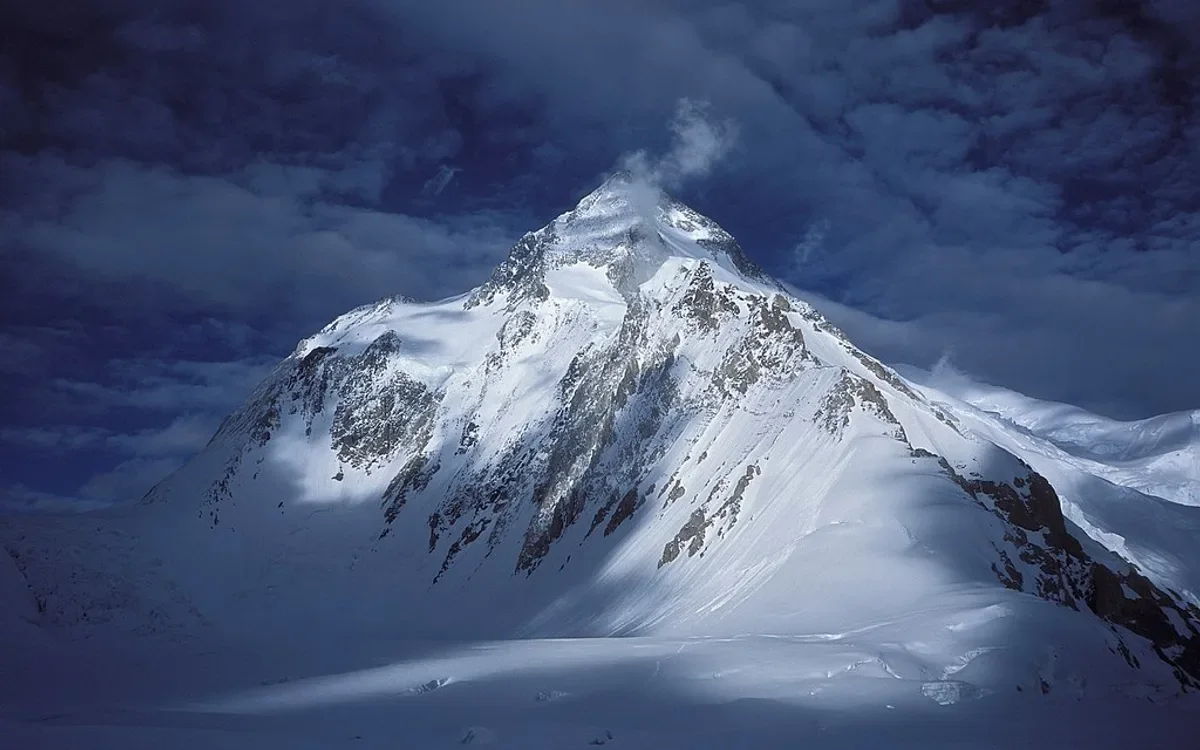
1936 French Gasherbrum I Expedition
Led by Henry de Ségogne, the maiden 1936 French expedition explored the Baltoro Glacier and mounted a daring attempt on Gasherbrum I (8,080m), reaching 6,900m on the South Ridge.
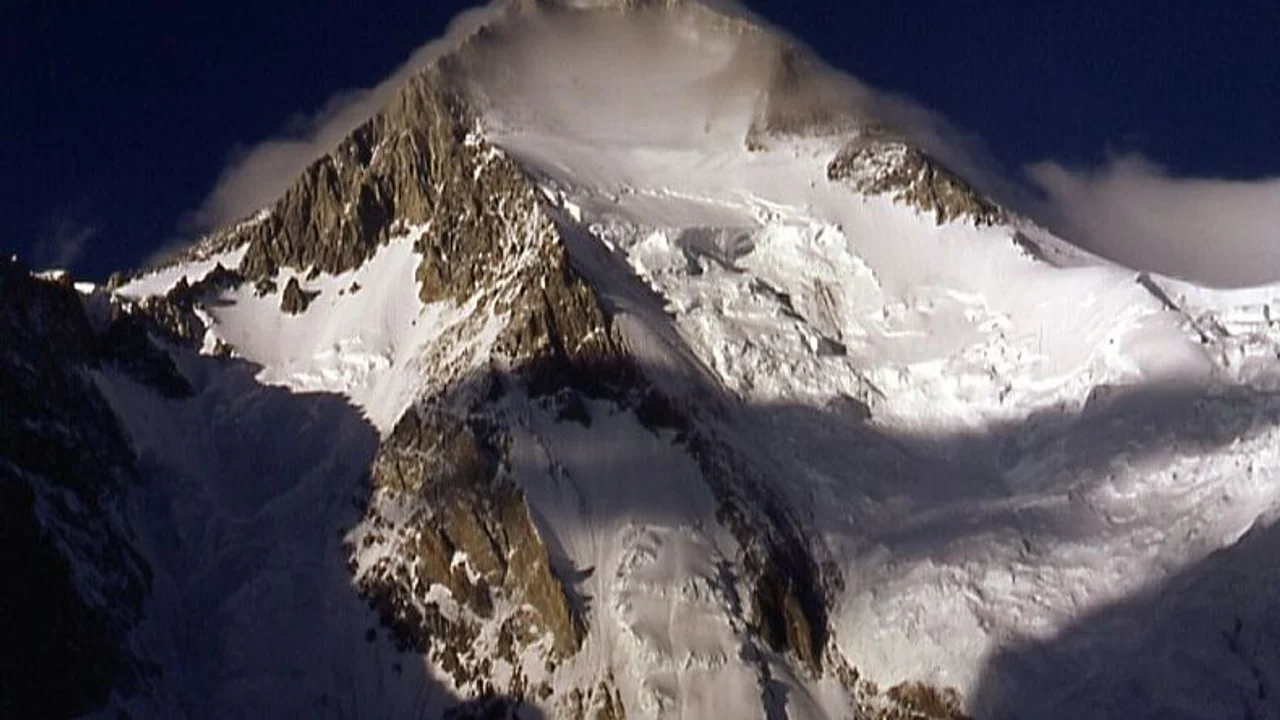
1958 American Karakoram Expedition to Gasherbrum I
The historic American expedition led by Nick Clinch that achieved the maiden first ascent of Gasherbrum I (Hidden Peak, 8,080m) on July 5, 1958, by Pete Schoening and Andy Kauffman—the only 8,000m peak first summited by Americans.
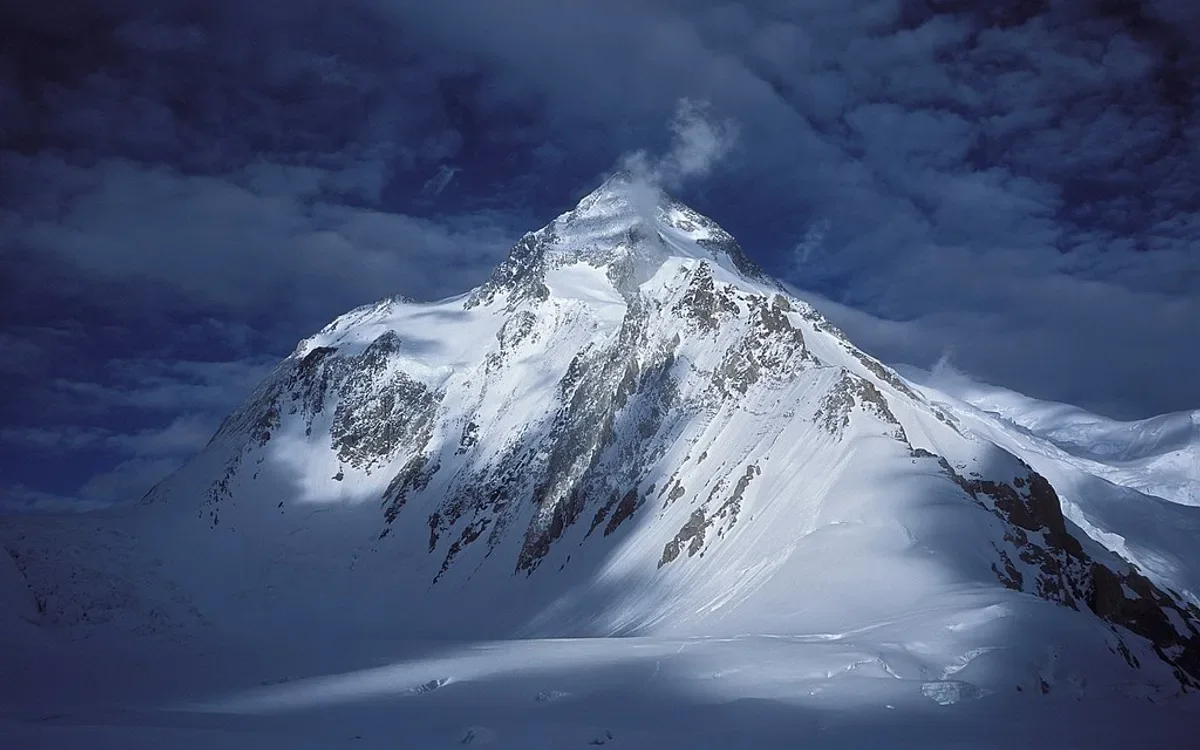
1975 Messner-Habeler Gasherbrum I Expedition
Reinhold Messner and Peter Habeler made global mountaineering history by climbing the Northwest Face of Gasherbrum I (8,080m) in pure alpine style—without supplemental oxygen, fixed ropes, high-altitude porters, or camps.
1977 Yugoslav Gasherbrum I Expedition
Led by Janez Lončar, the Yugoslav expedition pioneered a magnificent new route up the Southwest Ridge of Gasherbrum I (8,080m), with Andrej Štremfelj and Nejc Zaplotnik reaching the summit.
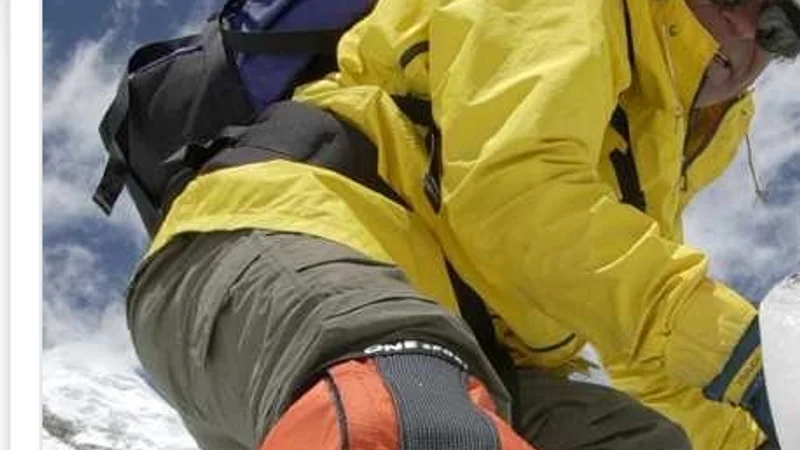
1982 Messner-Sabir Karakoram Alpine Traverse
Revolutionary lightweight expedition with Reinhold Messner, Nazir Sabir, and Sher Khan, summiting Gasherbrum II and Broad Peak within 9 days without oxygen.
1983 Polish Gasherbrum I Southwest Face Climb
Wojciech Kurtyka and Jerzy Kukuczka conquered Gasherbrum I's unclimbed Southwest Face in pure alpine style on July 1, 1983, without supplemental oxygen or fixed ropes.
1984 Messner-Kammerlander Gasherbrum Traverse
Reinhold Messner and Hans Kammerlander achieved an unprecedented breakthrough in mountaineering history by completing the continuous double traverse of Gasherbrum II and Gasherbrum I in eight days without returning to Base Camp.
Summit Chronicles & Stories (10)
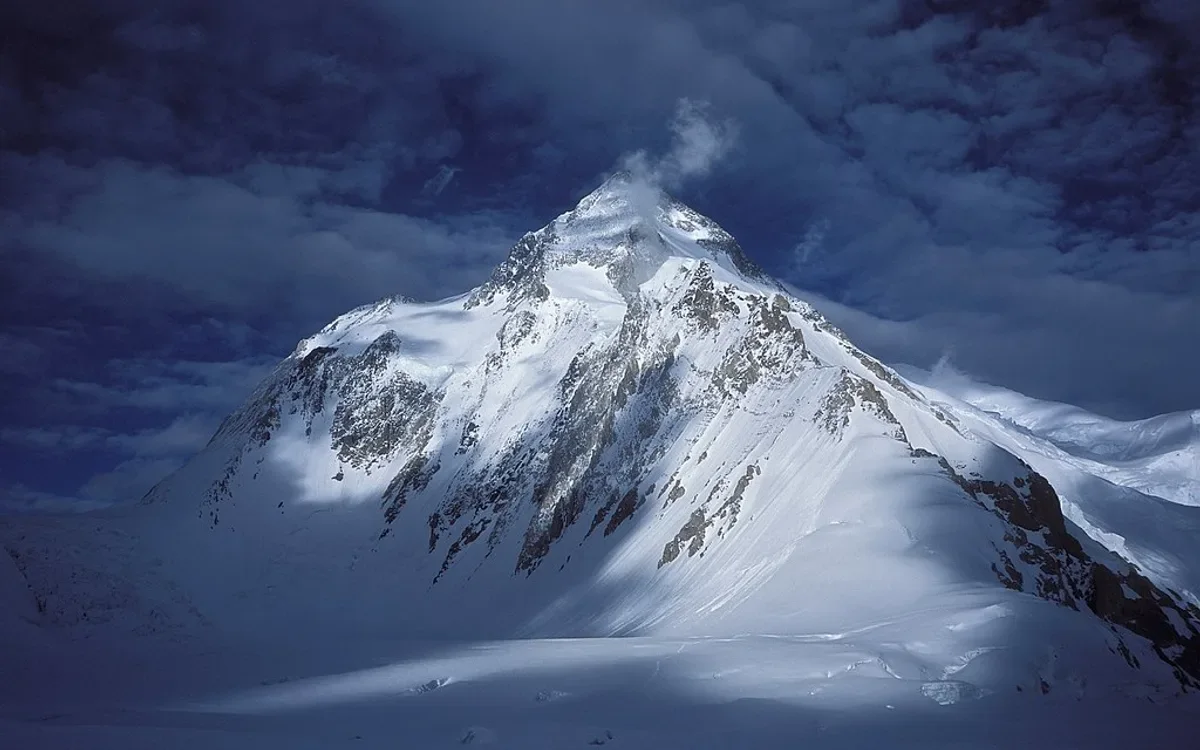
1975 Gasherbrum I: Messner & Habeler Alpine Revolution
In August 1975, Reinhold Messner and Peter Habeler overturned eight decades of siege tactics by ascending Gasherbrum I in a lightning three-day alpine-style push.
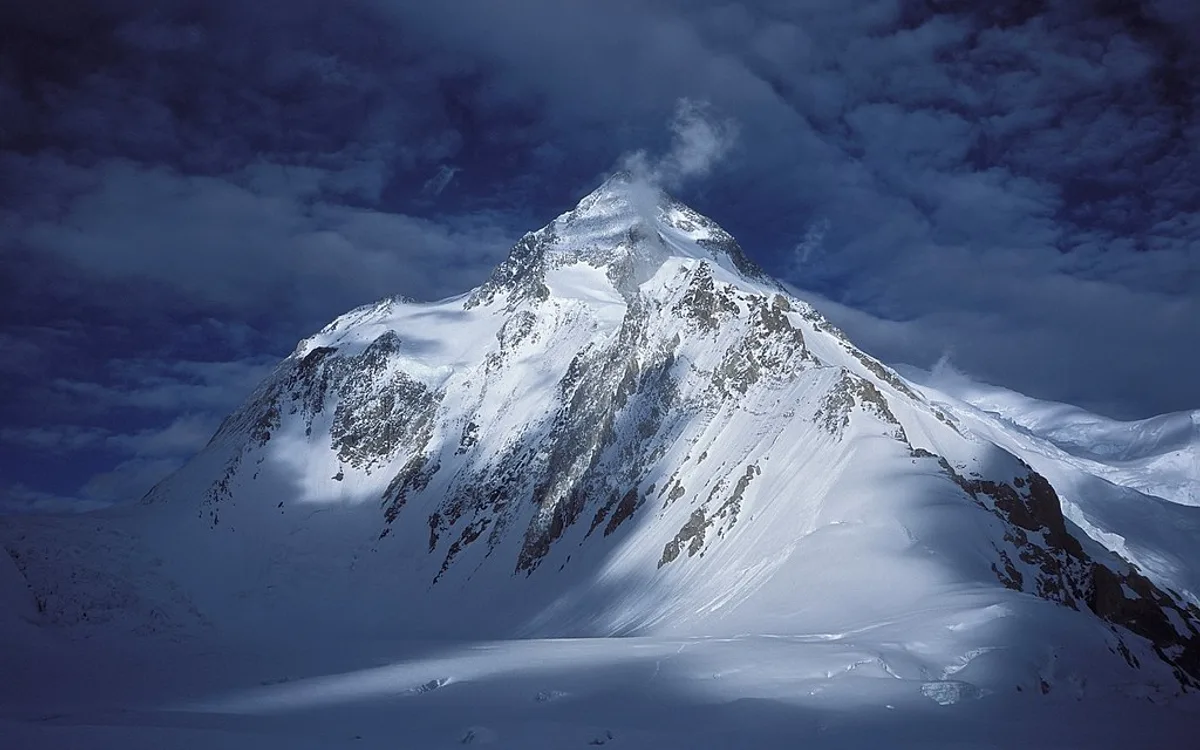
Gasherbrum I 1958: The American Hidden Peak Triumph
In July 1958, Pete Schoening and Andy Kauffman completed the first ascent of Gasherbrum I (8,080m), marking the only maiden eight-thousander conquest in American mountaineering history.
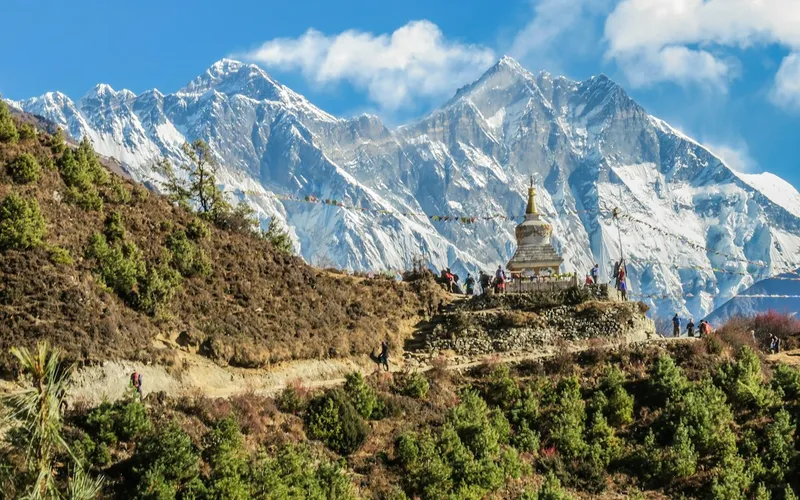
Kristin Harila: The 2022 Bremont 14 Peaks Campaign
Chronicle of Kristin Harila’s 2022 14 Peaks Bremont campaign: conquering 12 eight-thousanders in 147 days and setting the 69-day top-five world record.
Gasherbrum I 2023: Harila & Tenjen 11th Peak Summit
How Kristin Harila and Tenjen Sherpa climbed Gasherbrum I (8,080m) on July 18, 2023, just three days after Gasherbrum II.
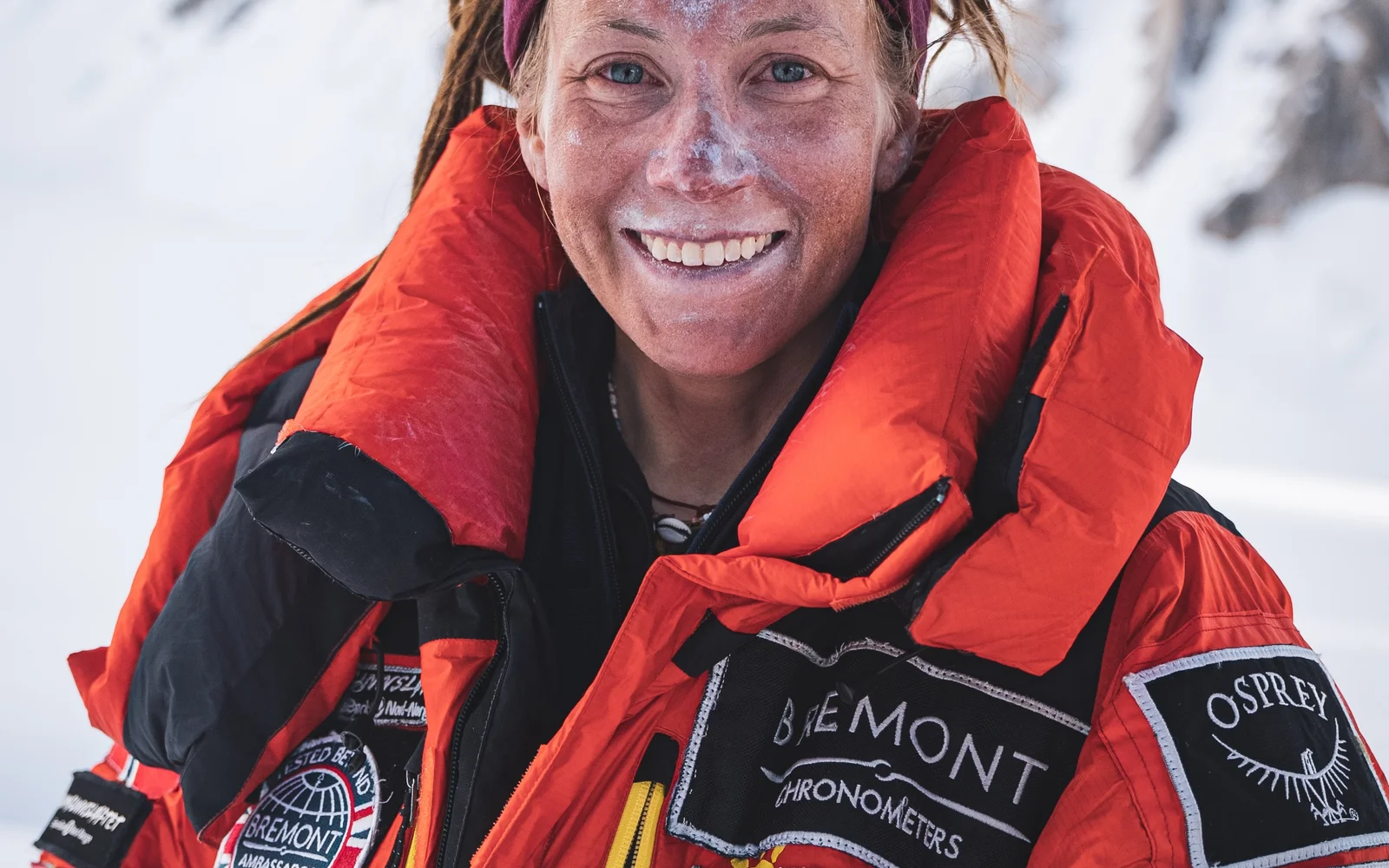
Kristin Harila: 92-Day 14 Peaks Record & Modern Alpinism
The definitive chronicle of Kristin Harila and Tenjen Sherpa's record 92-day 14 peaks ascent, the K2 inquiry findings, and the ethics of modern alpinism.
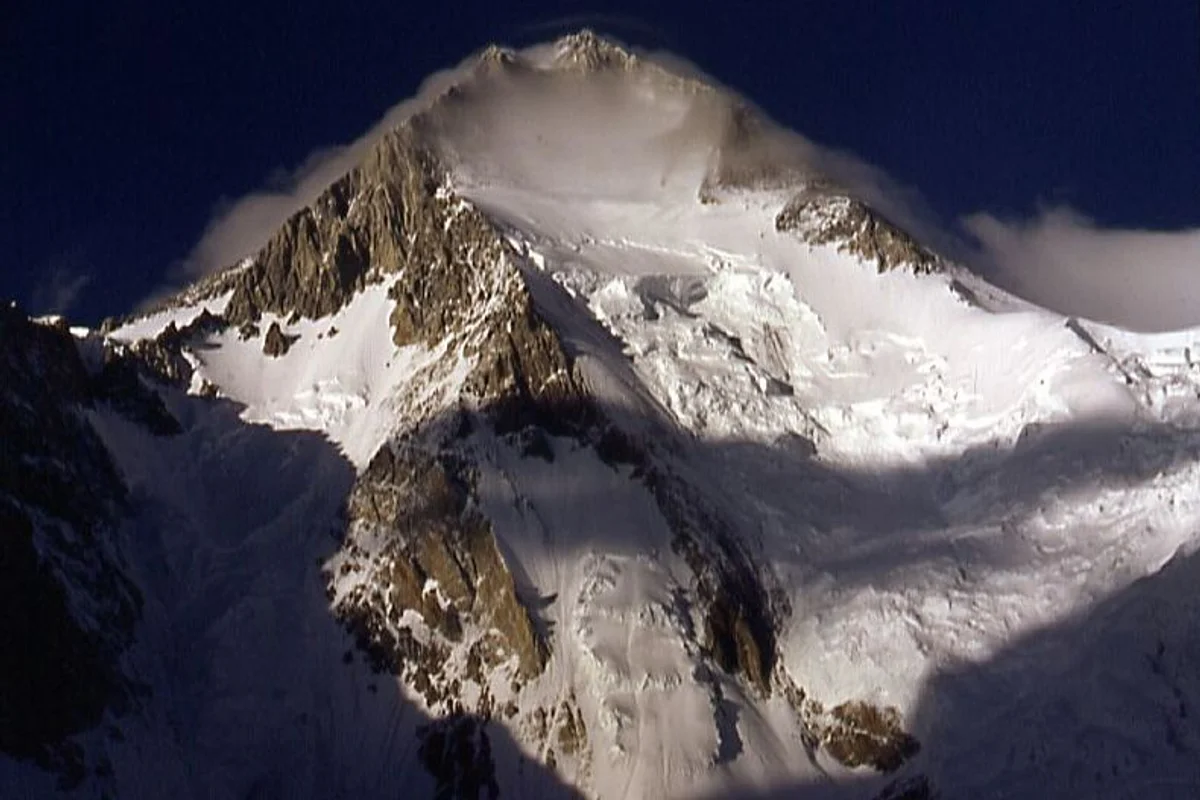
Cold Steel: The Historic First Winter Ascent of Gasherbrum I
On March 9, 2012, Polish Ice Warriors Adam Bielecki and Janusz Gołąb completed the first winter ascent of Gasherbrum I in the Karakoram at -38°C without supplemental oxygen.
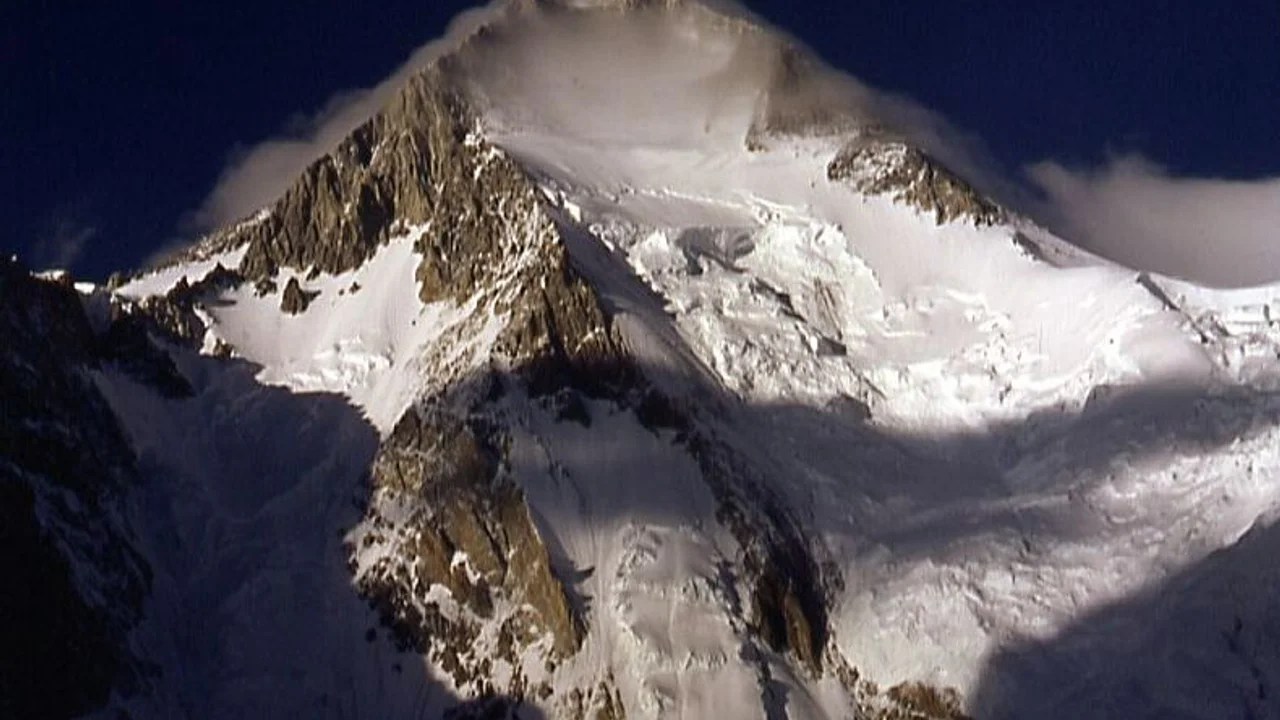
Gasherbrum I 1958: The American Conquest of Hidden Peak
On July 5, 1958, Pete Schoening and Andy Kauffman conquered the 8,080-meter summit of Gasherbrum I (Hidden Peak), achieving the only maiden first ascent of an eight-thousander in world history credited to an American team.
1992 Gasherbrum I: Nazir Sabir Conquers Hidden Peak
How Nazir Sabir completed his ascent of Gasherbrum I (8,080m) via the Japanese Couloir, claiming his fourth Karakoram 8,000er.
Notable Mountaineers & Expedition Pioneers (60)
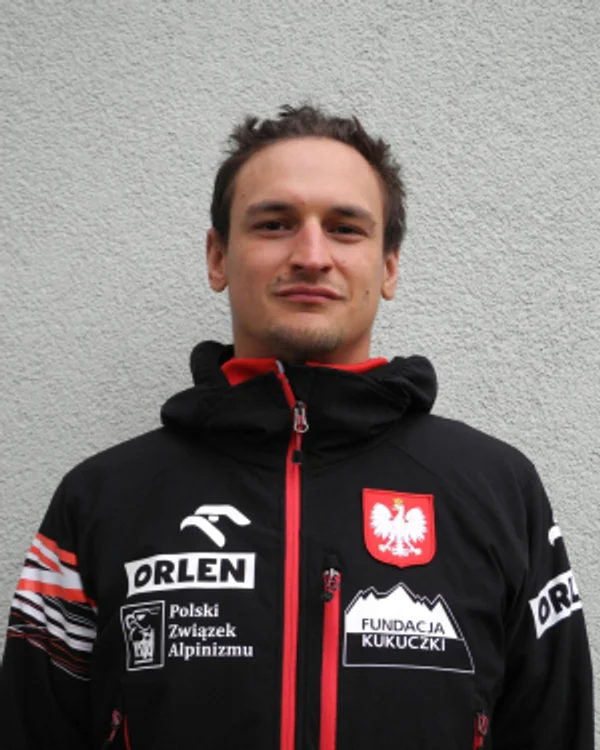
Adam Bielecki
Born on May 12, 1983, in Tychy, Poland, Adam Bielecki demonstrated remarkable climbing talent from adolescence. At age seventeen, he made a solo alpine-style ascent of Khan Tengri (7,010m) in the Tien Shan, setting a...
Alan Hinkes
Alan Hinkes began climbing on the cliffs of Yorkshire and the Lake District before establishing difficult routes in the European Alps. Beginning his 8,000-metre quest in 1987 with Shishapangma, Hinkes pursued the...
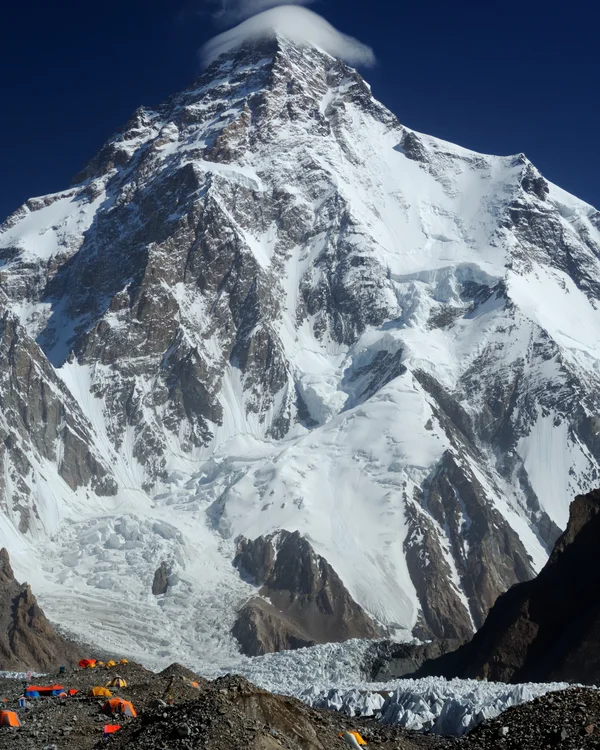
Alberto Zerain
Alberto Zerain Berasategi was born on August 20, 1961, in Vitoria-Gasteiz, Álava, in the Basque Country of northern Spain. A boilermaker and dump truck driver by trade, Zerain was renowned as a 'worker-alpinist' who...

Alex Txikon
Alejandro Txikon Martínez was born on December 12, 1981, in Lemoa, Biscay, in the Basque Country of northern Spain. The youngest of thirteen siblings, he was introduced to the mountains of the Basque Country in early...
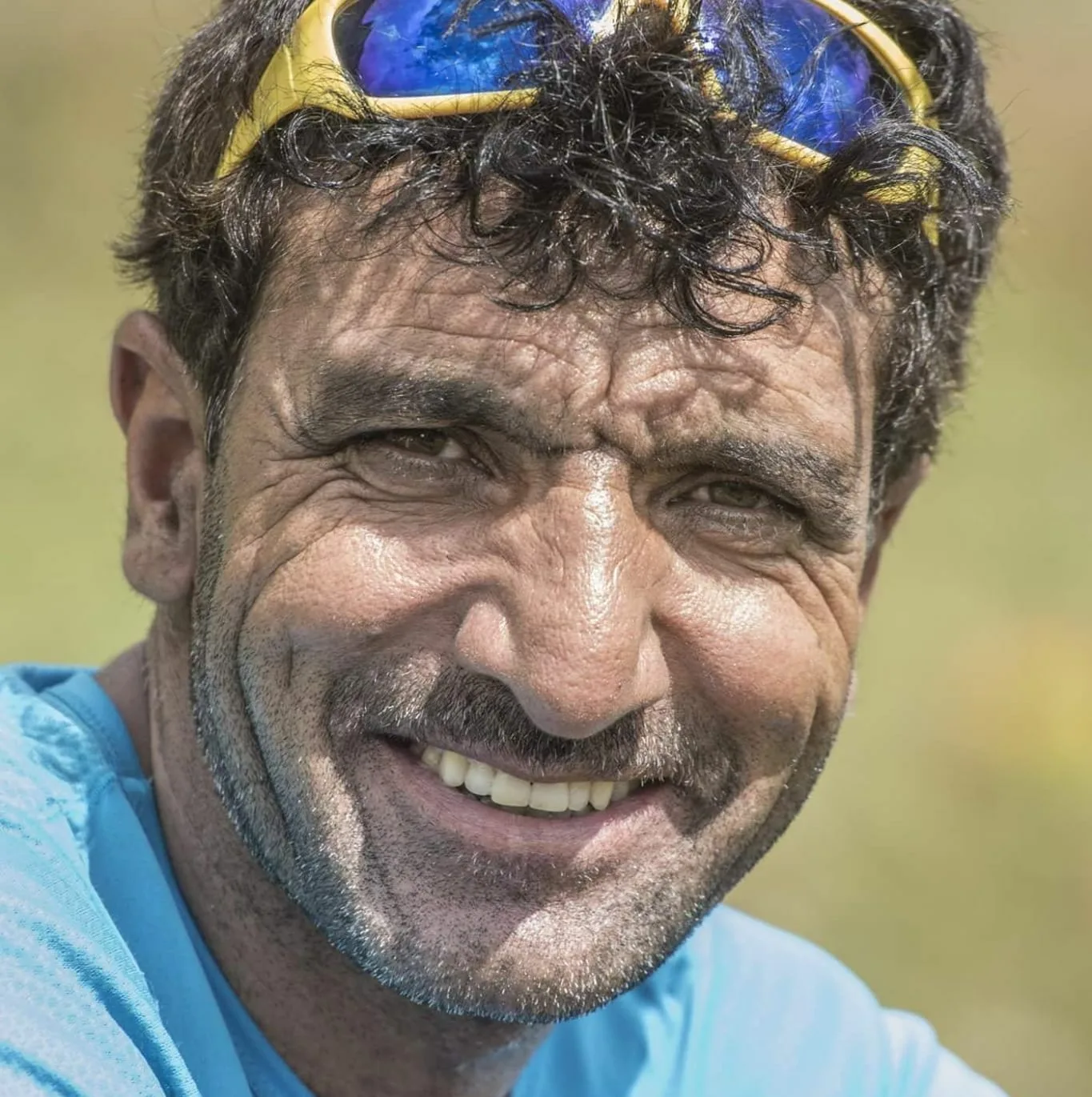
Muhammad Ali Sadpara
Muhammad Ali Sadpara was born on February 2, 1976, in Sadpara village near Skardu in Gilgit-Baltistan, Pakistan. Like his fellow villagers, Ali began his working life as a porter carrying expedition freight through the...
Andrej Štremfelj
Andrej Štremfelj was born on December 17, 1956, in Kranj, Slovenia. Beginning his climbing journey in the Julian Alps and Kamnik-Savinja Alps at fifteen, he rapidly became one of the leading figures in the golden...
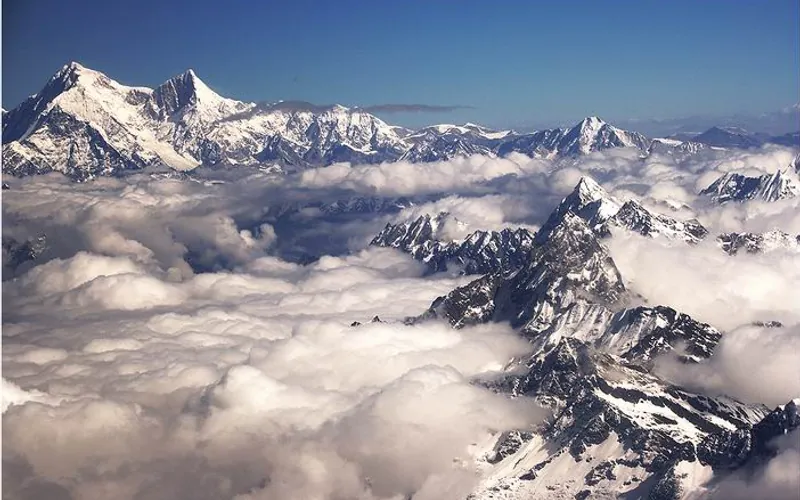
Andrew Lock
Andrew Lock climbed his first 8,000-metre mountain in 1993 with a solo ascent of Gasherbrum II. Over sixteen years, Lock conducted eighteen 8,000-metre expeditions, climbing predominantly without supplemental oxygen and...

Andrzej Bargiel
Born in the Tatra foothills in Łętownia, Poland, Andrzej Bargiel transitioned from ski-mountaineering racing and a speed record on the five Snow Leopard peaks (2016) into pioneering uninterrupted ski descents from...
Frequently Asked Questions: Gasherbrum I
Why is Gasherbrum I called Hidden Peak?
Gasherbrum I was named "Hidden Peak" in 1892 by British explorer William Martin Conway because its sheer summit pyramid is completely concealed from the Baltoro Glacier view behind the massive neighboring walls of Gasherbrum IV, V, and VI, becoming visible only after penetrating deep into the upper glacier.
How high is Gasherbrum I and where does it rank globally?
Gasherbrum I rises to an official elevation of 8,068 meters (26,470 feet) above sea level, making it the 11th highest mountain on Earth and the 3rd highest peak in Pakistan after K2 and Nanga Parbat.
Is Gasherbrum I more dangerous and technical than Gasherbrum II?
Yes. Gasherbrum I features much steeper, more sustained rock and ice walls than Gasherbrum II. Routes like the Northwest Face via the Japanese Couloir require steep 55-60 degree blue-ice climbing through narrow gullies vulnerable to rockfall and high winds in the Death Zone.
What is the Japanese Couloir on Gasherbrum I?
The Japanese Couloir is a sustained 500-meter gully of hard blue ice and rock bands angling between 55 and 60 degrees from Camp II (6,400m) to Camp III (7,100m) on the Northwest Face. It is the defining technical crux of the modern normal route.
When was Gasherbrum I first climbed and by whom?
Gasherbrum I was first climbed on July 5, 1958, by American mountaineers Pete Schoening and Andy Kauffman as part of the American Karakoram Expedition led by Nick Clinch, via the South Ridge.
Which Pakistani climbers made history on Gasherbrum I in 1992?
On August 25, 1992, Nazir Sabir, Rajab Shah, and Mehrban Shah completed a rapid alpine push to the summit of Gasherbrum I. With this climb, Nazir Sabir became the first Pakistani mountaineer in history to conquer four 8,000-meter peaks on Pakistani soil.
Documented Sources & Archival Citations
- Reference OverviewA Walk in the Sky: Nicholas Clinch and the 1958 Ascent(Mountaineers Books)
Supporting claim: Official expedition record of the 1958 American first ascent
- Primary Alpine JournalAmerican Alpine Journal: 1992 Gasherbrum I Ascent(American Alpine Club)
Supporting claim: Account of Nazir Sabir, Rajab Shah, and Mehrban Shah summit push
Share Exploration
Global Mountain Intelligence
✓ Link copied to clipboard!