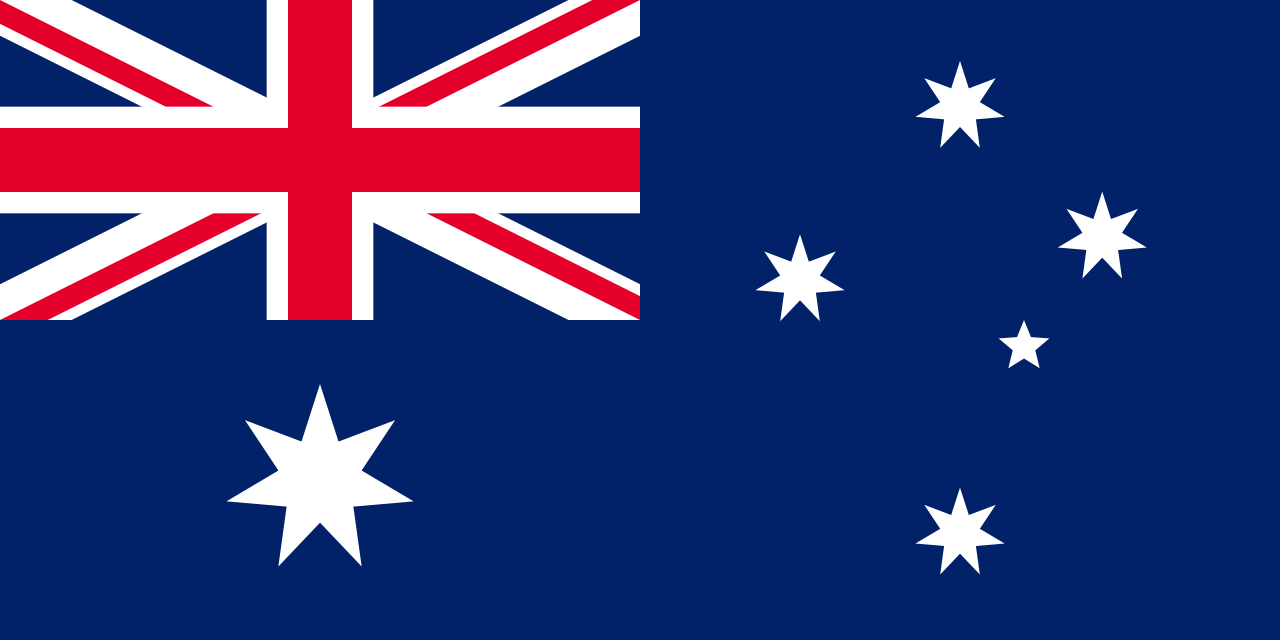
 AustraliaHigh-Altitude MountaineerFirst Australian to Summit All 14 Eight-Thousanders (2009)14×8000m (Historical Era) · No Supplemental O₂
Andrew Lock
Andrew Lock OAM is Australia's most accomplished high-altitude mountaineer, who became the first Australian and first climber from the English-speaking world to climb all fourteen 8,000-metre peaks, completing his quest in 2009 on Shishapangma.
Mountain Safety & Conditions Disclaimer: High-altitude climbing, glacial travel, and technical ascents entail severe objective risks including avalanches, serac collapses, rapid weather collapse, and altitude illness. Historical route descriptions and summit claims on Mountainity reflect documented archival sources and must not be used as live operational safety assessments. Local regulations, permits, and physical glacial topography change continuously.
Peer Review: Senior Editorial Board & Historical Reviewers • Editorial Standards
Biographical Record & Archival Chronicle
Andrew Lock climbed his first 8,000-metre mountain in 1993 with a solo ascent of Gasherbrum II. Over sixteen years, Lock conducted eighteen 8,000-metre expeditions, climbing predominantly without supplemental oxygen and in small teams.
Lock summited Everest twice, survived an epic rescue effort on K2, and persevered through harsh Karakoram winters. On October 2, 2009, he reached the true summit of Shishapangma in Tibet, completing all fourteen eight-thousanders. He was awarded the Medal of the Order of Australia (OAM) in 2011 for service to mountaineering.
Notable Milestones & Key Ascents (4)
First Australian climber to summit all 14 eight-thousanders (October 2009)
First person in the Commonwealth / English-speaking world to complete all 14 peaks
Summited 13 of the 14 eight-thousanders without supplemental oxygen
Awarded the Medal of the Order of Australia (OAM)
Key Statistics & Topographic Figures
- Archive Classification
- MOUNTAINEERS
Mountainity Knowledge Corpus
- Verification Status
- Editorially Verified
Archival Standards
- Citation Standard
- Primary Source Verified
Alpine Research Desk
Defined Alpine Terminology & Concepts
- Archival Integrity
- The standard of verifying historical mountain facts, summit claims, and altitudes using primary expeditions journals and geodetic measurements.
Frequently Asked Questions: Andrew Lock
What historical significance does this mountaineer hold?
Andrew Lock represents an essential chapter in global mountaineering heritage, verified through contemporary expedition journals and archival sources.
How are the facts and records for Andrew Lock verified?
All records are checked against peer-reviewed journals, national alpine clubs, geodetic surveys, and the Mountainity Archival Integrity Policy.
Death Zone Summits (14 of 14)
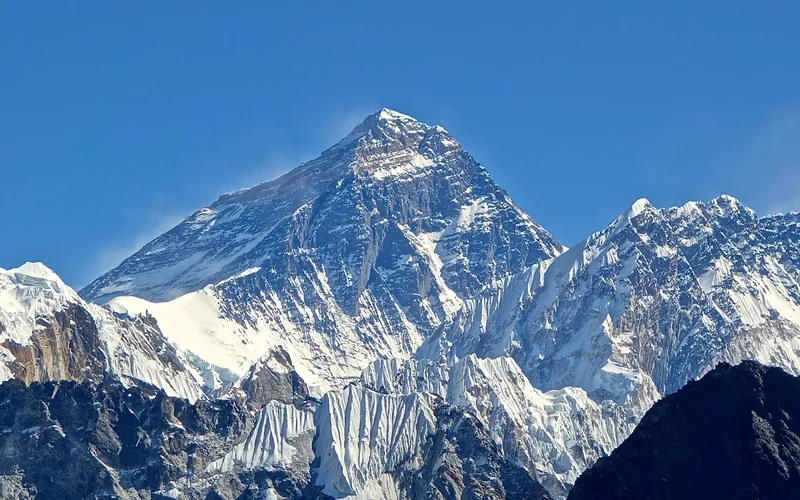


Mount Everest
Mount Everest is the highest mountain above sea level on Earth, standing at an official elevation of 8,848.86 meters (29,031.7 ft). Straddling the international frontier between Nepal and China, it is known locally as Sagarmatha in Nepali ('Goddess of the Sky') and Chomolungma in Tibetan ('Mother Goddess of the World'). The peak rises into the extreme upper troposphere, where oxygen levels drop to barely one-third of sea-level pressure. Climbers face hurricane-force jet stream winds, severe frostbite conditions, shifting ice crevasses in the Khumbu Icefall, and the dangerous Death Zone above 8,000 meters.
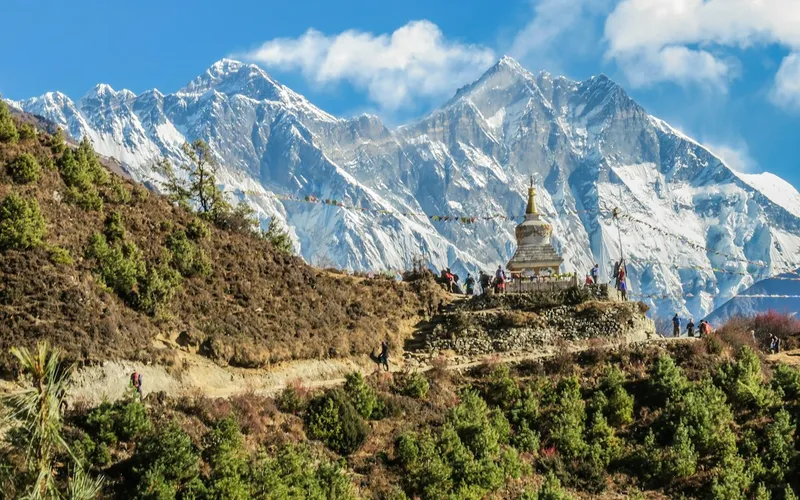

K2
K2, at 8,611 meters (28,251 ft), is the second-highest mountain on Earth and widely regarded as the most technically demanding and lethal 8,000-meter peak. Located in the heart of the Karakoram on the border between Pakistan and China, K2 is characterized by sheer relief, severe weather anomalies, and persistent objective hazards including the notorious Bottleneck couloir.
Kangchenjunga
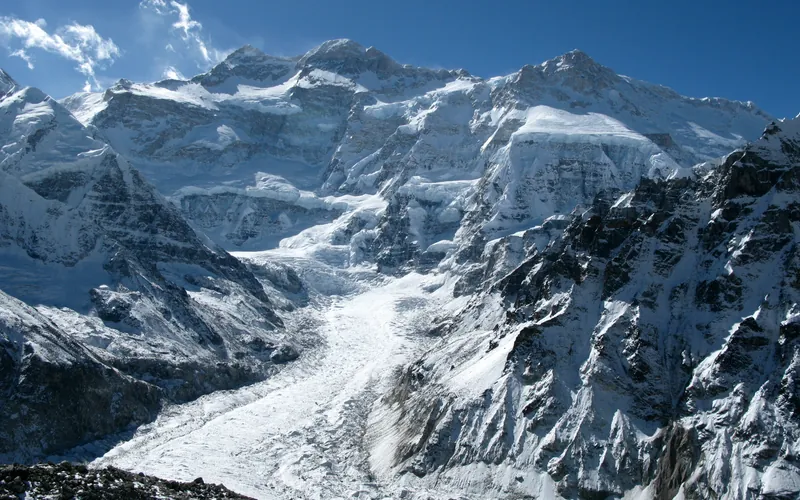
Kangchenjunga, at 8,586 meters (28,169 ft), is the third-highest mountain on Earth, rising on the border between Nepal and Sikkim, India. Honored as sacred by locals, early ascent teams respected local beliefs by stopping short of the actual highest crest. It features immense vertical relief and notorious storm cycles.
Lhotse
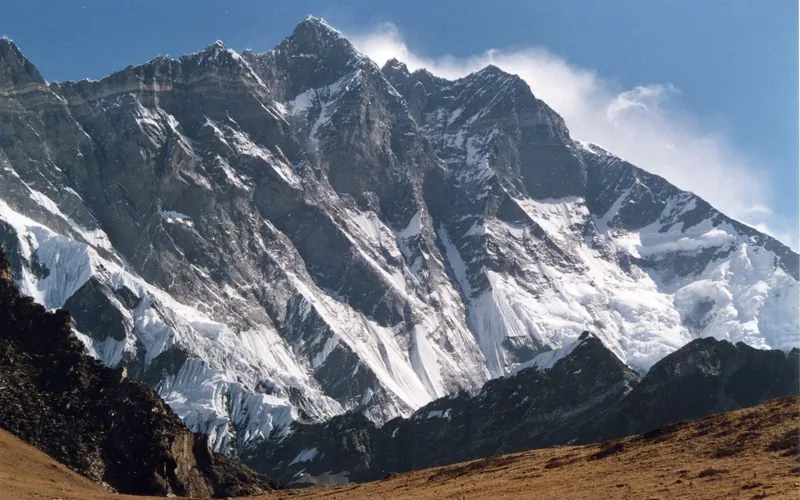
Lhotse, at 8,516 meters (27,940 ft), is the fourth-highest mountain on Earth, connected directly to Mount Everest via the South Col. Renowned for its sheer 3,200-meter South Face, one of the most imposing rock and ice walls in alpinism, the standard route tackles the grueling Lhotse Couloir from the Western Cwm.
Makalu
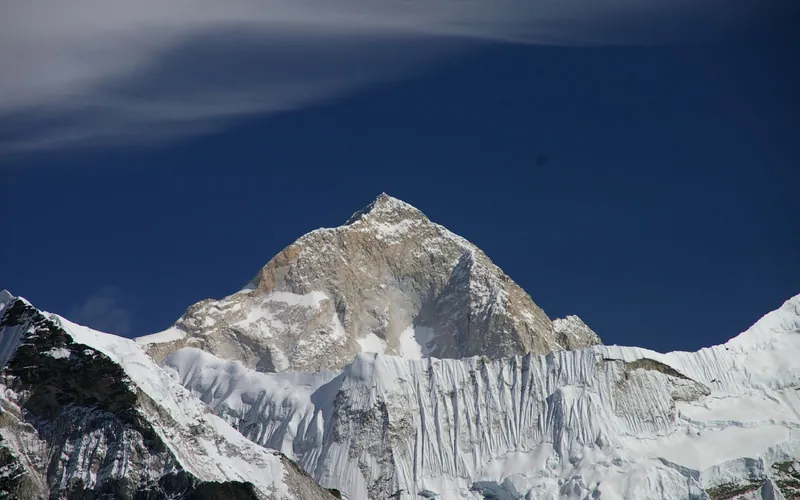
Makalu, at 8,485 meters (27,838 ft), is the fifth-highest mountain on Earth, located 19 km southeast of Mount Everest. An isolated four-sided granite pyramid, it is known for technical knife-edge ridges, severe exposure, and punishing weather, making it one of the most challenging eight-thousanders.
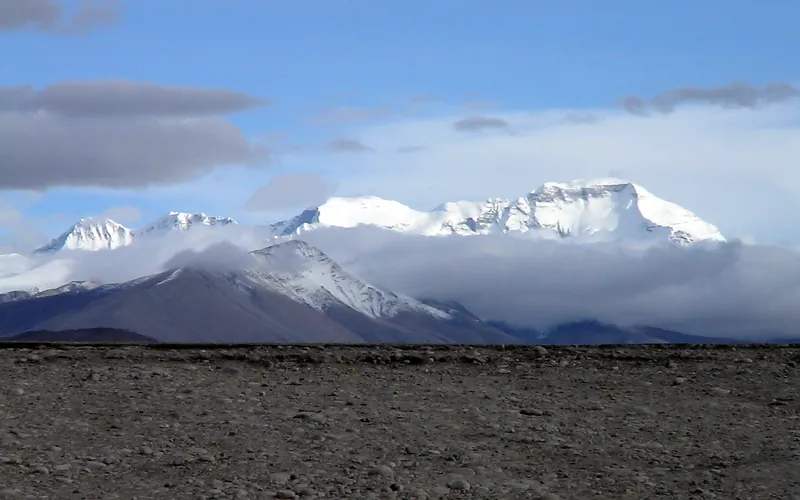
Cho Oyu
Cho Oyu, at 8,188 meters (26,864 ft), is the sixth-highest mountain in the world, situated 20 km west of Mount Everest. Meaning 'Turquoise Goddess' in Tibetan, it stands on the glaciated Nangpa La trade route between Nepal and Tibet. Its moderate northwest slopes make it the most accessible 8,000-meter peak.
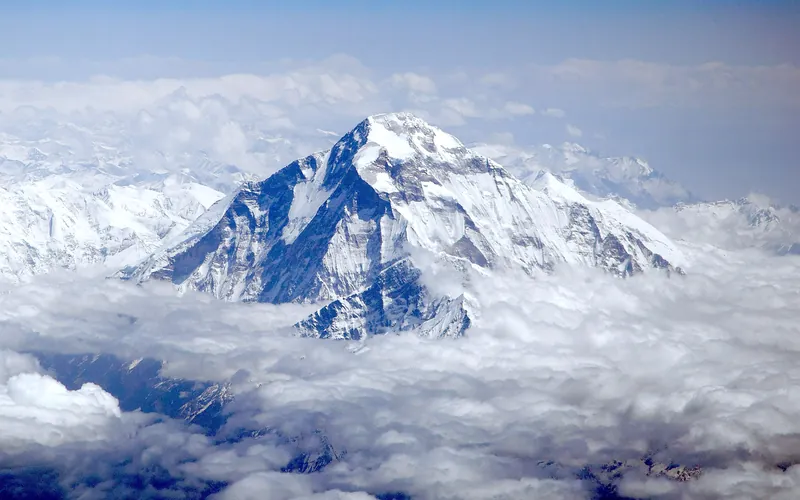
Dhaulagiri I
Dhaulagiri I, at 8,167 meters (26,795 ft), is the seventh-highest mountain on Earth and the highest peak situated entirely within Nepal. Rising steeply above the Kali Gandaki Gorge—the deepest gorge on Earth—opposite Annapurna, Dhaulagiri forms a staggering 7,000-meter vertical rise from the river valley.
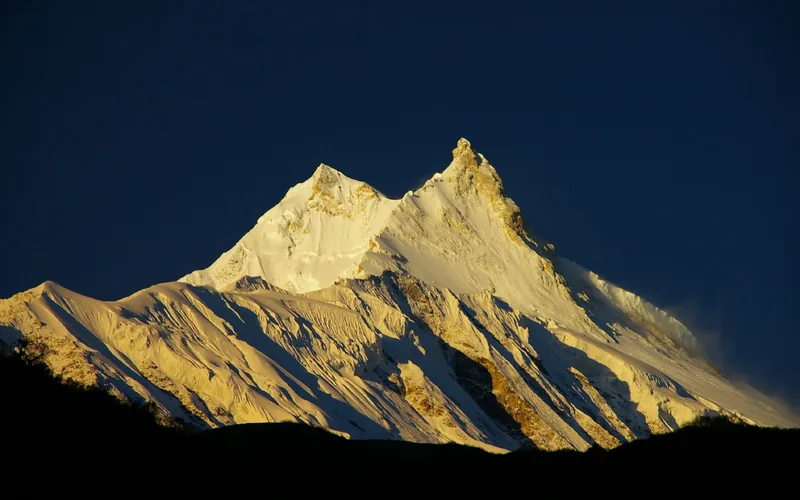
Manaslu
Manaslu, at 8,163 meters (26,781 ft), is the eighth-highest mountain in the world, situated in the Mansiri Himal of west-central Nepal. Known as the 'Mountain of the Spirit', its long ridges and valley glaciers offer dramatic topography culminating in a delicate, exposed knife-edge summit crest.
Nanga Parbat
Nanga Parbat, at 8,126 meters (26,660 ft), is the ninth-highest mountain on Earth and the western anchor of the Himalayas in Pakistan. It boasts the Rupal Face, the highest vertical precipice in the world at 4,600 meters from valley floor to summit. Known for profound climbing history, highlighted by Hermann Buhl's legendary solo summit without supplemental oxygen in 1953.
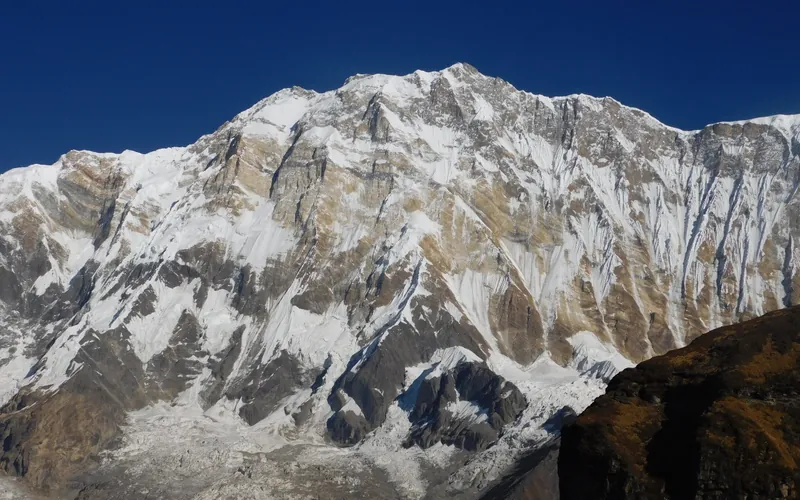
Annapurna I
Annapurna I, at 8,091 meters (26,545 ft), is the tenth-highest mountain in the world and historically the first 8,000-meter peak ever summited (June 3, 1950 by Maurice Herzog and Louis Lachenal). Rising above the Annapurna Sanctuary, its north and south walls present extreme avalanche and serac fall hazards.
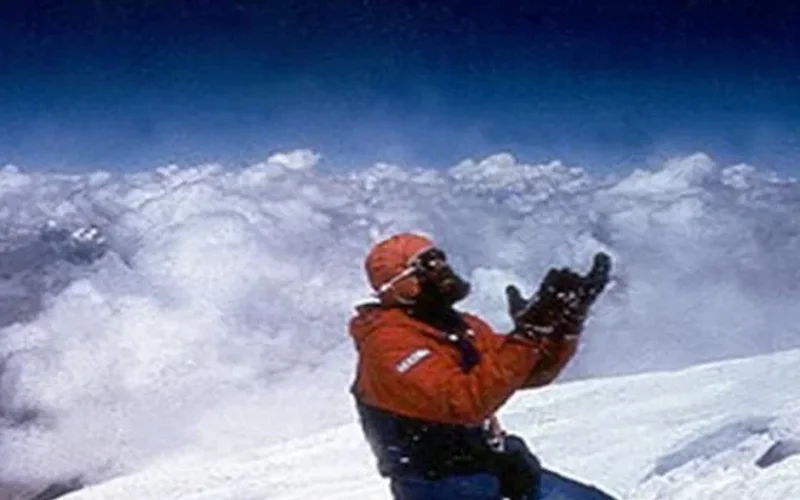
Gasherbrum I
Gasherbrum I, at 8,080 meters (26,510 ft), is the eleventh-highest mountain on Earth, also known as Hidden Peak or K5. Named by William Martin Conway in 1892 due to its extreme seclusion behind the Gasherbrum ridge, it stands on the border between Pakistan and China. First summited in 1958 by an American expedition led by Nicholas Clinch, it was also the scene of Reinhold Messner and Peter Habeler's historic 1975 alpine-style ascent without supplemental oxygen.
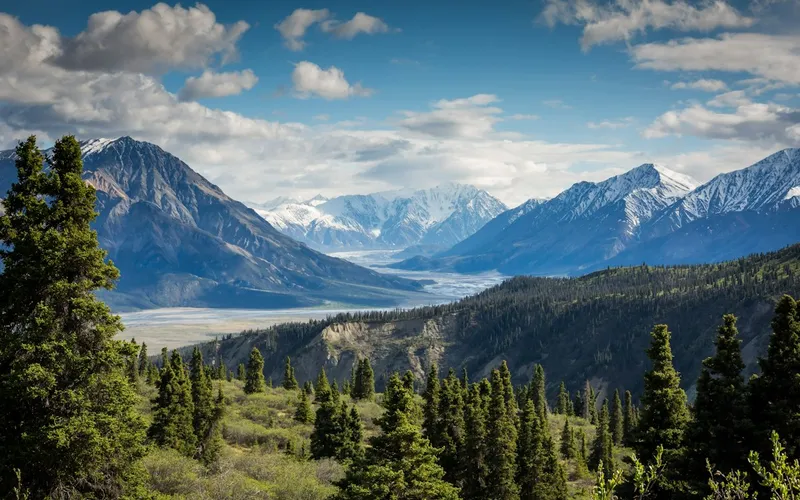
Broad Peak
Broad Peak, at 8,051 meters (26,414 ft), is the twelfth-highest mountain in the world. Located in the Karakoram directly across the Godwin-Austen Glacier from K2, it is famous for its 1.5-kilometre-long summit crest. First climbed in lightweight alpine style without supplemental oxygen or high-altitude porters in 1957 by an Austrian team.
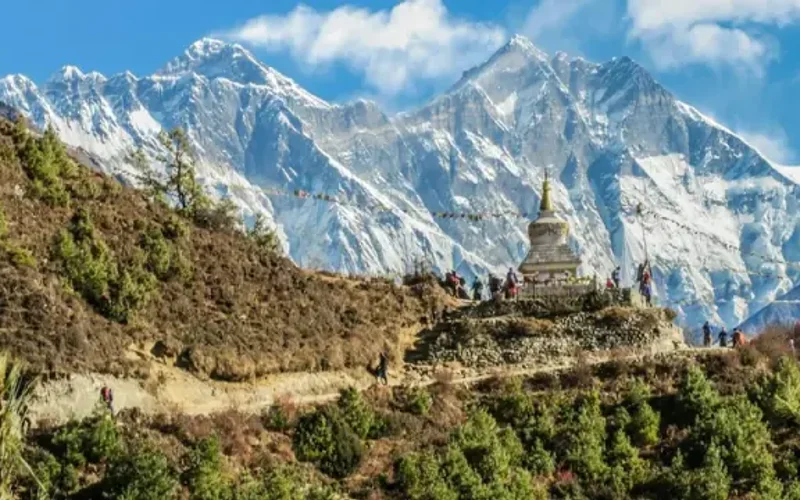
Gasherbrum II
Gasherbrum II, standing at 8,035 meters (26,362 ft), is the thirteenth-highest mountain on Earth and the third-highest peak of the Gasherbrum massif in the Karakoram. Located at the head of the Baltoro Glacier on the Pakistan-China frontier, it features a classic pyramidal profile with challenging ice couloirs. First summited in 1956 by an Austrian team, it was famously climbed in pure alpine style in 1982 by Reinhold Messner, Nazir Sabir, and Sher Khan.
Shishapangma
Shishapangma, at 8,027 meters (26,335 ft), is the fourteenth-highest mountain on Earth and the only 8,000-meter peak situated entirely within Tibetan/Chinese territory. Due to geopolitical restrictions, it was the final eight-thousander to be climbed, summited by a Chinese expedition on May 2, 1964.
Geographical Footprint & Mountain Ranges (2)
Contemporary Alpinists & Regional Peers (6)
Notable climbers sharing Australia alpine heritage or active during contemporary climbing epochs.
Allie Pepper
Alessandra Kate 'Allie' Pepper is an elite Australian high-altitude mountaineer aiming to summit all 14 eight-thousanders without supplemental oxygen. In the Himalayan Database, Pepper achieved 3 summits across Cho Oyu,...
Blair John Falahey
Blair John Falahey is an accomplished Australian high-altitude mountaineer. Over 8 campaigns in the Himalayan Database, Falahey achieved 4 summits across Mount Everest, Lhotse, Cho Oyu, and Kangchenjunga.
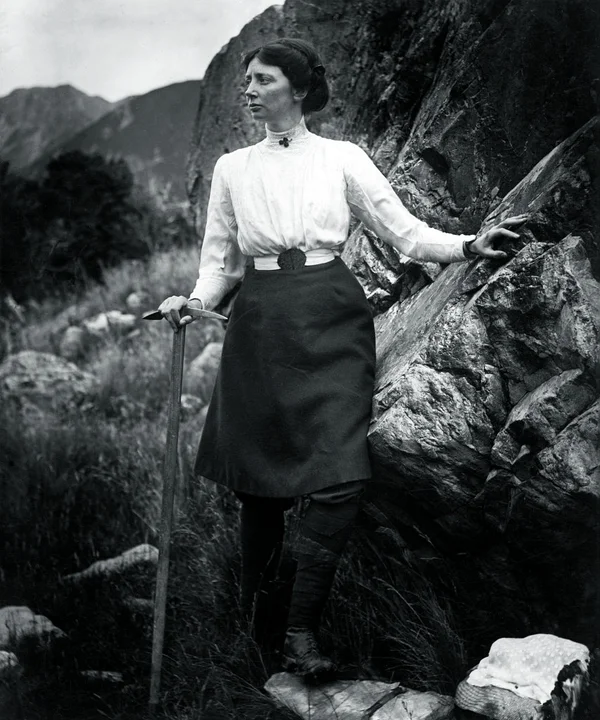
Freda Du Faur
Emmeline Freda Du Faur was born on September 16, 1882, in Croydon, Sydney, Australia. Drawn to open nature from an early age, she explored the sandstone gorges and cliffs of the Blue Mountains near her home in...
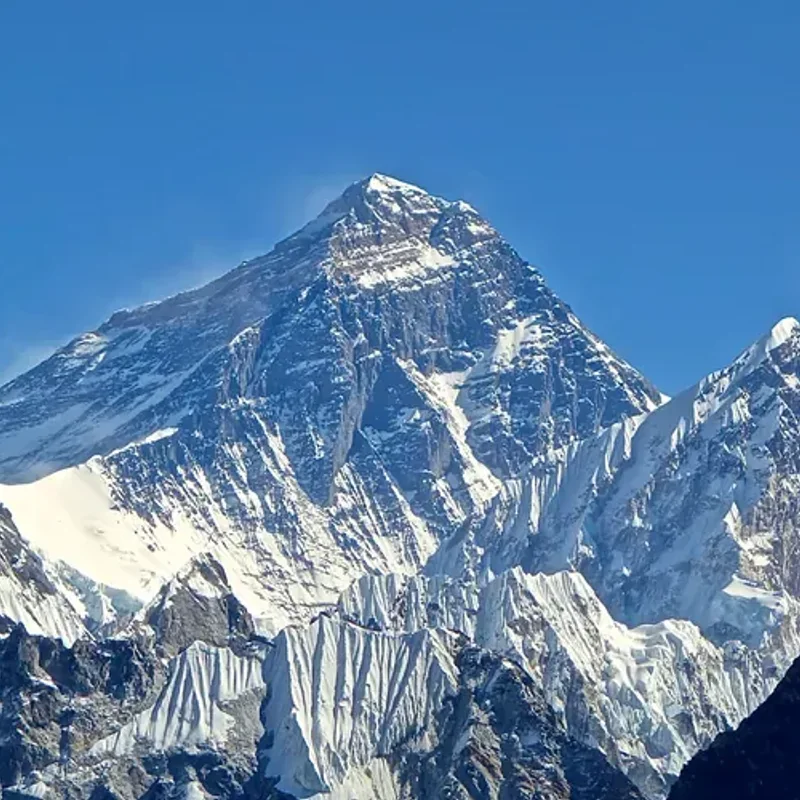
Greg Mortimer
Born in Sydney in 1952, Greg Mortimer trained as a geologist before turning to professional mountaineering. In 1981, he made the first ascent of Gasherbrum IV (7,925m) South Face in the Karakoram with Tim...
Jay Mark Reilly
Jay Mark Reilly is an accomplished Australian high-altitude mountaineer. Across 11 campaigns in the Himalayan Database, Reilly achieved 5 summits strictly without supplemental oxygen, climbing technical routes on Ama...
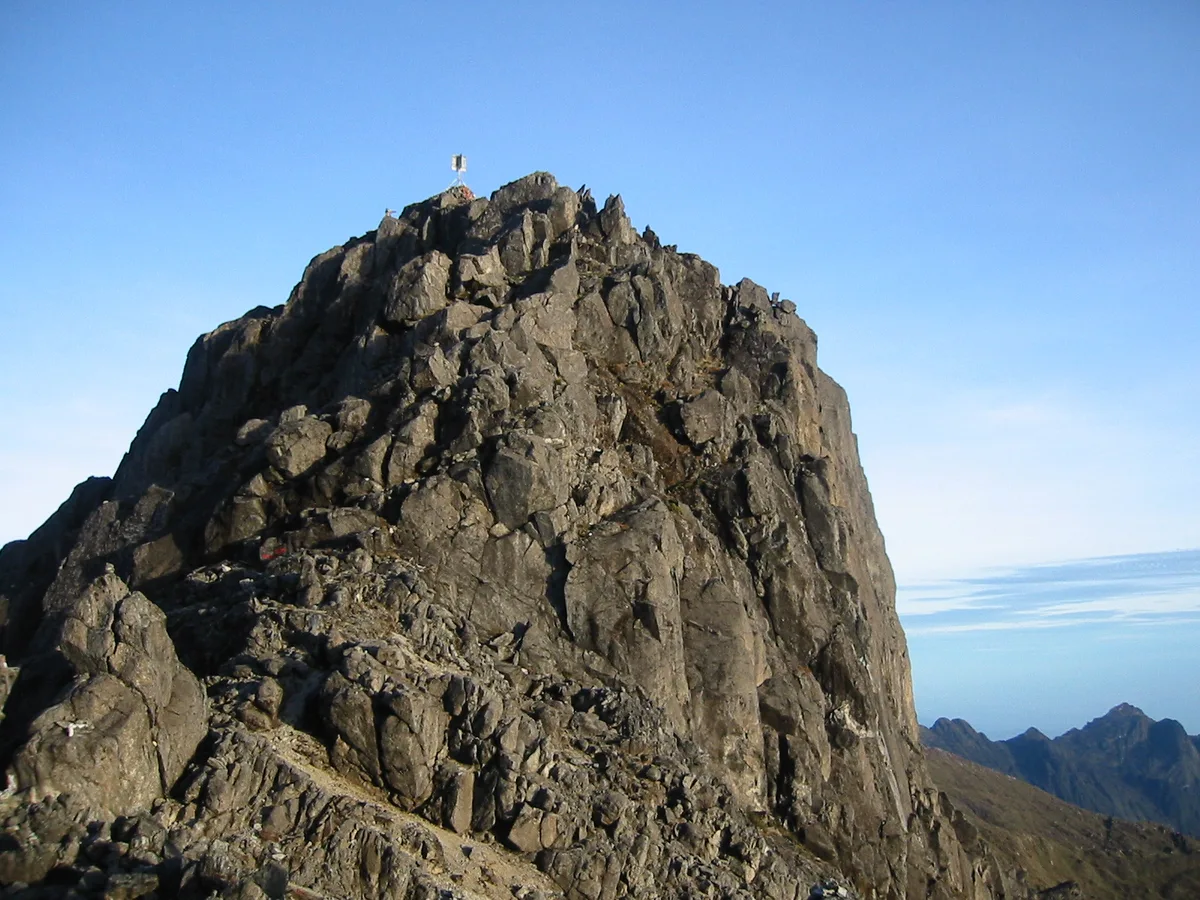
Leigh Vial
Stationed in the highlands of New Guinea in the 1930s as a district patrol officer, Leigh Vial was tasked with mapping uncontacted valleys and establishing administrative peace across the Bismarck Range. Captivated by...
Documented Sources & Archival Citations
Supporting claim: Verified 2009 completion of all 14 eight-thousanders by Andrew Lock.
Share Exploration
Global Mountain Intelligence
✓ Link copied to clipboard!