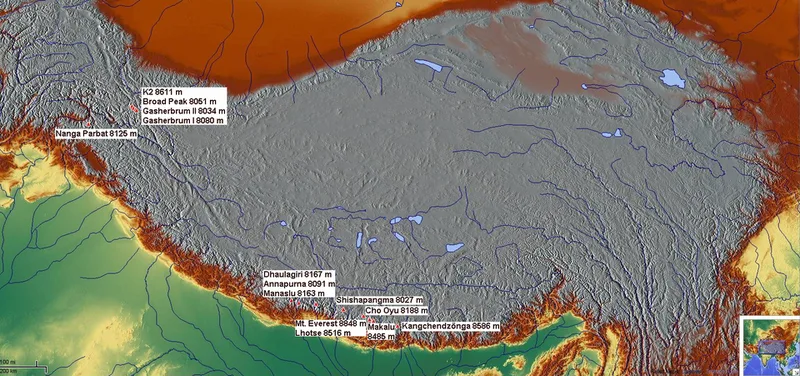
 United KingdomHigh-Altitude MountaineerFirst British Climber to Claim All 14 Eight-Thousanders (2005)14×8000m (Historical Era)
Alan Hinkes
Alan Hinkes OBE is a celebrated British mountaineer who became the first climber from the United Kingdom to stand atop all fourteen 8,000-metre peaks, completing Challenge 8000 on Kangchenjunga in May 2005.
Mountain Safety & Conditions Disclaimer: High-altitude climbing, glacial travel, and technical ascents entail severe objective risks including avalanches, serac collapses, rapid weather collapse, and altitude illness. Historical route descriptions and summit claims on Mountainity reflect documented archival sources and must not be used as live operational safety assessments. Local regulations, permits, and physical glacial topography change continuously.
Peer Review: Senior Editorial Board & Historical Reviewers • Editorial Standards
Biographical Record & Archival Chronicle
Alan Hinkes began climbing on the cliffs of Yorkshire and the Lake District before establishing difficult routes in the European Alps. Beginning his 8,000-metre quest in 1987 with Shishapangma, Hinkes pursued the world's highest peaks in lightweight alpine and semi-alpine styles.
Over nearly two decades, Hinkes survived harrowing conditions, including a broken leg in an avalanche on Nanga Parbat and severe illness on Cho Oyu. On May 30, 2005, Hinkes summited Kangchenjunga, completing all fourteen 8,000m giants. In 2006, he was appointed Officer of the Order of the British Empire (OBE) for his contributions to mountaineering.
Notable Milestones & Key Ascents (4)
First British mountaineer to claim all 14 eight-thousanders (completed May 2005)
Summited K2 via the Abruzzi Spur in 1995
Appointed OBE in the 2006 New Year Honours
Author of '8000 Metres: Climbing the World's Highest Mountains'
Key Statistics & Topographic Figures
- Archive Classification
- MOUNTAINEERS
Mountainity Knowledge Corpus
- Verification Status
- Editorially Verified
Archival Standards
- Citation Standard
- Primary Source Verified
Alpine Research Desk
Defined Alpine Terminology & Concepts
- Archival Integrity
- The standard of verifying historical mountain facts, summit claims, and altitudes using primary expeditions journals and geodetic measurements.
Frequently Asked Questions: Alan Hinkes
What historical significance does this mountaineer hold?
Alan Hinkes represents an essential chapter in global mountaineering heritage, verified through contemporary expedition journals and archival sources.
How are the facts and records for Alan Hinkes verified?
All records are checked against peer-reviewed journals, national alpine clubs, geodetic surveys, and the Mountainity Archival Integrity Policy.
Death Zone Summits (14 of 14)
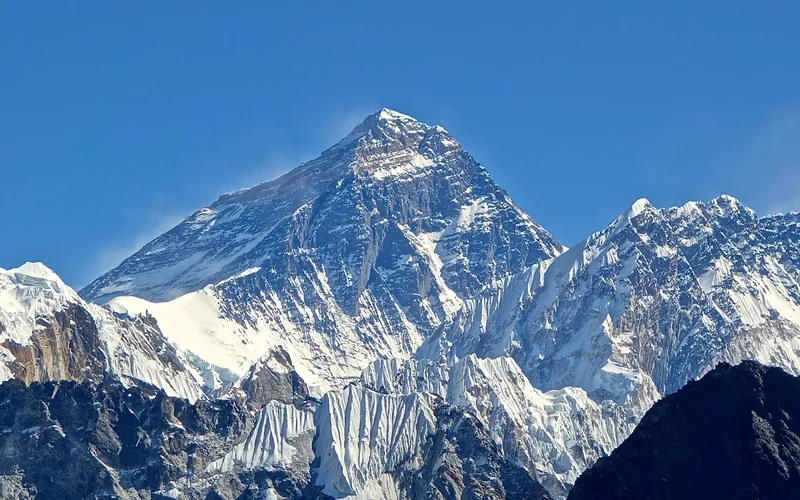


Mount Everest
Mount Everest is the highest mountain above sea level on Earth, standing at an official elevation of 8,848.86 meters (29,031.7 ft). Straddling the international frontier between Nepal and China, it is known locally as Sagarmatha in Nepali ('Goddess of the Sky') and Chomolungma in Tibetan ('Mother Goddess of the World'). The peak rises into the extreme upper troposphere, where oxygen levels drop to barely one-third of sea-level pressure. Climbers face hurricane-force jet stream winds, severe frostbite conditions, shifting ice crevasses in the Khumbu Icefall, and the dangerous Death Zone above 8,000 meters.
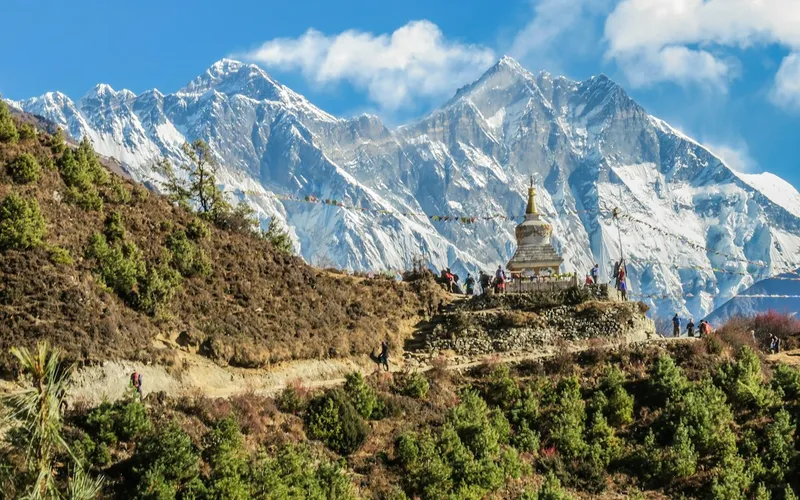

K2
K2, at 8,611 meters (28,251 ft), is the second-highest mountain on Earth and widely regarded as the most technically demanding and lethal 8,000-meter peak. Located in the heart of the Karakoram on the border between Pakistan and China, K2 is characterized by sheer relief, severe weather anomalies, and persistent objective hazards including the notorious Bottleneck couloir.
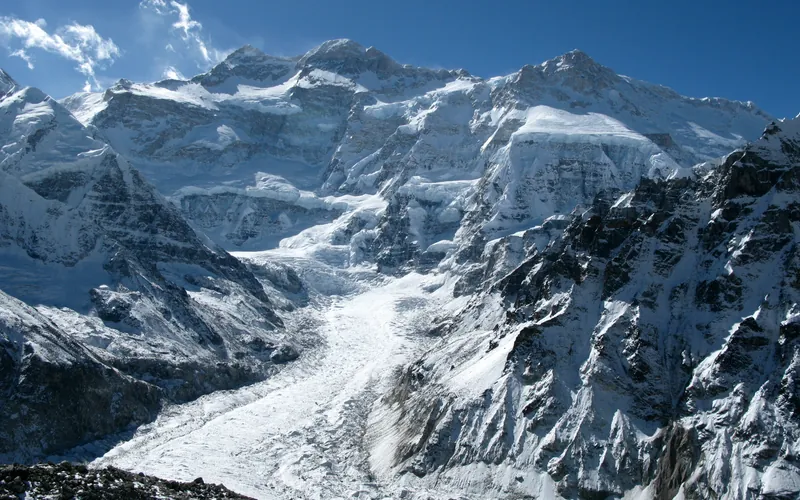
Kangchenjunga
Kangchenjunga, at 8,586 meters (28,169 ft), is the third-highest mountain on Earth, rising on the border between Nepal and Sikkim, India. Honored as sacred by locals, early ascent teams respected local beliefs by stopping short of the actual highest crest. It features immense vertical relief and notorious storm cycles.
Lhotse
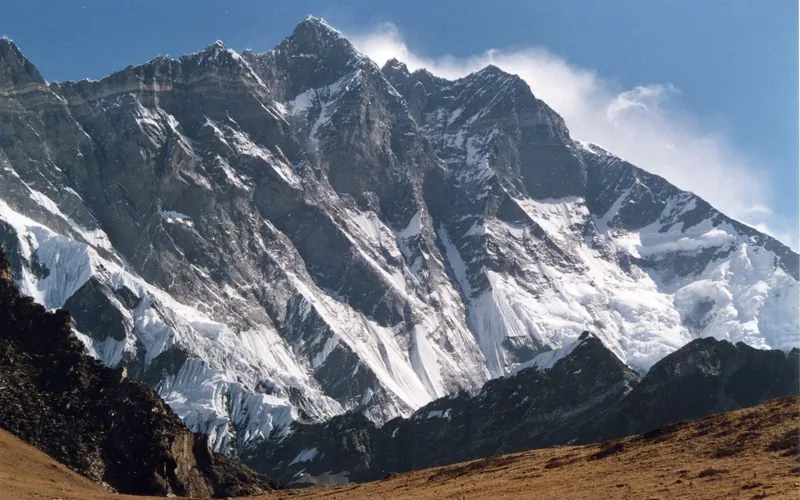
Lhotse, at 8,516 meters (27,940 ft), is the fourth-highest mountain on Earth, connected directly to Mount Everest via the South Col. Renowned for its sheer 3,200-meter South Face, one of the most imposing rock and ice walls in alpinism, the standard route tackles the grueling Lhotse Couloir from the Western Cwm.
Makalu
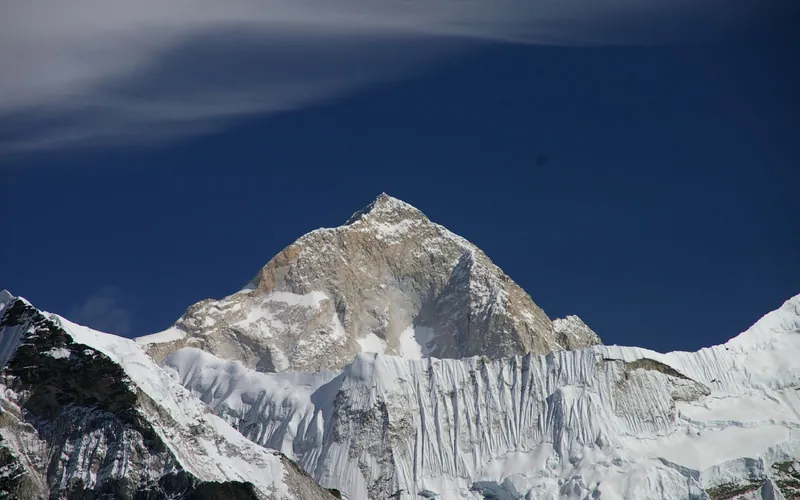
Makalu, at 8,485 meters (27,838 ft), is the fifth-highest mountain on Earth, located 19 km southeast of Mount Everest. An isolated four-sided granite pyramid, it is known for technical knife-edge ridges, severe exposure, and punishing weather, making it one of the most challenging eight-thousanders.
Cho Oyu
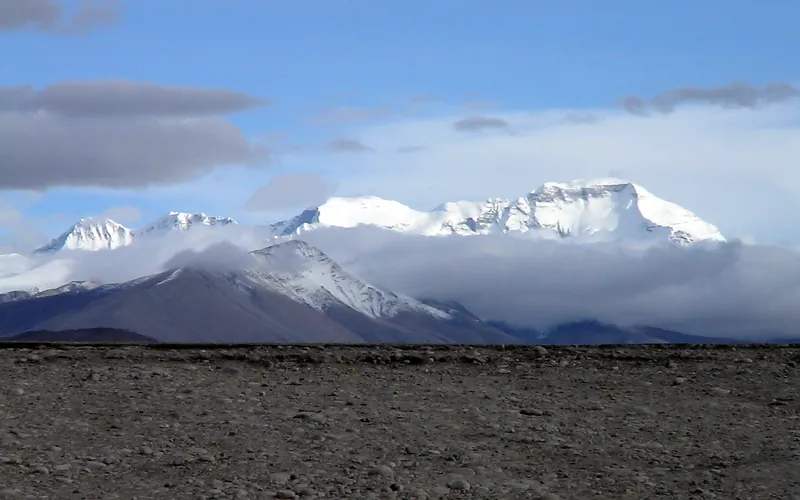
Cho Oyu, at 8,188 meters (26,864 ft), is the sixth-highest mountain in the world, situated 20 km west of Mount Everest. Meaning 'Turquoise Goddess' in Tibetan, it stands on the glaciated Nangpa La trade route between Nepal and Tibet. Its moderate northwest slopes make it the most accessible 8,000-meter peak.
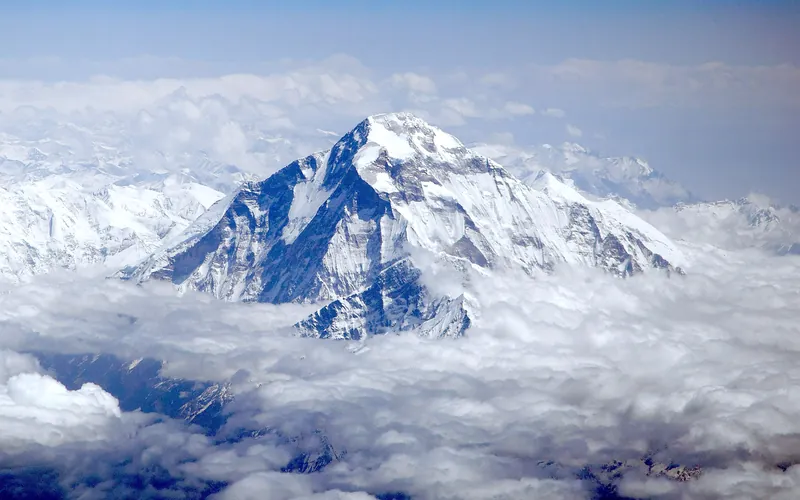
Dhaulagiri I
Dhaulagiri I, at 8,167 meters (26,795 ft), is the seventh-highest mountain on Earth and the highest peak situated entirely within Nepal. Rising steeply above the Kali Gandaki Gorge—the deepest gorge on Earth—opposite Annapurna, Dhaulagiri forms a staggering 7,000-meter vertical rise from the river valley.
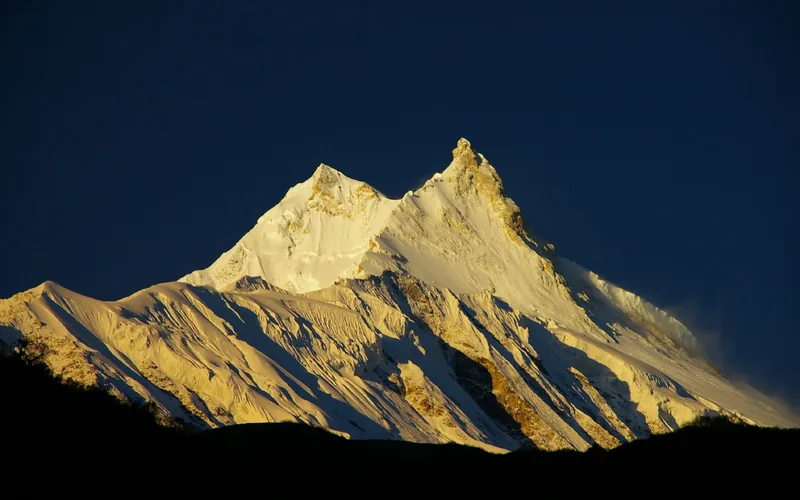
Manaslu
Manaslu, at 8,163 meters (26,781 ft), is the eighth-highest mountain in the world, situated in the Mansiri Himal of west-central Nepal. Known as the 'Mountain of the Spirit', its long ridges and valley glaciers offer dramatic topography culminating in a delicate, exposed knife-edge summit crest.
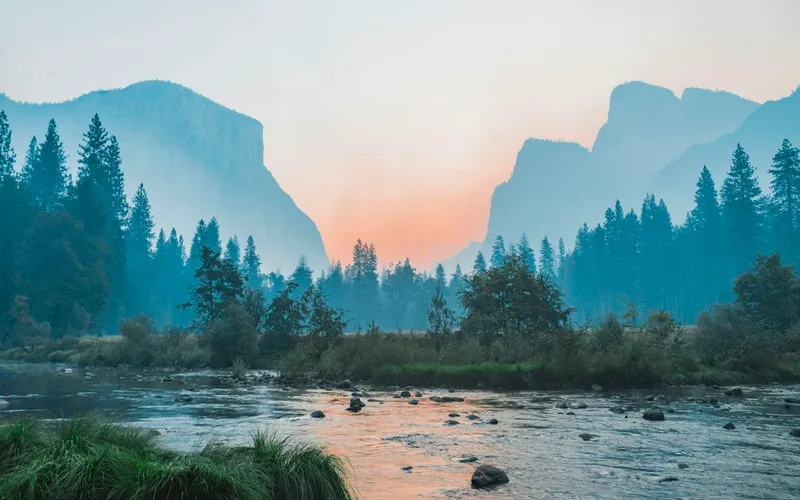
Nanga Parbat
Nanga Parbat, at 8,126 meters (26,660 ft), is the ninth-highest mountain on Earth and the western anchor of the Himalayas in Pakistan. It boasts the Rupal Face, the highest vertical precipice in the world at 4,600 meters from valley floor to summit. Known for profound climbing history, highlighted by Hermann Buhl's legendary solo summit without supplemental oxygen in 1953.
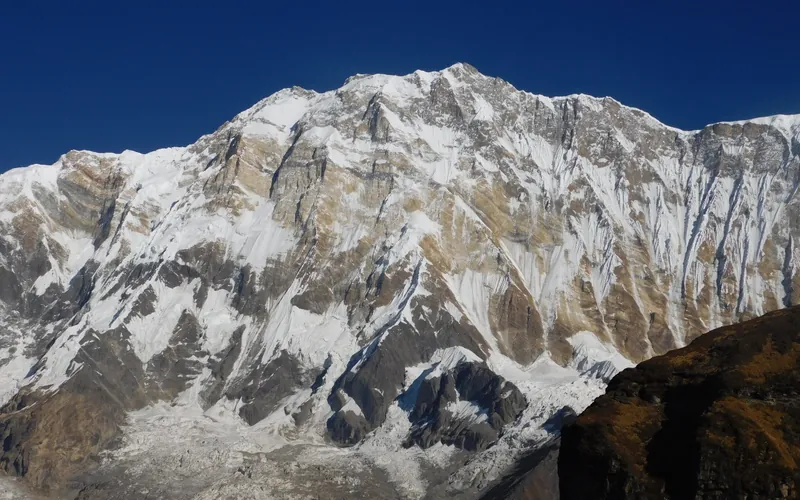
Annapurna I
Annapurna I, at 8,091 meters (26,545 ft), is the tenth-highest mountain in the world and historically the first 8,000-meter peak ever summited (June 3, 1950 by Maurice Herzog and Louis Lachenal). Rising above the Annapurna Sanctuary, its north and south walls present extreme avalanche and serac fall hazards.
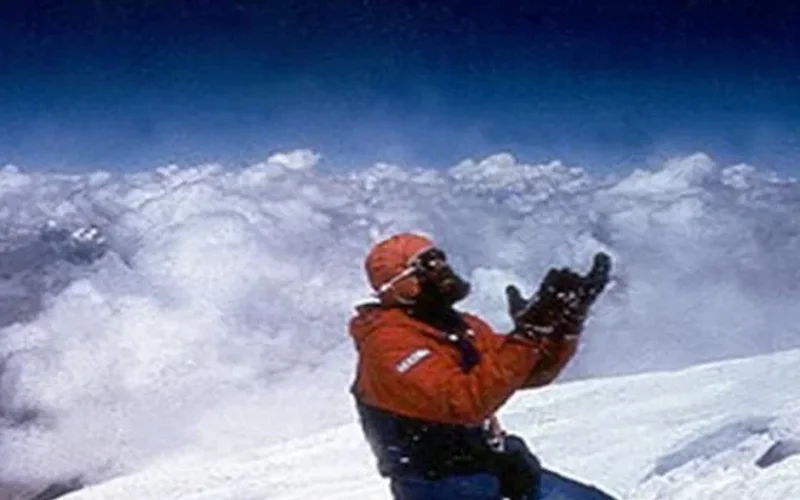
Gasherbrum I
Gasherbrum I, at 8,080 meters (26,510 ft), is the eleventh-highest mountain on Earth, also known as Hidden Peak or K5. Named by William Martin Conway in 1892 due to its extreme seclusion behind the Gasherbrum ridge, it stands on the border between Pakistan and China. First summited in 1958 by an American expedition led by Nicholas Clinch, it was also the scene of Reinhold Messner and Peter Habeler's historic 1975 alpine-style ascent without supplemental oxygen.
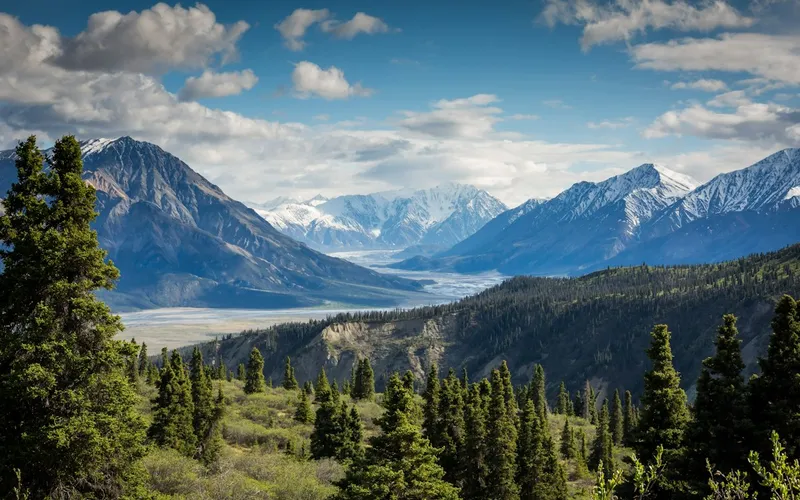
Broad Peak
Broad Peak, at 8,051 meters (26,414 ft), is the twelfth-highest mountain in the world. Located in the Karakoram directly across the Godwin-Austen Glacier from K2, it is famous for its 1.5-kilometre-long summit crest. First climbed in lightweight alpine style without supplemental oxygen or high-altitude porters in 1957 by an Austrian team.
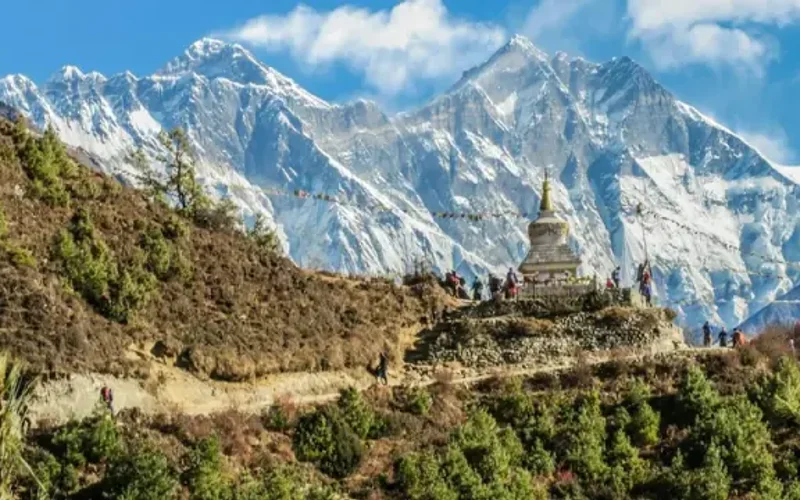
Gasherbrum II
Gasherbrum II, standing at 8,035 meters (26,362 ft), is the thirteenth-highest mountain on Earth and the third-highest peak of the Gasherbrum massif in the Karakoram. Located at the head of the Baltoro Glacier on the Pakistan-China frontier, it features a classic pyramidal profile with challenging ice couloirs. First summited in 1956 by an Austrian team, it was famously climbed in pure alpine style in 1982 by Reinhold Messner, Nazir Sabir, and Sher Khan.
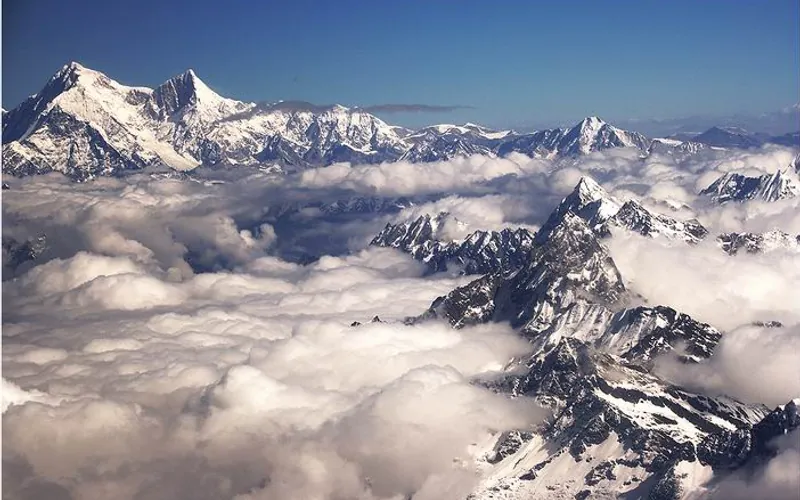
Shishapangma
Shishapangma, at 8,027 meters (26,335 ft), is the fourteenth-highest mountain on Earth and the only 8,000-meter peak situated entirely within Tibetan/Chinese territory. Due to geopolitical restrictions, it was the final eight-thousander to be climbed, summited by a Chinese expedition on May 2, 1964.
Geographical Footprint & Mountain Ranges (2)
Contemporary Alpinists & Regional Peers (6)
Notable climbers sharing United Kingdom alpine heritage or active during contemporary climbing epochs.
Adriana Brownlee
After summiting Mount Everest at age 20 in May 2021, British climber Adriana Brownlee teamed repeatedly with Nepali guide Gelje Sherpa across the world's highest ranges. Scaling K2 and Nanga Parbat without relying on...
Albert F. Mummery
Albert Frederick Mummery was born on September 10, 1855, in Dover, England. An accomplished political economist and tanner by trade, Mummery completely revolutionized European mountaineering in the late 19th century....
Alex MacIntyre
Alex MacIntyre was among the most brilliant and uncompromising high-altitude climbers of his generation, passionately rejecting heavy siege tactics in favor of lightweight, alpine-style ascents without fixed ropes or...
Alfred Wills
Educated at University College London, Alfred Wills developed an abiding reverence for the Swiss Alps during walking tours in the 1840s and 1850s. In September 1854, Wills engaged Chamonix and Bernese guides, including...
Alison Hargreaves
Alison Jane Hargreaves was born on February 17, 1962, in Mickleover, Derby, England, and raised in Belper, Derbyshire. Drawn to the outdoors from early childhood, she began scrambling on the gritstone edges of the Peak...
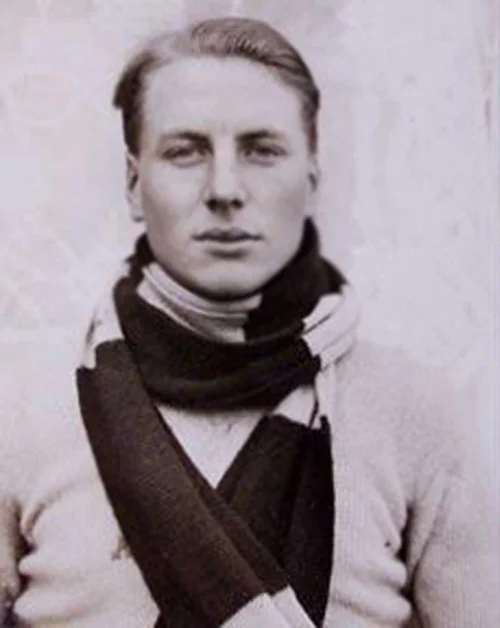
Andrew Comyn Irvine
Andrew Comyn 'Sandy' Irvine was born on April 8, 1902, in Birkenhead, Cheshire, England. Blessed with immense physical strength, towering height, and an extraordinary gift for mechanical engineering, Irvine was educated...
Documented Sources & Archival Citations
Supporting claim: Documented British record of all 14 eight-thousanders.
Share Exploration
Global Mountain Intelligence
✓ Link copied to clipboard!