Kristin Harila
Also known as: Kristin Jonassen Harila
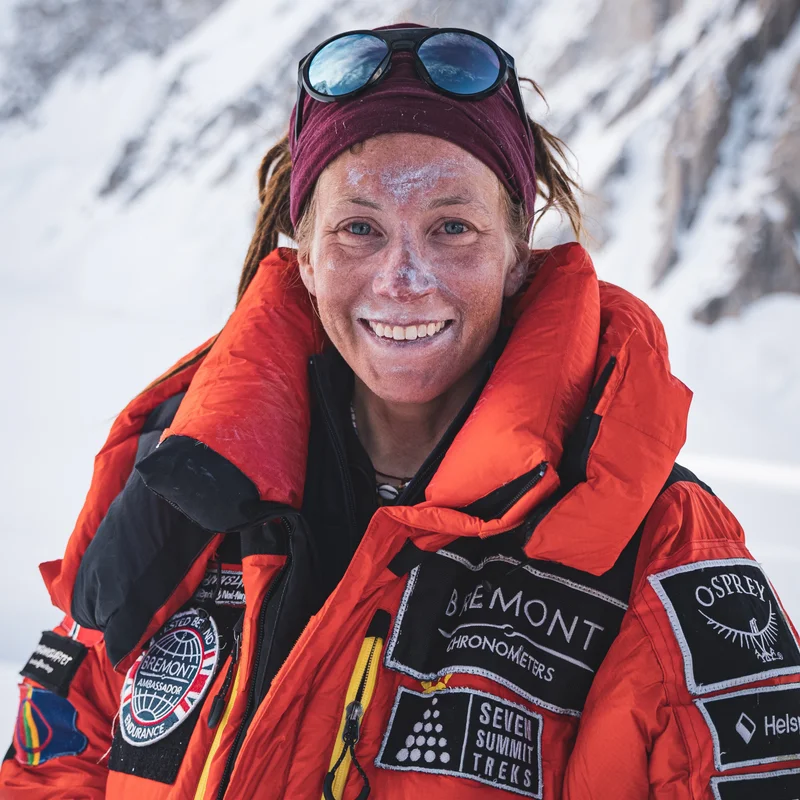
Kristin Harila is a Norwegian Sámi high-altitude mountaineer and former cross-country skier from Finnmark. Alongside Nepali climbing leader Tenjen (Lama) Sherpa, she co-holds the official Guinness World Record for the fastest true-summit ascent of all fourteen 8,000-meter peaks, completed in 92 days between April 26 and July 27, 2023. In May 2026, Harila became the first woman to complete the Everest Triple Crown in a single season and the first Norwegian to summit Mount Everest without supplemental oxygen.
Mountain Safety & Conditions Disclaimer: High-altitude climbing, glacial travel, and technical ascents entail severe objective risks including avalanches, serac collapses, rapid weather collapse, and altitude illness. Historical route descriptions and summit claims on Mountainity reflect documented archival sources and must not be used as live operational safety assessments. Local regulations, permits, and physical glacial topography change continuously.
Peer Review: Senior Editorial Board & Historical Reviewers • Editorial Standards
Biographical Record & Archival Chronicle
Kristin Jonassen Harila was born on March 28, 1986, in Vadsø, a coastal municipality on the Varanger Peninsula in Finnmark, Norway’s northernmost arctic territory. Deeply proud of her indigenous Sámi roots, Harila grew up immersed in arctic outdoor life, cross-country skiing, and endurance training amidst the sub-zero plateaus of northern Scandinavia. Competing nationally as an elite junior cross-country skier, she developed formidable cardiovascular stamina and cold-weather mental resilience. After stepping away from competitive racing in her early twenties, Harila pursued a corporate career, eventually serving as a senior retail executive. However, an inner call to the high peaks prompted an abrupt life realignment in 2015 when she climbed Mount Kilimanjaro (5,895m) in Tanzania, igniting an obsessive passion for extreme high-altitude alpinism.
Over the next four years, Harila systematically prepared for the death zone. In 2019, she traveled to the Nepalese Himalaya, summiting Lobuche East (6,119m) and Putha Hiunchuli (7,246m). In early 2020, she climbed Aconcagua (6,961m) in Argentina and executed a rigorous winter ski expedition across the frozen Finnmarksvidda plateau. Her breakthrough on the world's highest mountains arrived in May 2021 when she summited Mount Everest (8,848.86m) and Lhotse (8,516m) via the South Col route, completing the double ascent in under twelve hours and setting a women's world record. Recognizing her extraordinary physiological adaptation at extreme altitude, Harila resigned from her corporate executive position, sold her apartment, and dedicated herself entirely to global speed mountaineering.
In April 2022, Harila launched the 'Bremont 14 Peaks' project, aiming to climb all fourteen 8,000-meter peaks in under six months. Partnered with Pasang Lhamu Sherpa and Dawa Ongju Sherpa, Harila climbed with ferocious speed, summiting Annapurna (April 28), Dhaulagiri (May 8), Kangchenjunga (May 14), Everest and Lhotse (May 22), and Makalu (May 27). This whirlwind spring campaign earned her a Guinness World Record for the fastest ascent of the world's five highest mountains (69 days). Transferring to the Karakoram, she claimed Nanga Parbat, K2, Broad Peak, Gasherbrum II, and Gasherbrum I, before topping Manaslu on September 22. In total, Harila summited twelve 8,000-meter peaks in five months. However, strict zero-COVID border closures led Chinese authorities to withhold climbing permits for Cho Oyu and Shishapangma in Tibet, halting her 2022 project just two summits short of the global record.
Undeterred by the diplomatic setback, Harila relaunched her campaign in spring 2023 with Seven Summit Treks, joining forces with elite Nepali climbing leader Tenjen (Lama) Sherpa. Benefiting from newly granted Tibetan permits, Harila and Tenjen inaugurated their 92-day quest on Shishapangma on April 26, 2023, followed by Cho Oyu on May 3. In rapid succession across Nepal, they conquered Makalu, Kangchenjunga, Everest, Lhotse (executing an eight-hour same-day linkup on May 23), Dhaulagiri, Annapurna I, and Manaslu—completing all nine Tibetan and Nepali eight-thousanders in just 45 days. Crucially, Harila committed to reaching the absolute 'true summit' of every peak, abiding strictly by the rigorous historical standards established by Eberhard Jurgalski and 8000ers.com.
Entering Pakistan for the Karakoram finale, Harila and Tenjen topped Nanga Parbat on June 26, Gasherbrum II on July 15, Gasherbrum I on July 18, and Broad Peak on July 23. On July 27, 2023, at 10:45 AM local time, Harila and Tenjen stood together atop K2 (8,611m), officially establishing the Guinness World Record of 92 days (1 hour and 45 minutes) for climbing all fourteen 8,000-meter true summits.
The final push on K2 was overshadowed by tragedy. In the bottleneck couloir beneath the serac wall, Pakistani high-altitude porter Mohammad Hassan was dislodged by an avalanche. As documented by the official fact-finding inquiry convened by the Government of Gilgit-Baltistan, Harila's teammate Gabriel Tarso and others rendered aid to Hassan for over an hour, attempting to warm and extricate him amidst severe rockfall and sub-zero blizzard conditions, while another team member stayed by his side until oxygen ran critically low. Hassan ultimately died of hypothermia and exhaustion. The tragedy ignited international media scrutiny regarding expedition ethics, high-altitude commercial congestion, and porter safety standards, leading Harila to actively support fundraising initiatives for Hassan's family and advocate for systemic mountaineering safety reforms.
Tragedy struck Harila again in October 2023 when her record partner Tenjen Lama Sherpa died in a massive avalanche on Shishapangma while guiding American climber Gina Marie Rzucidlo. Profoundly affected by Tenjen’s death, Harila co-founded the Tenjen-Harila Cleanup Project and channeled support into the Lama Sherpa Foundation to fund the education of Tenjen's sons. In 2024, Harila summited the Matterhorn and Shishapangma, followed by an unsupported solo ski expedition toward the South Pole that was halted after approximately 700 kilometers due to an acute lumbar spine injury. Rebounding in 2025, she advanced her Seven Summits bid by conquering Mount Vinson in Antarctica and Carstensz Pyramid in Western New Guinea. In May 2026, Harila completed the legendary Everest Triple Crown (Nuptse, Lhotse, and Everest in a single season) and, on May 27, 2026, summited Mount Everest without supplemental bottled oxygen—becoming the first Norwegian climber in history to reach Earth's summit without supplemental oxygen.
Notable Milestones & Key Ascents (8)
Co-holder with Tenjen (Lama) Sherpa of the world record for the fastest true-summit ascent of all 14 eight-thousanders in 92 days (April 26 – July 27, 2023)
Fastest true-summit ascent of the world's five highest mountains (Everest, K2, Kangchenjunga, Lhotse, Makalu) in 69 days (2022)
First Norwegian mountaineer in history to summit Mount Everest without supplemental bottled oxygen (May 27, 2026)
First woman in history to complete the Everest Triple Crown (Nuptse, Lhotse, Everest) in a single season (May 2026)
First Scandinavian and first Norwegian woman to summit all fourteen 8,000-meter peaks
Fastest same-day double summit of Mount Everest and Lhotse (8-hour interval on May 23, 2023)
Completed 12 of the 14 eight-thousanders in just 147 days during her 2022 Bremont campaign
Seven Summits completions including Kilimanjaro, Aconcagua, Everest, Carstensz Pyramid, and Mount Vinson
Key Statistics & Topographic Figures
- Archive Classification
- MOUNTAINEERS
Mountainity Knowledge Corpus
- Verification Status
- Editorially Verified
Archival Standards
- Citation Standard
- Primary Source Verified
Alpine Research Desk
Defined Alpine Terminology & Concepts
- Archival Integrity
- The standard of verifying historical mountain facts, summit claims, and altitudes using primary expeditions journals and geodetic measurements.
Frequently Asked Questions: Kristin Harila
What historical significance does this mountaineer hold?
Kristin Harila represents an essential chapter in global mountaineering heritage, verified through contemporary expedition journals and archival sources.
How are the facts and records for Kristin Harila verified?
All records are checked against peer-reviewed journals, national alpine clubs, geodetic surveys, and the Mountainity Archival Integrity Policy.
Death Zone Summits (14 of 14)


Mount Everest
Mount Everest is the highest mountain above sea level on Earth, standing at an official elevation of 8,848.86 meters (29,031.7 ft). Straddling the international frontier between Nepal and China, it is known locally as Sagarmatha in Nepali ('Goddess of the Sky') and Chomolungma in Tibetan ('Mother Goddess of the World'). The peak rises into the extreme upper troposphere, where oxygen levels drop to barely one-third of sea-level pressure. Climbers face hurricane-force jet stream winds, severe frostbite conditions, shifting ice crevasses in the Khumbu Icefall, and the dangerous Death Zone above 8,000 meters.

K2
K2, at 8,611 meters (28,251 ft), is the second-highest mountain on Earth and widely regarded as the most technically demanding and lethal 8,000-meter peak. Located in the heart of the Karakoram on the border between Pakistan and China, K2 is characterized by sheer relief, severe weather anomalies, and persistent objective hazards including the notorious Bottleneck couloir.
Kangchenjunga
Kangchenjunga, at 8,586 meters (28,169 ft), is the third-highest mountain on Earth, rising on the border between Nepal and Sikkim, India. Honored as sacred by locals, early ascent teams respected local beliefs by stopping short of the actual highest crest. It features immense vertical relief and notorious storm cycles.
Lhotse
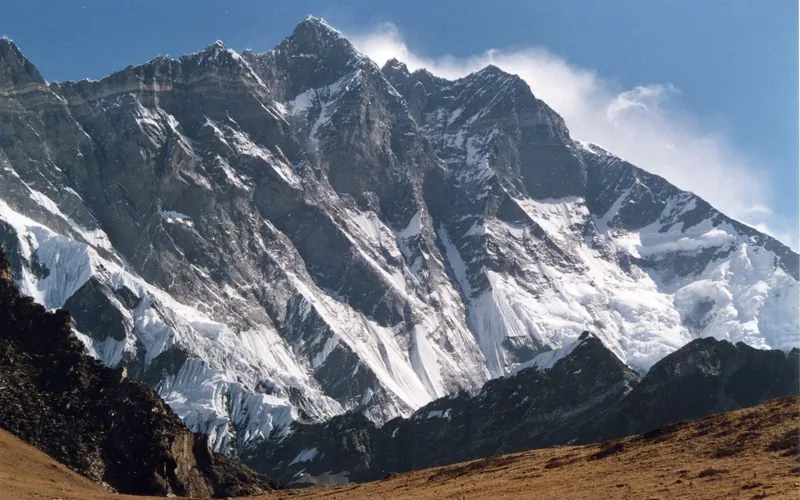
Lhotse, at 8,516 meters (27,940 ft), is the fourth-highest mountain on Earth, connected directly to Mount Everest via the South Col. Renowned for its sheer 3,200-meter South Face, one of the most imposing rock and ice walls in alpinism, the standard route tackles the grueling Lhotse Couloir from the Western Cwm.
Makalu
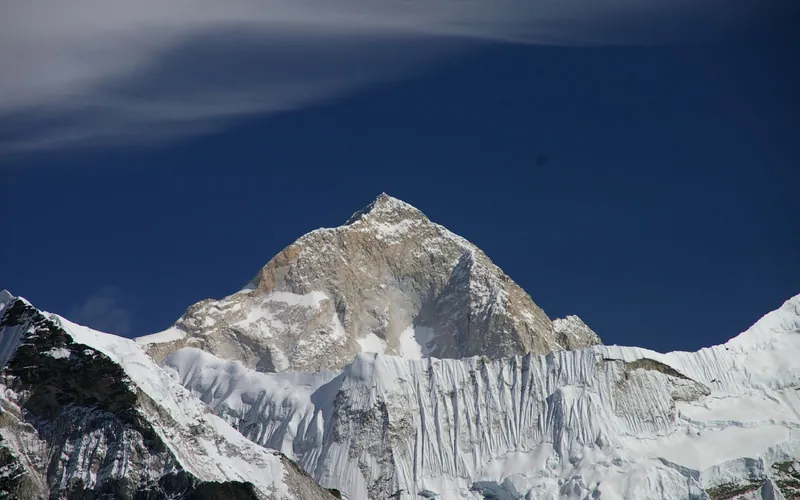
Makalu, at 8,485 meters (27,838 ft), is the fifth-highest mountain on Earth, located 19 km southeast of Mount Everest. An isolated four-sided granite pyramid, it is known for technical knife-edge ridges, severe exposure, and punishing weather, making it one of the most challenging eight-thousanders.
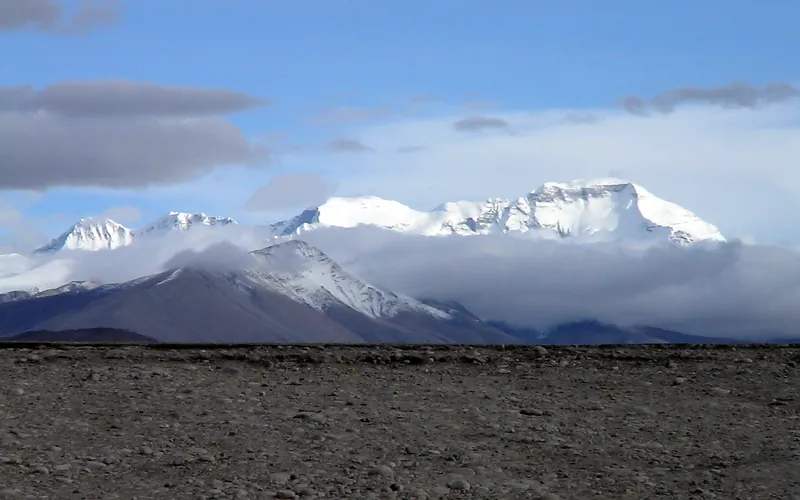
Cho Oyu
Cho Oyu, at 8,188 meters (26,864 ft), is the sixth-highest mountain in the world, situated 20 km west of Mount Everest. Meaning 'Turquoise Goddess' in Tibetan, it stands on the glaciated Nangpa La trade route between Nepal and Tibet. Its moderate northwest slopes make it the most accessible 8,000-meter peak.
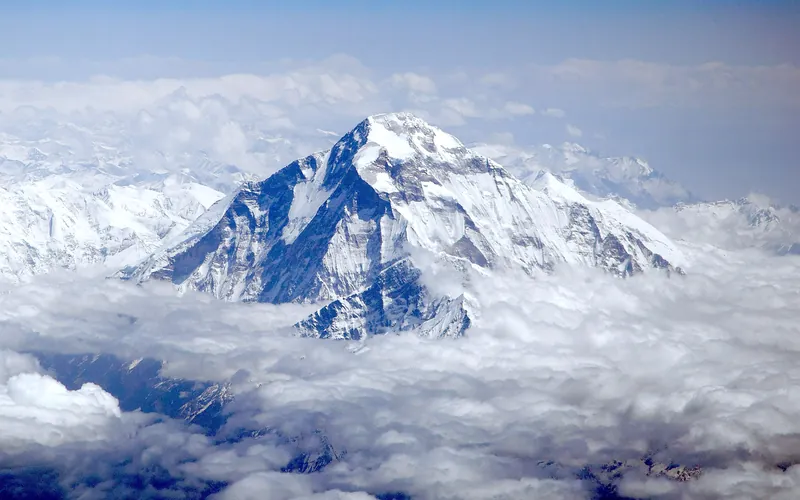
Dhaulagiri I
Dhaulagiri I, at 8,167 meters (26,795 ft), is the seventh-highest mountain on Earth and the highest peak situated entirely within Nepal. Rising steeply above the Kali Gandaki Gorge—the deepest gorge on Earth—opposite Annapurna, Dhaulagiri forms a staggering 7,000-meter vertical rise from the river valley.
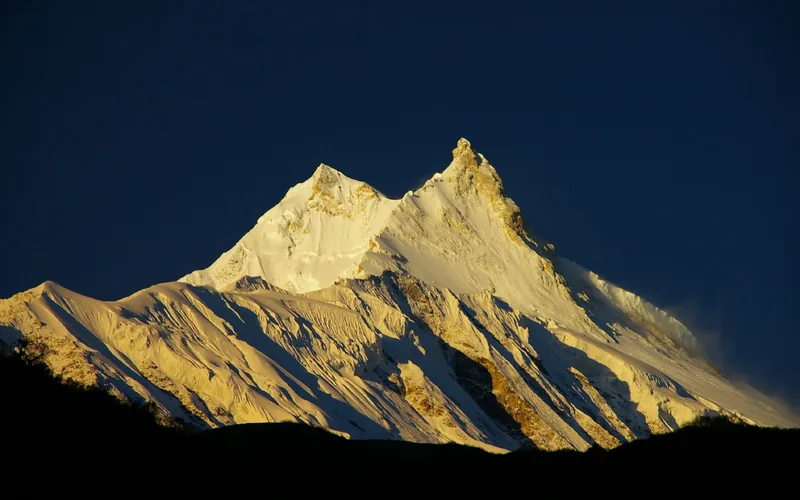
Manaslu
Manaslu, at 8,163 meters (26,781 ft), is the eighth-highest mountain in the world, situated in the Mansiri Himal of west-central Nepal. Known as the 'Mountain of the Spirit', its long ridges and valley glaciers offer dramatic topography culminating in a delicate, exposed knife-edge summit crest.
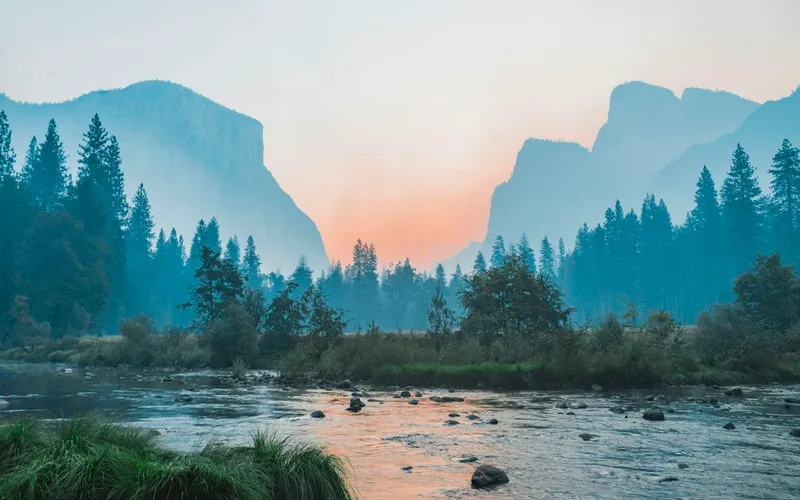
Nanga Parbat
Nanga Parbat, at 8,126 meters (26,660 ft), is the ninth-highest mountain on Earth and the western anchor of the Himalayas in Pakistan. It boasts the Rupal Face, the highest vertical precipice in the world at 4,600 meters from valley floor to summit. Known for profound climbing history, highlighted by Hermann Buhl's legendary solo summit without supplemental oxygen in 1953.
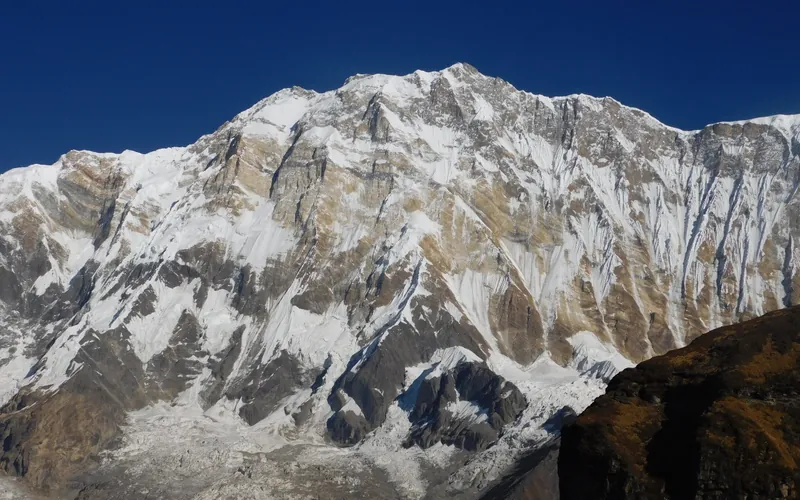
Annapurna I
Annapurna I, at 8,091 meters (26,545 ft), is the tenth-highest mountain in the world and historically the first 8,000-meter peak ever summited (June 3, 1950 by Maurice Herzog and Louis Lachenal). Rising above the Annapurna Sanctuary, its north and south walls present extreme avalanche and serac fall hazards.
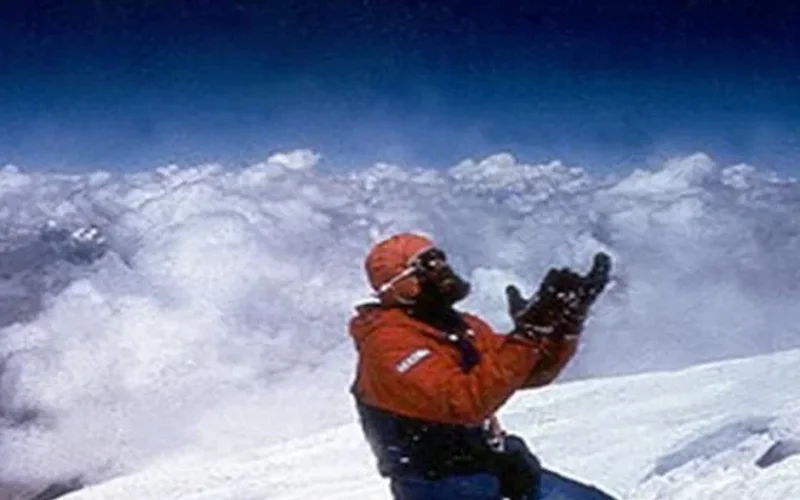
Gasherbrum I
Gasherbrum I, at 8,080 meters (26,510 ft), is the eleventh-highest mountain on Earth, also known as Hidden Peak or K5. Named by William Martin Conway in 1892 due to its extreme seclusion behind the Gasherbrum ridge, it stands on the border between Pakistan and China. First summited in 1958 by an American expedition led by Nicholas Clinch, it was also the scene of Reinhold Messner and Peter Habeler's historic 1975 alpine-style ascent without supplemental oxygen.
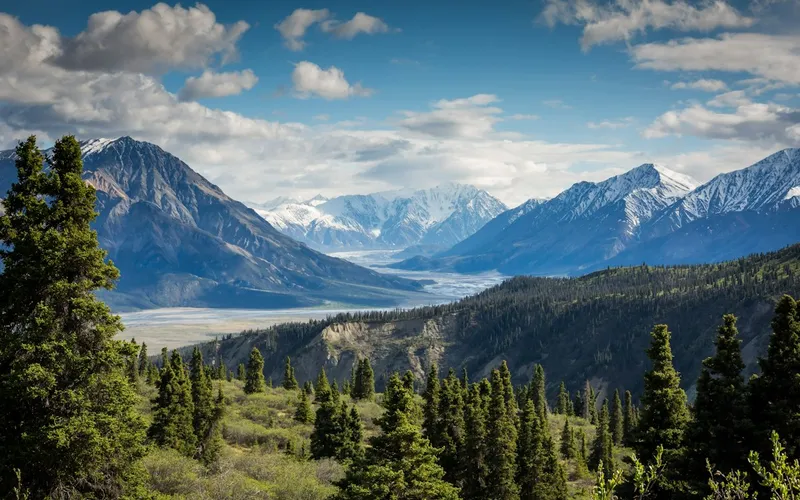
Broad Peak
Broad Peak, at 8,051 meters (26,414 ft), is the twelfth-highest mountain in the world. Located in the Karakoram directly across the Godwin-Austen Glacier from K2, it is famous for its 1.5-kilometre-long summit crest. First climbed in lightweight alpine style without supplemental oxygen or high-altitude porters in 1957 by an Austrian team.
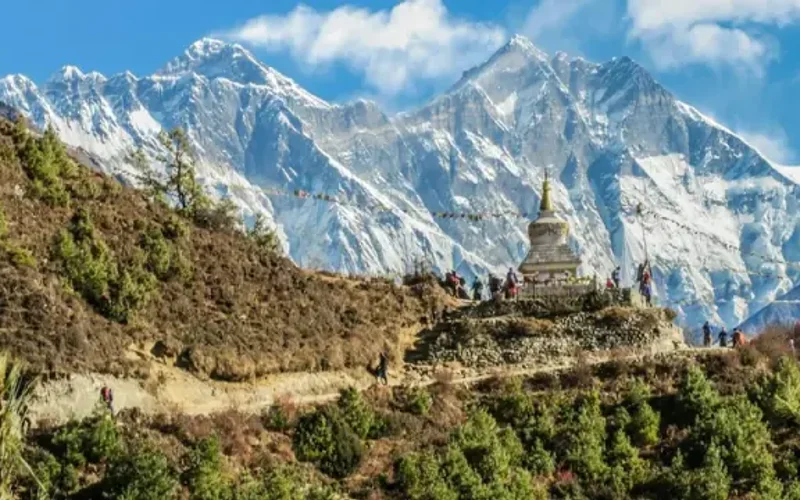
Gasherbrum II
Gasherbrum II, standing at 8,035 meters (26,362 ft), is the thirteenth-highest mountain on Earth and the third-highest peak of the Gasherbrum massif in the Karakoram. Located at the head of the Baltoro Glacier on the Pakistan-China frontier, it features a classic pyramidal profile with challenging ice couloirs. First summited in 1956 by an Austrian team, it was famously climbed in pure alpine style in 1982 by Reinhold Messner, Nazir Sabir, and Sher Khan.
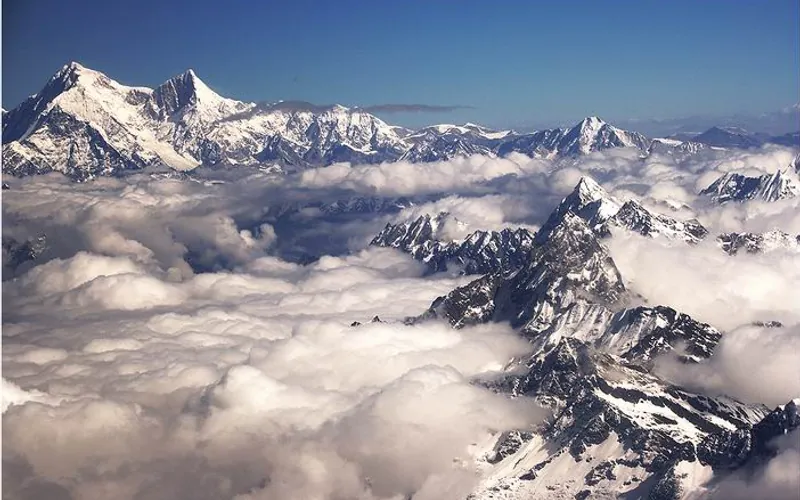
Shishapangma
Shishapangma, at 8,027 meters (26,335 ft), is the fourteenth-highest mountain on Earth and the only 8,000-meter peak situated entirely within Tibetan/Chinese territory. Due to geopolitical restrictions, it was the final eight-thousander to be climbed, summited by a Chinese expedition on May 2, 1964.
Associated Mountain Peaks (7)
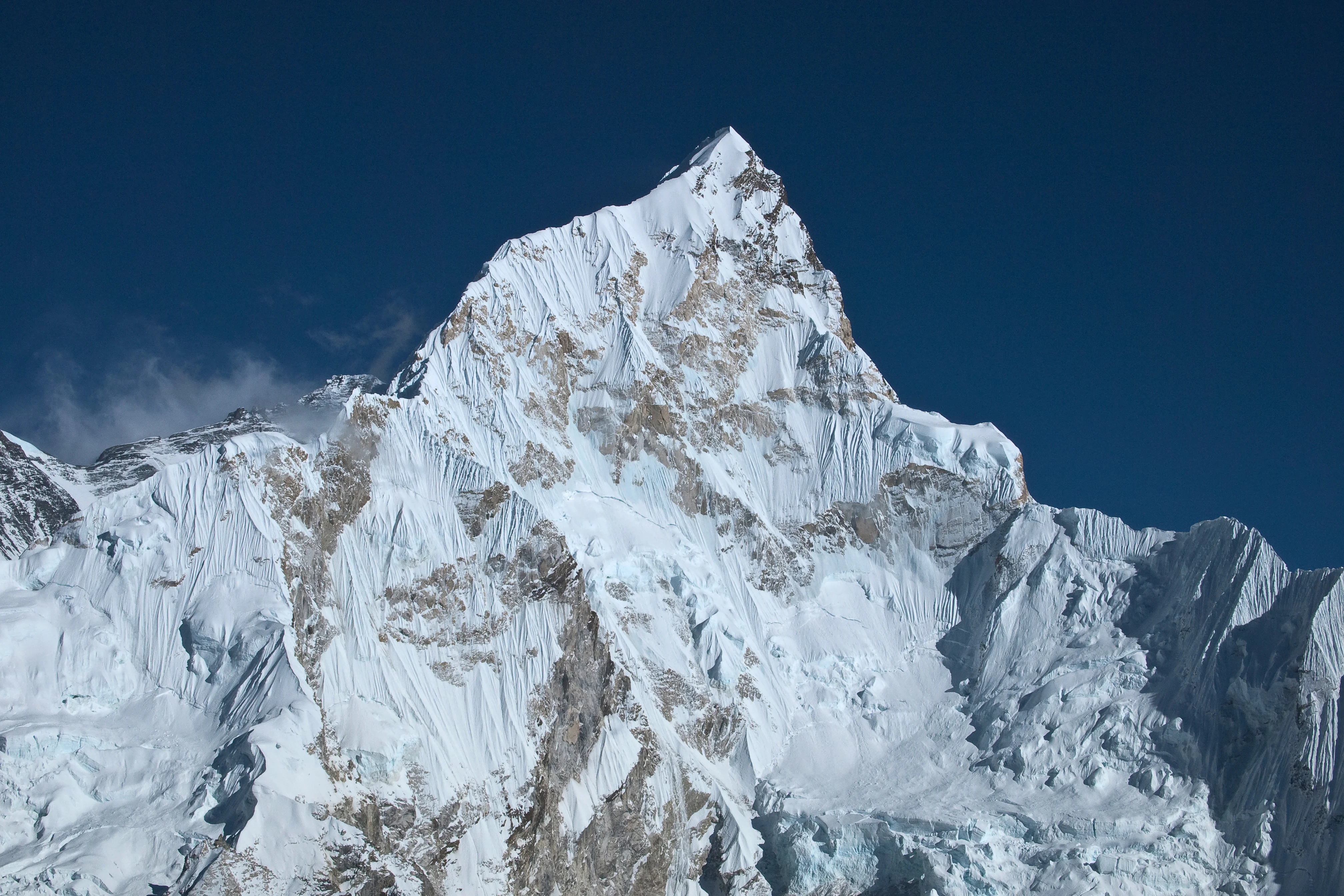
Nuptse
Nuptse is a dramatic 7,861-meter mountain in the Khumbu region of the Nepalese Himalayas, lying two kilometers west-southwest of Mount Everest and forming the formidable southwestern wall of the Western Cwm. In Tibetan, its name translates directly to 'West Peak', signifying its position in the monumental Everest-Lhotse-Nuptse horseshoe. The south face of Nuptse is an extraordinarily steep 2,500-meter wall of ice flutes, vertical rock buttresses, and hanging glaciers that is considered one of the greatest alpine climbing challenges on Earth. The mountain was first climbed on May 16, 1961, by British mountaineer Dennis Davis and Sherpa legend Tashi Sherpa via the North Ridge.
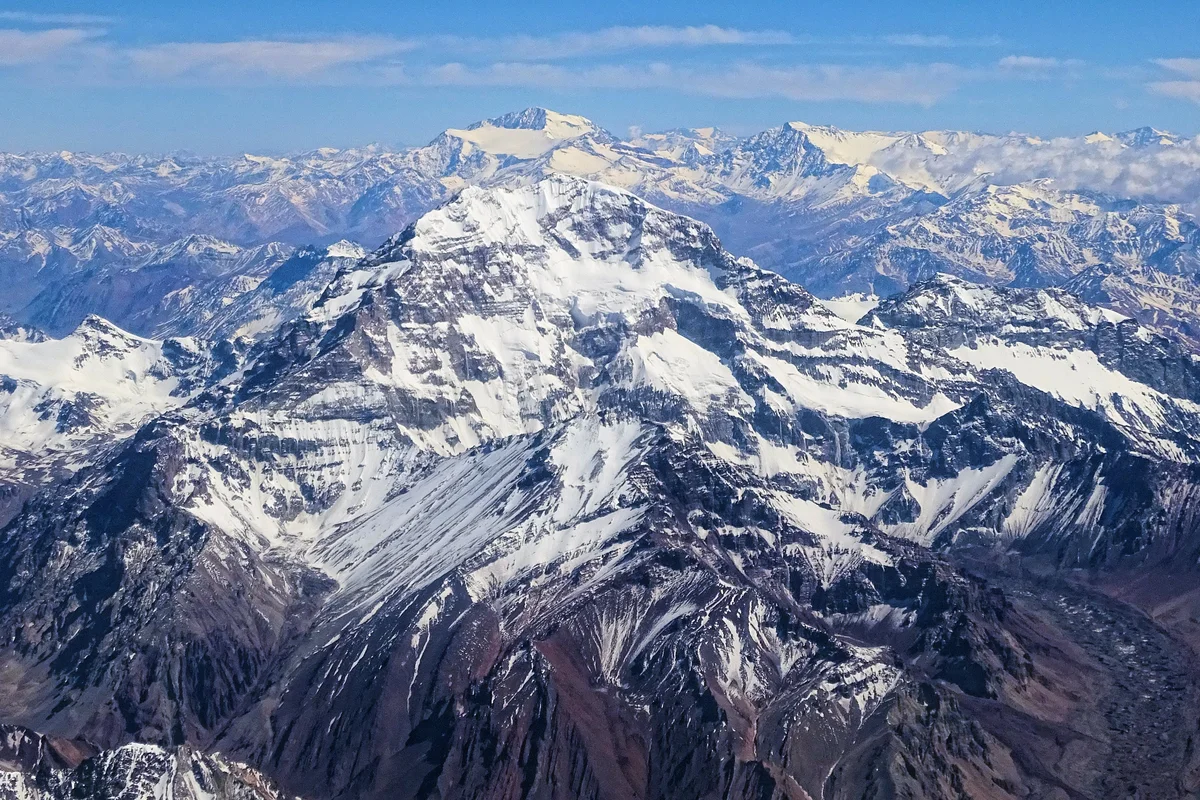

Aconcagua
Aconcagua is the highest mountain in the Americas and the highest peak outside Asia, rising to 6,961 metres in Argentina's Andes. Celebrated as the second most topographically prominent mountain on Earth, it features colossal glaciated faces, intense high-altitude gales, and historic routes including the Polish Glacier.
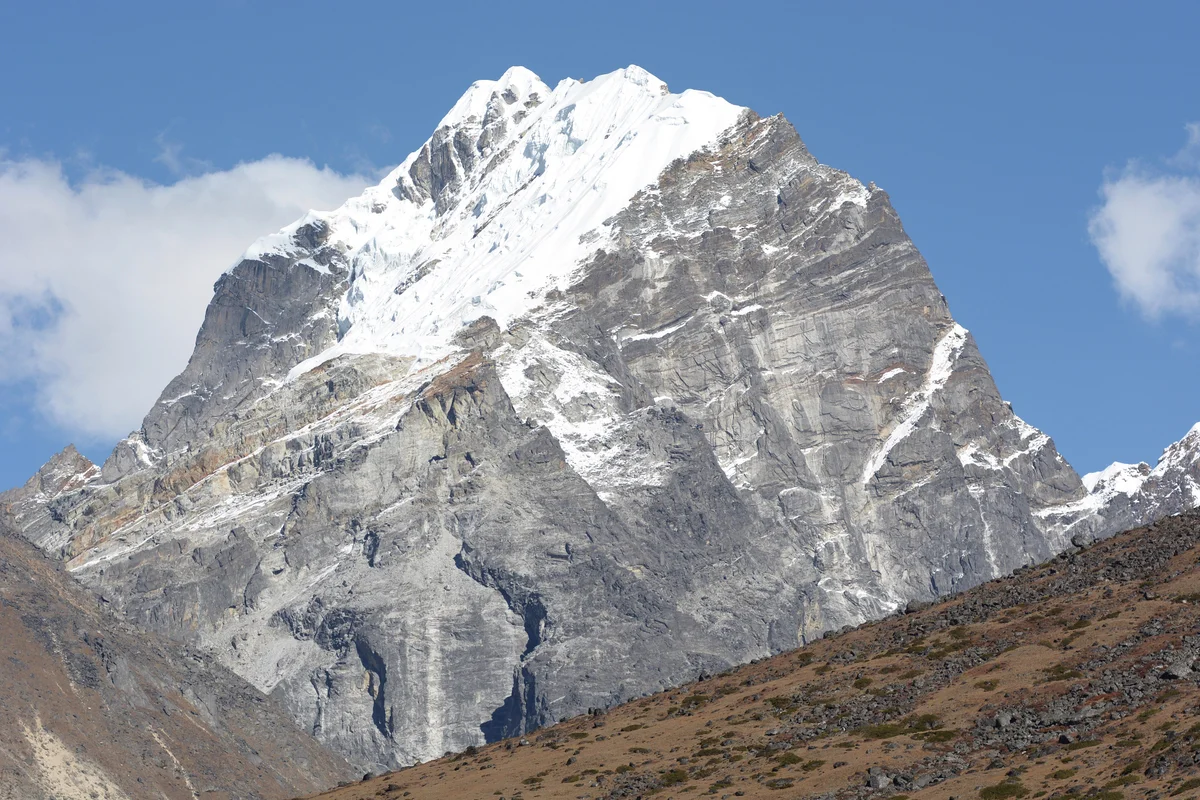
Lobuche East
Lobuche East is a majestic 6,000-meter peak rising to 6119 meters in the Himalaya (Khumbu, Nepal). Documented in international mountaineering archives following its historic first ascent in 1984 by Laurence Nielson, Ang Gyalzen Sherpa (United States / Nepal), the peak presents technical ridgelines and high-altitude alpine terrain.
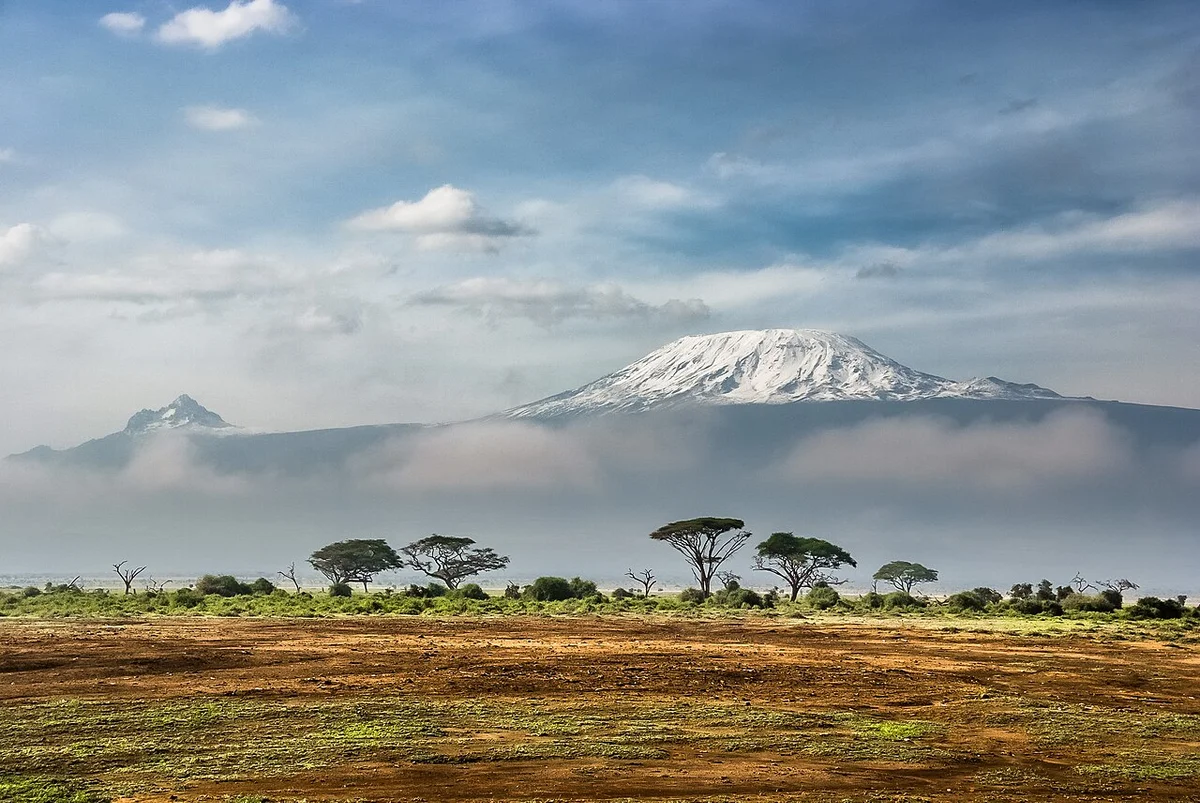
Mount Kilimanjaro
Mount Kilimanjaro is the highest mountain in Africa, the highest free-standing mountain in the world, and one of the Seven Summits, soaring to 5,895 metres (19,341 ft) above the plains of northeastern Tanzania. Consisting of three distinct volcanic cones—Kibo, Mawenzi (5,149 m), and Shira (4,005 m)—its summit at Uhuru Peak was first reached on October 6, 1889, by German geographer Hans Meyer, Austrian alpine pioneer Ludwig Purtscheller, and local Chagga mountain scout Yohani Lauwo.
Mount Vinson / Vinson Massif
Mount Vinson is the highest peak in Antarctica at 4,892 metres (16,050 ft), situated in the Sentinel Range of the Ellsworth Mountains approximately 1,200 kilometres from the South Pole. As the summit of Antarctica, it forms one of the celebrated Seven Summits. First sighted by a US Navy aircraft in January 1958 and named after Georgia congressman Carl Vinson, the peak was conquered on December 18, 1966, by a team led by Nicholas Clinch and Barry Corbet during the historic American Antarctic Mountaineering Expedition. While technically moderate via the Branscomb Glacier, climbing Mount Vinson demands extreme endurance against temperatures plunging to -40°C and ferocious katabatic blizzards.

Carstensz Pyramid / Puncak Jaya
Carstensz Pyramid (Puncak Jaya / Nemangkawi) is the highest mountain in Indonesia, the highest island peak on Earth, and the highest summit in Oceania at 4,884 metres (16,024 ft). As one of the Seven Summits, it presents the unique challenge of technical limestone rock climbing above dense equatorial cloud forests and vanishing tropical glaciers. First climbed on February 13, 1962, by an expedition led by Austrian mountaineer Heinrich Harrer alongside Philip Temple, Russell Kippax, and Albertus Huizenga, Carstensz Pyramid requires ascending vertical limestone slabs and crossing a famous Tyrolean traverse across a sheer 15-metre chasm high on the summit ridge.
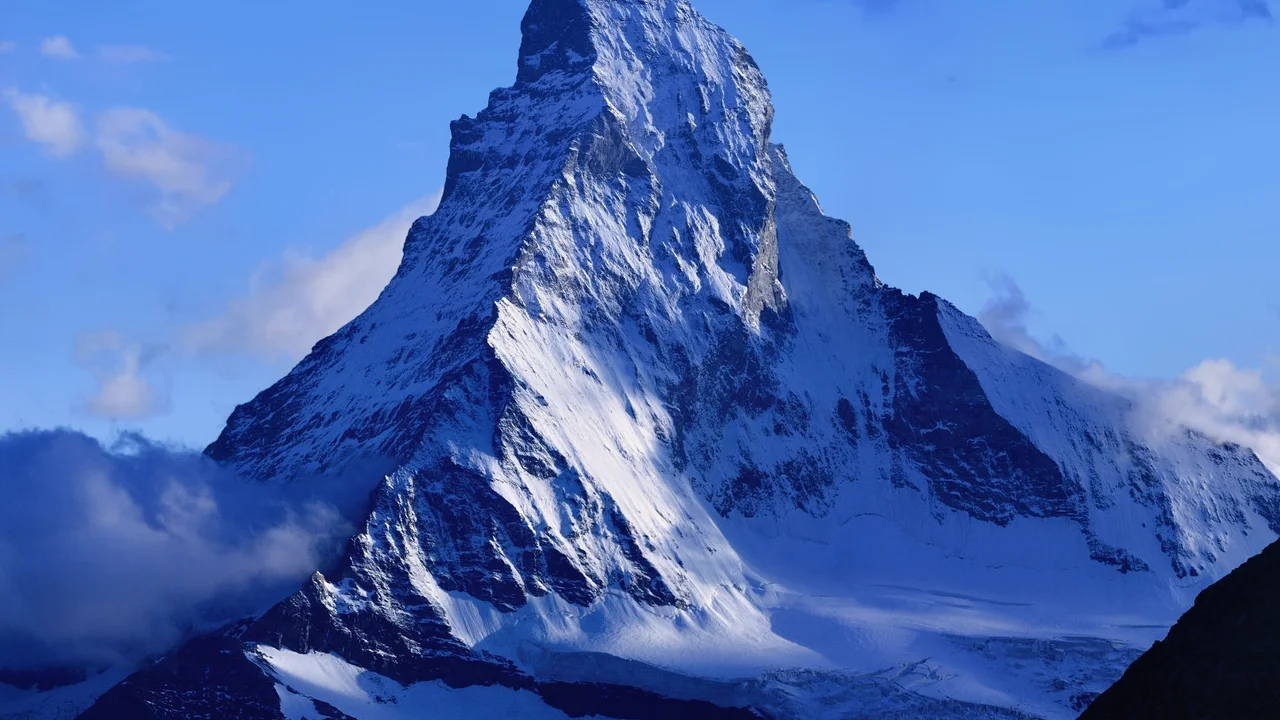


Matterhorn
The Matterhorn (Monte Cervino), at 4,478 meters (14,692 ft), is one of the most recognizable and dramatic pyramidal peaks in the world. Straddling the border between Zermatt, Switzerland, and Breuil-Cervinia, Italy, its four triangular faces match the cardinal points of the compass. Its historic first ascent by Edward Whymper on July 14, 1865, and the tragic fall of four teammates on the descent marked the end of the Golden Age of Alpinism.
Geographical Footprint & Mountain Ranges (7)
Spanning France, Italy, Switzerland, Austria
Spanning Argentina, Chile, Peru, Bolivia, Ecuador, Colombia, Venezuela
Spanning Tanzania, Kenya
Spanning Pakistan, Nepal, China, India, Bhutan
Spanning Pakistan, China, India
Spanning Antarctica
Spanning Indonesia
Documented Ascent Routes (18)
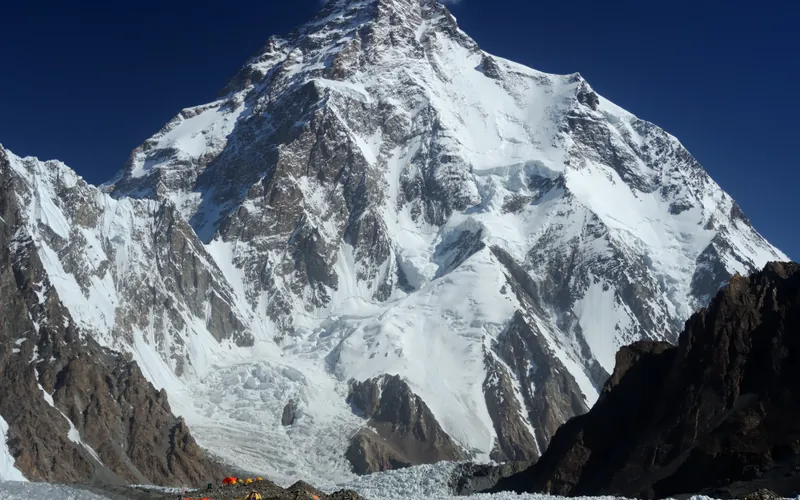
Abruzzi Spur (Southeast Ridge)
The Abruzzi Spur is the most famous and frequently climbed route on K2, tracing the mountain's steep southeast ridge from the Godwin-Austen Glacier to the summit. First explored in 1909 by Prince...
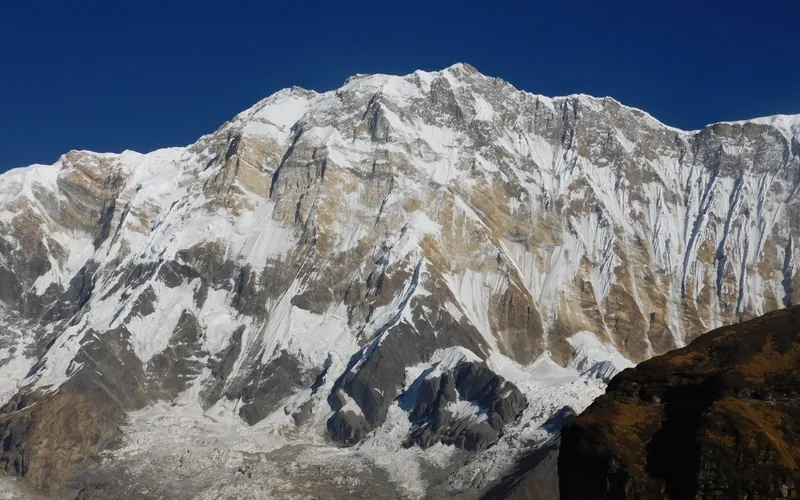
Annapurna I North Face (Herzog-Lachenal Route)
The North Face of Annapurna I is the historic first route ever climbed on an 8,000-meter peak, pioneered by French climbers Maurice Herzog and Louis Lachenal on June 3, 1950. Approached via the...
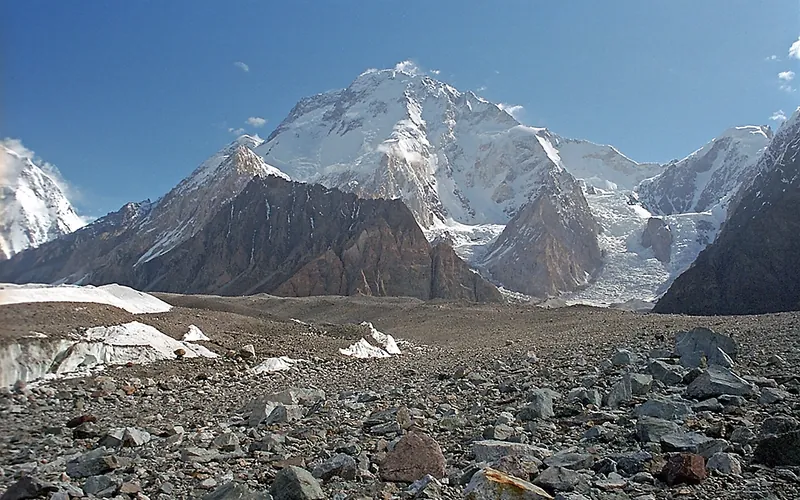
Normal Route (West Ridge & Northwest Face)
The Normal Route on Broad Peak ascends the rugged western spur from the Godwin-Austen Glacier, navigating steep mixed rock ribs before entering the upper glacial basin beneath the high saddle (the...
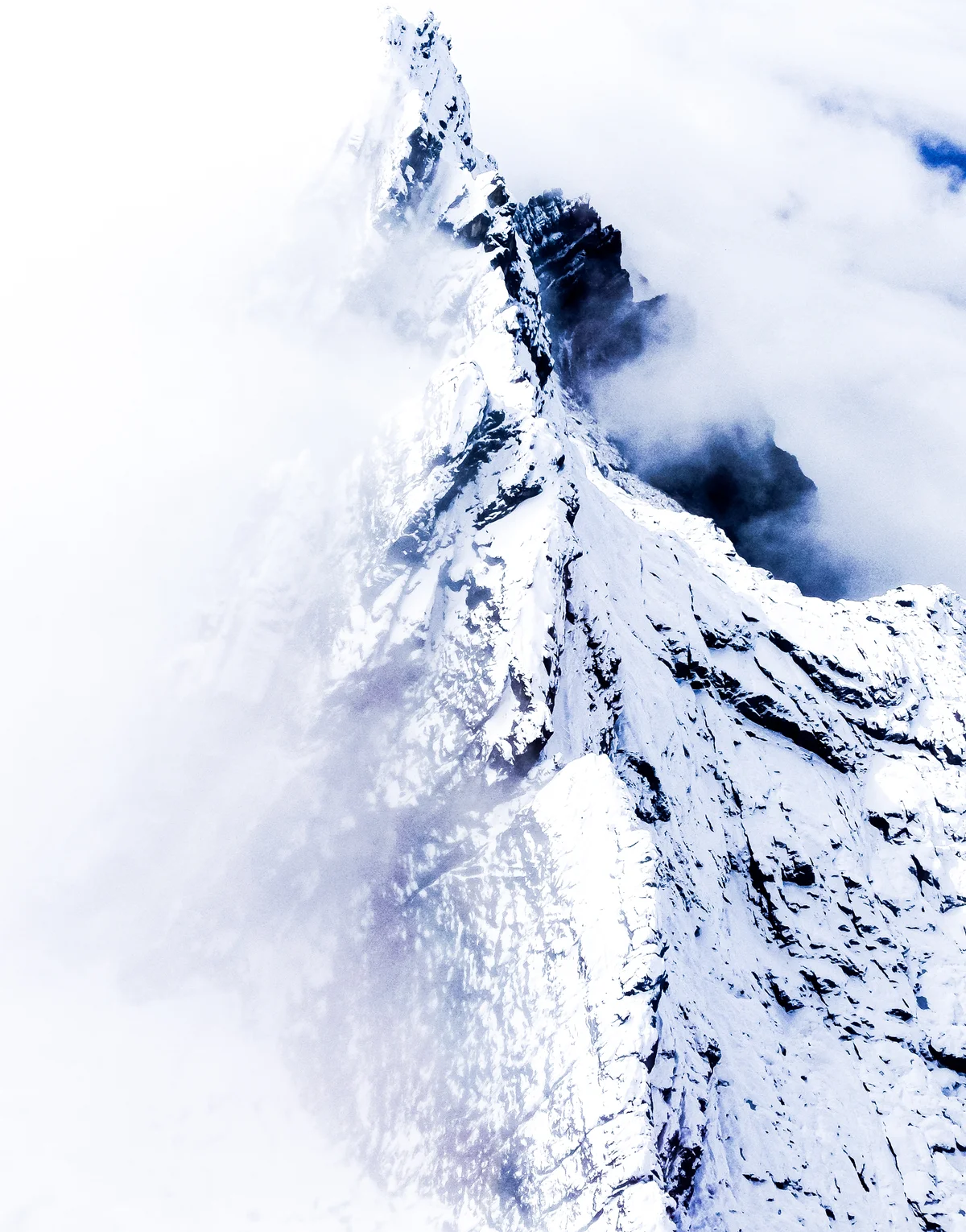
Normal Route of Carstensz Pyramid (Harrer Route)
The Normal Route (also known as the Harrer Route) is the historic standard line of ascent up Carstensz Pyramid / Puncak Jaya (4,884 m), the highest peak in Oceania. Rising from the Yellow Valley Base...
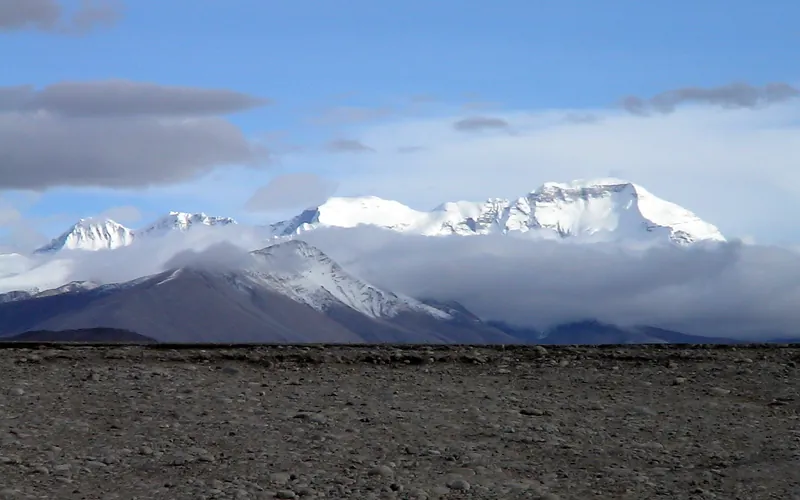
Cho Oyu Northwest Face & Ridge (Normal Route)
The Northwest Ridge is the standard and most climbed route on Cho Oyu, approached from the Tibetan plateau via the Gyabrag Glacier. First climbed in 1954 by an Austrian expedition, the route features...
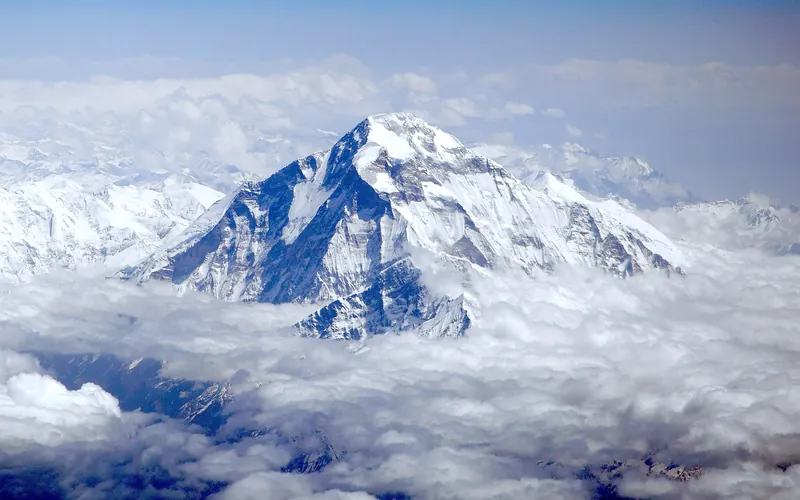
Dhaulagiri I Northeast Ridge (Normal Route)
The Northeast Ridge is the standard climbing route on Dhaulagiri I, first ascended in 1960 by a Swiss-Austrian team. The route begins on the glaciated Mayangdi Khola valley, climbs to the Northeast...
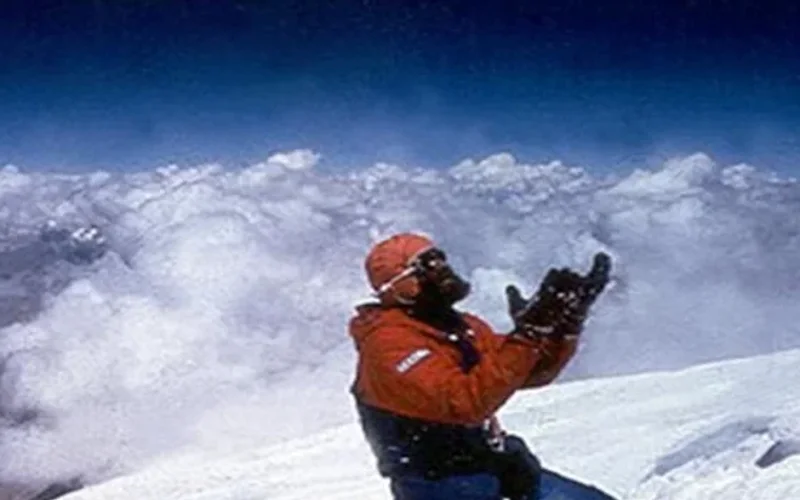
Northwest Face & Japanese Couloir (Normal Route)
The Northwest Face via the Japanese Couloir is the standard and most frequently climbed line on Gasherbrum I (8,068m / Hidden Peak). Starting from the South Gasherbrum Glacier, climbers traverse the...
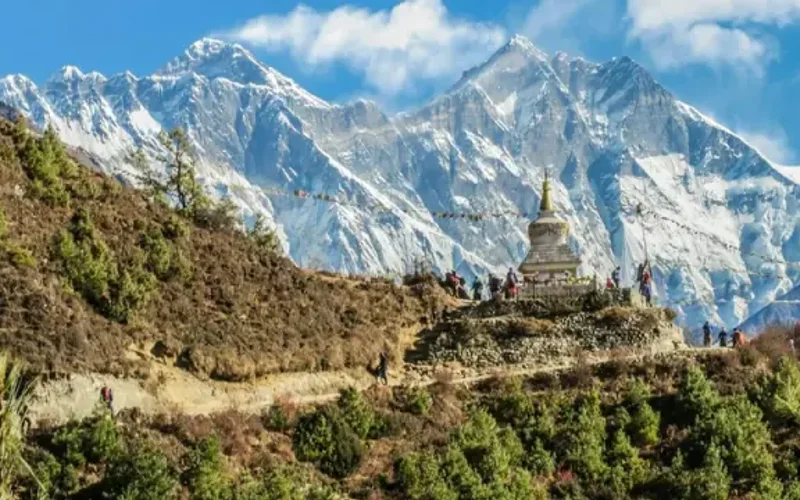
Southwest Ridge (Normal Route)
The Southwest Ridge is the standard and historically celebrated route on Gasherbrum II (8,035m). Starting from the South Gasherbrum Glacier, climbers navigate the heavily crevassed lower icefall into...
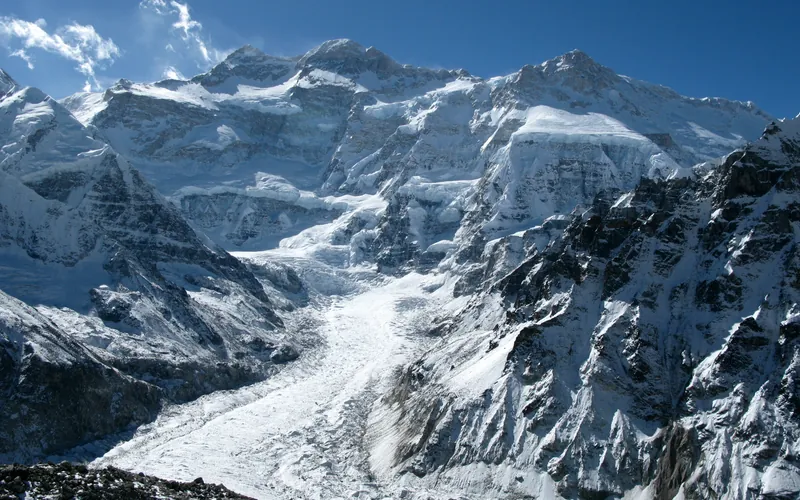
Kangchenjunga Southwest Face (Normal Route)
The Southwest Face route is the classic line of ascent on Kangchenjunga, climbing out of the Yalung Glacier cirque in eastern Nepal. First forged in 1955 by British mountaineers Joe Brown and George...
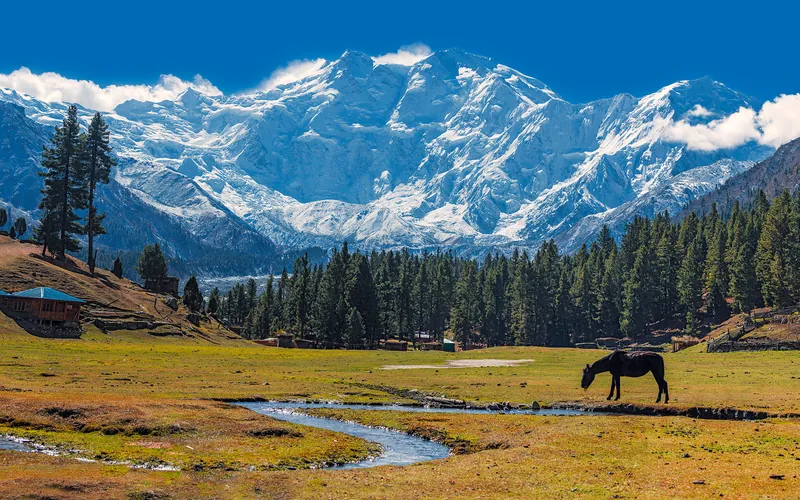
Kinshofer Route (Diamir Face)
The Kinshofer Route is the standard climbing route up the Diamir Face on Nanga Parbat's western side. First climbed in 1962 by German mountaineer Toni Kinshofer and his teammates, it is famous for...
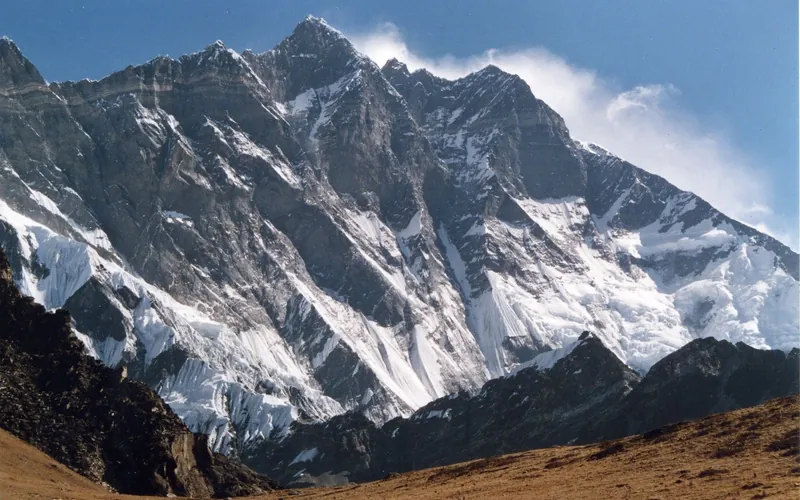
Lhotse Normal Route (West Face & Couloir)
The Normal Route on Lhotse shares the Everest South Col route through the treacherous Khumbu Icefall and across the Western Cwm up to Camp 3 on the Lhotse Face (7,200m). Beyond the Yellow Band, the...
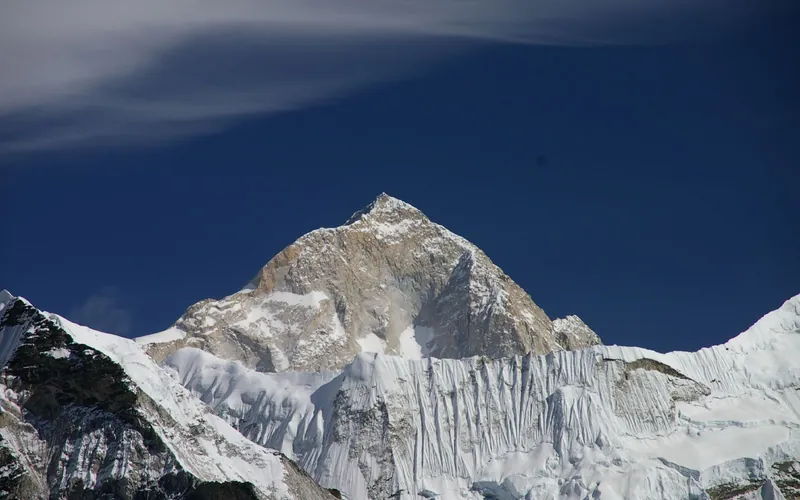
Makalu Northwest Ridge (French Route)
The Northwest Ridge is the classic pioneering line on Makalu, first opened by the historic French expedition of 1955. From Advanced Base Camp on the Chago Glacier, climbers ascend steep snow and ice...
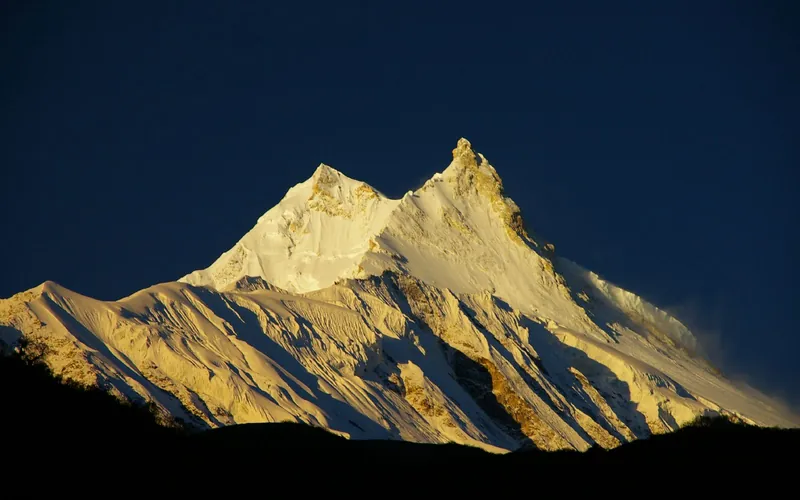
Manaslu Northeast Face (Normal Route)
The Northeast Face is the standard route on Manaslu, first forged in 1956 by a Japanese expedition. Ascending from the Manaslu Glacier above the village of Samagaon, the route climbs through an...
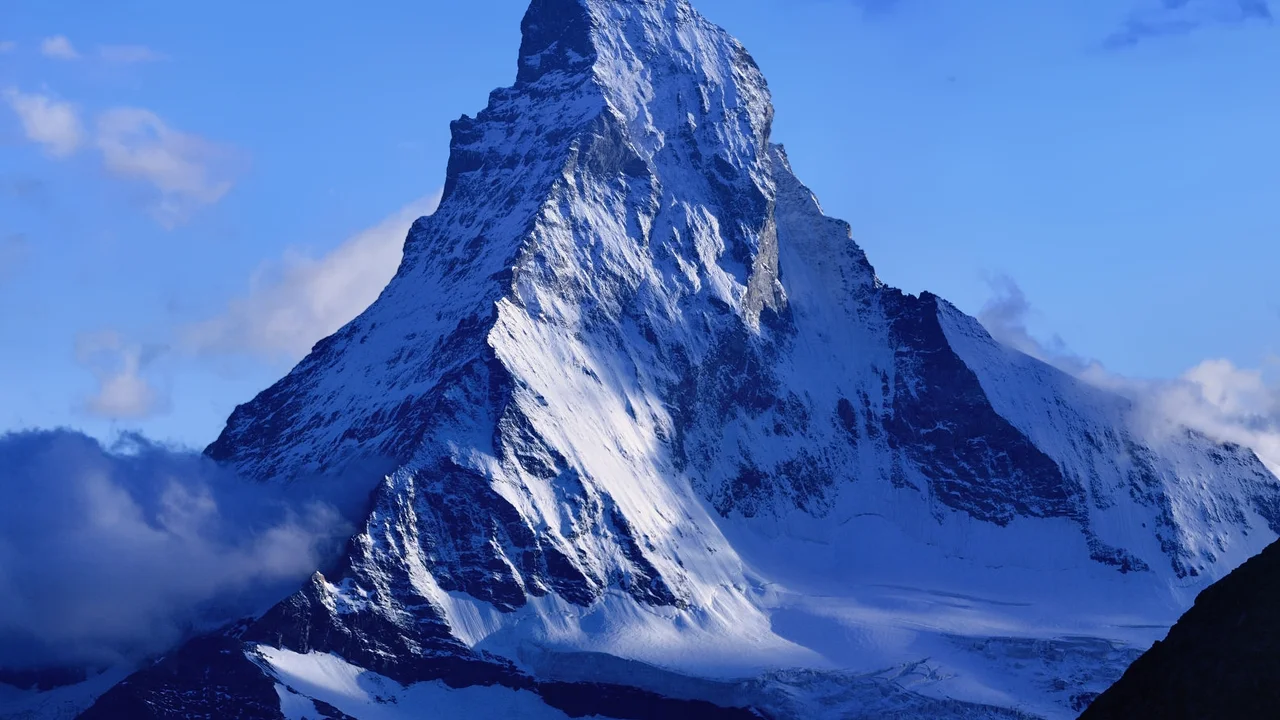
Hörnli Ridge (Normal Route)
The Hörnli Ridge (Hörnligrat) is the northeast ridge of the Matterhorn and the standard normal route from Zermatt. Starting from the Hörnli Hut (3,260m), the route follows the sharp, crumbling...
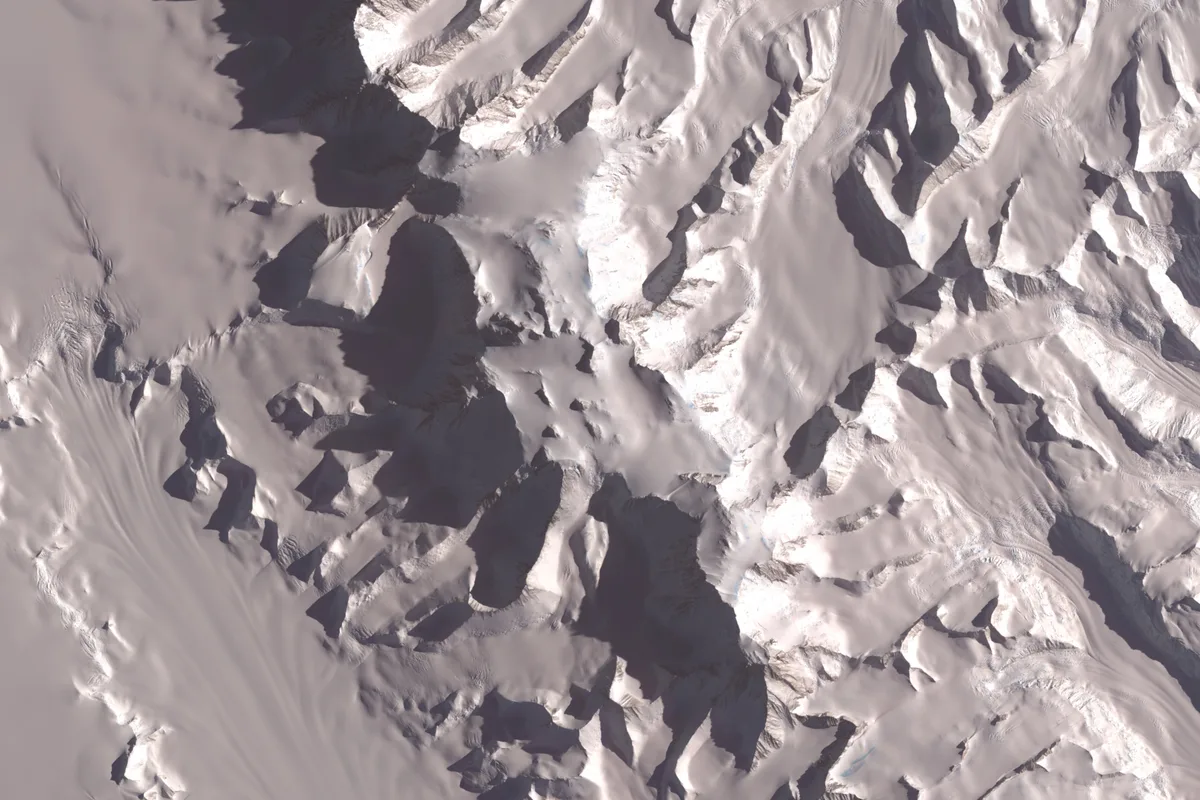
Normal Route of Mount Vinson (Branscomb Glacier Route)
The Normal Route on Mount Vinson ascends the gentle yet crevasse-riven Branscomb Glacier to gain the high saddle between Mount Shinn and Mount Vinson, continuing across the Vinson Plateau to the...
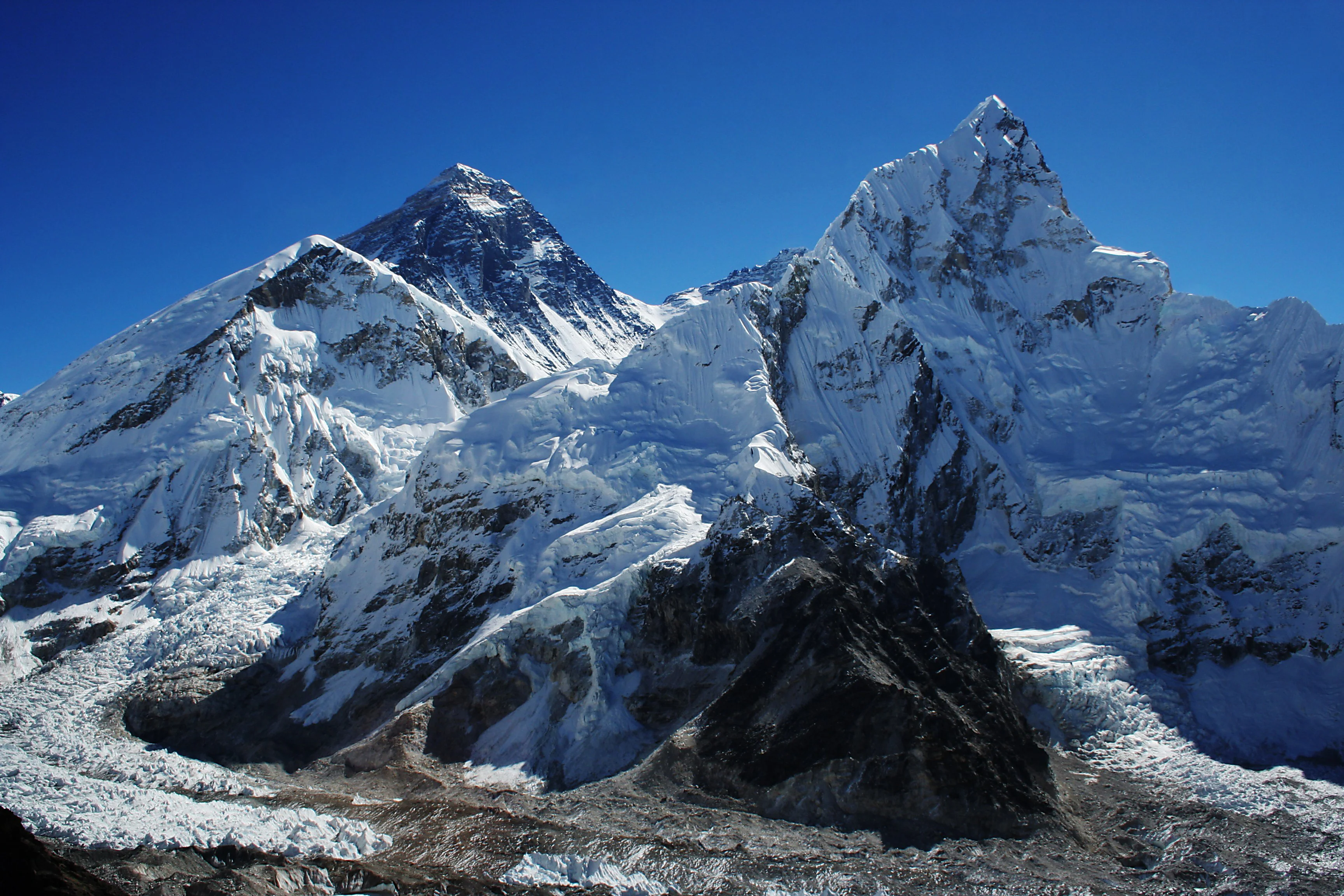
Nuptse South Face
The South Face of Nuptse is an awe-inspiring 2,500-meter wall of mixed ice flutes, vertical granite pillars, and hanging glaciers rising above the Khumbu Glacier. Widely acclaimed as one of the...
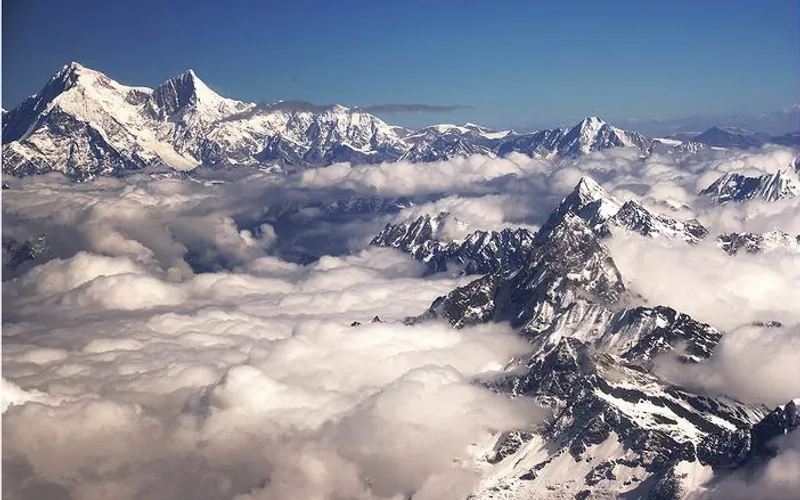
Shishapangma Northwest Ridge (Normal Route)
The Northwest Ridge is the standard route on Shishapangma, situated entirely in Tibet and first ascended by a Chinese expedition in 1964. Approached from the dry, high-altitude plateau of southern...
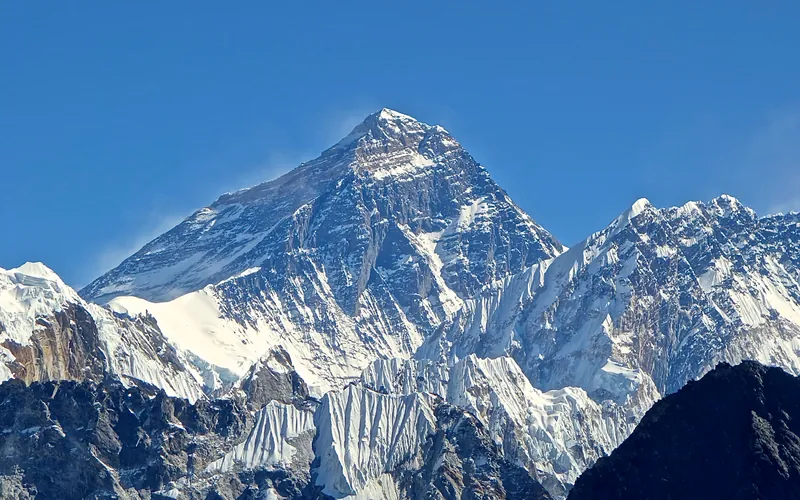
South Col & Southeast Ridge (Normal Route)
The South Col Route along the Southeast Ridge is the historic path of the 1953 first ascent and the most popular route on Mount Everest. Starting from Base Camp on the Khumbu Glacier in Nepal,...
Documented Expeditions (25)
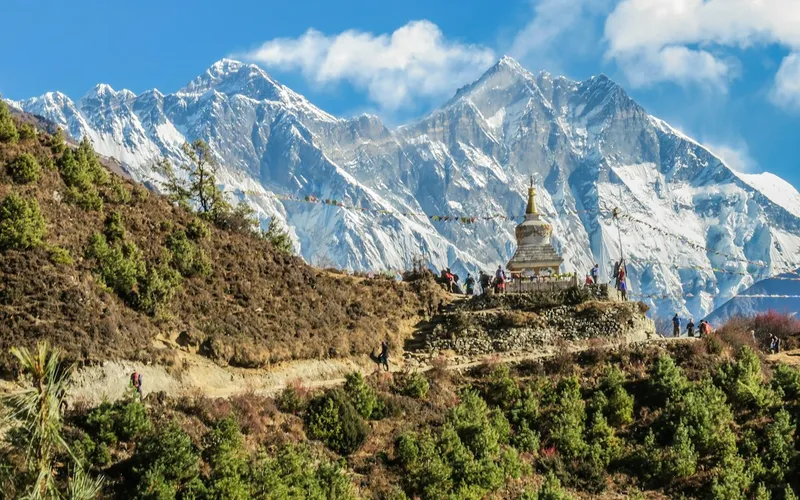
2022 Kristin Harila Bremont 14 Peaks Campaign
During her 2022 Bremont 14 Peaks campaign, Kristin Harila summited 12 eight-thousanders in five months and set the world record for the five highest peaks in 69 days.
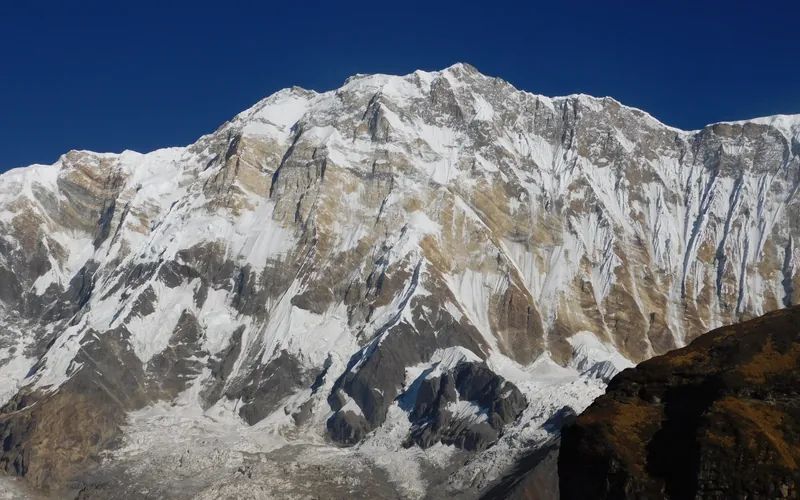
2023 Kristin Harila & Tenjen Sherpa Annapurna I Expedition
On June 5, 2023, Kristin Harila and Tenjen (Lama) Sherpa conquered the perilous North Face of Annapurna I (8,091m), surviving treacherous serac exposure.
2023 Kristin Harila & Tenjen Sherpa Broad Peak Expedition
On July 23, 2023, Kristin Harila and Tenjen (Lama) Sherpa conquered Broad Peak (8,051m), traversing the knife-edge crest to the true summit.
2023 Kristin Harila & Tenjen Sherpa Cho Oyu Expedition
Just seven days after Shishapangma, Kristin Harila and Tenjen (Lama) Sherpa conquered Cho Oyu (8,188m) from the Tibetan plateau on May 3, 2023, clearing both critical Chinese peaks.
2023 Kristin Harila & Tenjen Sherpa Dhaulagiri I Expedition
On May 29, 2023, Kristin Harila and Tenjen (Lama) Sherpa summited Dhaulagiri I (8,167m) via the Northeast Ridge, completing seven eight-thousanders in 33 days.
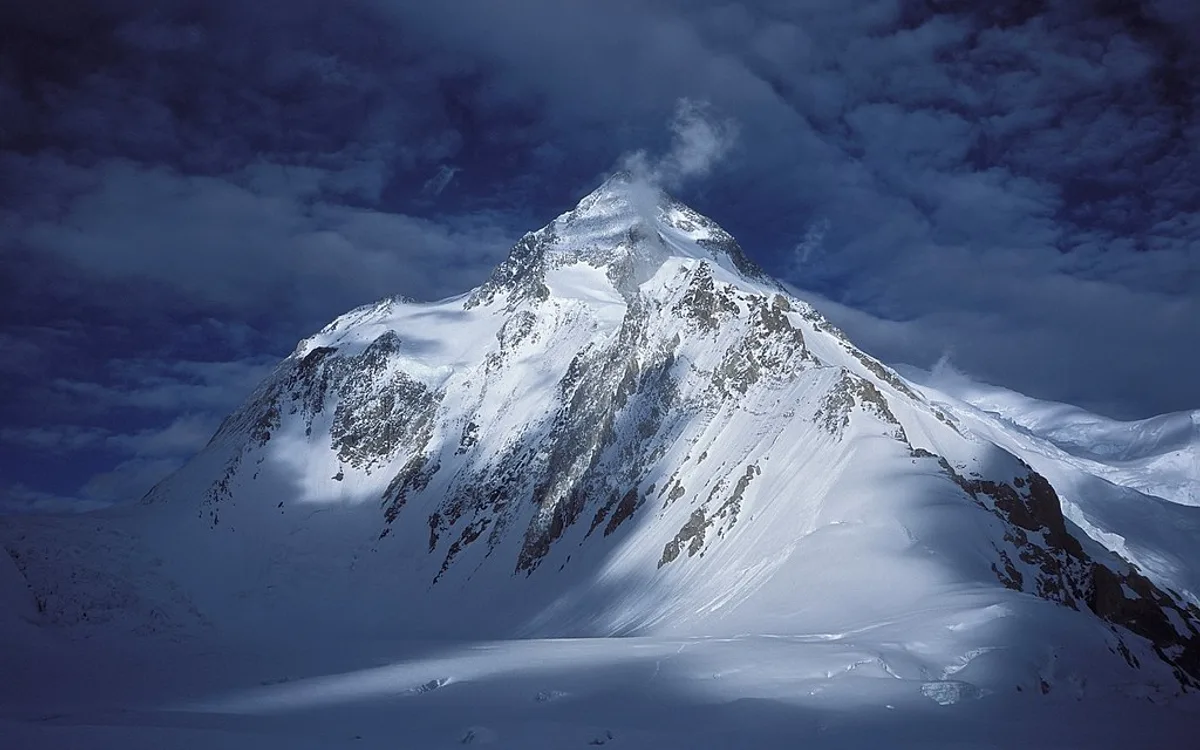
2023 Kristin Harila & Tenjen Sherpa Gasherbrum I Expedition
Just three days after Gasherbrum II, Kristin Harila and Tenjen (Lama) Sherpa climbed Gasherbrum I (8,080m) on July 18, 2023, claiming their twelfth 8,000-meter peak.
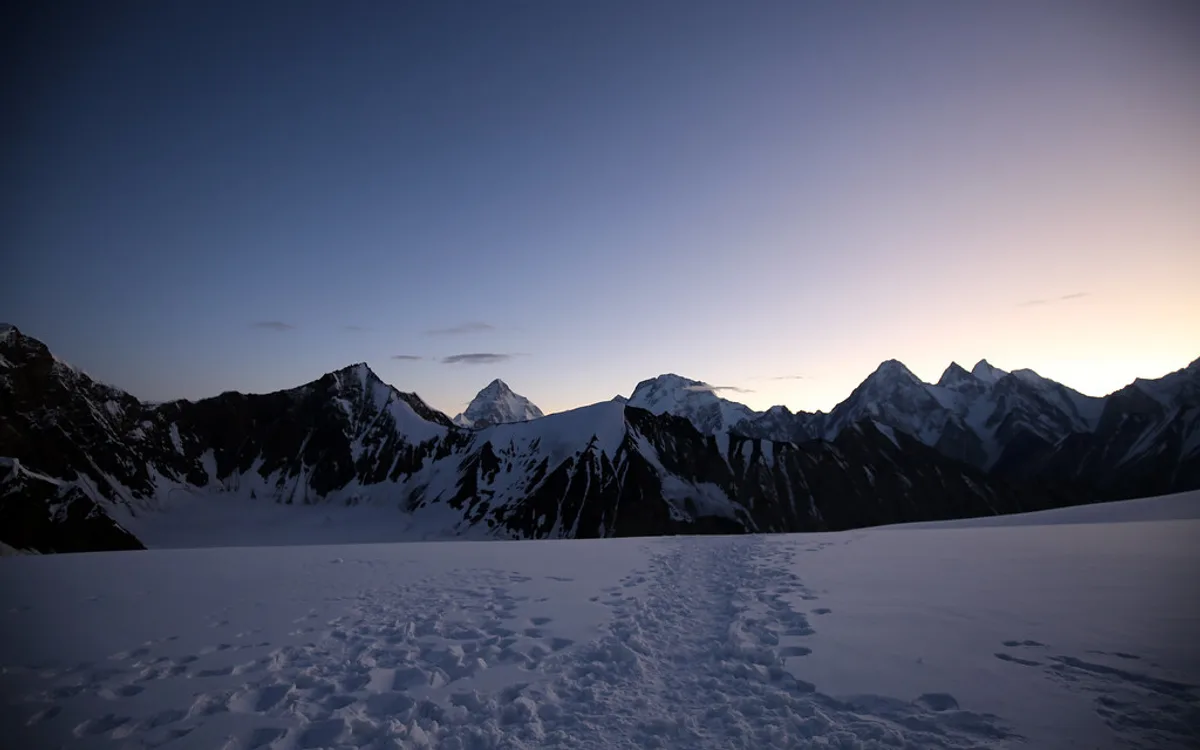
2023 Kristin Harila & Tenjen Sherpa Gasherbrum II Expedition
On July 15, 2023, Kristin Harila and Tenjen (Lama) Sherpa climbed Gasherbrum II (8,035m) via the Southwest Ridge, entering the final four peaks of their world record quest.
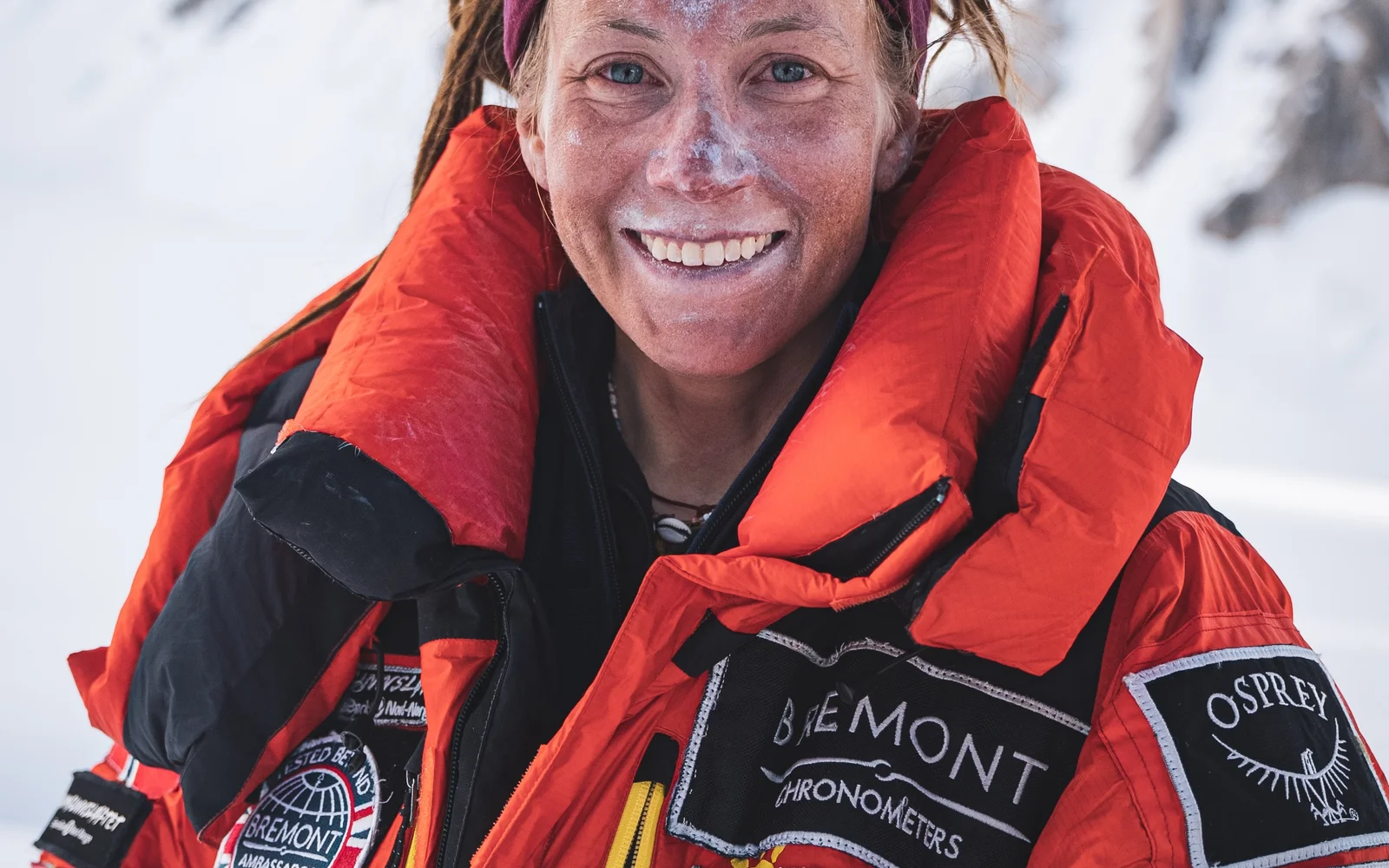
2023 Kristin Harila & Tenjen Sherpa K2 Expedition
On July 27, 2023, Kristin Harila and Tenjen (Lama) Sherpa summited K2 (8,611m), setting the official Guinness World Record of 92 days for all 14 eight-thousanders.
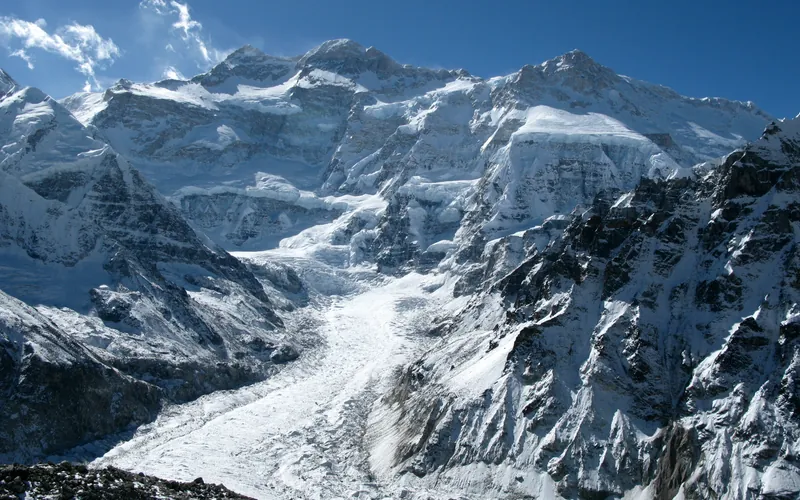
2023 Kristin Harila & Tenjen Sherpa Kangchenjunga Expedition
On May 18, 2023, Kristin Harila and Tenjen (Lama) Sherpa conquered Kangchenjunga (8,586m) via the Southwest Face in an exhausting round-the-clock push.
2023 Kristin Harila & Tenjen Sherpa Lhotse Expedition
Descending from Everest to the South Col, Kristin Harila and Tenjen (Lama) Sherpa climbed Lhotse (8,516m) at 11:15 AM on May 23, 2023, achieving a sub-8-hour double summit.
2023 Kristin Harila & Tenjen Sherpa Makalu Expedition
On May 13, 2023, Kristin Harila and Tenjen (Lama) Sherpa climbed Makalu (8,485m) via the Northwest Ridge, claiming their third 8,000-meter peak in seventeen days.
2023 Kristin Harila & Tenjen Sherpa Manaslu Expedition
On June 10, 2023, Kristin Harila and Tenjen (Lama) Sherpa summited Manaslu (8,163m), reaching the true summit ridge to conclude their Nepal phase with 9 peaks in 45 days.
2023 Kristin Harila & Tenjen Sherpa Mount Everest Expedition
On May 23, 2023, at 3:15 AM, Kristin Harila and Tenjen (Lama) Sherpa stood atop Mount Everest (8,848.86m), kicking off a record same-day Everest–Lhotse traverse.
2023 Kristin Harila & Tenjen Sherpa Nanga Parbat Expedition
On June 26, 2023, Kristin Harila and Tenjen (Lama) Sherpa summited Nanga Parbat (8,126m) via the Kinshofer Route, kicking off the Pakistan Karakoram campaign.
2023 Kristin Harila & Tenjen Sherpa Shishapangma Expedition
On April 26, 2023, Kristin Harila and Tenjen (Lama) Sherpa summited Shishapangma (8,027m) via the North Face, starting the official 92-day clock on their historic true-summit world record.
2024 Kristin Harila Matterhorn Ascent
On August 5, 2024, Norwegian alpinist Kristin Harila summited the iconic Matterhorn (4,478m) in Switzerland via the classic Hörnli Ridge.
2024 Kristin Harila Shishapangma Expedition
On October 9, 2024, Kristin Harila reached the summit of Shishapangma (8,027m) in Tibet, marking a poignant return to the mountain where her 2023 record began.
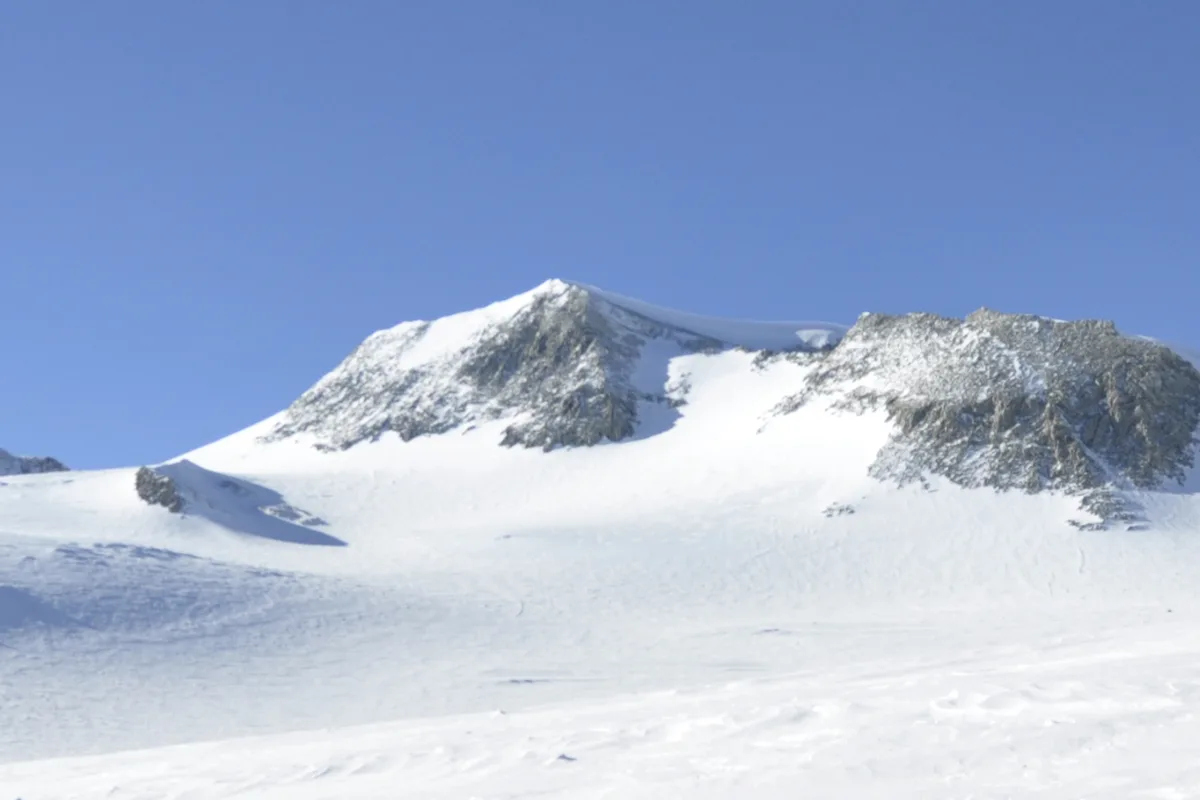
2024 Kristin Harila South Pole Ski Expedition Attempt
In December 2024, Kristin Harila attempted a solo ski trek to the South Pole, skiing 700 km before a severe lumbar injury forced termination on December 30.
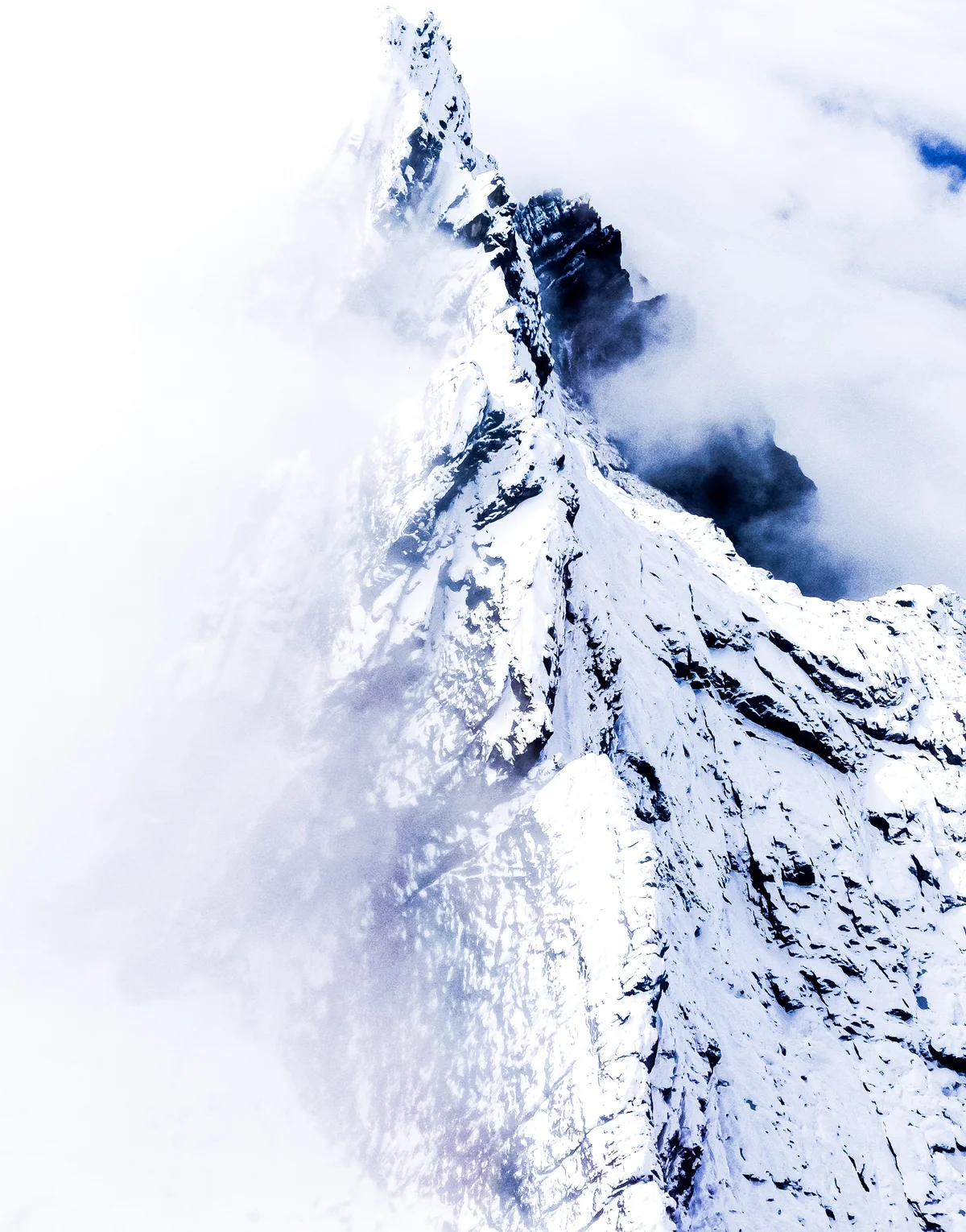
2025 Kristin Harila Carstensz Pyramid Expedition
On October 21, 2025, Kristin Harila scaled Carstensz Pyramid (Puncak Jaya, 4,884m) in Papua, completing the technical rock apex of the Messner Seven Summits.
2025 Kristin Harila Mount Vinson Expedition
On January 4, 2025, Kristin Harila summited Mount Vinson (4,892m), the highest peak in Antarctica, advancing her Seven Summits campaign under clear polar skies.
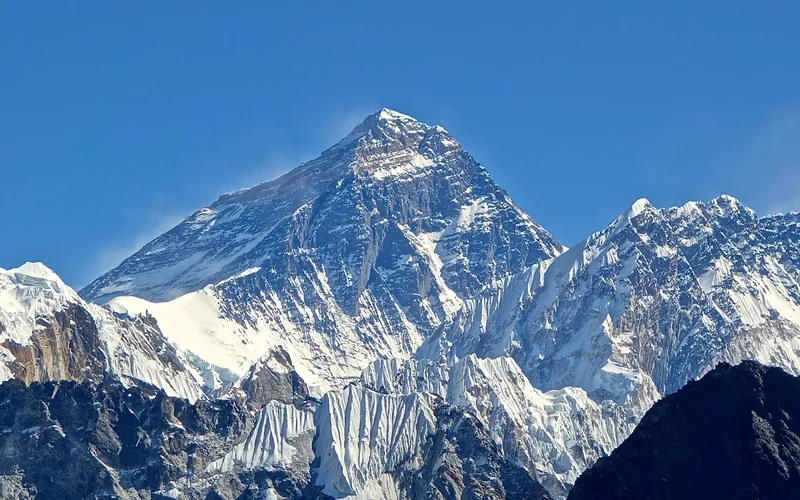
2026 Kristin Harila Everest Triple Crown & No-O2 Ascent
In May 2026, Kristin Harila completed the Everest Triple Crown (Nuptse, Lhotse, Everest) in one season, summiting Mount Everest without supplemental oxygen on May 27.
2026 Kristin Harila Lhotse Summit Expedition
On May 21, 2026, Kristin Harila summited Lhotse (8,516m) using supplemental oxygen due to fierce winds, sealing the second leg of the Everest Triple Crown.
2026 Kristin Harila Lobuche East First Rotation
On April 21, 2026, Kristin Harila summited Lobuche East (6,119m) in Nepal, launching her acclimatization phase for the 2026 Everest Triple Crown.
2026 Kristin Harila Lobuche East Second Rotation
On May 3, 2026, Kristin Harila executed a second rapid ascent of Lobuche East (6,119m) to finalize altitude adaptation before entering the Western Cwm.
2026 Kristin Harila Nuptse Summit Expedition
On May 17, 2026, Kristin Harila scaled technical Nuptse (7,861m) in Nepal, securing the first and most technically demanding peak of the Everest Triple Crown.
Associated Chronicles & Stories (27)
Kristin Harila: The 2022 Bremont 14 Peaks Campaign
Chronicle of Kristin Harila’s 2022 14 Peaks Bremont campaign: conquering 12 eight-thousanders in 147 days and setting the 69-day top-five world record.
Harila & Tenjen: Historic 2023 Annapurna I Summit Push
How Kristin Harila and Tenjen Sherpa conquered Annapurna I (8,091m) on June 5, 2023, sealing their eighth 8,000m peak.
Broad Peak 2023: Harila & Tenjen 12th 8,000er Summit
Kristin Harila and Tenjen Sherpa summit Broad Peak (8,051m) on July 23, 2023, setting up the final summit push on K2.
Cho Oyu 2023: Harila & Tenjen 14-Peak World Record
Chronicle of Kristin Harila and Tenjen Sherpa’s rapid ascent of Cho Oyu on May 3, 2023, sealing both Tibetan giants in just seven days.
Dhaulagiri 2023: Harila & Tenjen Speed Summit Push
Kristin Harila and Tenjen Sherpa summit Dhaulagiri I (8,167m) on May 29, 2023, claiming their seventh 8,000m peak of the season.
Gasherbrum I 2023: Harila & Tenjen 11th Peak Summit
How Kristin Harila and Tenjen Sherpa climbed Gasherbrum I (8,080m) on July 18, 2023, just three days after Gasherbrum II.
Gasherbrum II 2023: Harila & Tenjen Karakoram Push
Kristin Harila and Tenjen Sherpa summit Gasherbrum II (8,034m) on July 15, 2023, launching their Karakoram speed sprint.
K2 2023: Harila & Tenjen 92-Day Record Grand Finale
Chronicle of Kristin Harila and Tenjen Sherpa’s K2 summit on July 27, 2023, sealing the 92-day 14 peaks world record and the Bottleneck inquiry findings.
Kangchenjunga 2023: Harila & Tenjen High Alpine Push
Kristin Harila and Tenjen Sherpa summit Kangchenjunga (8,586m) on May 18, 2023, claiming their fourth 8,000er in just 22 days.
Lhotse 2023: Harila & Tenjen Record 8-Hour Traverse
How Kristin Harila and Tenjen Sherpa climbed Lhotse (8,516m) just eight hours after Everest on May 22, 2023, setting a new speed standard.
Makalu 2023: Harila & Tenjen Northwest Ridge Ascent
How Kristin Harila and Tenjen Sherpa summited Makalu (8,485m) on May 13, 2023, overcoming deep snow on the French route.
Manaslu 2023: Harila & Tenjen Spring Speed Climb Run
Kristin Harila and Tenjen Sherpa conquer Manaslu (8,163m) on June 10, 2023, reaching the precise true summit in spring.
Mount Everest 2023: Harila & Tenjen High Speed Climb
Chronicle of Kristin Harila and Tenjen Sherpa summiting Mount Everest (8,849m) on May 22, 2023, launching their rapid Khumbu traverse.
Nanga Parbat 2023: Harila & Tenjen Karakoram Opener
How Kristin Harila and Tenjen Sherpa climbed Nanga Parbat (8,125m) on June 26, 2023, conquering the Kinshofer Wall to open Phase 2.
Shishapangma 2023: Harila & Tenjen Record Campaign
How Kristin Harila and Tenjen Lama Sherpa opened their historic 2023 14 peaks world record on Tibet’s Shishapangma on April 26, 2023.
Kristin Harila: 2024 Matterhorn Hörnli Ridge Climb
How Kristin Harila climbed the Matterhorn (4,478m) via the Hörnli Ridge in July 2024, sharpening technical mixed rock skills.
Shishapangma 2024: Kristin Harila Memorial Expedition
Kristin Harila returns to Shishapangma in autumn 2024, supporting international expedition teams and honoring Tenjen Lama Sherpa.
South Pole 2024: Kristin Harila Ski Expedition Attempt
Documenting Kristin Harila's December 2024 South Pole ski expedition attempt, halted prior to reaching the pole due to severe lumbar injury.
Carstensz Pyramid 2025: Kristin Harila Seven Summits
How Kristin Harila climbed Carstensz Pyramid / Puncak Jaya (4,884m) in Papua in March 2025, conquering the technical limestone crux of Oceania.
Mount Vinson 2025: Kristin Harila Antarctic Summit
Kristin Harila summits Mount Vinson (4,892m) in January 2025, claiming the highest peak of Antarctica in the Seven Summits quest.
Everest 2026: Kristin Harila First Norwegian No-O2 Ascent
Chronicle of Kristin Harila summiting Mount Everest (8,849m) on May 27, 2026, without supplemental oxygen, sealing the historic Triple Crown.
Everest Triple Crown 2026: Kristin Harila Spring Triumph
How Kristin Harila completed the first female single-season Everest Triple Crown (Nuptse, Lhotse, Everest no-O2) between May 17 and May 27, 2026.
Lhotse 2026: Kristin Harila Ascent via Reiss Couloir
How Kristin Harila climbed Lhotse (8,516m) with supplemental oxygen on May 21, 2026, capturing the second summit of the Triple Crown.
Lobuche East 2026: Harila First Acclimatization Climb
Kristin Harila summits Lobuche East (6,119m) on April 21, 2026, launching her spring preparation for the Everest Triple Crown.
Lobuche East 2026: Harila High Alpine Second Rotation
Kristin Harila completes her second Lobuche East summit (6,119m) on May 3, 2026, fine-tuning oxygen-free physiology.
Nuptse 2026: Kristin Harila Technical Alpine Summit
Kristin Harila summits the jagged technical peak of Nuptse (7,861m) on May 17, 2026, securing the first summit of the Everest Triple Crown.
Kristin Harila: 92-Day 14 Peaks Record & Modern Alpinism
The definitive chronicle of Kristin Harila and Tenjen Sherpa's record 92-day 14 peaks ascent, the K2 inquiry findings, and the ethics of modern alpinism.
Documented Expedition Partners (1)
Alpinists with documented shared expedition rosters, co-ascents, or collaborative high-altitude campaigns alongside Kristin Harila.
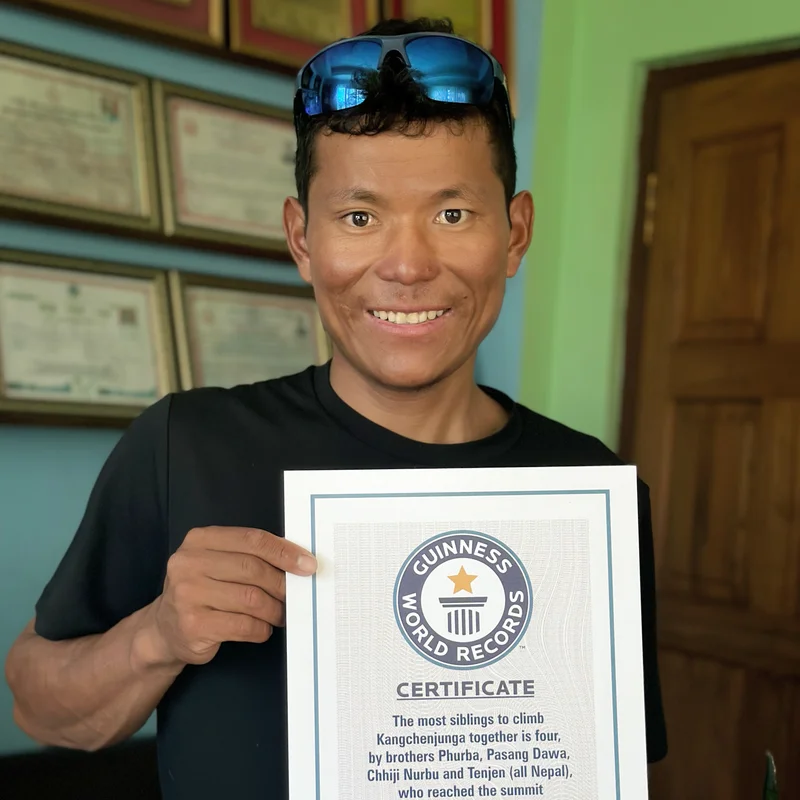
Tenjen Lama Sherpa
Tenjen 'Lama' Sherpa was born around 1988 in the remote, high-altitude village of Na in the Makalu Barun valley of Sankhuwasabha District, eastern Nepal. Like generations of Sherpa before him, Tenjen turned to the...
Contemporary Alpinists & Regional Peers (2)
Notable climbers sharing Norway alpine heritage or active during contemporary climbing epochs.
Håvard Gjerdset
Håvard Gjerdset is a dedicated Norwegian mountaineer. Across 6 campaigns in the Himalayan Database, Gjerdset achieved 3 summits—2 without supplemental oxygen—including Cho Oyu and Ama Dablam.
Sven Hougen Gangdal
Sven Hougen Gangdal (1954–2009) was one of Norway's foremost high-altitude mountaineers. Across 7 expeditions in the Himalayan Database, Gangdal achieved 4 summits across Mount Everest, Lhotse, Makalu, and Manaslu...
Documented Sources & Archival Citations
Supporting claim: Official career biography, Sámi identity, and comprehensive expedition record
- Reference OverviewGuinness World Records: Fastest true-summit ascent of all 14 eight-thousanders ↗(Guinness World Records)
Supporting claim: Official ratification of the 92-day 14 peaks world record with Tenjen Lama Sherpa
- Reference OverviewGuinness World Records: Fastest time to climb the higher 8,000ers ↗(Guinness World Records)
Supporting claim: Ratification of the 69-day world record for the five highest mountains
- Reference OverviewGuinness World Records: Fastest ascent of all mountains over 8,000 m (female) ↗(Guinness World Records)
Supporting claim: Official ratification of the fastest female true-summit 14 peaks record
- Reference OverviewGovernment of Gilgit-Baltistan Fact-Finding Inquiry Report: Death on K2 ↗(Government of Gilgit-Baltistan Tourism Department)
Supporting claim: Official government inquiry findings into the events in the Bottleneck on July 27, 2023
Supporting claim: Verification of May 27, 2026 no-O2 Everest summit and single-season Triple Crown
- Reference OverviewKristin Harila Official: Savage Mountain Documentary Announcement ↗(Kristin Harila Official)
Supporting claim: Official November 6, 2026 broadcast and regional streaming release announcement
Share Exploration
Global Mountain Intelligence
✓ Link copied to clipboard!