2026 Kristin Harila Nuptse Summit Expedition
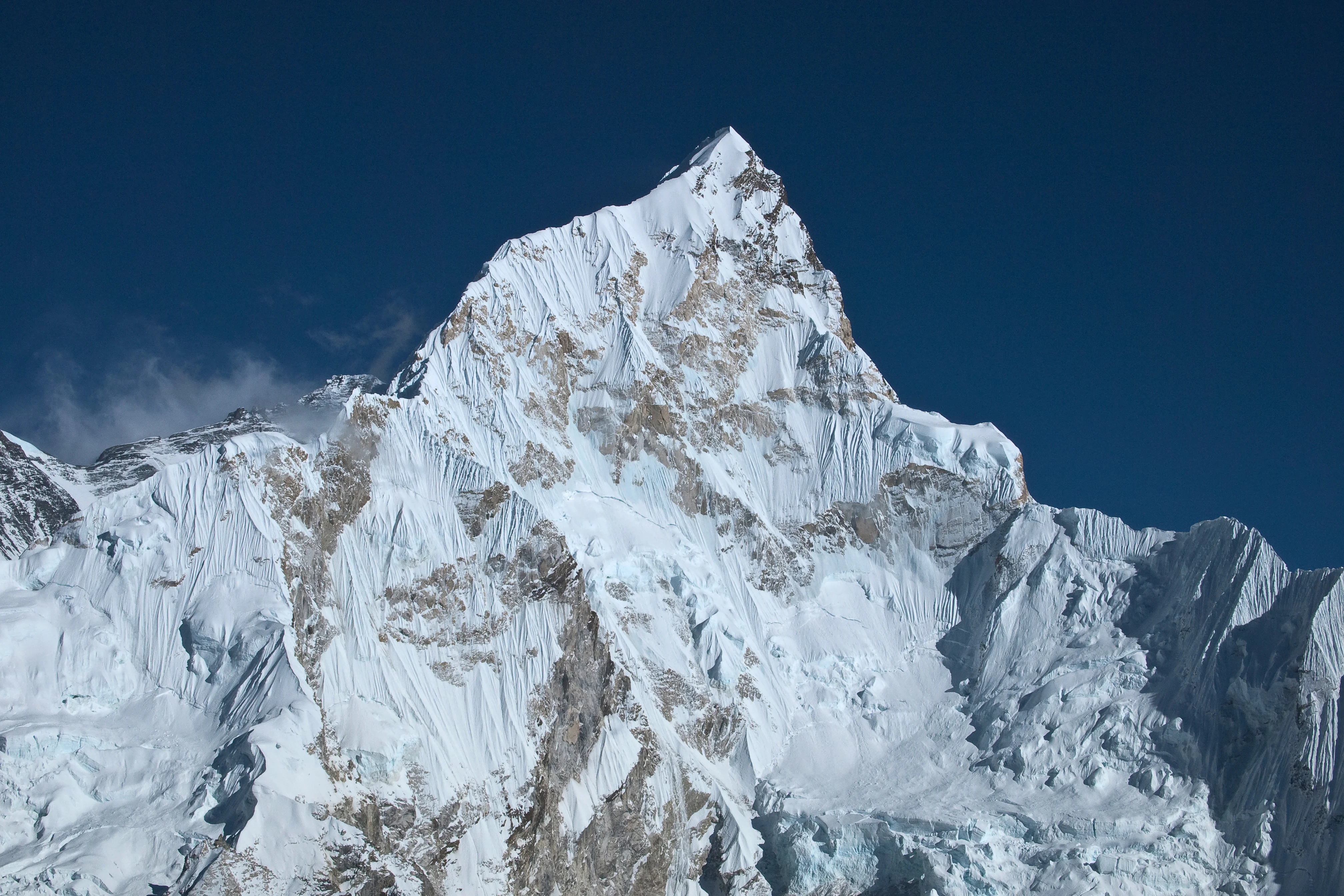
On May 17, 2026, Kristin Harila scaled technical Nuptse (7,861m) in Nepal, securing the first and most technically demanding peak of the Everest Triple Crown.
Mountain Safety & Conditions Disclaimer: High-altitude climbing, glacial travel, and technical ascents entail severe objective risks including avalanches, serac collapses, rapid weather collapse, and altitude illness. Historical route descriptions and summit claims on Mountainity reflect documented archival sources and must not be used as live operational safety assessments. Local regulations, permits, and physical glacial topography change continuously.
Peer Review: Senior Editorial Board & Historical Reviewers • Editorial Standards
Official Expedition Narrative & Archival Record
Targeting the Everest Triple Crown, Harila tackled Nuptse (7,861m) first, widely recognized as the most technically demanding rock, ice, and corniced ridge climb of the Everest horseshoe. Climbing through steep mixed ice ribs and negotiating precarious knife-edge summit cornices, Harila reached the summit of Nuptse on May 17, 2026. Securing Nuptse set the historic Triple Crown into motion.
Documented Team Composition
Key Statistics & Topographic Figures
- Official Outcome
- Summit Success — Opening Apex of Everest Triple Crown
Expedition Status
- Summit Date
- 2026-05-17
Ascent Timestamp
- Target Objective
- nuptse
Mountain Peak
- Ascent Route
- nuptse-south-face
Climbing Path
- Team Size
- 1 Climbers
High-Altitude Team
- Region / Country
- Nepal (Khumbu Himal / Solukhumbu)
Geography
Defined Alpine Terminology & Concepts
- Alpine Expedition
- A planned, self-contained high-altitude mountaineering undertaking operating in remote mountain terrain subject to extreme objective hazards.
- Death Zone
- The high-altitude region above 8,000 meters where atmospheric oxygen pressure is inadequate for sustained human survival.
Frequently Asked Questions: 2026 Kristin Harila Nuptse Summit Expedition
What was the primary outcome and achievement of the 2026 Kristin Harila Nuptse Summit Expedition?
Summit Success — Opening Apex of Everest Triple Crown. On May 17, 2026, Kristin Harila scaled technical Nuptse (7,861m) in Nepal, securing the first and most technically demanding peak of the Everest Triple Crown.
When did the 2026 Kristin Harila Nuptse Summit Expedition reach the summit?
The expedition officially reached the summit on 2026-05-17, operating between 2026-05-12 and 2026-05-19.
Who were the documented climbing team members on the 2026 Kristin Harila Nuptse Summit Expedition?
The documented climbing roster included: Kristin Harila (Norway, Climber).
What climbing route and mountain objective were tackled during the 2026 Kristin Harila Nuptse Summit Expedition?
The expedition tackled nuptse via the nuptse-south-face in Nepal (Khumbu Himal / Solukhumbu).
How are the records and summit claims of the 2026 Kristin Harila Nuptse Summit Expedition verified?
Summit claims, route topography, and timeline logs for the 2026 Kristin Harila Nuptse Summit Expedition are cross-referenced with official alpine registries, national mountaineering federations, and primary expedition journals.
Ascent Route & Topography
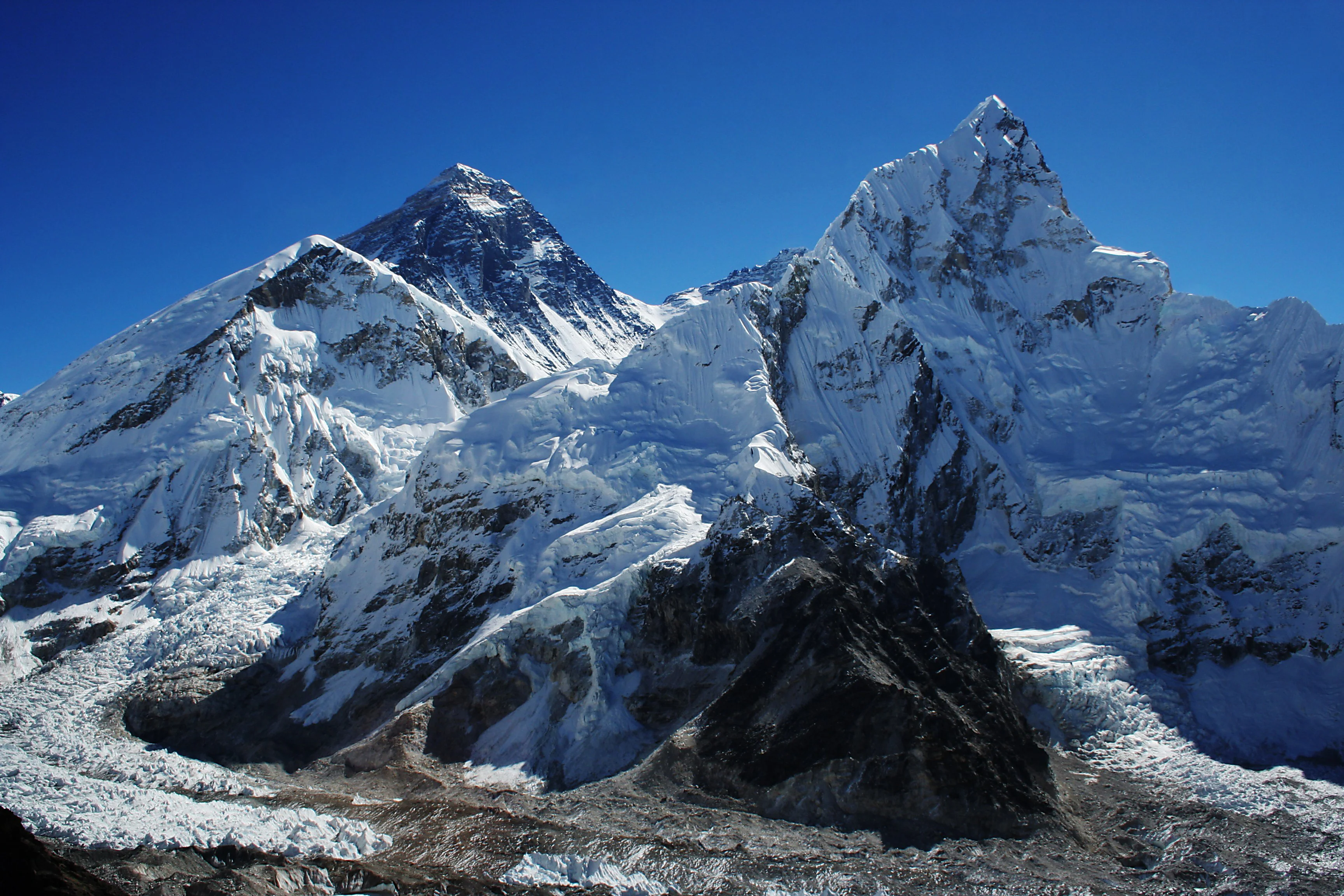
Nuptse South Face
The South Face of Nuptse is an awe-inspiring 2,500-meter wall of mixed ice flutes, vertical granite pillars, and hanging glaciers rising above the Khumbu Glacier. Widely acclaimed as one of the...
Target Objective Peak

Nuptse
Nuptse is a dramatic 7,861-meter mountain in the Khumbu region of the Nepalese Himalayas, lying two kilometers west-southwest of Mount Everest and forming the formidable southwestern wall of the Western Cwm. In Tibetan, its name translates directly to 'West Peak', signifying its position in the monumental Everest-Lhotse-Nuptse horseshoe. The south face of Nuptse is an extraordinarily steep 2,500-meter wall of ice flutes, vertical rock buttresses, and hanging glaciers that is considered one of the greatest alpine climbing challenges on Earth. The mountain was first climbed on May 16, 1961, by British mountaineer Dennis Davis and Sherpa legend Tashi Sherpa via the North Ridge.
Featured Expedition Climber

Kristin Harila
Kristin Jonassen Harila was born on March 28, 1986, in Vadsø, a coastal municipality on the Varanger Peninsula in Finnmark, Norway’s northernmost arctic territory. Deeply proud of her indigenous Sámi roots, Harila grew...
Associated Historical Chronicles & Stories
Nuptse 2026: Kristin Harila Technical Alpine Summit
Kristin Harila summits the jagged technical peak of Nuptse (7,861m) on May 17, 2026, securing the first summit of the Everest Triple Crown.
Documented Sources & Archival Citations
- Reference OverviewThe Tourism Times: Kristin Harila Summits Nuptse, Moves Closer to Triple Crown ↗(The Tourism Times)
Supporting claim: Verification of May 17, 2026 Nuptse summit
Share Exploration
Global Mountain Intelligence
✓ Link copied to clipboard!