1989 Kukuczka Lhotse South Face Expedition
On October 24, 1989, legendary Polish alpinist Jerzy Kukuczka fell to his death at 8,200m on Lhotse's South Face when a 7mm secondhand rope snapped during his summit push.
Mountain Safety & Conditions Disclaimer: High-altitude climbing, glacial travel, and technical ascents entail severe objective risks including avalanches, serac collapses, rapid weather collapse, and altitude illness. Historical route descriptions and summit claims on Mountainity reflect documented archival sources and must not be used as live operational safety assessments. Local regulations, permits, and physical glacial topography change continuously.
Peer Review: Senior Editorial Board & Historical Reviewers • Editorial Standards
Official Expedition Narrative & Archival Record
Having completed all fourteen 8,000-metre peaks in 1987, Polish climbing titan Jerzy Kukuczka returned to the Himalayas in autumn 1989 to confront the unfinished masterpiece of his career: the unclimbed 3,300-meter South Face of Lhotse (8,516m). Partnered with Ryszard Pawłowski in lightweight alpine style, the pair pushed past earlier high points to 8,200 meters. Leading an overhanging pitch near the top of the wall on October 24, Kukuczka slipped. A secondhand 7mm nylon rope bought in Kathmandu severed across a razor-sharp rock edge, and Kukuczka plummeted thousands of meters down the South Face to his death, leaving the mountaineering world in profound mourning.
Documented Team Composition
- Jerzy Kukuczka (Expedition Leader - Died on Mountain)
- Ryszard Pawłowski (Lead Climbing Partner)
Key Statistics & Topographic Figures
- Official Outcome
- High Attempt (8,200m) & Tragic Fall of Jerzy Kukuczka
Expedition Status
- Summit Date
- 1989-10-30
Ascent Timestamp
- Target Objective
- lhotse
Mountain Peak
- Ascent Route
- lhotse-south-face
Climbing Path
- Team Size
- 2 Climbers
High-Altitude Team
- Region / Country
- Nepal (Khumbu / Mahalangur Himal)
Geography
Defined Alpine Terminology & Concepts
- Alpine Expedition
- A planned, self-contained high-altitude mountaineering undertaking operating in remote mountain terrain subject to extreme objective hazards.
- Death Zone
- The high-altitude region above 8,000 meters where atmospheric oxygen pressure is inadequate for sustained human survival.
Frequently Asked Questions: 1989 Kukuczka Lhotse South Face Expedition
What was the primary outcome and achievement of the 1989 Kukuczka Lhotse South Face Expedition?
High Attempt (8,200m) & Tragic Fall of Jerzy Kukuczka. On October 24, 1989, legendary Polish alpinist Jerzy Kukuczka fell to his death at 8,200m on Lhotse's South Face when a 7mm secondhand rope snapped during his summit push.
When did the 1989 Kukuczka Lhotse South Face Expedition reach the summit?
Summit and operational dates for the 1989 Kukuczka Lhotse South Face Expedition are documented across 1989-09-10 to 1989-10-30.
Who were the documented climbing team members on the 1989 Kukuczka Lhotse South Face Expedition?
The documented climbing roster included: Jerzy Kukuczka (Expedition Leader - Died on Mountain), Ryszard Pawłowski (Lead Climbing Partner).
What climbing route and mountain objective were tackled during the 1989 Kukuczka Lhotse South Face Expedition?
The expedition tackled lhotse via the lhotse-south-face in Nepal (Khumbu / Mahalangur Himal).
How are the records and summit claims of the 1989 Kukuczka Lhotse South Face Expedition verified?
Summit claims, route topography, and timeline logs for the 1989 Kukuczka Lhotse South Face Expedition are cross-referenced with official alpine registries, national mountaineering federations, and primary expedition journals.
Ascent Route & Topography
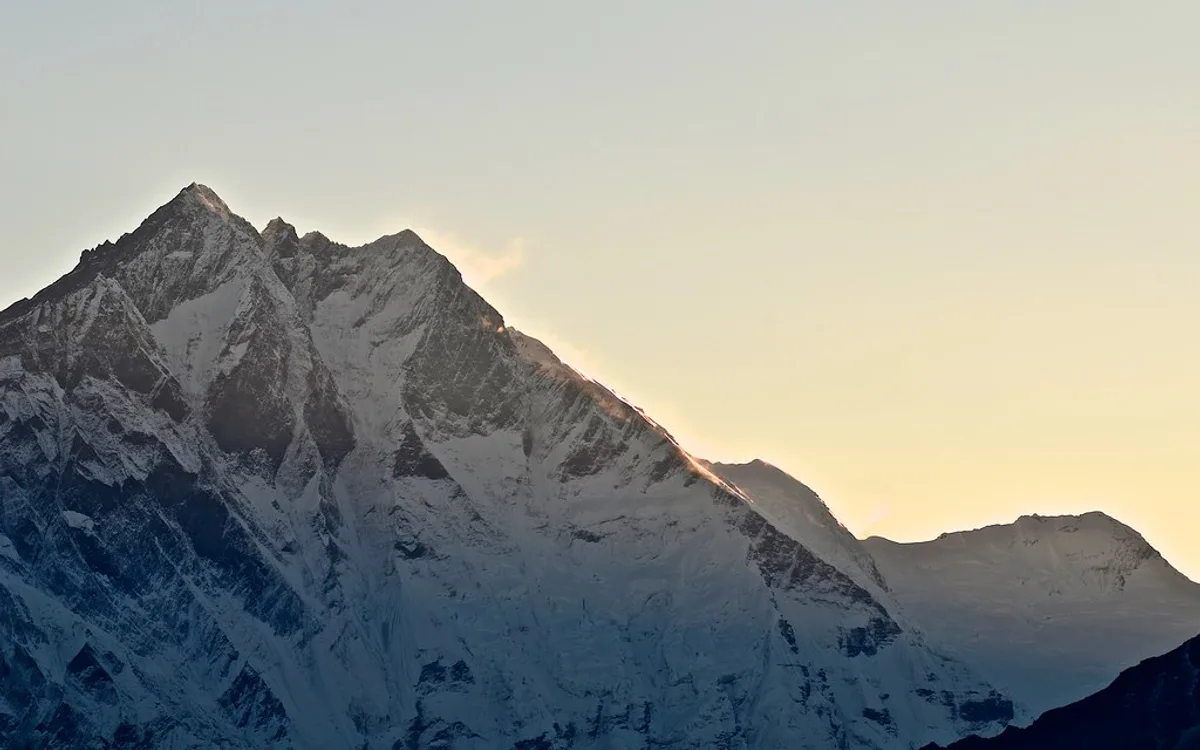
Lhotse South Face (Soviet Route 1990)
Plunging more than 3,300 vertical meters above the upper Imja Valley, Lhotse’s sheer South Face is among the tallest mountain walls on Earth, definitively solved to the summit on October 16, 1990 by...
Target Objective Peak
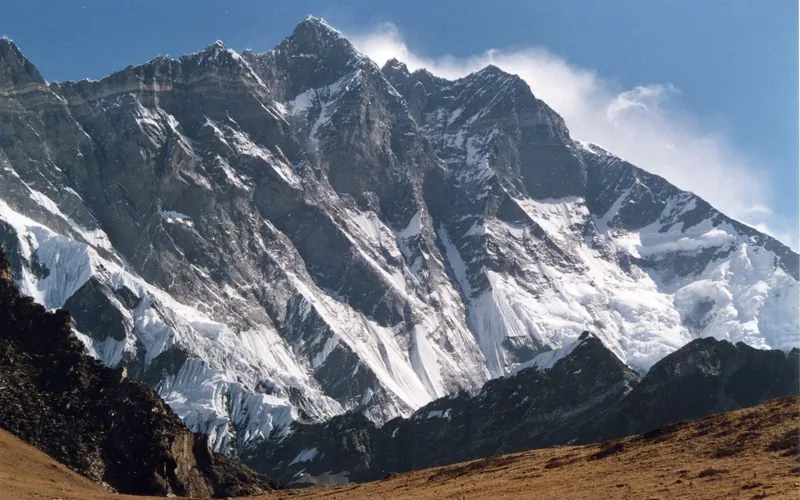


Lhotse
Lhotse, at 8,516 meters (27,940 ft), is the fourth-highest mountain on Earth, connected directly to Mount Everest via the South Col. Renowned for its sheer 3,200-meter South Face, one of the most imposing rock and ice walls in alpinism, the standard route tackles the grueling Lhotse Couloir from the Western Cwm.
Featured Expedition Climber
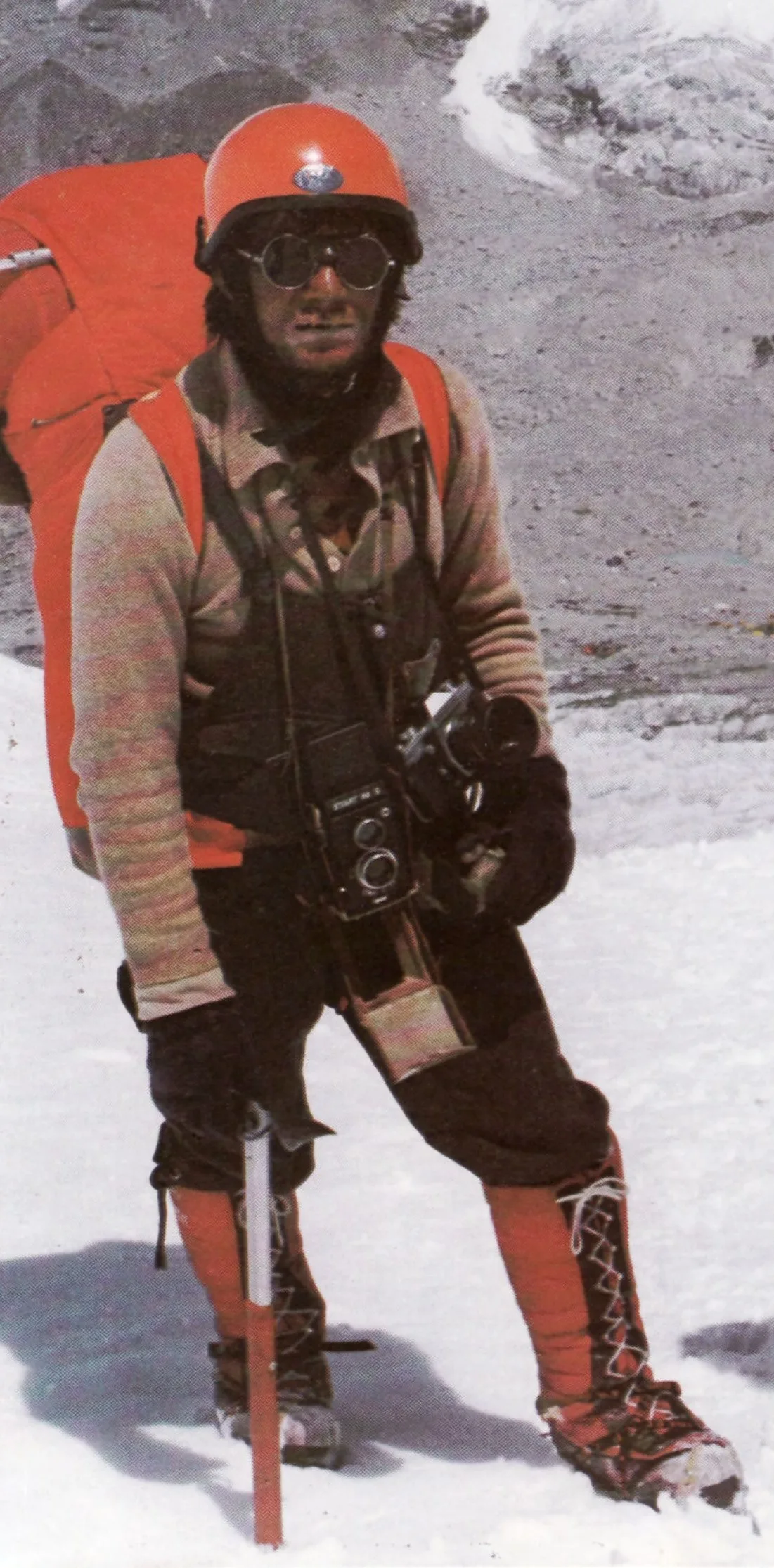
Jerzy Kukuczka
Jerzy Kukuczka was born on March 24, 1948, in Katowice, in the industrial heartland of Silesia, Poland. Working as an electrical technician in local coal mines, he found liberation and transcendence in the granite crags...
Documented Sources & Archival Citations
- Archival PublicationMy Vertical World(Jerzy Kukuczka / Hodder & Stoughton)
- Archival DatabaseThe Himalayan Database — Expedition Chronicle (LHOT89301) ↗(Elizabeth Hawley / The Himalayan Database)
Supporting claim: Official Himalayan expedition chronology, camp telemetry, summit records and member log
Share Exploration
Global Mountain Intelligence
✓ Link copied to clipboard!