Lhotse South Face (Soviet Route 1990)
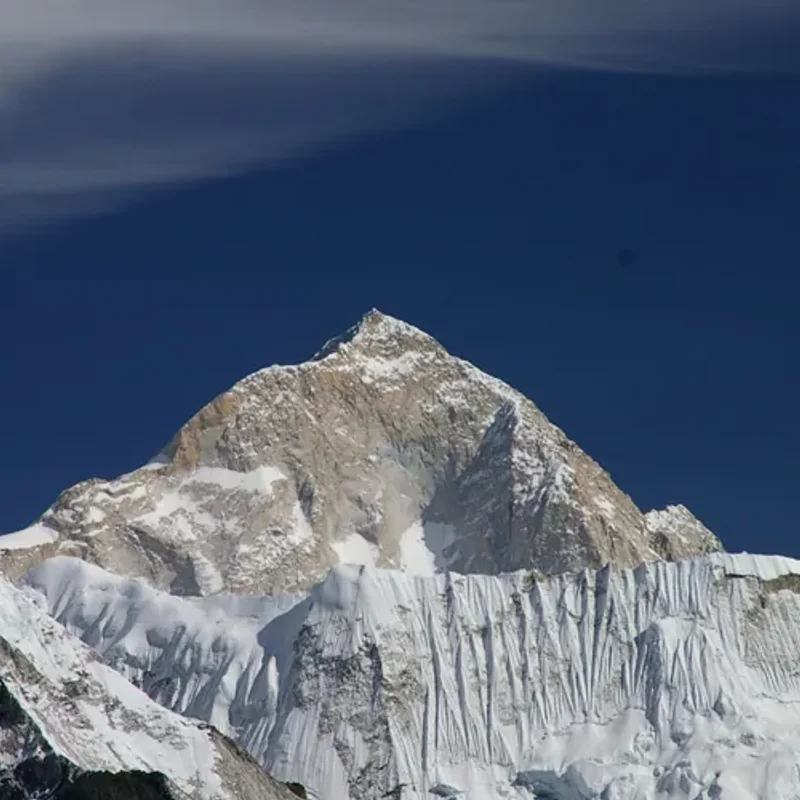
Plunging more than 3,300 vertical meters above the upper Imja Valley, Lhotse’s sheer South Face is among the tallest mountain walls on Earth, definitively solved to the summit on October 16, 1990 by Sergei Bershov and Vladimir Karataev following numerous heroic attempts.
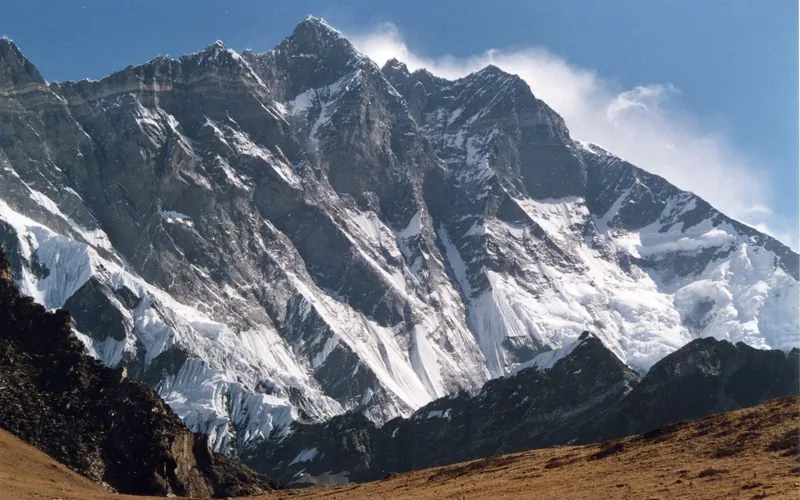
Mountain topography & terrain profile for Lhotse South Face (Soviet Route 1990)
Mountain Safety & Conditions Disclaimer: High-altitude climbing, glacial travel, and technical ascents entail severe objective risks including avalanches, serac collapses, rapid weather collapse, and altitude illness. Historical route descriptions and summit claims on Mountainity reflect documented archival sources and must not be used as live operational safety assessments. Local regulations, permits, and physical glacial topography change continuously.
Peer Review: Senior Editorial Board & Historical Reviewers • Editorial Standards
Build Your Own Route
Explore the surrounding mountain terrain in Mountainity Route Studio and build your own custom climbing route or approach track.
Topographic Location & Terrain Map
Cartographic datum, massif coordinates, and terrain context for Lhotse South Face (Soviet Route 1990) on Lhotse.
Interactive Topographic Terrain Map
Click below to load live cartographic contours, glacier approaches, and geographic markers for Lhotse (27°57′42″ N, 86°56′00″ E).
Key Statistics & Topographic Figures
- Route Type
- Extreme 8,000m Alpine Wall
Topography
- Technical Difficulty
- Extremely Severe / 8,000m Technical Big Wall
ED+ / Mixed Ice & Loose Shale
- Country / Region
- Nepal (Khumbu / Chukhung)
Location
Documented Historical Testimony
“A mountain route is not merely a path of rock and ice; it is a test of human endurance, judgment, and humility.”
Defined Alpine Terminology & Concepts
- Crux
- The most difficult and technically demanding pitch or section of a climbing route.
- Normal Route (Voie Normale)
- The most frequently climbed, least technical, and historically standard path to a mountain summit.
Frequently Asked Questions: Lhotse South Face (Soviet Route 1990)
What is the climbing difficulty and grade of Lhotse South Face (Soviet Route 1990)?
Lhotse South Face (Soviet Route 1990) on lhotse is graded as Extremely Severe / 8,000m Technical Big Wall, with technical climbing requirements including ED+ / Mixed Ice & Loose Shale.
What are the primary hazards on the Lhotse South Face (Soviet Route 1990)?
Climbers on Lhotse South Face (Soviet Route 1990) must navigate severe objective hazards including crevasses, avalanches, and altitude illness.
What camps are established on Lhotse South Face (Soviet Route 1990)?
Staging camps on Lhotse South Face (Soviet Route 1990) depend on seasonal conditions and alpine weather windows.
Mountain Ascended


Lhotse
Lhotse, at 8,516 meters (27,940 ft), is the fourth-highest mountain on Earth, connected directly to Mount Everest via the South Col. Renowned for its sheer 3,200-meter South Face, one of the most imposing rock and ice walls in alpinism, the standard route tackles the grueling Lhotse Couloir from the Western Cwm.
Other Climbing Routes on Lhotse
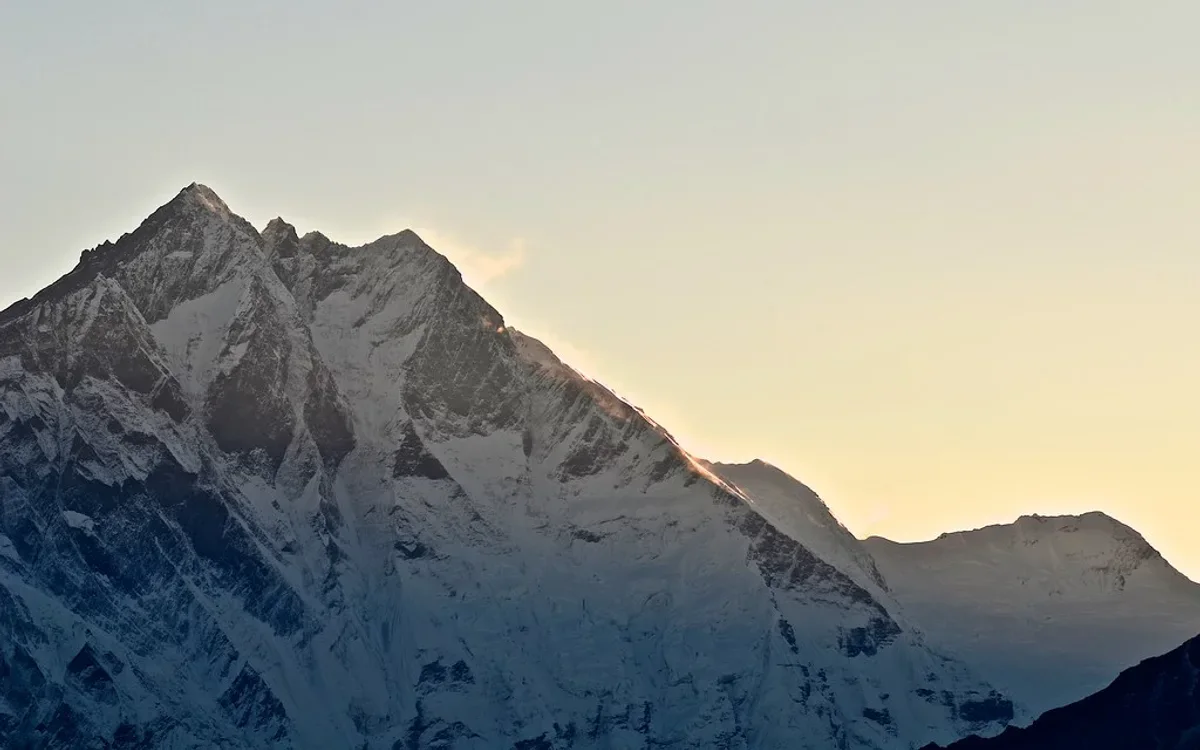
Lhotse Middle (Russian Route)
Lhotse Middle (8,410m), situated between Lhotse Main and Lhotse Shar, was the last named 8,000-metre subsidiary peak on Earth to be climbed. Barred by razor-sharp gendarmes and colossal drops into...
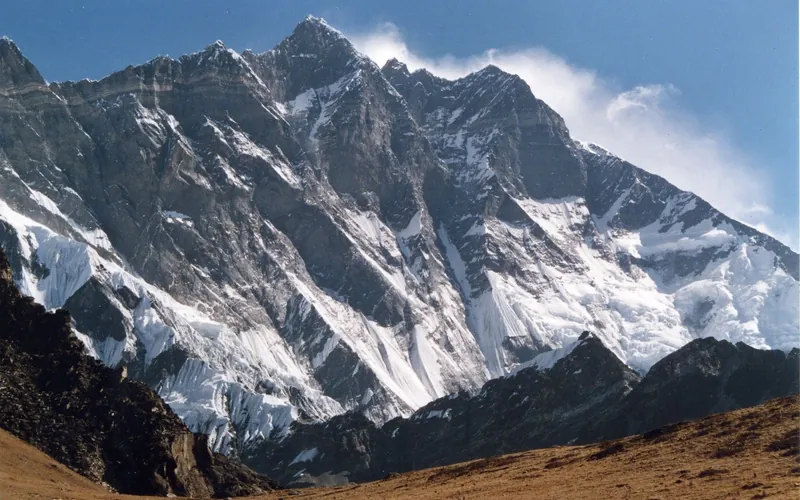
Lhotse Normal Route (West Face & Couloir)
The Normal Route on Lhotse shares the Everest South Col route through the treacherous Khumbu Icefall and across the Western Cwm up to Camp 3 on the Lhotse Face (7,200m). Beyond the Yellow Band, the...
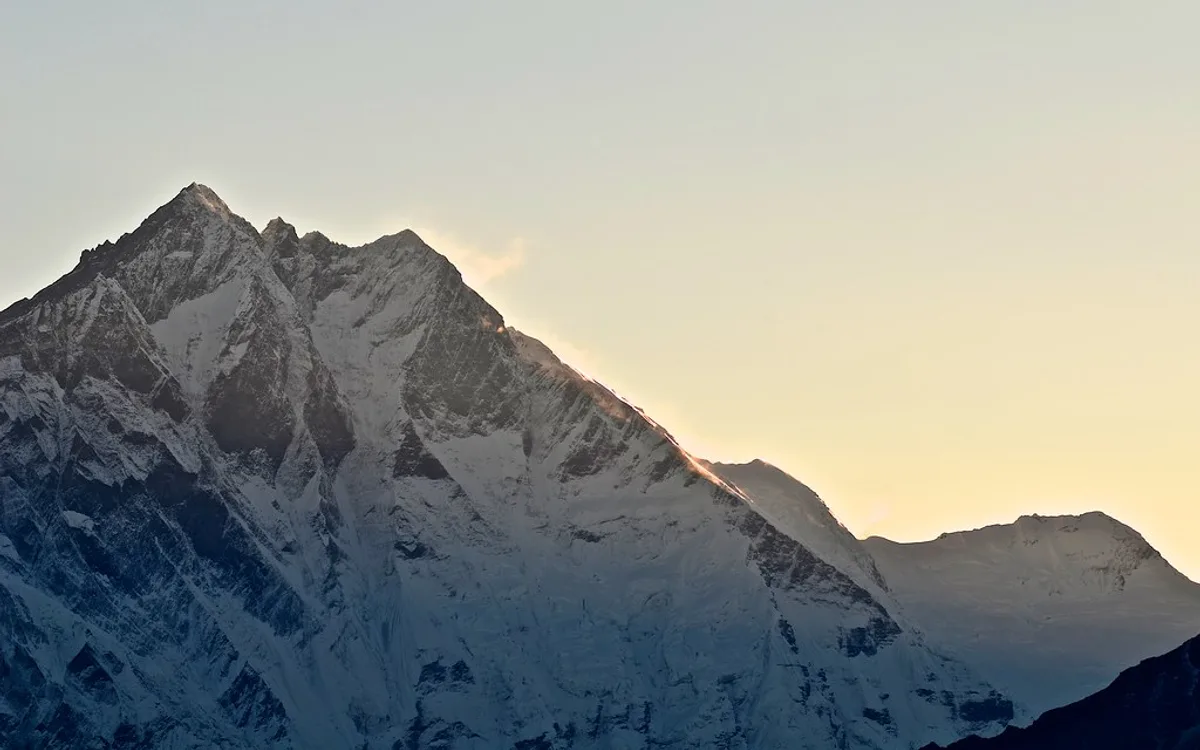
Lhotse Normal Route (West Face & Lhotse Couloir)
The standard route on Lhotse shares the Everest South Col route through the Khumbu Icefall and Western Cwm up the glaciated Lhotse Face. Above Camp III (7,300m), the route diverges from Everest,...
Mountaineers & Ascent Pioneers (4)
Climbers associated with Lhotse South Face (Soviet Route 1990) through documented ascents and expeditions.
Aleš Kunaver
Born in Ljubljana in 1935, Aleš Kunaver was the founding father of modern Slovenian high-altitude mountaineering. He pioneered routes in the Julian Alps and Hindu Kush before directing Yugoslav ambition toward the...
Jerzy Kukuczka
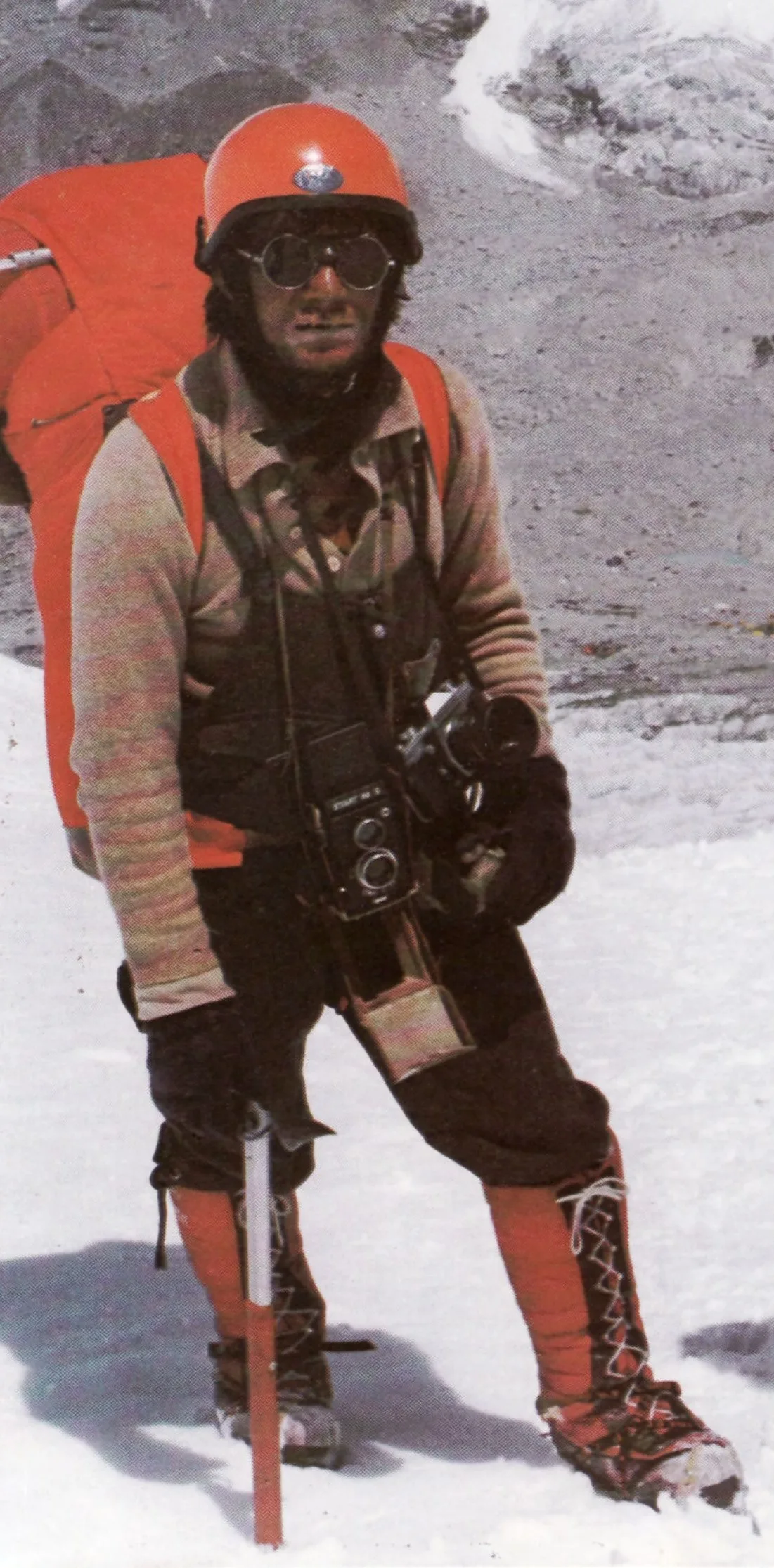
Jerzy Kukuczka was born on March 24, 1948, in Katowice, in the industrial heartland of Silesia, Poland. Working as an electrical technician in local coal mines, he found liberation and transcendence in the granite crags...
Marjan Manfreda
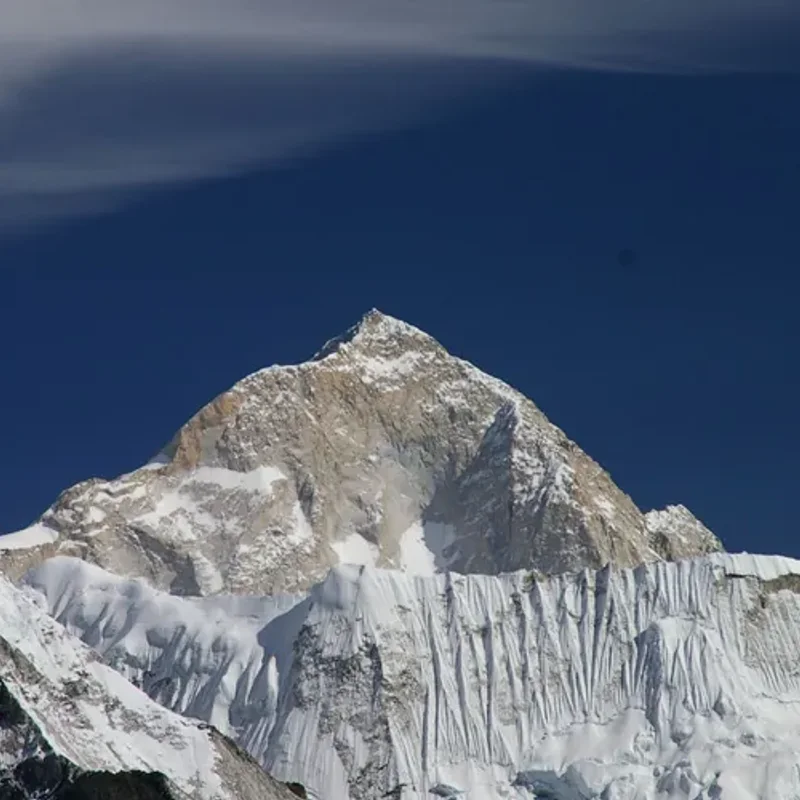
Born in Bohinjska Bela in 1950, Marjan Manfreda rose quickly through the Yugoslav mountaineering ranks, demonstrating exceptional physical resilience at extreme altitude. On the 1975 Yugoslav expedition to Makalu's...
Stane Belak
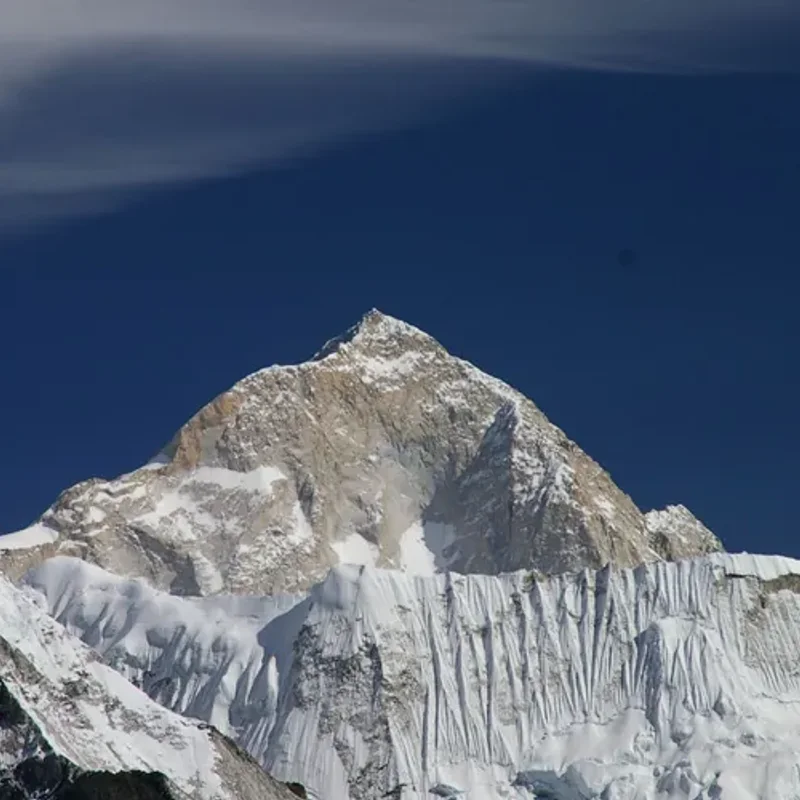
Born in Ljubljana in 1940, Stane Belak was one of the fiercest and most charismatic figures in Yugoslav mountaineering, with over 1,000 ascents in the Alps. On the 1975 Yugoslav Makalu expedition led by Aleš Kunaver,...
Documented Expeditions on this Route
Verified historical summits, siege campaigns, and pioneer attempts recorded on Lhotse South Face (Soviet Route 1990).
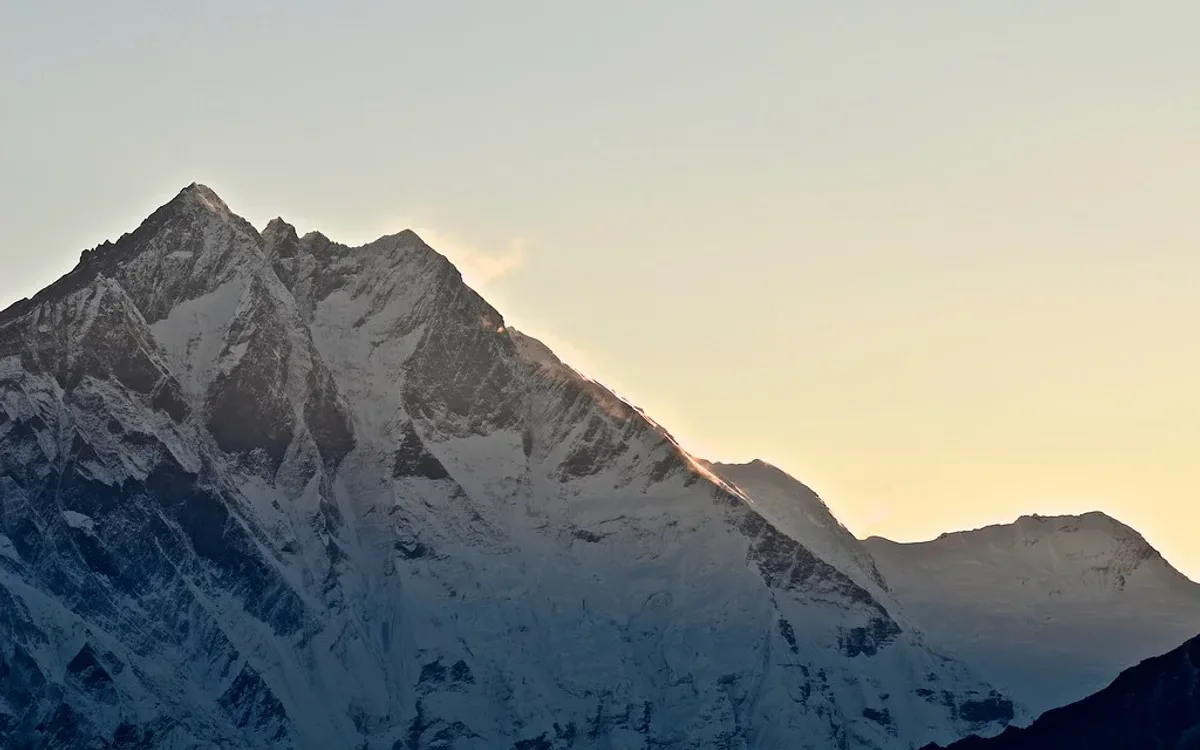
1981 Yugoslav Lhotse South Face Expedition
Led by Aleš Kunaver, the 1981 Yugoslav expedition breached the lower 3,000 meters of Lhotse's terrifying South Face, reaching 8,250 meters before rockfall and blizzards forced a retreat.
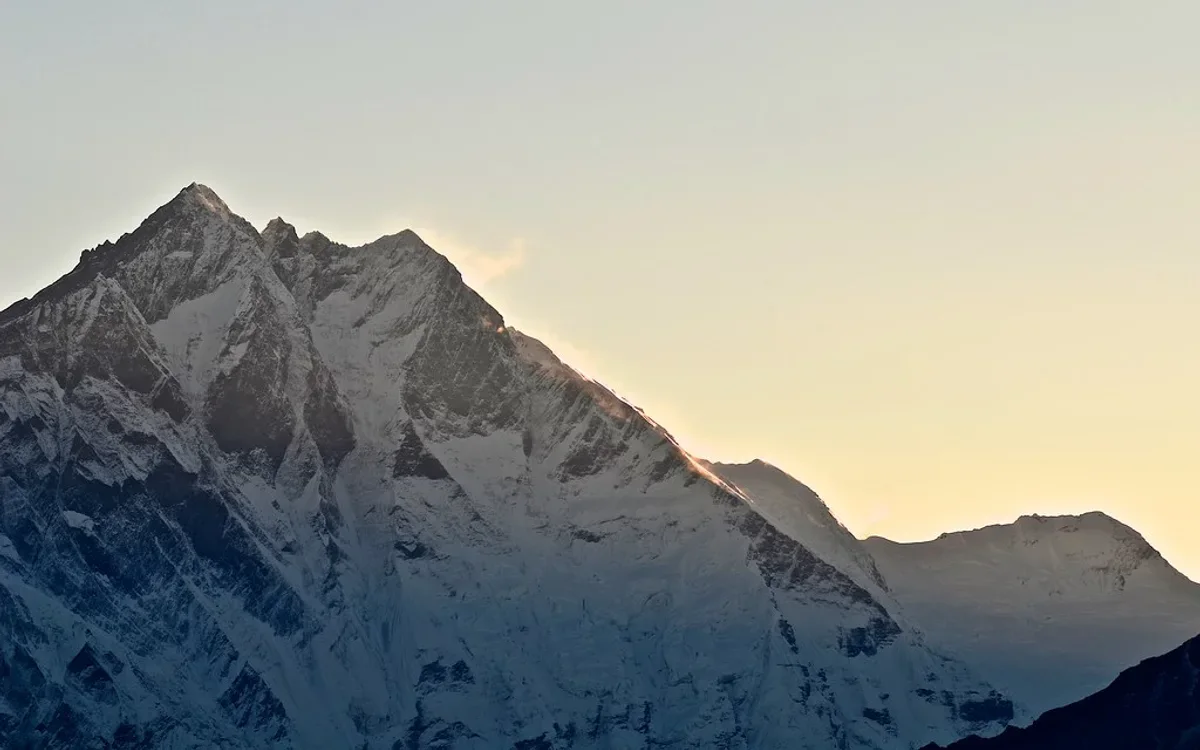
1989 Kukuczka Lhotse South Face Expedition
On October 24, 1989, legendary Polish alpinist Jerzy Kukuczka fell to his death at 8,200m on Lhotse's South Face when a 7mm secondhand rope snapped during his summit push.
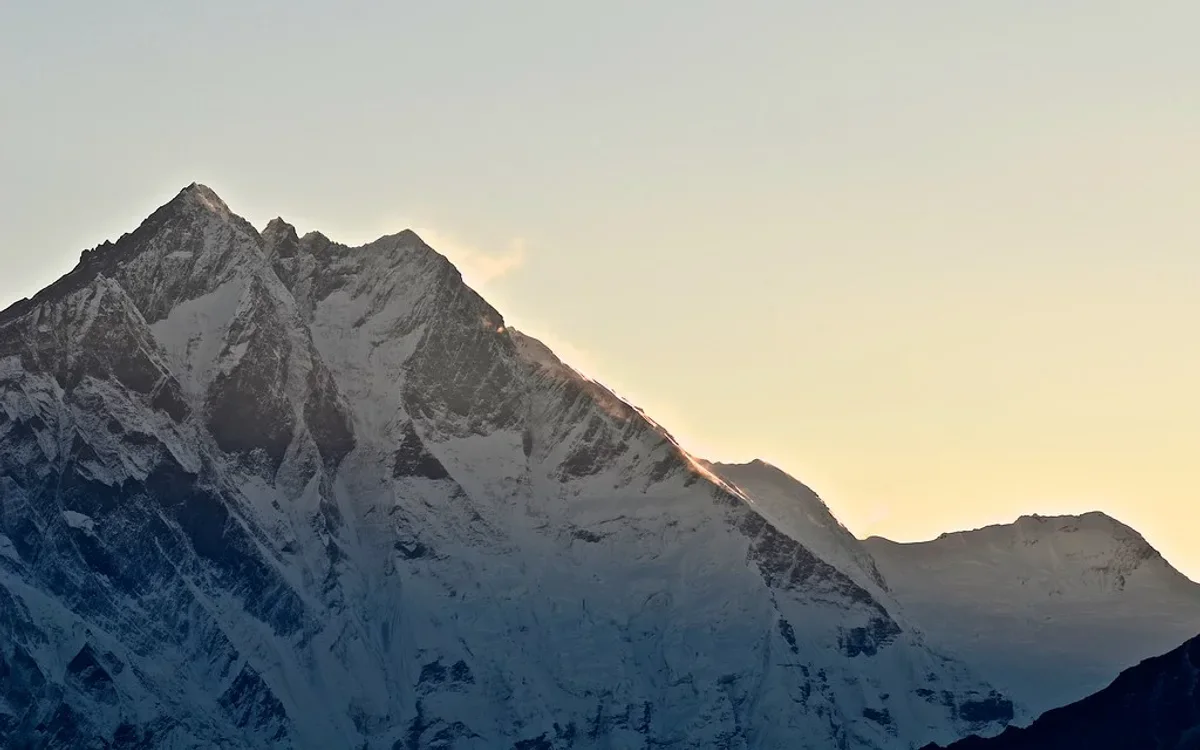
1990 Soviet Lhotse South Face Expedition
Led by Alexander Shevchenko, the Soviet expedition achieved the first undisputed, complete direct ascent of the colossal 3,300-meter South Face of Lhotse, placing Sergey Bershov and Vladimir Karatayev on the summit.
Documented Sources & Archival Citations
- Primary Alpine JournalLhotse South Face — Soviet Ascent 1990 ↗(American Alpine Club / Himalayan Database)
Supporting claim: 3,300m rock and ice face climbed Oct 16, 1990.
Share Exploration
Global Mountain Intelligence
✓ Link copied to clipboard!