1990 Soviet Lhotse South Face Expedition
Led by Alexander Shevchenko, the Soviet expedition achieved the first undisputed, complete direct ascent of the colossal 3,300-meter South Face of Lhotse, placing Sergey Bershov and Vladimir Karatayev on the summit.
Mountain Safety & Conditions Disclaimer: High-altitude climbing, glacial travel, and technical ascents entail severe objective risks including avalanches, serac collapses, rapid weather collapse, and altitude illness. Historical route descriptions and summit claims on Mountainity reflect documented archival sources and must not be used as live operational safety assessments. Local regulations, permits, and physical glacial topography change continuously.
Peer Review: Senior Editorial Board & Historical Reviewers • Editorial Standards
Official Expedition Narrative & Archival Record
The sheer 3,300-meter South Face of Lhotse was described by Reinhold Messner as 'a problem for the 21st century' after defeating dozens of world-class attempts and tragically claiming the life of Jerzy Kukuczka in 1989. In the autumn of 1990, an elite Soviet team attacked the direct central line. Over two months of continuous vertical rock, ice flutes, and ferocious spindrift avalanches, team members fixed ropes up the colossal wall. On October 16, 1990, Sergey Bershov and Vladimir Karatayev pushed to the apex, breaching vertical rock overhangs in freezing winds to stand on the 8,516-meter summit. Karatayev suffered horrific frostbite requiring finger amputations, but their heroic survival and technical triumph remains one of the greatest feats in Himalayan mountaineering history.
Documented Team Composition
- Alexander Shevchenko (Expedition Leader)
- Sergey Bershov (Summit Climber)
- Vladimir Karatayev (Summit Climber)
- Gennady Kopeika
- Vasily Senatorov
Key Statistics & Topographic Figures
- Official Outcome
- Monumental First Complete Ascent of the 3,300m Lhotse South Face
Expedition Status
- Summit Date
- 1990-10-16
Ascent Timestamp
- Target Objective
- lhotse
Mountain Peak
- Ascent Route
- lhotse-south-face
Climbing Path
- Team Size
- 5 Climbers
High-Altitude Team
- Region / Country
- Nepal (Khumbu / Solukhumbu)
Geography
Defined Alpine Terminology & Concepts
- Alpine Expedition
- A planned, self-contained high-altitude mountaineering undertaking operating in remote mountain terrain subject to extreme objective hazards.
- Death Zone
- The high-altitude region above 8,000 meters where atmospheric oxygen pressure is inadequate for sustained human survival.
Frequently Asked Questions: 1990 Soviet Lhotse South Face Expedition
What was the primary outcome and achievement of the 1990 Soviet Lhotse South Face Expedition?
Monumental First Complete Ascent of the 3,300m Lhotse South Face. Led by Alexander Shevchenko, the Soviet expedition achieved the first undisputed, complete direct ascent of the colossal 3,300-meter South Face of Lhotse, placing Sergey Bershov and Vladimir Karatayev on the summit.
When did the 1990 Soviet Lhotse South Face Expedition reach the summit?
The expedition officially reached the summit on 1990-10-16, operating between 1990-09-01 and 1990-11-05.
Who were the documented climbing team members on the 1990 Soviet Lhotse South Face Expedition?
The documented climbing roster included: Alexander Shevchenko (Expedition Leader), Sergey Bershov (Summit Climber), Vladimir Karatayev (Summit Climber), Gennady Kopeika, Vasily Senatorov.
What climbing route and mountain objective were tackled during the 1990 Soviet Lhotse South Face Expedition?
The expedition tackled lhotse via the lhotse-south-face in Nepal (Khumbu / Solukhumbu).
How are the records and summit claims of the 1990 Soviet Lhotse South Face Expedition verified?
Summit claims, route topography, and timeline logs for the 1990 Soviet Lhotse South Face Expedition are cross-referenced with official alpine registries, national mountaineering federations, and primary expedition journals.
Ascent Route & Topography
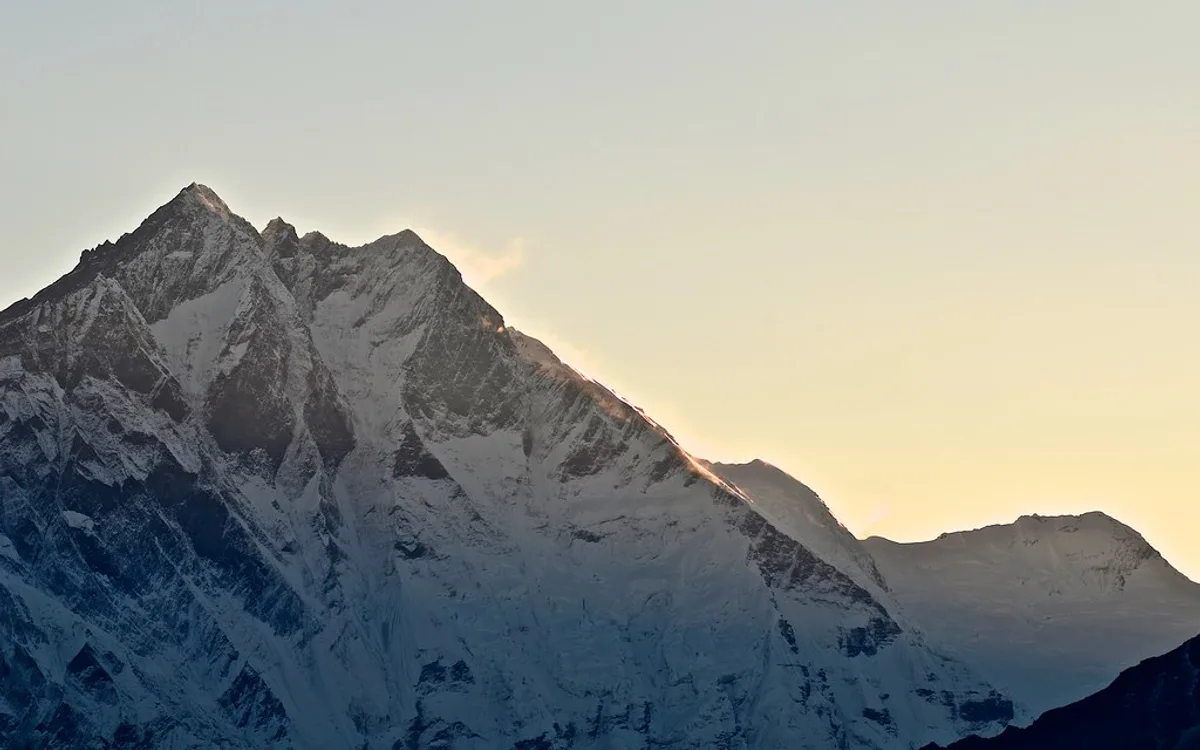
Lhotse South Face (Soviet Route 1990)
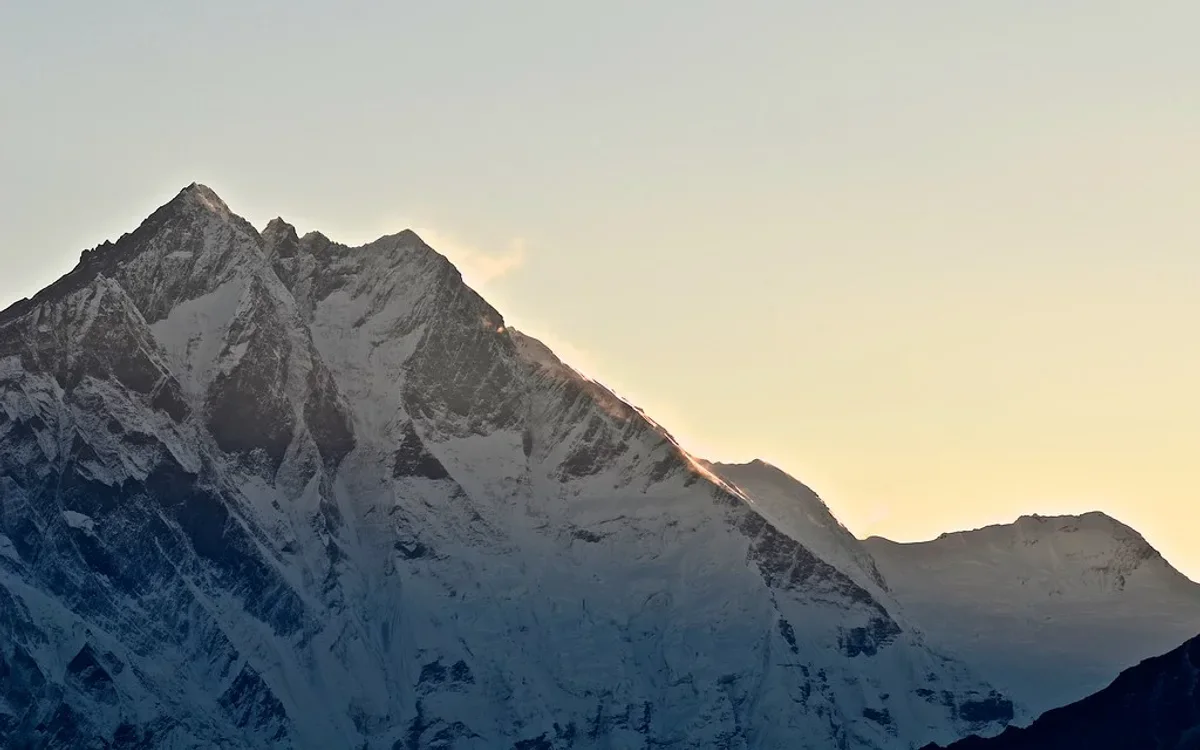
Plunging more than 3,300 vertical meters above the upper Imja Valley, Lhotse’s sheer South Face is among the tallest mountain walls on Earth, definitively solved to the summit on October 16, 1990 by...
Target Objective Peak
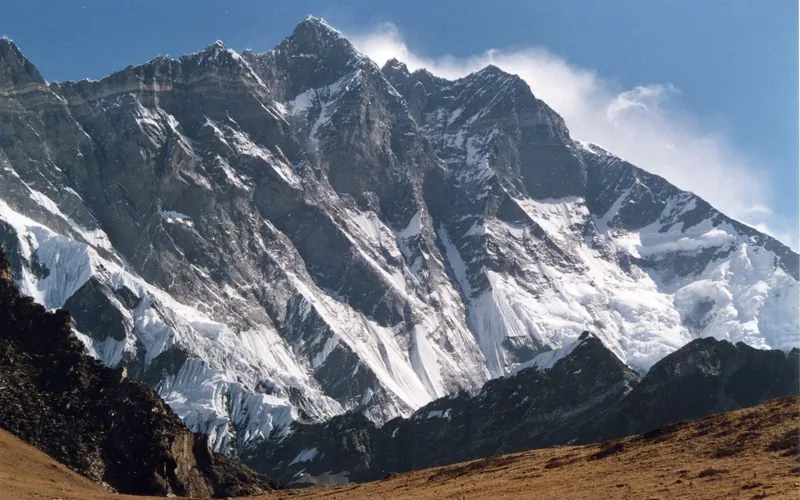


Lhotse
Lhotse, at 8,516 meters (27,940 ft), is the fourth-highest mountain on Earth, connected directly to Mount Everest via the South Col. Renowned for its sheer 3,200-meter South Face, one of the most imposing rock and ice walls in alpinism, the standard route tackles the grueling Lhotse Couloir from the Western Cwm.
Documented Sources & Archival Citations
- Primary Alpine JournalAmerican Alpine Journal: Lhotse South Face Soviet Ascent ↗(American Alpine Club)
Share Exploration
Global Mountain Intelligence
✓ Link copied to clipboard!