1981 Yugoslav Lhotse South Face Expedition
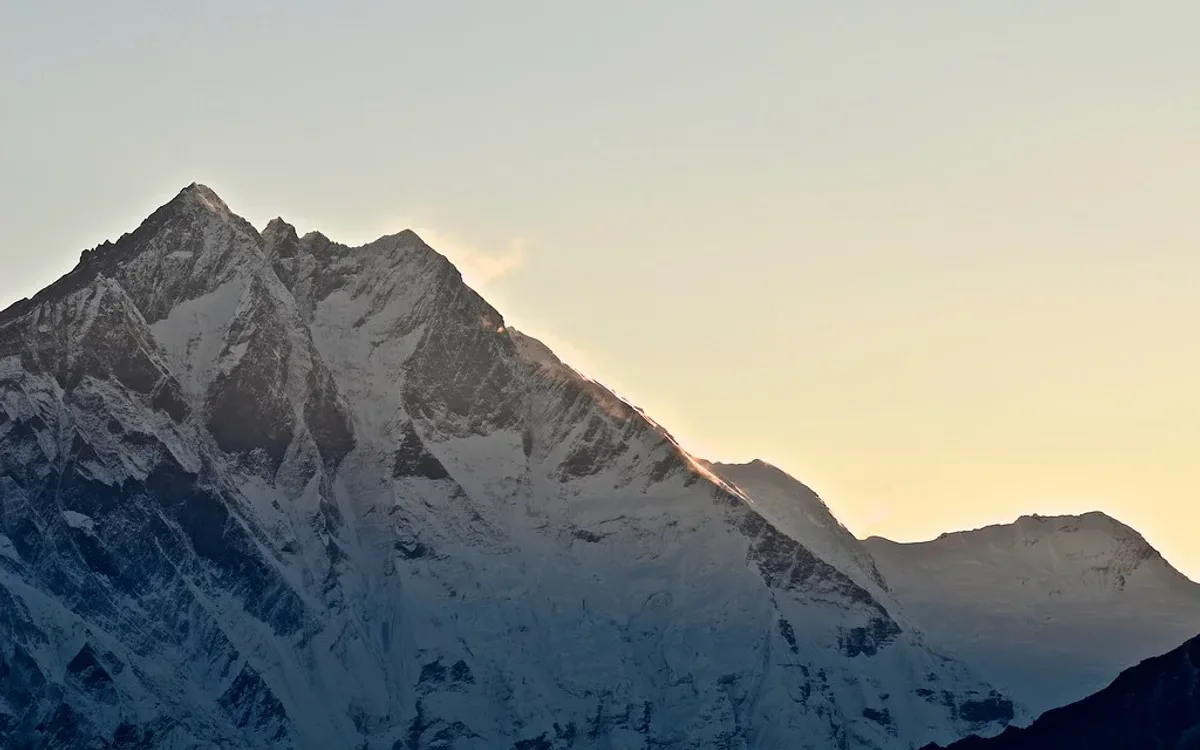
Led by Aleš Kunaver, the 1981 Yugoslav expedition breached the lower 3,000 meters of Lhotse's terrifying South Face, reaching 8,250 meters before rockfall and blizzards forced a retreat.
Mountain Safety & Conditions Disclaimer: High-altitude climbing, glacial travel, and technical ascents entail severe objective risks including avalanches, serac collapses, rapid weather collapse, and altitude illness. Historical route descriptions and summit claims on Mountainity reflect documented archival sources and must not be used as live operational safety assessments. Local regulations, permits, and physical glacial topography change continuously.
Peer Review: Senior Editorial Board & Historical Reviewers • Editorial Standards
Official Expedition Narrative & Archival Record
Following their 1975 triumph on Makalu, the Yugoslav Mountaineering Federation tackled the ultimate big-wall precipice on Earth: the 3,300-meter vertical South Face of Lhotse (8,516m). Led by Aleš Kunaver and featuring Stane Belak, Marjan Manfreda, and Franc Česen, the team battled relentless rockfall, avalanches, and vertical granite bands. Česen and partners pushed to 8,250 meters without supplemental oxygen on the upper rock barrier before hurricane-force pre-monsoon blizzards and shattered fixed ropes forced a disciplined retreat. Reinhold Messner later praised the attempt as the finest big-wall assault yet mounted in the Himalayas.
Documented Team Composition
- Aleš Kunaver (Expedition Leader)
- Franc Česen (Lead Climber - 8,250m)
- Stane Belak
- Marjan Manfreda
- Pavel Podgornik
- Ivč Kotnik
Key Statistics & Topographic Figures
- Official Outcome
- High-Altitude Breakthrough Attempt on South Face (8,250m)
Expedition Status
- Summit Date
- 1981-05-30
Ascent Timestamp
- Target Objective
- lhotse
Mountain Peak
- Ascent Route
- lhotse-south-face
Climbing Path
- Team Size
- 6 Climbers
High-Altitude Team
- Region / Country
- Nepal (Khumbu / Mahalangur Himal)
Geography
Defined Alpine Terminology & Concepts
- Alpine Expedition
- A planned, self-contained high-altitude mountaineering undertaking operating in remote mountain terrain subject to extreme objective hazards.
- Death Zone
- The high-altitude region above 8,000 meters where atmospheric oxygen pressure is inadequate for sustained human survival.
Frequently Asked Questions: 1981 Yugoslav Lhotse South Face Expedition
What was the primary outcome and achievement of the 1981 Yugoslav Lhotse South Face Expedition?
High-Altitude Breakthrough Attempt on South Face (8,250m). Led by Aleš Kunaver, the 1981 Yugoslav expedition breached the lower 3,000 meters of Lhotse's terrifying South Face, reaching 8,250 meters before rockfall and blizzards forced a retreat.
When did the 1981 Yugoslav Lhotse South Face Expedition reach the summit?
Summit and operational dates for the 1981 Yugoslav Lhotse South Face Expedition are documented across 1981-03-25 to 1981-05-30.
Who were the documented climbing team members on the 1981 Yugoslav Lhotse South Face Expedition?
The documented climbing roster included: Aleš Kunaver (Expedition Leader), Franc Česen (Lead Climber - 8,250m), Stane Belak, Marjan Manfreda, Pavel Podgornik, Ivč Kotnik.
What climbing route and mountain objective were tackled during the 1981 Yugoslav Lhotse South Face Expedition?
The expedition tackled lhotse via the lhotse-south-face in Nepal (Khumbu / Mahalangur Himal).
How are the records and summit claims of the 1981 Yugoslav Lhotse South Face Expedition verified?
Summit claims, route topography, and timeline logs for the 1981 Yugoslav Lhotse South Face Expedition are cross-referenced with official alpine registries, national mountaineering federations, and primary expedition journals.
Ascent Route & Topography
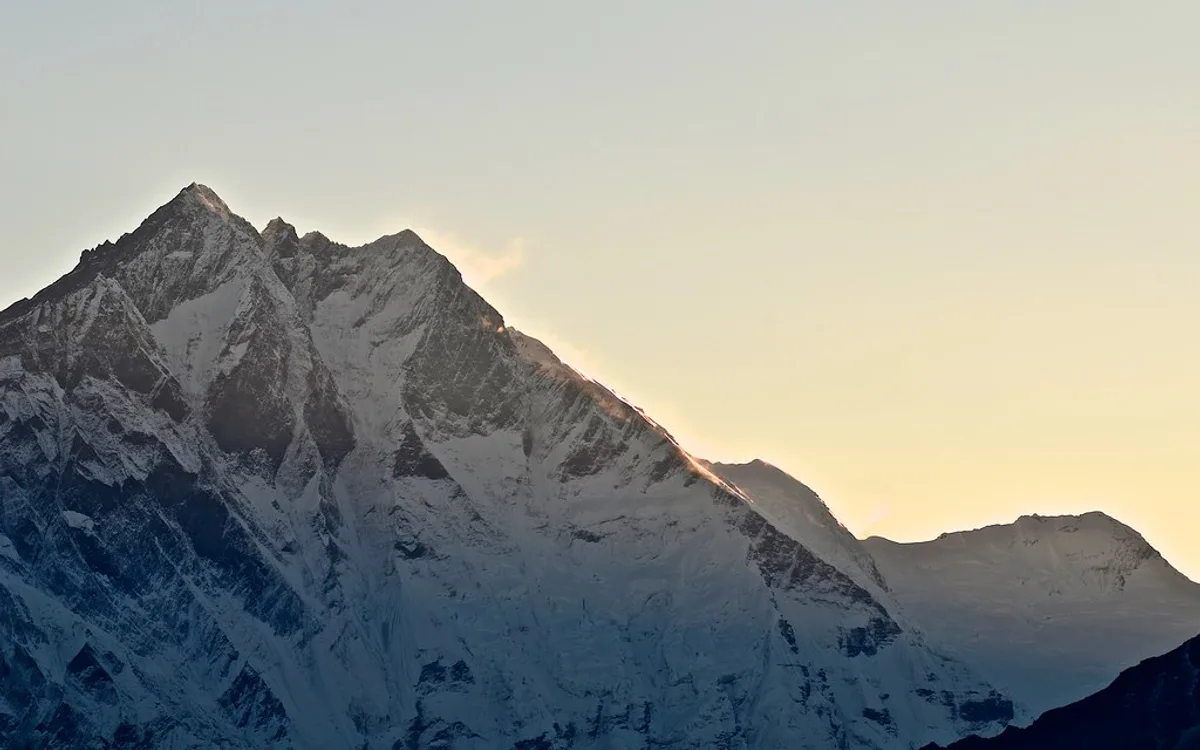
Lhotse South Face (Soviet Route 1990)
Plunging more than 3,300 vertical meters above the upper Imja Valley, Lhotse’s sheer South Face is among the tallest mountain walls on Earth, definitively solved to the summit on October 16, 1990 by...
Target Objective Peak
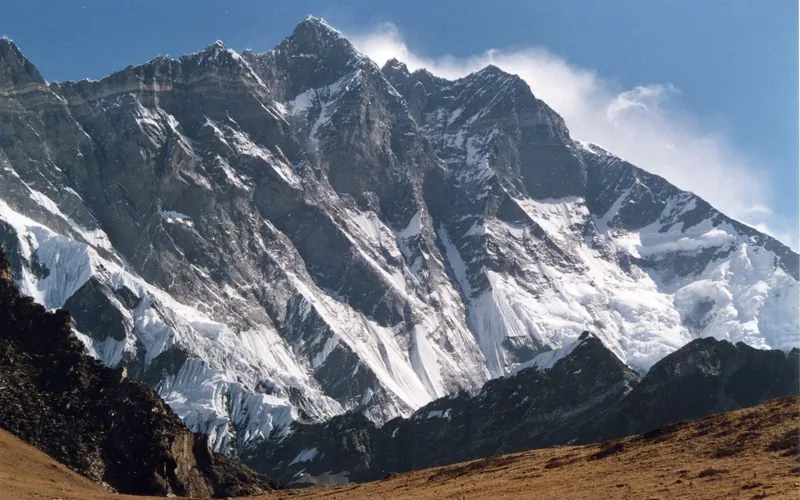


Lhotse
Lhotse, at 8,516 meters (27,940 ft), is the fourth-highest mountain on Earth, connected directly to Mount Everest via the South Col. Renowned for its sheer 3,200-meter South Face, one of the most imposing rock and ice walls in alpinism, the standard route tackles the grueling Lhotse Couloir from the Western Cwm.
Featured Expedition Climbers
Aleš Kunaver
Born in Ljubljana in 1935, Aleš Kunaver was the founding father of modern Slovenian high-altitude mountaineering. He pioneered routes in the Julian Alps and Hindu Kush before directing Yugoslav ambition toward the...
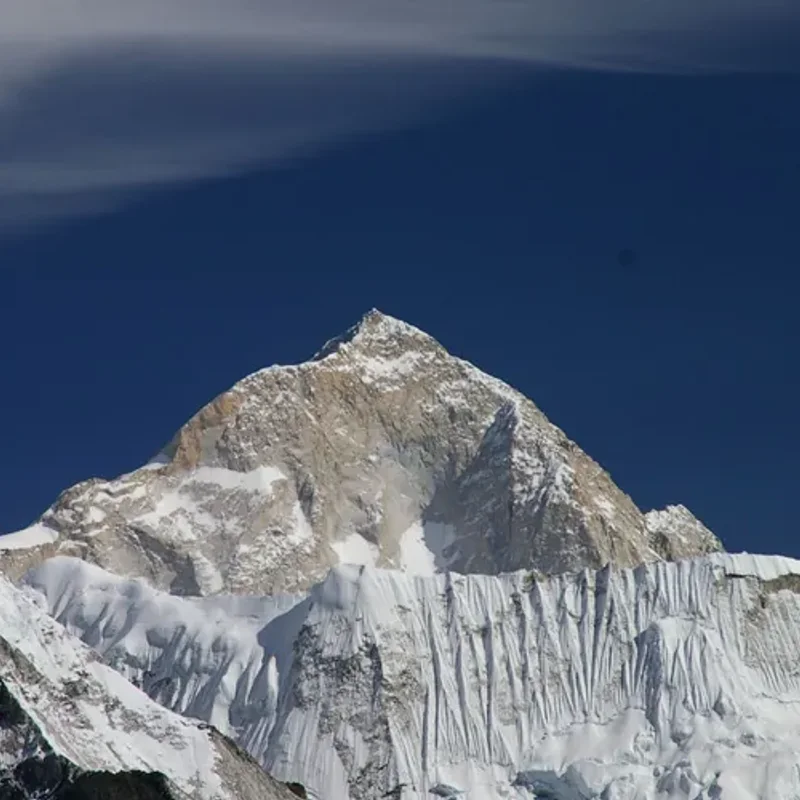
Marjan Manfreda
Born in Bohinjska Bela in 1950, Marjan Manfreda rose quickly through the Yugoslav mountaineering ranks, demonstrating exceptional physical resilience at extreme altitude. On the 1975 Yugoslav expedition to Makalu's...
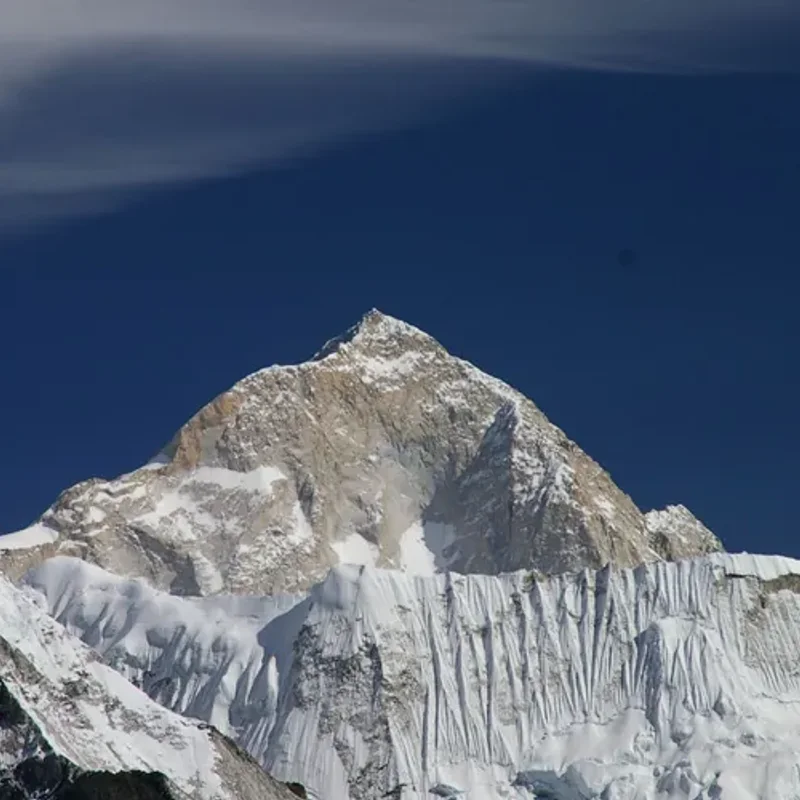
Stane Belak
Born in Ljubljana in 1940, Stane Belak was one of the fiercest and most charismatic figures in Yugoslav mountaineering, with over 1,000 ascents in the Alps. On the 1975 Yugoslav Makalu expedition led by Aleš Kunaver,...
Documented Sources & Archival Citations
- Primary Alpine JournalAmerican Alpine Journal: Lhotse South Face 1981(American Alpine Club)
- Archival DatabaseThe Himalayan Database — Expedition Chronicle (LHOT81102) ↗(Elizabeth Hawley / The Himalayan Database)
Supporting claim: Official Himalayan expedition chronology, camp telemetry, summit records and member log
Share Exploration
Global Mountain Intelligence
✓ Link copied to clipboard!