Stane Belak
Also known as: Stane Belak - Šrauf
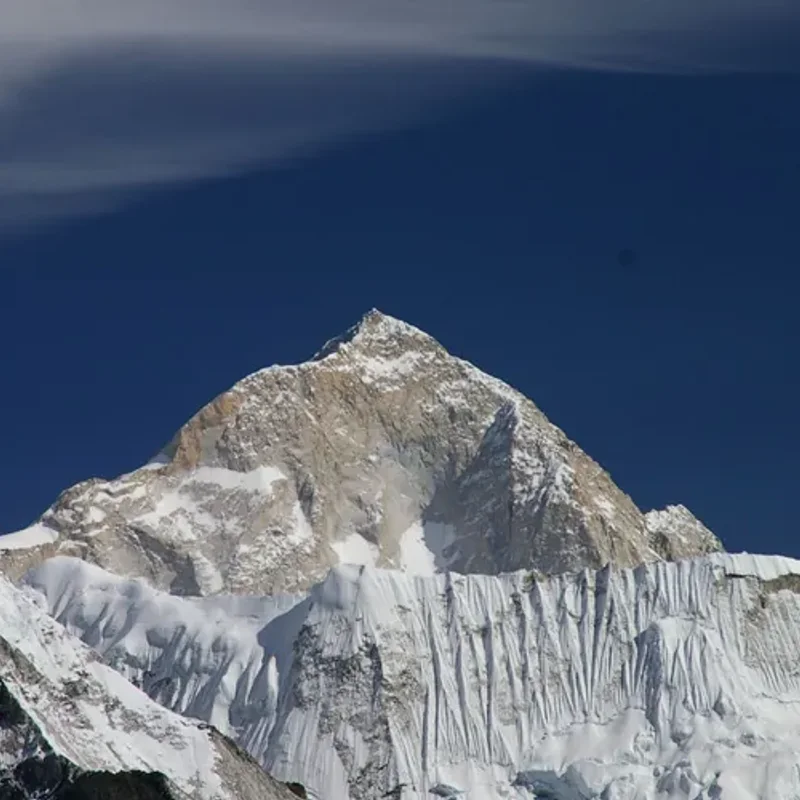
Stane Belak, nicknamed 'Šrauf', was an irrepressible Slovenian alpinist celebrated for making the historic first ascent of Makalu's South Face on October 6, 1975, and pioneering extreme big-wall lines across the Himalayas.
Mountain Safety & Conditions Disclaimer: High-altitude climbing, glacial travel, and technical ascents entail severe objective risks including avalanches, serac collapses, rapid weather collapse, and altitude illness. Historical route descriptions and summit claims on Mountainity reflect documented archival sources and must not be used as live operational safety assessments. Local regulations, permits, and physical glacial topography change continuously.
Peer Review: Senior Editorial Board & Historical Reviewers • Editorial Standards
Biographical Record & Archival Chronicle
Born in Ljubljana in 1940, Stane Belak was one of the fiercest and most charismatic figures in Yugoslav mountaineering, with over 1,000 ascents in the Alps. On the 1975 Yugoslav Makalu expedition led by Aleš Kunaver, Belak formed the lead assault pair with Marjan Manfreda.
On October 6, 1975, Belak and Manfreda crested the windswept summit of Makalu (8,485m), completing the maiden ascent of the South Face—Yugoslavia's first 8,000-metre summit. Over the next two decades, Belak climbed the South Face of Dhaulagiri (1981), Manaslu (1983), and Everest, remaining a towering inspiration to generations of Slovenian climbers before dying in an avalanche in the Kamnik Alps in 1995.
Notable Milestones & Key Ascents (3)
First ascent of Makalu (8,485m) South Face on October 6, 1975
First Slovenian ascent of an 8,000-metre peak
Pioneered alpine-style mixed routes in the Himalayas, Alps, and Andes
Key Statistics & Topographic Figures
- Archive Classification
- MOUNTAINEERS
Mountainity Knowledge Corpus
- Verification Status
- Editorially Verified
Archival Standards
- Citation Standard
- Primary Source Verified
Alpine Research Desk
Defined Alpine Terminology & Concepts
- Archival Integrity
- The standard of verifying historical mountain facts, summit claims, and altitudes using primary expeditions journals and geodetic measurements.
Frequently Asked Questions: Stane Belak
What historical significance does this mountaineer hold?
Stane Belak represents an essential chapter in global mountaineering heritage, verified through contemporary expedition journals and archival sources.
How are the facts and records for Stane Belak verified?
All records are checked against peer-reviewed journals, national alpine clubs, geodetic surveys, and the Mountainity Archival Integrity Policy.
Death Zone Summits (2 of 14)


Makalu
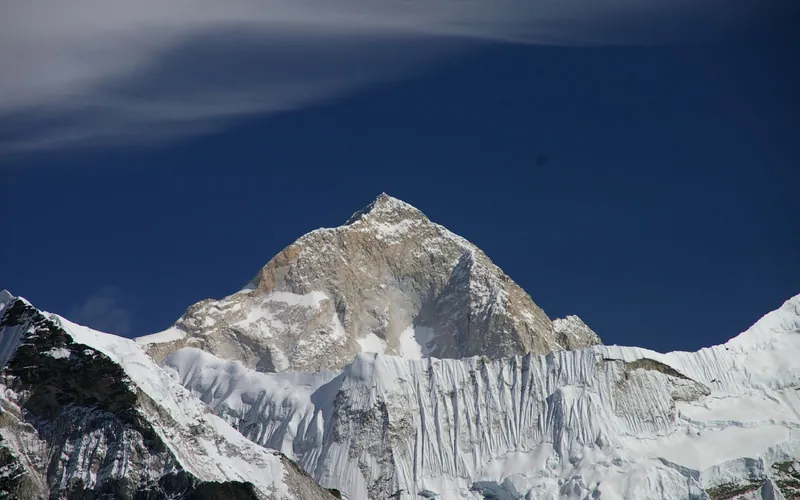
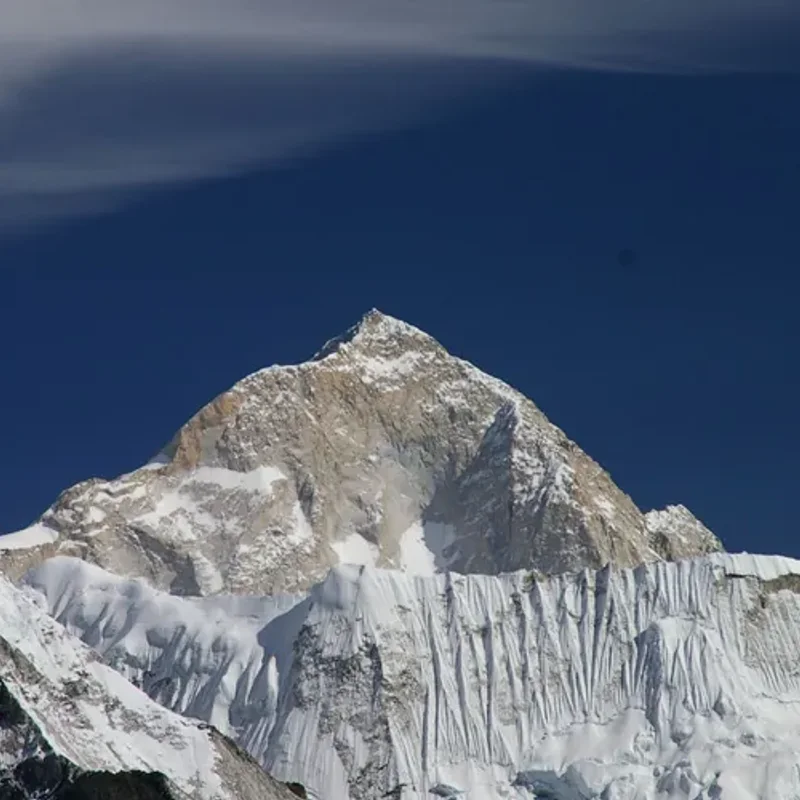
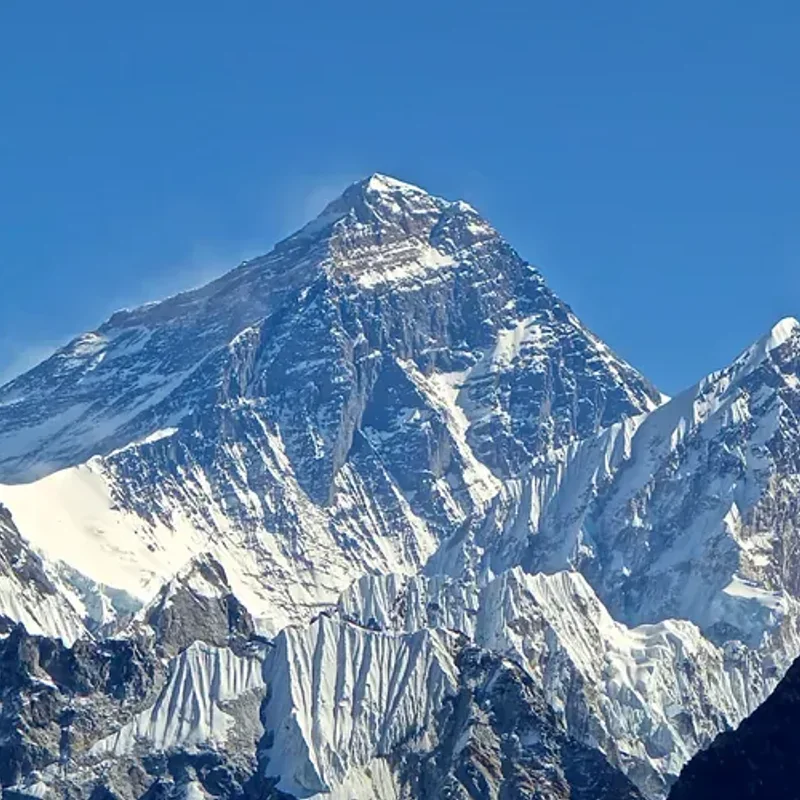
Makalu, at 8,485 meters (27,838 ft), is the fifth-highest mountain on Earth, located 19 km southeast of Mount Everest. An isolated four-sided granite pyramid, it is known for technical knife-edge ridges, severe exposure, and punishing weather, making it one of the most challenging eight-thousanders.
Manaslu
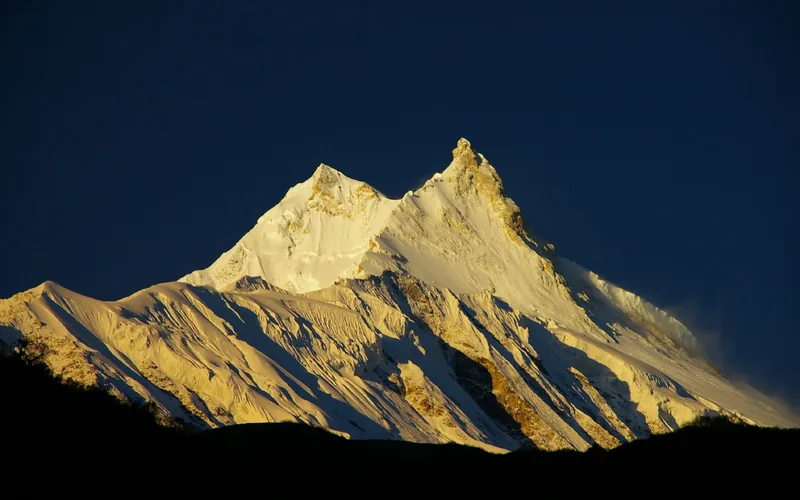
Manaslu, at 8,163 meters (26,781 ft), is the eighth-highest mountain in the world, situated in the Mansiri Himal of west-central Nepal. Known as the 'Mountain of the Spirit', its long ridges and valley glaciers offer dramatic topography culminating in a delicate, exposed knife-edge summit crest.
Geographical Footprint & Mountain Ranges (1)
Documented Ascent Routes (2)
Lhotse South Face (Soviet Route 1990)
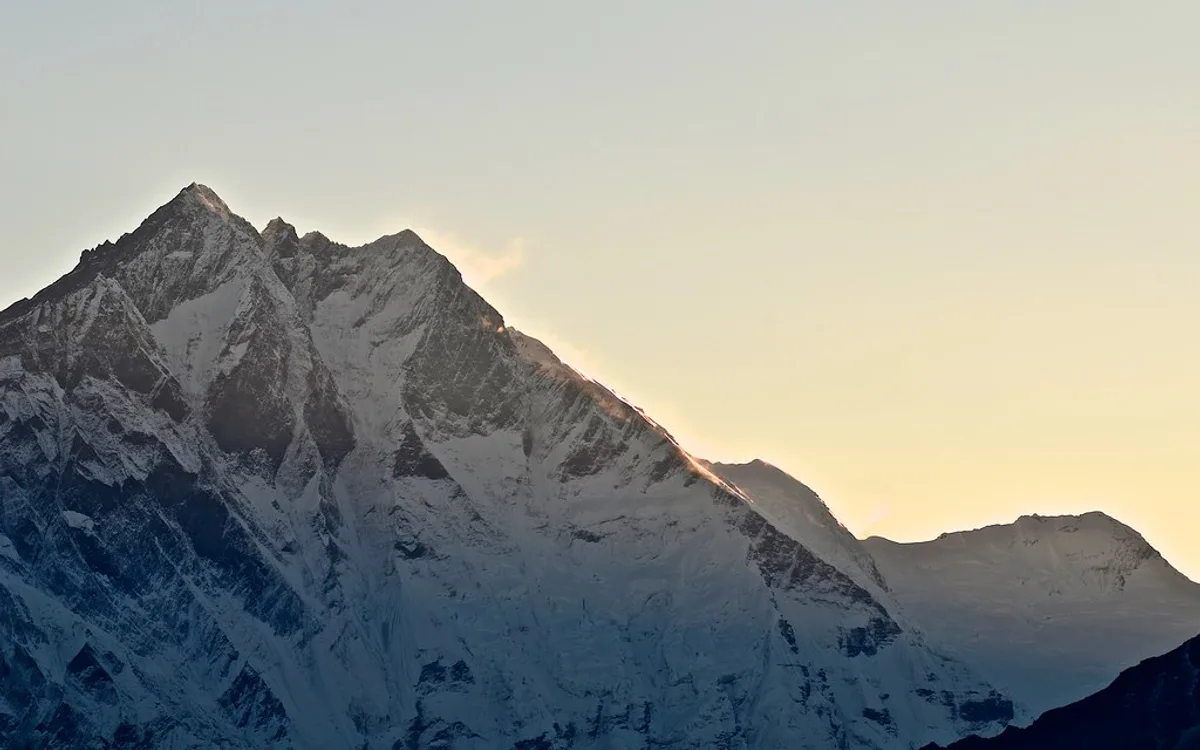
Plunging more than 3,300 vertical meters above the upper Imja Valley, Lhotse’s sheer South Face is among the tallest mountain walls on Earth, definitively solved to the summit on October 16, 1990 by...
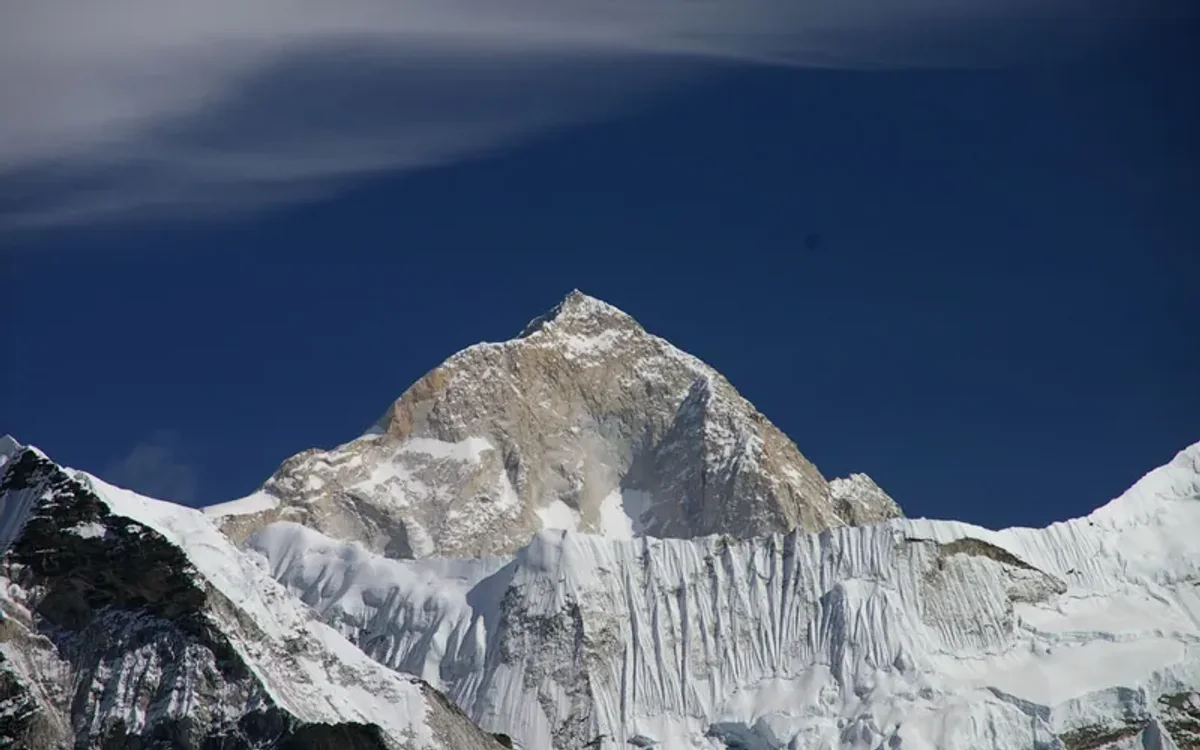
Makalu South Face (Yugoslav Route)
The South Face of Makalu is one of the most formidable big-wall precipices in the Himalayas, rising 3,000 vertical meters above the Barun Glacier. Characterized by vertical granite buttresses,...
Documented Expeditions (2)
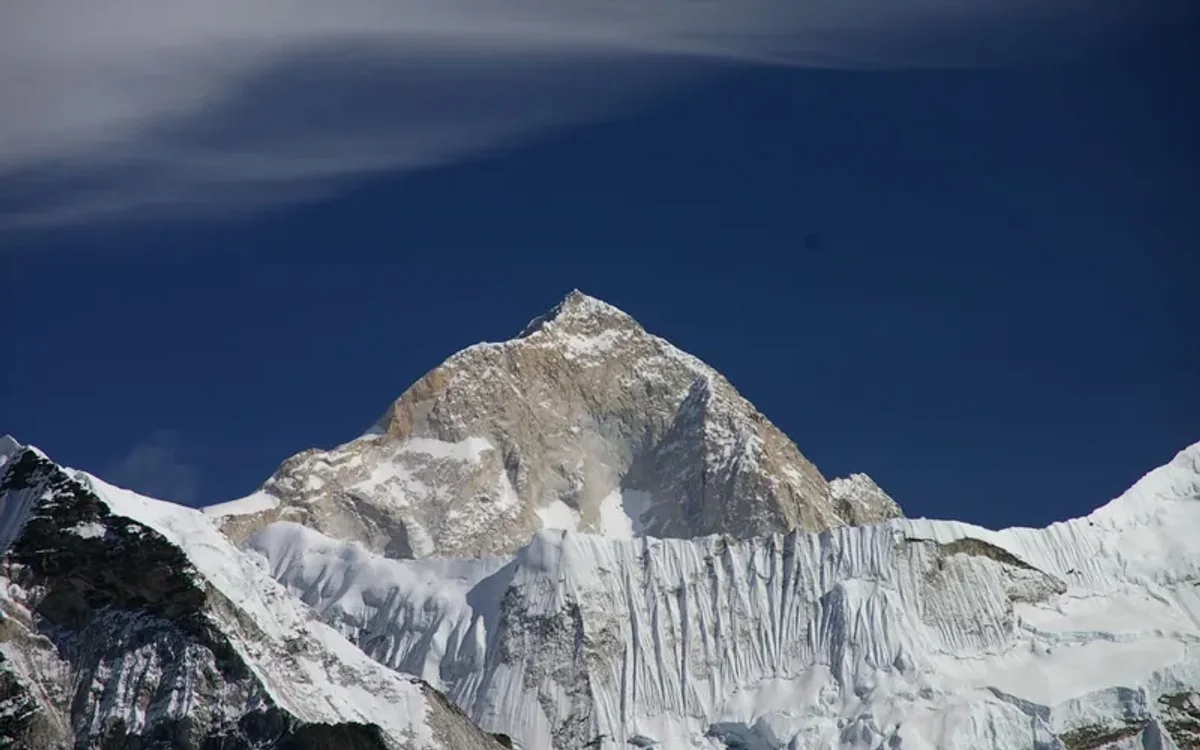
1975 Yugoslav Makalu South Face Expedition
Led by Aleš Kunaver, the 1975 Yugoslav expedition conquered Makalu's colossal 3,000m South Face, with Marjan Manfreda making the first oxygenless ascent of Makalu alongside Stane Belak.
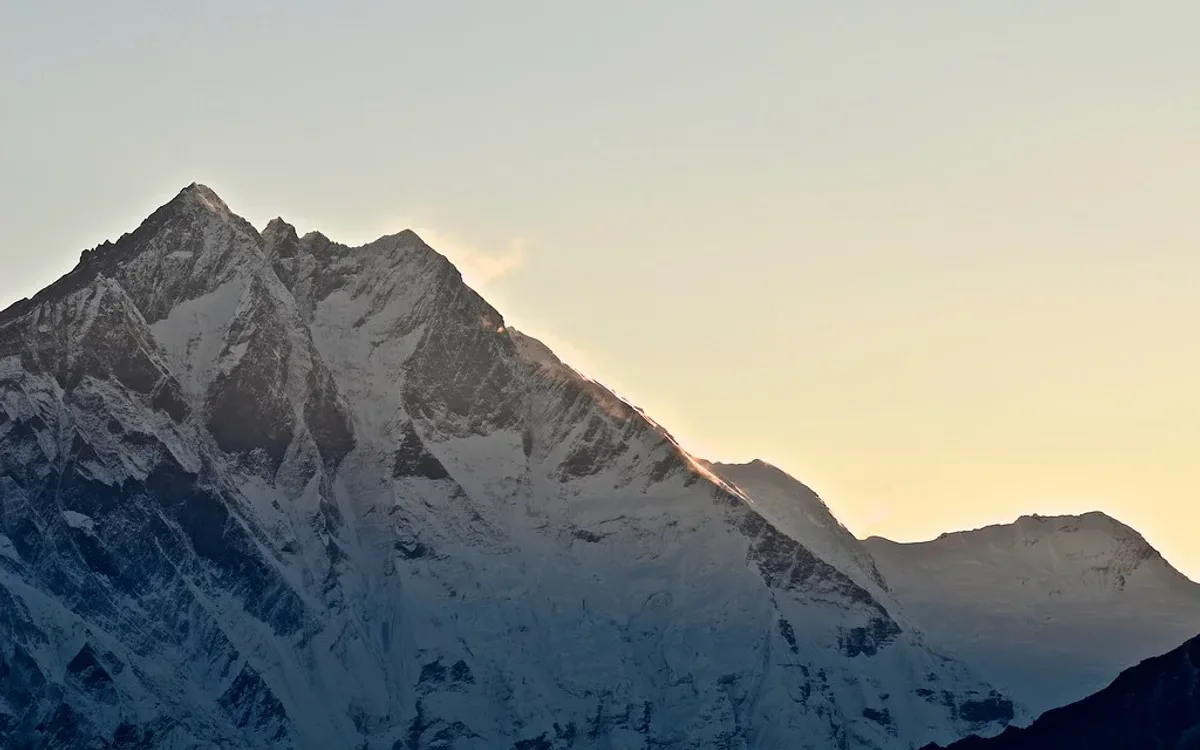
1981 Yugoslav Lhotse South Face Expedition
Led by Aleš Kunaver, the 1981 Yugoslav expedition breached the lower 3,000 meters of Lhotse's terrifying South Face, reaching 8,250 meters before rockfall and blizzards forced a retreat.
Documented Expedition Partners (2)
Alpinists with documented shared expedition rosters, co-ascents, or collaborative high-altitude campaigns alongside Stane Belak.
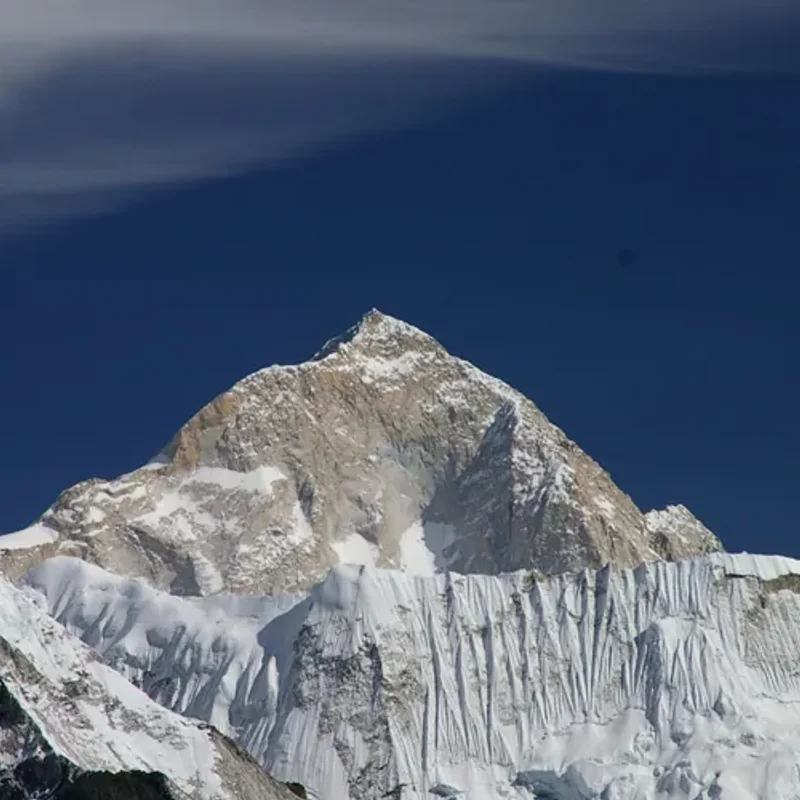
Aleš Kunaver
Born in Ljubljana in 1935, Aleš Kunaver was the founding father of modern Slovenian high-altitude mountaineering. He pioneered routes in the Julian Alps and Hindu Kush before directing Yugoslav ambition toward the...
Marjan Manfreda
Born in Bohinjska Bela in 1950, Marjan Manfreda rose quickly through the Yugoslav mountaineering ranks, demonstrating exceptional physical resilience at extreme altitude. On the 1975 Yugoslav expedition to Makalu's...
Contemporary Alpinists & Regional Peers (6)
Notable climbers sharing Slovenia alpine heritage or active during contemporary climbing epochs.

Andrej Štremfelj
Andrej Štremfelj was born on December 17, 1956, in Kranj, Slovenia. Beginning his climbing journey in the Julian Alps and Kamnik-Savinja Alps at fifteen, he rapidly became one of the leading figures in the golden...
Davo Karničar
Born in Zgornje Jezersko, Slovenia, in 1962, Karničar was an elite alpine ski racer before pioneering steep extreme descents in the Julian Alps. In 1995, he achieved the first ski descent of Annapurna I from the North...
Marko Prezelj
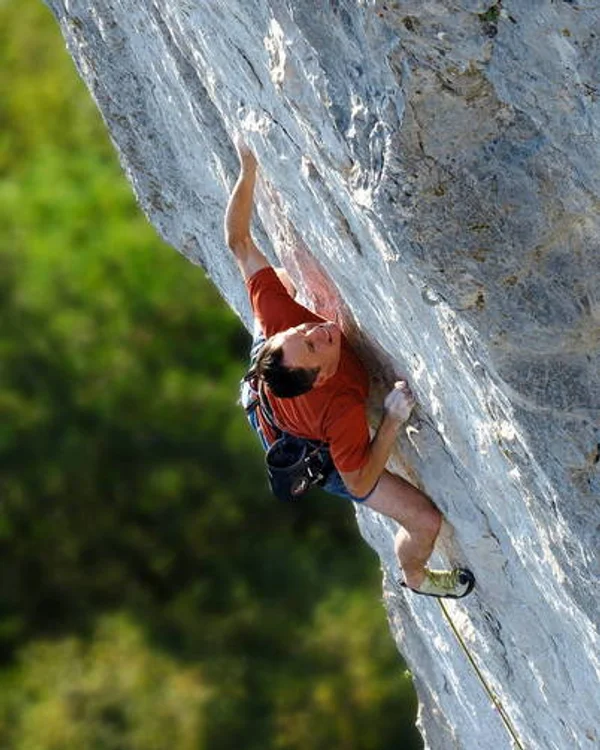
Marko Prezelj was born on October 13, 1965, in Kamnik, Slovenia. Training in the rugged limestone walls of the Kamnik-Savinja Alps, he combined a degree in chemical engineering from the University of Ljubljana with an...
Nejc Zaplotnik
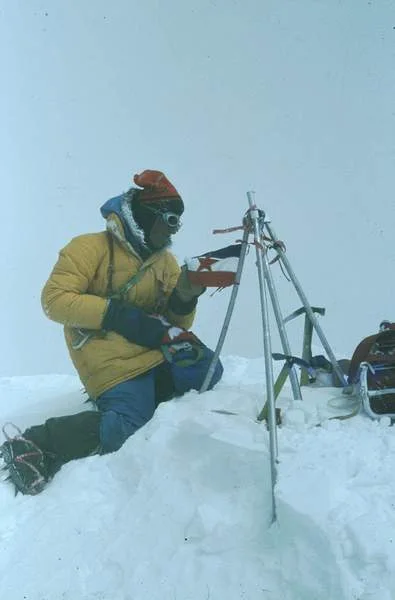
Jernej 'Nejc' Zaplotnik was born on April 16, 1952, in Kranj, Slovenia (then part of Yugoslavia). From a young age, Zaplotnik displayed a poetic soul paired with extraordinary physical stamina and fearless technical...
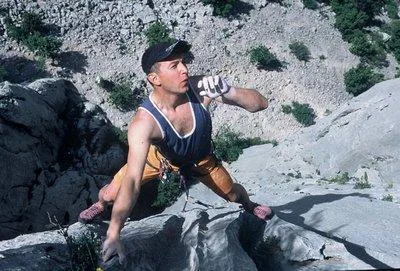
Tomaž Humar
Tomaž Humar was born on February 18, 1969, in Ljubljana, Slovenia (then Yugoslavia), and grew up in Kamnik beneath the sheer limestone towers of the Kamnik-Savinja Alps. A customs officer by training, Humar possessed...
Tone Škarja
Anton 'Tone' Škarja (1937–2020) was one of Slovenia's greatest mountaineering leaders, authors, and alpine strategists. As head of the 1979 Yugoslav Mount Everest Expedition, Škarja orchestrated the bold, successful...
Documented Sources & Archival Citations
- Alpine JournalThe Himalayan Journal: Yugoslav Makalu South Face 1975(The Himalayan Club)
Share Exploration
Global Mountain Intelligence
✓ Link copied to clipboard!