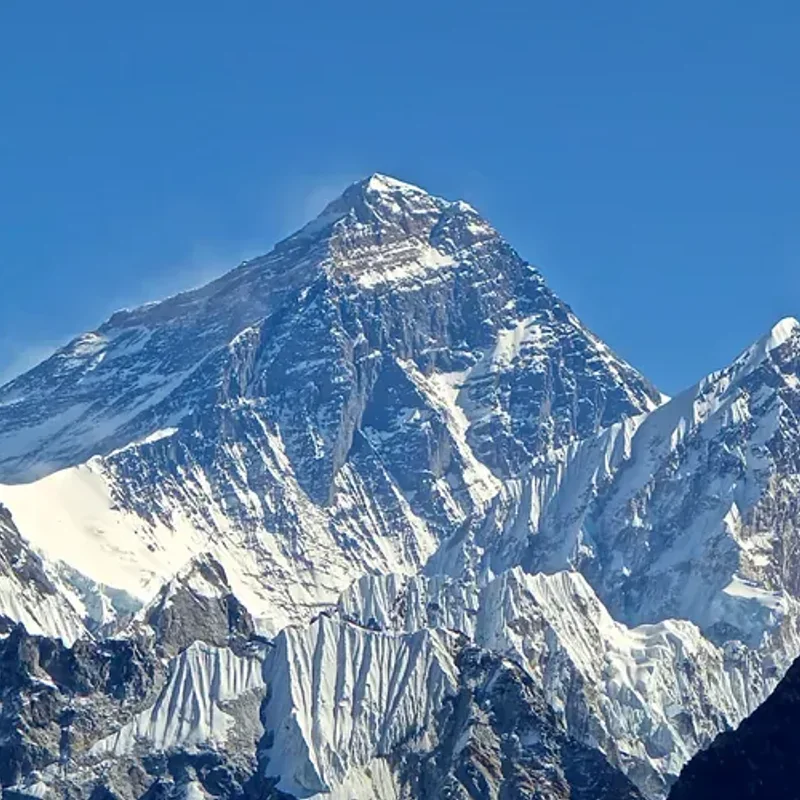
Davo Karničar
Also known as: Davorin Karničar
Davo Karničar was an extraordinary Slovenian extreme ski mountaineer and alpinist. On October 7, 2000, he made global sporting history by completing the first continuous, uninterrupted ski descent of Mount Everest from the 8,848.86-meter summit down the South Col route to Base Camp without removing his skis.
Mountain Safety & Conditions Disclaimer: High-altitude climbing, glacial travel, and technical ascents entail severe objective risks including avalanches, serac collapses, rapid weather collapse, and altitude illness. Historical route descriptions and summit claims on Mountainity reflect documented archival sources and must not be used as live operational safety assessments. Local regulations, permits, and physical glacial topography change continuously.
Peer Review: Senior Editorial Board & Historical Reviewers • Editorial Standards
Biographical Record & Archival Chronicle
Born in Zgornje Jezersko, Slovenia, in 1962, Karničar was an elite alpine ski racer before pioneering steep extreme descents in the Julian Alps. In 1995, he achieved the first ski descent of Annapurna I from the North Face.
In October 2000, on Mount Everest, Karničar climbed to the summit using supplemental oxygen. At 7:00 AM on October 7, 2000, he clicked into his skis at the very apex of Everest and began skiing down the exposed Southeast Ridge. Over four hours and forty minutes of extreme concentration, he navigated the Hillary Step, the South Col, the Lhotse Face, and the treacherous, crevasse-riddled Khumbu Icefall, arriving at Base Camp (5,350m) having achieved the first continuous ski descent of Everest in history.
In November 2006, Karničar became the first person to ski down the highest peak on all seven continents (the Seven Summits). He tragically died in a tree-felling accident near his home in Slovenia in 2019.
Notable Milestones & Key Ascents (3)
First continuous ski descent of Mount Everest (8,848.86m) to Base Camp without removing skis (October 7, 2000)
First person in history to ski the Seven Summits across all seven continents (2006)
First ski descent of the North Face of Annapurna I (1995)
Key Statistics & Topographic Figures
- Archive Classification
- MOUNTAINEERS
Mountainity Knowledge Corpus
- Verification Status
- Editorially Verified
Archival Standards
- Citation Standard
- Primary Source Verified
Alpine Research Desk
Defined Alpine Terminology & Concepts
- Archival Integrity
- The standard of verifying historical mountain facts, summit claims, and altitudes using primary expeditions journals and geodetic measurements.
Frequently Asked Questions: Davo Karničar
What historical significance does this mountaineer hold?
Davo Karničar represents an essential chapter in global mountaineering heritage, verified through contemporary expedition journals and archival sources.
How are the facts and records for Davo Karničar verified?
All records are checked against peer-reviewed journals, national alpine clubs, geodetic surveys, and the Mountainity Archival Integrity Policy.
Death Zone Summits (2 of 14)
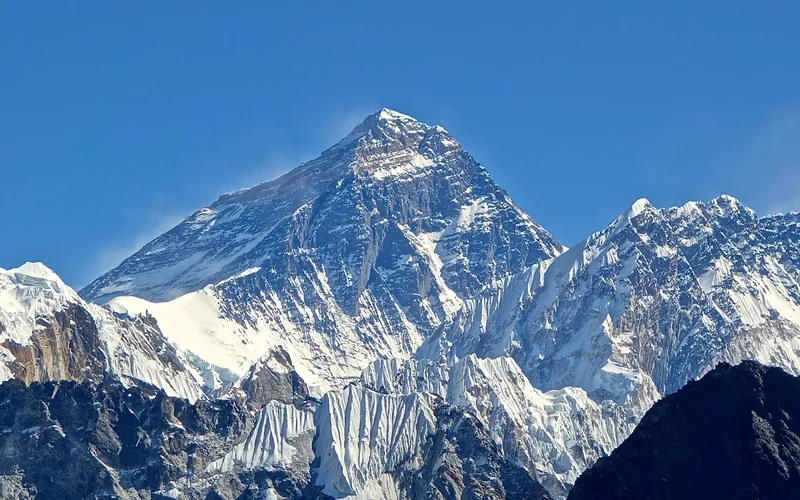


Mount Everest
Mount Everest is the highest mountain above sea level on Earth, standing at an official elevation of 8,848.86 meters (29,031.7 ft). Straddling the international frontier between Nepal and China, it is known locally as Sagarmatha in Nepali ('Goddess of the Sky') and Chomolungma in Tibetan ('Mother Goddess of the World'). The peak rises into the extreme upper troposphere, where oxygen levels drop to barely one-third of sea-level pressure. Climbers face hurricane-force jet stream winds, severe frostbite conditions, shifting ice crevasses in the Khumbu Icefall, and the dangerous Death Zone above 8,000 meters.
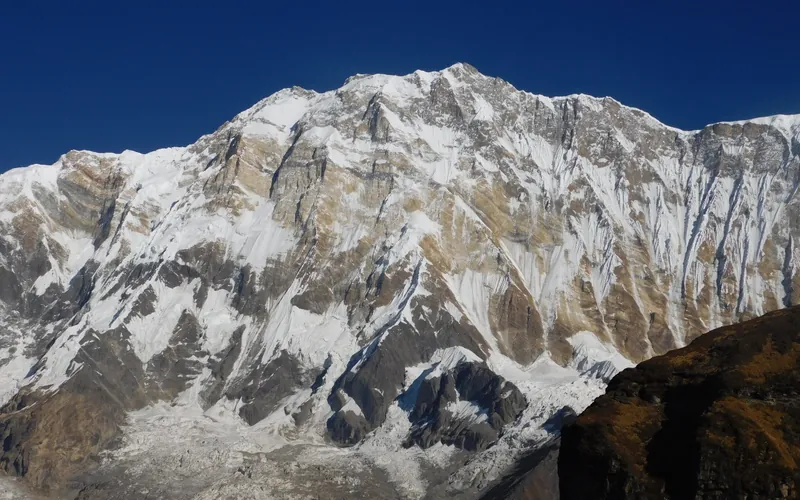
Annapurna I
Annapurna I, at 8,091 meters (26,545 ft), is the tenth-highest mountain in the world and historically the first 8,000-meter peak ever summited (June 3, 1950 by Maurice Herzog and Louis Lachenal). Rising above the Annapurna Sanctuary, its north and south walls present extreme avalanche and serac fall hazards.
Geographical Footprint & Mountain Ranges (1)
Documented Ascent Routes (2)
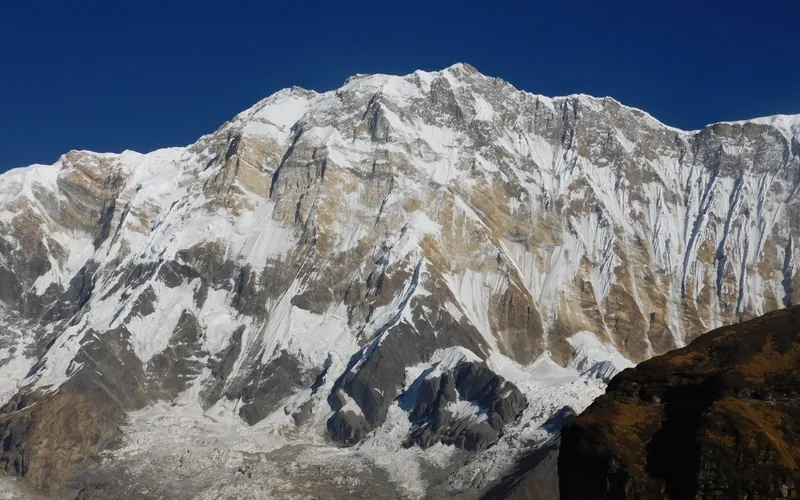
Annapurna I North Face (Herzog-Lachenal Route)
The North Face of Annapurna I is the historic first route ever climbed on an 8,000-meter peak, pioneered by French climbers Maurice Herzog and Louis Lachenal on June 3, 1950. Approached via the...
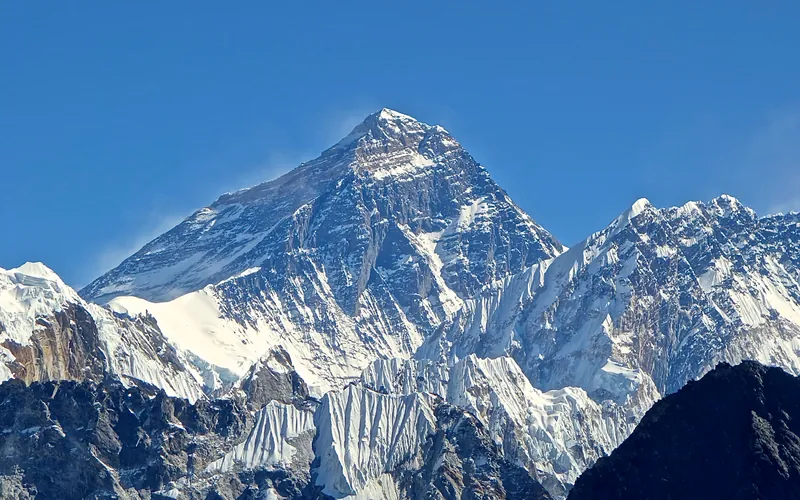
South Col & Southeast Ridge (Normal Route)
The South Col Route along the Southeast Ridge is the historic path of the 1953 first ascent and the most popular route on Mount Everest. Starting from Base Camp on the Khumbu Glacier in Nepal,...
Documented Expeditions (1)
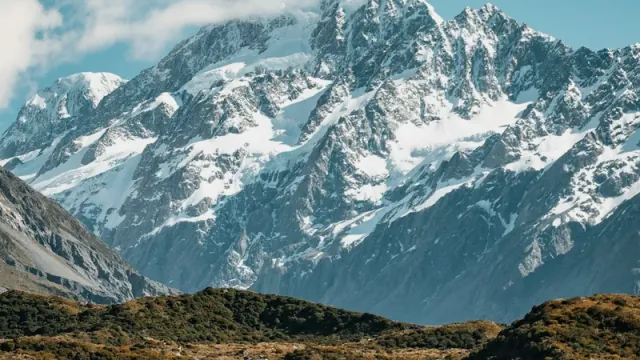
1953 British Mount Everest Expedition
Led by Colonel John Hunt, the ninth British expedition achieved the monumental first confirmed human ascent of Mount Everest on May 29, 1953.
Documented Expedition Partners (6)
Alpinists with documented shared expedition rosters, co-ascents, or collaborative high-altitude campaigns alongside Davo Karničar.

Dawa Tensing Sherpa
Dawa Tensing Sherpa (recorded in the official Himalayan Club Tiger Badge roll as Dawa Tenzing, porter registration H/C No. 173) was one of the most respected high-altitude sirdars in the golden era of Himalayan...

Dawa Thondup Sherpa
Dawa Thondup Sherpa, affectionately known across the international mountaineering community as 'Old Dawa', had one of the most enduring high-altitude climbing records in Himalayan exploration. Recruited in Darjeeling,...
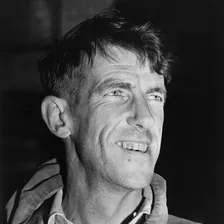
Sir Edmund Hillary
Edmund Percival Hillary was born in Auckland, New Zealand, on July 20, 1919. A school trip to Mount Ruapehu sparked his lifelong passion for alpine climbing. He completed his first major ascent on Mount Ollivier...
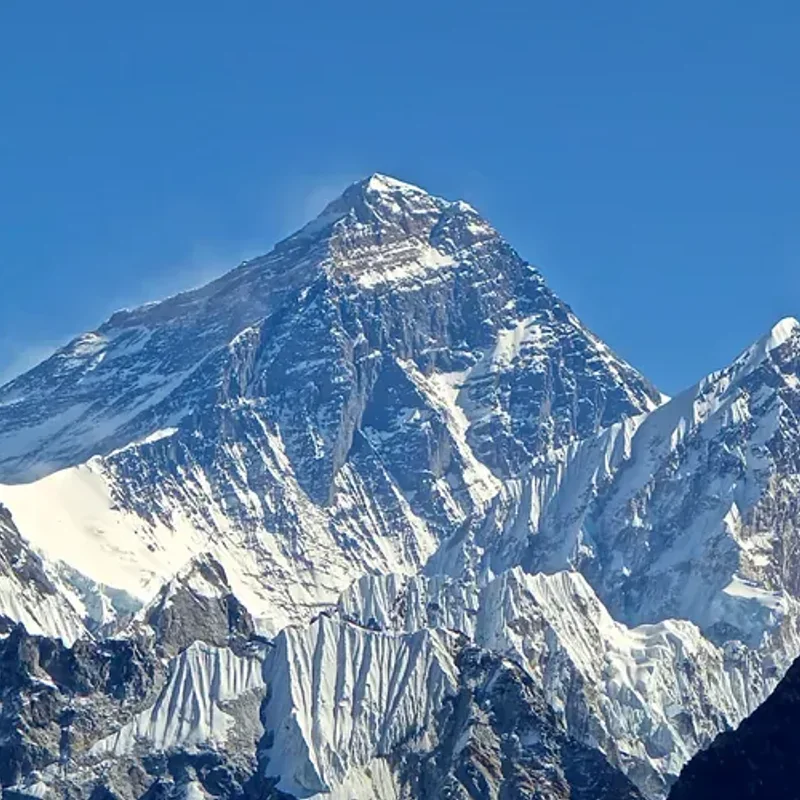
Erik Weihenmayer
Born in Princeton, New Jersey, in 1968, Weihenmayer lost his sight completely at age 13 due to juvenile retinoschisis. Refusing to let blindness define him, he took up rock climbing and wrestling, developing an acute...

George Band
George Christopher Band was born on February 2, 1929, in Taipei, Taiwan, where his parents were British missionary educators. Returning to England for his schooling at Eltham College, Band entered Queens' College,...
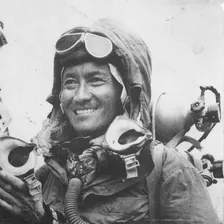
Tenzing Norgay
Tenzing Norgay was born in late May 1914 in the Khumbu region of northeastern Nepal into a Tibetan yak-herding family, initially given the name Namgyal Wangdi. Following a childhood illness, his parents consulted the...
Contemporary Alpinists & Regional Peers (6)
Notable climbers sharing Slovenia alpine heritage or active during contemporary climbing epochs.
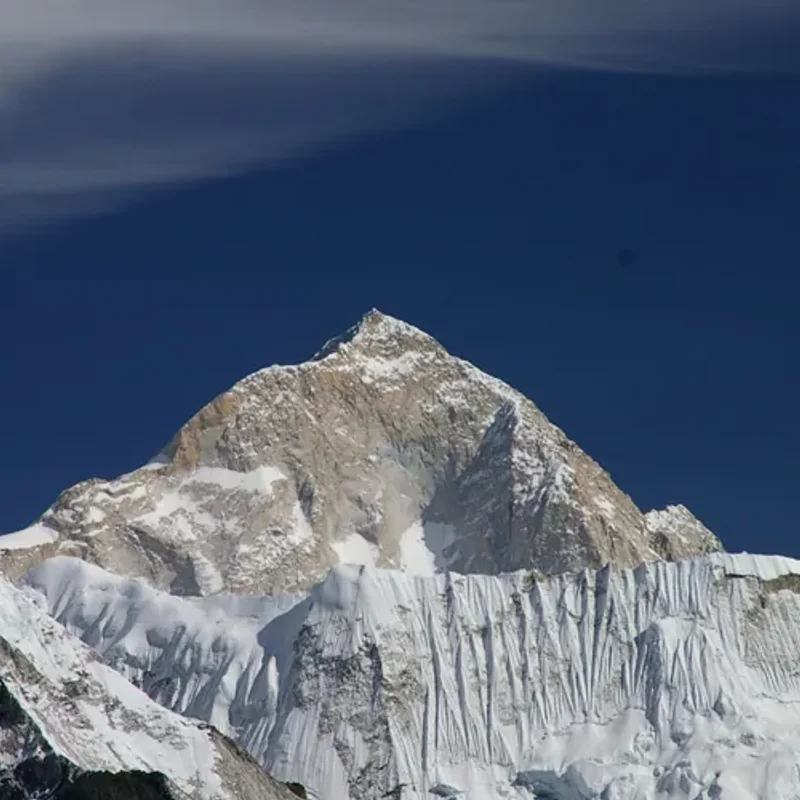
Aleš Kunaver
Born in Ljubljana in 1935, Aleš Kunaver was the founding father of modern Slovenian high-altitude mountaineering. He pioneered routes in the Julian Alps and Hindu Kush before directing Yugoslav ambition toward the...

Andrej Štremfelj
Andrej Štremfelj was born on December 17, 1956, in Kranj, Slovenia. Beginning his climbing journey in the Julian Alps and Kamnik-Savinja Alps at fifteen, he rapidly became one of the leading figures in the golden...
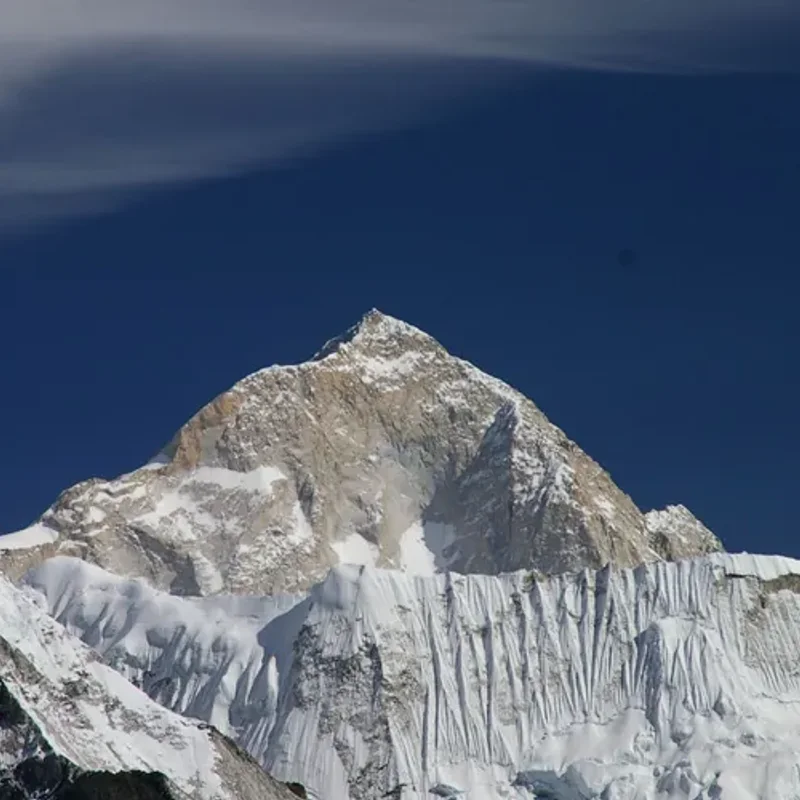
Marjan Manfreda
Born in Bohinjska Bela in 1950, Marjan Manfreda rose quickly through the Yugoslav mountaineering ranks, demonstrating exceptional physical resilience at extreme altitude. On the 1975 Yugoslav expedition to Makalu's...
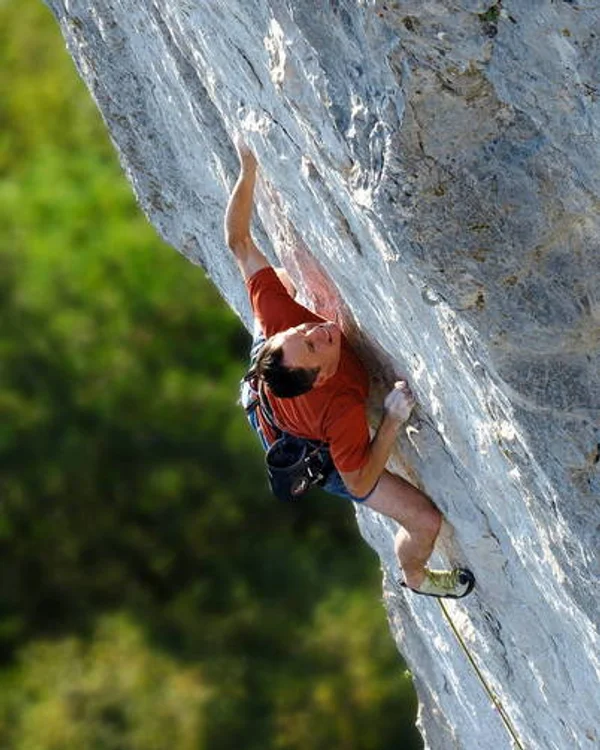
Marko Prezelj
Marko Prezelj was born on October 13, 1965, in Kamnik, Slovenia. Training in the rugged limestone walls of the Kamnik-Savinja Alps, he combined a degree in chemical engineering from the University of Ljubljana with an...
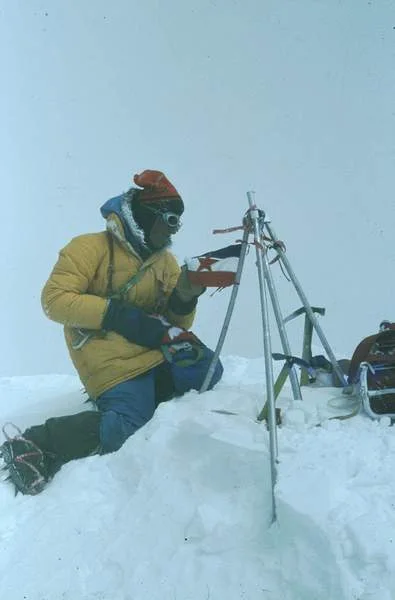
Nejc Zaplotnik
Jernej 'Nejc' Zaplotnik was born on April 16, 1952, in Kranj, Slovenia (then part of Yugoslavia). From a young age, Zaplotnik displayed a poetic soul paired with extraordinary physical stamina and fearless technical...
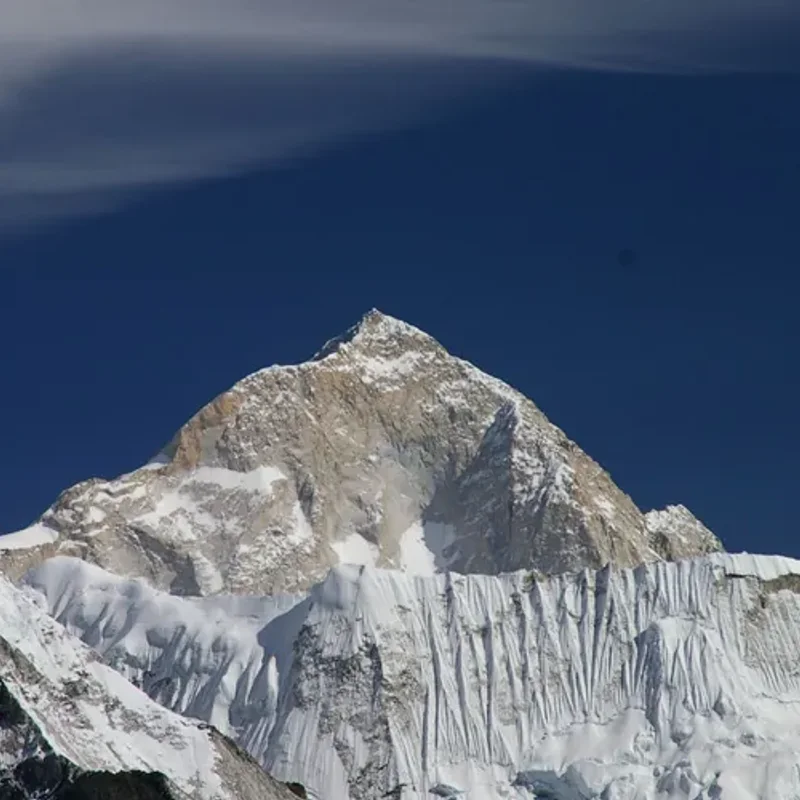
Stane Belak
Born in Ljubljana in 1940, Stane Belak was one of the fiercest and most charismatic figures in Yugoslav mountaineering, with over 1,000 ascents in the Alps. On the 1975 Yugoslav Makalu expedition led by Aleš Kunaver,...
Documented Sources & Archival Citations
- Primary Alpine JournalNational Geographic: First Ski Descent of Mount Everest(National Geographic Society)
Share Exploration
Global Mountain Intelligence
✓ Link copied to clipboard!