

Dawa Tensing Sherpa
Also known as: Dawa Tenzing, Sirdar Dawa Tensing, H.C.P. No. 173
Dawa Tensing Sherpa (c. 1910 – 1980s) was the celebrated senior sirdar of Charles Evans's 1955 British Kangchenjunga Expedition and a key high-altitude leader on the 1953 Everest first ascent.
Mountain Safety & Conditions Disclaimer: High-altitude climbing, glacial travel, and technical ascents entail severe objective risks including avalanches, serac collapses, rapid weather collapse, and altitude illness. Historical route descriptions and summit claims on Mountainity reflect documented archival sources and must not be used as live operational safety assessments. Local regulations, permits, and physical glacial topography change continuously.
Peer Review: Senior Editorial Board & Historical Reviewers • Editorial Standards
Biographical Record & Archival Chronicle
Dawa Tensing Sherpa (recorded in the official Himalayan Club Tiger Badge roll as Dawa Tenzing, porter registration H/C No. 173) was one of the most respected high-altitude sirdars in the golden era of Himalayan mountaineering. Known for his dignity, calm authority, and tremendous stamina, the Swiss conferred upon him the title 'King of the Sherpas'. On John Hunt's 1953 British Mount Everest Expedition, Dawa Tensing served as senior climbing sirdar, famously carrying loads twice to the South Col to support Hillary and Tenzing Norgay, an achievement honored by the Himalayan Club with the Tiger Badge. In 1955, Dr. Charles Evans appointed Dawa Tensing as Head Sirdar for the British expedition to Kangchenjunga (8,586m). Dawa Tensing brilliantly directed the Sherpa climbing team across the complex Yalung Face and the Gangway; as recorded by George Band in The Alpine Journal, Dawa Tensing led on the first rope alongside Evans and Neil Mather to pitch Camp VI at 26,900 feet (8,200m), sparing the energy of Joe Brown and Band for their historic maiden summit on May 25, 1955. Dawa Tensing is frequently confused in secondary literature with his contemporary Dawa Thondup, but the primary records of The Alpine Journal (AJ 60, pp. 207–226), The Himalayan Journal, and the Himalayan Club confirm their distinct identities.
Notable Milestones & Key Ascents (5)
Head Sirdar on the historic 1955 British Kangchenjunga First Ascent Expedition under Charles Evans
Led on the first rope carrying to Camp VI at 26,900 feet (8,200m) on Kangchenjunga to support Brown and Band's first ascent
Senior climbing sirdar on the 1953 British Mount Everest First Ascent Expedition, carrying twice to the South Col
Awarded the Tiger Badge of the Himalayan Club (porter registration H/C No. 173) for supreme Everest 1953 service
Recipient of the Queen Elizabeth II Coronation Medal in 1953
Key Statistics & Topographic Figures
- Archive Classification
- MOUNTAINEERS
Mountainity Knowledge Corpus
- Verification Status
- Editorially Verified
Archival Standards
- Citation Standard
- Primary Source Verified
Alpine Research Desk
Defined Alpine Terminology & Concepts
- Archival Integrity
- The standard of verifying historical mountain facts, summit claims, and altitudes using primary expeditions journals and geodetic measurements.
Frequently Asked Questions: Dawa Tensing Sherpa
What historical significance does this mountaineer hold?
Dawa Tensing Sherpa represents an essential chapter in global mountaineering heritage, verified through contemporary expedition journals and archival sources.
How are the facts and records for Dawa Tensing Sherpa verified?
All records are checked against peer-reviewed journals, national alpine clubs, geodetic surveys, and the Mountainity Archival Integrity Policy.
Death Zone Summits (2 of 14)
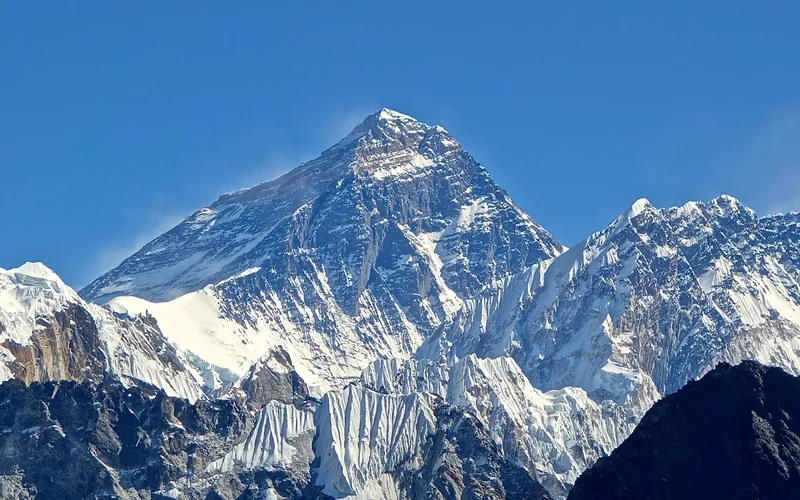

Mount Everest
Mount Everest is the highest mountain above sea level on Earth, standing at an official elevation of 8,848.86 meters (29,031.7 ft). Straddling the international frontier between Nepal and China, it is known locally as Sagarmatha in Nepali ('Goddess of the Sky') and Chomolungma in Tibetan ('Mother Goddess of the World'). The peak rises into the extreme upper troposphere, where oxygen levels drop to barely one-third of sea-level pressure. Climbers face hurricane-force jet stream winds, severe frostbite conditions, shifting ice crevasses in the Khumbu Icefall, and the dangerous Death Zone above 8,000 meters.
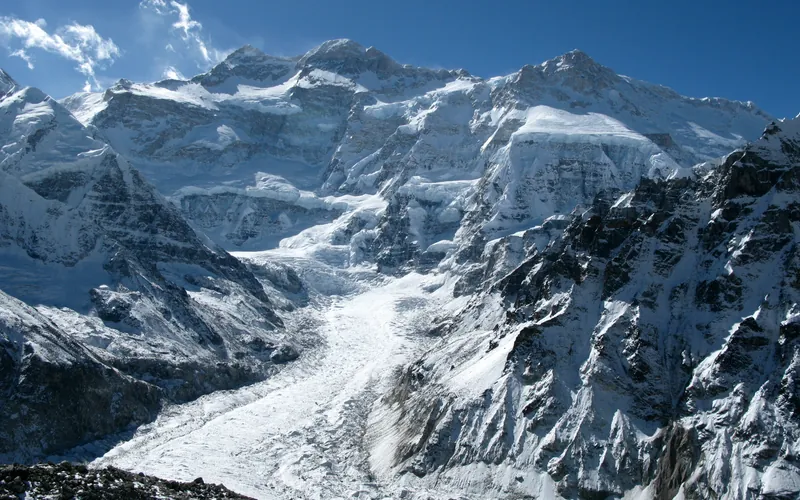
Kangchenjunga
Kangchenjunga, at 8,586 meters (28,169 ft), is the third-highest mountain on Earth, rising on the border between Nepal and Sikkim, India. Honored as sacred by locals, early ascent teams respected local beliefs by stopping short of the actual highest crest. It features immense vertical relief and notorious storm cycles.
Geographical Footprint & Mountain Ranges (1)
Documented Ascent Routes (2)
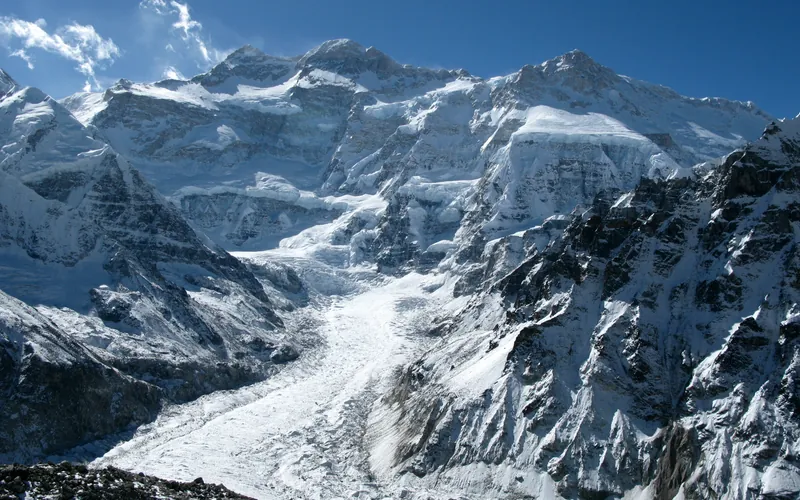
Kangchenjunga Southwest Face (Normal Route)
The Southwest Face route is the classic line of ascent on Kangchenjunga, climbing out of the Yalung Glacier cirque in eastern Nepal. First forged in 1955 by British mountaineers Joe Brown and George...
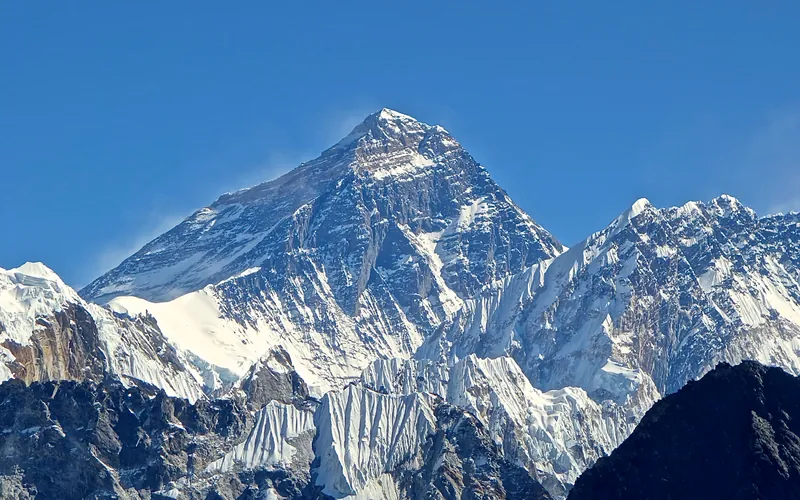
South Col & Southeast Ridge (Normal Route)
The South Col Route along the Southeast Ridge is the historic path of the 1953 first ascent and the most popular route on Mount Everest. Starting from Base Camp on the Khumbu Glacier in Nepal,...
Documented Expeditions (2)
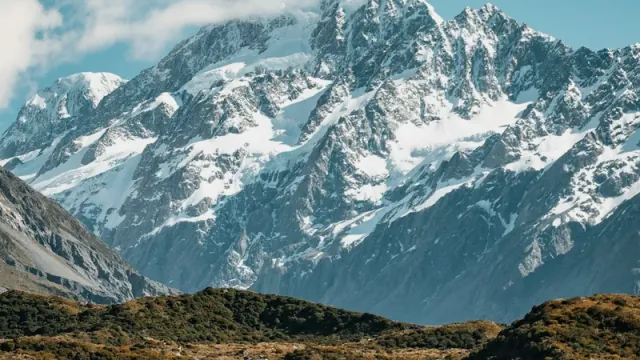
1953 British Mount Everest Expedition
Led by Colonel John Hunt, the ninth British expedition achieved the monumental first confirmed human ascent of Mount Everest on May 29, 1953.
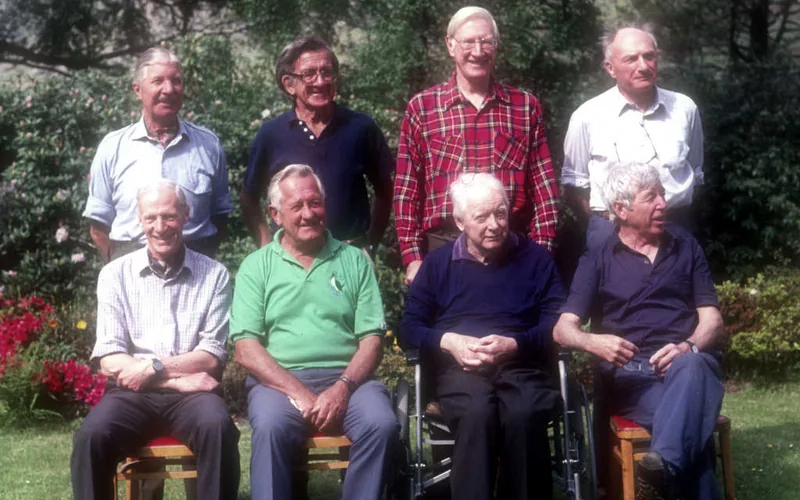
1955 British Kangchenjunga Expedition
Led by Dr. Charles Evans, this landmark British expedition achieved the first ascent of Kangchenjunga (8,586m) on May 25, 1955, when Joe Brown and George Band reached the summit ridge via the Southwest Face, followed the next day by Norman Hardie and Tony Streather.
Documented Expedition Partners (8)
Alpinists with documented shared expedition rosters, co-ascents, or collaborative high-altitude campaigns alongside Dawa Tensing Sherpa.
Davo Karničar
Born in Zgornje Jezersko, Slovenia, in 1962, Karničar was an elite alpine ski racer before pioneering steep extreme descents in the Julian Alps. In 1995, he achieved the first ski descent of Annapurna I from the North...

Dawa Thondup Sherpa
Dawa Thondup Sherpa, affectionately known across the international mountaineering community as 'Old Dawa', had one of the most enduring high-altitude climbing records in Himalayan exploration. Recruited in Darjeeling,...
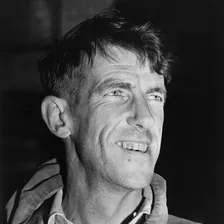
Sir Edmund Hillary
Edmund Percival Hillary was born in Auckland, New Zealand, on July 20, 1919. A school trip to Mount Ruapehu sparked his lifelong passion for alpine climbing. He completed his first major ascent on Mount Ollivier...
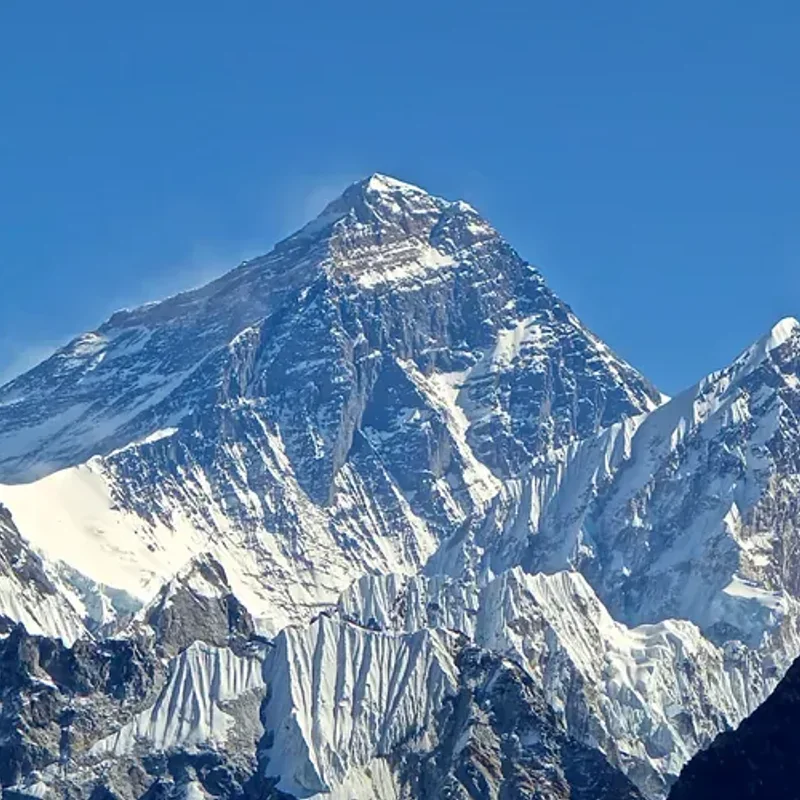
Erik Weihenmayer
Born in Princeton, New Jersey, in 1968, Weihenmayer lost his sight completely at age 13 due to juvenile retinoschisis. Refusing to let blindness define him, he took up rock climbing and wrestling, developing an acute...
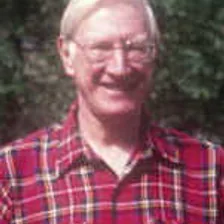
George Band
George Christopher Band was born on February 2, 1929, in Taipei, Taiwan, where his parents were British missionary educators. Returning to England for his schooling at Eltham College, Band entered Queens' College,...
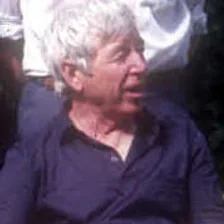
Joe Brown
Joseph 'Joe' Brown was born on September 26, 1930, in Ardwick, an impoverished working-class district of Manchester, England. The youngest of seven children, Brown left school at age fourteen to work as a plumber and...
Norman Hardie
Norman David Hardie was one of the most accomplished climbers in New Zealand’s golden age of mountaineering. Trained as a civil engineer, Hardie joined Sir Edmund Hillary on the 1954 Barun Valley Expedition, during...
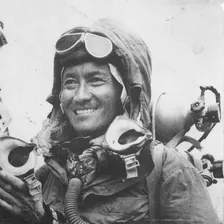
Tenzing Norgay
Tenzing Norgay was born in late May 1914 in the Khumbu region of northeastern Nepal into a Tibetan yak-herding family, initially given the name Namgyal Wangdi. Following a childhood illness, his parents consulted the...
Contemporary Alpinists & Regional Peers (6)
Notable climbers sharing Nepal alpine heritage or active during contemporary climbing epochs.
Ajiwa Sherpa
Ajiwa Sherpa is a historic Nepalese high-altitude mountaineer celebrated for technical first ascents and exploratory climbs. Over 7 expeditions in the Himalayan Database, Ajiwa logged 5 summits across Mount Everest,...
Ang Dawa Sherpa
Ang Dawa Sherpa (born 1978) is an elite Nepalese climber and high-altitude guide from the Khumbu region. Documented across 73 expeditions, Ang Dawa achieved 40 summits, including 22 completed without supplemental...
Ang Dorje Sherpa
Ang Dorje Sherpa is a legendary figure in modern high-altitude mountaineering. Documented across 50 expeditions in the Himalayan Database, Ang Dorje stood on 26 summits, with an astounding 24 completed entirely without...
Ang Gelu Sherpa
Ang Gelu Sherpa (born 1991) is a skilled young Nepalese high-altitude guide documented across 22 expeditions, achieving 12 summits on Mount Everest, Cho Oyu, and Ama Dablam.
Ang Gyalzen Sherpa
Ang Gyalzen Sherpa is a seasoned high-altitude professional from Nepal. Over 11 expeditions documented in the Himalayan Database of Elizabeth Hawley, Ang Gyalzen Sherpa achieved 6 summits, providing critical...
Ang Gyalzen Sherpa
Ang Gyalzen Sherpa is an experienced Nepalese high-altitude climber from the Solu region. Across 21 expeditions in the Himalayan Database, Ang Gyalzen achieved 11 summits on Mount Everest and Cho Oyu.
Documented Sources & Archival Citations
- Primary Alpine JournalThe Himalayan Journal: Kangchenjunga Climbed ↗— by George Band(The Himalayan Club)
Supporting claim: Identifies Dawa Tensing (age 45) as Sirdar of Charles Evans's 1955 Kangchenjunga first ascent team.
- Institutional RecordKanchenjunga 8586m: The Story of the First Ascent ↗(British Mountaineering Council (BMC))
Supporting claim: Documents Dawa Tensing's leadership role on Kangchenjunga 1955 and earlier Everest service.
Supporting claim: Official roll records Dawa Tenzing as H/C No. 173 awarded the Tiger Badge for Everest 1953.
Supporting claim: Firsthand account documenting Dawa Tensing (age 45) carrying twice to the South Col on Everest 1953 and leading on the first rope to establish Camp VI at 26,900ft on Kangchenjunga 1955.
Share Exploration
Global Mountain Intelligence
✓ Link copied to clipboard!