
Erik Weihenmayer
Also known as: Erik Weihenmayer
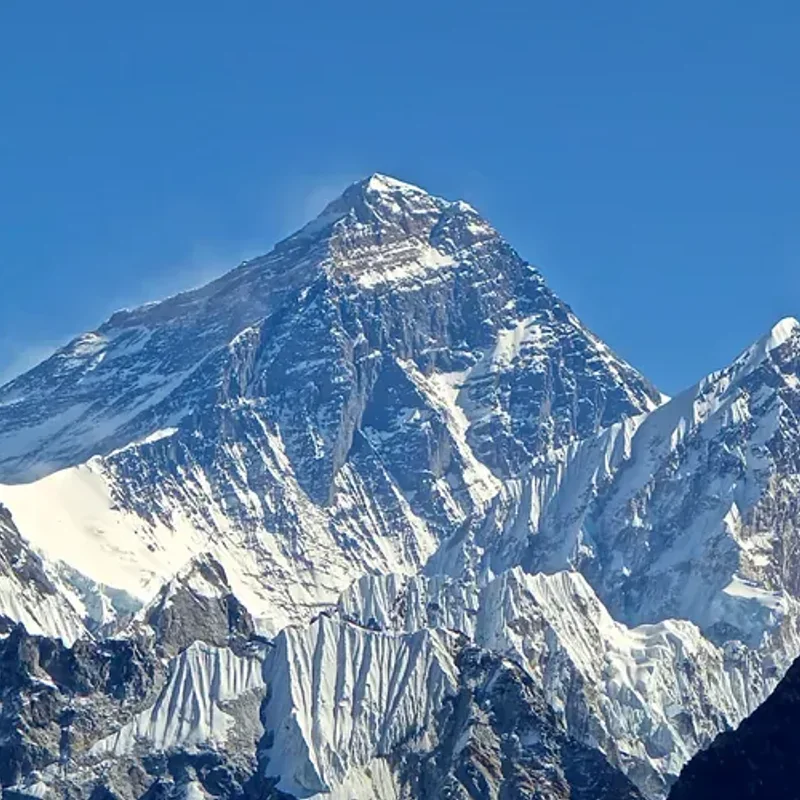
Erik Weihenmayer is an inspiring American mountaineer, adventurer, author, and motivational speaker. On May 25, 2001, he made world history by becoming the first blind person to reach the summit of Mount Everest, subsequently climbing the Seven Summits and kayaking the entire 277 miles of the Grand Canyon.
Mountain Safety & Conditions Disclaimer: High-altitude climbing, glacial travel, and technical ascents entail severe objective risks including avalanches, serac collapses, rapid weather collapse, and altitude illness. Historical route descriptions and summit claims on Mountainity reflect documented archival sources and must not be used as live operational safety assessments. Local regulations, permits, and physical glacial topography change continuously.
Peer Review: Senior Editorial Board & Historical Reviewers • Editorial Standards
Biographical Record & Archival Chronicle
Born in Princeton, New Jersey, in 1968, Weihenmayer lost his sight completely at age 13 due to juvenile retinoschisis. Refusing to let blindness define him, he took up rock climbing and wrestling, developing an acute tactile sensitivity and sensory awareness of alpine terrain.
In May 2001, accompanied by team leader Pasquale Scaturro, Eric Alexander, and Sherman Bull, Weihenmayer climbed Mount Everest via the South Col route. Using specialized trekking poles, listening to the bells of teammates, and navigating by sound and touch, he crossed the treacherous ladders of the Khumbu Icefall, climbed the Lhotse Face, and breached the Hillary Step to reach the 8,848.86-meter summit on May 25, 2001.
In 2008, Weihenmayer completed the Seven Summits, becoming the only blind climber to achieve the feat. In 2014, he solo kayaked the roaring rapids of the entire Grand Canyon. He co-founded No Barriers, an organization helping people with disabilities overcome personal challenges through outdoor adventure.
Notable Milestones & Key Ascents (4)
First blind person in human history to summit Mount Everest (May 25, 2001)
First and only blind person to complete the Seven Summits (2008)
Solo kayaked all 277 miles of the Grand Canyon on the Colorado River (2014)
Co-founded No Barriers USA to empower individuals with disabilities
Key Statistics & Topographic Figures
- Archive Classification
- MOUNTAINEERS
Mountainity Knowledge Corpus
- Verification Status
- Editorially Verified
Archival Standards
- Citation Standard
- Primary Source Verified
Alpine Research Desk
Defined Alpine Terminology & Concepts
- Archival Integrity
- The standard of verifying historical mountain facts, summit claims, and altitudes using primary expeditions journals and geodetic measurements.
Frequently Asked Questions: Erik Weihenmayer
What historical significance does this mountaineer hold?
Erik Weihenmayer represents an essential chapter in global mountaineering heritage, verified through contemporary expedition journals and archival sources.
How are the facts and records for Erik Weihenmayer verified?
All records are checked against peer-reviewed journals, national alpine clubs, geodetic surveys, and the Mountainity Archival Integrity Policy.
Death Zone Summits (1 of 14)


Mount Everest
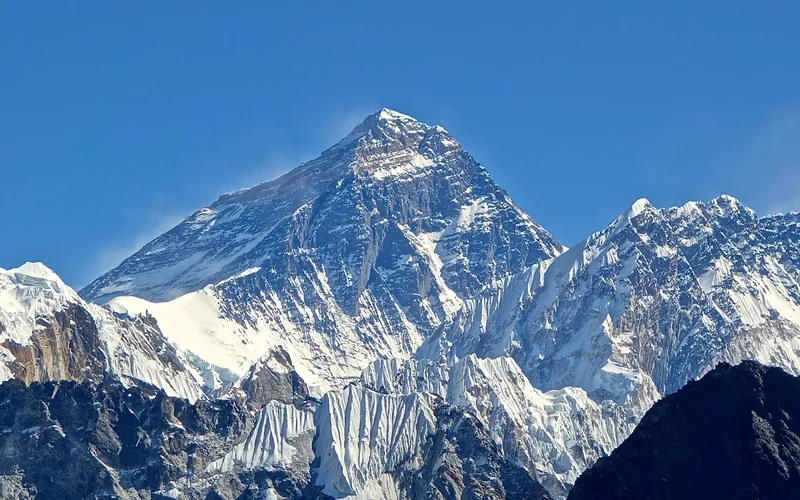
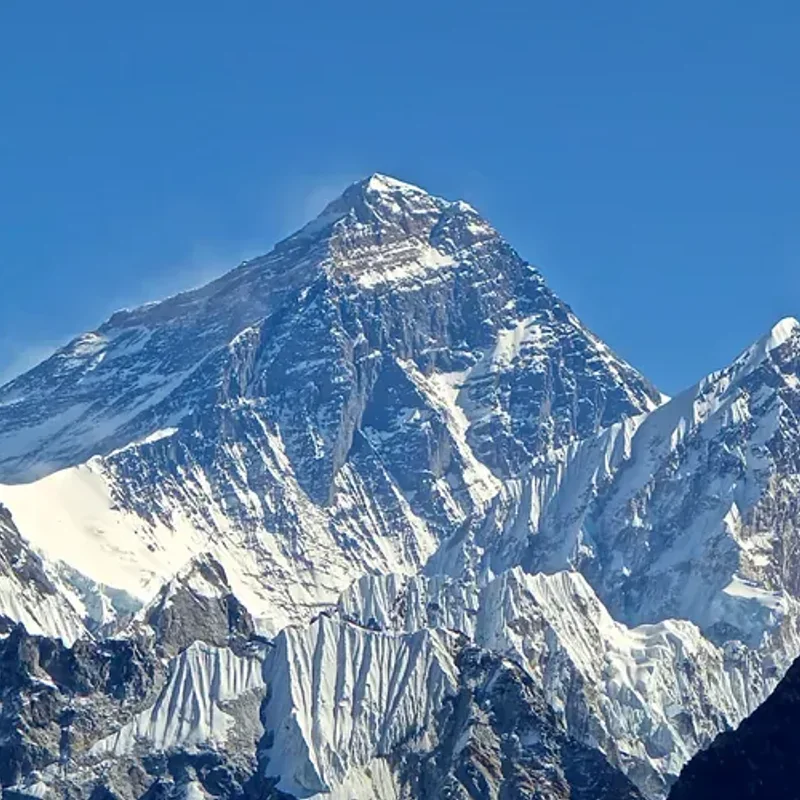
Mount Everest is the highest mountain above sea level on Earth, standing at an official elevation of 8,848.86 meters (29,031.7 ft). Straddling the international frontier between Nepal and China, it is known locally as Sagarmatha in Nepali ('Goddess of the Sky') and Chomolungma in Tibetan ('Mother Goddess of the World'). The peak rises into the extreme upper troposphere, where oxygen levels drop to barely one-third of sea-level pressure. Climbers face hurricane-force jet stream winds, severe frostbite conditions, shifting ice crevasses in the Khumbu Icefall, and the dangerous Death Zone above 8,000 meters.
Geographical Footprint & Mountain Ranges (1)
Documented Ascent Routes (1)
South Col & Southeast Ridge (Normal Route)
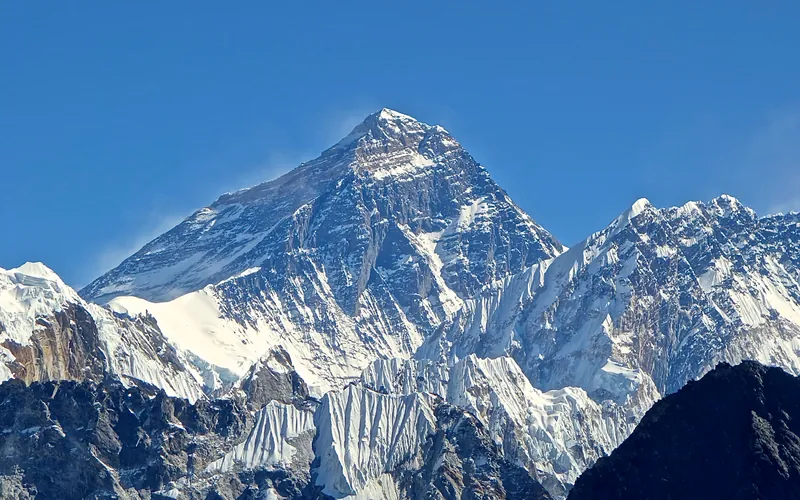
The South Col Route along the Southeast Ridge is the historic path of the 1953 first ascent and the most popular route on Mount Everest. Starting from Base Camp on the Khumbu Glacier in Nepal,...
Documented Expeditions (1)
1953 British Mount Everest Expedition
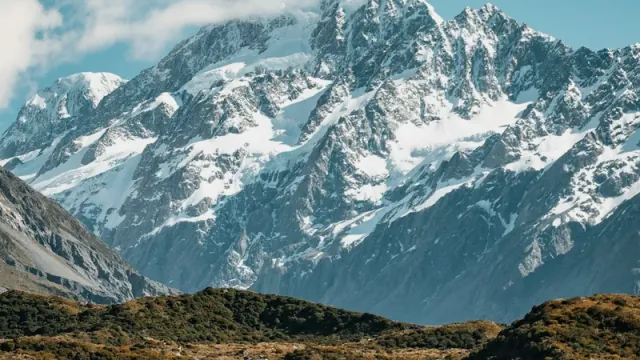
Led by Colonel John Hunt, the ninth British expedition achieved the monumental first confirmed human ascent of Mount Everest on May 29, 1953.
Documented Expedition Partners (6)
Alpinists with documented shared expedition rosters, co-ascents, or collaborative high-altitude campaigns alongside Erik Weihenmayer.
Davo Karničar
Born in Zgornje Jezersko, Slovenia, in 1962, Karničar was an elite alpine ski racer before pioneering steep extreme descents in the Julian Alps. In 1995, he achieved the first ski descent of Annapurna I from the North...

Dawa Tensing Sherpa
Dawa Tensing Sherpa (recorded in the official Himalayan Club Tiger Badge roll as Dawa Tenzing, porter registration H/C No. 173) was one of the most respected high-altitude sirdars in the golden era of Himalayan...

Dawa Thondup Sherpa
Dawa Thondup Sherpa, affectionately known across the international mountaineering community as 'Old Dawa', had one of the most enduring high-altitude climbing records in Himalayan exploration. Recruited in Darjeeling,...
Sir Edmund Hillary
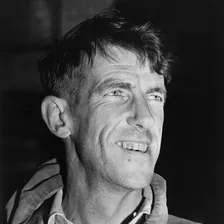
Edmund Percival Hillary was born in Auckland, New Zealand, on July 20, 1919. A school trip to Mount Ruapehu sparked his lifelong passion for alpine climbing. He completed his first major ascent on Mount Ollivier...
George Band
George Christopher Band was born on February 2, 1929, in Taipei, Taiwan, where his parents were British missionary educators. Returning to England for his schooling at Eltham College, Band entered Queens' College,...
Tenzing Norgay
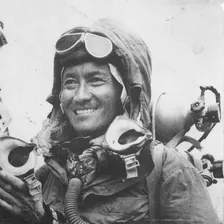
Tenzing Norgay was born in late May 1914 in the Khumbu region of northeastern Nepal into a Tibetan yak-herding family, initially given the name Namgyal Wangdi. Following a childhood illness, his parents consulted the...
Contemporary Alpinists & Regional Peers (6)
Notable climbers sharing United States alpine heritage or active during contemporary climbing epochs.
Al Read
Allen 'Al' Read was born on April 12, 1938, in Salt Lake City, Utah. An ardent climber from his youth in the Wasatch Range and Grand Teton National Park, Read became one of the key visionaries who transformed adventure...
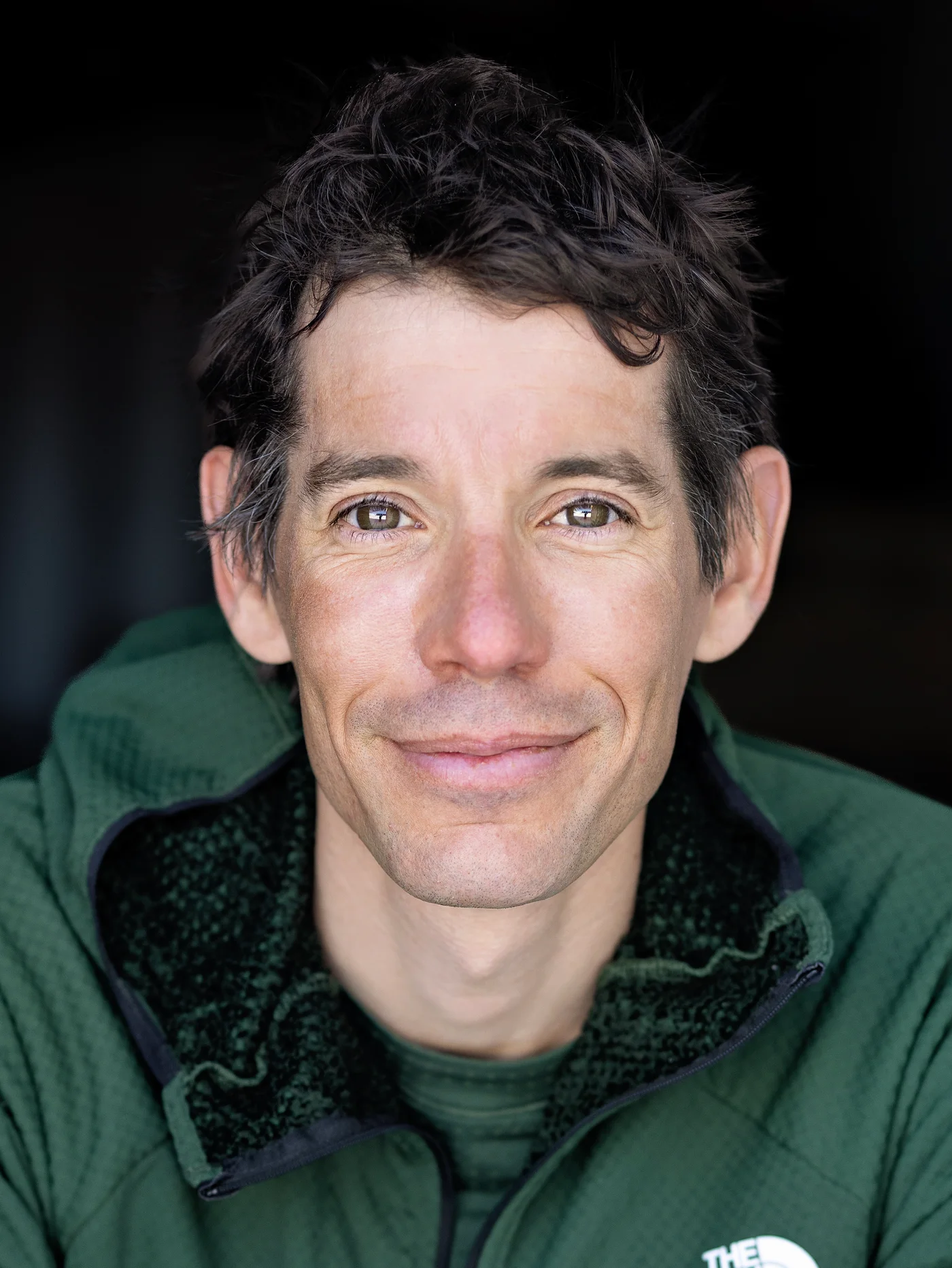
Alex Honnold
Alex Honnold was born on August 17, 1985, in Sacramento, California. Starting climbing in an indoor gym at age ten, Honnold devoted his adolescence to obsessive repetition and movement training. Dropping out of the...
Andy Kauffman
Andrew John Kauffman II was born on November 27, 1920, in Philadelphia, Pennsylvania. Educated at Harvard University, Kauffman joined the Harvard Mountaineering Club, emerging as one of the most prolific and technically...
Anna Gutu
Anna Gutu was born in 1990 in Odesa, Ukraine, later relocating to the United States and becoming a naturalized American citizen. Entering high-altitude Himalayan climbing with relentless determination, Gutu set out in...
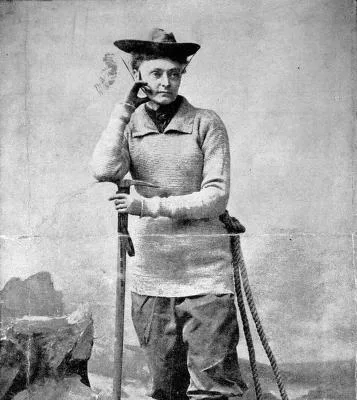
Annie Smith Peck
Born on October 19, 1850, in Providence, Rhode Island, Annie Smith Peck was an intellectual trailblazer who earned bachelor's and master's degrees from the University of Michigan before becoming one of the first women...
Arlene Blum
Born in 1945 in Chicago, Arlene Blum earned her doctorate in biophysical chemistry from UC Berkeley. In the early 1970s, she climbed extensively across North America and the Himalayas, participating in the 1976 American...
Documented Sources & Archival Citations
- Archival PublicationTouch the Top of the World: A Blind Man's Journey to Climb Farther than the Eye Can See(Erik Weihenmayer / Plume)
- Editorial & Media ArchiveTime Magazine: Blind to Failure - Erik Weihenmayer on Everest(Time Inc.)
- Archival DatabaseThe Himalayan Database — Climber Archive (Erik Weihenmayer) ↗(Elizabeth Hawley / The Himalayan Database)
Supporting claim: Historical expedition participation, high-altitude summit chronology, and career ascent log
Share Exploration
Global Mountain Intelligence
✓ Link copied to clipboard!