1996 Anatoli Boukreev Mount Everest Oxygenless Ascent & South Col Solo Rescue
On May 10–11, 1996, Kazakh master climber Anatoli Boukreev summitted Mount Everest (8,848m) without supplemental oxygen, descended to Camp IV, and ventured out alone into an apocalyptic blizzard at 8,000 metres on the South Col, single-handedly locating and saving three stranded climbers.
Mountain Safety & Conditions Disclaimer: High-altitude climbing, glacial travel, and technical ascents entail severe objective risks including avalanches, serac collapses, rapid weather collapse, and altitude illness. Historical route descriptions and summit claims on Mountanity reflect documented archival sources and must not be used as live operational safety assessments. Local regulations, permits, and physical glacial topography change continuously.
Peer Review: Senior Editorial Board & Historical Reviewers • Editorial Standards
Official Expedition Narrative & Archival Record
During the pre-monsoon season of 1996, Anatoli Boukreev was hired as the lead climbing guide for Scott Fischer's Mountain Madness commercial expedition on Mount Everest. Clad in high-altitude down and climbing without supplemental bottled oxygen—relying entirely on his phenomenal physiological adaptation—Boukreev summitted Everest via the South Col route at 1:07 PM on May 10, waiting for clients before descending to Camp IV ahead of the team to prepare hot tea and emergency medical oxygen. Later that afternoon, an unprecedented hurricane-force blizzard engulfed the mountain, plunging temperatures to minus fifty degrees and reducing visibility to zero. Dozens of exhausted climbers became disoriented on the vast South Col plateau at 8,000 metres. While other guides and climbers were incapacitated by frostbite, hypoxia, and exhaustion, Boukreev strapped on headlamps and ventured out alone into the roaring gale. Navigating blind across the frozen plateau, he located a group of lost climbers huddled in the snow. Over several solitary sorties into the storm, Boukreev carried and dragged Sandy Hill Pittman, Charlotte Fox, and Tim Madsen back to the shelter of Camp IV, saving their lives. The American Alpine Club recognized his extraordinary valor with the prestigious David A. Sowles Memorial Award in 1997.
Documented Team Composition
- Scott Fischer (Expedition Leader, Mountain Madness)
- Anatoli Boukreev (Lead Climbing Guide, Summit Without Oxygen)
- Neal Beidleman (Guide)
- Sandy Hill Pittman (Rescued Client)
- Charlotte Fox (Rescued Client)
- Tim Madsen (Rescued Client)
Key Statistics & Topographic Figures
- Official Outcome
- Successful Oxygenless Summit and Heroic Solitary Rescue of Three Stranded Climbers at 8,000m
Expedition Status
- Summit Date
- 1996-05-10
Ascent Timestamp
- Target Objective
- mount-everest
Mountain Peak
- Ascent Route
- south-col-route
Climbing Path
- Team Size
- 6 Climbers
High-Altitude Team
- Region / Country
- Nepal (Khumbu / Solukhumbu)
Geography
Archival Primary Source Quotations
“During the pre-monsoon season of 1996, Anatoli Boukreev was hired as the lead climbing guide for Scott Fischer's Mountain Madness commercial expedition on Mount Everest. Clad in hi...”
Defined Alpine Terminology & Concepts
- Alpine Expedition
- A planned, self-contained high-altitude mountaineering undertaking operating in remote mountain terrain subject to extreme objective hazards.
- Death Zone
- The high-altitude region above 8,000 meters where atmospheric oxygen pressure is inadequate for sustained human survival.
Frequently Asked Questions: 1996 Anatoli Boukreev Mount Everest Oxygenless Ascent & South Col Solo Rescue
What was the primary outcome and achievement of the 1996 Anatoli Boukreev Mount Everest Oxygenless Ascent & South Col Solo Rescue?
Successful Oxygenless Summit and Heroic Solitary Rescue of Three Stranded Climbers at 8,000m. On May 10–11, 1996, Kazakh master climber Anatoli Boukreev summitted Mount Everest (8,848m) without supplemental oxygen, descended to Camp IV, and ventured out alone into an apocalyptic blizzard at 8,000 metres on the South Col, single-handedly locating and saving three stranded climbers.
When did the 1996 Anatoli Boukreev Mount Everest Oxygenless Ascent & South Col Solo Rescue reach the summit?
The expedition officially reached the summit on 1996-05-10, operating between 1996-04-01 and 1996-05-15.
Who were the documented climbing team members on the 1996 Anatoli Boukreev Mount Everest Oxygenless Ascent & South Col Solo Rescue?
The documented climbing roster included: Scott Fischer (Expedition Leader, Mountain Madness), Anatoli Boukreev (Lead Climbing Guide, Summit Without Oxygen), Neal Beidleman (Guide), Sandy Hill Pittman (Rescued Client), Charlotte Fox (Rescued Client), Tim Madsen (Rescued Client).
What climbing route and mountain objective were tackled during the 1996 Anatoli Boukreev Mount Everest Oxygenless Ascent & South Col Solo Rescue?
The expedition tackled mount-everest via the south-col-route in Nepal (Khumbu / Solukhumbu).
How are the records and summit claims of the 1996 Anatoli Boukreev Mount Everest Oxygenless Ascent & South Col Solo Rescue verified?
Summit claims, route topography, and timeline logs for the 1996 Anatoli Boukreev Mount Everest Oxygenless Ascent & South Col Solo Rescue are cross-referenced with official alpine registries, national mountaineering federations, and primary expedition journals.
Ascent Route & Topography
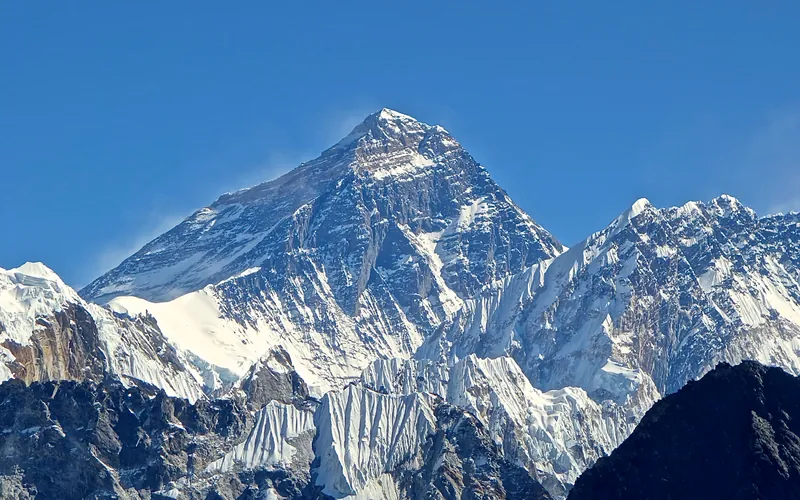
South Col & Southeast Ridge (Normal Route)
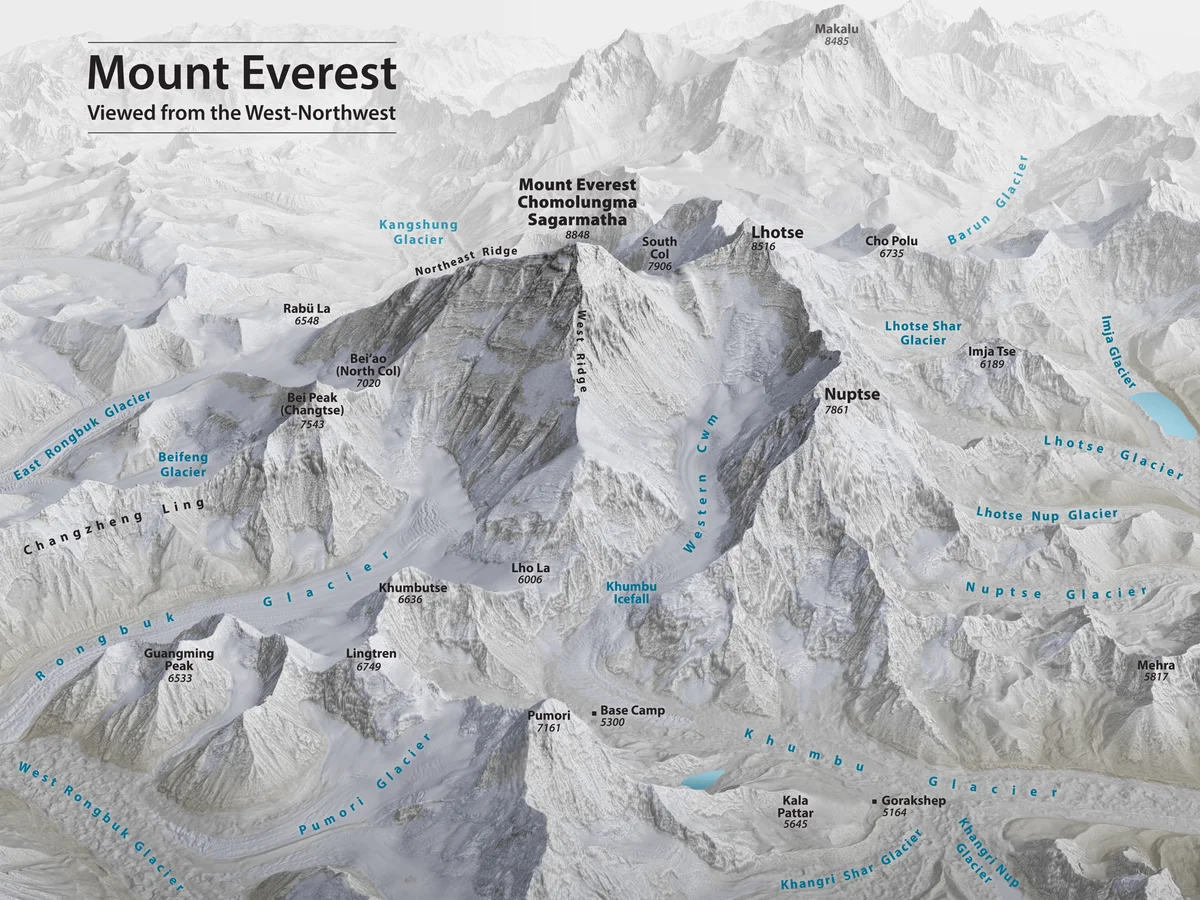
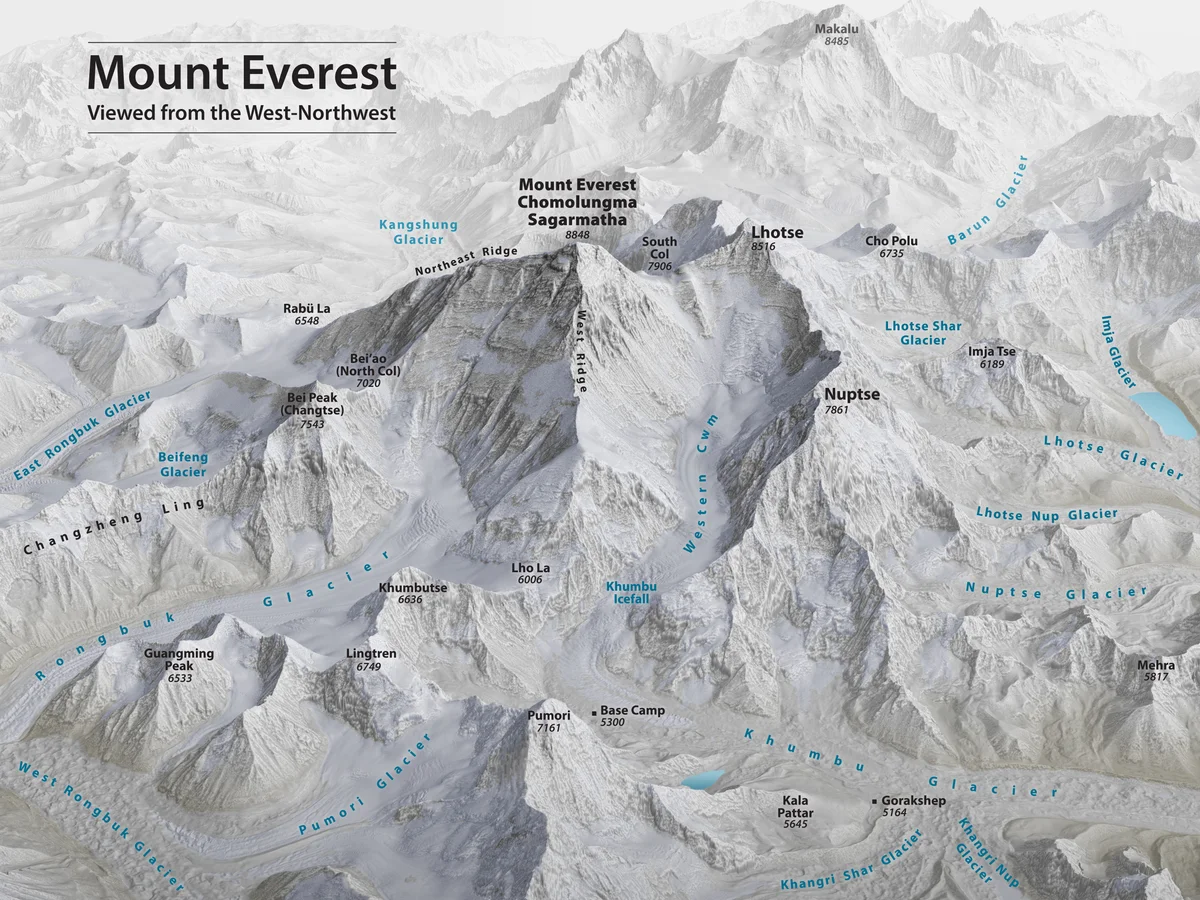
The South Col Route along the Southeast Ridge is the historic path of the 1953 first ascent and the most popular route on Mount Everest. Starting from Base Camp on the Khumbu Glacier in Nepal, climbers navigate the shifting seracs of the Khumbu Icefall into the Western Cwm. The route then scales the icy 45-degree slope of the Lhotse Face to the South Col at 7,925 meters, launching the final summit bid through the Balcony, South Summit, and Hillary Step to the summit of Earth at 8,848.86 meters.
Target Objective Peak



Mount Everest
Mount Everest is the highest mountain above sea level on Earth, standing at an official elevation of 8,848.86 meters (29,031.7 ft). Straddling the international frontier between Nepal and China, it is known locally as Sagarmatha in Nepali ('Goddess of the Sky') and Chomolungma in Tibetan ('Mother Goddess of the World'). The peak rises into the extreme upper troposphere, where oxygen levels drop to barely one-third of sea-level pressure. Climbers face hurricane-force jet stream winds, severe frostbite conditions, shifting ice crevasses in the Khumbu Icefall, and the dangerous Death Zone above 8,000 meters.
Featured Expedition Climber
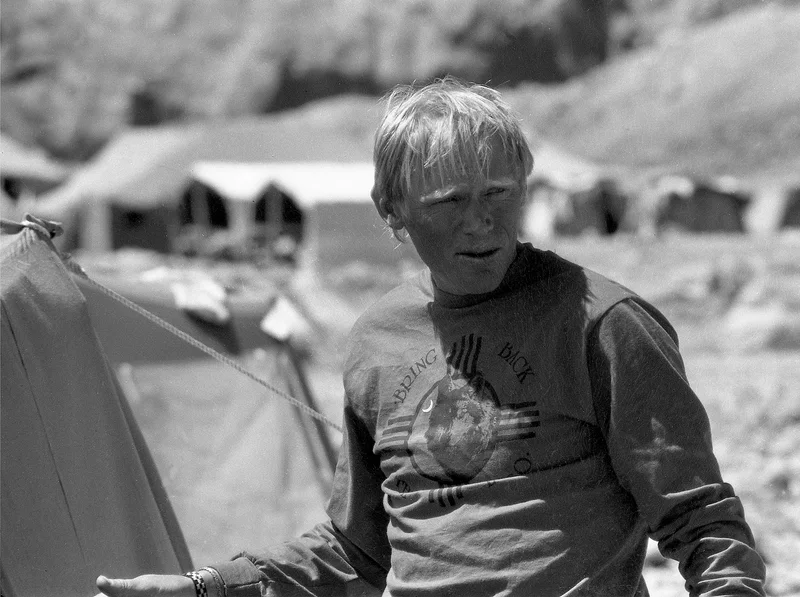
Anatoli Boukreev
Anatoli Nikolaevich Boukreev was born on January 16, 1958, in Korkino, Soviet Union, near the southern Ural Mountains. Moving to Alma-Ata in Kazakhstan to pursue physics and coaching, Boukreev integrated into the elite Soviet mountaineering program, developing superhuman aerobic stamina and extraordinary technical speed in the high Tian Shan and Pamir ranges. Between 1989 and 1997, Boukreev achieved eighteen summits of peaks over 8,000 metres—all of them climbed without supplemental bottled oxygen, cementing his reputation as one of the purest high-altitude athletes in human history. In 1989, as a member of the Soviet Second Himalayan Expedition, Boukreev made the first traverse of the four 8,000-metre summits of Kangchenjunga. In 1990, he established speed records on Denali (climbing the West Rib solo in ten and a half hours) and soon became in high demand as a lead high-altitude guide for international expeditions. In 1993, Boukreev made the first solo ascent of K2 without bottled oxygen via the Abruzzi Spur. Boukreev became a figure of global historical significance during the 1996 Mount Everest disaster while serving as lead climbing guide for Scott Fischer's Mountain Madness expedition. On May 10, Boukreev summitted Everest without bottled oxygen and descended to Camp IV on the South Col ahead of his clients to prepare hot drinks and emergency oxygen. When an apocalyptic blizzard engulfed the upper mountain, stranding dozens of climbers in zero visibility at 8,000 metres, Boukreev mounted a solitary rescue mission into the tempest. Operating at the limits of human survival in darkness and howling hurricane winds, he made multiple trips onto the South Col plateau, single-handedly locating and dragging Sandy Hill Pittman, Charlotte Fox, and Tim Madsen back to the safety of the tents. For his extraordinary valor, the American Alpine Club awarded him the David A. Sowles Memorial Award. In 1997, Boukreev co-authored 'The Climb', offering a meticulous, honest counter-narrative to Jon Krakauer's 'Into Thin Air'. Later that year, on December 25, 1997, while attempting a winter ascent of the South Face of Annapurna I (8,091m) with Simone Moro and cinematographer Dimitri Sobolev, a massive cornice collapsed high on the face. Boukreev and Sobolev were swept to their deaths in an avalanche, while Moro miraculously survived. Boukreev's memorial bell stands today at Annapurna Base Camp, honoring a man whose high-altitude power and selfless courage remain unmatched.
Associated Historical Chronicles & Stories
Alone in the Tempest: Anatoli Boukreev and the 1996 Mount Everest Rescue
During the catastrophic May 1996 blizzard on Mount Everest, Kazakh mountaineer Anatoli Boukreev ventured solo into the storm at 8,000m on the South Col, saving three human lives.
Documented Sources & Archival Citations
- The Climb: Tragic Ambitions on Everest(Anatoli Boukreev and G. Weston DeWalt / St. Martin's Press)
Supporting claim: Detailed firsthand chronology of Boukreev's oxygenless summit, decisions, and solo rescue operations
Accessed/Documented: 1997 - David A. Sowles Memorial Award Citation: Anatoli Boukreev(American Alpine Club)
Supporting claim: Official award citation honoring Boukreev for extraordinary heroism in saving human life at 8,000m
Accessed/Documented: 1997