South Col & Southeast Ridge (Normal Route)
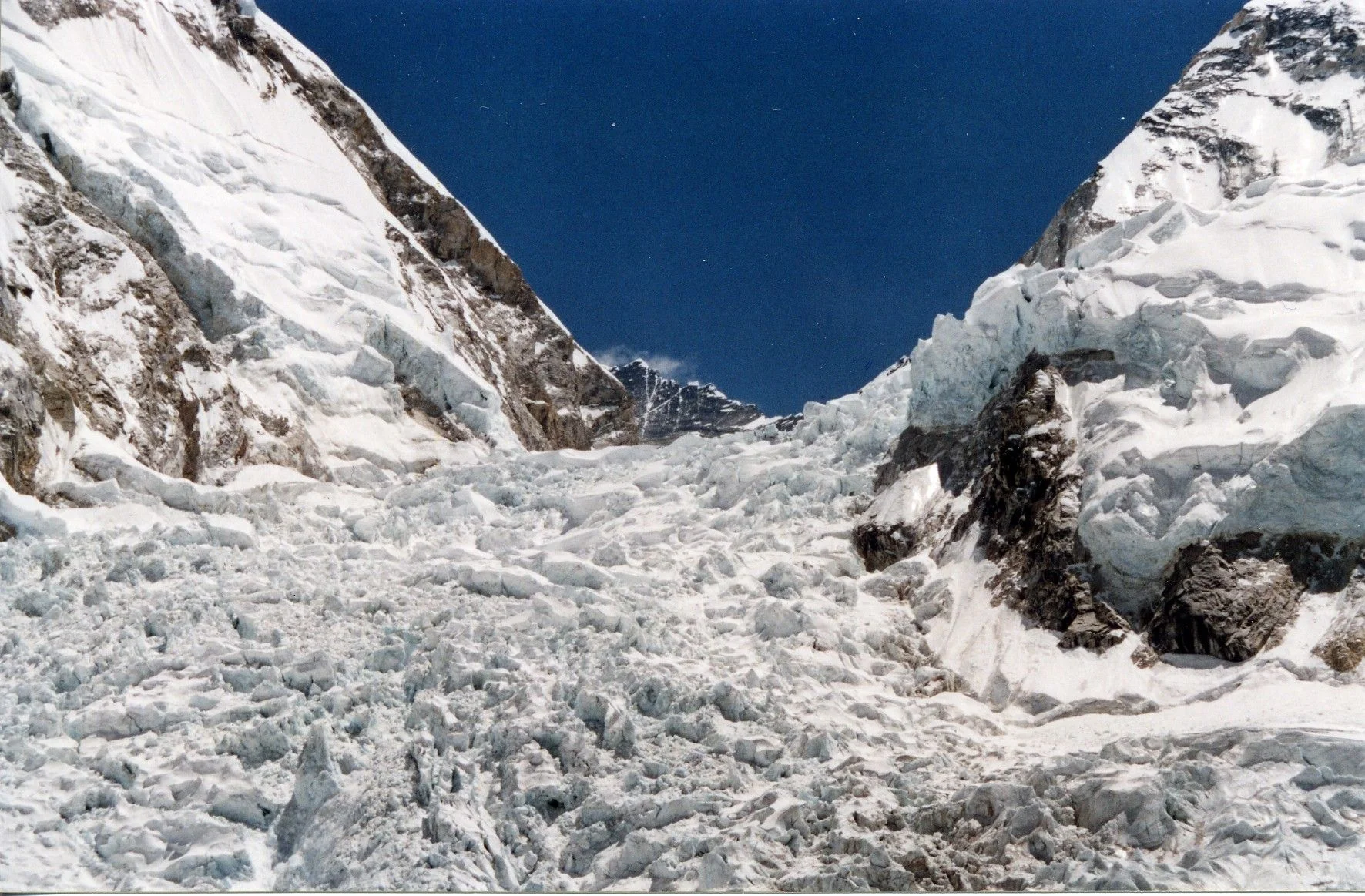
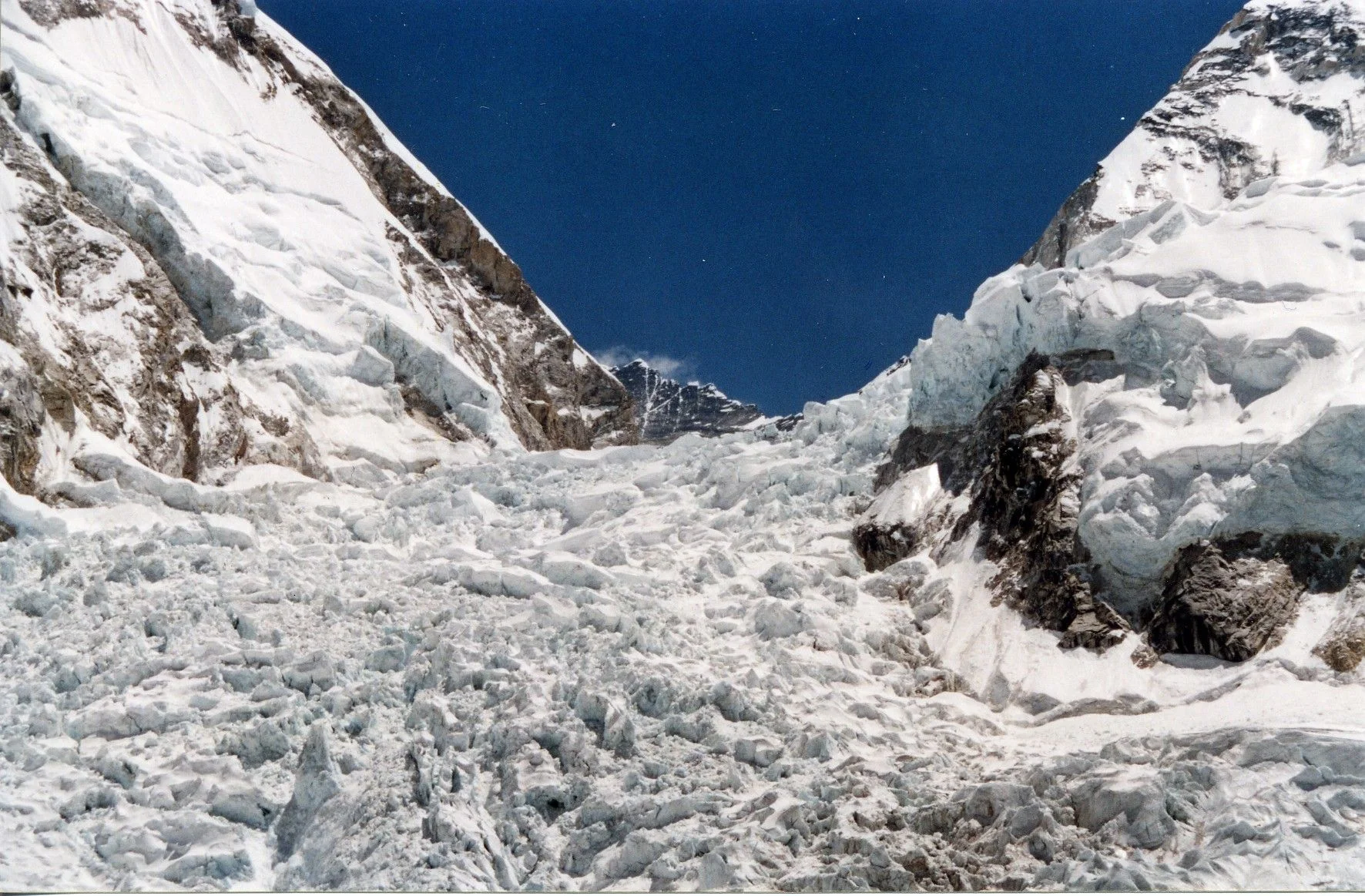
The South Col Route along the Southeast Ridge is the historic path of the 1953 first ascent and the most popular route on Mount Everest. Starting from Base Camp on the Khumbu Glacier in Nepal, climbers navigate the shifting seracs of the Khumbu Icefall into the Western Cwm.
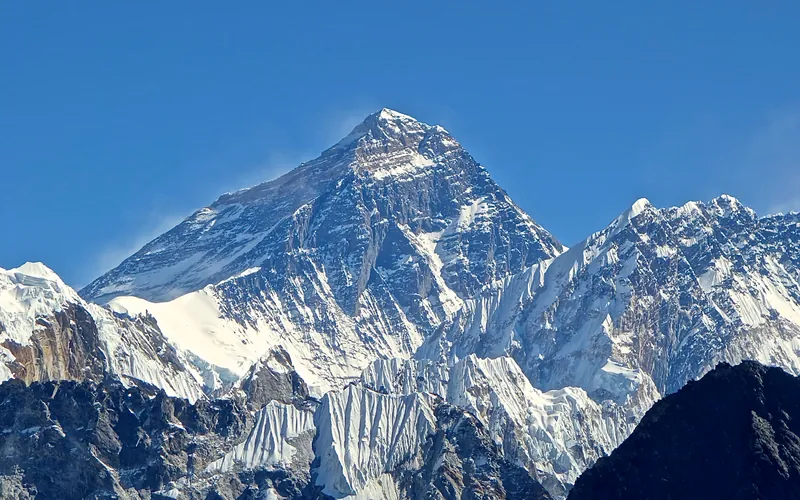
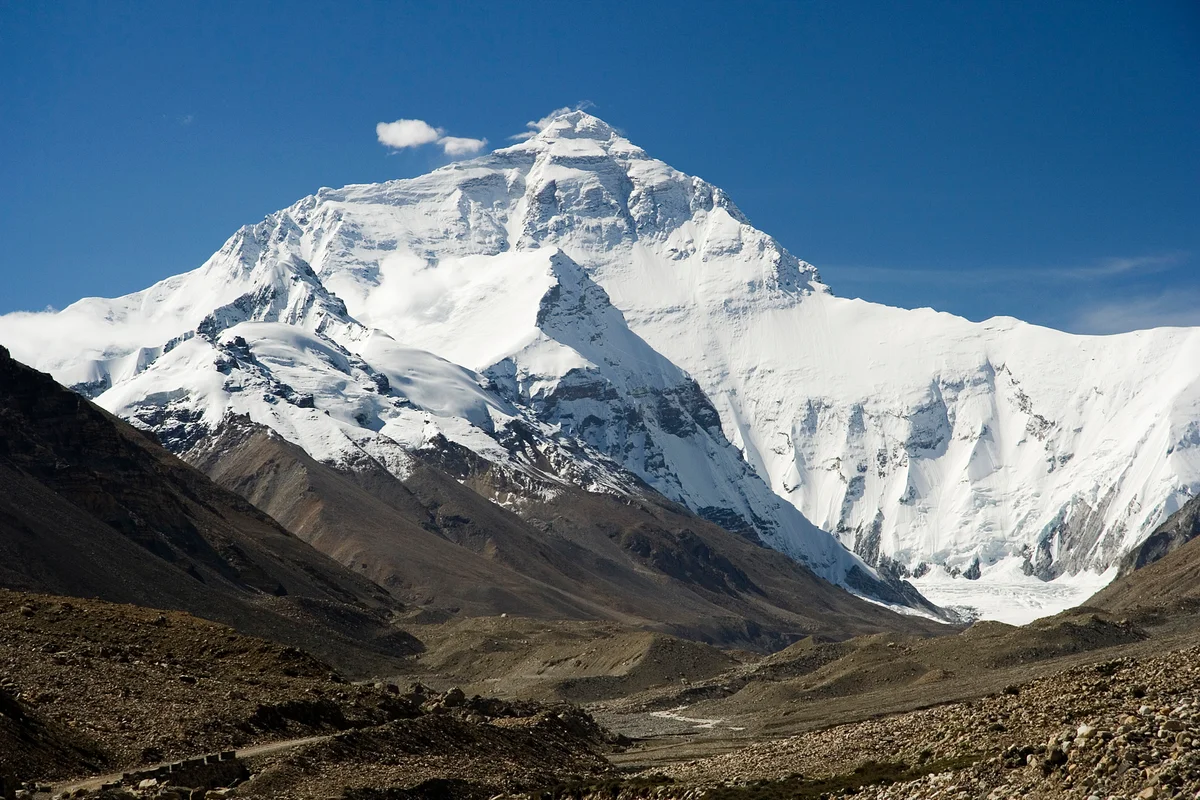
Ascent line, technical cruxes & camp topography profile for South Col & Southeast Ridge (Normal Route)
Mountain Safety & Conditions Disclaimer: High-altitude climbing, glacial travel, and technical ascents entail severe objective risks including avalanches, serac collapses, rapid weather collapse, and altitude illness. Historical route descriptions and summit claims on Mountanity reflect documented archival sources and must not be used as live operational safety assessments. Local regulations, permits, and physical glacial topography change continuously.
Peer Review: Senior Editorial Board & Historical Reviewers • Editorial Standards
Tactical & Camp Notes
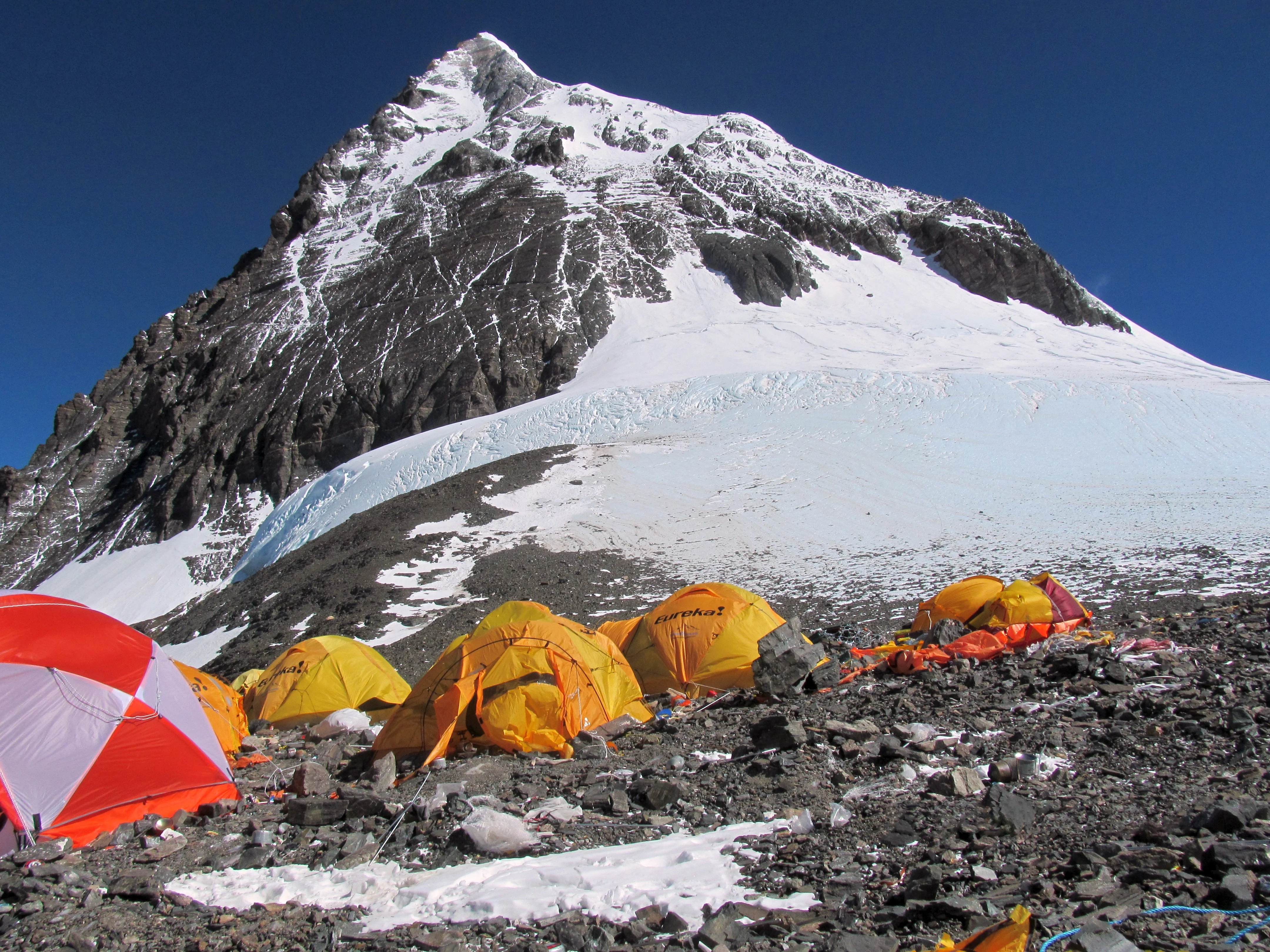
Nearly all ascents take place in late May when the jet stream shifts north. Supplemental oxygen is standard above Camp 3 (7,200m) and mandatory for commercial safety above the South Col.
Identified Objective Hazards
- •Unpredictable ice collapse and serac falls inside the active Khumbu Icefall
- •Extreme hypoxia and fatal altitude illnesses in the Death Zone above 8,000 meters
- •Hurricane-force jet stream winds and sudden sub-zero blizzard anomalies
- •Human bottlenecks and dangerous hypothermia delays along the Hillary Step
Historical Context
Reconnoitered from Nepal in 1951 by Eric Shipton and pushed to 8,600m by a Swiss team in 1952. First completed to the summit on May 29, 1953, by Sir Edmund Hillary and Tenzing Norgay.
Interactive Elevation Profile
Vertical profile, technical cruxes, and camp staging progression for South Col & Southeast Ridge (Normal Route) on Mount Everest.
Located on the shifting moraine of the Khumbu Glacier below the icefall. Central logistics hub with medical facilities and weather monitoring.
Camp-by-Camp Topography
Key staging altitudes, technical cruxes, and terrain transitions for South Col & Southeast Ridge (Normal Route).
Everest Base Camp
Located on the shifting moraine of the Khumbu Glacier below the icefall. Central logistics hub with medical facilities and weather monitoring.
Camp I
Positioned on the open snow terrace at the mouth of the Western Cwm, just above the maze of crevasses in the Khumbu Icefall.
Camp II (Advanced Base Camp)
Pitched along lateral moraines in the upper Western Cwm, surrounded by the soaring faces of Everest, Lhotse, and Nuptse.
Camp III (Lhotse Face)
Carved into platforms on the steep blue ice slopes of the Lhotse Face. Climbers use fixed ropes and begin supplemental oxygen here.
Camp IV (South Col)
A wind-scoured col between Everest and Lhotse entering the Death Zone. The staging ground for midnight summit bids.
The Balcony & South Summit
A small snow platform along the Southeast Ridge where summit teams rest, swap oxygen bottles, and watch sunrise over Tibet.
The Hillary Step
A 12-meter vertical rock and snow prow along the narrow crest, requiring delicate crampon footing over tremendous drop-offs.
Everest True Summit
A small snow dome crowning the highest point on Earth, straddling the border between Nepal and Tibet (China).
Topographic Location & Terrain Map
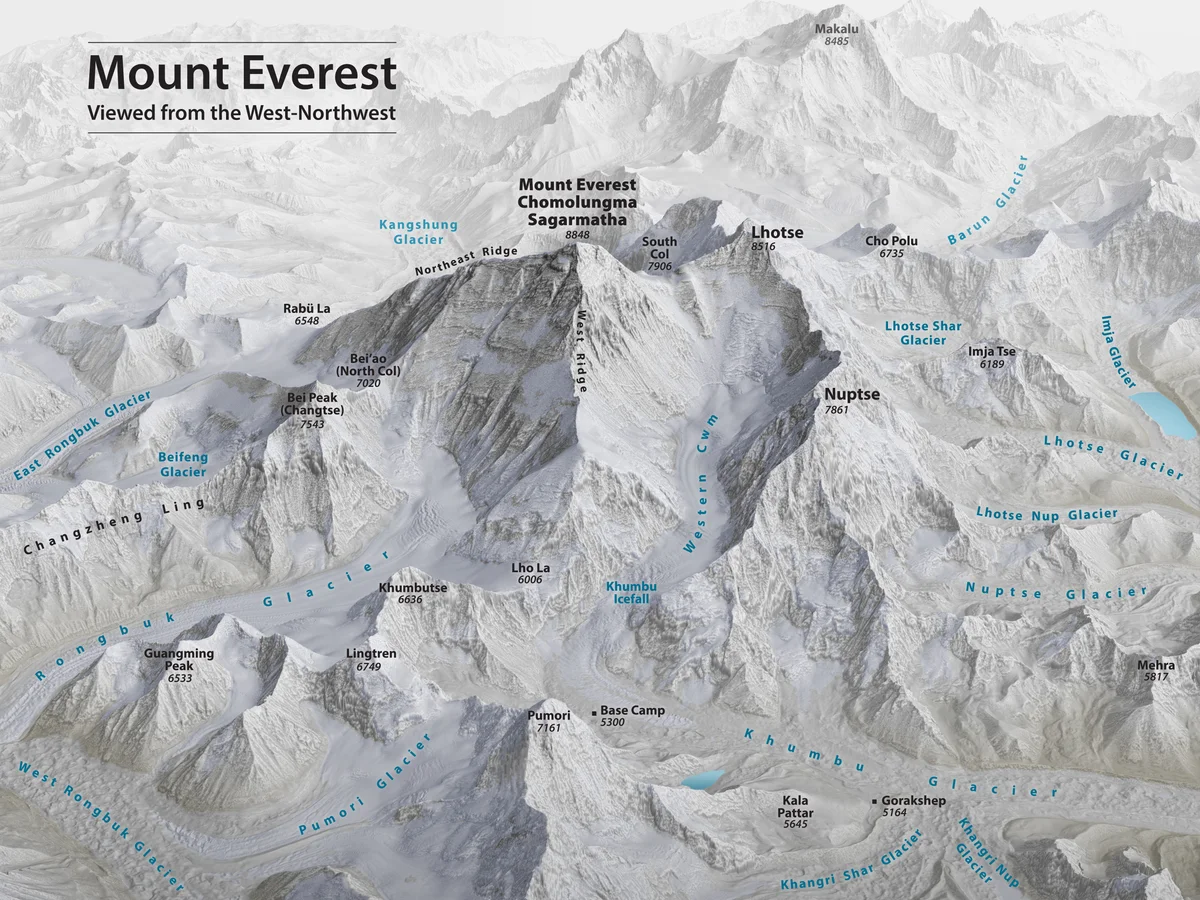
Cartographic datum, massif coordinates, and terrain context for South Col & Southeast Ridge (Normal Route) on Mount Everest.
Interactive Topographic Terrain Map
Click below to load live cartographic contours, glacier approaches, and geographic markers for Mount Everest (27°59′17″ N, 86°55′30″ E).
Key Statistics & Topographic Figures
- Route Type
- Standard / Normal Route
Topography
- Technical Difficulty
- Extremely Demanding / Grade V, AD+
Alpine V, Scottish II snow/ice, 45° to 50° sustained terrain
- Country / Region
- Nepal (Khumbu / Mahalangur Himal)
Location
Archival Primary Source Quotations
“A mountain route is not merely a path of rock and ice; it is a test of human endurance, judgment, and humility.”
Defined Alpine Terminology & Concepts
- Crux
- The most difficult and technically demanding pitch or section of a climbing route.
- Normal Route (Voie Normale)
- The most frequently climbed, least technical, and historically standard path to a mountain summit.
Frequently Asked Questions: South Col & Southeast Ridge (Normal Route)
What is the climbing difficulty and grade of South Col & Southeast Ridge (Normal Route)?
South Col & Southeast Ridge (Normal Route) on mount-everest is graded as Extremely Demanding / Grade V, AD+, with technical climbing requirements including Alpine V, Scottish II snow/ice, 45° to 50° sustained terrain.
What are the primary hazards on the South Col & Southeast Ridge (Normal Route)?
Climbers on South Col & Southeast Ridge (Normal Route) must navigate severe objective hazards including Unpredictable ice collapse and serac falls inside the active Khumbu Icefall, Extreme hypoxia and fatal altitude illnesses in the Death Zone above 8,000 meters, Hurricane-force jet stream winds and sudden sub-zero blizzard anomalies, Human bottlenecks and dangerous hypothermia delays along the Hillary Step.
What camps are established on South Col & Southeast Ridge (Normal Route)?
South Col & Southeast Ridge (Normal Route) typically features 8 staging camps, progressing from Everest Base Camp (5364m) up toward the summit.
Mountain Ascended



Mount Everest
Mount Everest is the highest mountain above sea level on Earth, standing at an official elevation of 8,848.86 meters (29,031.7 ft). Straddling the international frontier between Nepal and China, it is known locally as Sagarmatha in Nepali ('Goddess of the Sky') and Chomolungma in Tibetan ('Mother Goddess of the World'). The peak rises into the extreme upper troposphere, where oxygen levels drop to barely one-third of sea-level pressure. Climbers face hurricane-force jet stream winds, severe frostbite conditions, shifting ice crevasses in the Khumbu Icefall, and the dangerous Death Zone above 8,000 meters.
Documented Expeditions on this Route (31)
Verified historical summits, siege campaigns, and pioneer attempts recorded on South Col & Southeast Ridge (Normal Route).
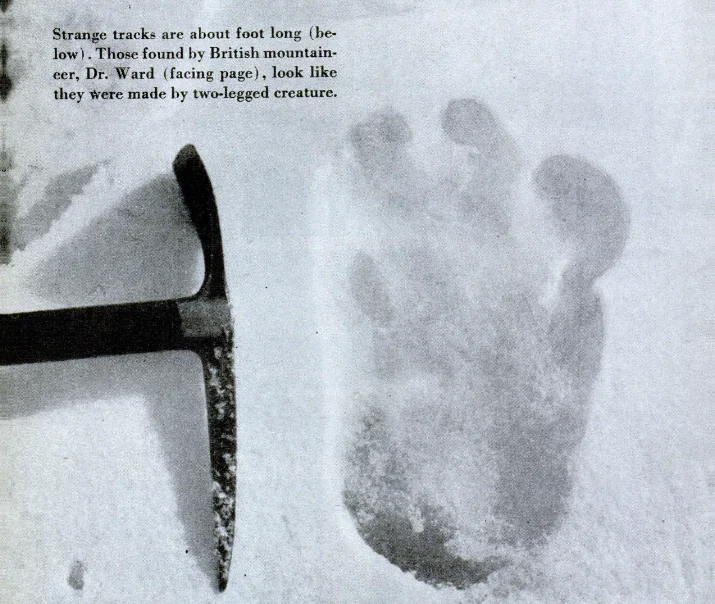
1951 British Mount Everest Reconnaissance Expedition
The pivotal 1951 reconnaissance expedition led by Eric Shipton and featuring Edmund Hillary that entered the newly opened Solukhumbu region of Nepal, conquered the chaotic Khumbu Icefall, and discovered the viable southern highway to Mount Everest's summit.
1952 Swiss Mount Everest Expedition
Led by Edouard Wyss-Dunant, the historic spring 1952 Swiss expedition unlocked the Khumbu Icefall and South Col route, where Raymond Lambert and Tenzing Norgay reached 8,595 meters.
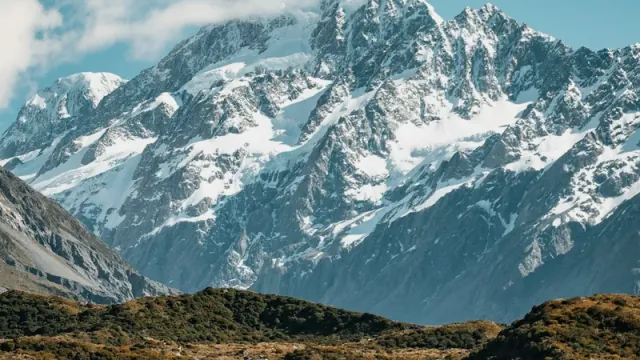
1953 British Mount Everest Expedition
Led by Colonel John Hunt, the ninth British expedition achieved the monumental first confirmed human ascent of Mount Everest on May 29, 1953.
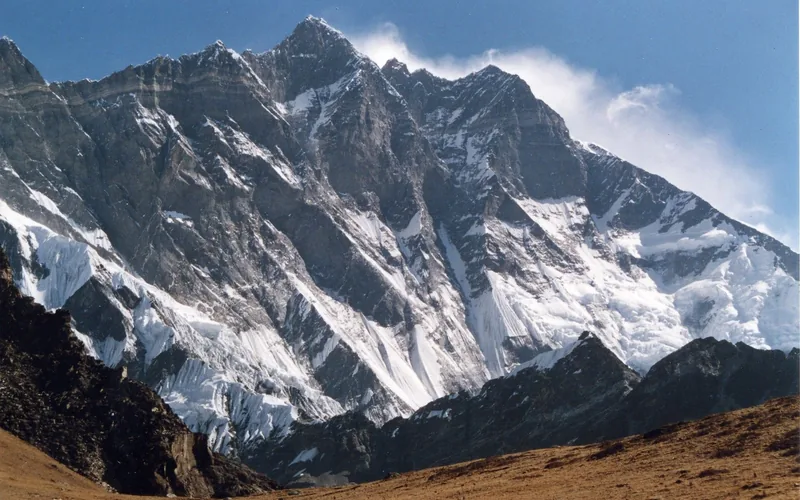
1956 Swiss Mount Everest and Lhotse Expedition
Organized by the Swiss Foundation for Alpine Research, this celebrated expedition made the first ascent of Lhotse (8,516m) on May 18, 1956, when Ernst Reiss and Fritz Luchsinger conquered the Lhotse Couloir, followed days later by Swiss summits on Mount Everest.
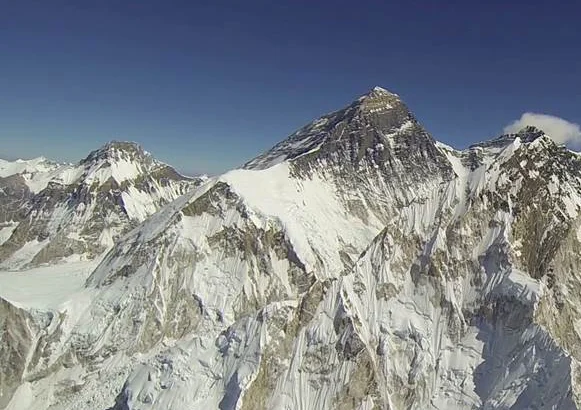
1963 Historic American Mount Everest Expedition: South Col and West Ridge Traverse
In May 1963, the American Mount Everest Expedition achieved historic triumphs as Jim Whittaker became the first American to summit Everest, followed by Tom Hornbein and Willi Unsoeld's legendary West Ridge traverse.
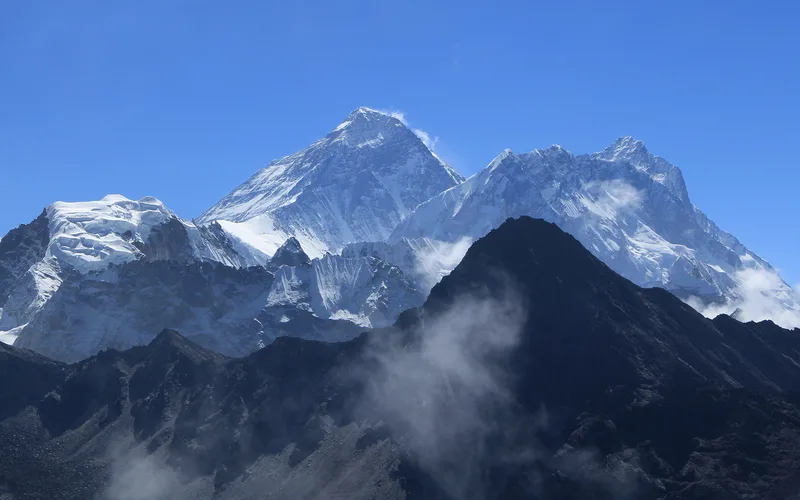
1975 Japanese Women's Mount Everest Expedition
On May 16, 1975, Junko Tabei summited Mount Everest (8,848m) via the South Col and Southeast Ridge alongside Ang Tsering Sherpa, making history as the first woman ever to conquer the highest mountain on Earth.
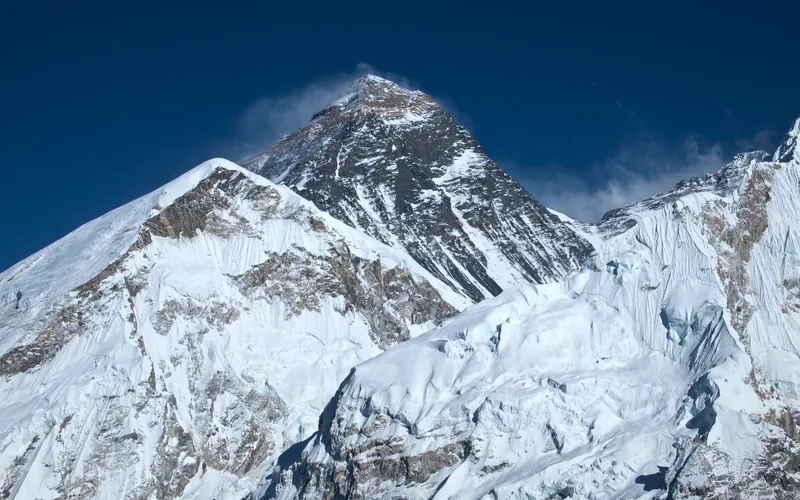
1978 First Oxygenless Mount Everest Expedition
The landmark 1978 Austrian expedition where Reinhold Messner and Peter Habeler shattered medical dogma by summiting Mount Everest (8,848.86m) without supplemental oxygen.
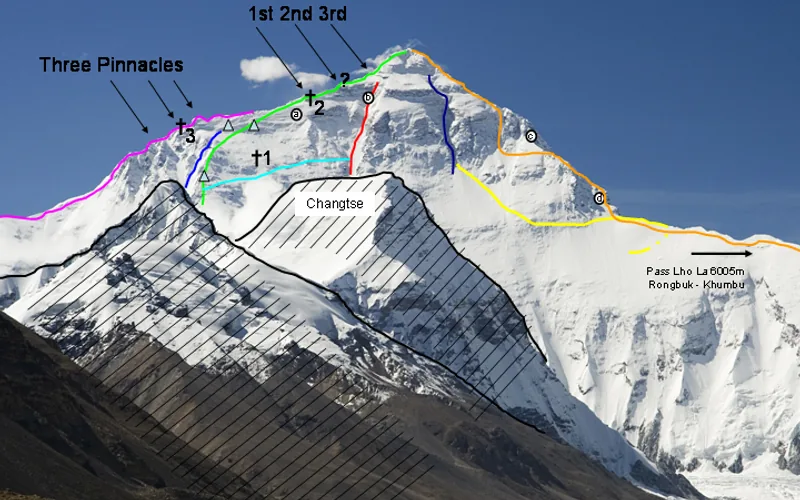
1980 Reinhold Messner Solo Mount Everest Expedition
Reinhold Messner's historic solo ascent of Mount Everest from the Tibetan north side during the monsoon season without supplemental oxygen, fixed camps, or radio contact.
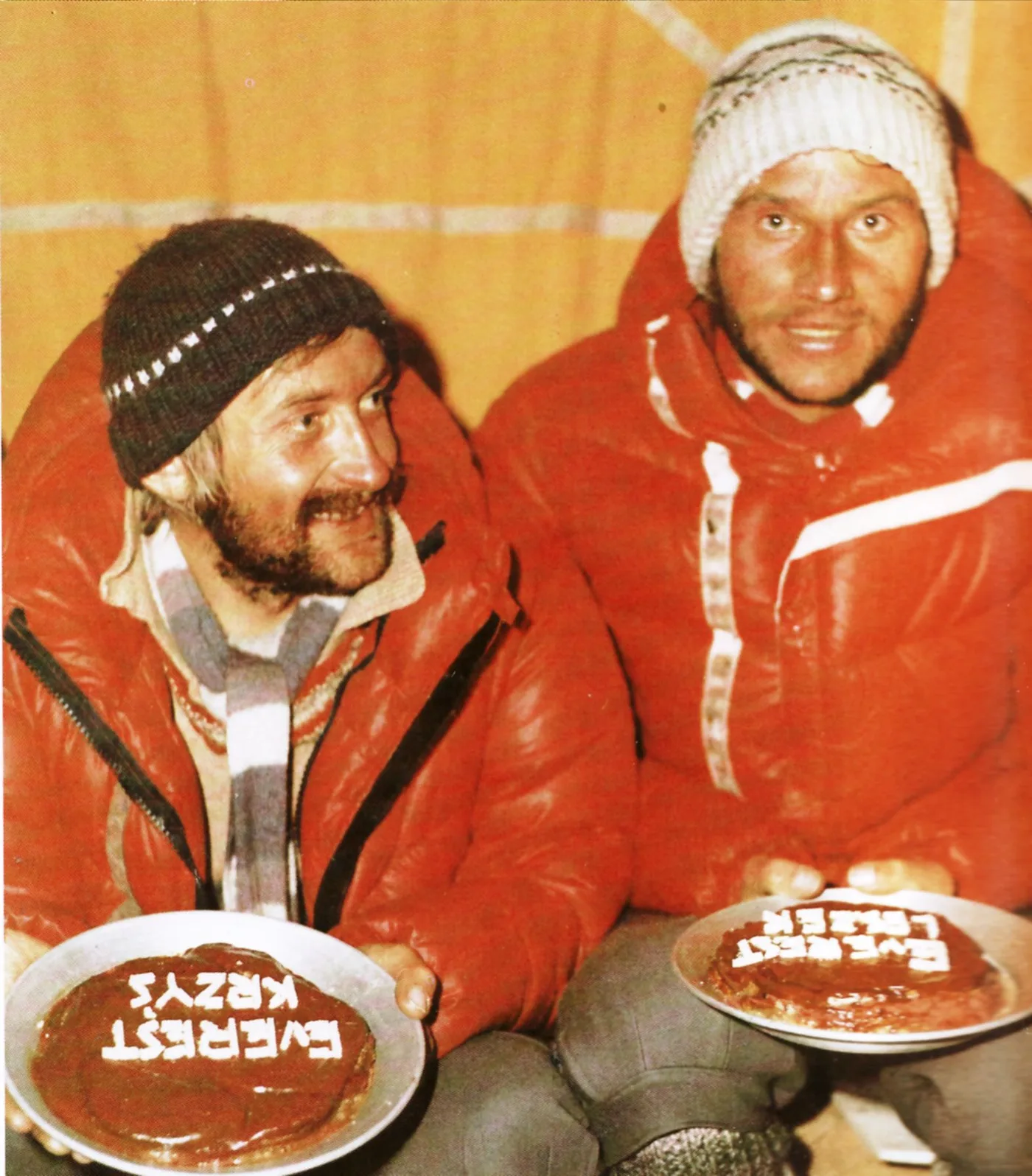
1980 Polish Mount Everest Winter Expedition
The monumental 1979–1980 Polish winter expedition organized by Andrzej Zawada in which Krzysztof Wielicki and Leszek Cichy stood on the summit of Mount Everest on February 17, 1980, achieving the first winter ascent of an 8,000-meter peak in human history at temperatures below -40°C.
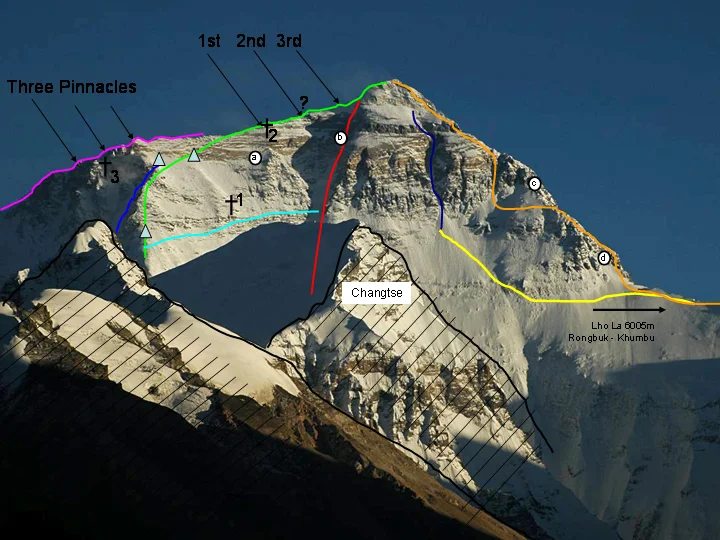
1984 First American Ascent of Mount Everest North Col by Lou Whittaker's Expedition
In October 1984, expedition leader Lou Whittaker guided the American team to the first American ascent of Mount Everest via the Great Couloir and North Col from Tibet, placing Phil Ershler on the summit.
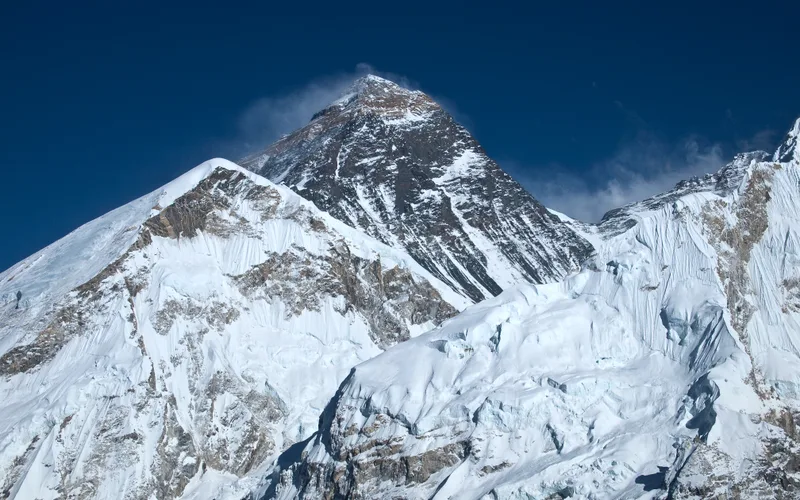
1987 Ang Rita Mount Everest Winter Oxygenless Expedition
On December 22, 1987, Nepali mountaineer Ang Rita Sherpa completed the first and only winter ascent of Mount Everest (8,848m) without supplemental bottled oxygen in human history, certified by Guinness World Records.
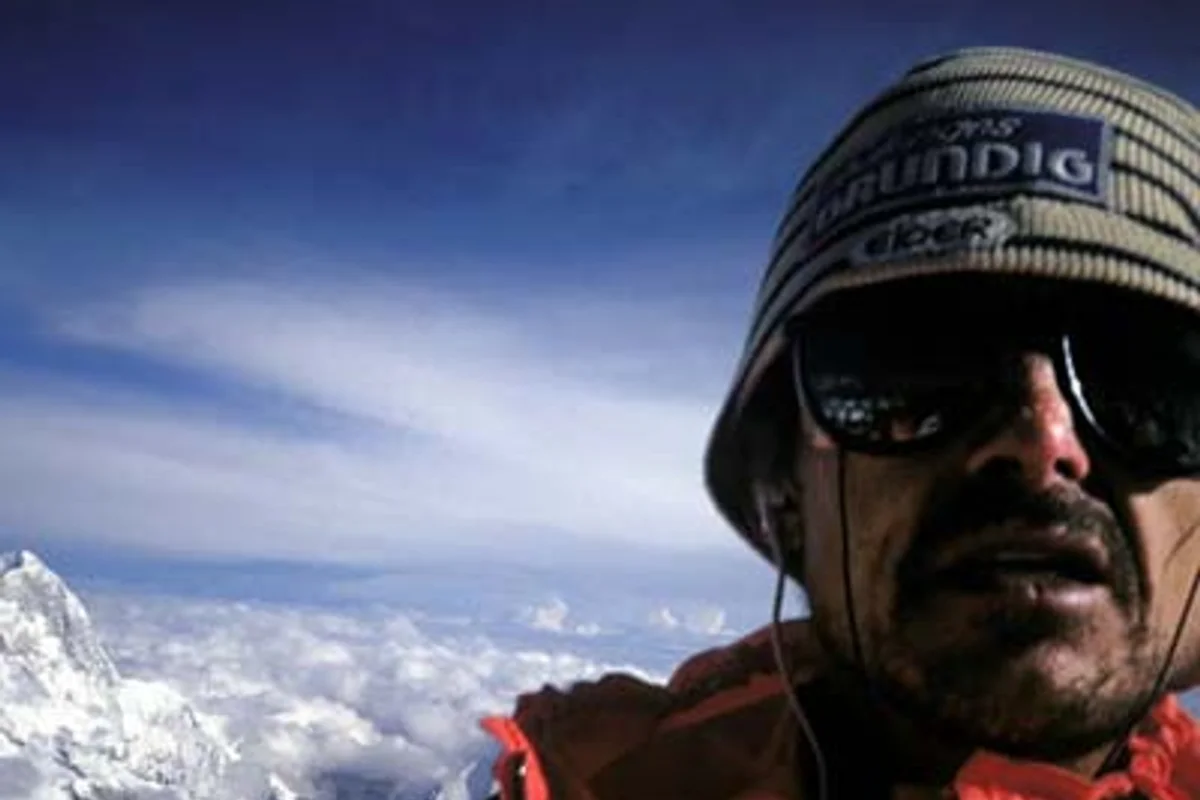
1988 Marc Batard Mount Everest 22-Hour Solo Speed Ascent
On September 25–26, 1988, French speed alpinist Marc Batard made world history by climbing Mount Everest from Base Camp to the summit in just 22 hours and 29 minutes in a continuous solo push without supplemental bottled oxygen.
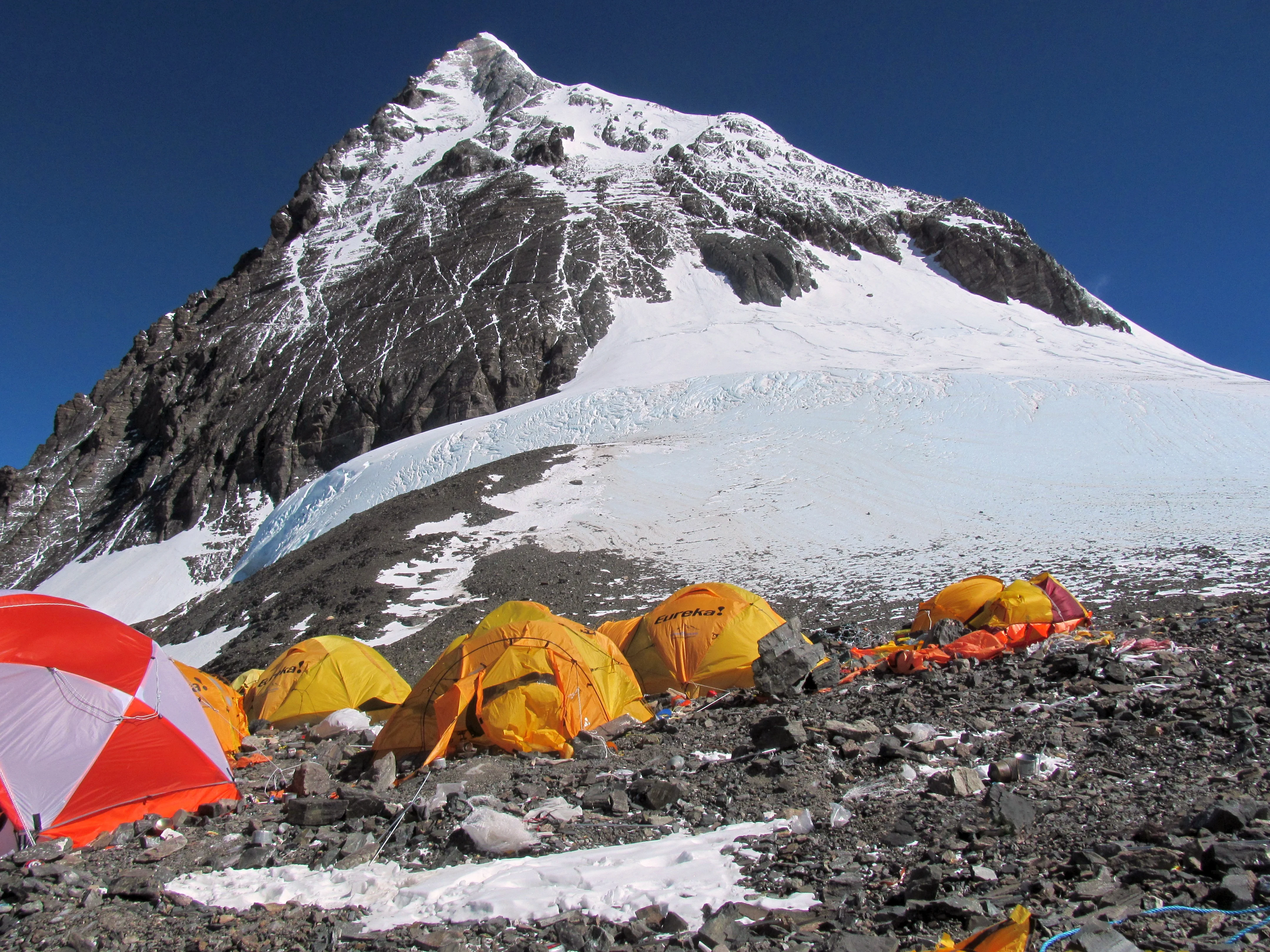
1993 Nepalese Women's Mount Everest Expedition
On April 22, 1993, Pasang Lhamu Sherpa made history by reaching the summit of Mount Everest (8,848m) as the first Nepali woman, breaking historic gender barriers and leading an all-Nepalese team via the South Col route.
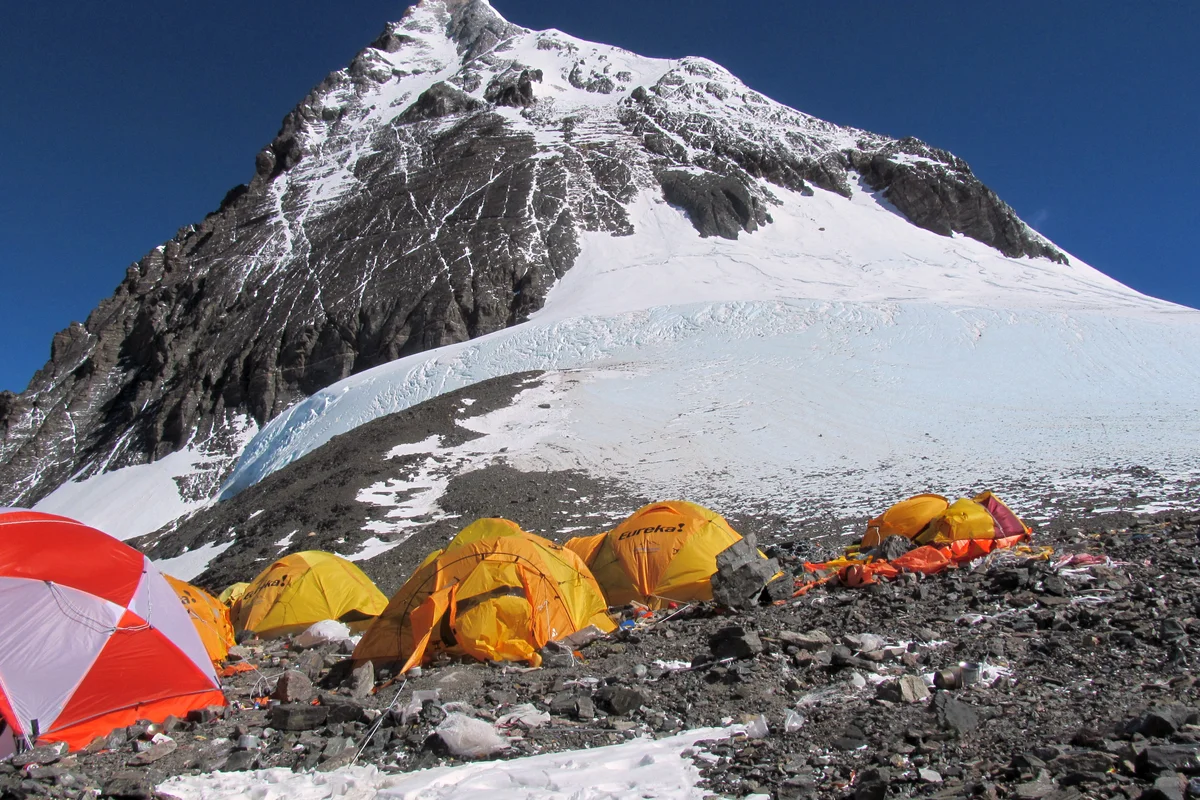
1993 Veikka Gustafsson Mount Everest First Finnish Ascent Expedition
On May 10, 1993, twenty-five-year-old Finnish climber Veikka Gustafsson reached the summit of Mount Everest (8,848m) via the South Col route, becoming the first person from Finland to stand atop the highest mountain on Earth.
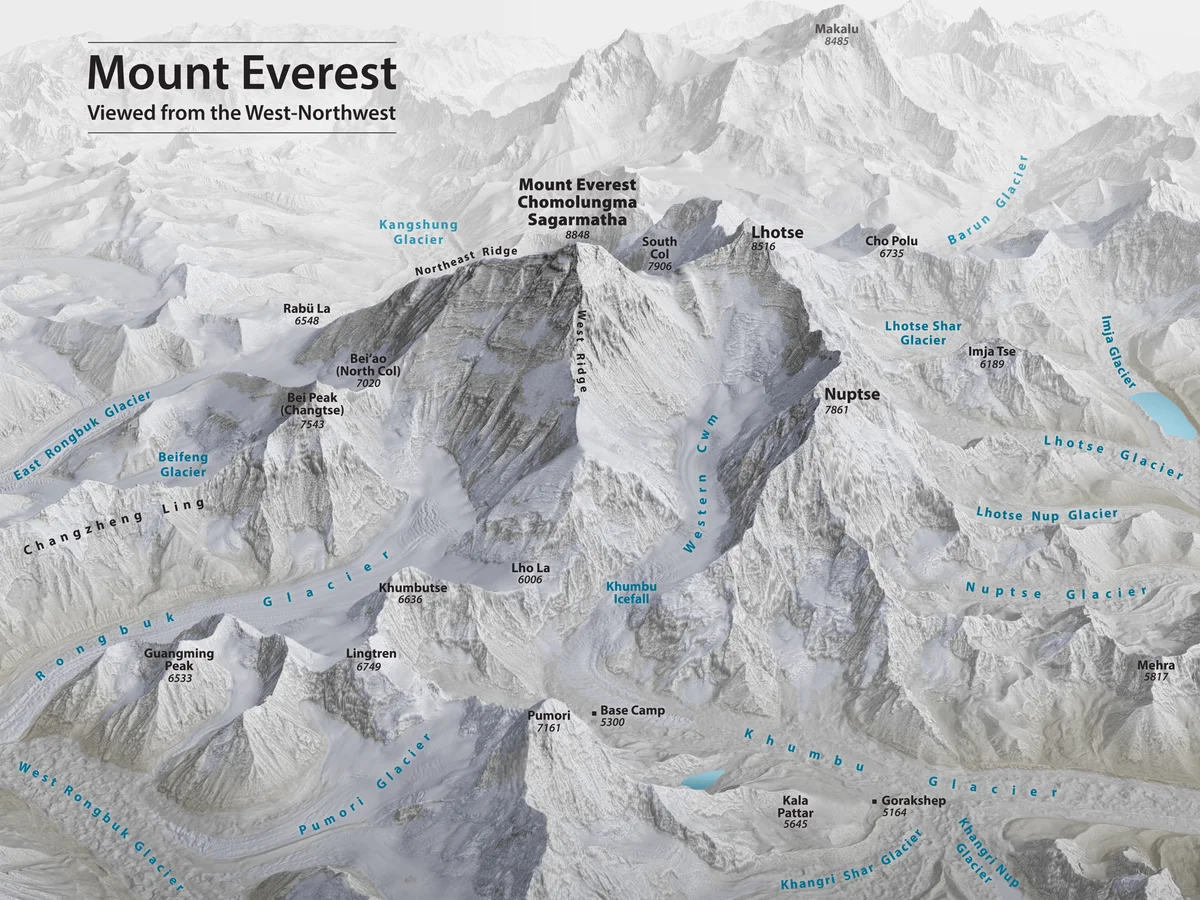
1996 Anatoli Boukreev Mount Everest Oxygenless Ascent & South Col Solo Rescue
On May 10–11, 1996, Kazakh master climber Anatoli Boukreev summitted Mount Everest (8,848m) without supplemental oxygen, descended to Camp IV, and ventured out alone into an apocalyptic blizzard at 8,000 metres on the South Col, single-handedly locating and saving three stranded climbers.
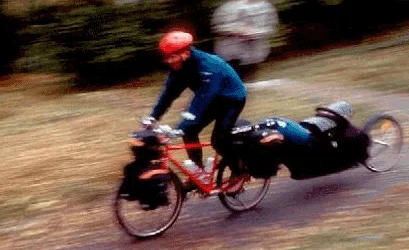
1996 Göran Kropp Self-Propelled Everest Bicycle & Solo Ascent Expedition
In 1996, Swedish adventurer Göran Kropp completed the ultimate human-powered expedition by bicycling 13,000 kilometres from Stockholm to Mount Everest Base Camp, climbing Everest solo without supplemental oxygen or Sherpas on May 23, and bicycling 13,000 kilometres back home.
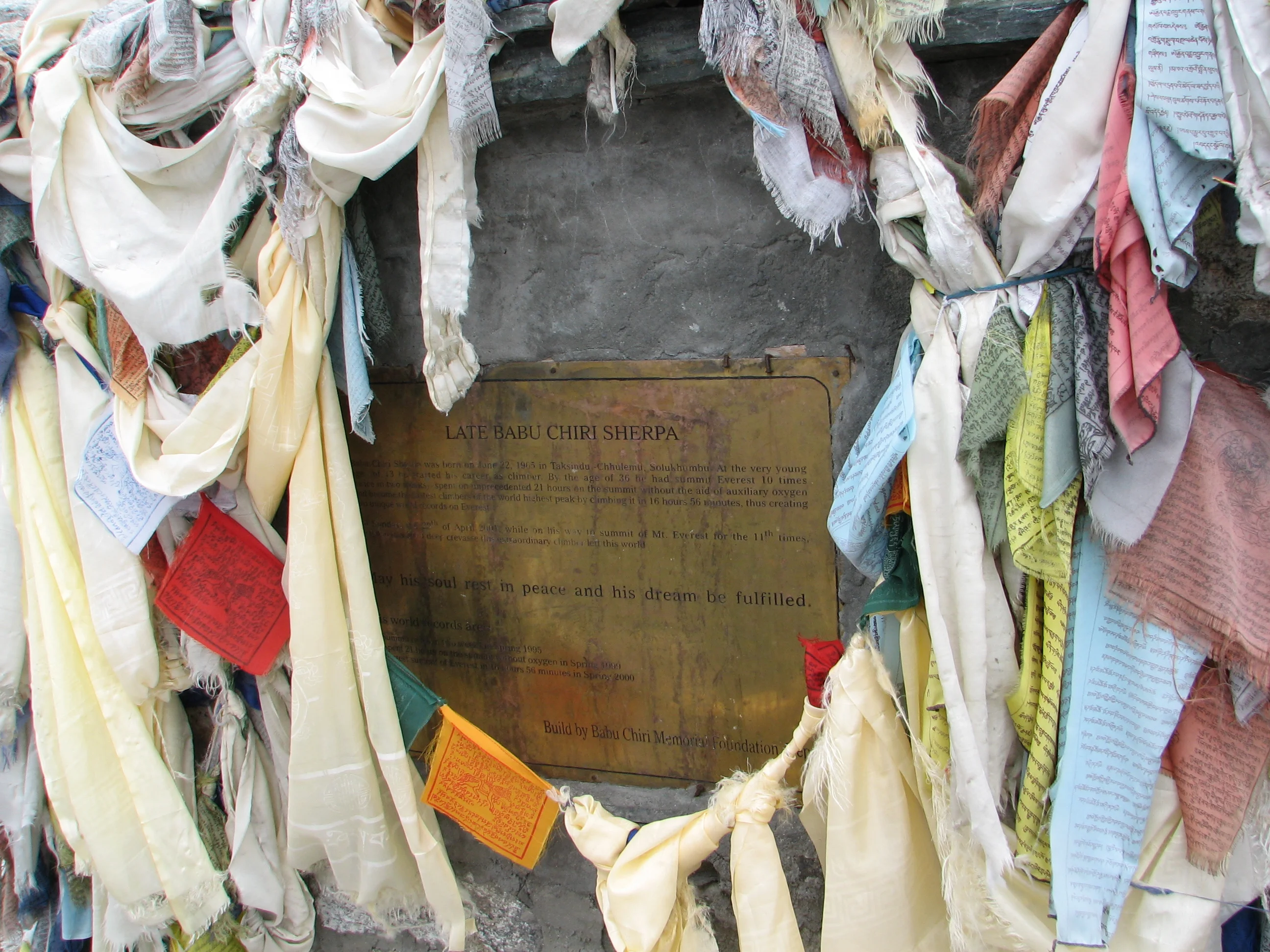
1999 Babu Chiri Sherpa Everest 21-Hour Summit Bivouac Expedition
On May 6 to 7, 1999, legendary Nepalese mountaineer Babu Chiri Sherpa achieved an astonishing physiological feat by pitching a tent and surviving for twenty-one continuous hours on the 8,848-meter summit of Mount Everest without supplemental oxygen.
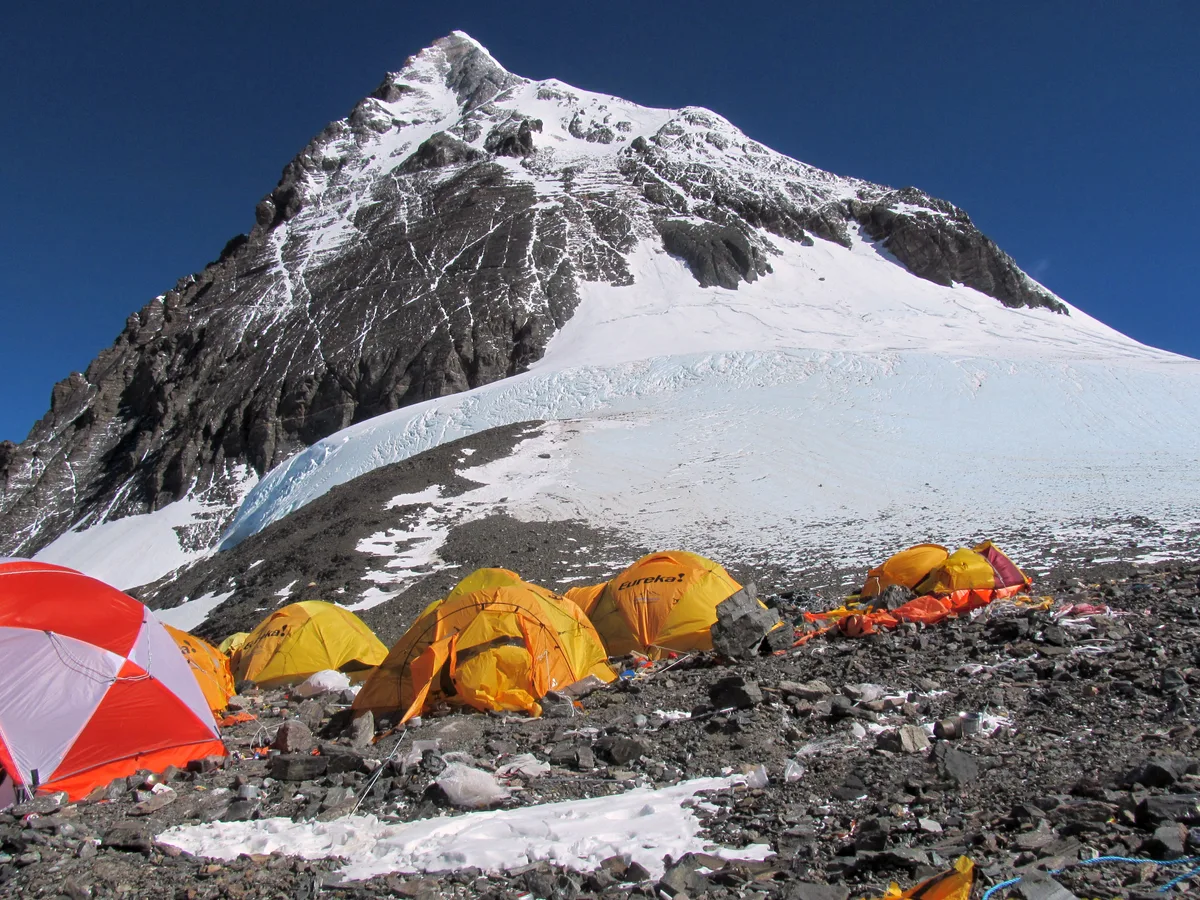
1999 Babu Chiri Sherpa Everest 21-Hour Summit Bivouac
On May 6, 1999, Nepali mountaineer Babu Chiri Sherpa pitched a tent on the 8,848-meter summit of Mount Everest and survived an unprecedented 21 hours and 30 minutes in the Death Zone without using supplemental bottled oxygen.
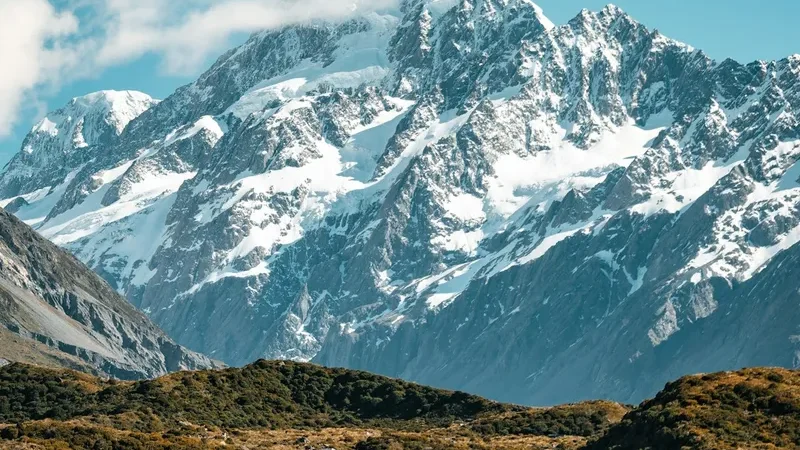
2000 Mountain Madness Mount Everest Expedition
Led by Christine Boskoff, this expedition saw Nazir Sabir reach the summit of Mount Everest on May 17, 2000, becoming the first Pakistani in history to do so.
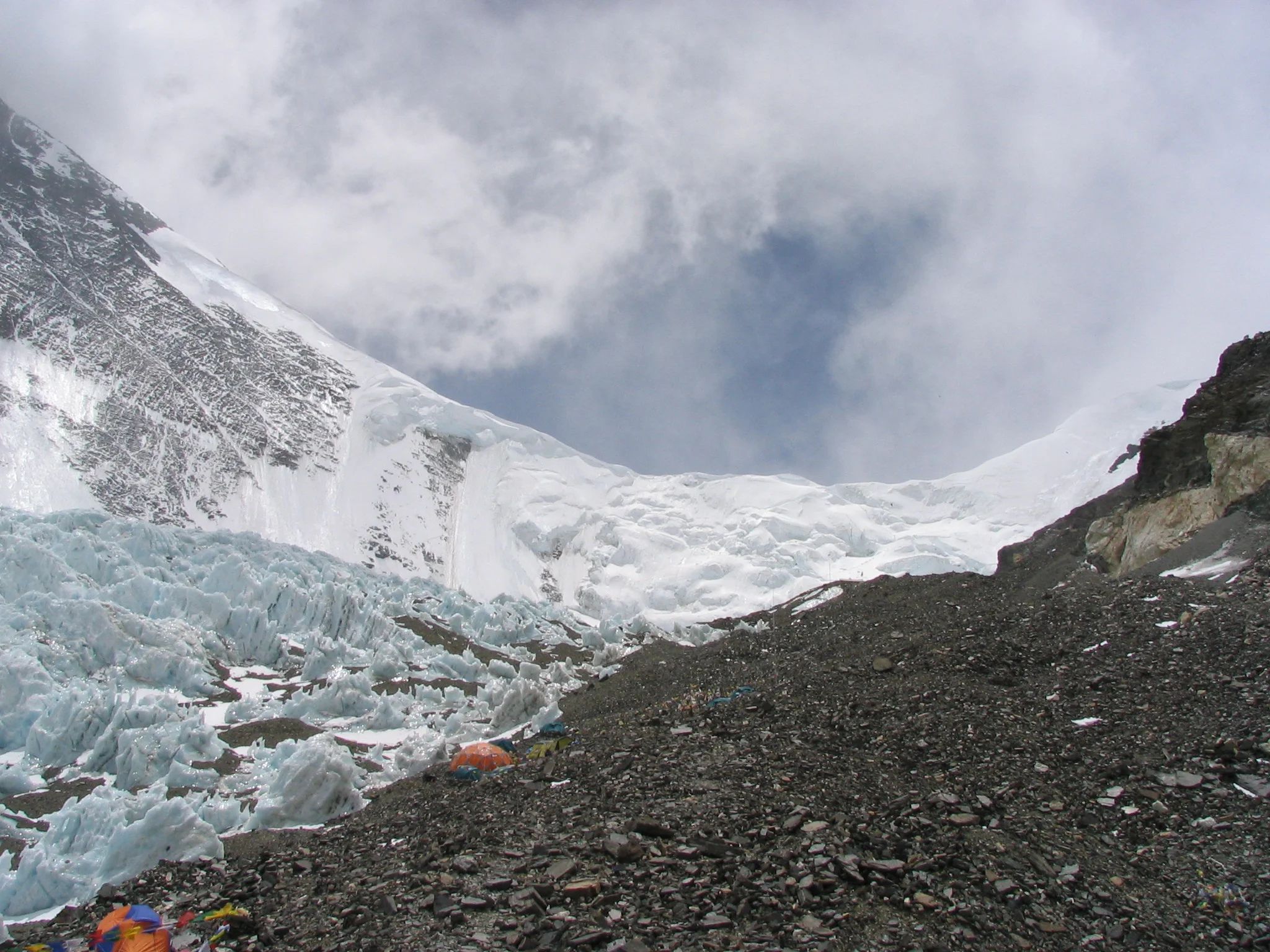
2000 Millennium Nepalese Women's Mount Everest Expedition
On May 18, 2000, Lhakpa Sherpa made history by reaching the summit of Mount Everest (8,848m) via the South Col and successfully descending alive, becoming the first Nepali woman in human history to complete a successful return from the summit.
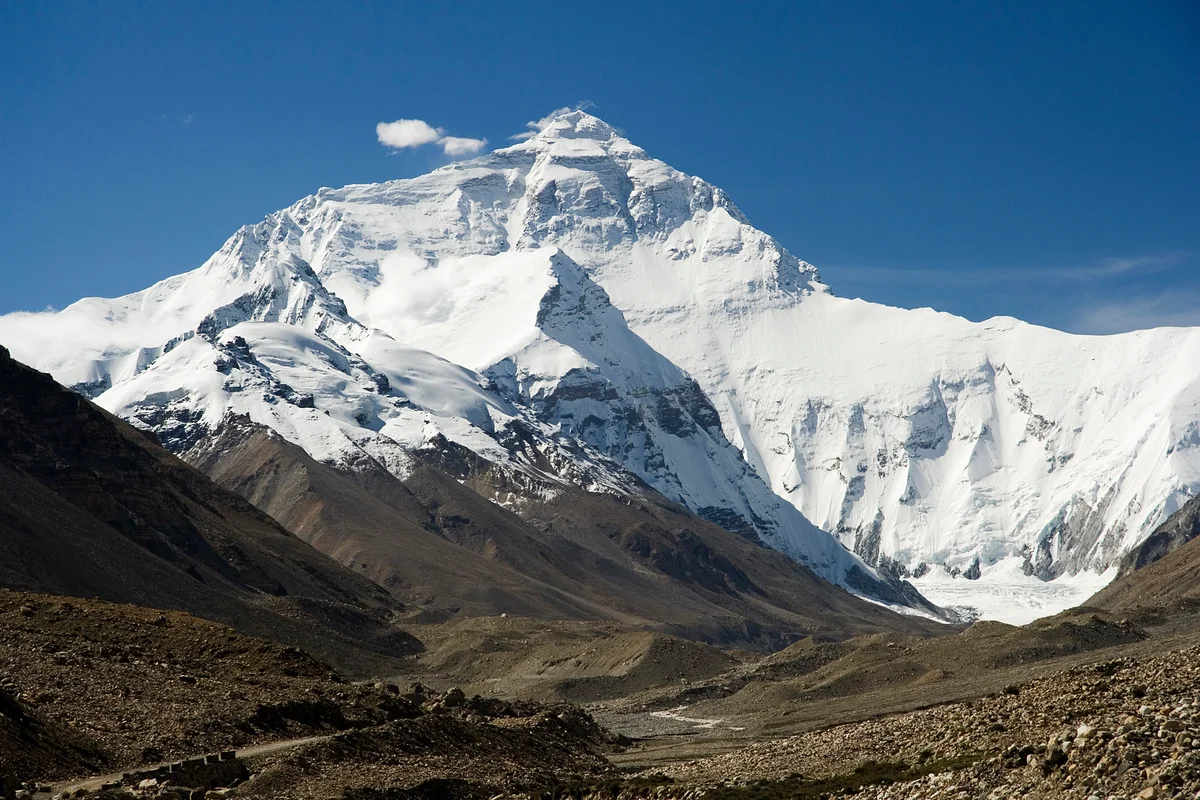
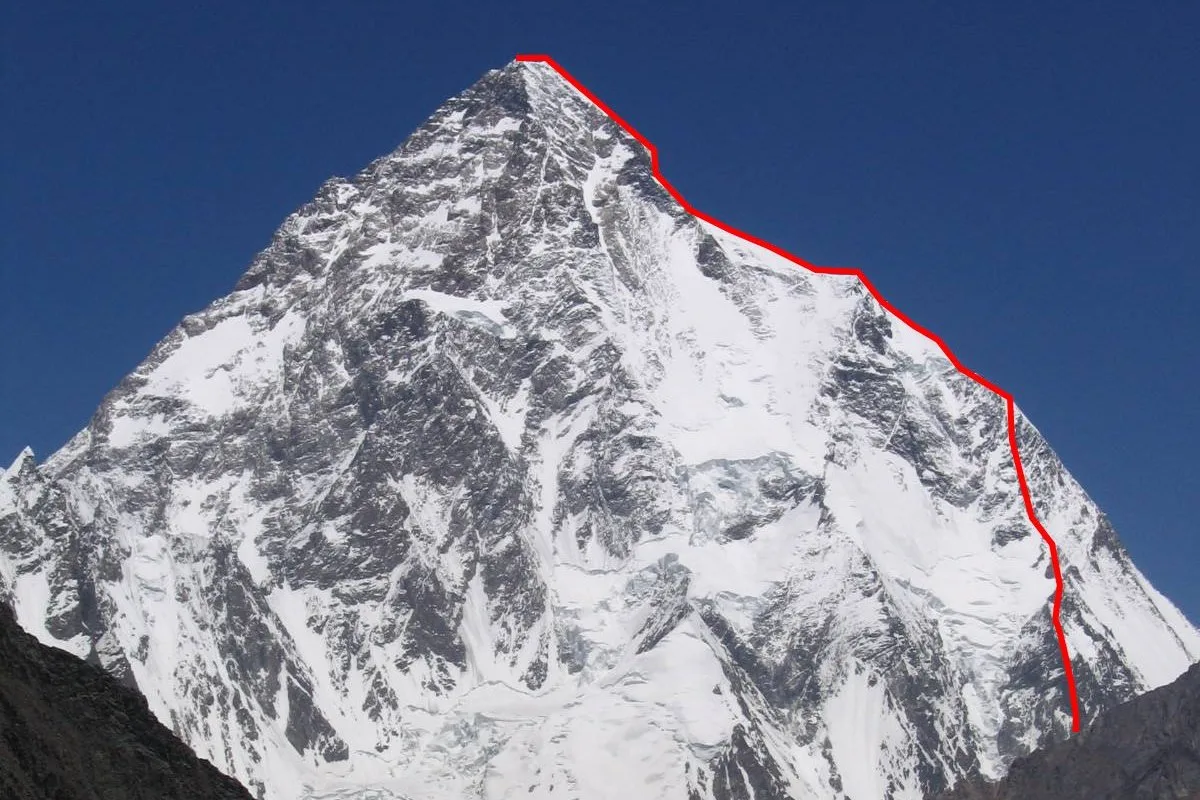
2004 Karl Unterkircher Mount Everest and K2 Double Expedition
In spring and summer 2004, South Tyrolean alpinist Karl Unterkircher achieved the unprecedented feat of summiting both Mount Everest (8,848m) on May 24 and K2 (8,611m) on July 26 without supplemental bottled oxygen in just sixty-three days.
2011 Eco Everest Apa Sherpa 21st Summit Expedition
On May 11, 2011, legendary Nepalese mountaineer Apa Sherpa completed his world-record twenty-first summit of Mount Everest (8,848m) as climbing leader of the Eco Everest Expedition, dedicating his final climb to removing high-altitude waste and combating climate change.
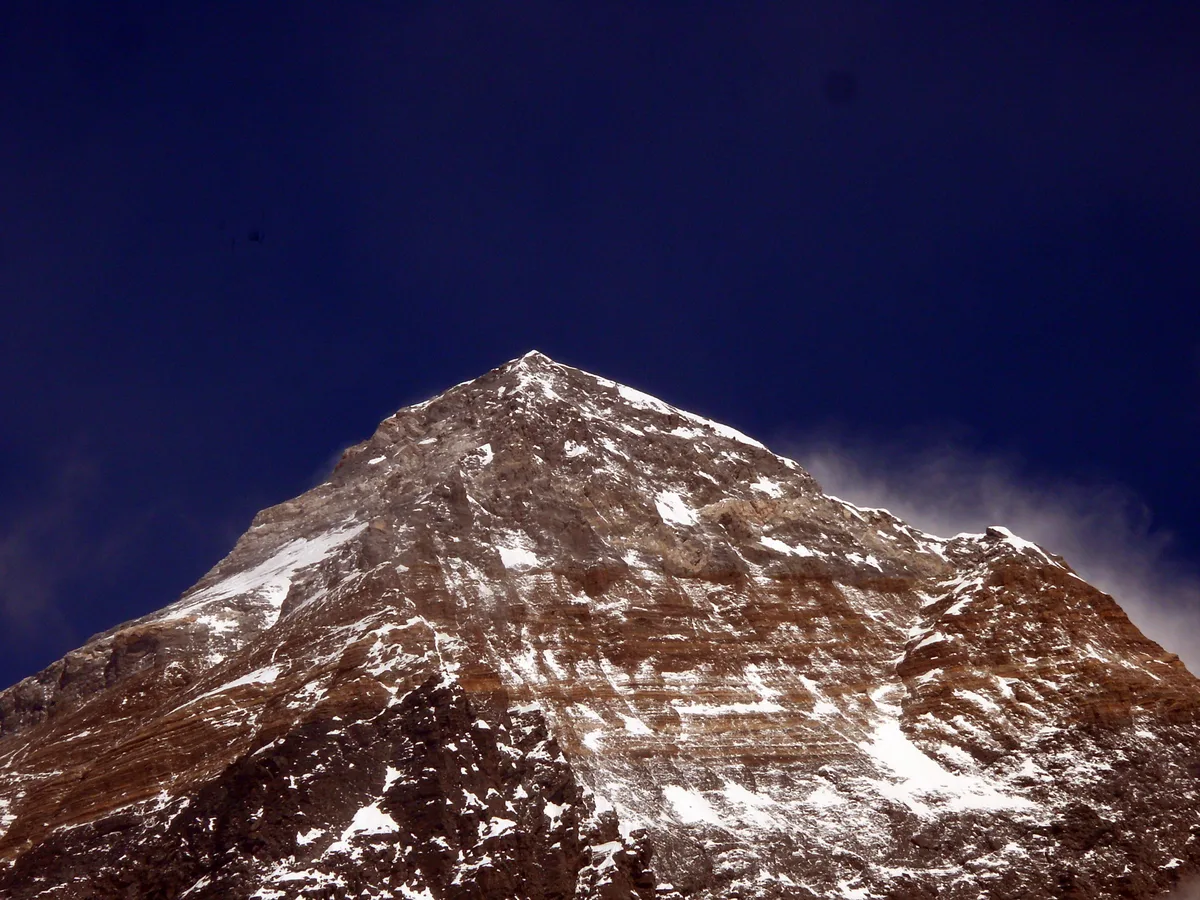
2011 Apa Sherpa Eco Everest 21st Summit Expedition
On May 11, 2011, veteran Nepali mountaineer Apa Sherpa summited Mount Everest for an unprecedented twenty-first time, leading the Eco Everest Expedition to remove tons of historical rubbish and advocate for Himalayan climate preservation.
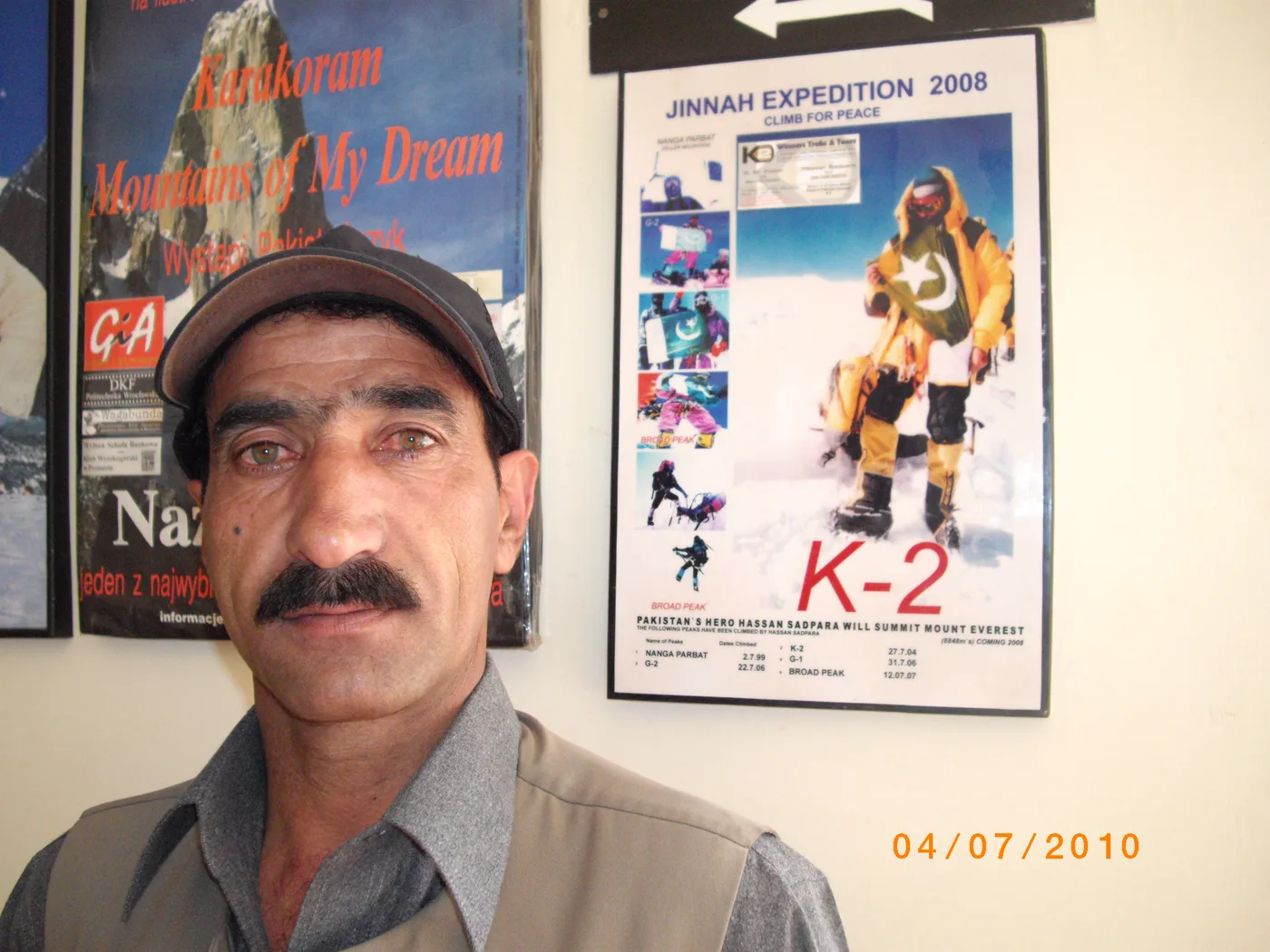
2011 Hassan Sadpara Mount Everest Expedition
On May 11, 2011, Balti mountaineer Hassan Sadpara stood atop Mount Everest (8,848m) via the South Col route, becoming only the second Pakistani in history after Nazir Sabir to conquer the world's highest peak.
2013 Samina Baig Mount Everest Expedition
On May 19, 2013, twenty-two-year-old Samina Baig from Shimshal made history as the first Pakistani woman to conquer Mount Everest (8,848m), summiting via the South Col Route alongside her brother Mirza Ali and twin Indian climbers to champion South Asian gender equity.
2019 Mingma David Sherpa: Youngest 14 Peaks Record & High-Altitude Speed Campaign
On October 29, 2019, Mingma Gyabu 'David' Sherpa completed all fourteen 8,000-metre peaks at Shishapangma, becoming the youngest person in mountaineering history to stand on every eight-thousander at 30 years and 166 days.
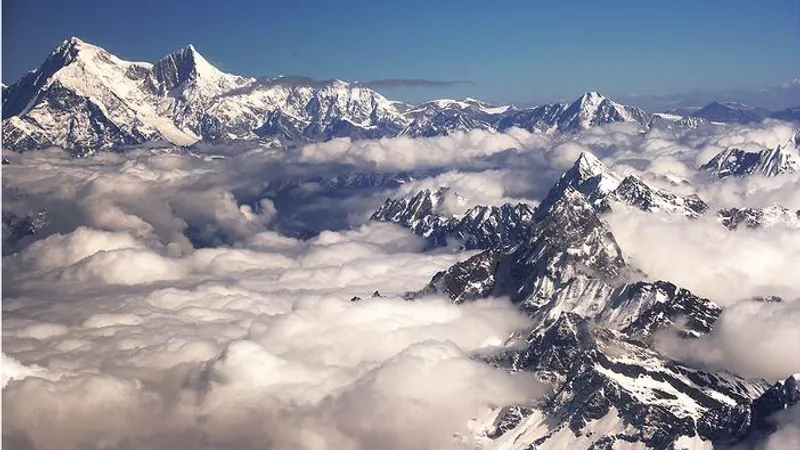
Project Possible 14/7: The 189-Day 14-Peak Odyssey
Led by former British Gurkha and Special Boat Service (SBS) operator Nirmal 'Nimsdai' Purja MBE, Project Possible 14/7 shattered the world speed record by summiting all fourteen 8,000-meter peaks in 6 months and 6 days (189 days), smashing the prior record of nearly eight years.
2019 Nirmal Purja Mount Everest Expedition
Nirmal Purja summited Mount Everest (8,849m) via the South Col on May 22, 2019, capturing the historic traffic jam photo before descending immediately to launch his speed ascent of Lhotse.
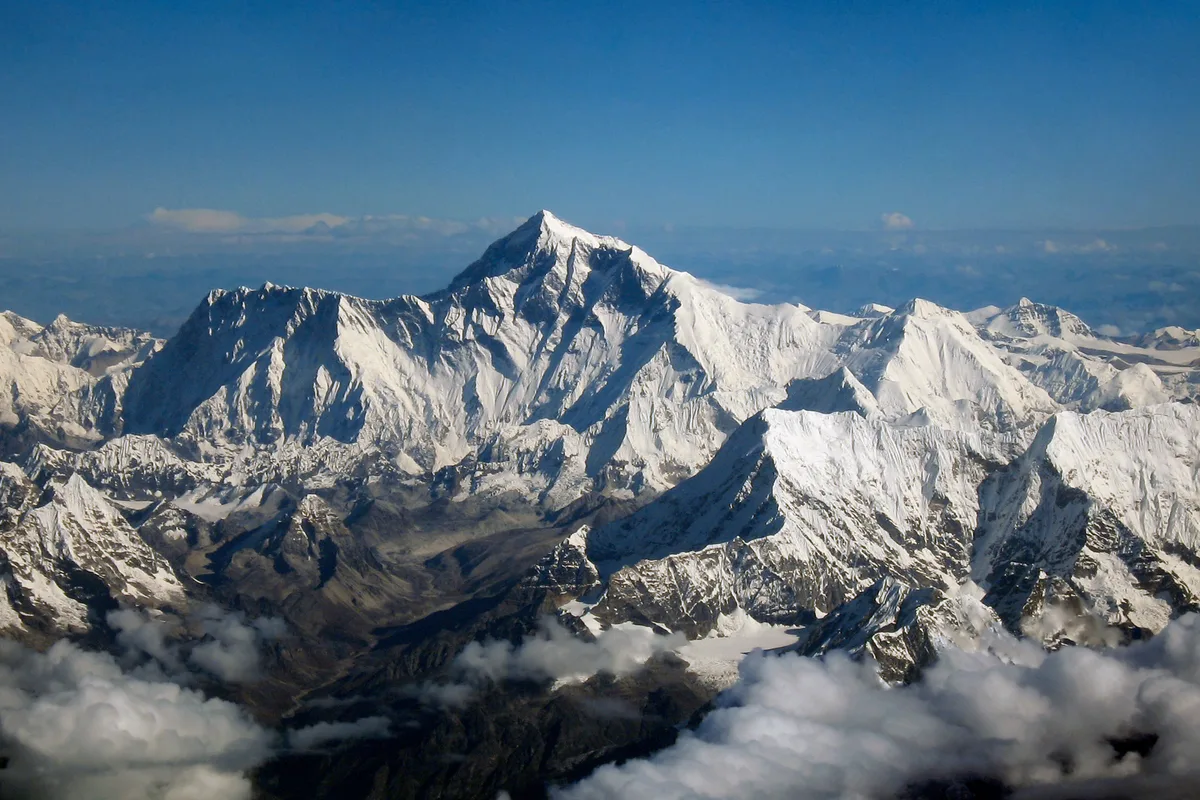
2023 Gelje Sherpa: Miraculous Everest Death Zone Rescue at 8,500m
On May 18, 2023, while guiding a private client toward the summit of Mount Everest, Gelje Sherpa spotted a dying Malaysian climber shivering alone at 8,500 metres in the Death Zone; abandoning his client's summit bid, Gelje bundled the climber into a mat and hauled him down to safety.
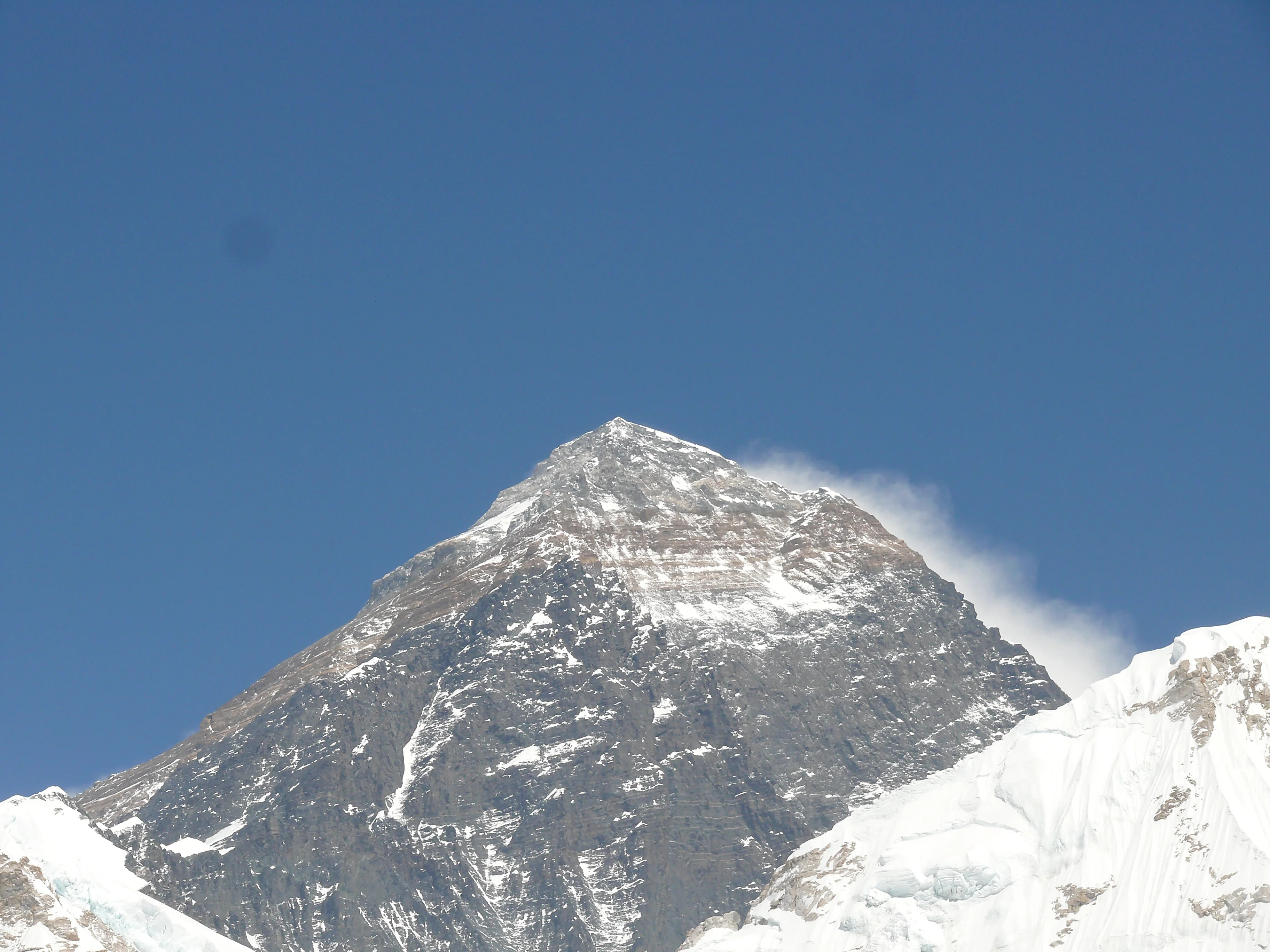
2024 Seven Summit Treks Kami Rita Sherpa 30th Everest Expedition
On May 22, 2024, 54-year-old Nepalese mountain master Kami Rita Sherpa reached the summit of Mount Everest (8,848m) for an extraordinary thirtieth time, solidifying the all-time world record for total ascents of the world's highest peak.
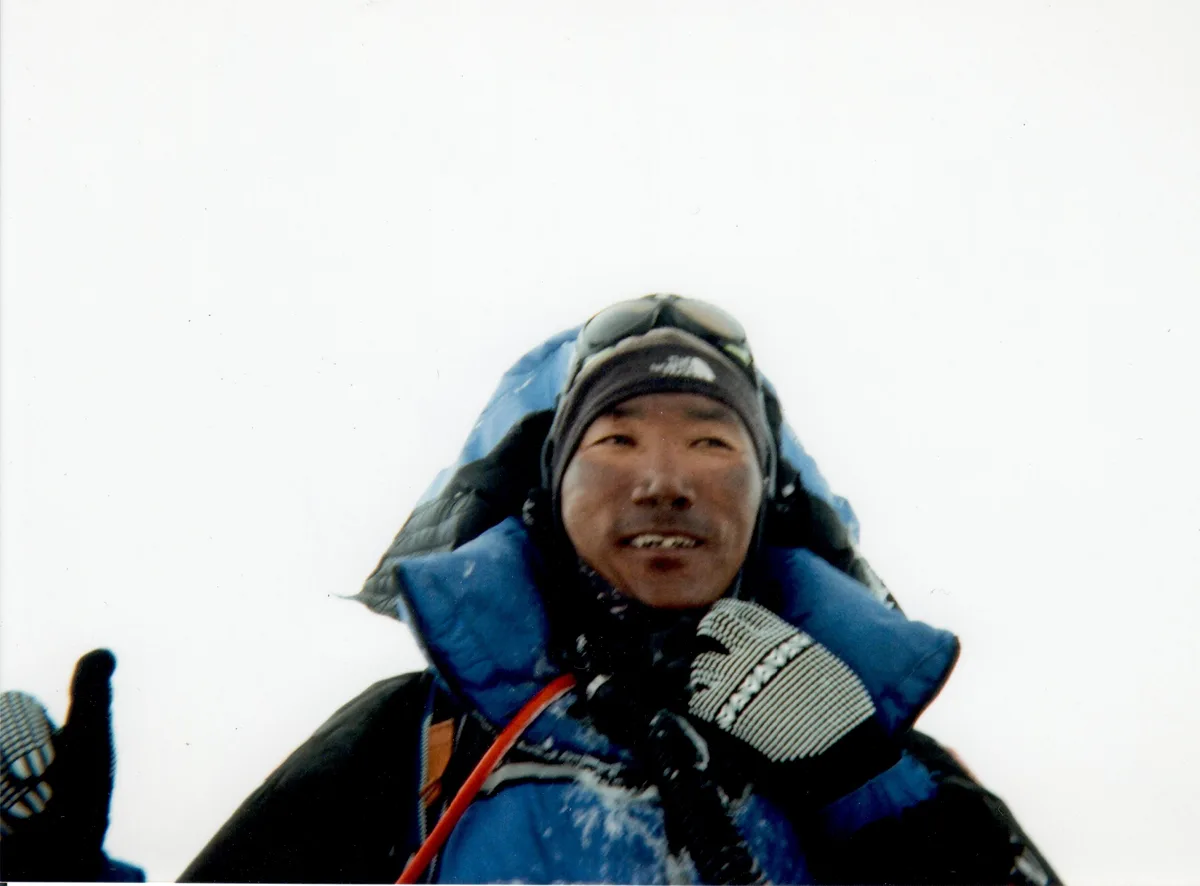
2024 Kami Rita Sherpa 30th Mount Everest Record Summit
On May 22, 2024, 54-year-old Nepali climbing legend Kami Rita Sherpa reached the summit of Mount Everest for an astounding thirtieth time, extending his undisputed world record as the most prolific high-altitude climber in human history.
Archival Chronicles & Stories on this Route (30)
In-depth longform historical narratives, harrowing survival accounts, and firsthand alpine journals on South Col & Southeast Ridge (Normal Route).
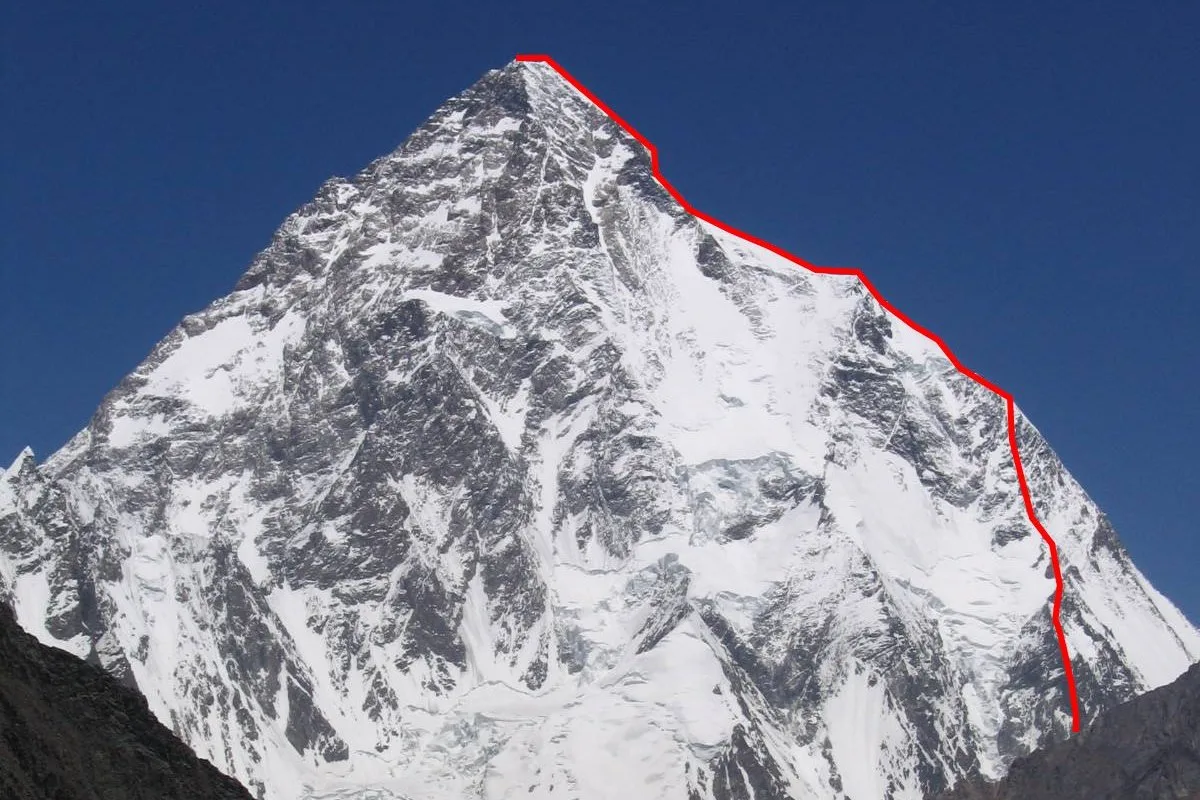
Velocity and Valor: Mingma David Sherpa's Historic 14 Peaks Campaign
Climbing all fourteen of the world's 8,000-metre peaks was long regarded as a lifelong quest, typically requiring fifteen to twenty years of grueling perseveran...
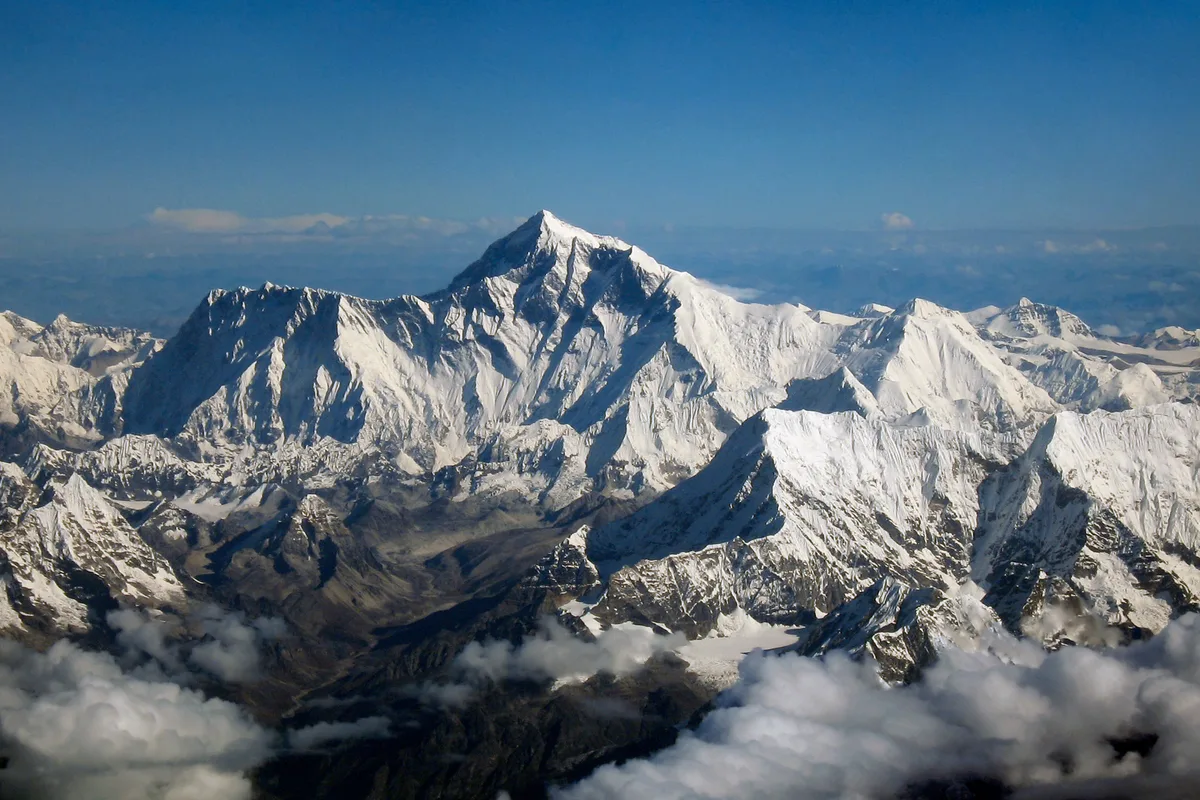
Angel of the Balcony: Gelje Sherpa's Miracle Rescue at 8,500 Metres
In the Death Zone above 8,000 metres on Mount Everest, an unwritten code often prevails: at that extreme altitude, every climber is on their own, and rescues ar...
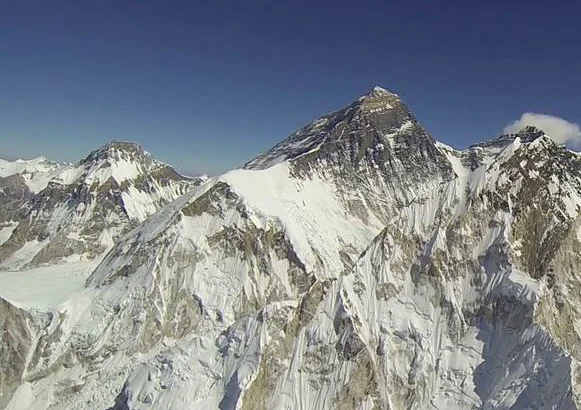
The West Ridge and Beyond: The 1963 American Mount Everest Triumph
In May 1963, the American Mount Everest Expedition achieved historic triumphs on the roof of the world. Jim Whittaker became the first American to summit Everest on May 1, followed on May 22 by Tom Hornbein and Willi Unsoeld's audacious West Ridge traverse and open bivouac at 8,500 metres.
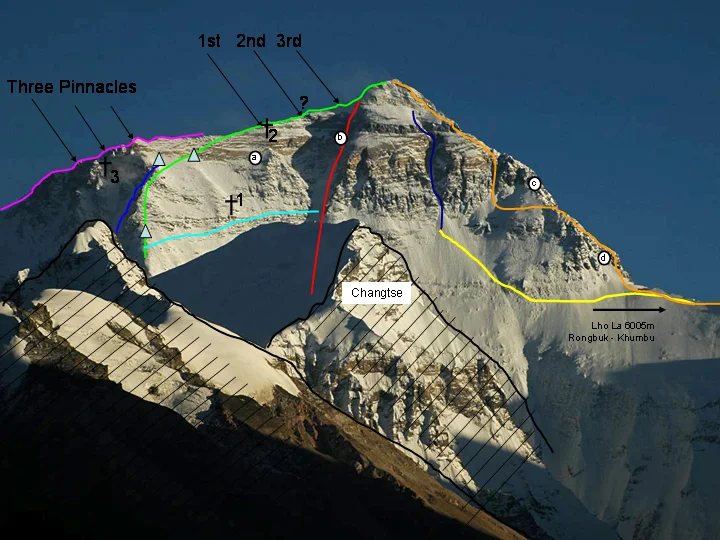
The Great Couloir: Lou Whittaker's 1984 American North Face Everest Victory
In October 1984, legendary Rainier guide Lou Whittaker led the historic China-Everest Expedition to the first American ascent of Mount Everest from Tibet. Operating through the Great Couloir and North Col, the team placed Phil Ershler on the summit amidst hurricane-force gales.
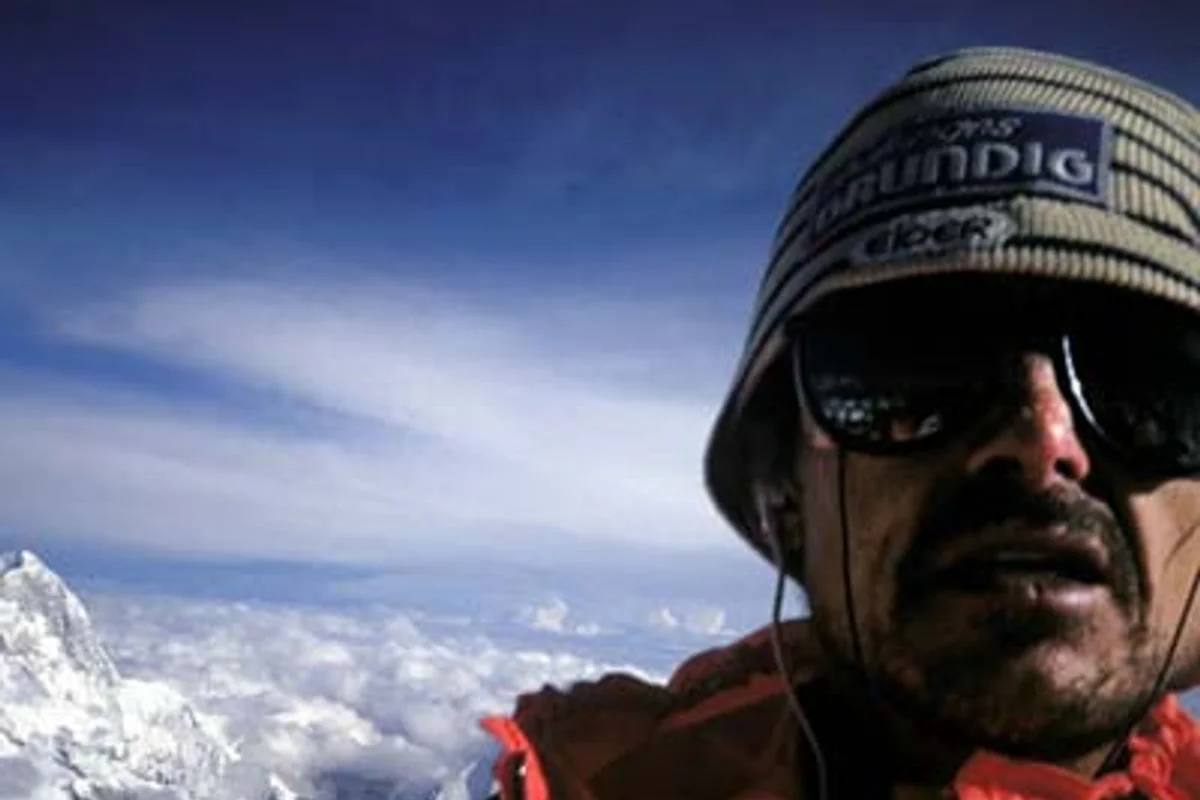
The 22-Hour Sprint: Marc Batard's Oxygenless Everest Speed Record
On September 25–26, 1988, French speed soloist Marc Batard climbed Mount Everest from Base Camp to the summit in 22 hours and 29 minutes without oxygen, setting a world record.
Sagarmatha's Daughter: Pasang Lhamu Sherpa's Historic Everest Breakthrough
On April 22, 1993, Pasang Lhamu Sherpa shattered patriarchal boundaries to become the first Nepali woman to stand on the summit of Mount Everest.
The Nordic Breakthrough: Veikka Gustafsson Conquers Mount Everest
On May 10, 1993, 25-year-old Veikka Gustafsson became the first person from Finland to stand atop Mount Everest, launching an legendary career across all 14 eight-thousanders.
Alone in the Tempest: Anatoli Boukreev and the 1996 Mount Everest Rescue
During the catastrophic May 1996 blizzard on Mount Everest, Kazakh mountaineer Anatoli Boukreev ventured solo into the storm at 8,000m on the South Col, saving three human lives.
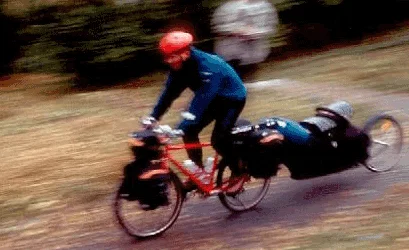
The Ultimate Odyssey: Göran Kropp's 13,000-Kilometre Bicycle Trek and Solo Everest Ascent
In 1996, Swedish adventurer Göran Kropp bicycled 13,000 kilometres from Sweden to Mount Everest, summitted solo without supplemental oxygen or Sherpa support, and rode back home.
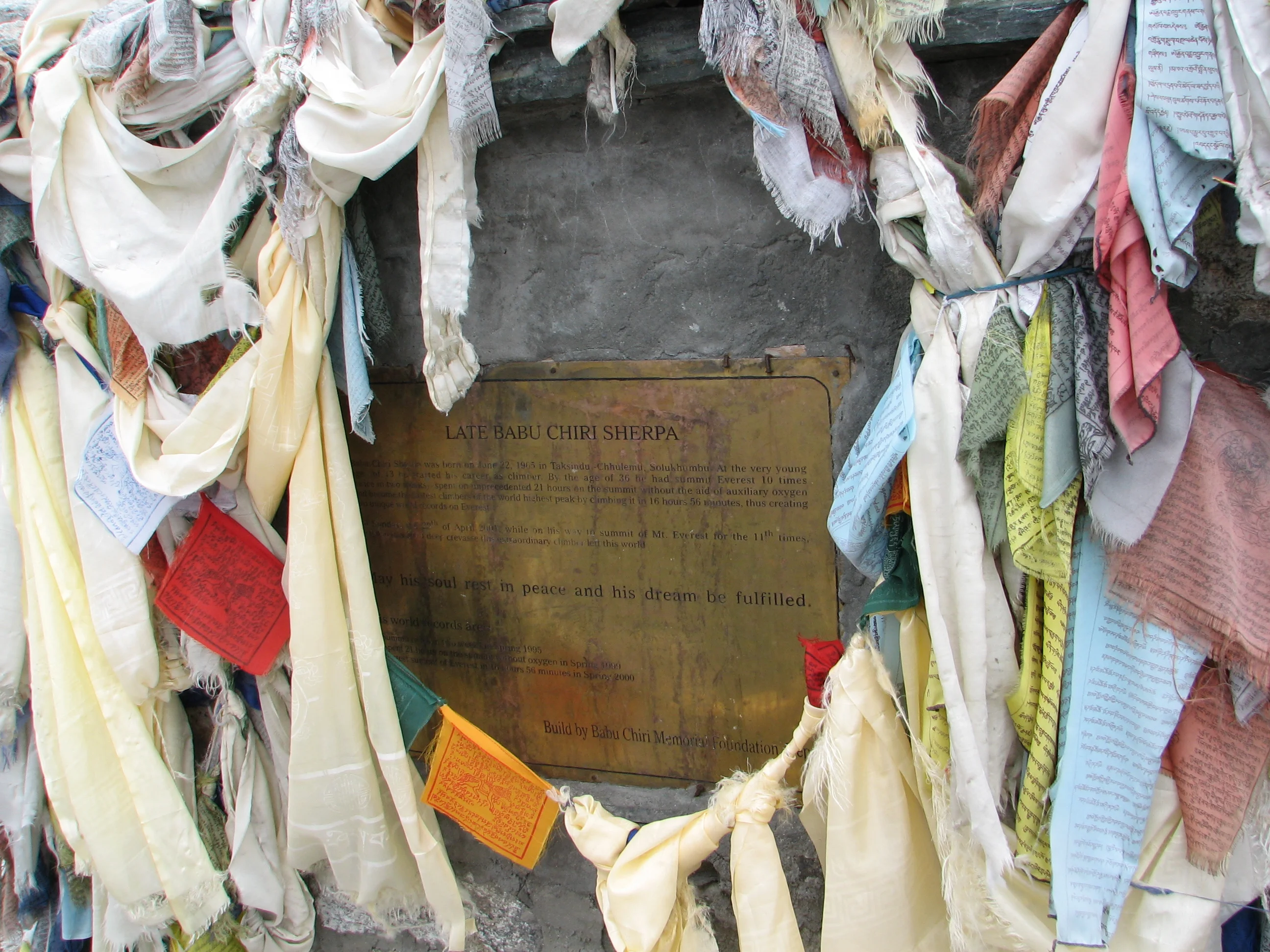
Above the Troposphere: Babu Chiri Sherpa's 21 Hours on the Summit of Everest
On May 6, 1999, Babu Chiri Sherpa accomplished one of the greatest physiological feats in history, spending twenty-one continuous hours on Everest's summit without supplemental oxygen.
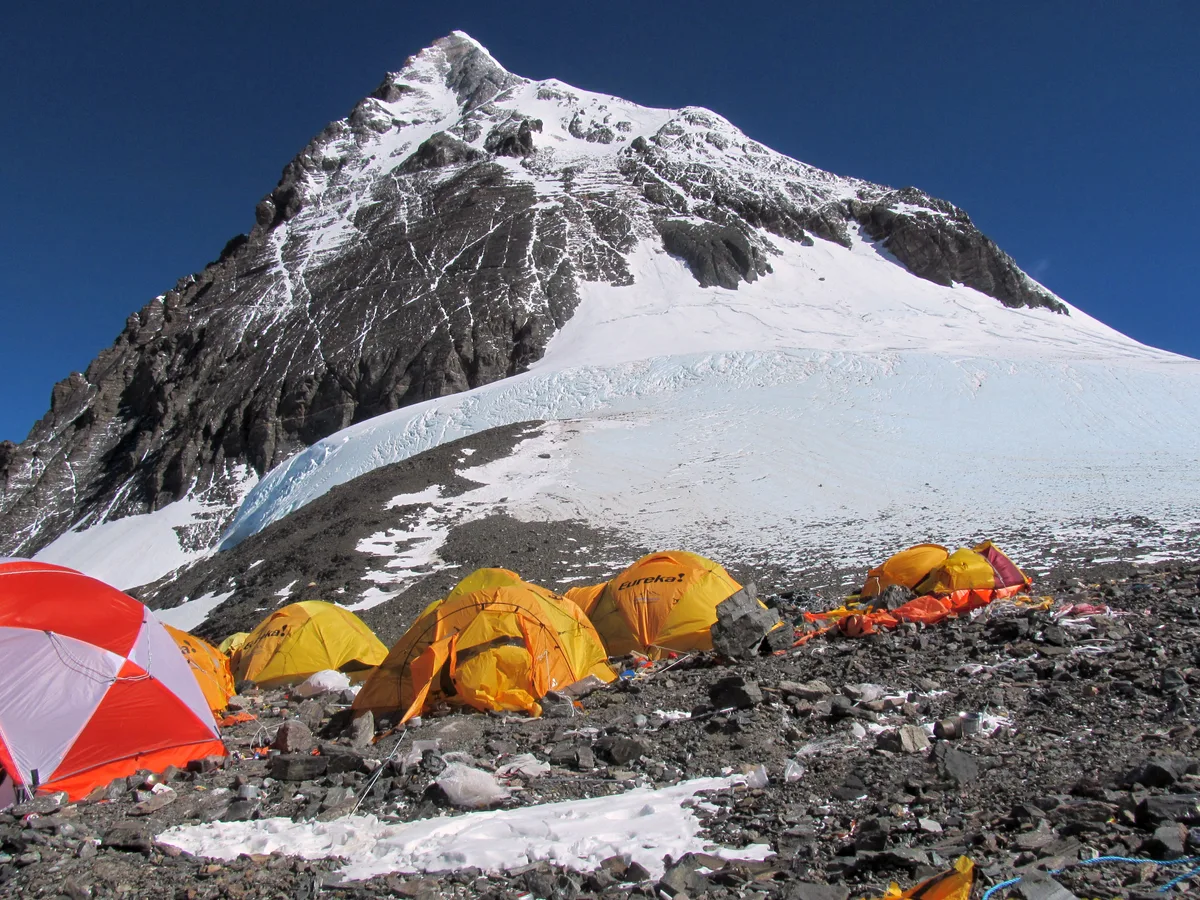
Twenty-One Hours on the Crown of the Earth: Babu Chiri Sherpa's Unimaginable Everest Summit Bivouac
On May 6, 1999, legendary Nepali Sherpa Babu Chiri pitched a tent on the 8,848-meter summit of Mount Everest and spent 21 hours and 30 minutes in the Death Zone without supplemental oxygen.
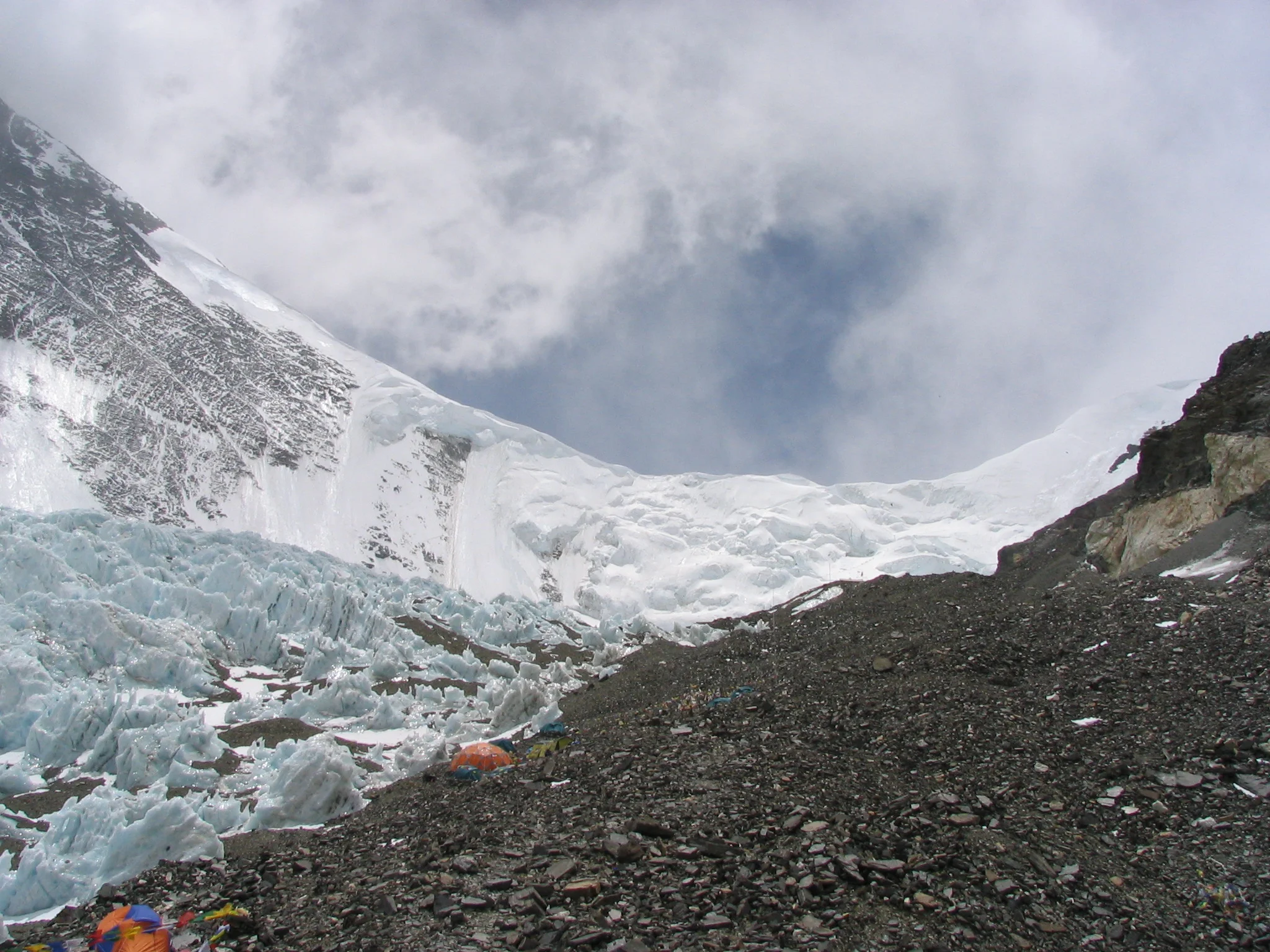
The Mountain Queen: Lhakpa Sherpa's Historic Return from the Summit
On May 18, 2000, Lhakpa Sherpa broke history's darkest shadow, becoming the first Nepali woman to summit Mount Everest and return alive.
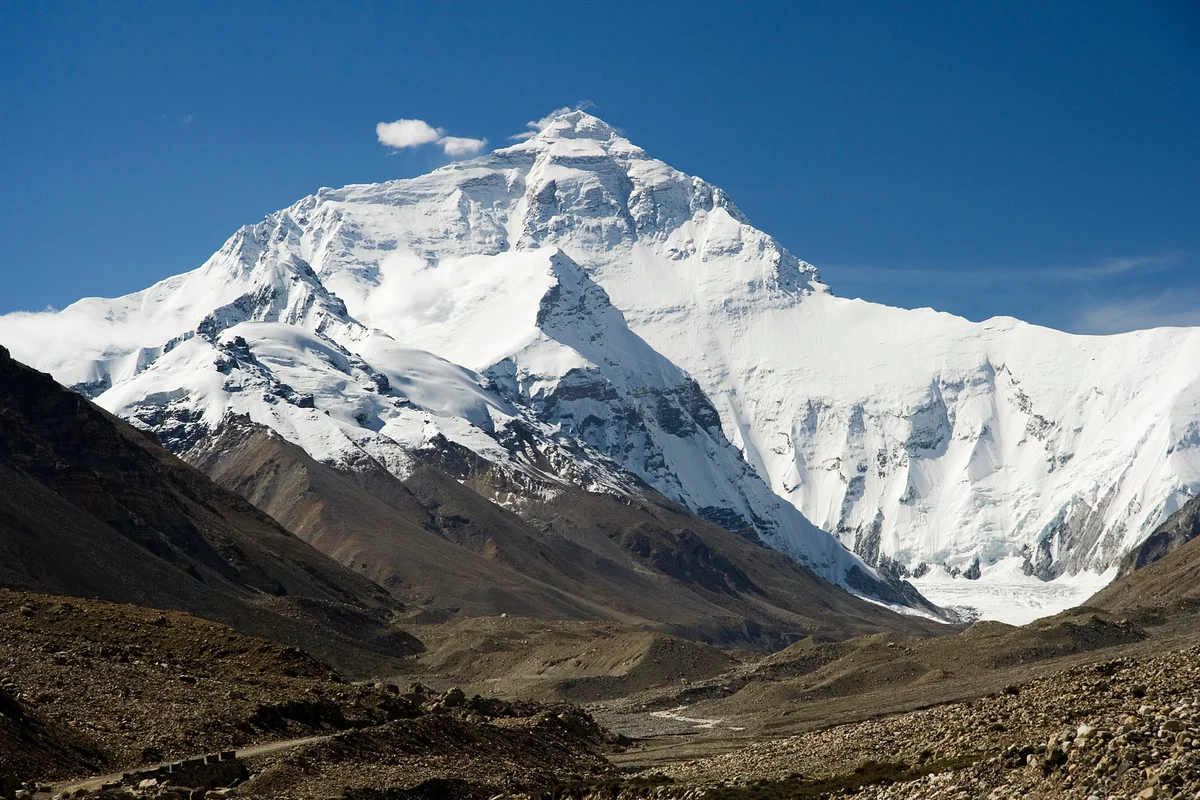
The Sixty-Three Day Double: Karl Unterkircher's Oxygenless Odyssey on Everest and K2
In 2004, South Tyrolean alpinist Karl Unterkircher stunned the mountaineering world by summiting Mount Everest and K2 without supplemental oxygen in just 63 days.
The Guardian of Chomolungma: Apa Sherpa's 21st Summit & Environmental Legacy
On May 11, 2011, legendary mountaineer Apa Sherpa summited Mount Everest for a world-record twenty-first time, closing his climbing career with a historic environmental crusade.
The Humblest Giant: Apa Sherpa's Historic 21st Summit of Mount Everest and the Eco Cleanup Crusade
On May 11, 2011, 'Super Sherpa' Apa Sherpa stood atop Mount Everest for an unprecedented twenty-first time, leading the Eco Everest Expedition to clean tons of trash and champion climate action.
Summit of Solidarity: Samina Baig Makes History on Mount Everest
On May 19, 2013, twenty-two-year-old Samina Baig from Shimshal reached the summit of Mount Everest, becoming the first Pakistani woman to conquer the highest point on Earth.
The Master of Everest: Kami Rita Sherpa's Historic 30th Summit
On May 22, 2024, fifty-four-year-old mountain legend Kami Rita Sherpa stood atop Mount Everest for an unprecedented thirtieth time, expanding his all-time world record.
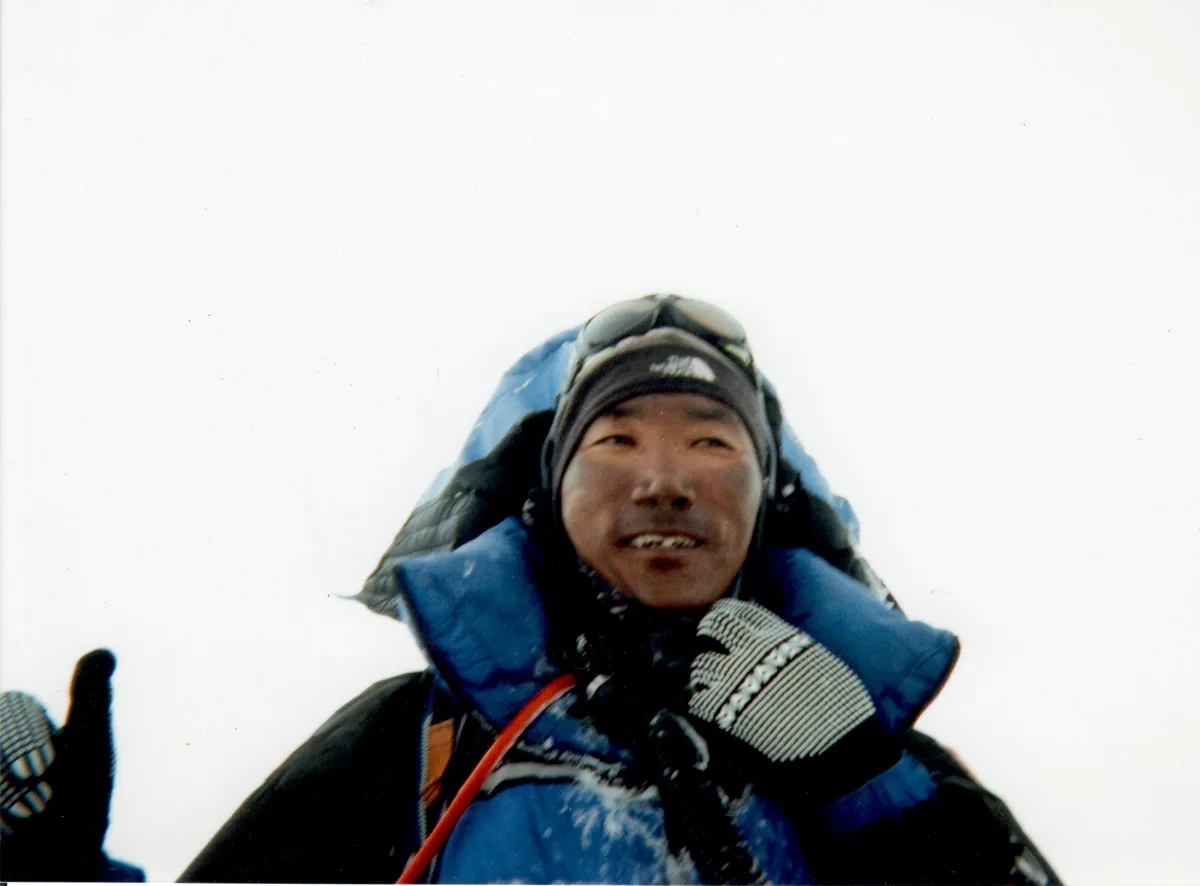
Thirty Times to the Top of the World: Kami Rita Sherpa's Unprecedented Everest Mastery
On May 22, 2024, 54-year-old Nepali mountain guide Kami Rita Sherpa reached the summit of Mount Everest for an astounding thirtieth time, extending his historic world record.
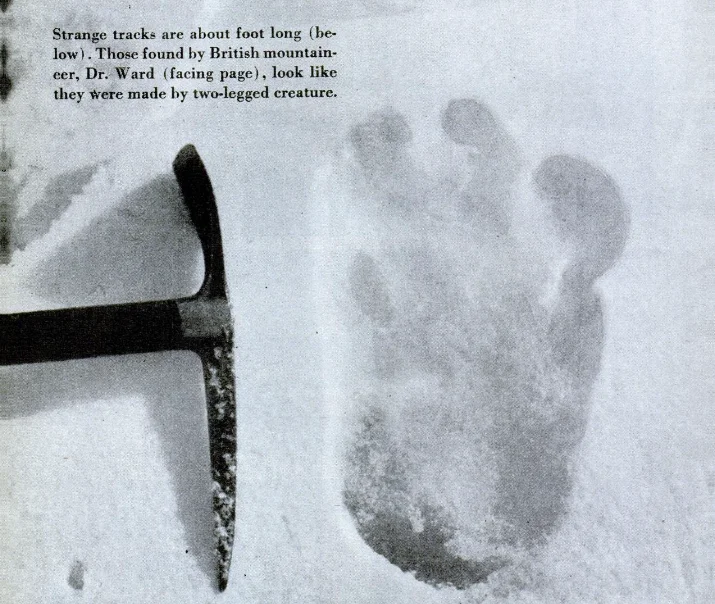
Everest 1951: Eric Shipton, Edmund Hillary, and the Secret Door of Khumbu
In the autumn of 1951, legendary explorer Eric Shipton led a British party into the newly opened valleys of Nepal, unlocking the monstrous Khumbu Icefall and discovering the path that conquered Everest.
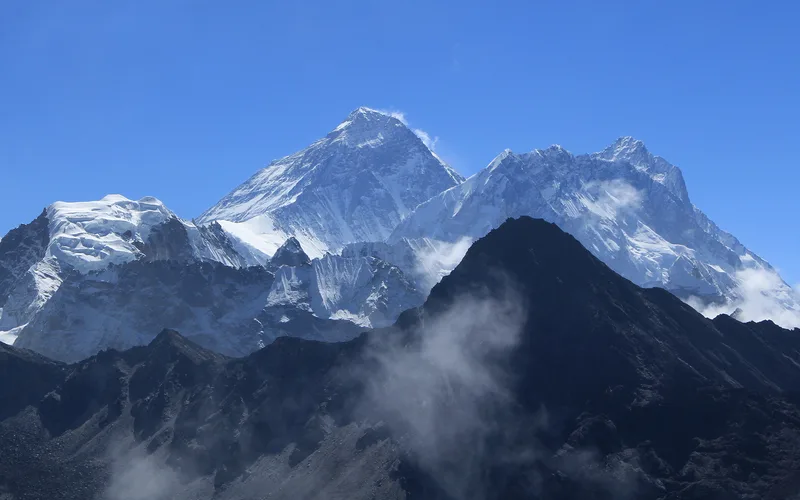
Defying the Avalanche: How Junko Tabei Became the First Woman to Summit Mount Everest
On May 16, 1975, Japanese mountaineer Junko Tabei surmounted an avalanche that buried her alive at Camp II to become the first woman in history to conquer the summit of Mount Everest.
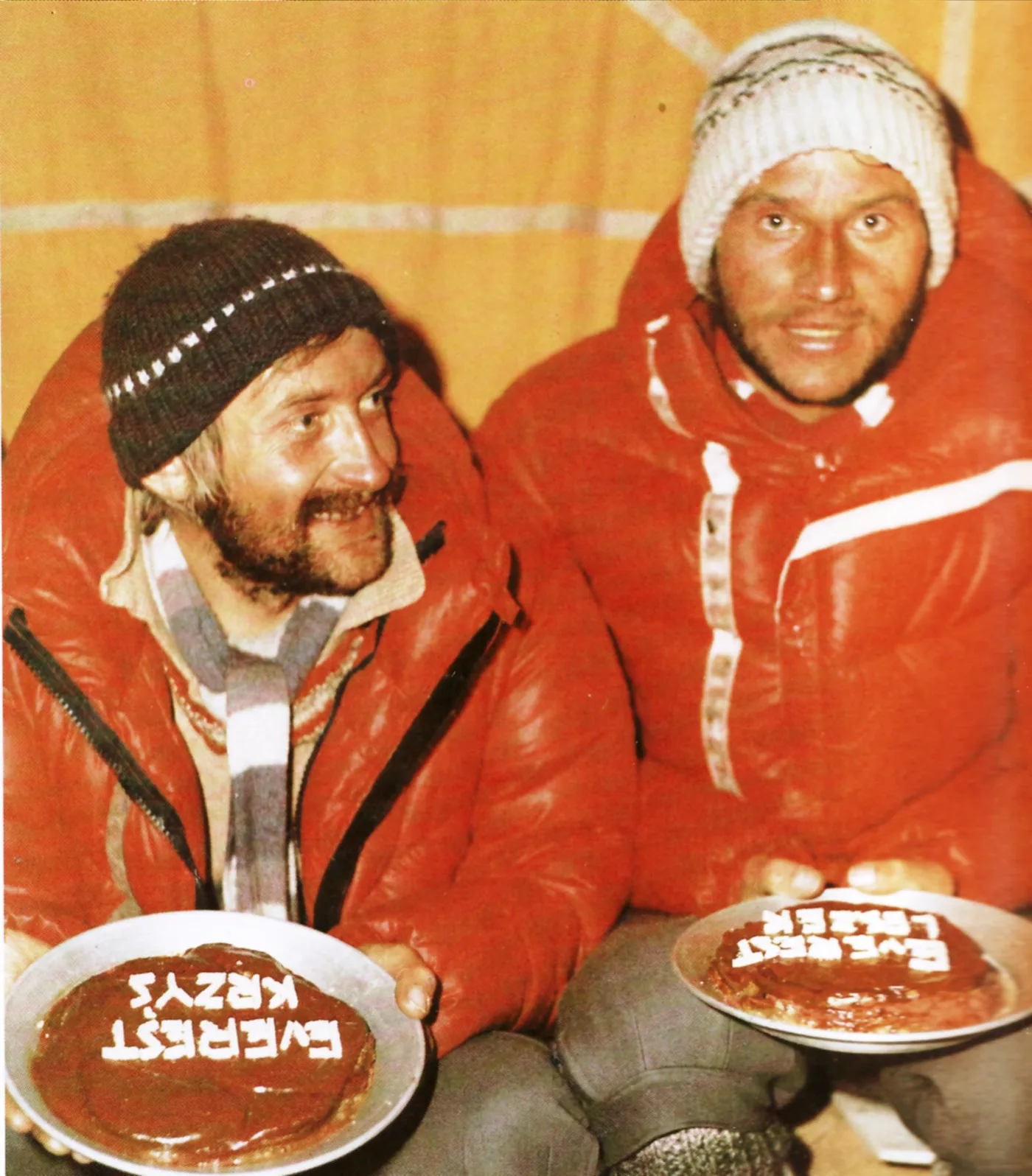
Everest Winter 1980: The Polish Ice Warriors Conquer the Coldest Peak
On February 17, 1980, Krzysztof Wielicki and Leszek Cichy made the historic first winter ascent of Mount Everest at -40°C, proving humans could summit an 8,000-meter giant in the dead of winter.
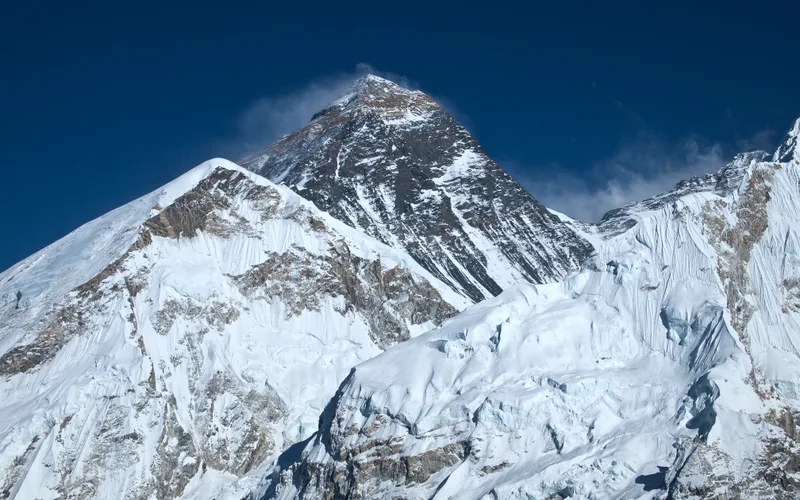
The Snow Leopard's Coldest Hour: Ang Rita Sherpa's Historic 1987 Winter Ascent of Everest Without Oxygen
On December 22, 1987, legendary Nepali mountaineer Ang Rita Sherpa completed the only winter ascent of Mount Everest without supplemental oxygen in human history, facing temperatures below -45°C.
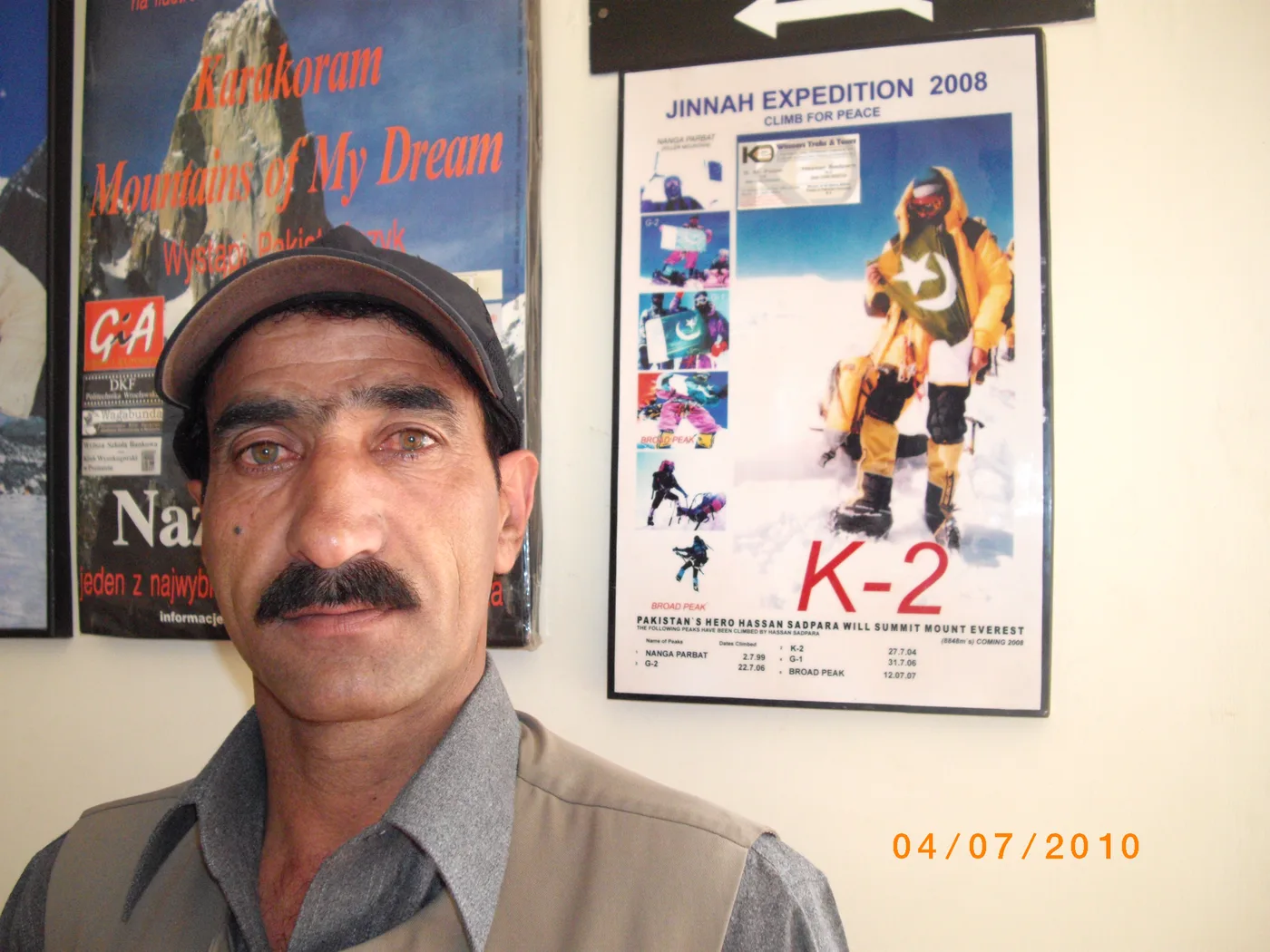
From Baltoro to Everest: Hassan Sadpara's Historic Summit of the World's Highest Peak
On May 11, 2011, Balti mountaineer Hassan Sadpara reached the top of Mount Everest, becoming only the second Pakistani in history after Nazir Sabir to conquer the 8,848-meter apex of the planet.
The 1953 Ascent of Everest: Hillary, Tenzing, and the Summit of the World
On May 29, 1953, Edmund Hillary and Tenzing Norgay stood atop the highest point on Earth, turning decades of Himalayan failure into mountaineering triumph.
1952 Swiss Everest Expedition: The 8,595m Breakthrough
How Tenzing Norgay and Raymond Lambert forged the South Col route and climbed to 8,595m, blazing the trail for Everest's conquest.
1978 Everest Without Oxygen: Shattering Medical Dogma
How Reinhold Messner and Peter Habeler proved humans could summit Everest without supplemental oxygen, overturning established physiology.
1980 Everest Solo: Reinhold Messner's Ultimate Epic
The epic chronicle of Reinhold Messner summiting Mount Everest completely solo, without oxygen or radio, during the monsoon season.
2000 Mount Everest: Nazir Sabir's Historic Summit Climb
The historic chronicle of Nazir Sabir becoming the first Pakistani mountaineer to summit Mount Everest on May 17, 2000.
Mount Everest 2019: The Viral Summit Ridge Bottleneck
The true story behind Nirmal Purja's viral Everest photo and his lightning summit push to launch the 48-hour triple crown.
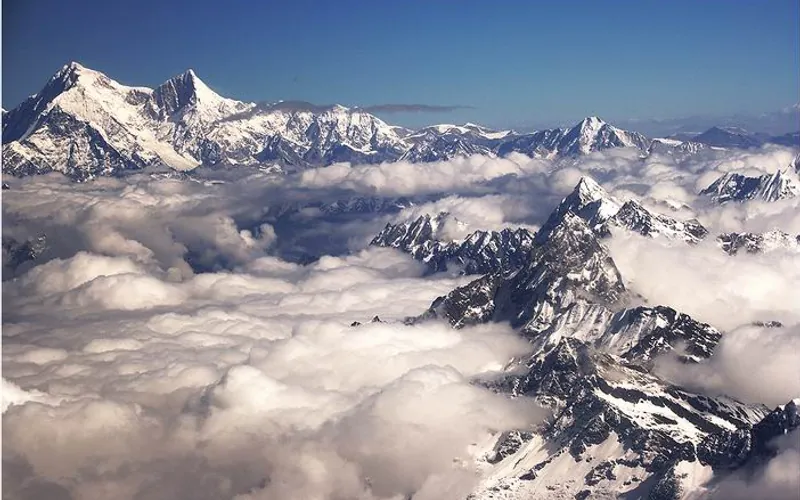
Project Possible 14/7: The 189-Day Himalayan Odyssey
How Nirmal 'Nimsdai' Purja and his Nepali team climbed all fourteen 8,000-meter peaks in 189 days, redefining the boundaries of human endurance.
Documented Sources & Archival Citations
- The Ascent of Everest(John Hunt / Hodder & Stoughton)
Supporting claim: Official account of the 1953 British expedition and South Col route
Accessed/Documented: 1953 - High Adventure(Edmund Hillary / Oxford University Press)
Supporting claim: Firsthand account of negotiating the Hillary Step and South Col
Accessed/Documented: 1955