1988 Marc Batard Mount Everest 22-Hour Solo Speed Ascent
On September 25–26, 1988, French speed alpinist Marc Batard made world history by climbing Mount Everest from Base Camp to the summit in just 22 hours and 29 minutes in a continuous solo push without supplemental bottled oxygen.
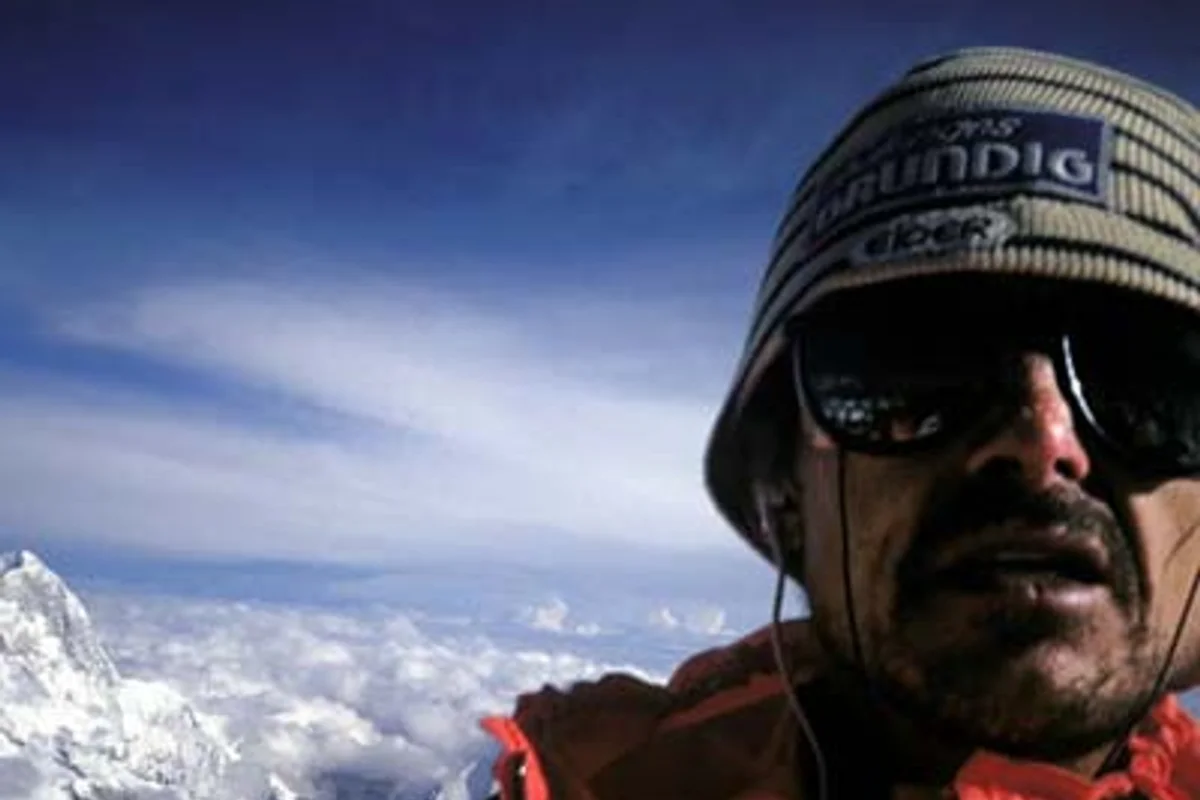
Mountain Safety & Conditions Disclaimer: High-altitude climbing, glacial travel, and technical ascents entail severe objective risks including avalanches, serac collapses, rapid weather collapse, and altitude illness. Historical route descriptions and summit claims on Mountanity reflect documented archival sources and must not be used as live operational safety assessments. Local regulations, permits, and physical glacial topography change continuously.
Peer Review: Senior Editorial Board & Historical Reviewers • Editorial Standards
Official Expedition Narrative & Archival Record
In the autumn of 1988, thirty-six-year-old French alpinist Marc Batard arrived beneath Mount Everest (8,848m) determined to demonstrate that extreme speed was the ultimate form of safety in the death zone. Rather than spending weeks moving between high camps, Batard prepared for a continuous, non-stop sprint from Base Camp to the highest point on Earth. On September 25, 1988, at 5:30 PM local time, Batard departed Base Camp alone, carrying no tent, no sleeping bag, and strictly zero supplemental bottled oxygen. Moving with astonishing speed through the night, he negotiated the Khumbu Icefall in complete darkness and reached the Western Cwm before midnight. By dawn on September 26, Batard had climbed the icy 1,200-meter Lhotse Face and reached the South Col (7,980m) in only twelve hours. Enduring agonizing hypoxia on the final Southeast Ridge and climbing past the Hillary Step, Marc Batard reached the summit of Mount Everest at 3:59 PM on September 26. His total elapsed time was 22 hours and 29 minutes—the first sub-24-hour ascent of Everest without artificial oxygen in history, setting a world speed record recognized by the Guinness World Records.
Documented Team Composition
- Marc Batard (Solo Speed Alpinist, France)
Key Statistics & Topographic Figures
- Total Elapsed Time
- 22 Hours 29 Minutes
Base Camp to Summit Without Supplemental Oxygen
- Summit Date & Time
- September 26, 1988 (3:59 PM)
Mount Everest (8,848m)
- Departure Time
- September 25, 1988 (5:30 PM)
Everest Base Camp (5,364m)
- World Record
- First Sub-24-Hour Everest Summit
Officially Ratified by Guinness World Records
- Ascent Style
- Continuous Solo Sprint
No Tents, No Stoves, No Bottled Oxygen
Archival Primary Source Quotations
“I was not running against the mountain; I was running with my own breath, living an entire lifetime in twenty-two hours.”
Defined Alpine Terminology & Concepts
- Continuous Alpine Sprint
- A high-altitude ascent strategy where a climber moves non-stop from Base Camp to the mountain summit without establishing intermediate sleeping camps.
- Hypoxic Aerobic Pacing
- The physiological discipline of regulating steps and breaths at extreme altitude to avoid oxygen debt while maintaining continuous forward momentum.
Frequently Asked Questions: 1988 Marc Batard Mount Everest 22-Hour Solo Speed Ascent
How long did Marc Batard take to climb Mount Everest in 1988?
Marc Batard completed the climb from Everest Base Camp to the summit in exactly 22 hours and 29 minutes on September 25–26, 1988.
Did Marc Batard use supplemental oxygen during his 22-hour Everest ascent?
No, Marc Batard climbed strictly without carrying or using supplemental bottled oxygen, relying entirely on his own cardiovascular lung capacity.
What route did Marc Batard follow on Mount Everest?
Batard followed the standard South Col route via the Khumbu Icefall, Western Cwm, Lhotse Face, and Southeast Ridge.
How fast did Marc Batard climb through the Khumbu Icefall?
Batard ran through the treacherous Khumbu Icefall in pitch darkness in just three and a half hours, arriving at the Western Cwm before midnight.
What equipment did Marc Batard carry on his speed solo climb?
He carried only a light pack containing energy gels, water, ski poles, and an emergency bivouac bag, eliminating all tents, stoves, and sleeping bags.
What time of day did Marc Batard start and summit Mount Everest?
Batard departed Base Camp at 5:30 PM on September 25, 1988, and stood on the summit at 3:59 PM on September 26, 1988.
Why was Marc Batard’s climb recognized by Guinness World Records?
It was officially certified as the fastest ascent of Mount Everest without supplemental bottled oxygen and the first sub-24-hour ascent in human history.
How did Marc Batard’s speed ascent influence Himalayan mountaineering?
Batard proved that moving with extreme speed drastically minimized time exposed to high-altitude risks, pioneering the modern era of fast-and-light speed alpinism.
Ascent Route & Topography
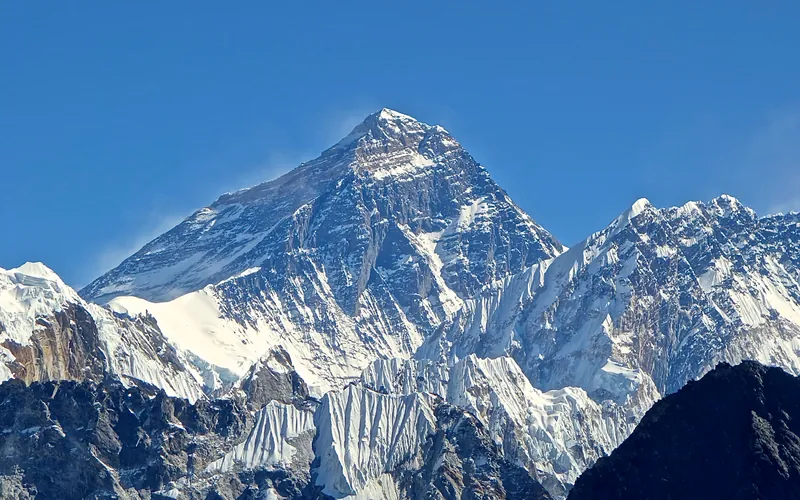
South Col & Southeast Ridge (Normal Route)
The South Col Route along the Southeast Ridge is the historic path of the 1953 first ascent and the most popular route on Mount Everest. Starting from Base Camp on the Khumbu Glacier in Nepal, climbers navigate the shifting seracs of the Khumbu Icefall into the Western Cwm. The route then scales the icy 45-degree slope of the Lhotse Face to the South Col at 7,925 meters, launching the final summit bid through the Balcony, South Summit, and Hillary Step to the summit of Earth at 8,848.86 meters.
Target Objective Peak
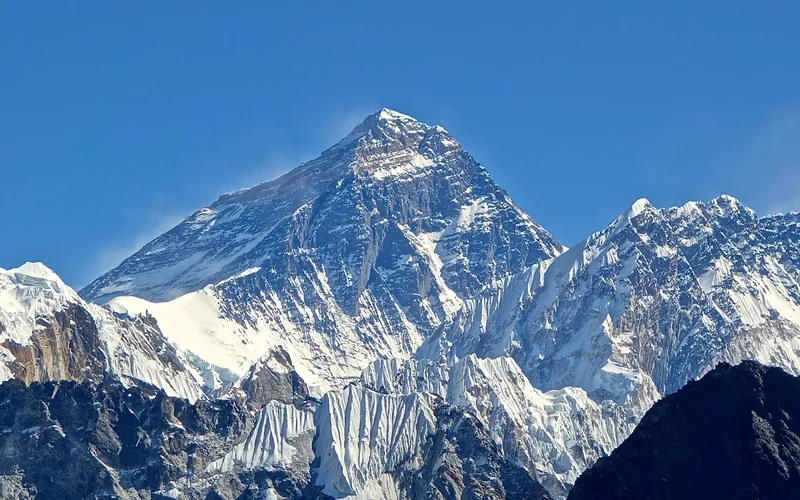


Mount Everest
Mount Everest is the highest mountain above sea level on Earth, standing at an official elevation of 8,848.86 meters (29,031.7 ft). Straddling the international frontier between Nepal and China, it is known locally as Sagarmatha in Nepali ('Goddess of the Sky') and Chomolungma in Tibetan ('Mother Goddess of the World'). The peak rises into the extreme upper troposphere, where oxygen levels drop to barely one-third of sea-level pressure. Climbers face hurricane-force jet stream winds, severe frostbite conditions, shifting ice crevasses in the Khumbu Icefall, and the dangerous Death Zone above 8,000 meters.
Featured Expedition Climber
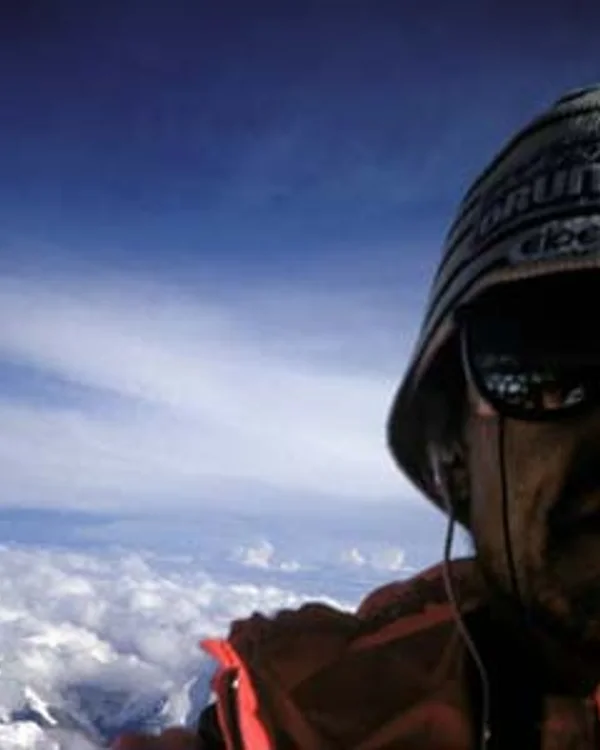
Marc Batard
Marc Batard was born on November 22, 1951, in Villeneuve-sur-Lot in southwestern France, discovering technical climbing at age eighteen in the Pyrenees. Gifted with phenomenal cardiovascular efficiency, rapid acclimatization capacity, and supreme mental focus, Batard qualified as a Chamonix high mountain guide and joined the elite ranks of French alpine soloists in the 1970s and 1980s. In 1975, at age 23, Batard became the youngest person to summit an 8,000-meter peak when he reached the apex of Gasherbrum I (8,080m). Over the subsequent decade, he pioneered an explosive new philosophy: speed-soloing the world's highest mountains in lightweight pushes to minimize exposure to lethal objective hazards. In 1988, he stunned the global climbing world with a sequence of lightning ascents. After speed-soloing Makalu (8,485m) and Cho Oyu (8,188m), Batard arrived beneath Mount Everest (8,848m) in the autumn of 1988. On September 25, 1988, setting off alone from Everest Base Camp at 5:30 PM without bottled oxygen and carrying only minimal gear, Batard ran up the Khumbu Icefall, crested the South Col at dawn, and stood on the summit of Mount Everest at 3:59 PM on September 26. His elapsed time of 22 hours and 29 minutes was the first sub-24-hour ascent of Everest without supplemental oxygen in human history, establishing a world speed record recognized by the Guinness World Records. Beyond climbing, Batard has dedicated his later years to painting, writing, and campaigning for improved safety conditions for Sherpa high-altitude workers through his French-Nepali Himalayan school initiative.
Associated Historical Chronicles & Stories
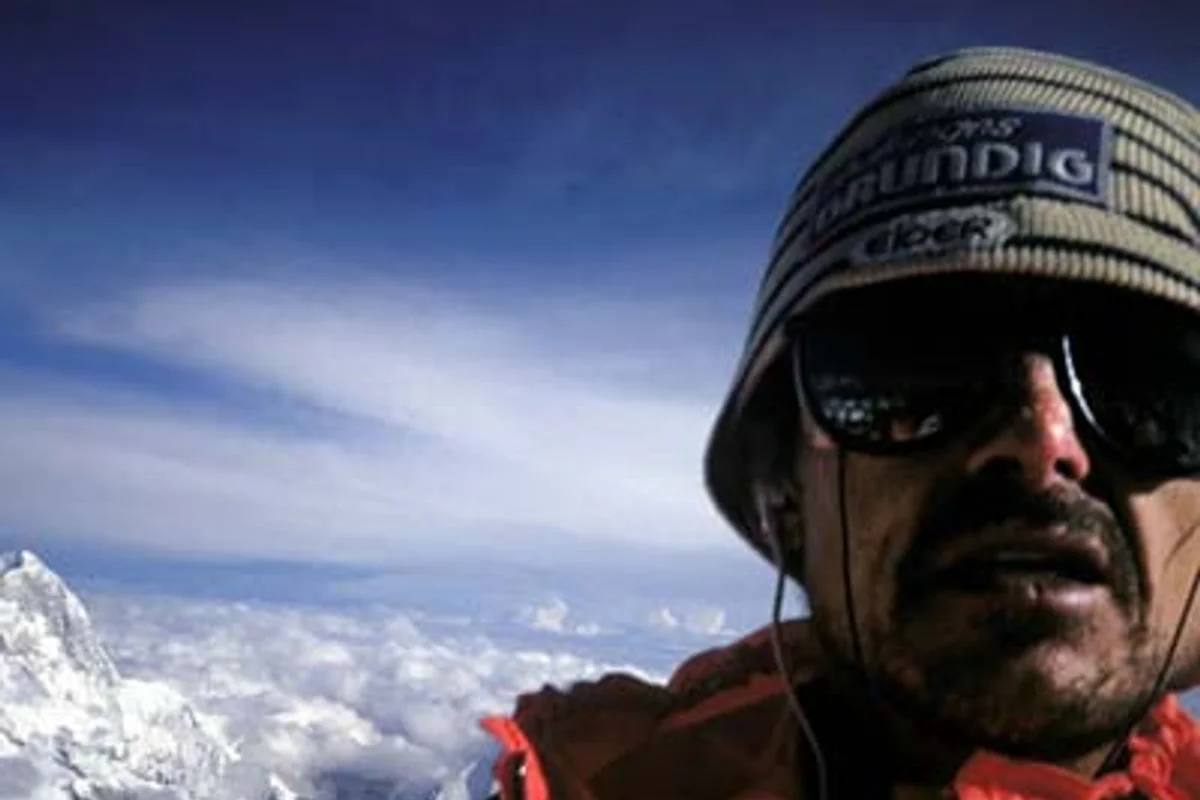
The 22-Hour Sprint: Marc Batard's Oxygenless Everest Speed Record
On September 25–26, 1988, French speed soloist Marc Batard climbed Mount Everest from Base Camp to the summit in 22 hours and 29 minutes without oxygen, setting a world record.
Documented Sources & Archival Citations
- American Alpine Journal: Everest Solo Speed Ascent by Marc Batard(American Alpine Club)
Supporting claim: Official verification of the 22-hour 29-minute continuous oxygenless solo climb
Accessed/Documented: 1989 - Guinness World Records: Fastest Ascent of Mount Everest Without Supplemental Oxygen(Guinness World Records)
Supporting claim: World record certificate for the first sub-24-hour ascent from Base Camp to summit
Accessed/Documented: 1989