1975 Japanese Women's Mount Everest Expedition
On May 16, 1975, Junko Tabei summited Mount Everest (8,848m) via the South Col and Southeast Ridge alongside Ang Tsering Sherpa, making history as the first woman ever to conquer the highest mountain on Earth.
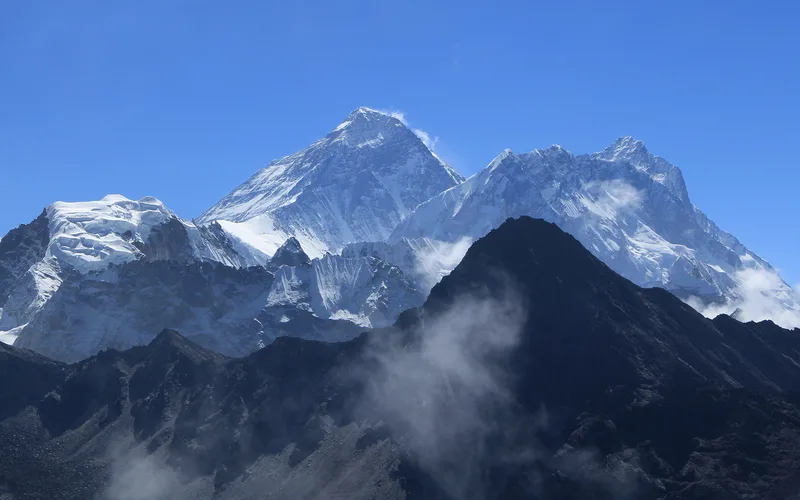
Mountain Safety & Conditions Disclaimer: High-altitude climbing, glacial travel, and technical ascents entail severe objective risks including avalanches, serac collapses, rapid weather collapse, and altitude illness. Historical route descriptions and summit claims on Mountanity reflect documented archival sources and must not be used as live operational safety assessments. Local regulations, permits, and physical glacial topography change continuously.
Peer Review: Senior Editorial Board & Historical Reviewers • Editorial Standards
Official Expedition Narrative & Archival Record
In the spring of 1975, the Ladies Climbing Club: Japan dispatched a fifteen-member all-female expedition to Nepal with the goal of putting the first woman on the summit of Mount Everest (8,848m). Led by Eiko Hisano and deputy leader Junko Tabei, the expedition followed the classic South Col route pioneered by Hunt's 1953 team. Establishing Base Camp on the Khumbu Glacier in late March, the team worked through the perilous Khumbu Icefall and fixed ropes up the Western Cwm. On the night of May 4, disaster struck when a massive avalanche broke loose from the Nuptse wall, burying Camp II at 6,500 meters. Tabei was trapped beneath the snow inside her tent, losing consciousness before Sherpas dug her out. Despite severe contusions and back pain, Tabei adamantly refused evacuation. After two days of rest, she resumed climbing. Establishing Camp IV on the South Col (7,920m) in howling gales, Tabei and Sirdar Ang Tsering Sherpa launched their summit push at 5:00 AM on May 16, 1975. Using open-circuit oxygen equipment, they climbed past the Balcony and traversed the knife-edge snow arête. At the Hillary Step, Tabei encountered vertical rock and ice plastered with rotten snow, which she surmounted by chimneying between rock and cornice. At 12:30 PM on May 16, Junko Tabei stepped onto the summit of Mount Everest, achieving one of the greatest milestones in female sports and global exploration history.
Documented Team Composition
- Junko Tabei (Summit Climber & Deputy Leader, Japan)
- Ang Tsering Sherpa (Sirdar & Summit Climber, Nepal)
- Eiko Hisano (Expedition Leader, Japan)
- Yuriko Watanabe (Climber, Japan)
- Masako Uchida (Climber, Japan)
Key Statistics & Topographic Figures
- Summit Date
- May 16, 1975 (12:30 PM)
First Woman on Mount Everest
- Expedition Team
- 15 Women Alpinists
Ladies Climbing Club: Japan
- Avalanche Incident
- May 4, 1975 (Camp II, 6,500m)
Buried Alive & Dug Out
- Route
- South Col & Southeast Ridge
Khumbu Valley, Nepal
- Seven Summits Completed
- 1992
First Woman in History
Archival Primary Source Quotations
“Technique and ability alone do not get you to the top; it is the willpower of your heart that pushes you through the storm.”
“Tabei possessed a gentle exterior, but inside she was made of titanium.”
Defined Alpine Terminology & Concepts
- Ladies Climbing Club: Japan (LCC)
- The groundbreaking mountaineering club founded in 1969 by Junko Tabei to overcome gender discrimination in Japanese climbing.
- Hillary Step (Everest)
- A vertical 40-foot rock and ice face at 8,790 meters on Everest’s Southeast Ridge, representing the final technical crux before the summit.
- Western Cwm
- A broad, gently rising glaciated valley between Everest, Lhotse, and Nuptse, situated at 6,000 to 6,800 meters.
Frequently Asked Questions: 1975 Japanese Women's Mount Everest Expedition
Who was the first woman to summit Mount Everest?
Japanese mountaineer Junko Tabei became the first woman in history to reach the summit of Mount Everest (8,848m) on May 16, 1975.
What route did Junko Tabei climb on Mount Everest in 1975?
She ascended via the classic South Col and Southeast Ridge route through Nepal, accompanied by Sirdar Ang Tsering Sherpa.
What disaster struck the 1975 Japanese Women’s Everest Expedition at Camp II?
On May 4, 1975, a colossal avalanche swept through Camp II at 6,500 meters, burying Tabei in her tent until she was dug out unconscious by Sherpas.
Did Junko Tabei use supplemental oxygen on Mount Everest?
Yes. Junko Tabei and Ang Tsering Sherpa used open-circuit supplemental bottled oxygen during their summit push from the South Col.
What club organized the 1975 Japanese Women’s Everest Expedition?
The expedition was organized by the Ladies Climbing Club: Japan (LCC), which Tabei co-founded in 1969 with the motto "Let’s go on an overseas expedition by ourselves."
Who was Junko Tabei’s summit climbing partner on Everest?
Sirdar Ang Tsering Sherpa climbed alongside Tabei, providing vital route support across the Hillary Step to the summit.
How did Junko Tabei fund her 1975 Everest expedition?
Tabei and her teammates raised funds by sewing insulated climbing gloves from recycled car seat covers, teaching piano and English, and securing sponsorship from Yomiuri Shimbun.
What other major mountaineering record was achieved by Junko Tabei in 1992?
In 1992, Junko Tabei became the first woman in world history to complete the Seven Summits (the highest peak on all seven continents).
Ascent Route & Topography
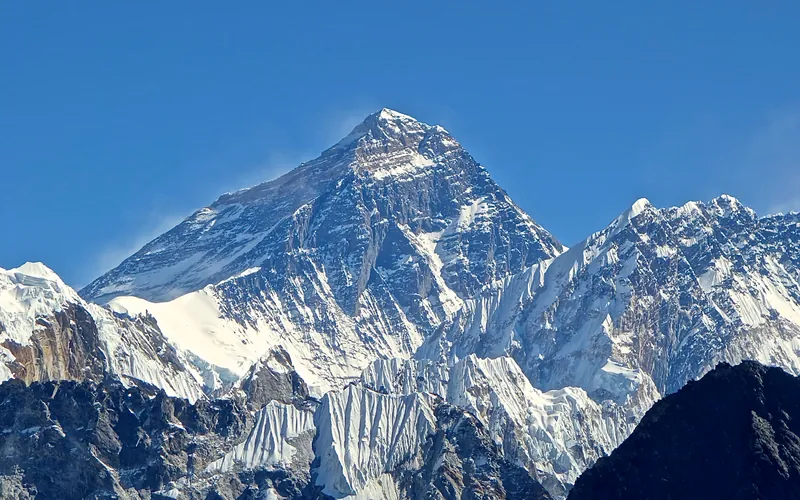
South Col & Southeast Ridge (Normal Route)
The South Col Route along the Southeast Ridge is the historic path of the 1953 first ascent and the most popular route on Mount Everest. Starting from Base Camp on the Khumbu Glacier in Nepal, climbers navigate the shifting seracs of the Khumbu Icefall into the Western Cwm. The route then scales the icy 45-degree slope of the Lhotse Face to the South Col at 7,925 meters, launching the final summit bid through the Balcony, South Summit, and Hillary Step to the summit of Earth at 8,848.86 meters.
Target Objective Peak
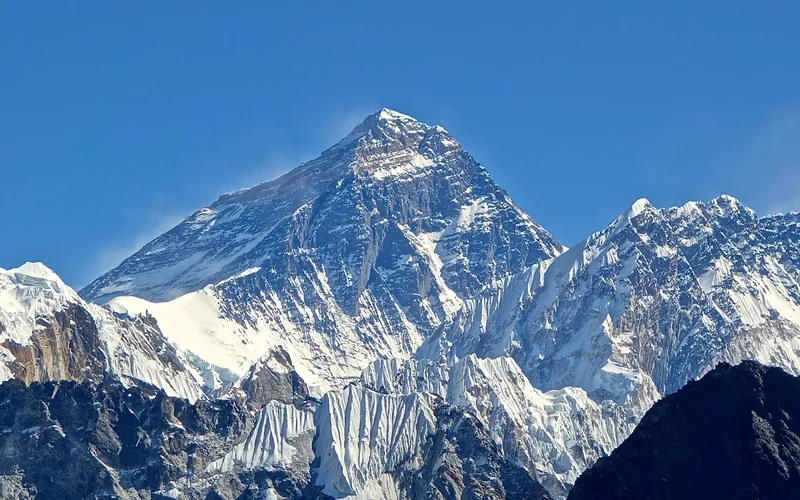


Mount Everest
Mount Everest is the highest mountain above sea level on Earth, standing at an official elevation of 8,848.86 meters (29,031.7 ft). Straddling the international frontier between Nepal and China, it is known locally as Sagarmatha in Nepali ('Goddess of the Sky') and Chomolungma in Tibetan ('Mother Goddess of the World'). The peak rises into the extreme upper troposphere, where oxygen levels drop to barely one-third of sea-level pressure. Climbers face hurricane-force jet stream winds, severe frostbite conditions, shifting ice crevasses in the Khumbu Icefall, and the dangerous Death Zone above 8,000 meters.
Featured Expedition Climber
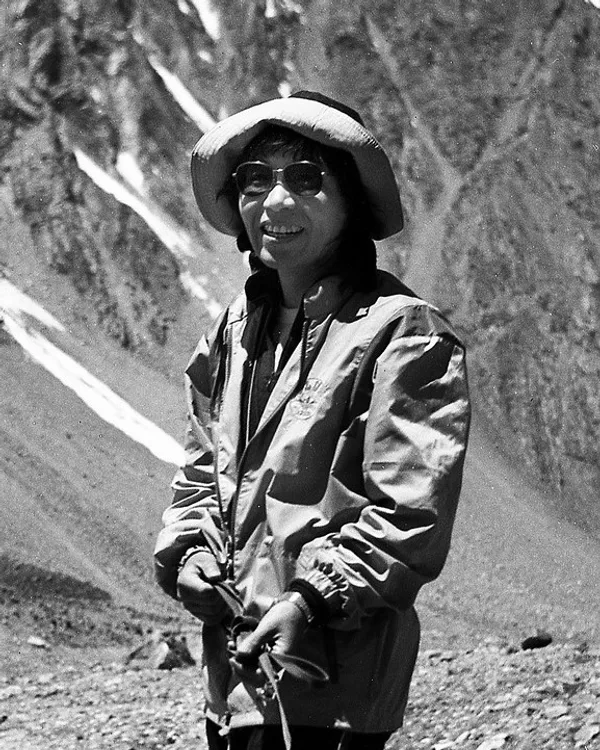
Junko Tabei
Junko Tabei (born Junko Ishibashi) was born on September 22, 1939, in Miharu, Fukushima Prefecture, Japan. Considered a frail, slender child in post-war Japan, Tabei discovered her passion for the mountains at age ten during a school ascent of Mount Nasu. After graduating with a degree in English literature from Showa Women's University, she immersed herself in alpine climbing, frequently encountering the entrenched male chauvinism of mid-twentieth-century Japanese mountaineering clubs. Refusing to be marginalized, Tabei established the Ladies Climbing Club: Japan (LCC) in 1969 with the defiant motto: 'Let's go on an overseas expedition by ourselves.' After achieving the first ascent of Annapurna III (7,555m) by an all-female team in 1970, Tabei organized the Japanese Women's Everest Expedition in the spring of 1975. Raising funds by sewing waterproof gloves from recycled car seats and securing sponsorship from the Yomiuri Shimbun, fifteen female climbers departed for the Himalayas. On May 4, 1975, disaster nearly terminated the expedition when a colossal avalanche swept down from the Western Cwm into Camp II (6,500m), burying Tabei and her teammates in their tents. Dug out unconscious by their Sherpa guides, Tabei suffered intense back pain and leg bruising. Defying doctor's orders to abandon the mountain, she rested for two days and resumed climbing. On May 16, 1975, accompanied by Sirdar Ang Tsering Sherpa, Tabei navigated the razor-thin ridge past the Hillary Step and stepped onto the 8,848-meter summit of Mount Everest, etching her name forever into global exploration history as the first woman atop the world. Tabei continued breaking barriers for four decades. In 1992, she became the first woman in history to complete the Seven Summits, scaling the highest peaks on all seven continents. As Director of the Himalayan Adventure Trust of Japan, she spearheaded international clean-up campaigns on Everest to tackle discarded rubbish. Junko Tabei passed away from peritoneal cancer on October 20, 2016, at age 77, remembered as a courageous trailblazer who dismantled patriarchal climbing conventions through quiet grace, iron endurance, and environmental stewardship.
Associated Historical Chronicles & Stories
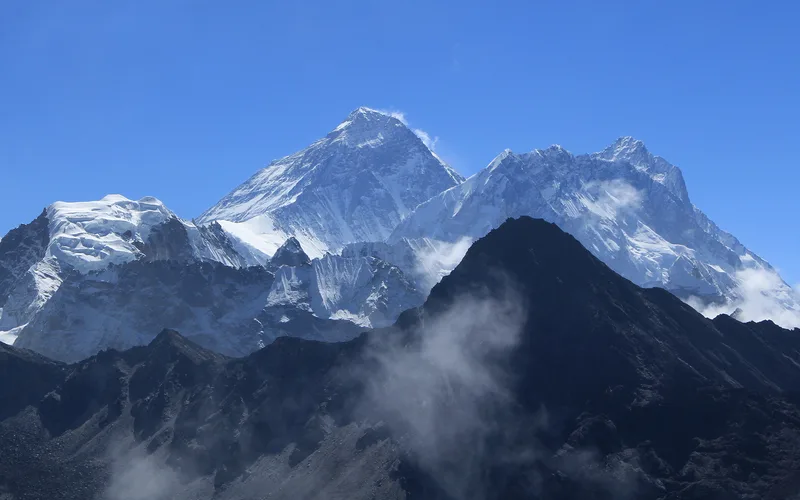
Defying the Avalanche: How Junko Tabei Became the First Woman to Summit Mount Everest
On May 16, 1975, Japanese mountaineer Junko Tabei surmounted an avalanche that buried her alive at Camp II to become the first woman in history to conquer the summit of Mount Everest.
Documented Sources & Archival Citations
- The Himalayan Journal: Japanese Women's Everest Expedition 1975(The Himalayan Club)
Supporting claim: Official expedition record documenting Tabei's summit and the avalanche at Camp II
Accessed/Documented: 1976 - American Alpine Journal: Everest 1975 Ascents(American Alpine Club)
Supporting claim: Official verification of the first female ascent of Mount Everest on May 16, 1975
Accessed/Documented: 1976