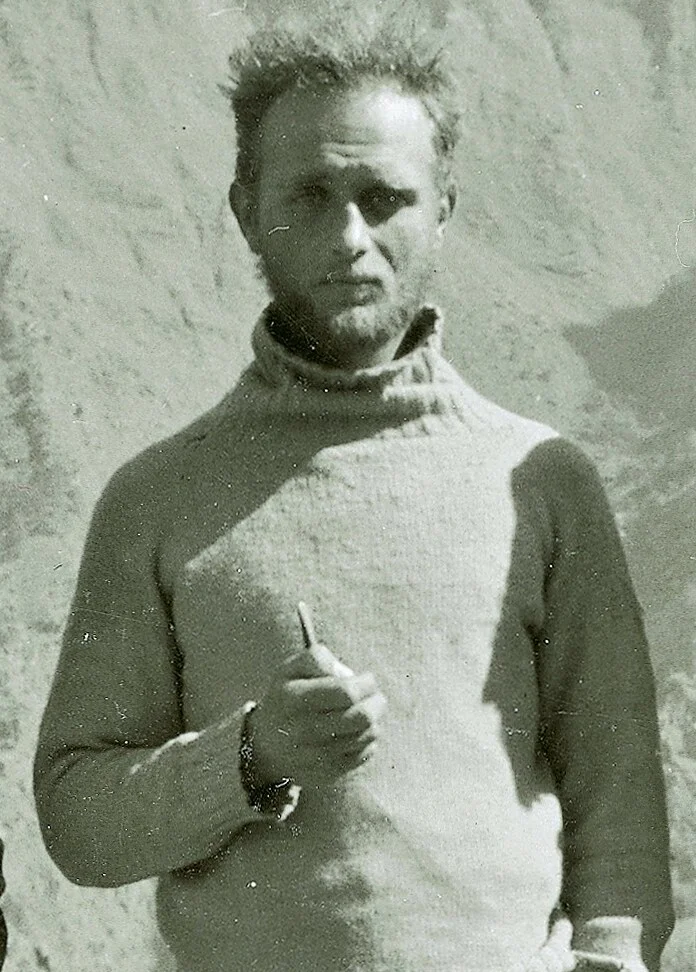
Eric Earle Shipton
Eric Earle Shipton was a peerless British Himalayan explorer, mountaineer, and author who revolutionized mountain exploration by championing small, lightweight expeditions. Alongside Bill Tilman, he breached the Nanda Devi Sanctuary in 1934, and in 1951 led the reconnaissance that discovered the southern route up Mount Everest through the Khumbu Icefall.
Mountain Safety & Conditions Disclaimer: High-altitude climbing, glacial travel, and technical ascents entail severe objective risks including avalanches, serac collapses, rapid weather collapse, and altitude illness. Historical route descriptions and summit claims on Mountanity reflect documented archival sources and must not be used as live operational safety assessments. Local regulations, permits, and physical glacial topography change continuously.
Peer Review: Senior Editorial Board & Historical Reviewers • Editorial Standards
Biographical Record & Archival Chronicle
Eric Earle Shipton was born on August 1, 1907, in Ceylon (now Sri Lanka). Drawn to wild, untracked frontiers from an early age, Shipton established his reputation in East Africa in 1929 by making the historic first ascent of Nelion (5,188m), the second-highest peak of Mount Kenya, alongside Wyn Harris. In 1931, Shipton joined Frank Smythe's British expedition to Kamet (7,756m / 25,447 ft) in the Garhwal Himalayas, achieving its maiden first ascent—then the highest summit ever climbed by human beings.
On the 1933 British Everest Expedition, Shipton proved his extraordinary high-altitude physiology by climbing to 8,570 meters on the North Face without supplemental oxygen, accompanied by Smythe (discovering Andrew Irvine's wooden ice axe below the First Step). However, Shipton grew profoundly disillusioned with the massive military siege style favored by the Everest Committee, which required hundreds of porters, military discipline, and rigid timetables.
Meeting fellow eccentric adventurer Harold William 'Bill' Tilman on a coffee farm in Kenya, Shipton found his perfect partner. In 1934, operating on a shoestring budget with just three Sherpas (including the great Ang Tharkay), Shipton and Tilman accomplished one of the greatest exploratory feats in mountain history: forcing a passage through the vertical, unexplored gorge of the Rishi Ganga to breach the legendary Nanda Devi Sanctuary. In 1935, appointed leader of the fifth British Everest Expedition, Shipton instituted his lightweight philosophy and personally selected a young, untested 20-year-old Sherpa named Tenzing Norgay for his first-ever Everest expedition, launching Tenzing's legendary career.
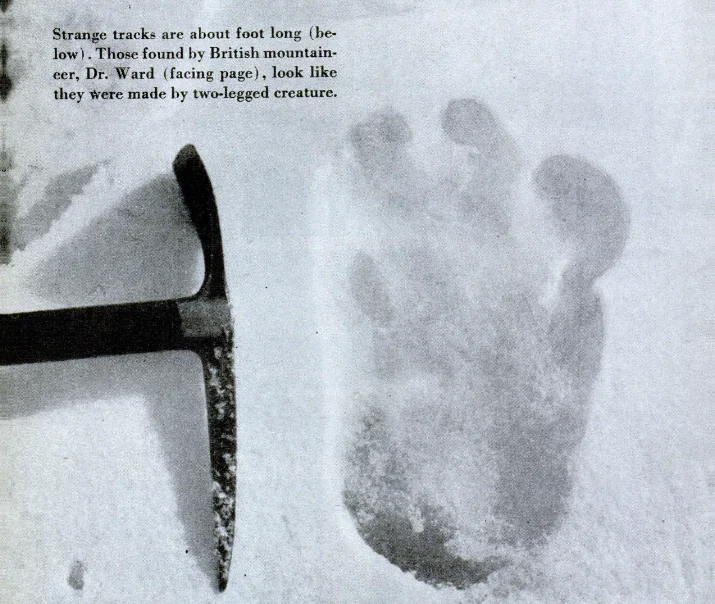
In the autumn of 1951, after Nepal ended centuries of diplomatic isolation and Tibet closed its borders under Chinese control, Shipton led the crucial 1951 British Mount Everest Reconnaissance Expedition. Accompanied by a young New Zealand beekeeper named Edmund Hillary, Shipton explored the uncharted southern approach from Khumbu. Climbing to the shoulder of Pumori, Shipton surveyed the gaping amphitheater of the Western Cwm and verified that the route could be forged up through the treacherous Khumbu Icefall and the Lhotse Face to the South Col. During this expedition, Shipton also photographed the famous 'Yeti footprint' on the Menlung Glacier with his ice axe alongside it for scale.
Shipton's visionary reconnaissance provided the master key that unlocked the historic first ascent of Everest by Hillary and Tenzing in 1953. He spent his later years exploring Patagonia and Tierra del Fuego, leaving behind books like *Nanda Devi* and *Upon That Mountain* that continue to inspire generations of alpine purists. He passed away on March 28, 1977, in Wiltshire at age 69.
Notable Milestones & Ascents
- Led the 1951 British Everest Reconnaissance that unlocked the southern route via the Khumbu Icefall and South Col
- Breached the impenetrable Rishi Ganga gorge and explored the inner Nanda Devi Sanctuary with Bill Tilman in 1934
- Achieved the maiden first ascent of Kamet (7,756m) in 1931, the highest mountain climbed on Earth at the time
- Discovered young Tenzing Norgay on the 1935 Everest expedition, launching Tenzing's climbing career
- Reached 8,570 meters on Mount Everest without oxygen on the North Face in 1933
- Captured the iconic 1951 photograph of the Yeti footprint on the Menlung Glacier
Key Statistics & Topographic Figures
- Lifespan
- 1907–1977
Ceylon & Wiltshire
- Kamet First Ascent
- 7,756m (1931)
Highest Scaled Peak at Time
- Nanda Devi Sanctuary
- Breached 1934
With Bill Tilman
- Everest Reconnaissance
- 1951 (Khumbu Route)
With Edmund Hillary
Archival Primary Source Quotations
“The best expedition is one that can be planned on the back of an envelope.”
Defined Alpine Terminology & Concepts
- Lightweight Mountain Exploration
- An exploratory alpine philosophy pioneered by Shipton and Tilman emphasizing self-reliance, small teams, and minimal baggage over massive military-style sieges.
- Khumbu Icefall
- The 600-meter tumbling icefall at the head of the Khumbu Glacier, first navigated into the Western Cwm by Shipton and Hillary in 1951.
Frequently Asked Questions: Eric Earle Shipton
Who was Eric Earle Shipton?
Eric Earle Shipton (1907–1977) was a peerless British explorer, mountaineer, and author who pioneered lightweight alpine expeditions and led the 1951 Everest reconnaissance that discovered the southern route via the Khumbu Icefall.
What was Eric Shipton’s role in the conquest of Mount Everest?
Shipton led the 1951 British Reconnaissance Expedition that explored Nepal’s Khumbu region, navigated the chaotic Khumbu Icefall, and verified the route through the Western Cwm to the South Col that enabled the 1953 first ascent.
What mountain did Eric Shipton explore with Bill Tilman in 1934?
In 1934, Shipton and Tilman forced the vertical gorge of the Rishi Ganga on a budget of just £287, becoming the first humans to enter the pristine Nanda Devi Sanctuary.
How did Eric Shipton discover young Tenzing Norgay?
As leader of the 1935 British Everest Reconnaissance Expedition, Shipton instituted small-team tactics and selected 20-year-old Tenzing Norgay for his first-ever Himalayan expedition, launching Tenzing’s climbing career.
What is the famous Yeti footprint photograph taken by Eric Shipton?
In November 1951 on the Menlung Glacier at 5,800m, Shipton photographed a large, clear bipedal footprint in the snow with his ice axe alongside it for scale, igniting global interest in the Yeti.
What was Eric Shipton’s philosophy of mountaineering?
Shipton championed minimalist alpine exploration, arguing that heavy military siege logistics ruined the spirit of adventure, famously quipping that any expedition could be planned on the back of an envelope.
What mountain did Shipton climb in 1931 to set a world altitude record?
In 1931, Shipton made the maiden first ascent of Kamet (7,756m) in the Garhwal Himalayas with Frank Smythe, which stood as the highest mountain ever summited at the time.
Where did Eric Shipton explore in his later years?
Shipton spent decades exploring unmapped glaciers and ice caps in Patagonia, Tierra del Fuego, and the Karakoram Shaksgam, documenting them in classic travel books.
Associated Summits (3)



Mount Everest
Mount Everest is the highest mountain above sea level on Earth, standing at an official elevation of 8,848.86 meters (29,031.7 ft). Straddling the international frontier between Nepal and China, it is known locally as Sagarmatha in Nepali ('Goddess of the Sky') and Chomolungma in Tibetan ('Mother Goddess of the World'). The peak rises into the extreme upper troposphere, where oxygen levels drop to barely one-third of sea-level pressure. Climbers face hurricane-force jet stream winds, severe frostbite conditions, shifting ice crevasses in the Khumbu Icefall, and the dangerous Death Zone above 8,000 meters.
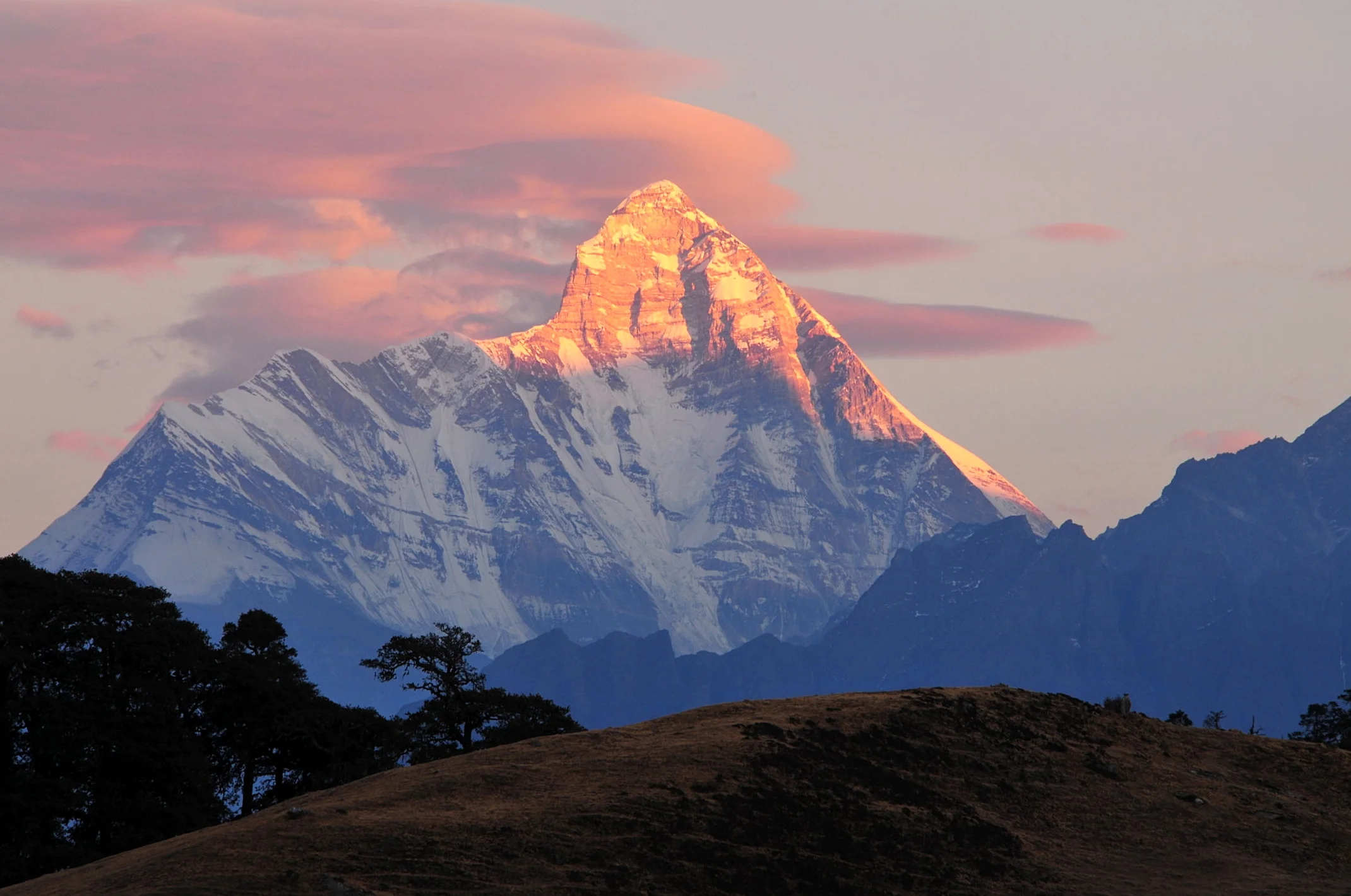

Nanda Devi
Nanda Devi, standing at 7,816 meters (25,643 ft), is the second-highest mountain in India and the highest peak situated entirely within Indian territory. Revered as a sacred manifestation of the patron goddess of Uttarakhand, the mountain rises within a formidable natural fortress—the Nanda Devi Sanctuary—ringed by seventy miles of razor-sharp peaks exceeding 6,000 meters. Its historic first ascent on August 29, 1936, by Bill Tilman and Noel Odell remained the highest summit ever achieved by human beings until the conquest of Annapurna in 1950.
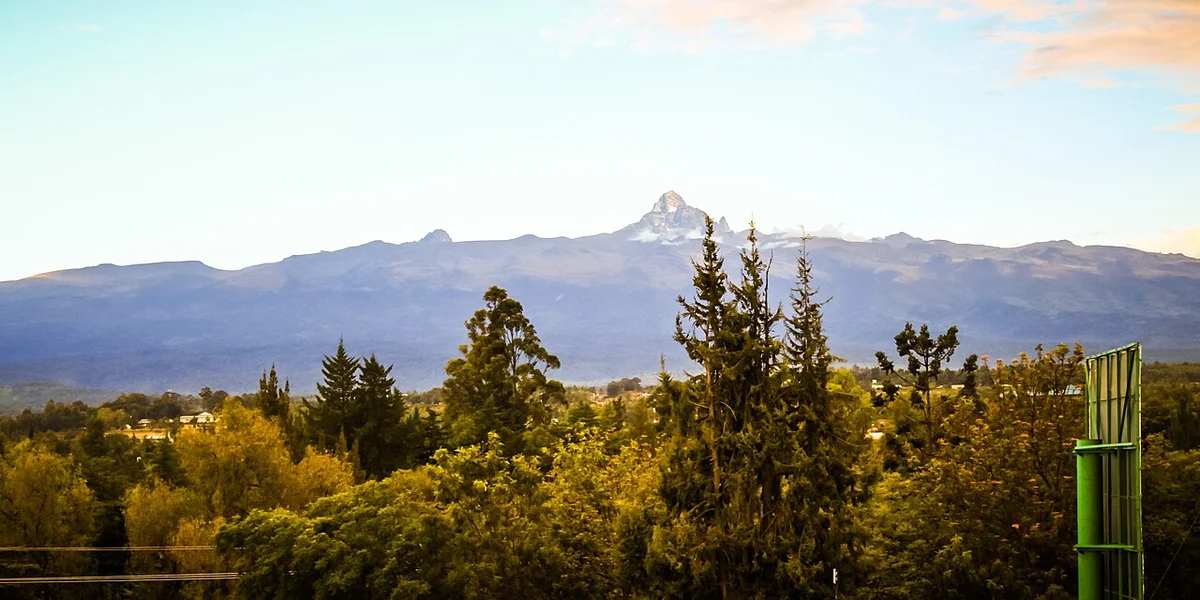

Mount Kenya
Mount Kenya is the second-highest mountain in Africa at 5,199 metres (17,057 ft), an ancient extinct stratovolcano that once rose over 7,000 metres before millions of years of glaciation eroded it into sheer rock bastions. Its highest twin summits—Batian (5,199 m) and Nelion (5,188 m)—present demanding, highly technical rock and ice climbing. Batian was first climbed on September 13, 1899, by British geographer Sir Halford Mackinder and Courmayeur alpine guides César Ollier and Josef Brocherel.
Pioneered & Associated Routes (7)
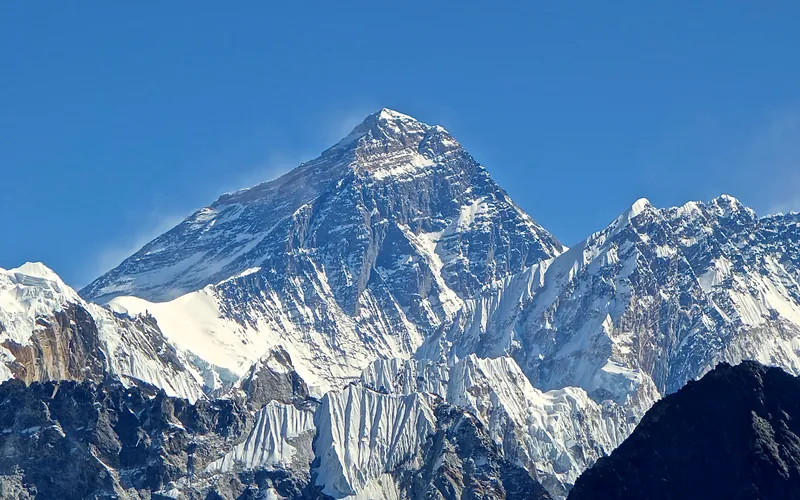
Mount Everest North Face (Hornbein Couloir Direct)
The North Face of Mount Everest via the Japanese Couloir and the sheer Hornbein Couloir is one of the most direct and formidable ice lines in the Himalayas. Rising 3,000 vertical meters from the Rongbuk Glacier to the summit, it funnels through a narrow 60-degree snow-and-ice cleft slicing straight through the Yellow Band and upper limestone cliffs of the North Face. In August 1986, Swiss alpinists Erhard Loretan and Jean Troillet executed one of the most audacious speed climbs in mountain history: climbing the entire face in a single 31-hour push at night without supplemental oxygen, tents, or fixed ropes. After summiting on August 30, they glissaded down the 3,000-meter face on their backs and buttocks in just 3.5 hours, completing the entire round trip in an astonishing 43 hours.
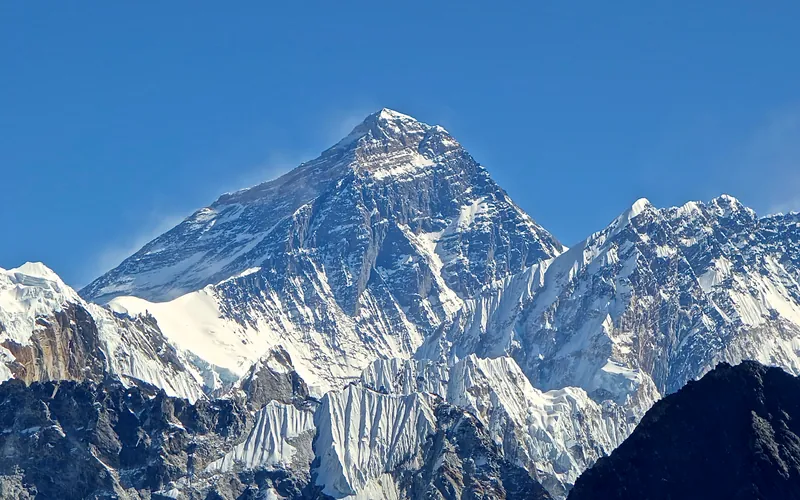
North Col & Northeast Ridge Route
The historic northern route on Mount Everest (8,848.86m), ascending from the Rongbuk and East Rongbuk glaciers to breach the icy wall of the North Col (7,020m). From the col, the route traverses the wind-blasted Northwest Ridge onto the North Face before joining the razor-like Northeast Ridge, navigating the notorious First, Second, and Third Steps in the Death Zone. This was the stage of George Mallory and Andrew Irvine's fateful 1924 climb and was first definitively surmounted on May 25, 1960, by Chinese climbers Wang Fuzhou, Qu Yinhua, and Gongbu.
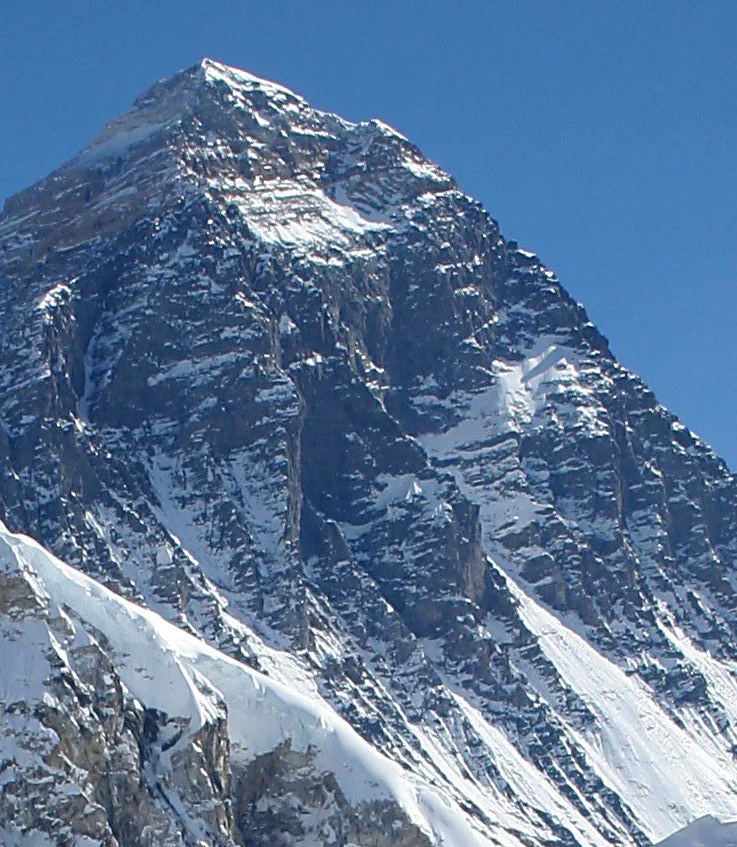
Mount Everest Southwest Face (Bonington Route)
The Southwest Face of Mount Everest (8,848.86m) rises 2,300 vertical meters from the Western Cwm to the summit, presenting one of the largest and most forbidding rock and ice faces in the world. Dominated by the vertical 300-meter 'Rock Band' at 8,200–8,500 meters, the face repelled six international attempts between 1969 and 1974. In autumn 1975, a legendary British expedition led by Chris Bonington breached the face when Paul Braithwaite and Nick Estcourt unlocked the key ramp through the Rock Band. On September 24, 1975, Doug Scott and Dougal Haston climbed to the South Summit and pushed on to the main summit, becoming the first Britons to conquer Everest. Trapped by nightfall during their descent, they survived an epic open bivouac at 8,760 meters without oxygen, sleeping bags, or frostbite.
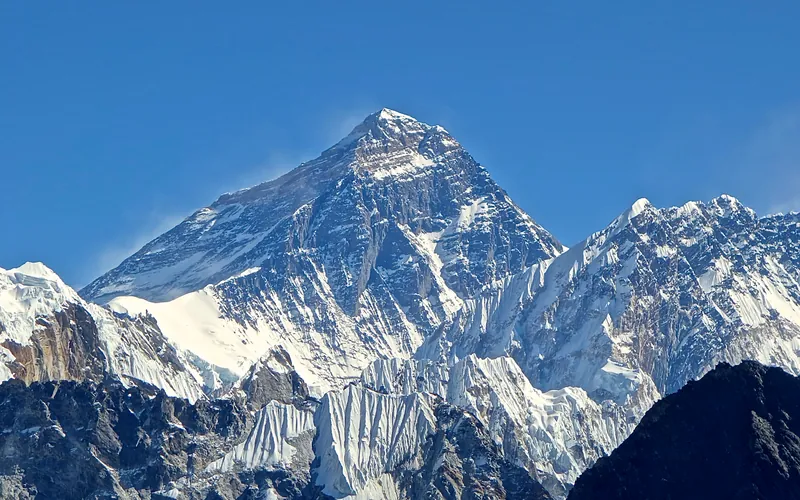
Mount Everest Complete West Ridge (Yugoslav Direct)
The Complete West Ridge of Mount Everest is one of the most formidable and sustained technical routes on the mountain. Pioneered in spring 1979 by an elite Yugoslav expedition led by Tone Škarja, the route tackles the integral knife-edge crest directly from the Lho La col (6,026m) all the way to the 8,848.86m summit. Unlike the 1963 American West Ridge route which diverted into the Hornbein Couloir from the North Face, the Yugoslav line stayed strictly along the razor-edge crest of the West Ridge, surmounting technical rock buttresses up to Grade V+ at extreme altitude before traversing around the Yellow Band. On May 13, 1979, Andrej Štremfelj and Nejc Zaplotnik achieved the first ascent of the complete ridge, followed two days later by Stane Belak, Marjan Manfreda, and Ang Phu Sherpa in one of the greatest feats in Himalayan history.
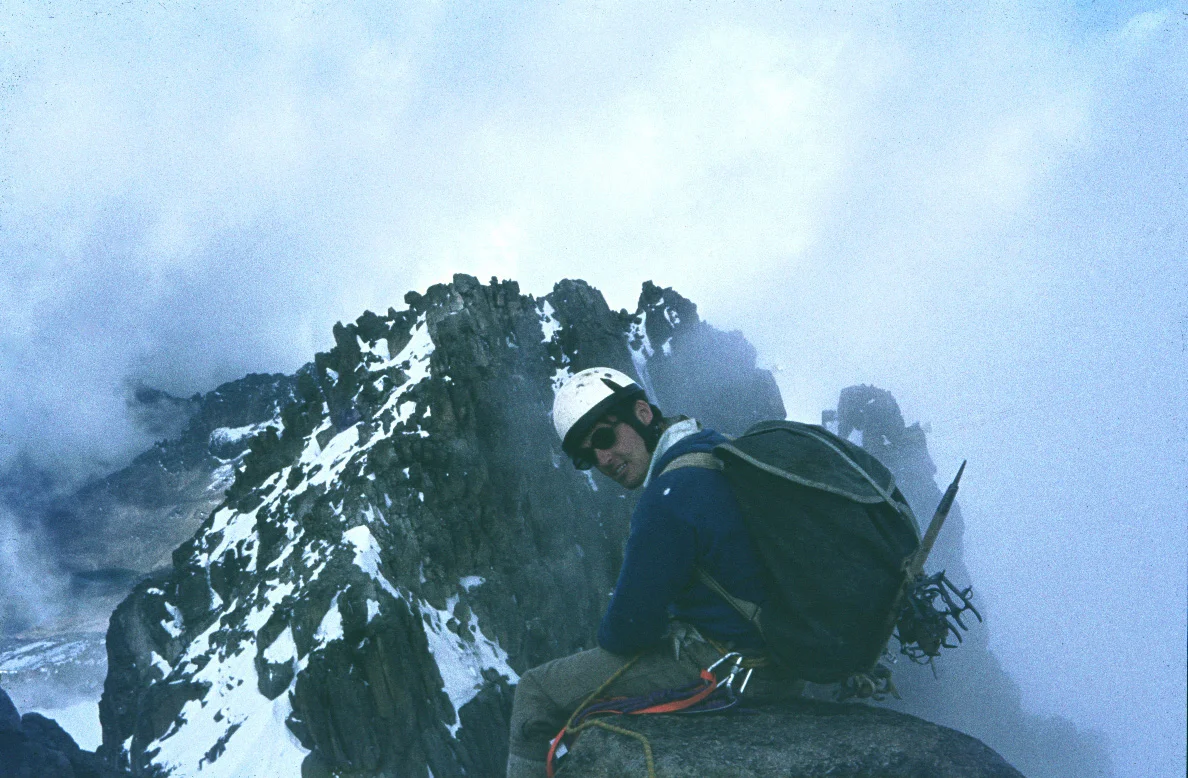
Mount Kenya North Face Standard Route on Batian
The classic technical climbing route up Africa's second-highest summit, tackled during the northern hemisphere summer when the sun warms the northern cliffs. Features over 20 pitches of high-grade granite-like syenite rock climbing ending on the summit pinnacle of Batian.
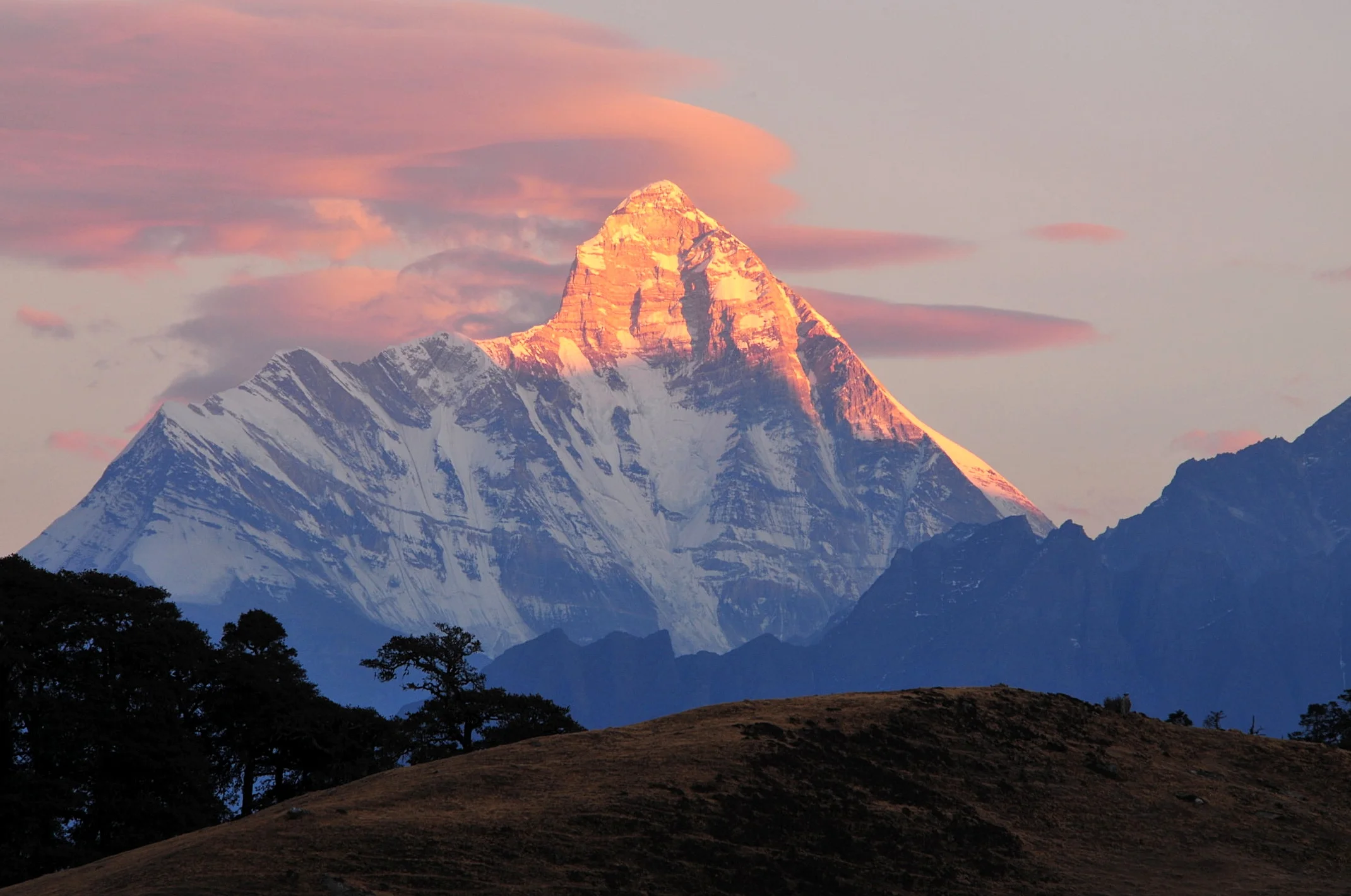
South Ridge & Coxcomb (Original 1936 Route)
The historic maiden first ascent route on Nanda Devi (7,816m), pioneered during the landmark 1936 British-American expedition by Bill Tilman and Noel Odell. Approached through the terrifyingly narrow, sheer chasms of the Rishi Ganga gorge into the virgin meadows of the Nanda Devi Sanctuary, the climb traverses the southern glaciated basin to ascend a razor-sharp rock spine known as the Coxcomb. Overcoming steep mixed rock towers and narrow snow ridges without supplemental oxygen, Tilman and Odell achieved the summit on August 29, 1936, establishing the highest mountain climbed by humans until 1950.
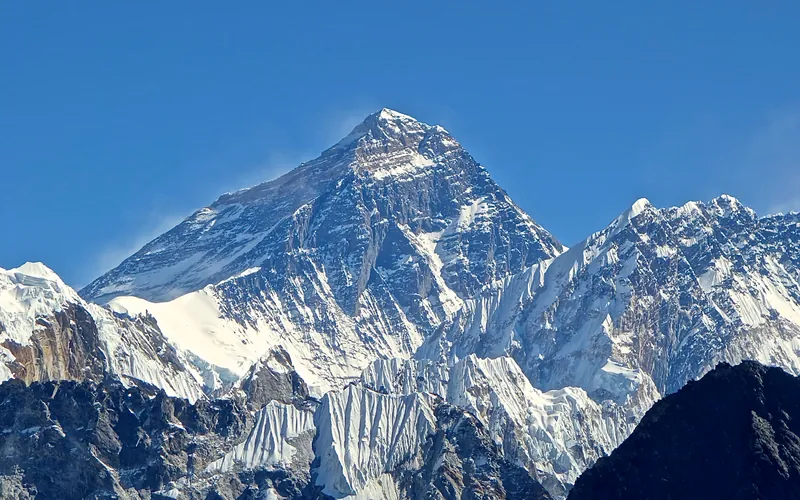
South Col & Southeast Ridge (Normal Route)
The South Col Route along the Southeast Ridge is the historic path of the 1953 first ascent and the most popular route on Mount Everest. Starting from Base Camp on the Khumbu Glacier in Nepal, climbers navigate the shifting seracs of the Khumbu Icefall into the Western Cwm. The route then scales the icy 45-degree slope of the Lhotse Face to the South Col at 7,925 meters, launching the final summit bid through the Balcony, South Summit, and Hillary Step to the summit of Earth at 8,848.86 meters.
Documented Expeditions (2)
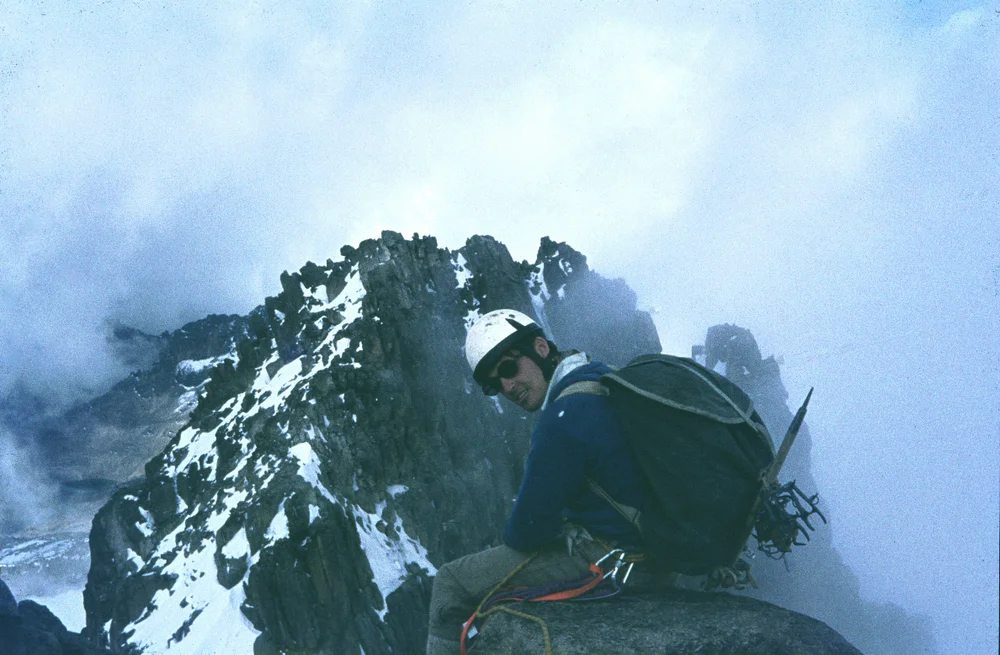
1929 Eric Shipton and Wyn Harris Mount Kenya Nelion First Ascent and Batian Traverse
On January 6, 1929, 21-year-old British mountaineer Eric Shipton and Percy Wyn Harris achieved the historic maiden first ascent of Nelion (5,188 m), Mount Kenya's formidable eastern rock spire. Crossing the knife-edge ice notch of the 'Gate of the Mists', they completed the second ascent of Batian (5,199 m), inaugurating modern technical alpinism in equatorial Africa.
1951 British Mount Everest Reconnaissance Expedition
The pivotal 1951 reconnaissance expedition led by Eric Shipton and featuring Edmund Hillary that entered the newly opened Solukhumbu region of Nepal, conquered the chaotic Khumbu Icefall, and discovered the viable southern highway to Mount Everest's summit.
Associated Chronicles & Stories (1)
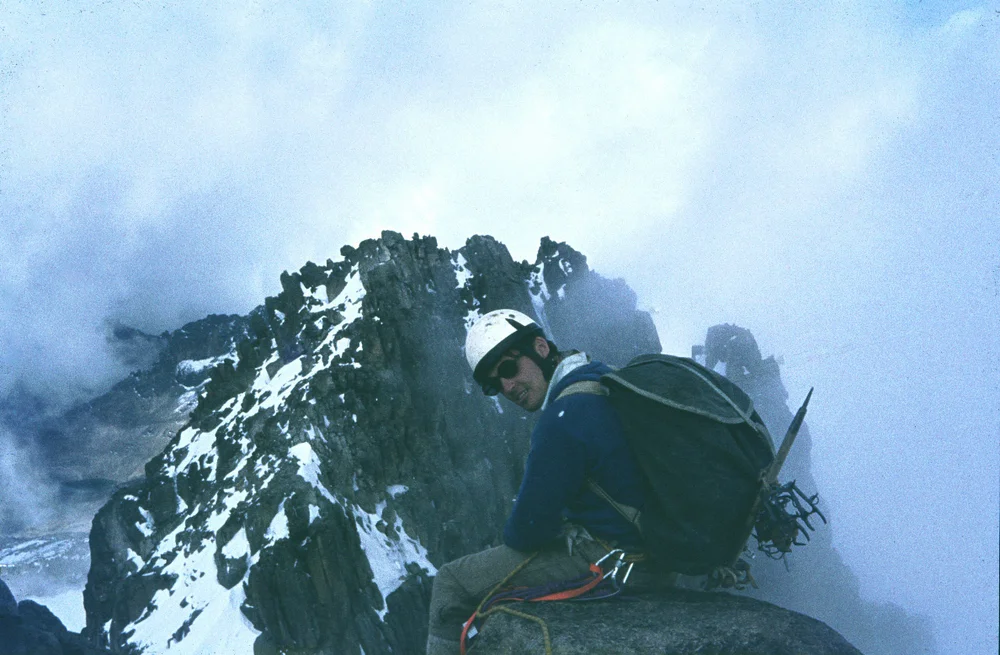
Gate of the Mists: Eric Shipton and the 1929 Conquest of Nelion
Thirty Years of Silence on Kirinyaga...
Documented Sources & Archival Citations
- Nanda Devi(Eric Shipton / Hodder & Stoughton)
Supporting claim: Official expedition record detailing the breach of the Rishi Ganga gorge and exploration of the Sanctuary
Accessed/Documented: 1936 - The Mount Everest Reconnaissance Expedition 1951(Eric Shipton / Hodder & Stoughton)
Supporting claim: Official account documenting the discovery of the Khumbu Icefall, Western Cwm, and southern Everest route
Accessed/Documented: 1952 - Upon That Mountain(Eric Shipton / Hodder & Stoughton)
Supporting claim: Classic autobiographical memoir chronicling Kamet, Nanda Devi, and Everest expeditions
Accessed/Documented: 1943