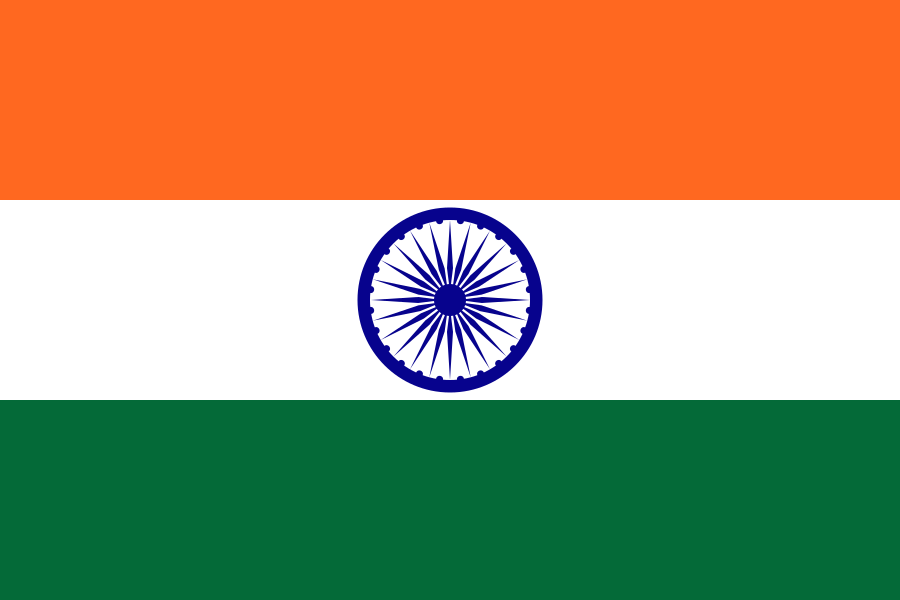
India
India possesses a magnificent expanse of the Great Himalayas, spanning from the glaciated granite towers of the Garhwal and Kumaon ranges to the colossal third-highest summit on Earth, Kangchenjunga in Sikkim. Revering its peaks as sacred sanctuaries of the gods, Indian alpine history includes landmark ascents of Nanda Devi, Kamet, and pristine high-altitude sanctuaries that defined early twentieth-century Himalayan exploration.
Peer Review: Senior Editorial Board & Historical Reviewers • Editorial Standards
Key Statistics & Topographic Figures
- Archive Classification
- COUNTRIES
Mountanity Knowledge Corpus
- Verification Status
- Editorially Verified
Archival Standards
- Citation Standard
- Primary Source Verified
Alpine Research Desk
Mountain Peaks in India
Technical profiles, elevations, and ascent histories for summits located in or spanning India.
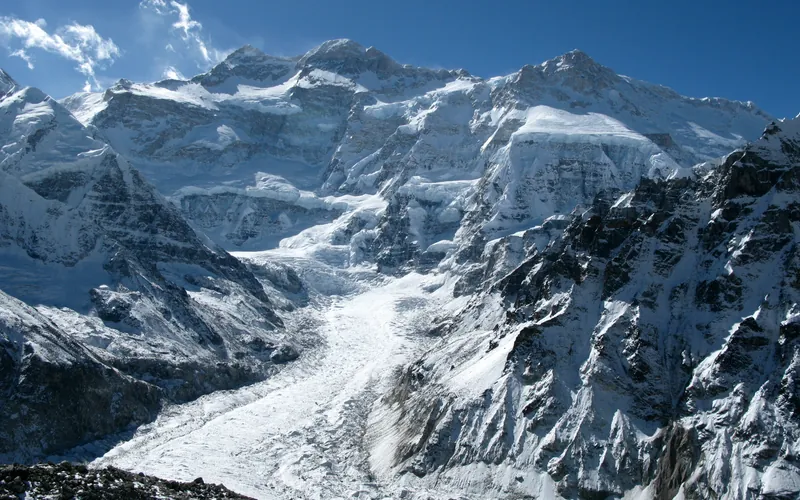

Kangchenjunga
Kangchenjunga, at 8,586 meters (28,169 ft), is the third-highest mountain on Earth, rising on the border between Nepal and Sikkim, India. Honored as sacred by locals, early ascent teams respected local beliefs by stopping short of the actual highest crest. It features immense vertical relief and notorious storm cycles.
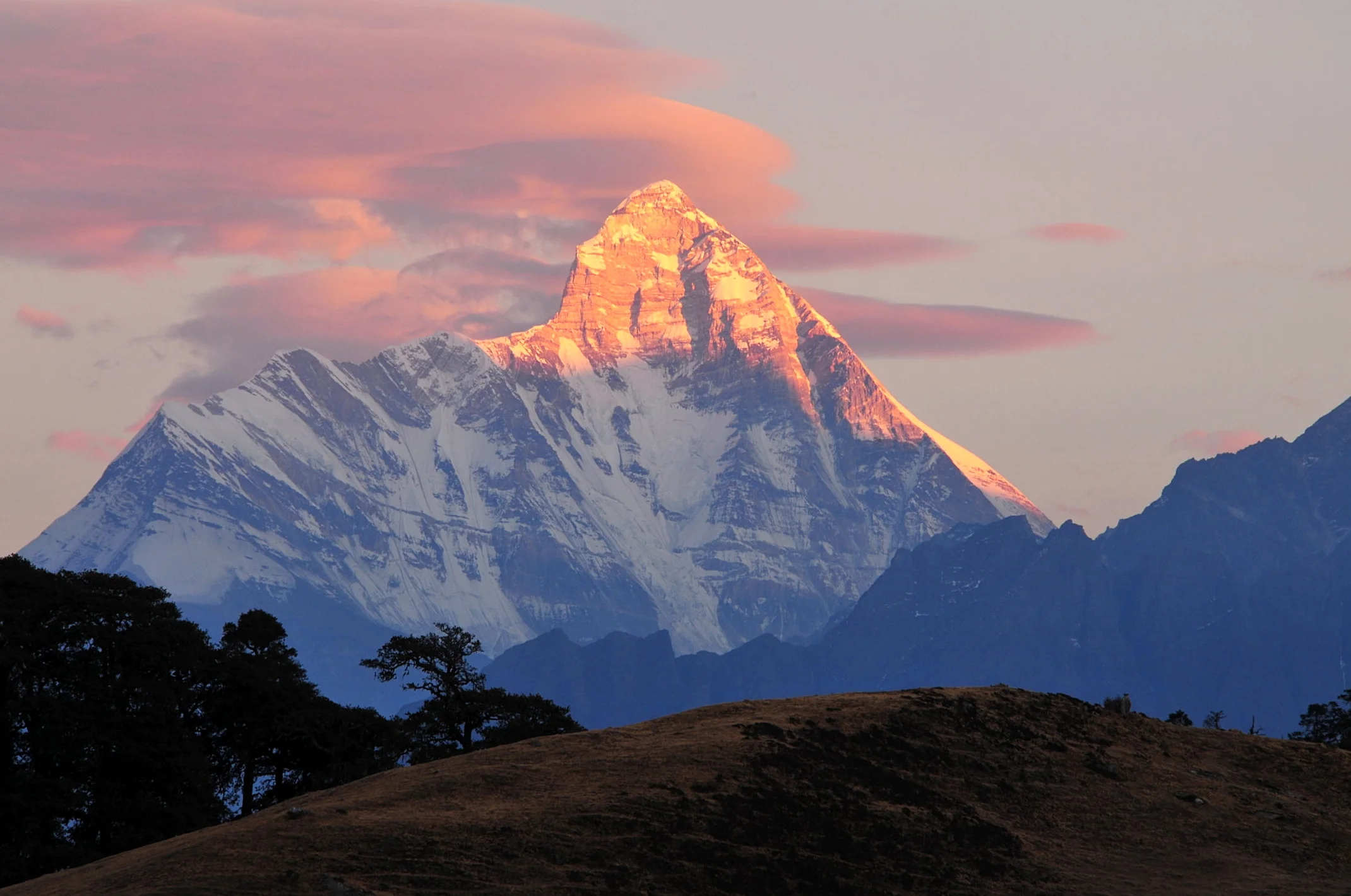
Nanda Devi
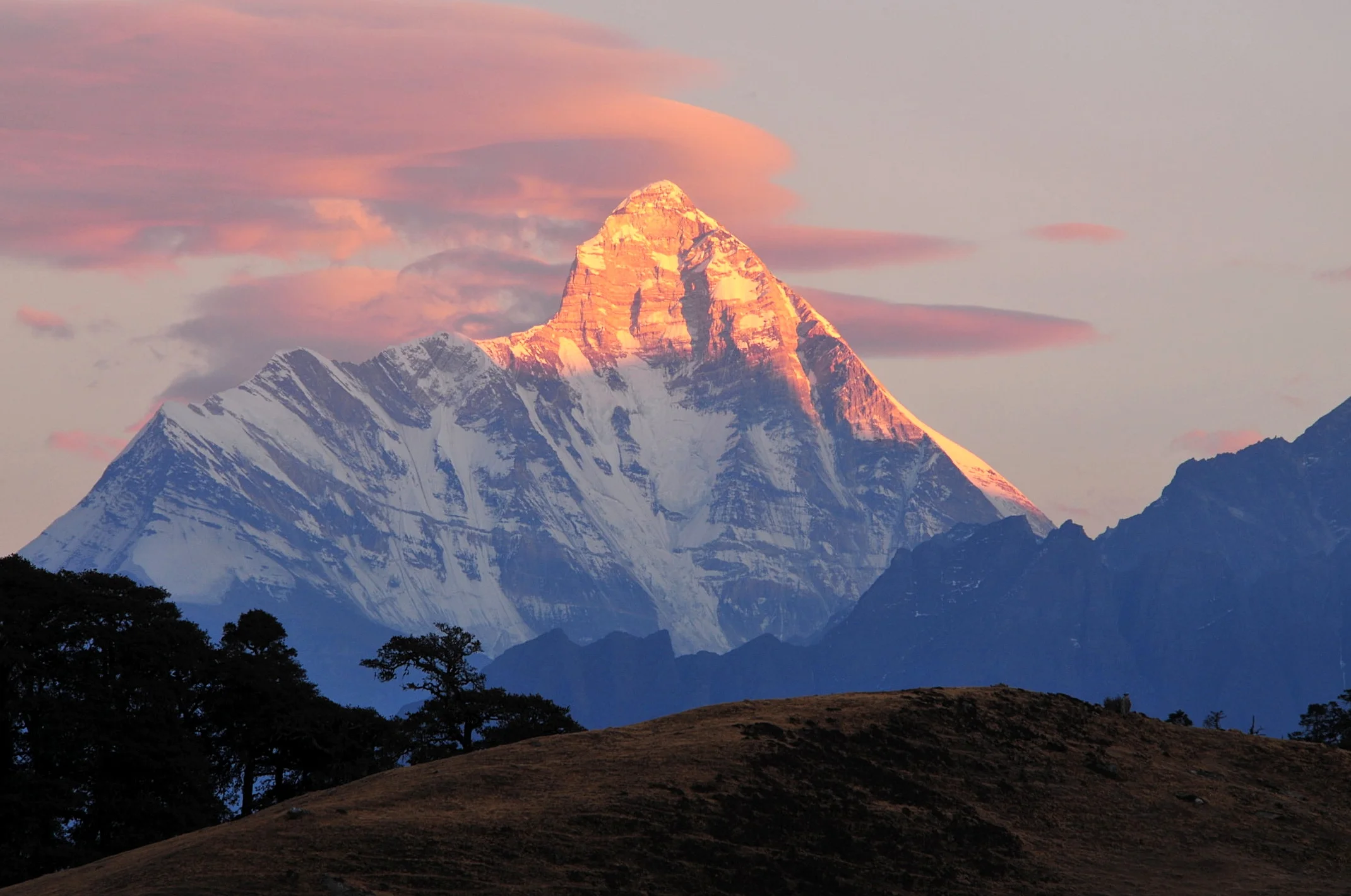
Nanda Devi, standing at 7,816 meters (25,643 ft), is the second-highest mountain in India and the highest peak situated entirely within Indian territory. Revered as a sacred manifestation of the patron goddess of Uttarakhand, the mountain rises within a formidable natural fortress—the Nanda Devi Sanctuary—ringed by seventy miles of razor-sharp peaks exceeding 6,000 meters. Its historic first ascent on August 29, 1936, by Bill Tilman and Noel Odell remained the highest summit ever achieved by human beings until the conquest of Annapurna in 1950.
Mountain Ranges Spanning India
Geographic mountain massifs, regional topography, and glaciated chains within India.
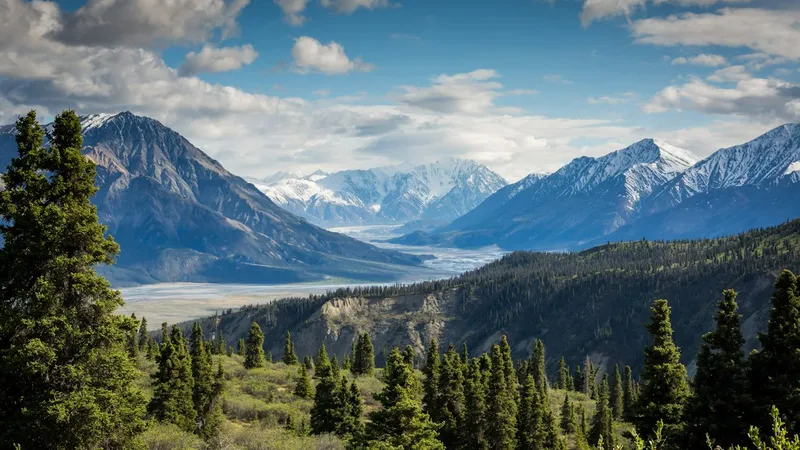
Himalayan Range
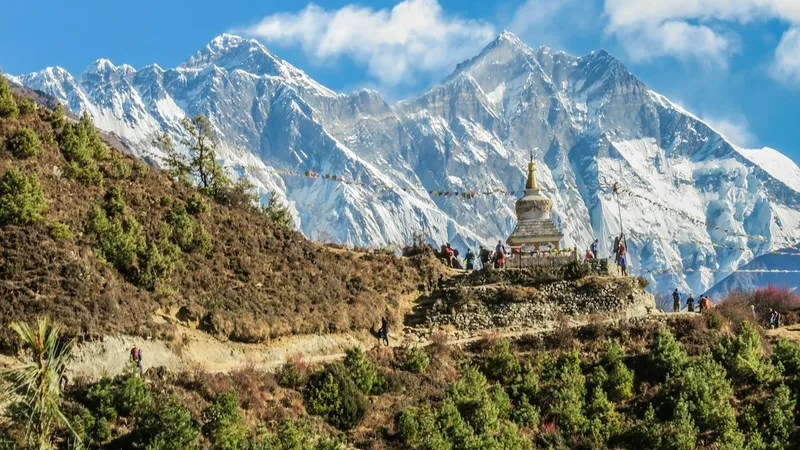
The highest mountain system on Earth, spanning 2,400 kilometres. Anchored on its westernmost terminus in Pakistan by the monumental 8,126-meter massif of Nanga Parbat and stretching eastward through Nepal and the Tibetan plateau.
Karakoram Range
One of the Greater Ranges of Asia, spanning Gilgit-Baltistan, Ladakh, and Xinjiang. Home to the highest concentration of 8,000-metre peaks outside the Himalayas, including K2, Gasherbrum I, Broad Peak, and Gasherbrum II, along with immense non-polar glaciers like the Baltoro and Siachen and legendary granite spires like Latok I and Trango Tower.
Documented Climbing Routes
Classic lines of ascent, technical difficulties, and objective hazards across India's summits.
South Ridge & Coxcomb (Original 1936 Route)
The historic maiden first ascent route on Nanda Devi (7,816m), pioneered during the landmark 1936 British-American expedition by Bill Tilman and Noel Odell. Approached through the terrifyingly narrow, sheer chasms of the Rishi Ganga gorge into the virgin meadows of the Nanda Devi Sanctuary, the climb traverses the southern glaciated basin to ascend a razor-sharp rock spine known as the Coxcomb. Overcoming steep mixed rock towers and narrow snow ridges without supplemental oxygen, Tilman and Odell achieved the summit on August 29, 1936, establishing the highest mountain climbed by humans until 1950.
Historic Expeditions & First Ascents
Epoch-making sieges and triumphant summits recorded within India's alpine history.
1936 British-American Himalayan Expedition to Nanda Devi
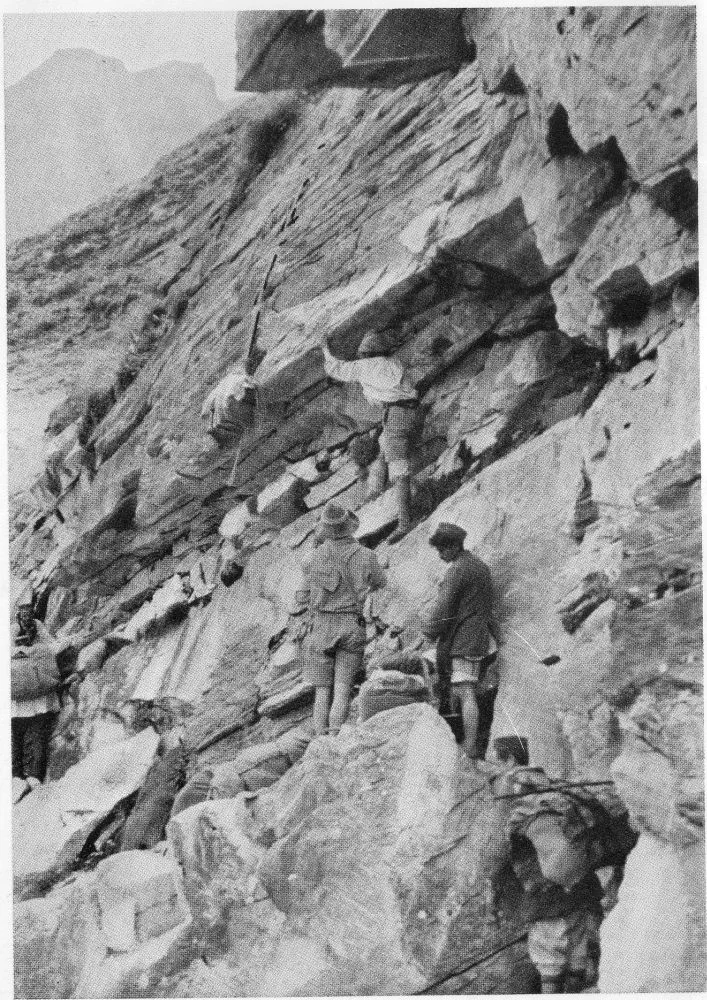
The landmark 1936 joint British-American expedition that achieved the maiden first ascent of Nanda Devi (7,816m) on August 29, 1936, by Bill Tilman and Noel Odell without supplemental oxygen, setting an absolute altitude record on an ascended peak that stood for fourteen years.
Archival Primary Source Quotations
“Great things are done when men and mountains meet; this is not done by jostling in the street.”
Defined Alpine Terminology & Concepts
- Archival Integrity
- The standard of verifying historical mountain facts, summit claims, and altitudes using primary expeditions journals and geodetic measurements.
Frequently Asked Questions: India Mountaineering
What historical significance does this countrie hold?
India represents an essential chapter in global mountaineering heritage, verified through contemporary expedition journals and archival sources.
How are the facts and records for India verified?
All records are checked against peer-reviewed journals, national alpine clubs, geodetic surveys, and the Mountanity Archival Integrity Policy.