1951 British Mount Everest Reconnaissance Expedition
The pivotal 1951 reconnaissance expedition led by Eric Shipton and featuring Edmund Hillary that entered the newly opened Solukhumbu region of Nepal, conquered the chaotic Khumbu Icefall, and discovered the viable southern highway to Mount Everest's summit.
Mountain Safety & Conditions Disclaimer: High-altitude climbing, glacial travel, and technical ascents entail severe objective risks including avalanches, serac collapses, rapid weather collapse, and altitude illness. Historical route descriptions and summit claims on Mountanity reflect documented archival sources and must not be used as live operational safety assessments. Local regulations, permits, and physical glacial topography change continuously.
Peer Review: Senior Editorial Board & Historical Reviewers • Editorial Standards
Official Expedition Narrative & Archival Record
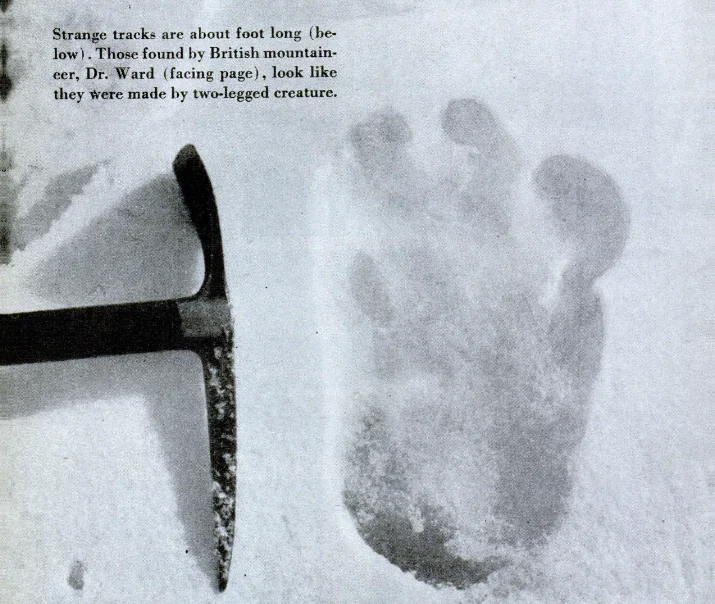
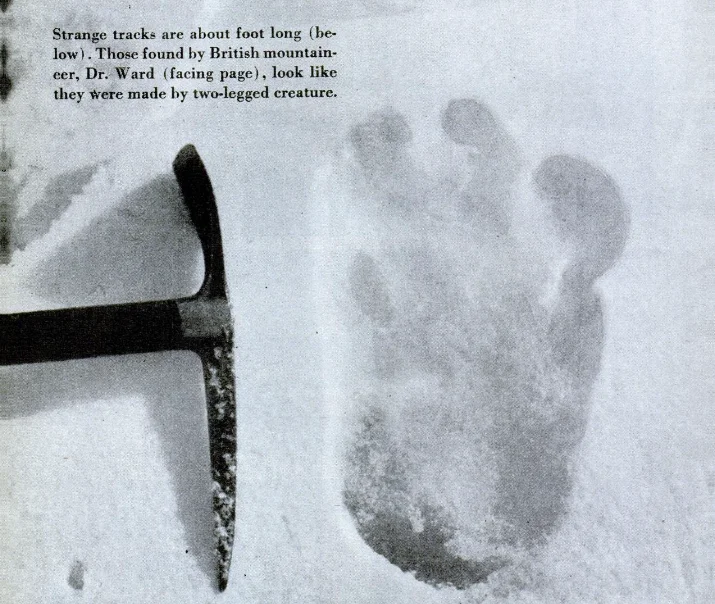
In the late 1940s, geopolitical shifts transformed Himalayan mountaineering: China occupied Tibet, permanently slamming shut the northern approach to Mount Everest that the British had attempted throughout the 1920s and 1930s. Simultaneously, the Kingdom of Nepal opened its long-forbidden southern borders to Western travelers. In the autumn of 1951, the Joint Himalayan Committee dispatched veteran explorer Eric Shipton to lead a small reconnaissance party into the uncharted Khumbu region to ascertain whether Everest could be ascended from the south. The team included Dr. Michael Ward, Tom Bourdillon, William Murray, and two powerhouse New Zealand climbers invited by Shipton: Earle Riddiford and a lanky 32-year-old beekeeper named Edmund Hillary. Trekking through the lush valleys of the Solukhumbu with Sherpa porters, the expedition established base camp below the great terminus of the Khumbu Glacier. Ascending the lower slopes of Pumori, Shipton, Hillary, and Bourdillon looked down with binoculars into the towering, hidden glacial sanctuary of the Western Cwm—and saw that a continuous snow and ice face (the Lhotse Face) led up to the broad saddle of the South Col (7,925m). However, guarding the entrance to the Cwm was a terrifying obstacle: the Khumbu Icefall, a two-thousand-foot vertical cascade of shattered, shifting blue-ice seracs and bottomless chasms. In late October, Hillary, Shipton, Bourdillon, and Riddiford attacked the icefall, hacking precarious pathways across collapsing ice bridges and reaching the lip of the Western Cwm before a monstrous crevasse forced a retreat. Shipton confirmed to the Royal Geographical Society that the southern route was feasible. During a side exploration of the Menlung Glacier, Shipton and Ward famously discovered and photographed deep, bipedal humanoid tracks in the snow—the iconic 'Yeti footprint' photograph that captured global fascination. Shipton's reconnaissance laid the direct foundation for the historic 1953 first ascent.
Documented Team Composition
- Eric Earle Shipton (Expedition Leader & Explorer)
- Sir Edmund Hillary (Lead Climber, New Zealand)
- Dr. Michael Ward (Expedition Medical Officer & Climber)
- Tom Bourdillon (Physicist & Climber)
- Earle Riddiford (Climber, New Zealand)
- William Murray (Climber & Author)
Key Statistics & Topographic Figures
- Expedition Year
- 1951 (August–November)
Southern Reconnaissance
- Key Breakthrough
- Khumbu Icefall & Western Cwm
Southern Route Unlocked
- Expedition Leader
- Eric Earle Shipton
Pioneer Alpinist
- Future Summiter Discovered
- Sir Edmund Hillary
New Zealand Team
Archival Primary Source Quotations
“Shipton was the hero of our youth... He moved through the mountains with an easy grace and a quiet modesty that made you want to follow him anywhere.”
Defined Alpine Terminology & Concepts
- Western Cwm
- The vast, glacial valley (known as the "Valley of Silence") enclosed by the soaring walls of Everest, Lhotse, and Nuptse, discovered as the gateway to the South Col in 1951.
- Khumbu Icefall
- A heavily fractured, rapidly moving cascade of glacier ice tumbling 2,000 feet out of the Western Cwm, representing the primary objective hazard on Everest’s southern route.
Frequently Asked Questions: 1951 British Mount Everest Reconnaissance Expedition
Who led the 1951 British Mount Everest Reconnaissance Expedition?
Legendary British explorer Eric Earle Shipton led the 1951 reconnaissance expedition, which surveyed the southern approaches to Everest through Nepal.
What was the main discovery of the 1951 Everest reconnaissance?
The expedition discovered and confirmed that Mount Everest could be climbed from the south via the treacherous Khumbu Icefall, the Western Cwm, and the Lhotse Face to the South Col.
Who was the young New Zealand beekeeper on the 1951 expedition?
Edmund Hillary, then a 32-year-old beekeeper from New Zealand, was invited by Eric Shipton, making his Himalayan debut and forging the key icefall route into the Western Cwm.
Why did the British explore Everest from the south in 1951?
Following the Chinese occupation of Tibet in 1950, the historic northern route was sealed. Concurrently, Nepal opened its long-forbidden borders, allowing access through Solukhumbu.
What was the significance of the 1951 Yeti footprint photograph?
On the Menlung Glacier at 5,800m, Eric Shipton and Michael Ward photographed a large, bipedal humanoid print with an ice axe alongside for scale, sparking global fascination with the Abominable Snowman.
What is the Khumbu Icefall on Mount Everest?
The Khumbu Icefall is a chaotic, 600-meter vertical maze of shifting ice seracs and bottomless crevasses at the mouth of the Western Cwm, first breached by Hillary and Shipton in 1951.
From which mountain did Shipton and Hillary view the Western Cwm in 1951?
They climbed the south ridge of Pumori to approximately 6,100 meters, from where they looked directly down into the hidden sanctuary of the Western Cwm and verified the route to the South Col.
How did the 1951 expedition enable the 1953 first ascent of Everest?
Shipton’s detailed maps, icefall navigation routes, and topographical confirmation established the exact route followed by Sir John Hunt, Edmund Hillary, and Tenzing Norgay to conquer Everest in 1953.
Ascent Route & Topography
South Col & Southeast Ridge (Normal Route)
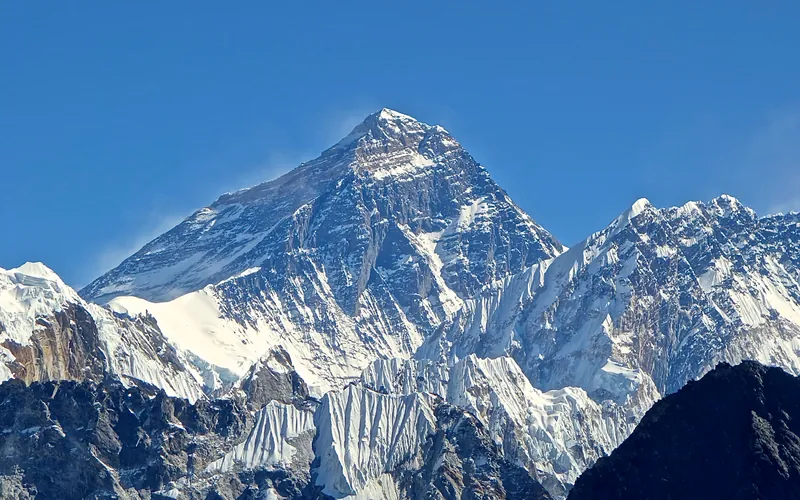
The South Col Route along the Southeast Ridge is the historic path of the 1953 first ascent and the most popular route on Mount Everest. Starting from Base Camp on the Khumbu Glacier in Nepal, climbers navigate the shifting seracs of the Khumbu Icefall into the Western Cwm. The route then scales the icy 45-degree slope of the Lhotse Face to the South Col at 7,925 meters, launching the final summit bid through the Balcony, South Summit, and Hillary Step to the summit of Earth at 8,848.86 meters.
Target Objective Peak


Mount Everest
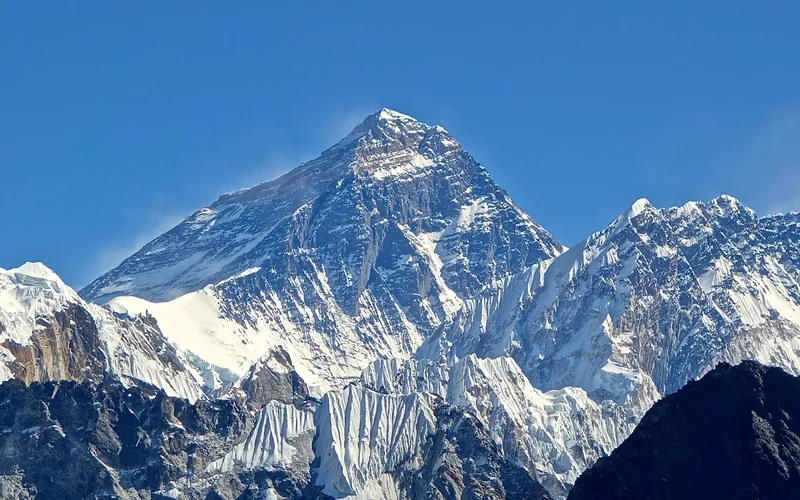
Mount Everest is the highest mountain above sea level on Earth, standing at an official elevation of 8,848.86 meters (29,031.7 ft). Straddling the international frontier between Nepal and China, it is known locally as Sagarmatha in Nepali ('Goddess of the Sky') and Chomolungma in Tibetan ('Mother Goddess of the World'). The peak rises into the extreme upper troposphere, where oxygen levels drop to barely one-third of sea-level pressure. Climbers face hurricane-force jet stream winds, severe frostbite conditions, shifting ice crevasses in the Khumbu Icefall, and the dangerous Death Zone above 8,000 meters.
Featured Expedition Climbers
Ang Tharkay
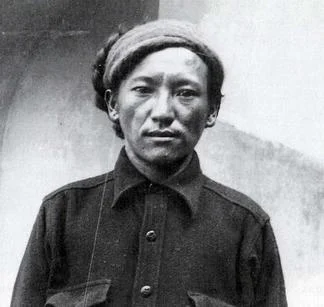
Ang Tharkay was born in 1907 in the high mountain hamlet of Kundu near Thame in Nepal's Solukhumbu District. Migrating as a young man to Darjeeling in British India, which served as the operational recruitment depot for Himalayan expeditions, he quickly gained a reputation for exceptional physical toughness, joyful leadership, and razor-sharp mountain judgment. Diminutive in physical stature but immense in spirit, he was affectionately nicknamed 'The Little Giant' by European explorers. His legendary exploratory partnership with Eric Shipton and Bill Tilman began in 1934 during their audacious breakthrough into the long-impenetrable Nanda Devi Sanctuary via the treacherous Rishi Ganga gorge. Shipton revered Ang Tharkay as a peer and master navigator, employing him on the 1935 British Mount Everest Reconnaissance and the 1937 exploratory survey of the Karakoram glaciers. In 1938, Tilman appointed Ang Tharkay as sirdar on the British Everest expedition, during which he carried loads above 8,300 meters on the North Ridge without supplemental oxygen. His defining hour arrived during the 1950 French Annapurna Expedition. Appointed head sirdar by Maurice Herzog, Ang Tharkay organized the complex mountain logistics, managed hundreds of local porters through uncharted valleys, and established high camps on Annapurna's glaciated north face. Recognizing his extraordinary loyalty and strength, Herzog invited Ang Tharkay to accompany him on the final summit bid; Ang Tharkay graciously declined, choosing to preserve his energies to protect the overall team. When Herzog and Louis Lachenal descended half-blind and severely frostbitten from the summit, Ang Tharkay organized an heroic rescue operation, physically carrying Herzog on his back across treacherous landslides and raging rivers through monsoon downpours. In 1951, he rejoined Shipton and Edmund Hillary on the historic reconnaissance that discovered the southern route up the Khumbu Icefall. Later authoring his poignant autobiography Born in the Shadow of the Himalayas (Sherpa, Tenzing's Peer), Ang Tharkay stands immortal as the founding father of modern Sherpa sirdar leadership.
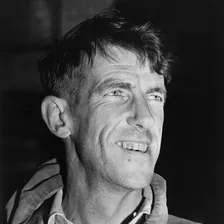
Sir Edmund Hillary
Edmund Percival Hillary was born in Auckland, New Zealand, on July 20, 1919. A school trip to Mount Ruapehu sparked his lifelong passion for alpine climbing. He completed his first major ascent on Mount Ollivier (1,933m) in 1939. During World War II, Hillary served as a navigator in the Royal New Zealand Air Force. Afterward, he trained under master alpine guide Harry Ayres in the Southern Alps. On January 30, 1948, Hillary and Ayres achieved the first ascent of Mount Cook's South Ridge. This demanding technical climb established Hillary as New Zealand's foremost ice climber. In 1951, Eric Shipton recruited Hillary for the British Everest Reconnaissance Expedition. Hillary and George Lowe pioneered a viable route through the chaotic Khumbu Icefall. Their breakthrough unlocked the southern approach into the Western Cwm. Hillary returned to the Himalayas for the 1952 British Cho Oyu Expedition. There, he tested experimental open-circuit oxygen equipment above 6,800 meters. Colonel John Hunt subsequently selected Hillary for the 1953 British Mount Everest Expedition. On May 29, 1953, Hillary and Tenzing Norgay launched their summit push from 8,500 meters. High on the Southeast Ridge, they encountered a formidable 12-meter rock barrier. This vertical cliff between rock and snow is now called the Hillary Step. Hillary jammed his body into a narrow crack and levered upward with crampons. He breached the crux and safely belayed Tenzing up the pitch. At 11:30 AM, both men reached the 8,848.86-meter summit of Mount Everest. They achieved the first confirmed human summit in history. Between 1956 and 1958, Hillary led the New Zealand Trans-Antarctic expedition party. He drove three modified Ferguson farm tractors across treacherous crevassed icefields. On January 4, 1958, Hillary's team successfully reached the South Pole. It was the first overland journey to the pole since Captain Scott in 1912. In 1960, Hillary organized the high-altitude Silver Hut Expedition. His team conducted physiological research and made the first ascent of Ama Dablam. Hillary dedicated decades of his life to helping the Sherpa communities of Nepal. In 1960, he established the Himalayan Trust to fund essential local infrastructure. The foundation built 27 schools, two hospitals, and twelve medical clinics in Solukhumbu. It also constructed the mountain airstrip at Lukla to connect remote villages. Grateful Sherpas honored Hillary with the affectionate title of Burra Sahib. In 2003, Nepal granted Hillary honorary citizenship, making him the first foreign national so recognized. Queen Elizabeth II invested him as a Knight Companion of the Garter in 1995. Hillary passed away in 2008, remembered worldwide as a compassionate explorer.
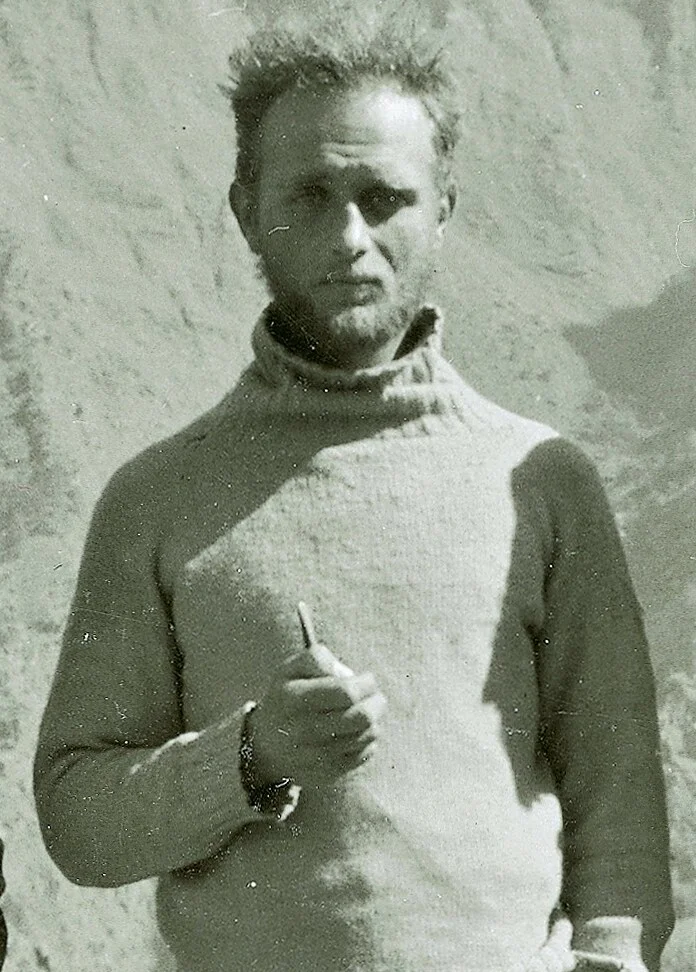
Eric Earle Shipton
Eric Earle Shipton was born on August 1, 1907, in Ceylon (now Sri Lanka). Drawn to wild, untracked frontiers from an early age, Shipton established his reputation in East Africa in 1929 by making the historic first ascent of Nelion (5,188m), the second-highest peak of Mount Kenya, alongside Wyn Harris. In 1931, Shipton joined Frank Smythe's British expedition to Kamet (7,756m / 25,447 ft) in the Garhwal Himalayas, achieving its maiden first ascent—then the highest summit ever climbed by human beings. On the 1933 British Everest Expedition, Shipton proved his extraordinary high-altitude physiology by climbing to 8,570 meters on the North Face without supplemental oxygen, accompanied by Smythe (discovering Andrew Irvine's wooden ice axe below the First Step). However, Shipton grew profoundly disillusioned with the massive military siege style favored by the Everest Committee, which required hundreds of porters, military discipline, and rigid timetables. Meeting fellow eccentric adventurer Harold William 'Bill' Tilman on a coffee farm in Kenya, Shipton found his perfect partner. In 1934, operating on a shoestring budget with just three Sherpas (including the great Ang Tharkay), Shipton and Tilman accomplished one of the greatest exploratory feats in mountain history: forcing a passage through the vertical, unexplored gorge of the Rishi Ganga to breach the legendary Nanda Devi Sanctuary. In 1935, appointed leader of the fifth British Everest Expedition, Shipton instituted his lightweight philosophy and personally selected a young, untested 20-year-old Sherpa named Tenzing Norgay for his first-ever Everest expedition, launching Tenzing's legendary career. In the autumn of 1951, after Nepal ended centuries of diplomatic isolation and Tibet closed its borders under Chinese control, Shipton led the crucial 1951 British Mount Everest Reconnaissance Expedition. Accompanied by a young New Zealand beekeeper named Edmund Hillary, Shipton explored the uncharted southern approach from Khumbu. Climbing to the shoulder of Pumori, Shipton surveyed the gaping amphitheater of the Western Cwm and verified that the route could be forged up through the treacherous Khumbu Icefall and the Lhotse Face to the South Col. During this expedition, Shipton also photographed the famous 'Yeti footprint' on the Menlung Glacier with his ice axe alongside it for scale. Shipton's visionary reconnaissance provided the master key that unlocked the historic first ascent of Everest by Hillary and Tenzing in 1953. He spent his later years exploring Patagonia and Tierra del Fuego, leaving behind books like *Nanda Devi* and *Upon That Mountain* that continue to inspire generations of alpine purists. He passed away on March 28, 1977, in Wiltshire at age 69.
Associated Historical Chronicles & Stories
Everest 1951: Eric Shipton, Edmund Hillary, and the Secret Door of Khumbu
In the autumn of 1951, legendary explorer Eric Shipton led a British party into the newly opened valleys of Nepal, unlocking the monstrous Khumbu Icefall and discovering the path that conquered Everest.
Documented Sources & Archival Citations
- The Mount Everest Reconnaissance Expedition 1951(Eric Shipton / Hodder & Stoughton)
Supporting claim: Official expedition record detailing the Khumbu Icefall reconnaissance and Western Cwm discovery
Accessed/Documented: 1952 - High Adventure(Sir Edmund Hillary / Hodder & Stoughton)
Supporting claim: First-hand narrative of Hillary's first encounter with Mount Everest and climbing with Shipton
Accessed/Documented: 1955 - The Alpine Journal Archive: The Mount Everest Reconnaissance, 1951(The Alpine Club UK)
Supporting claim: Topographical surveys, icefall route maps, and analysis of the southern approach
Accessed/Documented: 1952