1993 Nepalese Women's Mount Everest Expedition
On April 22, 1993, Pasang Lhamu Sherpa made history by reaching the summit of Mount Everest (8,848m) as the first Nepali woman, breaking historic gender barriers and leading an all-Nepalese team via the South Col route.
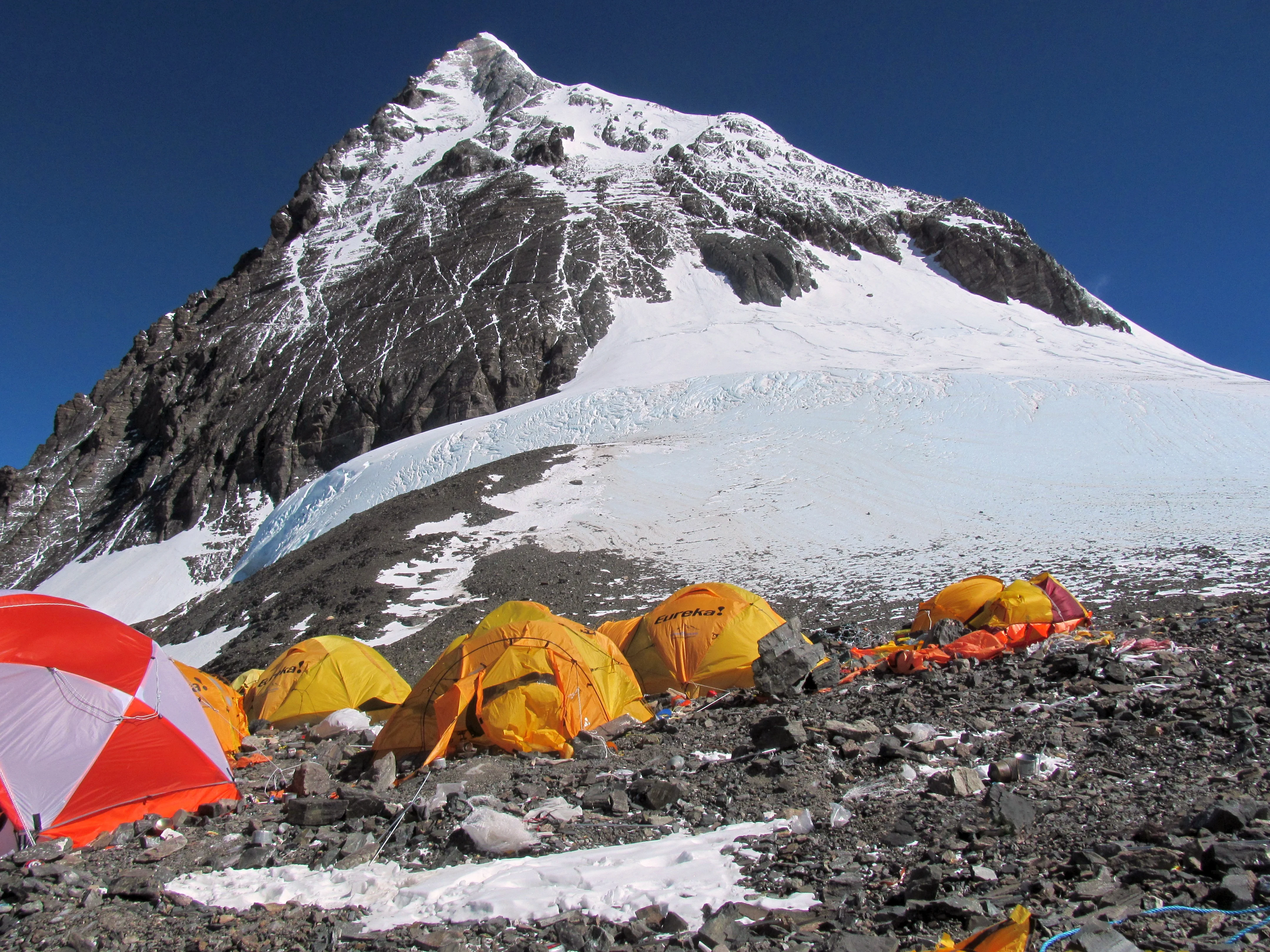
Mountain Safety & Conditions Disclaimer: High-altitude climbing, glacial travel, and technical ascents entail severe objective risks including avalanches, serac collapses, rapid weather collapse, and altitude illness. Historical route descriptions and summit claims on Mountanity reflect documented archival sources and must not be used as live operational safety assessments. Local regulations, permits, and physical glacial topography change continuously.
Peer Review: Senior Editorial Board & Historical Reviewers • Editorial Standards
Official Expedition Narrative & Archival Record
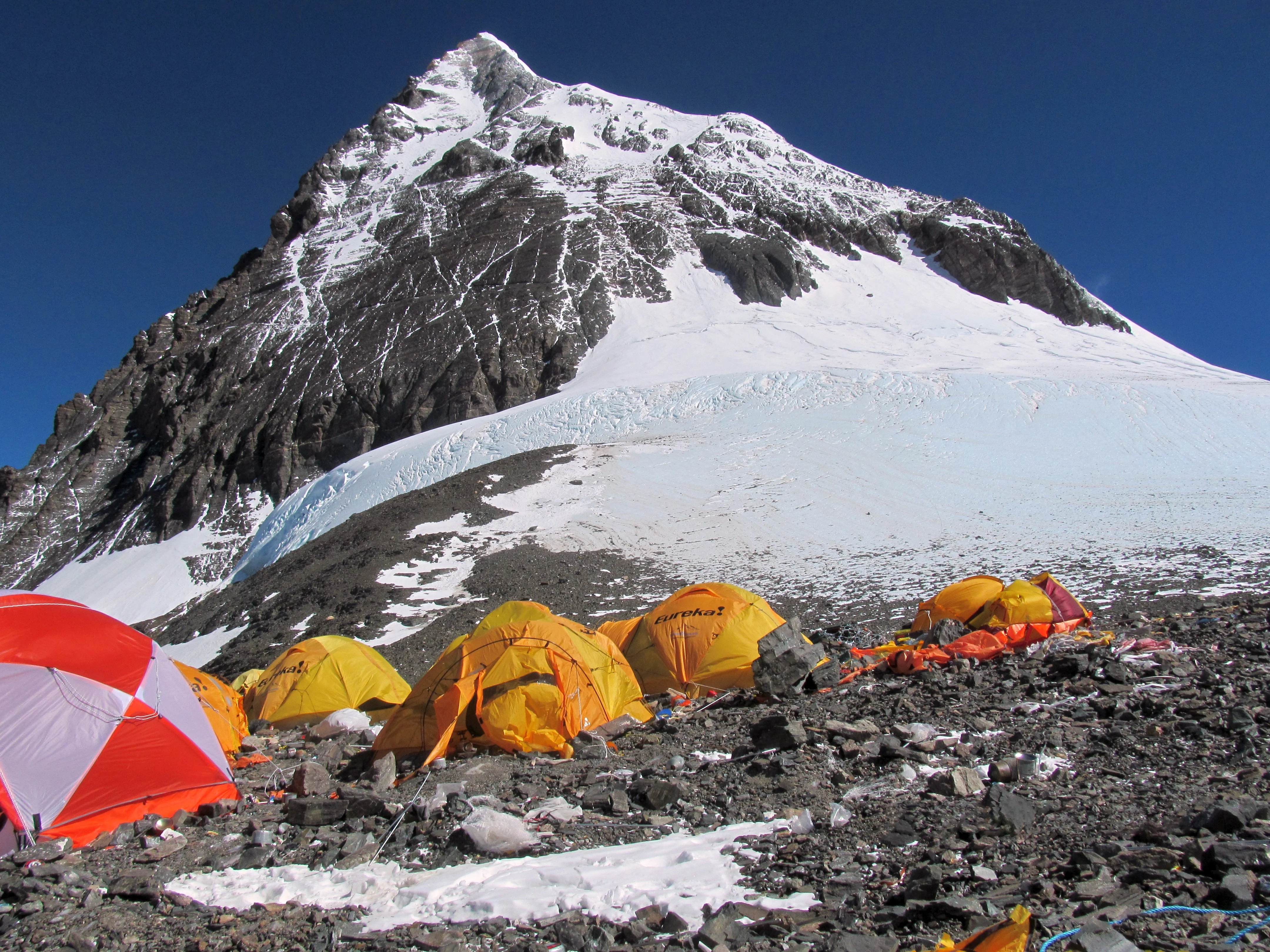
In the spring of 1993, Pasang Lhamu Sherpa launched her fourth determined bid on Mount Everest as expedition leader of the San Miguel Nepalese Women's Everest Expedition. Having been turned back on three previous expeditions between 1990 and 1992, Pasang Lhamu carried the hopes of millions of Nepalese women who had historically been excluded from summit ambitions. Climbing via the Khumbu Icefall, Western Cwm, and the South Col (7,920m), the team established Camp IV in mid-April. On the night of April 21, Pasang Lhamu set off toward the summit alongside Sonam Tshering Sherpa, Lhakpa Norbu Sherpa, Pemba Norbu Sherpa, and Dawa Tashi Sherpa. In brilliant sunshine on April 22, 1993, Pasang Lhamu stepped onto the 8,848-meter summit of Mount Everest, becoming the first Nepali woman in human history to stand on top of Sagarmatha. During the arduous descent, severe blizzards struck the upper ridge. Sonam Tshering was stricken with severe altitude sickness near the South Summit (8,749m). Showing extraordinary valor, Pasang Lhamu refused to abandon her partner. The two climbers endured an unsheltered bivouac in extreme subzero cold and ultimately perished on the mountain before rescue teams could break through the storm. Pasang Lhamu was posthumously proclaimed a National Hero of Nepal, immortalized as a pioneer of women's empowerment across the Himalayas.
Documented Team Composition
- Pasang Lhamu Sherpa (Expedition Leader & Summiteer)
- Sonam Tshering Sherpa (Summiteer)
- Lhakpa Norbu Sherpa (Summiteer)
- Pemba Norbu Sherpa (Summiteer)
- Dawa Tashi Sherpa (Summiteer)
Key Statistics & Topographic Figures
- Official Outcome
- Historic First Ascent of Mount Everest by a Nepali Woman
Expedition Status
- Summit Date
- 1993-04-22
Ascent Timestamp
- Target Objective
- mount-everest
Mountain Peak
- Ascent Route
- south-col-route
Climbing Path
- Team Size
- 5 Climbers
High-Altitude Team
- Region / Country
- Nepal (Khumbu / Solukhumbu)
Geography
Archival Primary Source Quotations
“In the spring of 1993, Pasang Lhamu Sherpa launched her fourth determined bid on Mount Everest as expedition leader of the San Miguel Nepalese Women's Everest Expedition. Having be...”
Defined Alpine Terminology & Concepts
- Alpine Expedition
- A planned, self-contained high-altitude mountaineering undertaking operating in remote mountain terrain subject to extreme objective hazards.
- Death Zone
- The high-altitude region above 8,000 meters where atmospheric oxygen pressure is inadequate for sustained human survival.
Frequently Asked Questions: 1993 Nepalese Women's Mount Everest Expedition
What was the primary outcome and achievement of the 1993 Nepalese Women's Mount Everest Expedition?
Historic First Ascent of Mount Everest by a Nepali Woman. On April 22, 1993, Pasang Lhamu Sherpa made history by reaching the summit of Mount Everest (8,848m) as the first Nepali woman, breaking historic gender barriers and leading an all-Nepalese team via the South Col route.
When did the 1993 Nepalese Women's Mount Everest Expedition reach the summit?
The expedition officially reached the summit on 1993-04-22, operating between 1993-03-20 and 1993-04-24.
Who were the documented climbing team members on the 1993 Nepalese Women's Mount Everest Expedition?
The documented climbing roster included: Pasang Lhamu Sherpa (Expedition Leader & Summiteer), Sonam Tshering Sherpa (Summiteer), Lhakpa Norbu Sherpa (Summiteer), Pemba Norbu Sherpa (Summiteer), Dawa Tashi Sherpa (Summiteer).
What climbing route and mountain objective were tackled during the 1993 Nepalese Women's Mount Everest Expedition?
The expedition tackled mount-everest via the south-col-route in Nepal (Khumbu / Solukhumbu).
How are the records and summit claims of the 1993 Nepalese Women's Mount Everest Expedition verified?
Summit claims, route topography, and timeline logs for the 1993 Nepalese Women's Mount Everest Expedition are cross-referenced with official alpine registries, national mountaineering federations, and primary expedition journals.
Ascent Route & Topography
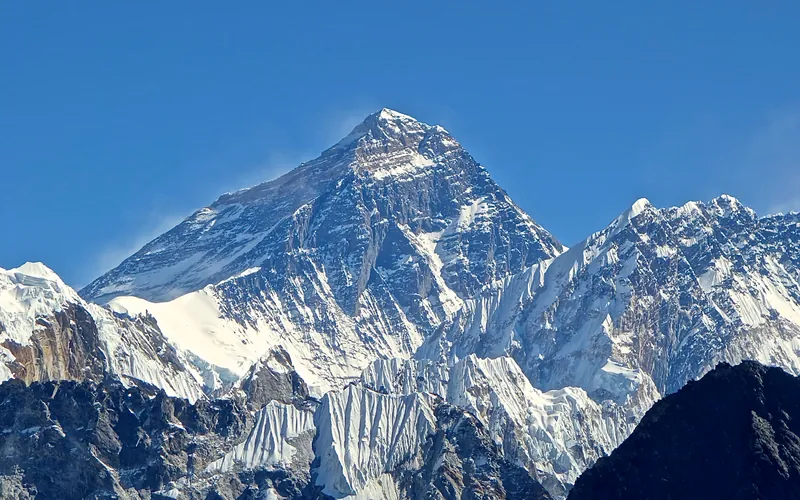
South Col & Southeast Ridge (Normal Route)
The South Col Route along the Southeast Ridge is the historic path of the 1953 first ascent and the most popular route on Mount Everest. Starting from Base Camp on the Khumbu Glacier in Nepal, climbers navigate the shifting seracs of the Khumbu Icefall into the Western Cwm. The route then scales the icy 45-degree slope of the Lhotse Face to the South Col at 7,925 meters, launching the final summit bid through the Balcony, South Summit, and Hillary Step to the summit of Earth at 8,848.86 meters.
Target Objective Peak
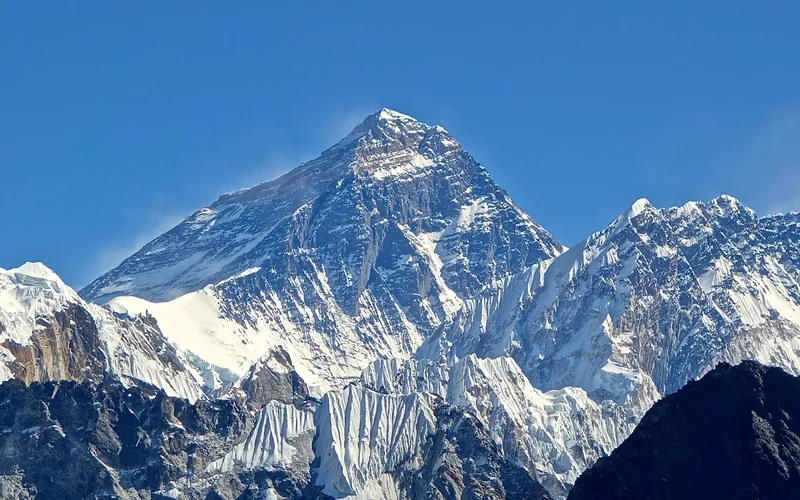


Mount Everest
Mount Everest is the highest mountain above sea level on Earth, standing at an official elevation of 8,848.86 meters (29,031.7 ft). Straddling the international frontier between Nepal and China, it is known locally as Sagarmatha in Nepali ('Goddess of the Sky') and Chomolungma in Tibetan ('Mother Goddess of the World'). The peak rises into the extreme upper troposphere, where oxygen levels drop to barely one-third of sea-level pressure. Climbers face hurricane-force jet stream winds, severe frostbite conditions, shifting ice crevasses in the Khumbu Icefall, and the dangerous Death Zone above 8,000 meters.
Featured Expedition Climber
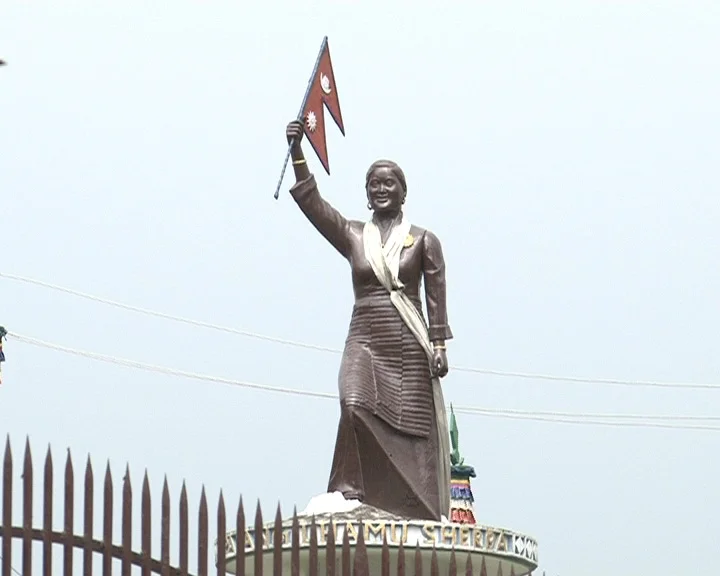
Pasang Lhamu Sherpa
Pasang Lhamu Sherpa was born on December 10, 1961, in the village of Surke near Lukla in Nepal's Solukhumbu District. Born into a mountaineering family, she grew up watching male relatives embark on foreign expeditions while women were traditionally confined to domestic duties and high-altitude farming. Possessing fierce determination and visionary ambition, Pasang Lhamu resolved to prove that Nepalese women possessed the courage, endurance, and technical capability to summit the highest mountain on Earth. Her journey to the top of the world was marked by extraordinary resilience. Prior to 1993, she launched three separate determined bids on Mount Everest (in 1990, 1991, and 1992), reaching over 8,000 meters and the South Summit each time before being turned back by deteriorating weather, logistics failures, and lack of support from foreign teams. Undeterred by defeat, Pasang Lhamu organized and led the historic San Miguel Nepalese Women's Everest Expedition in the spring of 1993. On April 22, 1993, under clear blue skies, Pasang Lhamu Sherpa stepped onto the 8,848-meter summit of Mount Everest alongside Sonam Tshering Sherpa, Lhakpa Norbu Sherpa, Pemba Norbu Sherpa, and Dawa Tashi Sherpa, becoming the very first Nepali woman to stand on top of Sagarmatha. Tragically, during their descent from the summit, the team was engulfed by severe weather on the South Summit at 8,749 meters. Sonam Tshering fell gravely ill, and Pasang Lhamu refused to abandon her climbing partner. Enduring an emergency bivouac without shelter or sufficient oxygen in the brutal Death Zone, both climbers perished before rescuers could reach them. Pasang Lhamu's heroic breakthrough electrified the nation. The Government of Nepal conferred upon her the posthumous title of Rastriya Bibhuti ('National Hero of Nepal'), the Order of the Star of Nepal, and renamed the 7,351-meter peak Jasamba Himal as Pasang Lhamu Peak, forever cementing her as the mother of modern female alpinism in the Himalayas.
Associated Historical Chronicles & Stories
Sagarmatha's Daughter: Pasang Lhamu Sherpa's Historic Everest Breakthrough
On April 22, 1993, Pasang Lhamu Sherpa shattered patriarchal boundaries to become the first Nepali woman to stand on the summit of Mount Everest.
Documented Sources & Archival Citations
- Himalayan Database: 1993 Spring Everest Records(Elizabeth Hawley / Himalayan Database)
Supporting claim: Official verification of the April 22, 1993 summit ascent by Pasang Lhamu Sherpa
Accessed/Documented: 2024 - Pasang: In the Shadow of Everest(Sharon Wood / Mountainfilm Archive)
Supporting claim: Documentary record and archival history of the 1993 Nepalese Women's Everest Expedition
Accessed/Documented: 2022