2023 Gelje Sherpa: Miraculous Everest Death Zone Rescue at 8,500m
On May 18, 2023, while guiding a private client toward the summit of Mount Everest, Gelje Sherpa spotted a dying Malaysian climber shivering alone at 8,500 metres in the Death Zone; abandoning his client's summit bid, Gelje bundled the climber into a mat and hauled him down to safety.
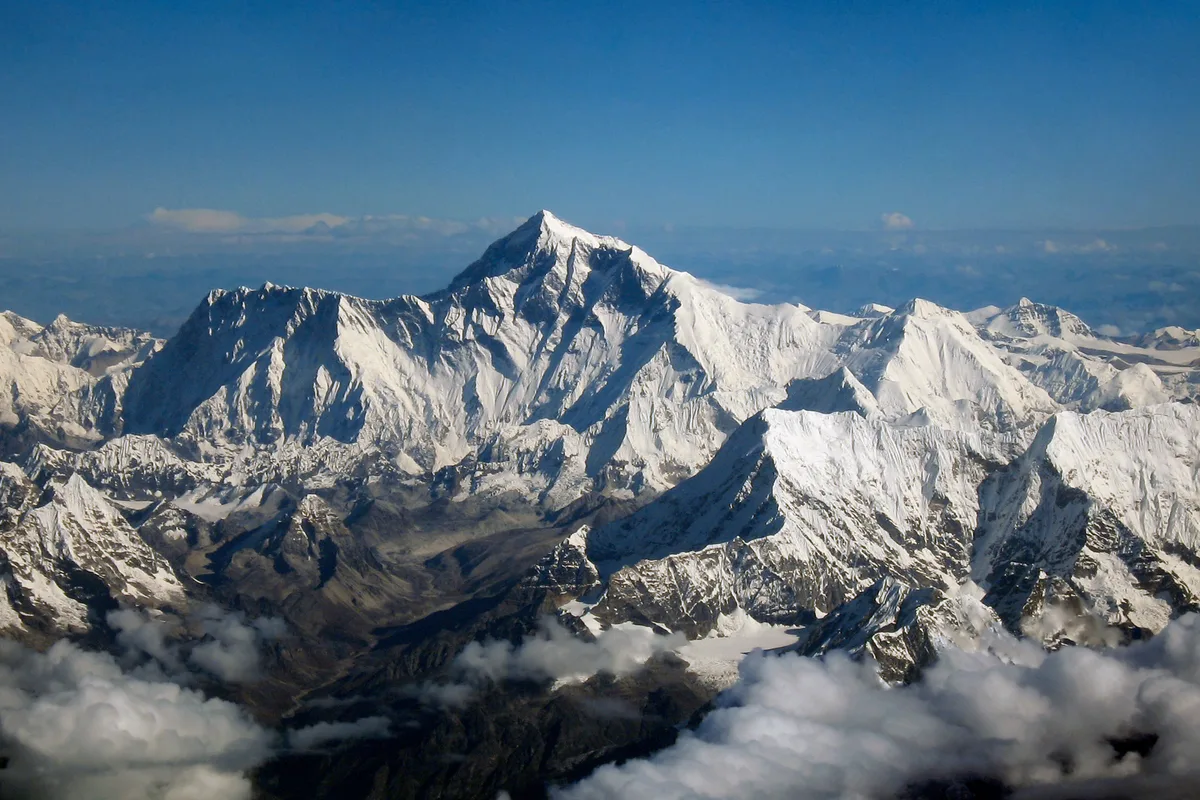
Mountain Safety & Conditions Disclaimer: High-altitude climbing, glacial travel, and technical ascents entail severe objective risks including avalanches, serac collapses, rapid weather collapse, and altitude illness. Historical route descriptions and summit claims on Mountanity reflect documented archival sources and must not be used as live operational safety assessments. Local regulations, permits, and physical glacial topography change continuously.
Peer Review: Senior Editorial Board & Historical Reviewers • Editorial Standards
Official Expedition Narrative & Archival Record
On the night of May 18, 2023, elite mountain guide Gelje Sherpa was accompanying a private Chinese client toward the summit of Mount Everest via the South Col route. As dawn broke near the Balcony at 8,500 metres—deep inside the lethal Death Zone—Gelje noticed a figure huddled in the snow, clutching a guide rope and trembling violently with advanced hypothermia. Recognizing that the Malaysian climber would perish within hours, Gelje convinced his paying client to forfeit the summit push. Wrapping the incapacitated climber inside a foam sleeping mat and securing him with climbing webbing, Gelje hoisted the adult man onto his back. For over six grueling hours, Gelje carried the frozen climber solo across the exposed ice slopes of the Balcony down to the South Col at 7,906 metres. Joined there by fellow guide Nima Tashi Sherpa, they dragged the survivor on a makeshift sledge down the treacherous Lhotse Face to Camp 3, where a long-line helicopter evacuation plucked him to safety, completing one of the most heroic humanitarian rescues in mountaineering history.
Documented Team Composition
- Gelje Sherpa (Hero Guide & Rescuer, Nepal)
- Nima Tashi Sherpa (Assisting Guide, Nepal)
- Malaysian Solo Climber (Rescued Patient)
Key Statistics & Topographic Figures
- Rescue Altitude
- 8,500 metres (The Balcony)
- Rescue Date
- May 18, 2023
- Rescuer
- Gelje Sherpa ('Mountain Tiger')
- Solo Haul Duration
- Over 6 Continuous Hours
- Evacuation Point
- Camp 3 to Hospital via Long-Line Helicopter
Archival Primary Source Quotations
“Saving a life is much more important than reaching the summit of any mountain.”
Defined Alpine Terminology & Concepts
- The Balcony
- A small rocky platform at 8,500 metres along Everest's Southeast Ridge where climbers change oxygen cylinders before the South Summit.
- Long-Line Rescue
- A helicopter rescue technique where a human cargo harness is suspended on a cable to extract patients from high alpine faces.
Frequently Asked Questions: 2023 Gelje Sherpa: Miraculous Everest Death Zone Rescue at 8,500m
Who did Gelje Sherpa rescue from the Everest Death Zone in May 2023?
Gelje Sherpa rescued an incapacitated, hypothermic Malaysian climber stranded at 8,500 metres near the Balcony in the Everest Death Zone on May 18, 2023.
How did Gelje Sherpa transport the dying climber down Mount Everest?
Gelje bundled the climber in a sleeping mat, strapped him to his back, and carried him solo for six hours through deep snow from 8,500 m down to Camp 4 at the South Col.
Why was Gelje Sherpa's Everest rescue hailed globally as extraordinary?
Rescues above 8,000 metres are virtually impossible; Gelje sacrificed his client's summit bid and risked his own life to perform a rare solo descent with an adult on his back.
Ascent Route & Topography
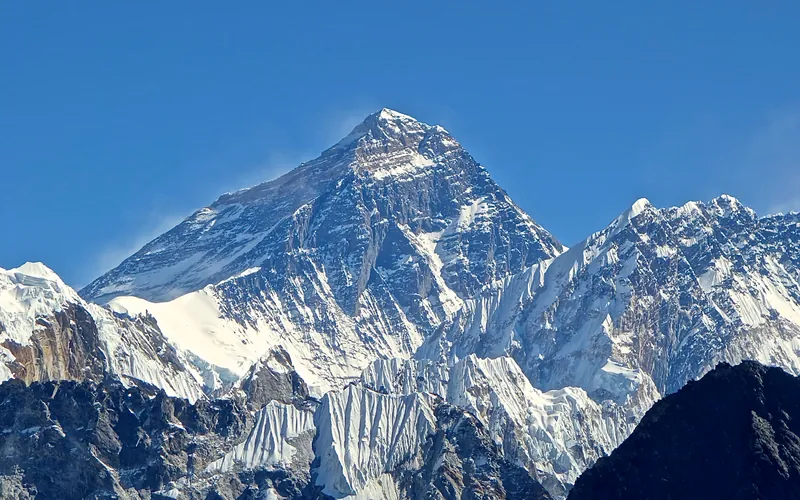
South Col & Southeast Ridge (Normal Route)
The South Col Route along the Southeast Ridge is the historic path of the 1953 first ascent and the most popular route on Mount Everest. Starting from Base Camp on the Khumbu Glacier in Nepal, climbers navigate the shifting seracs of the Khumbu Icefall into the Western Cwm. The route then scales the icy 45-degree slope of the Lhotse Face to the South Col at 7,925 meters, launching the final summit bid through the Balcony, South Summit, and Hillary Step to the summit of Earth at 8,848.86 meters.
Target Objective Peak



Mount Everest
Mount Everest is the highest mountain above sea level on Earth, standing at an official elevation of 8,848.86 meters (29,031.7 ft). Straddling the international frontier between Nepal and China, it is known locally as Sagarmatha in Nepali ('Goddess of the Sky') and Chomolungma in Tibetan ('Mother Goddess of the World'). The peak rises into the extreme upper troposphere, where oxygen levels drop to barely one-third of sea-level pressure. Climbers face hurricane-force jet stream winds, severe frostbite conditions, shifting ice crevasses in the Khumbu Icefall, and the dangerous Death Zone above 8,000 meters.
Featured Expedition Climber
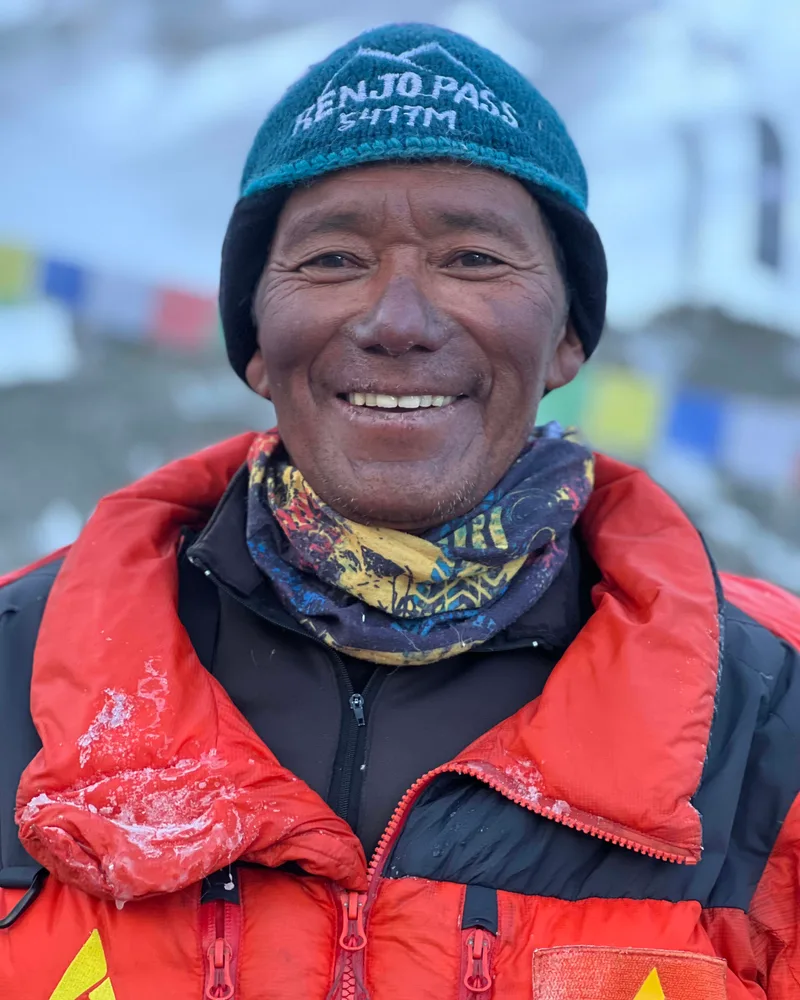
Gelje Sherpa
Known across the Himalayas as the 'Mountain Tiger', Gelje Sherpa embodies the pinnacle of physical strength, high-altitude endurance, and humanitarian heroism. Serving as a frontline climber on Nirmal Purja's elite team, Gelje participated in multiple speed ascents across the 8,000-metre peaks of Pakistan, Nepal, and Tibet. On January 16, 2021, Gelje pushed through hurricane-force winds to reach the summit of K2 in winter, completing the team that broke mountaineering's greatest barrier. In May 2023, while guiding a private client on Everest, Gelje encountered a Malaysian climber shivering in the snow, abandoned and near death at 8,500 metres on the Balcony. Putting human life above all summit ambitions, Gelje wrapped the hypothermic climber in a sleeping mat, hoisted him onto his back, and carried him solo for six hours through deep snow to Camp 4, pulling off one of the rarest successful rescues in Everest history.
Associated Historical Chronicles & Stories
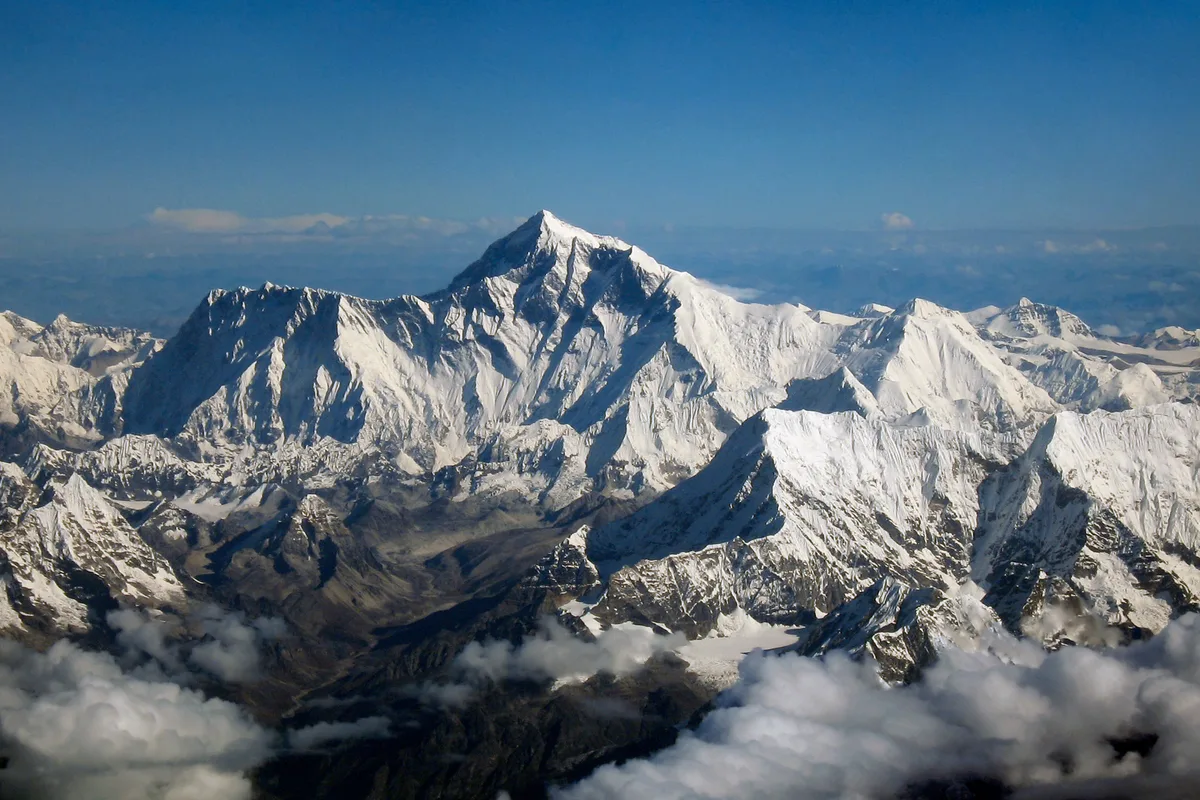
Angel of the Balcony: Gelje Sherpa's Miracle Rescue at 8,500 Metres
In the Death Zone above 8,000 metres on Mount Everest, an unwritten code often prevails: at that extreme altitude, every climber is on their own, and rescues ar...
Documented Sources & Archival Citations
- Sherpa Carries Dying Climber Down Everest in Heroic Rescue(BBC News / Reuters)
Supporting claim: Global journalistic documentation and official verification of the 8,500m rescue
Accessed/Documented: 2023