
Lhakpa Sherpa
Lhakpa Sherpa (born 1973) is a world-renowned Nepalese mountaineer who holds the undisputed world record for the most successful summits of Mount Everest by any woman in history. On May 18, 2000, she made history as the first Nepali woman to summit Everest and descend alive. By May 2022, she stood atop the world for a monumental tenth time, simultaneously summiting K2 in Pakistan.
Mountain Safety & Conditions Disclaimer: High-altitude climbing, glacial travel, and technical ascents entail severe objective risks including avalanches, serac collapses, rapid weather collapse, and altitude illness. Historical route descriptions and summit claims on Mountanity reflect documented archival sources and must not be used as live operational safety assessments. Local regulations, permits, and physical glacial topography change continuously.
Peer Review: Senior Editorial Board & Historical Reviewers • Editorial Standards
Biographical Record & Archival Chronicle
Lhakpa Sherpa was born in 1973 in Balakharka, a remote village in the Makalu region of eastern Nepal. One of eleven children in a traditional Sherpa family, she was denied a formal education due to her gender, instead working as a young shepherd in the high alpine pastures. Determined to climb like her brothers, she concealed her hair under a wool cap and began working as an expedition porter at age fifteen, hauling heavy loads through the Makalu and Everest valleys.
In the spring of 2000, Lhakpa served as expedition leader for the historic all-Nepali Millennium Women's Everest Expedition. On May 18, 2000, ascending via the Southeast Ridge from Nepal, Lhakpa reached the 8,848-meter summit alongside her brother Mingma Babu Sherpa. By doing so, she became the first Nepali woman in history to stand on the summit of Mount Everest and successfully descend alive, permanently breaking the tragic precedent that followed Pasang Lhamu Sherpa's death in 1993.
Over the next two decades, Lhakpa accomplished a feat unmatched by any female climber on Earth. Relocating to the United States as an immigrant single mother and working modest hourly jobs, she quietly funded her own expeditions back to the Himalayas nearly every spring. Climbing primarily via the demanding North Col route from Tibet without fanfare, sponsorships, or lavish support, Lhakpa amassed summit after summit. On May 12, 2022, she reached the top of Everest for a historic tenth time, setting the Guinness World Record for the most Everest summits by a female climber. Just months later, in July 2022, she achieved another supreme mountaineering milestone by summiting K2 (8,611m) in Pakistan. Lhakpa Sherpa stands as one of the greatest endurance figures in modern athletic history, chronicled in the acclaimed global documentary Mountain Queen: The Summits of Lhakpa Sherpa.
Notable Milestones & Ascents
- Holds the Guinness World Record for the most ascents of Mount Everest by a woman with ten successful summits as of 2022
- Became the first Nepali woman to summit Mount Everest and return alive on May 18, 2000
- Completed nine successful ascents of Everest from the technical Tibetan North Face route and one from the Nepalese South Face
- Successfully summitted K2 (8,611m) in the Karakoram of Pakistan in July 2022
- Summited Mount Everest eight months after giving birth to her first child and while two months pregnant with her second
- Featured as the subject of the critically acclaimed 2023 documentary film Mountain Queen: The Summits of Lhakpa Sherpa
Key Statistics & Topographic Figures
- Archive Classification
- MOUNTAINEERS
Mountanity Knowledge Corpus
- Verification Status
- Editorially Verified
Archival Standards
- Citation Standard
- Primary Source Verified
Alpine Research Desk
Archival Primary Source Quotations
“Great things are done when men and mountains meet; this is not done by jostling in the street.”
Defined Alpine Terminology & Concepts
- Archival Integrity
- The standard of verifying historical mountain facts, summit claims, and altitudes using primary expeditions journals and geodetic measurements.
Frequently Asked Questions: Lhakpa Sherpa
What historical significance does this mountaineer hold?
Lhakpa Sherpa represents an essential chapter in global mountaineering heritage, verified through contemporary expedition journals and archival sources.
How are the facts and records for Lhakpa Sherpa verified?
All records are checked against peer-reviewed journals, national alpine clubs, geodetic surveys, and the Mountanity Archival Integrity Policy.
Associated Summits (2)
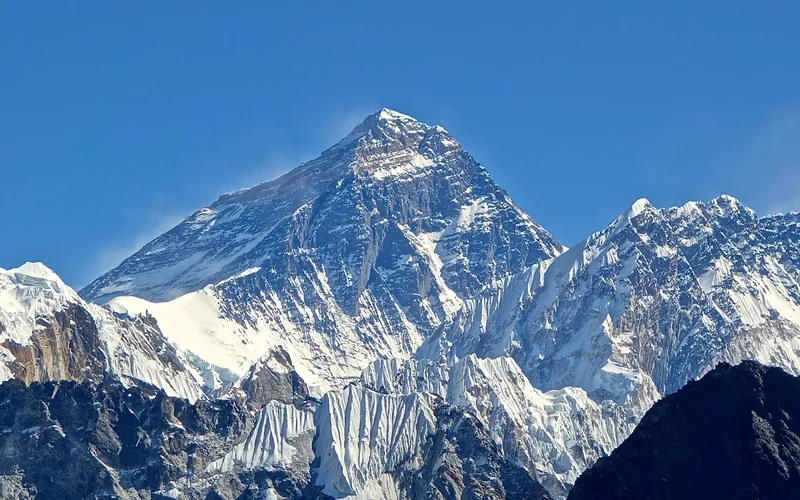


Mount Everest
Mount Everest is the highest mountain above sea level on Earth, standing at an official elevation of 8,848.86 meters (29,031.7 ft). Straddling the international frontier between Nepal and China, it is known locally as Sagarmatha in Nepali ('Goddess of the Sky') and Chomolungma in Tibetan ('Mother Goddess of the World'). The peak rises into the extreme upper troposphere, where oxygen levels drop to barely one-third of sea-level pressure. Climbers face hurricane-force jet stream winds, severe frostbite conditions, shifting ice crevasses in the Khumbu Icefall, and the dangerous Death Zone above 8,000 meters.
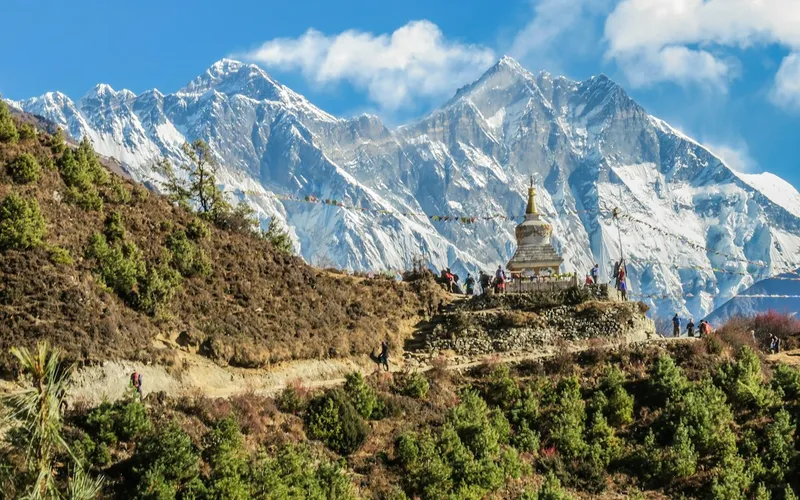

K2
K2, at 8,611 meters (28,251 ft), is the second-highest mountain on Earth and widely regarded as the most technically demanding and lethal 8,000-meter peak. Located in the heart of the Karakoram on the border between Pakistan and China, K2 is characterized by sheer relief, severe weather anomalies, and persistent objective hazards including the notorious Bottleneck couloir.
Pioneered & Associated Routes (8)
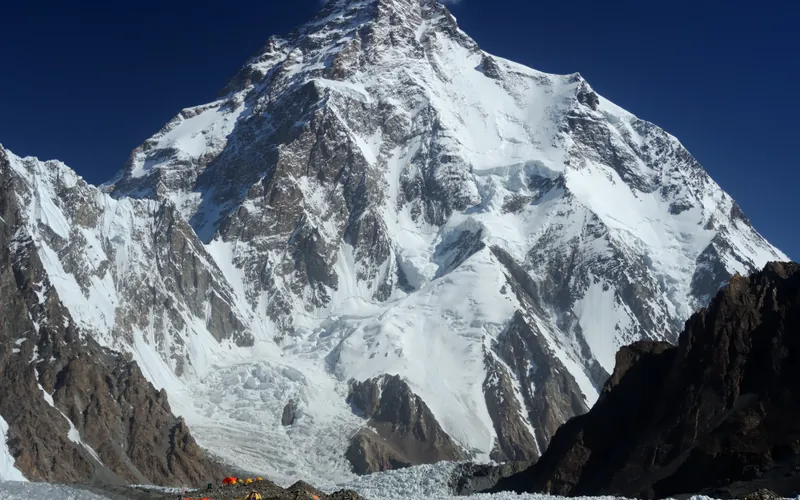
Abruzzi Spur (Southeast Ridge)
The Abruzzi Spur is the most famous and frequently climbed route on K2, tracing the mountain's steep southeast ridge from the Godwin-Austen Glacier to the summit. First explored in 1909 by Prince Luigi Amedeo, Duke of the Abruzzi, it was successfully climbed to the summit in 1954 by an Italian team. The route requires extreme physical endurance and high-grade technical climbing on rock, ice, and mixed terrain through legendary cruxes like House's Chimney, the Black Pyramid, and the Bottleneck couloir.
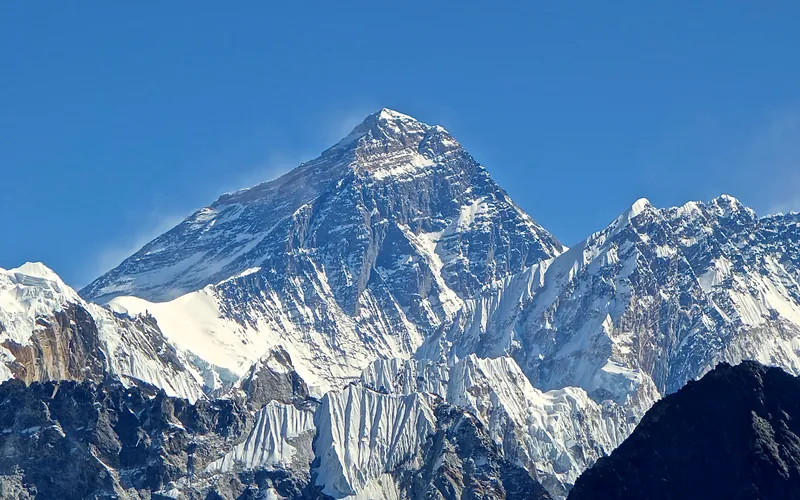
Mount Everest North Face (Hornbein Couloir Direct)
The North Face of Mount Everest via the Japanese Couloir and the sheer Hornbein Couloir is one of the most direct and formidable ice lines in the Himalayas. Rising 3,000 vertical meters from the Rongbuk Glacier to the summit, it funnels through a narrow 60-degree snow-and-ice cleft slicing straight through the Yellow Band and upper limestone cliffs of the North Face. In August 1986, Swiss alpinists Erhard Loretan and Jean Troillet executed one of the most audacious speed climbs in mountain history: climbing the entire face in a single 31-hour push at night without supplemental oxygen, tents, or fixed ropes. After summiting on August 30, they glissaded down the 3,000-meter face on their backs and buttocks in just 3.5 hours, completing the entire round trip in an astonishing 43 hours.
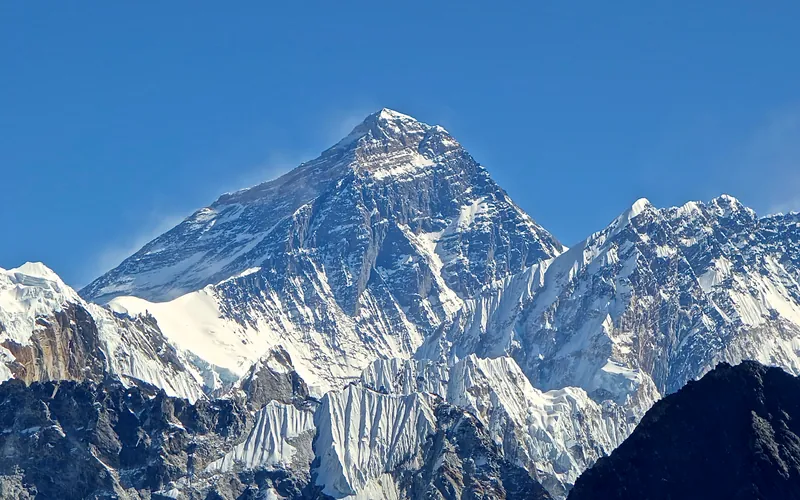
North Col & Northeast Ridge Route
The historic northern route on Mount Everest (8,848.86m), ascending from the Rongbuk and East Rongbuk glaciers to breach the icy wall of the North Col (7,020m). From the col, the route traverses the wind-blasted Northwest Ridge onto the North Face before joining the razor-like Northeast Ridge, navigating the notorious First, Second, and Third Steps in the Death Zone. This was the stage of George Mallory and Andrew Irvine's fateful 1924 climb and was first definitively surmounted on May 25, 1960, by Chinese climbers Wang Fuzhou, Qu Yinhua, and Gongbu.
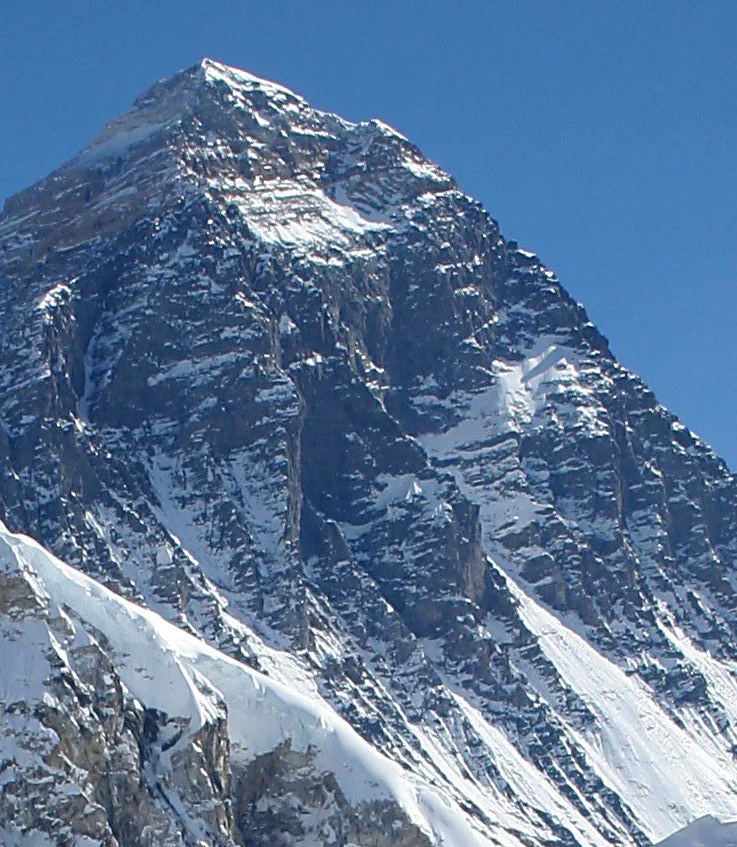
Mount Everest Southwest Face (Bonington Route)
The Southwest Face of Mount Everest (8,848.86m) rises 2,300 vertical meters from the Western Cwm to the summit, presenting one of the largest and most forbidding rock and ice faces in the world. Dominated by the vertical 300-meter 'Rock Band' at 8,200–8,500 meters, the face repelled six international attempts between 1969 and 1974. In autumn 1975, a legendary British expedition led by Chris Bonington breached the face when Paul Braithwaite and Nick Estcourt unlocked the key ramp through the Rock Band. On September 24, 1975, Doug Scott and Dougal Haston climbed to the South Summit and pushed on to the main summit, becoming the first Britons to conquer Everest. Trapped by nightfall during their descent, they survived an epic open bivouac at 8,760 meters without oxygen, sleeping bags, or frostbite.
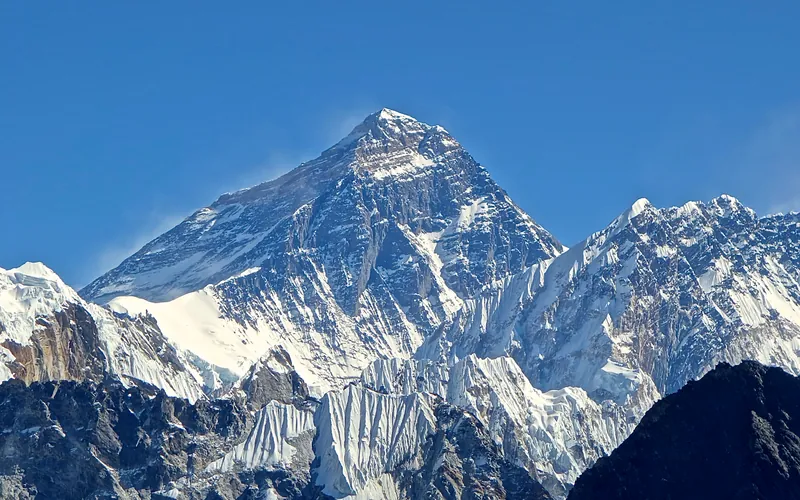
Mount Everest Complete West Ridge (Yugoslav Direct)
The Complete West Ridge of Mount Everest is one of the most formidable and sustained technical routes on the mountain. Pioneered in spring 1979 by an elite Yugoslav expedition led by Tone Škarja, the route tackles the integral knife-edge crest directly from the Lho La col (6,026m) all the way to the 8,848.86m summit. Unlike the 1963 American West Ridge route which diverted into the Hornbein Couloir from the North Face, the Yugoslav line stayed strictly along the razor-edge crest of the West Ridge, surmounting technical rock buttresses up to Grade V+ at extreme altitude before traversing around the Yellow Band. On May 13, 1979, Andrej Štremfelj and Nejc Zaplotnik achieved the first ascent of the complete ridge, followed two days later by Stane Belak, Marjan Manfreda, and Ang Phu Sherpa in one of the greatest feats in Himalayan history.
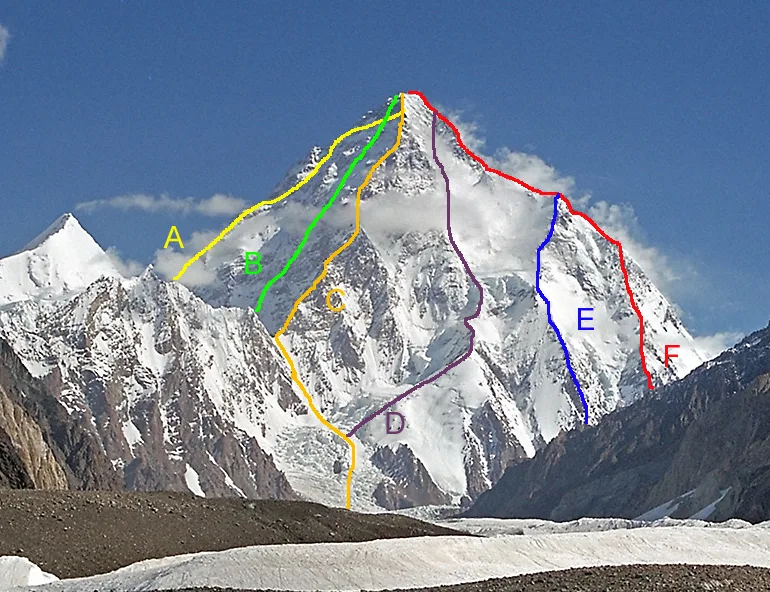
K2 South Face (The Polish Line)
The Polish Line on the South Face of K2 (8,611m) is widely regarded as one of the most perilous and audacious routes ever climbed in high-altitude mountaineering history. Tackling the direct 3,200-meter wall between the Abruzzi Spur and the Magic Line (South-Southwest Pillar), the route ascends through a chaotic labyrinth of hanging seracs, avalanche funnels, and vertical rock bands. Pioneered in alpine style over five harrowing days in July 1986 by Jerzy Kukuczka and Tadeusz Piotrowski without supplemental oxygen, Reinhold Messner famously dubbed it 'suicidal'. Kukuczka and Piotrowski reached the summit on July 8, but tragedy struck during their desperate descent via the Abruzzi Spur when Piotrowski lost both crampons and plunged to his death. To this day, the Polish Line remains unrepeated.
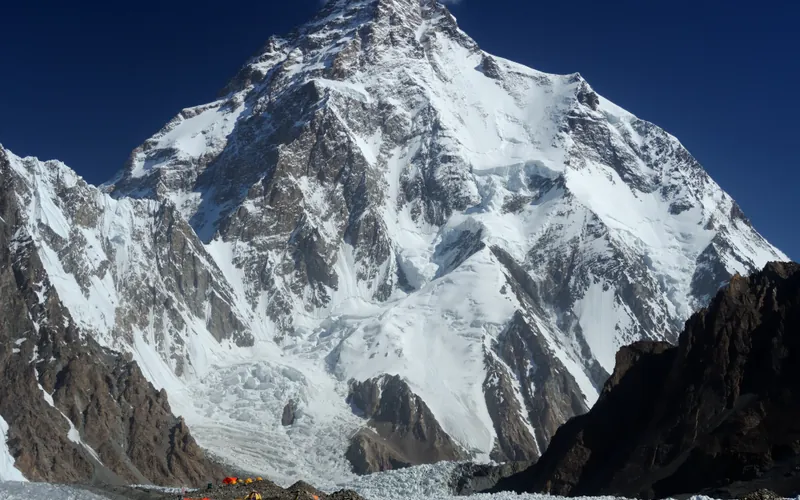
West Ridge (Japanese Route)
The West Ridge of K2 is one of the most formidable and sustained technical lines in high-altitude mountaineering. Pioneered in August 1981 by a joint Japanese-Pakistani expedition, it ascends directly from the Savoia Glacier along the exposed western crest before negotiating the severe Southwest Face directly into the Death Zone. Demanding immense commitment, it was first completed by Pakistani mountaineer Nazir Sabir and Japanese climber Eiho Ohtani after an epic bivouac near 8,500 meters.
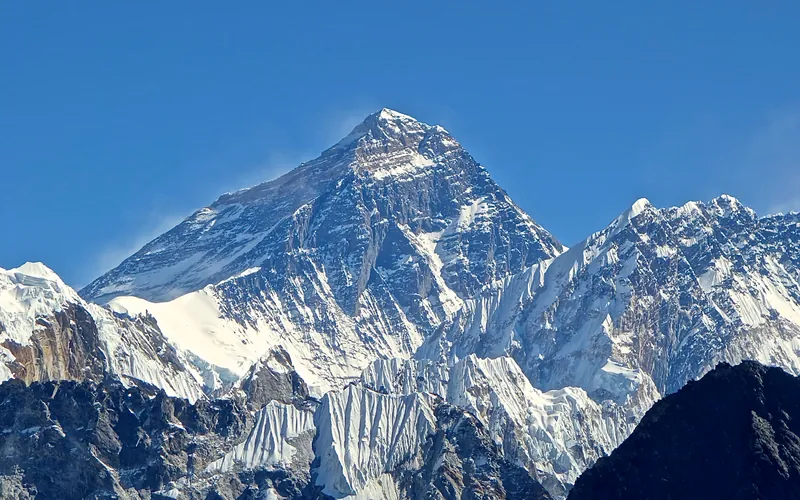
South Col & Southeast Ridge (Normal Route)
The South Col Route along the Southeast Ridge is the historic path of the 1953 first ascent and the most popular route on Mount Everest. Starting from Base Camp on the Khumbu Glacier in Nepal, climbers navigate the shifting seracs of the Khumbu Icefall into the Western Cwm. The route then scales the icy 45-degree slope of the Lhotse Face to the South Col at 7,925 meters, launching the final summit bid through the Balcony, South Summit, and Hillary Step to the summit of Earth at 8,848.86 meters.
Documented Expeditions (1)
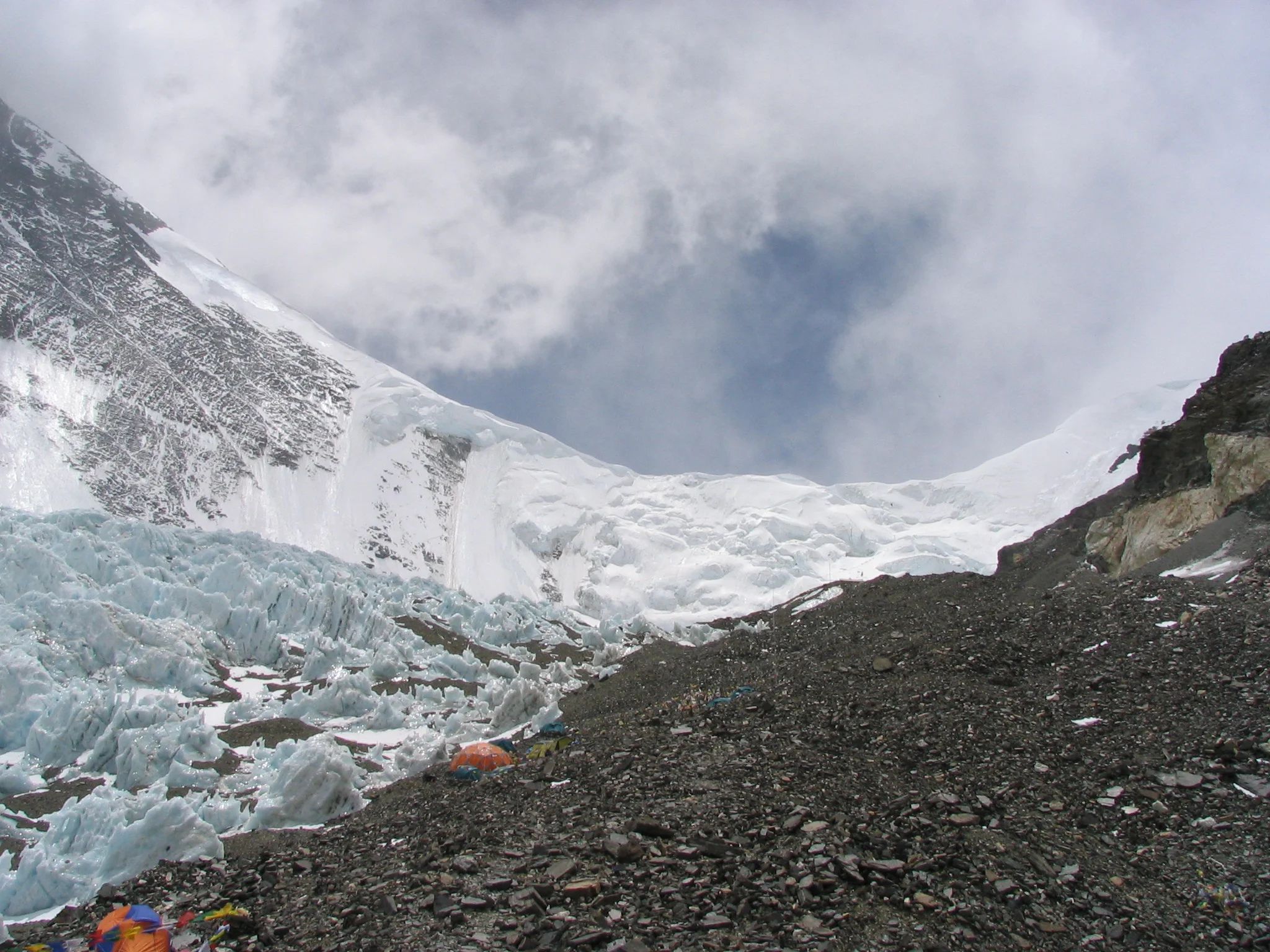
2000 Millennium Nepalese Women's Mount Everest Expedition
On May 18, 2000, Lhakpa Sherpa made history by reaching the summit of Mount Everest (8,848m) via the South Col and successfully descending alive, becoming the first Nepali woman in human history to complete a successful return from the summit.
Associated Chronicles & Stories (1)
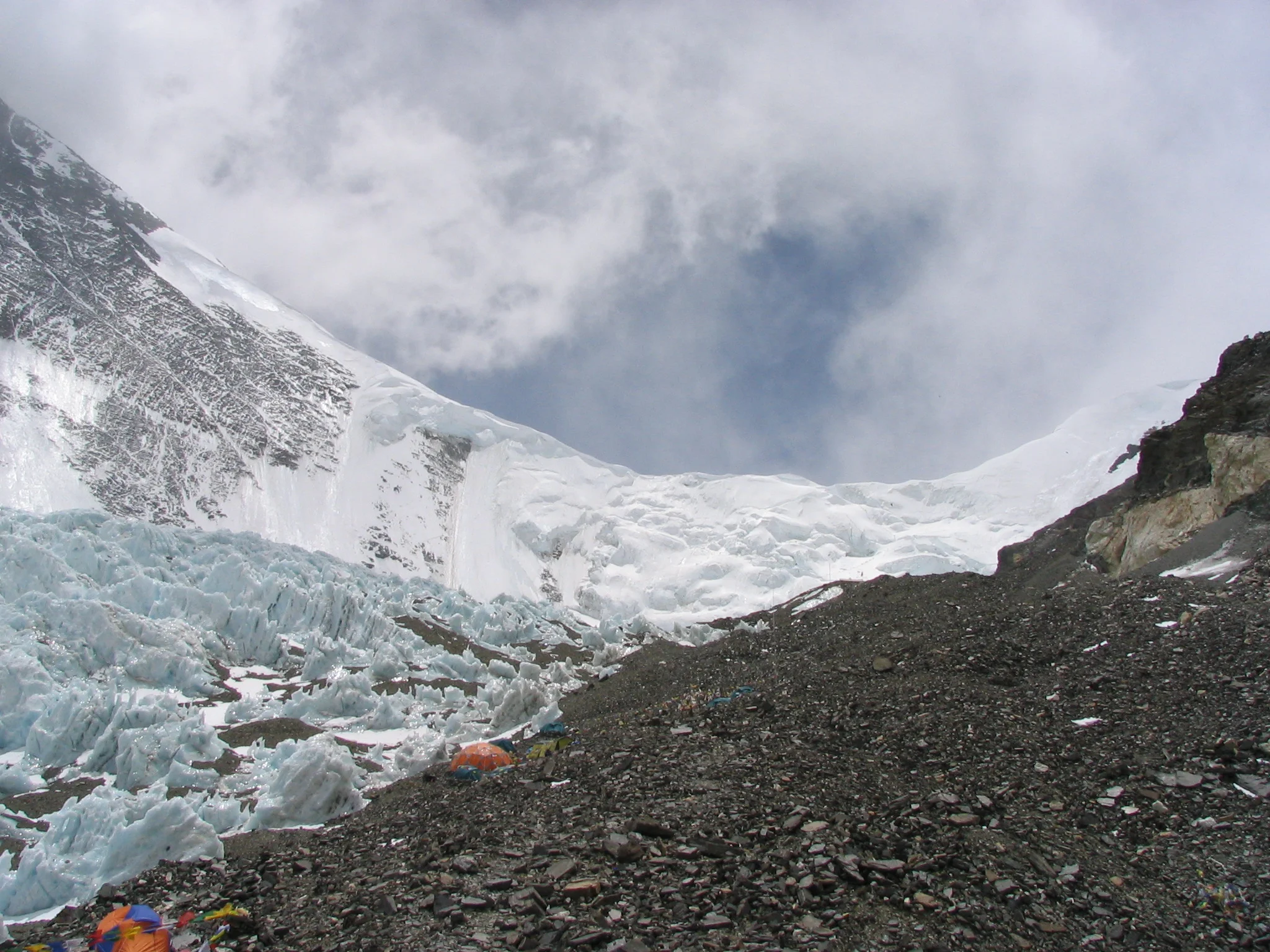
The Mountain Queen: Lhakpa Sherpa's Historic Return from the Summit
On May 18, 2000, Lhakpa Sherpa broke history's darkest shadow, becoming the first Nepali woman to summit Mount Everest and return alive.
Documented Sources & Archival Citations
- Himalayan Database: Lhakpa Sherpa Official Summit Record(Elizabeth Hawley / Himalayan Database)
Supporting claim: Official verification of ten successful Mount Everest summits and K2 ascent
Accessed/Documented: 2024 - Guinness World Records: Most Everest Summits by a Woman(Guinness World Records)
Supporting claim: Certified world record entry for ten Mount Everest ascents by a female climber
Accessed/Documented: 2022