2000 Millennium Nepalese Women's Mount Everest Expedition
On May 18, 2000, Lhakpa Sherpa made history by reaching the summit of Mount Everest (8,848m) via the South Col and successfully descending alive, becoming the first Nepali woman in human history to complete a successful return from the summit.
Mountain Safety & Conditions Disclaimer: High-altitude climbing, glacial travel, and technical ascents entail severe objective risks including avalanches, serac collapses, rapid weather collapse, and altitude illness. Historical route descriptions and summit claims on Mountanity reflect documented archival sources and must not be used as live operational safety assessments. Local regulations, permits, and physical glacial topography change continuously.
Peer Review: Senior Editorial Board & Historical Reviewers • Editorial Standards
Official Expedition Narrative & Archival Record
In the spring of 2000, the historic Millennium Nepalese Women's Mount Everest Expedition arrived in the Khumbu, organized and led by 26-year-old Lhakpa Sherpa. Seven years after Pasang Lhamu Sherpa's tragic demise in 1993, no Nepali woman had successfully summitted Everest and returned alive. Confronting institutional skepticism, funding shortages, and dangerous ice conditions in the Khumbu Icefall, Lhakpa led her team with relentless grit. Establishing Camp IV at the South Col (7,920m), Lhakpa teamed up with her brother Mingma Babu Sherpa for the summit assault on May 17. Navigating the treacherous Balcony, South Summit, and the vertical rock step of the Hillary Step through bitter cold, Lhakpa stepped onto the summit of Mount Everest on May 18, 2000. Maintaining disciplined focus during the notoriously lethal descent, she safely guided her team back down through Camp IV and the Icefall to Base Camp, achieving the first complete, safe summit-and-descent expedition by a Nepali woman in history. This breakthrough launched Lhakpa's legendary career, which would eventually yield a world-record ten summits of Everest.
Documented Team Composition
- Lhakpa Sherpa (Expedition Leader & Summiteer)
- Mingma Babu Sherpa (Lead Climbing Partner & Summiteer)
- Dawa Sherpa (Climbing Guide)
Key Statistics & Topographic Figures
- Official Outcome
- Historic First Ascent and Successful Descent of Mount Everest by a Nepali Woman
Expedition Status
- Summit Date
- 2000-05-18
Ascent Timestamp
- Target Objective
- mount-everest
Mountain Peak
- Ascent Route
- south-col-route
Climbing Path
- Team Size
- 3 Climbers
High-Altitude Team
- Region / Country
- Nepal (Khumbu / Solukhumbu)
Geography
Archival Primary Source Quotations
“In the spring of 2000, the historic Millennium Nepalese Women's Mount Everest Expedition arrived in the Khumbu, organized and led by 26-year-old Lhakpa Sherpa. Seven years after Pa...”
Defined Alpine Terminology & Concepts
- Alpine Expedition
- A planned, self-contained high-altitude mountaineering undertaking operating in remote mountain terrain subject to extreme objective hazards.
- Death Zone
- The high-altitude region above 8,000 meters where atmospheric oxygen pressure is inadequate for sustained human survival.
Frequently Asked Questions: 2000 Millennium Nepalese Women's Mount Everest Expedition
What was the primary outcome and achievement of the 2000 Millennium Nepalese Women's Mount Everest Expedition?
Historic First Ascent and Successful Descent of Mount Everest by a Nepali Woman. On May 18, 2000, Lhakpa Sherpa made history by reaching the summit of Mount Everest (8,848m) via the South Col and successfully descending alive, becoming the first Nepali woman in human history to complete a successful return from the summit.
When did the 2000 Millennium Nepalese Women's Mount Everest Expedition reach the summit?
The expedition officially reached the summit on 2000-05-18, operating between 2000-04-05 and 2000-05-25.
Who were the documented climbing team members on the 2000 Millennium Nepalese Women's Mount Everest Expedition?
The documented climbing roster included: Lhakpa Sherpa (Expedition Leader & Summiteer), Mingma Babu Sherpa (Lead Climbing Partner & Summiteer), Dawa Sherpa (Climbing Guide).
What climbing route and mountain objective were tackled during the 2000 Millennium Nepalese Women's Mount Everest Expedition?
The expedition tackled mount-everest via the south-col-route in Nepal (Khumbu / Solukhumbu).
How are the records and summit claims of the 2000 Millennium Nepalese Women's Mount Everest Expedition verified?
Summit claims, route topography, and timeline logs for the 2000 Millennium Nepalese Women's Mount Everest Expedition are cross-referenced with official alpine registries, national mountaineering federations, and primary expedition journals.
Ascent Route & Topography
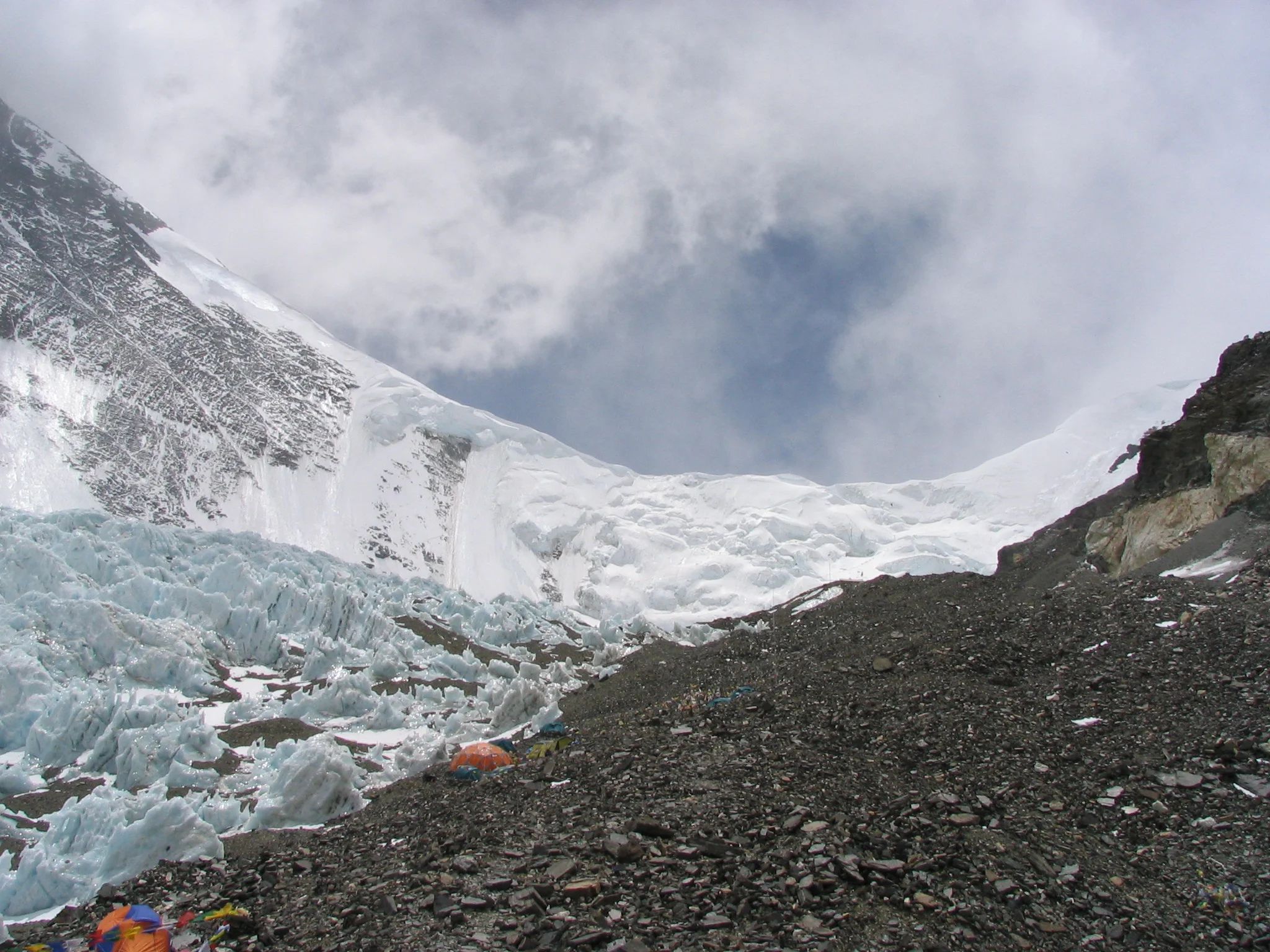
South Col & Southeast Ridge (Normal Route)
The South Col Route along the Southeast Ridge is the historic path of the 1953 first ascent and the most popular route on Mount Everest. Starting from Base Camp on the Khumbu Glacier in Nepal, climbers navigate the shifting seracs of the Khumbu Icefall into the Western Cwm. The route then scales the icy 45-degree slope of the Lhotse Face to the South Col at 7,925 meters, launching the final summit bid through the Balcony, South Summit, and Hillary Step to the summit of Earth at 8,848.86 meters.
Target Objective Peak
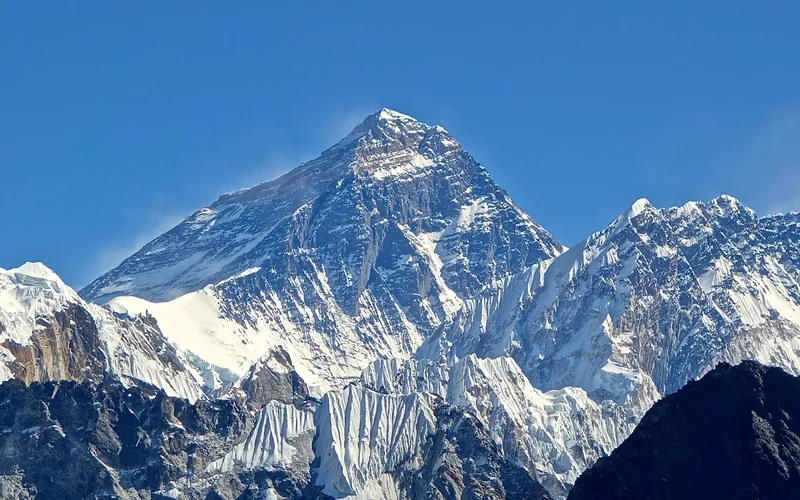


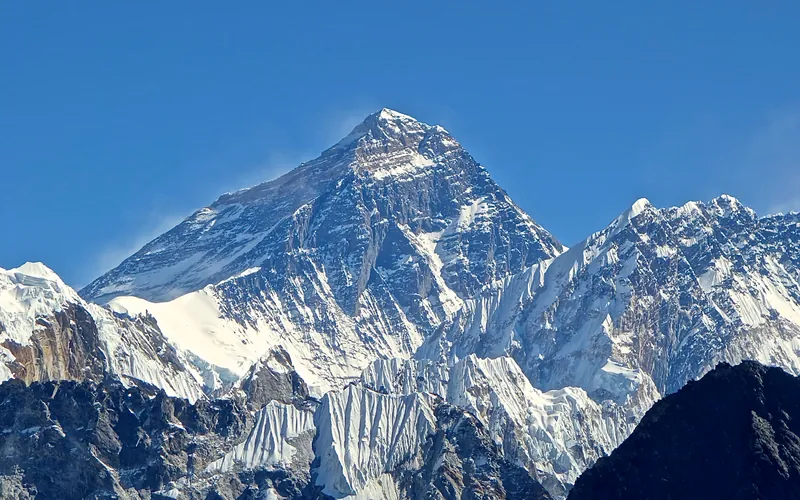
Mount Everest
Mount Everest is the highest mountain above sea level on Earth, standing at an official elevation of 8,848.86 meters (29,031.7 ft). Straddling the international frontier between Nepal and China, it is known locally as Sagarmatha in Nepali ('Goddess of the Sky') and Chomolungma in Tibetan ('Mother Goddess of the World'). The peak rises into the extreme upper troposphere, where oxygen levels drop to barely one-third of sea-level pressure. Climbers face hurricane-force jet stream winds, severe frostbite conditions, shifting ice crevasses in the Khumbu Icefall, and the dangerous Death Zone above 8,000 meters.
Featured Expedition Climber
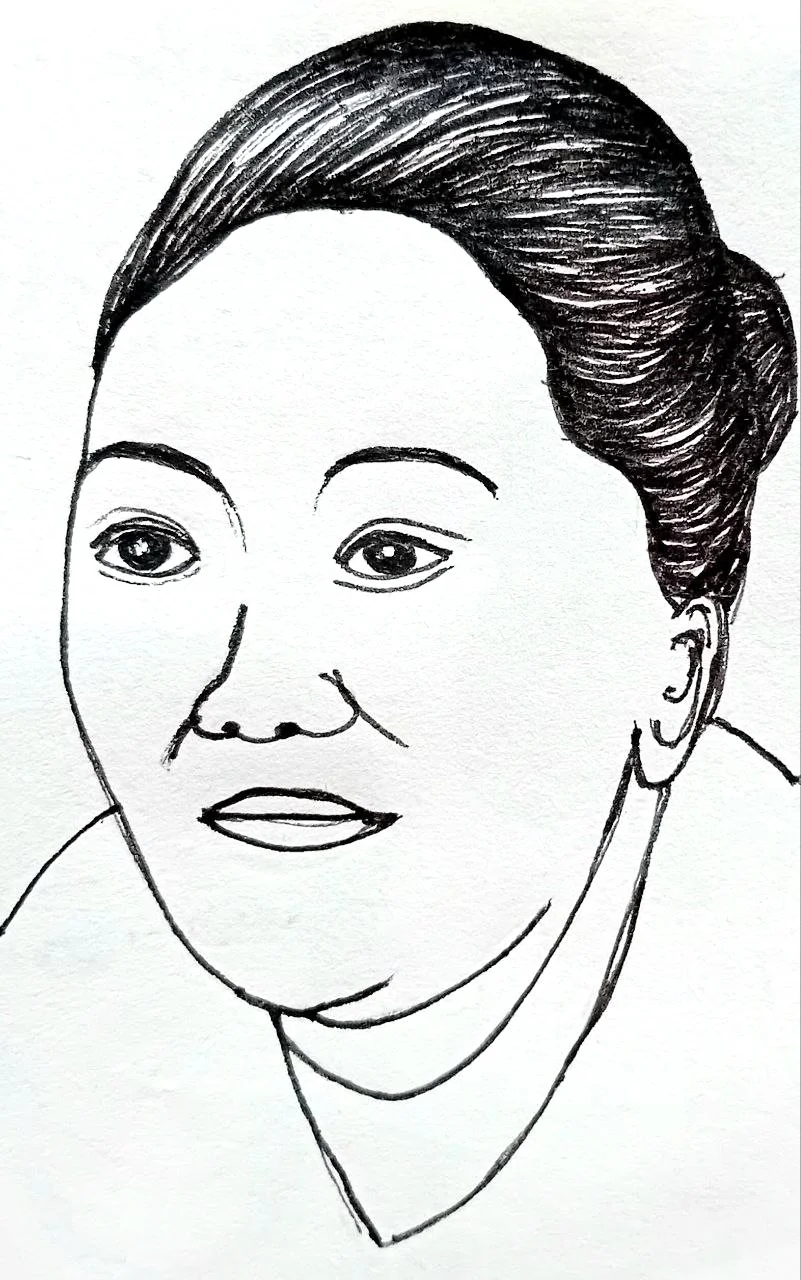
Lhakpa Sherpa
Lhakpa Sherpa was born in 1973 in Balakharka, a remote village in the Makalu region of eastern Nepal. One of eleven children in a traditional Sherpa family, she was denied a formal education due to her gender, instead working as a young shepherd in the high alpine pastures. Determined to climb like her brothers, she concealed her hair under a wool cap and began working as an expedition porter at age fifteen, hauling heavy loads through the Makalu and Everest valleys. In the spring of 2000, Lhakpa served as expedition leader for the historic all-Nepali Millennium Women's Everest Expedition. On May 18, 2000, ascending via the Southeast Ridge from Nepal, Lhakpa reached the 8,848-meter summit alongside her brother Mingma Babu Sherpa. By doing so, she became the first Nepali woman in history to stand on the summit of Mount Everest and successfully descend alive, permanently breaking the tragic precedent that followed Pasang Lhamu Sherpa's death in 1993. Over the next two decades, Lhakpa accomplished a feat unmatched by any female climber on Earth. Relocating to the United States as an immigrant single mother and working modest hourly jobs, she quietly funded her own expeditions back to the Himalayas nearly every spring. Climbing primarily via the demanding North Col route from Tibet without fanfare, sponsorships, or lavish support, Lhakpa amassed summit after summit. On May 12, 2022, she reached the top of Everest for a historic tenth time, setting the Guinness World Record for the most Everest summits by a female climber. Just months later, in July 2022, she achieved another supreme mountaineering milestone by summiting K2 (8,611m) in Pakistan. Lhakpa Sherpa stands as one of the greatest endurance figures in modern athletic history, chronicled in the acclaimed global documentary Mountain Queen: The Summits of Lhakpa Sherpa.
Associated Historical Chronicles & Stories
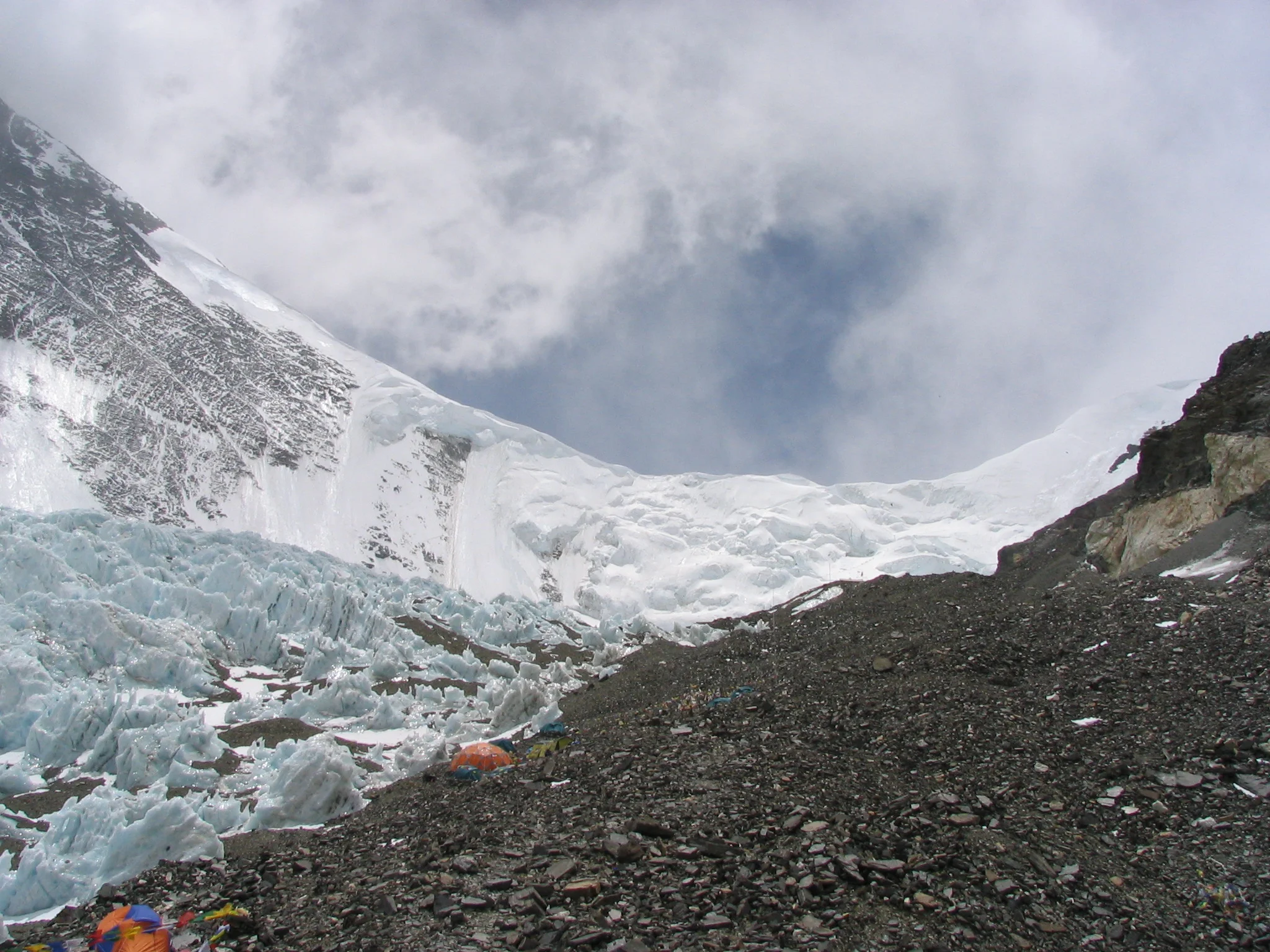
The Mountain Queen: Lhakpa Sherpa's Historic Return from the Summit
On May 18, 2000, Lhakpa Sherpa broke history's darkest shadow, becoming the first Nepali woman to summit Mount Everest and return alive.
Documented Sources & Archival Citations
- Himalayan Database: 2000 Millennium Women's Everest Expedition(Elizabeth Hawley / Himalayan Database)
Supporting claim: Official certification of the May 18, 2000 summit and safe return of Lhakpa Sherpa
Accessed/Documented: 2024 - Mountain Queen: The Summits of Lhakpa Sherpa(Lucy Walker / Netflix Feature Documentary)
Supporting claim: Documentary archival footage and eyewitness records of Lhakpa's 2000 breakthrough summit
Accessed/Documented: 2023