2011 Eco Everest Apa Sherpa 21st Summit Expedition
On May 11, 2011, legendary Nepalese mountaineer Apa Sherpa completed his world-record twenty-first summit of Mount Everest (8,848m) as climbing leader of the Eco Everest Expedition, dedicating his final climb to removing high-altitude waste and combating climate change.
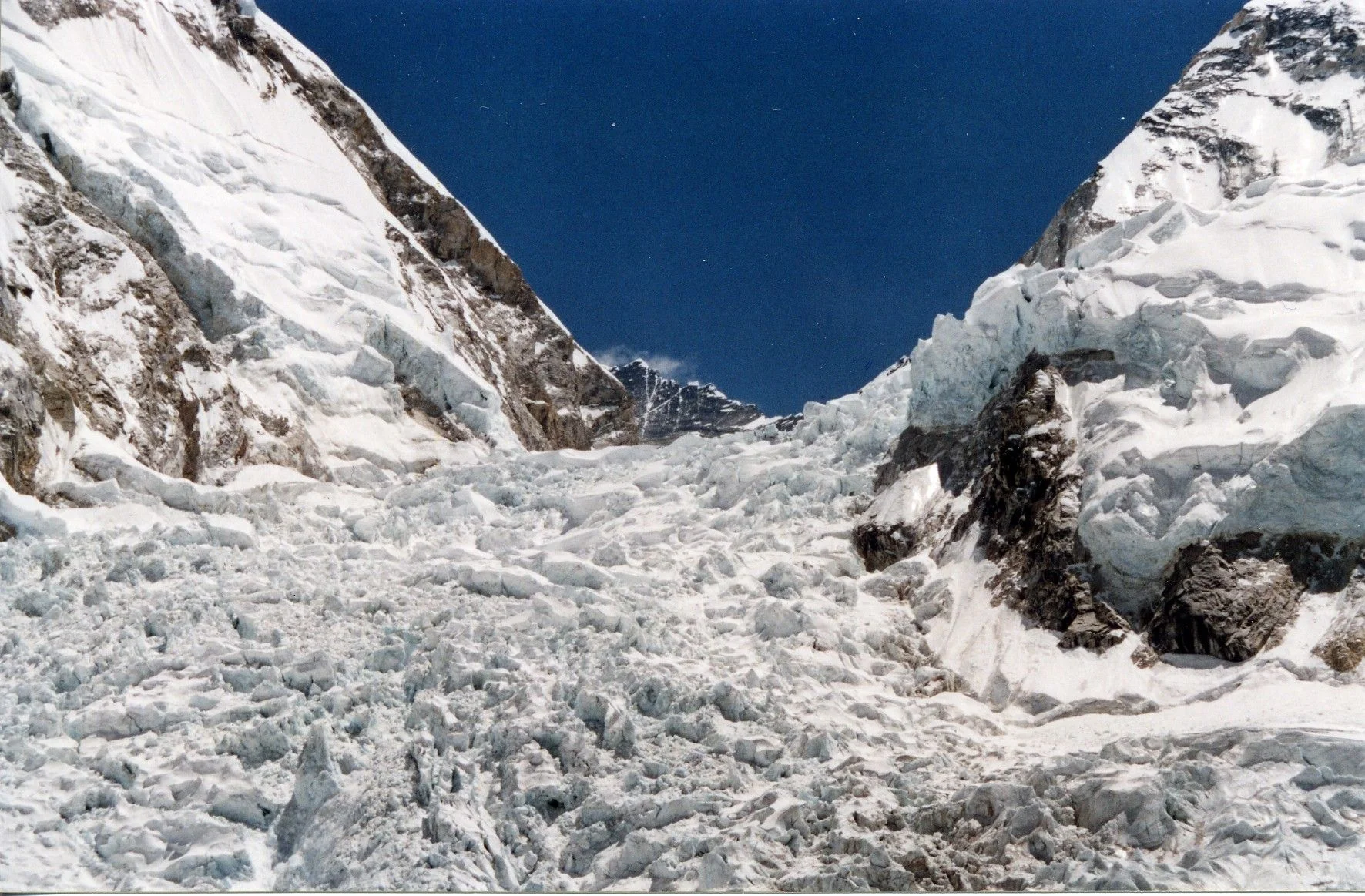
Mountain Safety & Conditions Disclaimer: High-altitude climbing, glacial travel, and technical ascents entail severe objective risks including avalanches, serac collapses, rapid weather collapse, and altitude illness. Historical route descriptions and summit claims on Mountanity reflect documented archival sources and must not be used as live operational safety assessments. Local regulations, permits, and physical glacial topography change continuously.
Peer Review: Senior Editorial Board & Historical Reviewers • Editorial Standards
Official Expedition Narrative & Archival Record
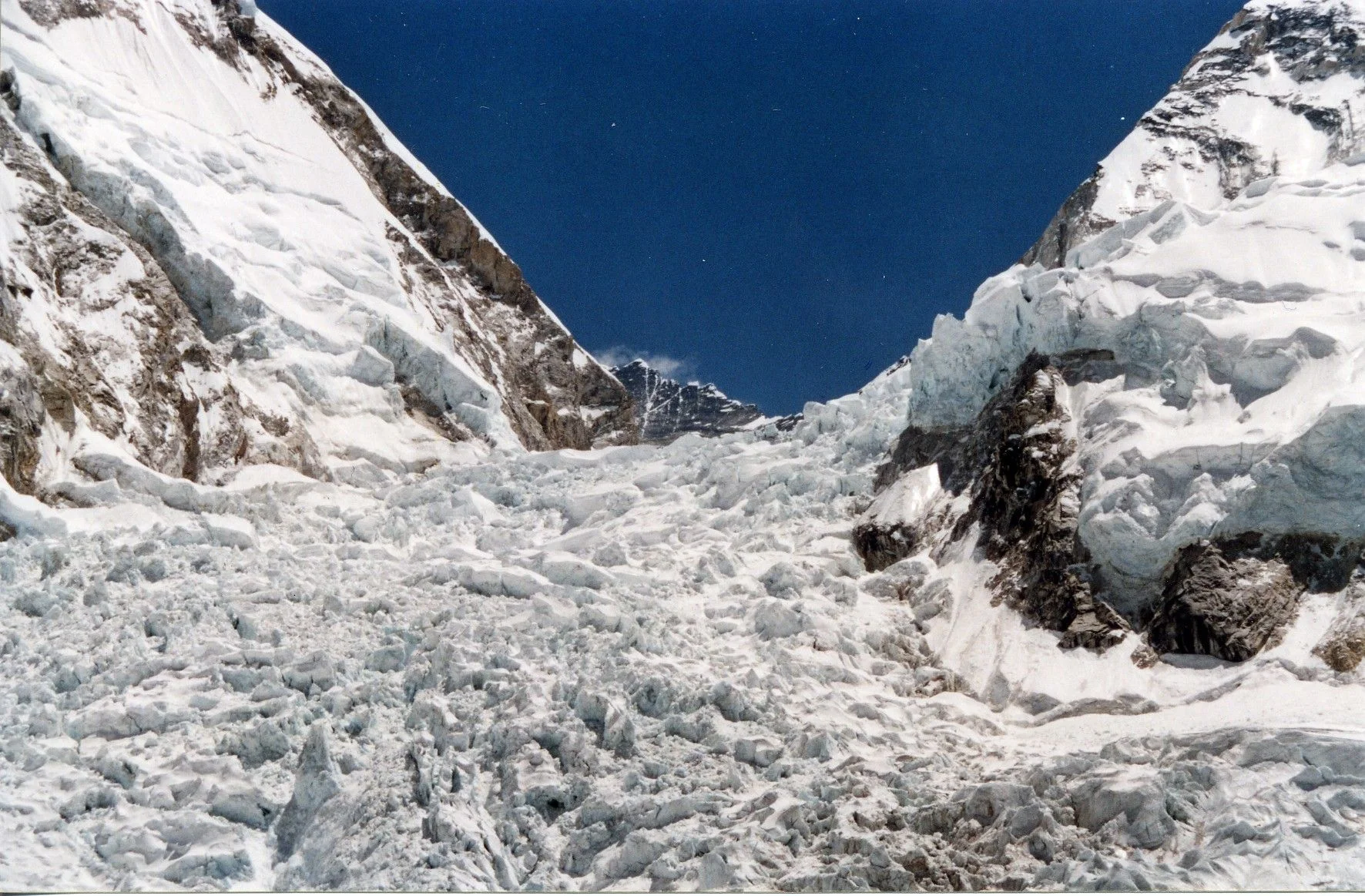
In the spring of 2011, 51-year-old Apa Sherpa returned to Mount Everest for the final expedition of his storied career, leading the Asian Trekking Eco Everest Expedition. Confronting accelerating glacial melt and unstable ice seracs across the Khumbu Icefall caused by climate change, Apa led by personal example, instilling a strict zero-impact ethos among international clients and climbing staff. Operating across the high camps on the South Col route, the team collected, bagged, and hauled down over four tons of discarded historical oxygen bottles, abandoned tents, and frozen trash. On May 10, Apa led his team out of Camp IV at the South Col under clear skies. At 9:15 AM on May 11, 2011, Apa Sherpa stood atop the summit of Mount Everest for an unprecedented twenty-first time. Unfurling a ceremonial banner dedicated to climate action and Himalayan environmental protection, Apa paused to reflect on twenty-two consecutive years of Death Zone expeditions without a single life lost under his leadership. Upon safely descending to Base Camp, Apa announced his retirement from Everest guiding, transitioning his life's work to the Apa Sherpa Foundation to support education and sustainable futures for Himalayan children.
Documented Team Composition
- Apa Sherpa (Expedition Climbing Leader & Summiteer)
- Dawa Steven Sherpa (Expedition Managing Director)
- Ang Tshering Sherpa (Logistics Director)
Key Statistics & Topographic Figures
- Official Outcome
- World Record 21st Ascent of Mount Everest & Environmental Clean-Up Campaign
Expedition Status
- Summit Date
- 2011-05-11
Ascent Timestamp
- Target Objective
- mount-everest
Mountain Peak
- Ascent Route
- south-col-route
Climbing Path
- Team Size
- 3 Climbers
High-Altitude Team
- Region / Country
- Nepal (Khumbu / Solukhumbu)
Geography
Archival Primary Source Quotations
“In the spring of 2011, 51-year-old Apa Sherpa returned to Mount Everest for the final expedition of his storied career, leading the Asian Trekking Eco Everest Expedition. Confronti...”
Defined Alpine Terminology & Concepts
- Alpine Expedition
- A planned, self-contained high-altitude mountaineering undertaking operating in remote mountain terrain subject to extreme objective hazards.
- Death Zone
- The high-altitude region above 8,000 meters where atmospheric oxygen pressure is inadequate for sustained human survival.
Frequently Asked Questions: 2011 Eco Everest Apa Sherpa 21st Summit Expedition
What was the primary outcome and achievement of the 2011 Eco Everest Apa Sherpa 21st Summit Expedition?
World Record 21st Ascent of Mount Everest & Environmental Clean-Up Campaign. On May 11, 2011, legendary Nepalese mountaineer Apa Sherpa completed his world-record twenty-first summit of Mount Everest (8,848m) as climbing leader of the Eco Everest Expedition, dedicating his final climb to removing high-altitude waste and combating climate change.
When did the 2011 Eco Everest Apa Sherpa 21st Summit Expedition reach the summit?
The expedition officially reached the summit on 2011-05-11, operating between 2011-04-12 and 2011-05-20.
Who were the documented climbing team members on the 2011 Eco Everest Apa Sherpa 21st Summit Expedition?
The documented climbing roster included: Apa Sherpa (Expedition Climbing Leader & Summiteer), Dawa Steven Sherpa (Expedition Managing Director), Ang Tshering Sherpa (Logistics Director).
What climbing route and mountain objective were tackled during the 2011 Eco Everest Apa Sherpa 21st Summit Expedition?
The expedition tackled mount-everest via the south-col-route in Nepal (Khumbu / Solukhumbu).
How are the records and summit claims of the 2011 Eco Everest Apa Sherpa 21st Summit Expedition verified?
Summit claims, route topography, and timeline logs for the 2011 Eco Everest Apa Sherpa 21st Summit Expedition are cross-referenced with official alpine registries, national mountaineering federations, and primary expedition journals.
Ascent Route & Topography
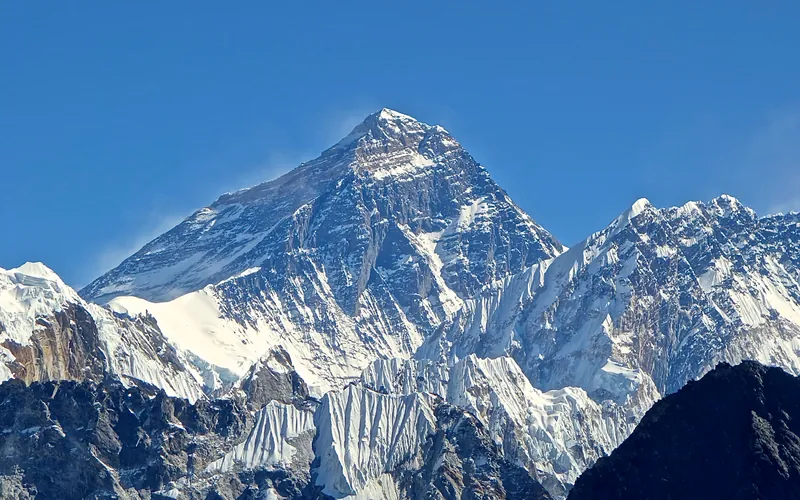
South Col & Southeast Ridge (Normal Route)
The South Col Route along the Southeast Ridge is the historic path of the 1953 first ascent and the most popular route on Mount Everest. Starting from Base Camp on the Khumbu Glacier in Nepal, climbers navigate the shifting seracs of the Khumbu Icefall into the Western Cwm. The route then scales the icy 45-degree slope of the Lhotse Face to the South Col at 7,925 meters, launching the final summit bid through the Balcony, South Summit, and Hillary Step to the summit of Earth at 8,848.86 meters.
Target Objective Peak
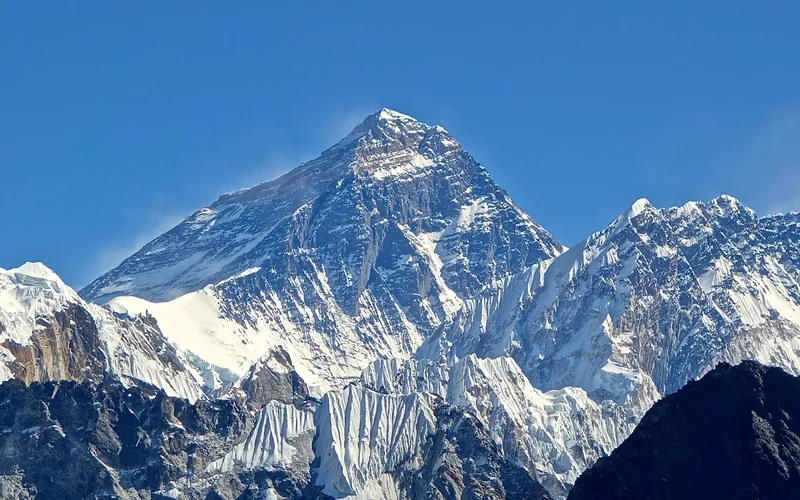


Mount Everest
Mount Everest is the highest mountain above sea level on Earth, standing at an official elevation of 8,848.86 meters (29,031.7 ft). Straddling the international frontier between Nepal and China, it is known locally as Sagarmatha in Nepali ('Goddess of the Sky') and Chomolungma in Tibetan ('Mother Goddess of the World'). The peak rises into the extreme upper troposphere, where oxygen levels drop to barely one-third of sea-level pressure. Climbers face hurricane-force jet stream winds, severe frostbite conditions, shifting ice crevasses in the Khumbu Icefall, and the dangerous Death Zone above 8,000 meters.
Featured Expedition Climber
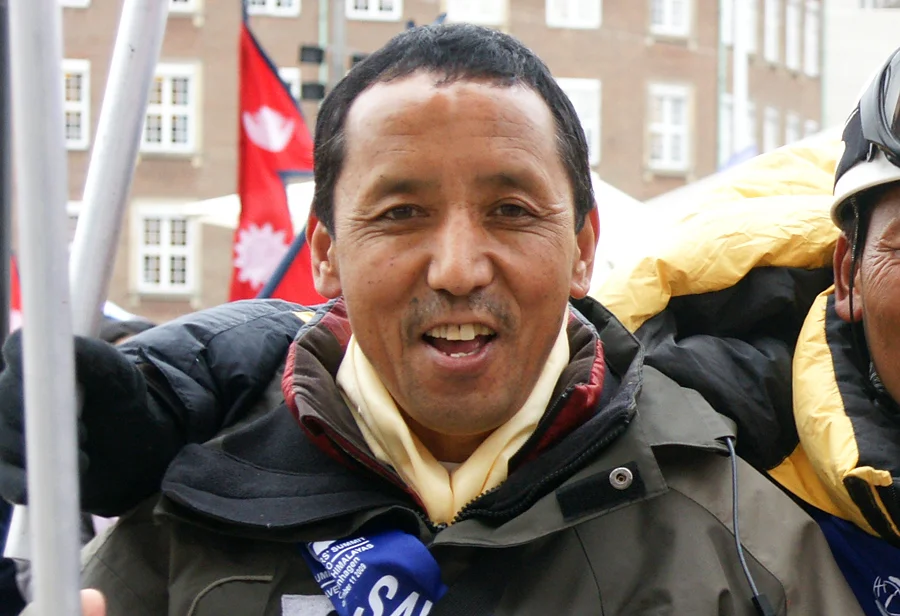
Apa Sherpa
Apa Sherpa, born Lhakpa Tenzing Sherpa in January 1960 in the village of Thame in Nepal's Solukhumbu District, was thrust into mountain labor as a twelve-year-old child following the untimely death of his father. Sacrificing his dreams of becoming a medical doctor to support his widowed mother and five younger siblings, Apa began carrying heavy porter loads over high Himalayan passes. Through quiet fortitude, exceptional physical acclimatization, and methodical technical discipline, he steadily advanced to high-altitude kitchen staff, sirdar, and finally lead climbing guide on Mount Everest. Apa made his first summit of Mount Everest on May 10, 1990, guiding an international team alongside Peter Hillary, son of Sir Edmund Hillary. Over the next two decades, Apa returned to the mountain nearly every single spring, becoming the world's most consistent and reliable high-altitude leader. Between 1990 and 2011, he summitted Everest twenty-one times, setting a world record for total ascents that stood unbeaten for nearly a decade. Even more extraordinary than his summit tallies was his unblemished safety record: across twenty-one grueling summit expeditions in the Death Zone, Apa never lost a single client or fellow Sherpa. In the final chapter of his climbing career, Apa dedicated his summits to environmental conservation. Serving as climbing leader for the Eco Everest Expeditions from 2008 to 2011, he and his team hauled over fourteen tons of historical debris and climbing waste off the upper slopes of Everest, while recovering human remains for dignified burial. In 2012, he completed the grueling Great Himalaya Trail—a 1,500-kilometer trek across the length of Nepal—to spotlight climate-induced glacial lake flooding. Today, the Apa Sherpa Foundation provides educational opportunities and economic alternatives to Himalayan youth, honoring Apa's lifelong conviction that no child should ever be forced into high-risk mountain labor solely for lack of school access.
Associated Historical Chronicles & Stories
The Guardian of Chomolungma: Apa Sherpa's 21st Summit & Environmental Legacy
On May 11, 2011, legendary mountaineer Apa Sherpa summited Mount Everest for a world-record twenty-first time, closing his climbing career with a historic environmental crusade.
Documented Sources & Archival Citations
- Himalayan Database: 2011 Spring Everest Expeditions(Elizabeth Hawley / Himalayan Database)
Supporting claim: Official certification of Apa Sherpa's 21st successful Mount Everest summit on May 11, 2011
Accessed/Documented: 2024 - Eco Everest Expedition Official Environmental Report(Asian Trekking Nepal)
Supporting claim: Field documentation of the removal of 4+ tons of high-altitude waste from the upper slopes of Everest
Accessed/Documented: 2011