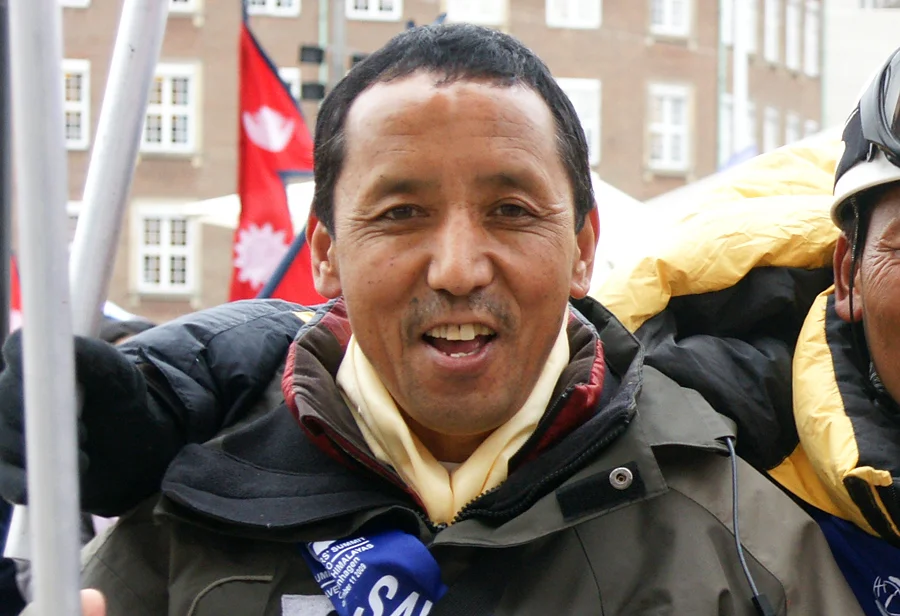
Apa Sherpa
Apa Sherpa (born 1960), nicknamed 'Super Sherpa', is a legendary Nepalese high-altitude mountaineer who stood atop Mount Everest an unprecedented twenty-one times between 1990 and 2011. Renowned for his extraordinary humility and commitment to safety, he never lost a single client or expedition member during his historic climbing career. In his later seasons, he pioneered the Eco Everest Expeditions to clear tons of high-altitude waste and raise global awareness for Himalayan climate change.
Mountain Safety & Conditions Disclaimer: High-altitude climbing, glacial travel, and technical ascents entail severe objective risks including avalanches, serac collapses, rapid weather collapse, and altitude illness. Historical route descriptions and summit claims on Mountanity reflect documented archival sources and must not be used as live operational safety assessments. Local regulations, permits, and physical glacial topography change continuously.
Peer Review: Senior Editorial Board & Historical Reviewers • Editorial Standards
Biographical Record & Archival Chronicle
Apa Sherpa, born Lhakpa Tenzing Sherpa in January 1960 in the village of Thame in Nepal's Solukhumbu District, was thrust into mountain labor as a twelve-year-old child following the untimely death of his father. Sacrificing his dreams of becoming a medical doctor to support his widowed mother and five younger siblings, Apa began carrying heavy porter loads over high Himalayan passes. Through quiet fortitude, exceptional physical acclimatization, and methodical technical discipline, he steadily advanced to high-altitude kitchen staff, sirdar, and finally lead climbing guide on Mount Everest.
Apa made his first summit of Mount Everest on May 10, 1990, guiding an international team alongside Peter Hillary, son of Sir Edmund Hillary. Over the next two decades, Apa returned to the mountain nearly every single spring, becoming the world's most consistent and reliable high-altitude leader. Between 1990 and 2011, he summitted Everest twenty-one times, setting a world record for total ascents that stood unbeaten for nearly a decade. Even more extraordinary than his summit tallies was his unblemished safety record: across twenty-one grueling summit expeditions in the Death Zone, Apa never lost a single client or fellow Sherpa.
In the final chapter of his climbing career, Apa dedicated his summits to environmental conservation. Serving as climbing leader for the Eco Everest Expeditions from 2008 to 2011, he and his team hauled over fourteen tons of historical debris and climbing waste off the upper slopes of Everest, while recovering human remains for dignified burial. In 2012, he completed the grueling Great Himalaya Trail—a 1,500-kilometer trek across the length of Nepal—to spotlight climate-induced glacial lake flooding. Today, the Apa Sherpa Foundation provides educational opportunities and economic alternatives to Himalayan youth, honoring Apa's lifelong conviction that no child should ever be forced into high-risk mountain labor solely for lack of school access.
Notable Milestones & Ascents
- Summited Mount Everest a world-record twenty-one times between 1990 and 2011
- Maintained a flawless expedition safety record with zero fatalities across all twenty-one summit bids
- Led four consecutive Eco Everest Expeditions (2008–2011), removing over fourteen tons of garbage and debris from Mount Everest
- Summited Mount Everest twice in a single month during the May 1992 climbing season
- Walked the 1,500-kilometer Great Himalaya Trail in 120 days to raise global awareness for climate change
- Established the Apa Sherpa Foundation to fund school education and health infrastructure across the Solukhumbu
Key Statistics & Topographic Figures
- Lifespan
- Born January 20, 1960
Thame, Solukhumbu, Nepal
- Total Everest Summits
- 21 Times
May 10, 1990 – May 11, 2011
- Eco Everest Waste Cleared
- Over 14 Tons
2008–2011 High-Altitude Cleanups
- Great Himalaya Trail
- 1,700 Kilometers in 120 Days
Climate Change Advocacy (2012)
- Humanitarian Legacy
- Apa Sherpa Foundation
Education & Economic Empowerment
Archival Primary Source Quotations
“Without education, we have no choice. With education, our children can become doctors, engineers, and scientists instead of risking their lives on high mountains.”
Defined Alpine Terminology & Concepts
- Eco Everest Expedition
- A groundbreaking high-altitude cleaning initiative combining commercial guiding with clearing historical expedition debris and raising climate awareness.
- Super Sherpa
- The international honorary title bestowed upon Apa Sherpa in recognition of his 21 successful summits of Mount Everest.
Frequently Asked Questions: Apa Sherpa
How many times has Apa Sherpa summited Mount Everest?
Apa Sherpa, nicknamed Super Sherpa, summited Mount Everest 21 times between May 10, 1990, and May 11, 2011, establishing an all-time world record.
Why is Apa Sherpa called Super Sherpa?
He earned the title Super Sherpa for his extraordinary consistency, summited Everest almost every spring for over two decades without ever losing a client.
What was the Eco Everest Expedition that Apa Sherpa led?
Between 2008 and 2011, Apa led the Eco Everest Expeditions, which removed more than 14 tons of garbage, old tents, and abandoned oxygen bottles from high camps.
What is the Apa Sherpa Foundation?
Founded after his retirement, the Apa Sherpa Foundation funds schools, teachers, and student scholarships in Thame and the Khumbu to empower children through education.
When did Apa Sherpa retire from climbing Mount Everest?
Apa formally retired from climbing Mount Everest on May 11, 2011, immediately after standing on the summit for the 21st time at age 51.
What is the Great Himalaya Trail expedition Apa Sherpa completed?
In 2012, Apa completed the Climate Alliance trek across Nepal’s 1,700-kilometer Great Himalaya Trail in 120 days to document climate change impacts on mountain villages.
What was Apa Sherpa’s childhood ambition before climbing?
Apa originally dreamt of becoming a medical doctor, but was forced to become an expedition porter at age 12 following his father’s untimely death.
What village did Apa Sherpa grow up in?
Apa was born and raised in Thame in the Solukhumbu district, the same iconic village that produced Tenzing Norgay and Kami Rita Sherpa.
Associated Summits (1)
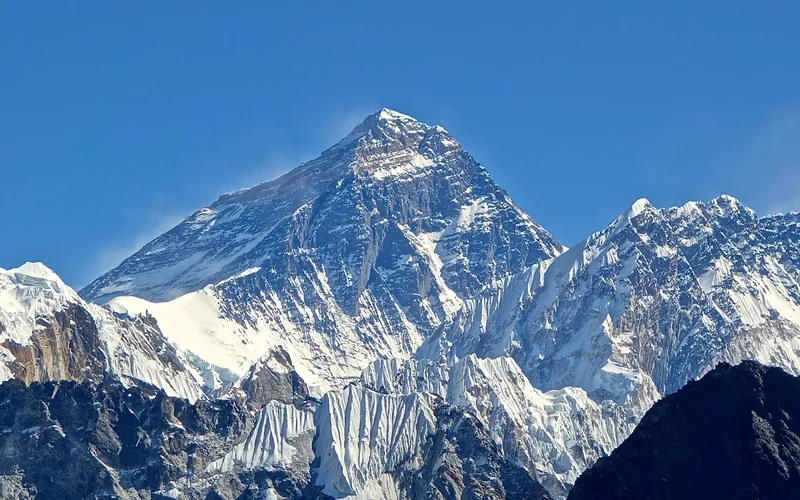


Mount Everest
Mount Everest is the highest mountain above sea level on Earth, standing at an official elevation of 8,848.86 meters (29,031.7 ft). Straddling the international frontier between Nepal and China, it is known locally as Sagarmatha in Nepali ('Goddess of the Sky') and Chomolungma in Tibetan ('Mother Goddess of the World'). The peak rises into the extreme upper troposphere, where oxygen levels drop to barely one-third of sea-level pressure. Climbers face hurricane-force jet stream winds, severe frostbite conditions, shifting ice crevasses in the Khumbu Icefall, and the dangerous Death Zone above 8,000 meters.
Pioneered & Associated Routes (5)
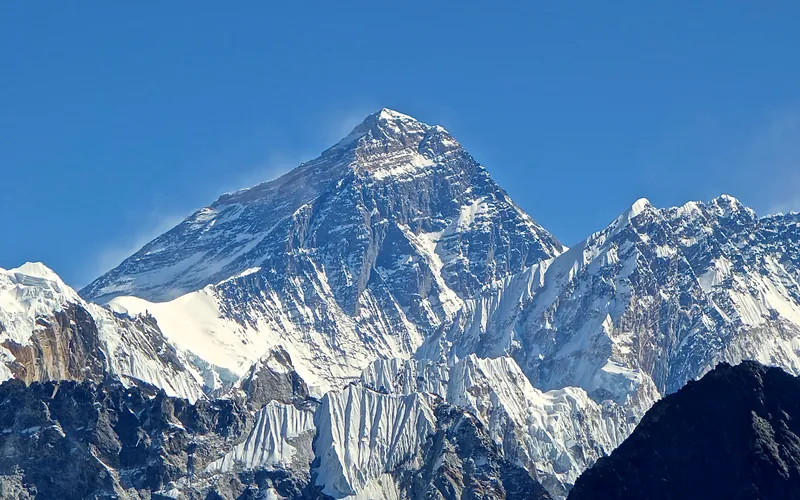
Mount Everest North Face (Hornbein Couloir Direct)
The North Face of Mount Everest via the Japanese Couloir and the sheer Hornbein Couloir is one of the most direct and formidable ice lines in the Himalayas. Rising 3,000 vertical meters from the Rongbuk Glacier to the summit, it funnels through a narrow 60-degree snow-and-ice cleft slicing straight through the Yellow Band and upper limestone cliffs of the North Face. In August 1986, Swiss alpinists Erhard Loretan and Jean Troillet executed one of the most audacious speed climbs in mountain history: climbing the entire face in a single 31-hour push at night without supplemental oxygen, tents, or fixed ropes. After summiting on August 30, they glissaded down the 3,000-meter face on their backs and buttocks in just 3.5 hours, completing the entire round trip in an astonishing 43 hours.
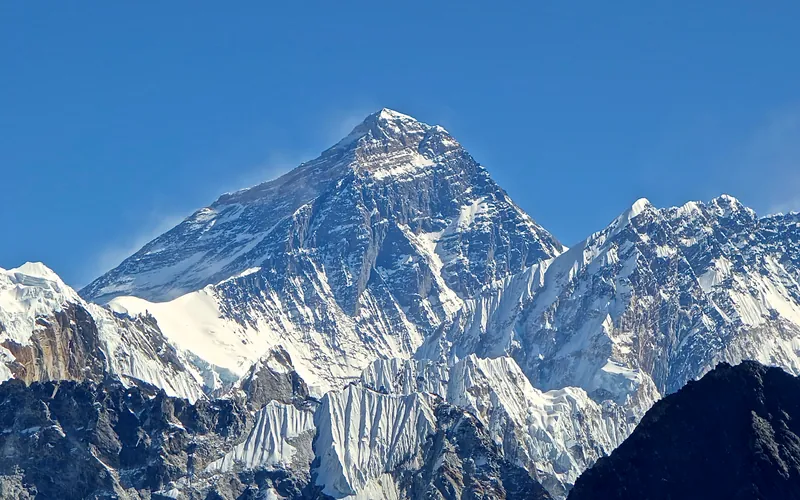
North Col & Northeast Ridge Route
The historic northern route on Mount Everest (8,848.86m), ascending from the Rongbuk and East Rongbuk glaciers to breach the icy wall of the North Col (7,020m). From the col, the route traverses the wind-blasted Northwest Ridge onto the North Face before joining the razor-like Northeast Ridge, navigating the notorious First, Second, and Third Steps in the Death Zone. This was the stage of George Mallory and Andrew Irvine's fateful 1924 climb and was first definitively surmounted on May 25, 1960, by Chinese climbers Wang Fuzhou, Qu Yinhua, and Gongbu.
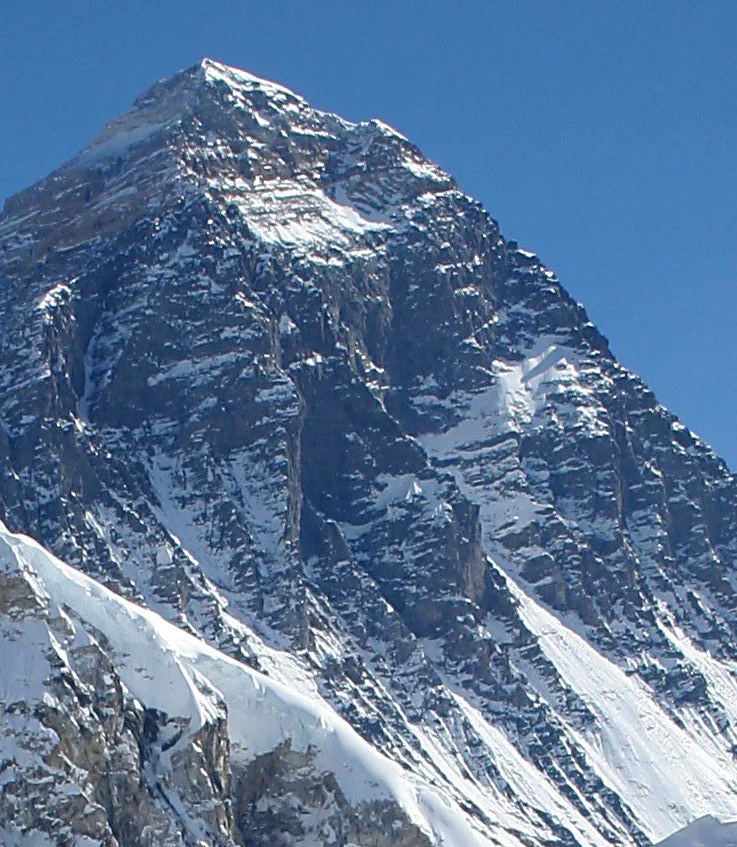
Mount Everest Southwest Face (Bonington Route)
The Southwest Face of Mount Everest (8,848.86m) rises 2,300 vertical meters from the Western Cwm to the summit, presenting one of the largest and most forbidding rock and ice faces in the world. Dominated by the vertical 300-meter 'Rock Band' at 8,200–8,500 meters, the face repelled six international attempts between 1969 and 1974. In autumn 1975, a legendary British expedition led by Chris Bonington breached the face when Paul Braithwaite and Nick Estcourt unlocked the key ramp through the Rock Band. On September 24, 1975, Doug Scott and Dougal Haston climbed to the South Summit and pushed on to the main summit, becoming the first Britons to conquer Everest. Trapped by nightfall during their descent, they survived an epic open bivouac at 8,760 meters without oxygen, sleeping bags, or frostbite.
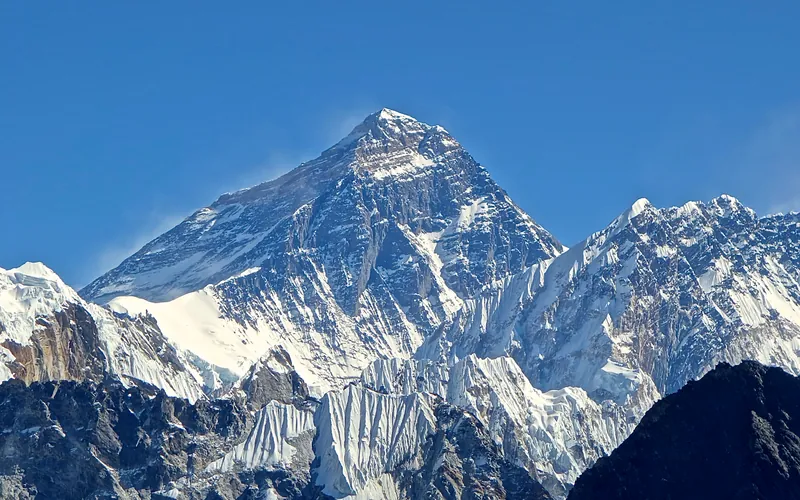
Mount Everest Complete West Ridge (Yugoslav Direct)
The Complete West Ridge of Mount Everest is one of the most formidable and sustained technical routes on the mountain. Pioneered in spring 1979 by an elite Yugoslav expedition led by Tone Škarja, the route tackles the integral knife-edge crest directly from the Lho La col (6,026m) all the way to the 8,848.86m summit. Unlike the 1963 American West Ridge route which diverted into the Hornbein Couloir from the North Face, the Yugoslav line stayed strictly along the razor-edge crest of the West Ridge, surmounting technical rock buttresses up to Grade V+ at extreme altitude before traversing around the Yellow Band. On May 13, 1979, Andrej Štremfelj and Nejc Zaplotnik achieved the first ascent of the complete ridge, followed two days later by Stane Belak, Marjan Manfreda, and Ang Phu Sherpa in one of the greatest feats in Himalayan history.
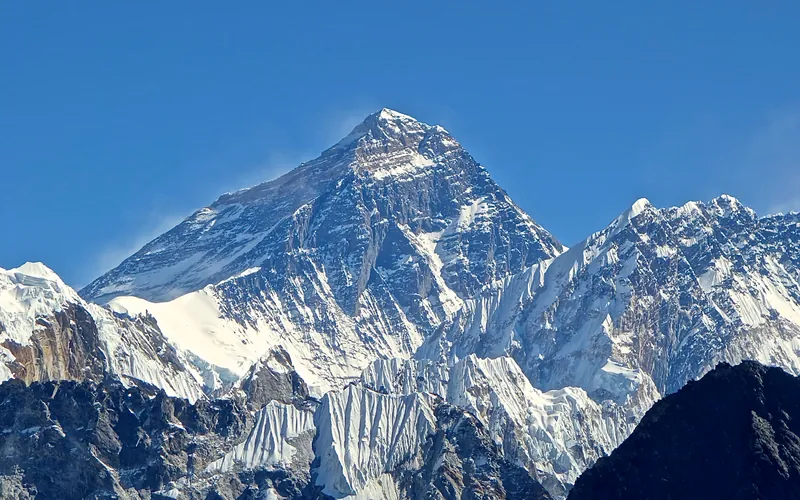
South Col & Southeast Ridge (Normal Route)
The South Col Route along the Southeast Ridge is the historic path of the 1953 first ascent and the most popular route on Mount Everest. Starting from Base Camp on the Khumbu Glacier in Nepal, climbers navigate the shifting seracs of the Khumbu Icefall into the Western Cwm. The route then scales the icy 45-degree slope of the Lhotse Face to the South Col at 7,925 meters, launching the final summit bid through the Balcony, South Summit, and Hillary Step to the summit of Earth at 8,848.86 meters.
Documented Expeditions (2)
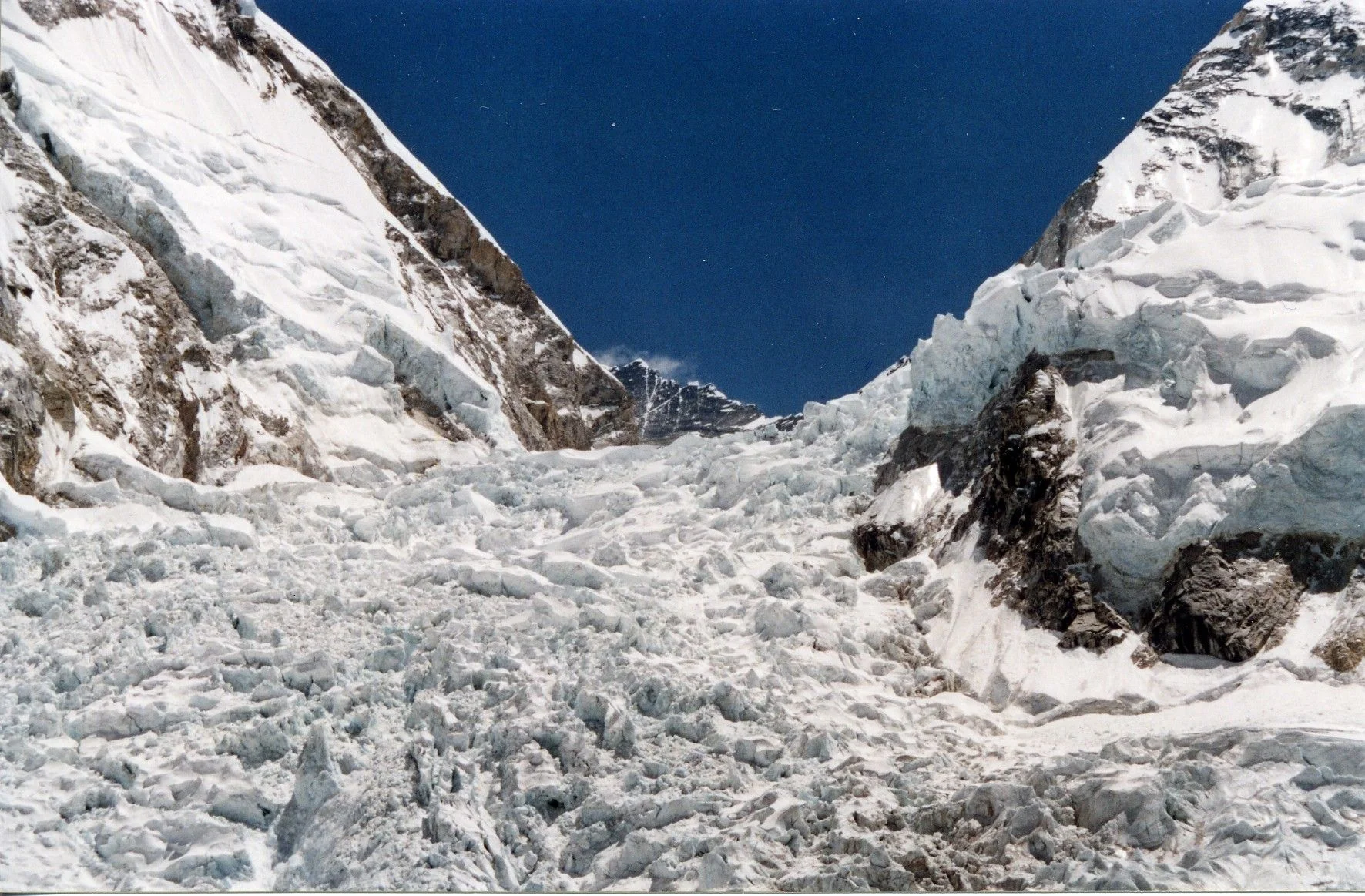
2011 Eco Everest Apa Sherpa 21st Summit Expedition
On May 11, 2011, legendary Nepalese mountaineer Apa Sherpa completed his world-record twenty-first summit of Mount Everest (8,848m) as climbing leader of the Eco Everest Expedition, dedicating his final climb to removing high-altitude waste and combating climate change.
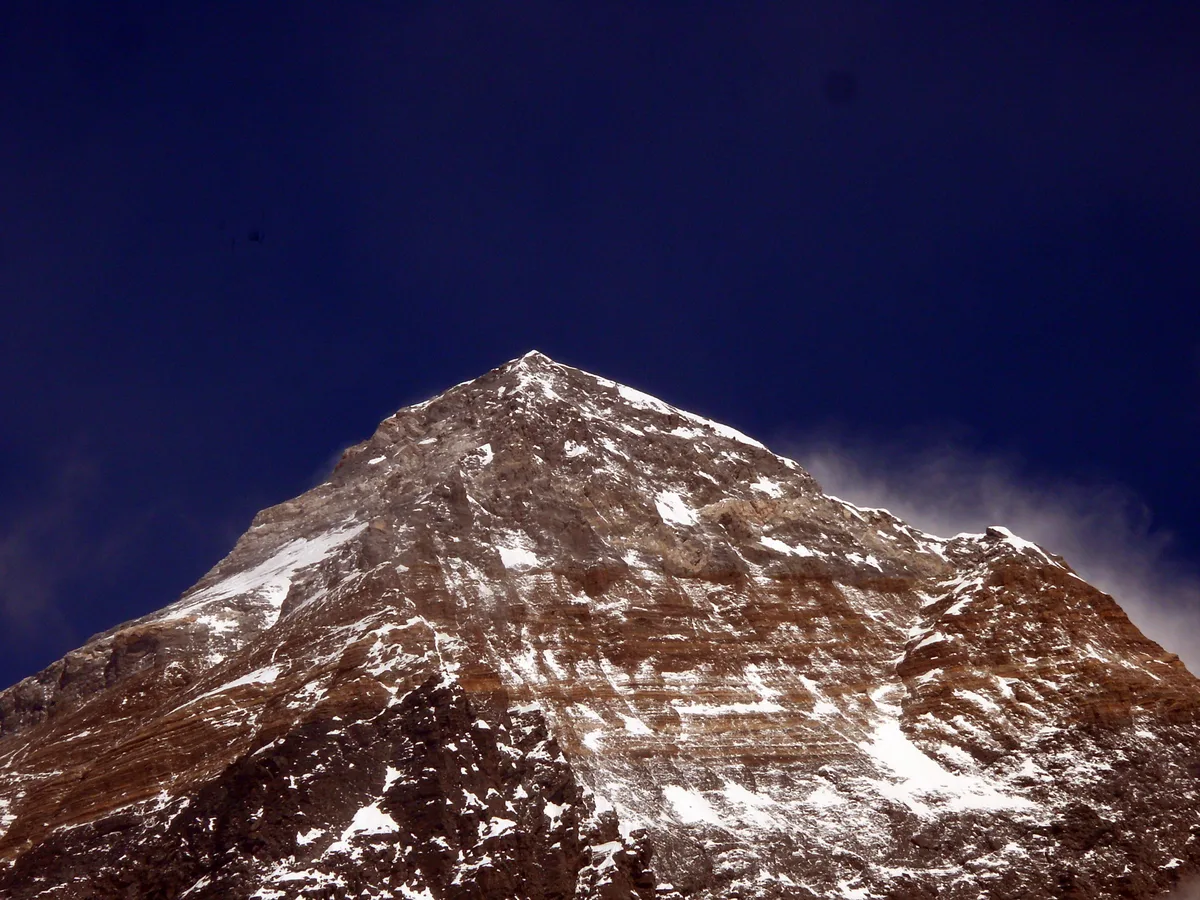
2011 Apa Sherpa Eco Everest 21st Summit Expedition
On May 11, 2011, veteran Nepali mountaineer Apa Sherpa summited Mount Everest for an unprecedented twenty-first time, leading the Eco Everest Expedition to remove tons of historical rubbish and advocate for Himalayan climate preservation.
Associated Chronicles & Stories (2)
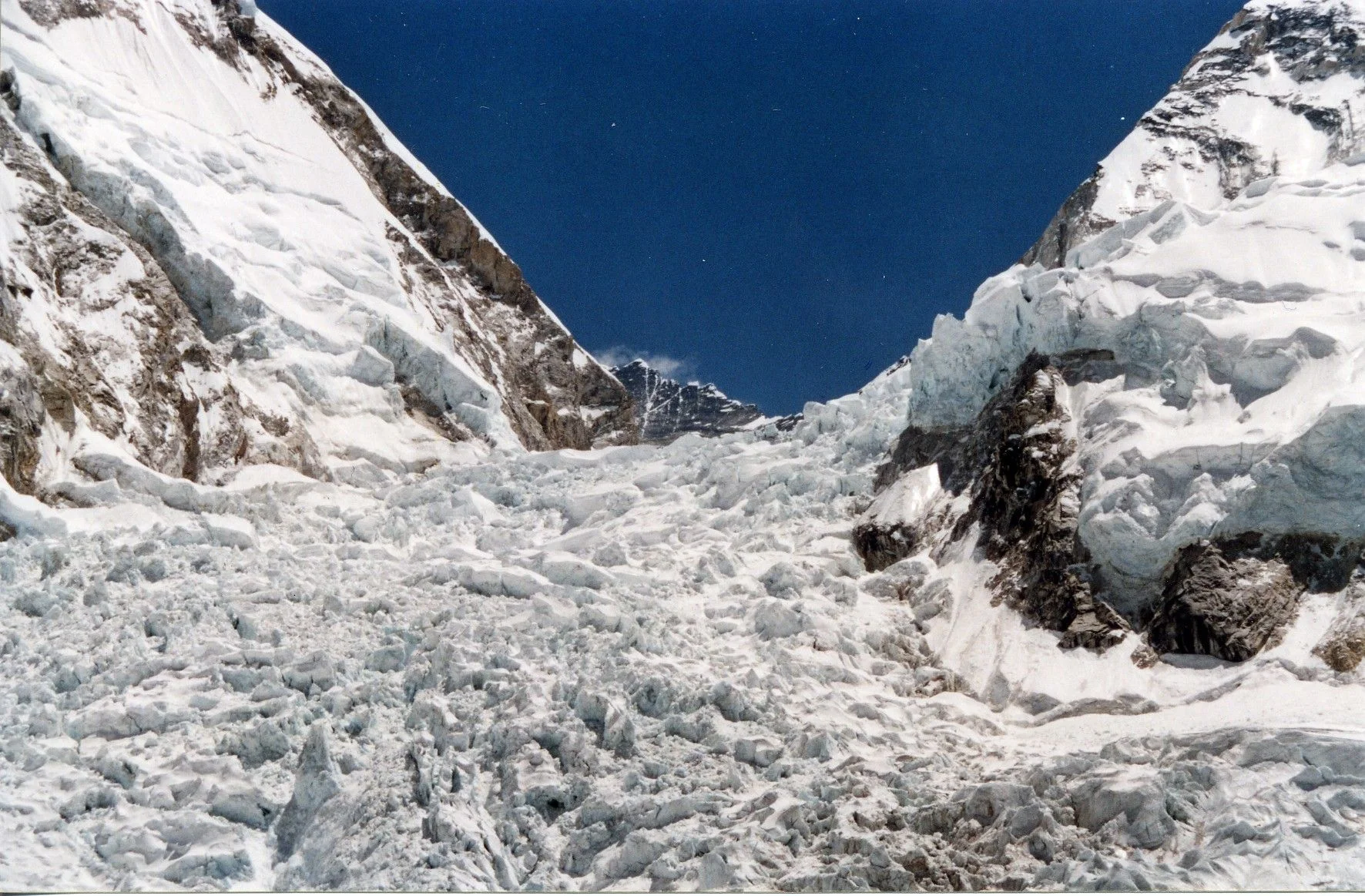
The Guardian of Chomolungma: Apa Sherpa's 21st Summit & Environmental Legacy
On May 11, 2011, legendary mountaineer Apa Sherpa summited Mount Everest for a world-record twenty-first time, closing his climbing career with a historic environmental crusade.
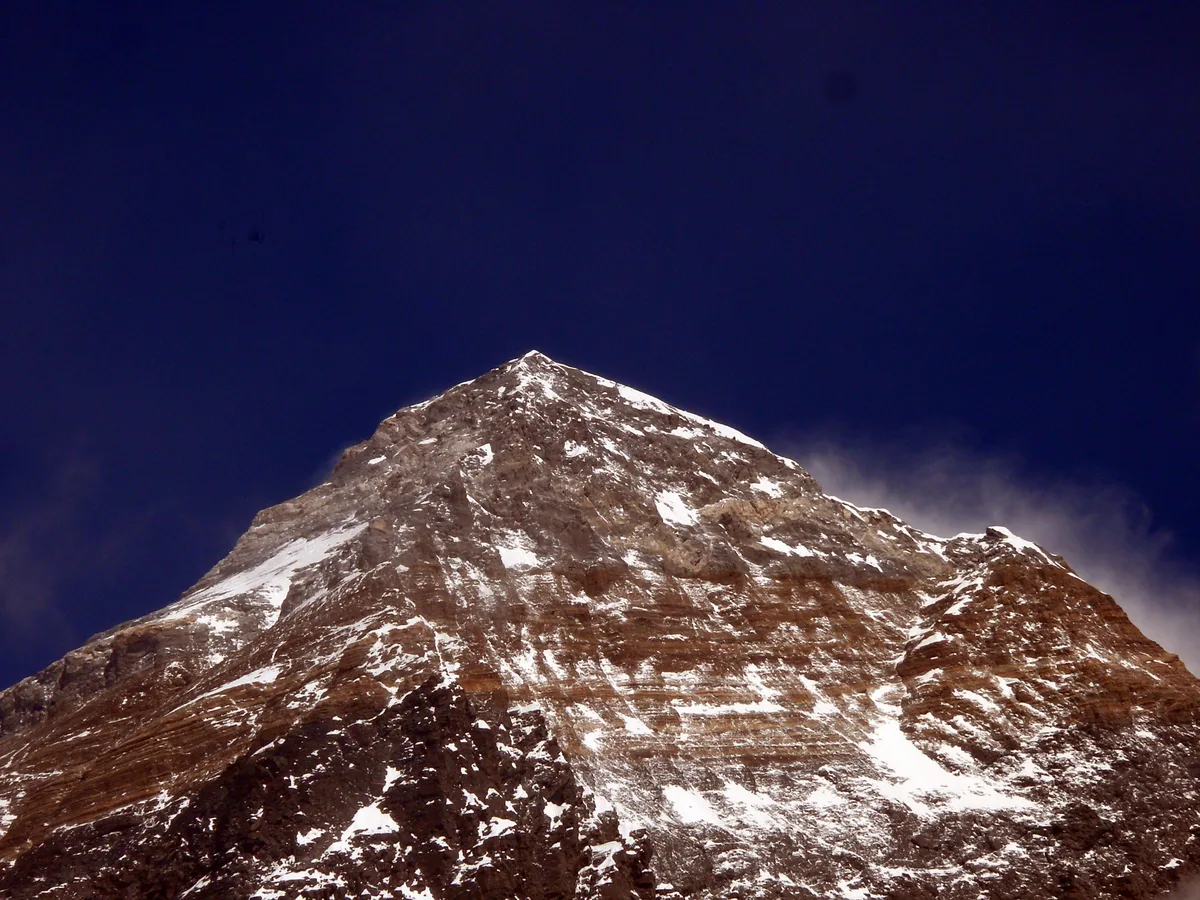
The Humblest Giant: Apa Sherpa's Historic 21st Summit of Mount Everest and the Eco Cleanup Crusade
On May 11, 2011, 'Super Sherpa' Apa Sherpa stood atop Mount Everest for an unprecedented twenty-first time, leading the Eco Everest Expedition to clean tons of trash and champion climate action.
Documented Sources & Archival Citations
- Himalayan Database: Apa Sherpa Everest Log(Elizabeth Hawley / Himalayan Database)
Supporting claim: Official verification of twenty-one successful Mount Everest summits between 1990 and 2011
Accessed/Documented: 2024 - Super Sherpa: The Apa Sherpa Story(National Geographic Society)
Supporting claim: Chronicle of Apa's environmental leadership on the Eco Everest clean-up expeditions
Accessed/Documented: 2011