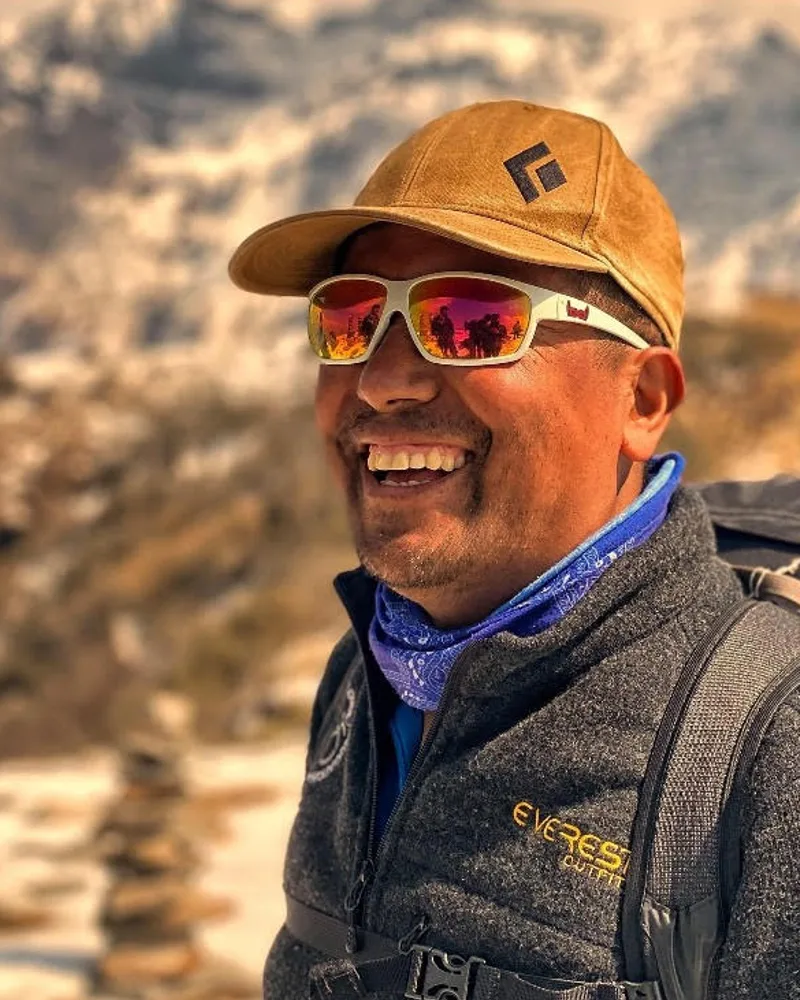
Mingma Gyabu 'David' Sherpa
Mingma Gyabu 'David' Sherpa is a legendary Nepali mountaineer, speed climber, and rescue specialist. In 2019, he became the youngest person to climb all 14 eight-thousanders at age 30, and on January 16, 2021, he stood atop K2 during the historic all-Nepali first winter ascent.
Mountain Safety & Conditions Disclaimer: High-altitude climbing, glacial travel, and technical ascents entail severe objective risks including avalanches, serac collapses, rapid weather collapse, and altitude illness. Historical route descriptions and summit claims on Mountanity reflect documented archival sources and must not be used as live operational safety assessments. Local regulations, permits, and physical glacial topography change continuously.
Peer Review: Senior Editorial Board & Historical Reviewers • Editorial Standards
Biographical Record & Archival Chronicle
Hailing from Taplejung in eastern Nepal, Mingma Gyabu Sherpa (known to the global alpine community as Mingma David) developed into one of the most prolific and reliable high-altitude climbers in modern history. Beyond his world-record speed on the 8,000-metre giants, Mingma David earned widespread respect for participating in over one hundred high-altitude rescue operations across the death zones of Everest, K2, and Annapurna.
In 2019, Mingma David served as co-leader and primary logistics partner alongside Nirmal Purja on Project Possible, climbing nine eight-thousanders in rapid succession and setting the Guinness World Record as the youngest human to complete all fourteen 8,000ers. In January 2021, he played a pivotal role in the unified Nepali K2 winter expedition, carrying vital gear and summiting K2 on January 16, 2021.
Notable Milestones & Ascents
- Key summit member of the historic all-Nepali January 16, 2021 first winter ascent of K2
- Youngest person in history to summit all 14 eight-thousanders at age 30 years and 166 days
- Guinness World Record for fastest consecutive ascent of Everest and K2 in 61 days
- Led numerous daring helicopter and long-line rescue missions in the Everest Death Zone
Key Statistics & Topographic Figures
- Nationality
- Nepal
- Birthplace
- Taplejung District, Eastern Nepal
- 14 Peaks Record Age
- 30 Years, 166 Days (2019)
- Key Winter Ascent
- K2 First Winter Ascent (January 16, 2021)
- Rescues Conducted
- Over 100 High-Altitude Rescues
Archival Primary Source Quotations
“Reaching the summit is wonderful, but pulling a dying climber back from the edge of death is the greatest triumph a mountaineer can experience.”
Defined Alpine Terminology & Concepts
- Taplejung
- A remote, mountainous district in eastern Nepal near Kangchenjunga where Mingma David Sherpa was born and raised.
- High-Altitude Rescue Specialist
- A master climber trained in long-line extraction, technical sled lowering, and acute hypoxia intervention in the Death Zone.
Frequently Asked Questions: Mingma Gyabu 'David' Sherpa
Who is Mingma Gyabu 'David' Sherpa?
Mingma David Sherpa is an elite Nepali mountaineer who became the youngest person to climb all fourteen 8,000-metre peaks at age 30 and stood atop K2 on the first winter ascent.
What rescue operations has Mingma David Sherpa conducted?
Mingma David has led over one hundred high-altitude rescue operations across the death zones of Mount Everest, Annapurna, and K2, saving dozens of lives.
What is Mingma David Sherpa's fastest Everest-K2 record?
Mingma David holds a Guinness World Record for the fastest consecutive ascents of Mount Everest and K2 in sixty-one days.
Associated Summits (2)
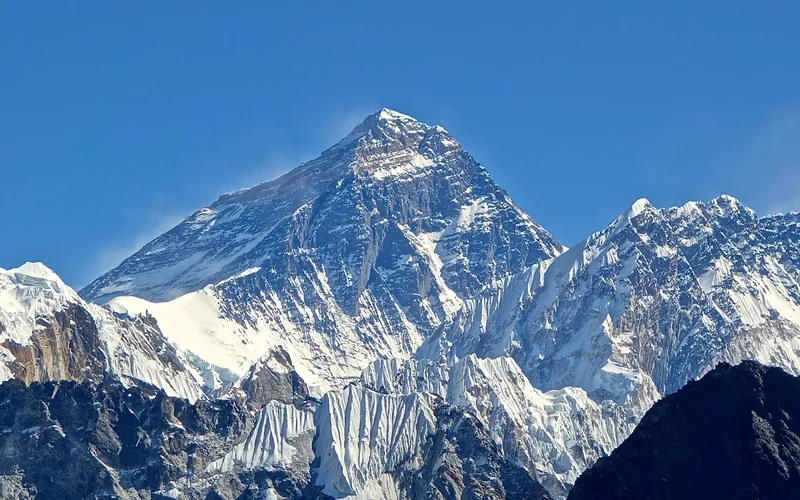


Mount Everest
Mount Everest is the highest mountain above sea level on Earth, standing at an official elevation of 8,848.86 meters (29,031.7 ft). Straddling the international frontier between Nepal and China, it is known locally as Sagarmatha in Nepali ('Goddess of the Sky') and Chomolungma in Tibetan ('Mother Goddess of the World'). The peak rises into the extreme upper troposphere, where oxygen levels drop to barely one-third of sea-level pressure. Climbers face hurricane-force jet stream winds, severe frostbite conditions, shifting ice crevasses in the Khumbu Icefall, and the dangerous Death Zone above 8,000 meters.
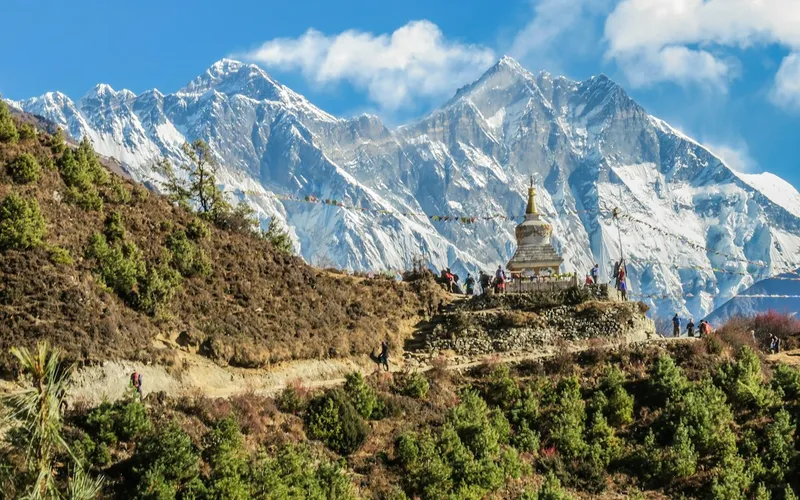

K2
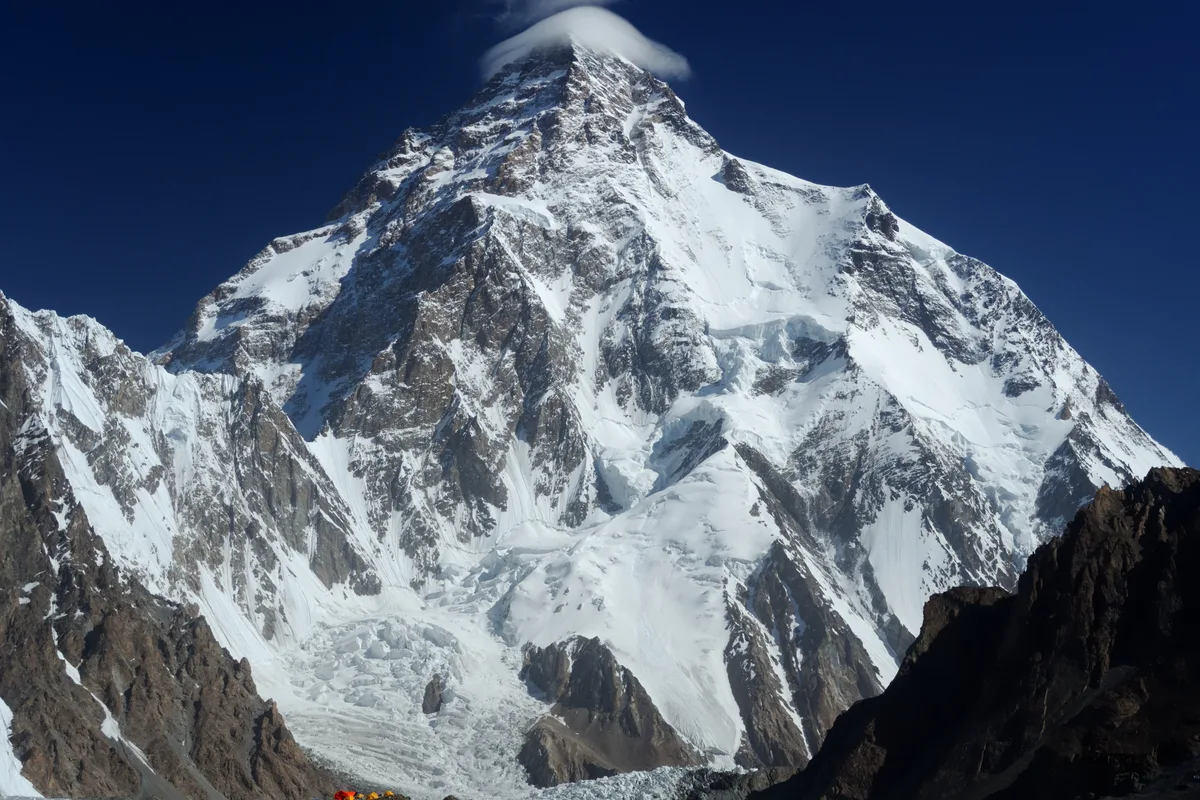
K2, at 8,611 meters (28,251 ft), is the second-highest mountain on Earth and widely regarded as the most technically demanding and lethal 8,000-meter peak. Located in the heart of the Karakoram on the border between Pakistan and China, K2 is characterized by sheer relief, severe weather anomalies, and persistent objective hazards including the notorious Bottleneck couloir.
Pioneered & Associated Routes (8)
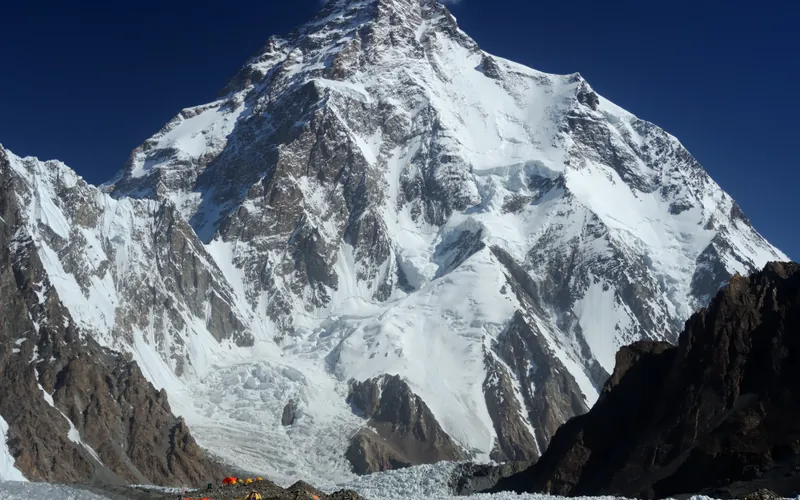
Abruzzi Spur (Southeast Ridge)
The Abruzzi Spur is the most famous and frequently climbed route on K2, tracing the mountain's steep southeast ridge from the Godwin-Austen Glacier to the summit. First explored in 1909 by Prince Luigi Amedeo, Duke of the Abruzzi, it was successfully climbed to the summit in 1954 by an Italian team. The route requires extreme physical endurance and high-grade technical climbing on rock, ice, and mixed terrain through legendary cruxes like House's Chimney, the Black Pyramid, and the Bottleneck couloir.
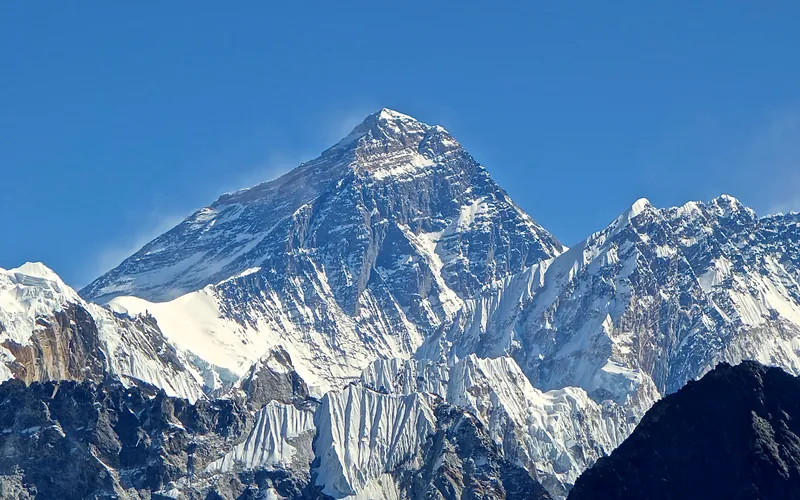
Mount Everest North Face (Hornbein Couloir Direct)
The North Face of Mount Everest via the Japanese Couloir and the sheer Hornbein Couloir is one of the most direct and formidable ice lines in the Himalayas. Rising 3,000 vertical meters from the Rongbuk Glacier to the summit, it funnels through a narrow 60-degree snow-and-ice cleft slicing straight through the Yellow Band and upper limestone cliffs of the North Face. In August 1986, Swiss alpinists Erhard Loretan and Jean Troillet executed one of the most audacious speed climbs in mountain history: climbing the entire face in a single 31-hour push at night without supplemental oxygen, tents, or fixed ropes. After summiting on August 30, they glissaded down the 3,000-meter face on their backs and buttocks in just 3.5 hours, completing the entire round trip in an astonishing 43 hours.
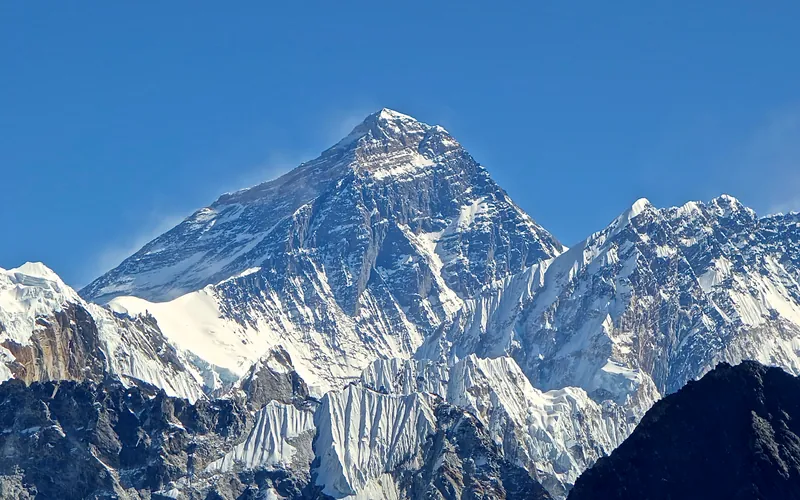
North Col & Northeast Ridge Route
The historic northern route on Mount Everest (8,848.86m), ascending from the Rongbuk and East Rongbuk glaciers to breach the icy wall of the North Col (7,020m). From the col, the route traverses the wind-blasted Northwest Ridge onto the North Face before joining the razor-like Northeast Ridge, navigating the notorious First, Second, and Third Steps in the Death Zone. This was the stage of George Mallory and Andrew Irvine's fateful 1924 climb and was first definitively surmounted on May 25, 1960, by Chinese climbers Wang Fuzhou, Qu Yinhua, and Gongbu.
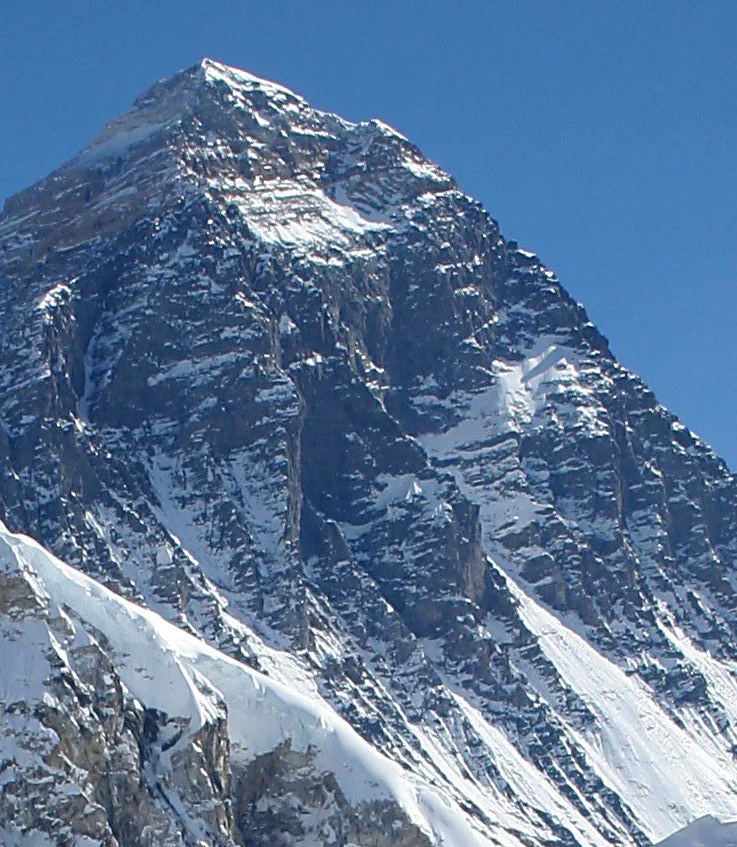
Mount Everest Southwest Face (Bonington Route)
The Southwest Face of Mount Everest (8,848.86m) rises 2,300 vertical meters from the Western Cwm to the summit, presenting one of the largest and most forbidding rock and ice faces in the world. Dominated by the vertical 300-meter 'Rock Band' at 8,200–8,500 meters, the face repelled six international attempts between 1969 and 1974. In autumn 1975, a legendary British expedition led by Chris Bonington breached the face when Paul Braithwaite and Nick Estcourt unlocked the key ramp through the Rock Band. On September 24, 1975, Doug Scott and Dougal Haston climbed to the South Summit and pushed on to the main summit, becoming the first Britons to conquer Everest. Trapped by nightfall during their descent, they survived an epic open bivouac at 8,760 meters without oxygen, sleeping bags, or frostbite.
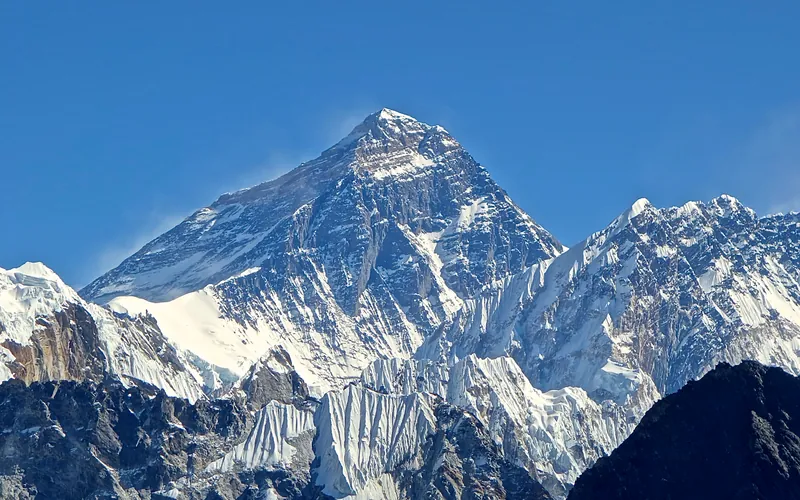
Mount Everest Complete West Ridge (Yugoslav Direct)
The Complete West Ridge of Mount Everest is one of the most formidable and sustained technical routes on the mountain. Pioneered in spring 1979 by an elite Yugoslav expedition led by Tone Škarja, the route tackles the integral knife-edge crest directly from the Lho La col (6,026m) all the way to the 8,848.86m summit. Unlike the 1963 American West Ridge route which diverted into the Hornbein Couloir from the North Face, the Yugoslav line stayed strictly along the razor-edge crest of the West Ridge, surmounting technical rock buttresses up to Grade V+ at extreme altitude before traversing around the Yellow Band. On May 13, 1979, Andrej Štremfelj and Nejc Zaplotnik achieved the first ascent of the complete ridge, followed two days later by Stane Belak, Marjan Manfreda, and Ang Phu Sherpa in one of the greatest feats in Himalayan history.
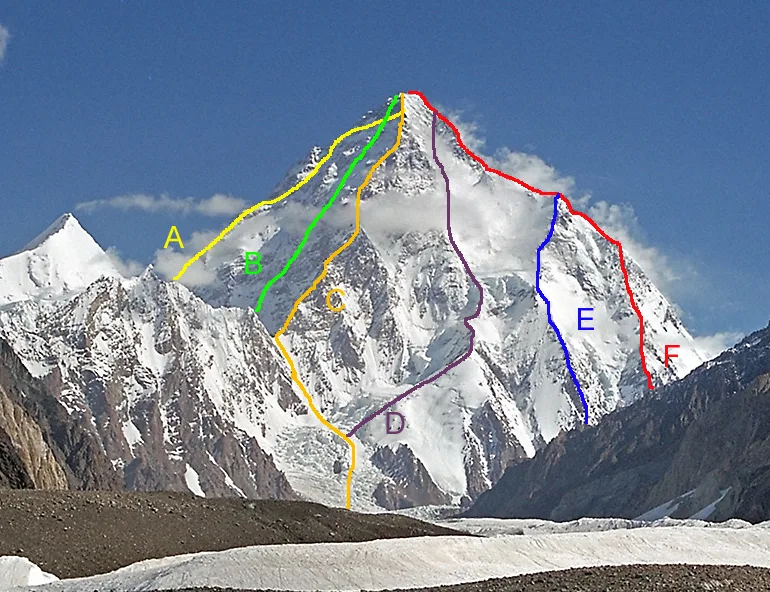
K2 South Face (The Polish Line)
The Polish Line on the South Face of K2 (8,611m) is widely regarded as one of the most perilous and audacious routes ever climbed in high-altitude mountaineering history. Tackling the direct 3,200-meter wall between the Abruzzi Spur and the Magic Line (South-Southwest Pillar), the route ascends through a chaotic labyrinth of hanging seracs, avalanche funnels, and vertical rock bands. Pioneered in alpine style over five harrowing days in July 1986 by Jerzy Kukuczka and Tadeusz Piotrowski without supplemental oxygen, Reinhold Messner famously dubbed it 'suicidal'. Kukuczka and Piotrowski reached the summit on July 8, but tragedy struck during their desperate descent via the Abruzzi Spur when Piotrowski lost both crampons and plunged to his death. To this day, the Polish Line remains unrepeated.
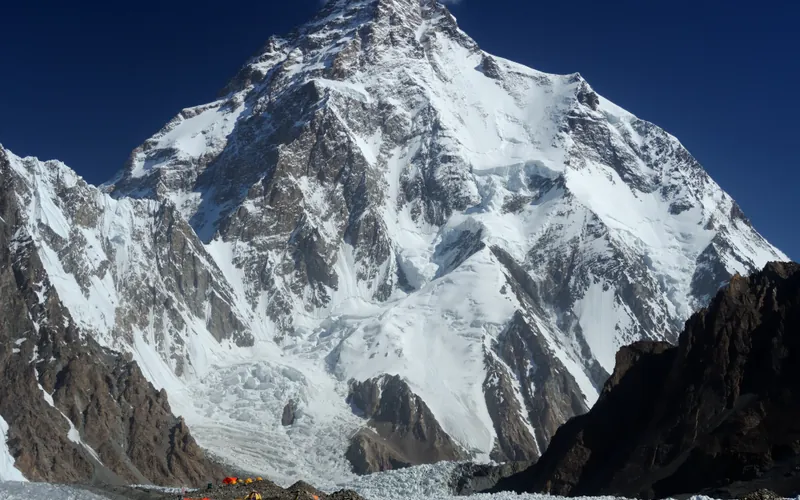
West Ridge (Japanese Route)
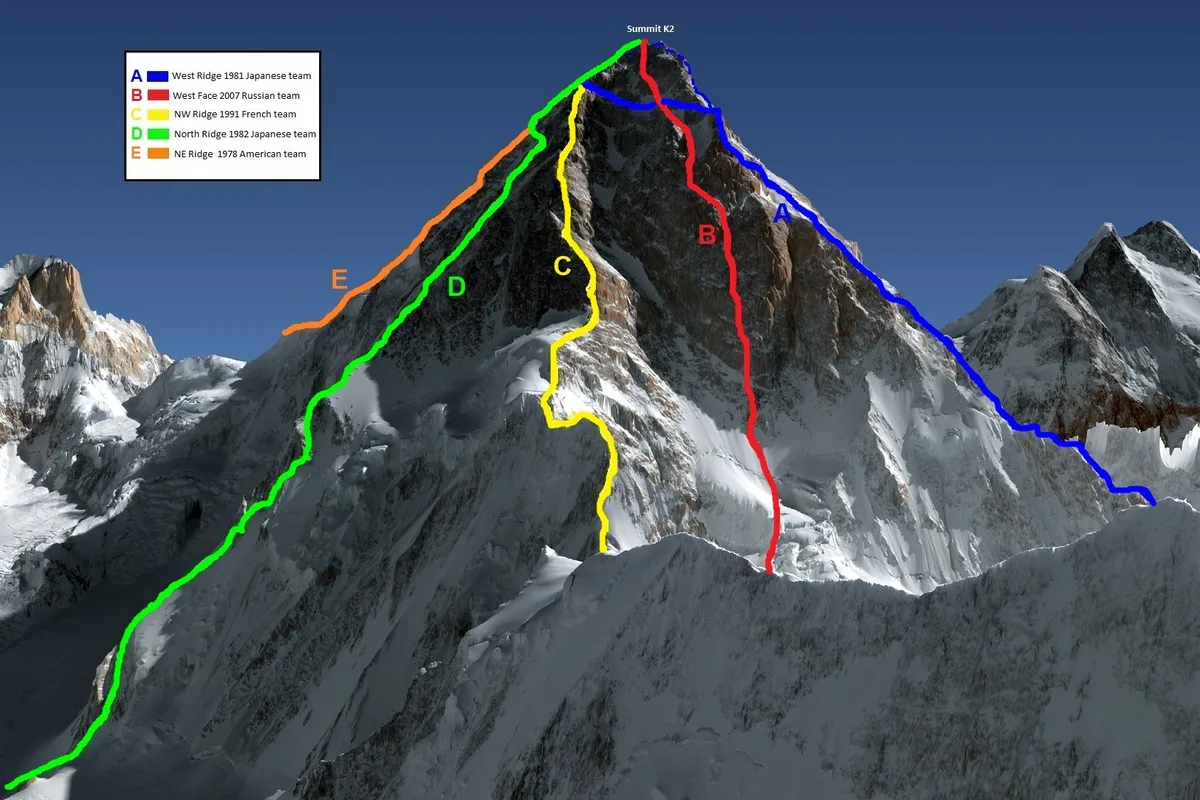
The West Ridge of K2 is one of the most formidable and sustained technical lines in high-altitude mountaineering. Pioneered in August 1981 by a joint Japanese-Pakistani expedition, it ascends directly from the Savoia Glacier along the exposed western crest before negotiating the severe Southwest Face directly into the Death Zone. Demanding immense commitment, it was first completed by Pakistani mountaineer Nazir Sabir and Japanese climber Eiho Ohtani after an epic bivouac near 8,500 meters.
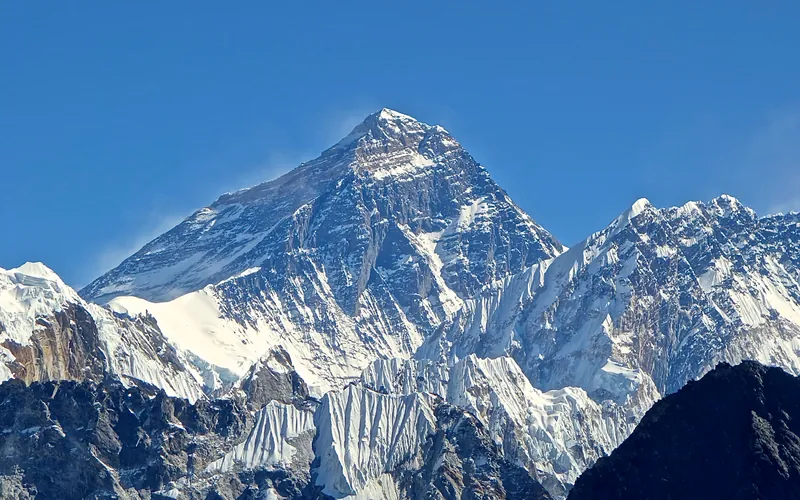
South Col & Southeast Ridge (Normal Route)
The South Col Route along the Southeast Ridge is the historic path of the 1953 first ascent and the most popular route on Mount Everest. Starting from Base Camp on the Khumbu Glacier in Nepal, climbers navigate the shifting seracs of the Khumbu Icefall into the Western Cwm. The route then scales the icy 45-degree slope of the Lhotse Face to the South Col at 7,925 meters, launching the final summit bid through the Balcony, South Summit, and Hillary Step to the summit of Earth at 8,848.86 meters.
Documented Expeditions (3)
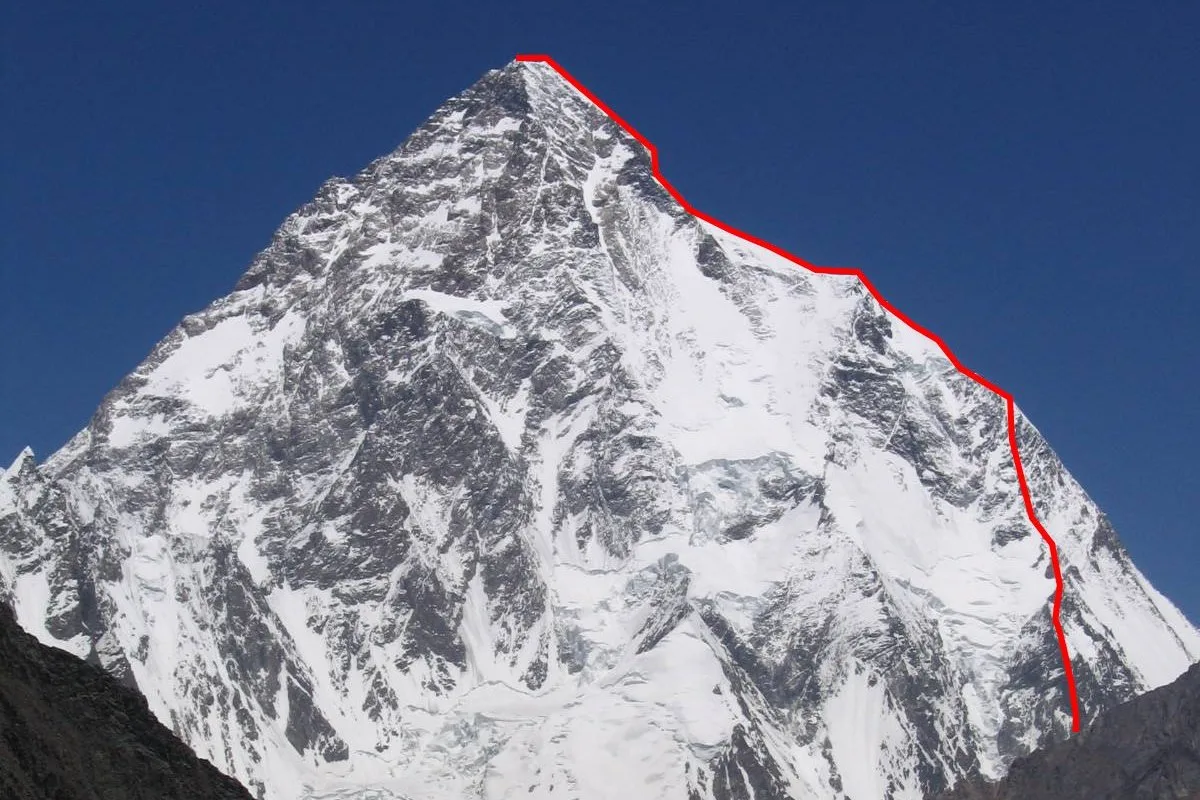
2019 Mingma David Sherpa: Youngest 14 Peaks Record & High-Altitude Speed Campaign
On October 29, 2019, Mingma Gyabu 'David' Sherpa completed all fourteen 8,000-metre peaks at Shishapangma, becoming the youngest person in mountaineering history to stand on every eight-thousander at 30 years and 166 days.
2021 All-Nepali Unified Team: Historic First Winter Ascent of K2
On January 16, 2021, ten elite Nepali climbers joined forces in the Karakoram winter death zone, braved temperatures below -50°C and hurricane winds on the Abruzzi Spur, waited 10 metres below the apex to gather in solidarity, and stepped onto the 8,611-metre summit together singing Nepal's national anthem.
2024 All-Time High-Altitude Capstone: The Modern Nepali Renaissance
The ultimate retrospective celebrating the modern generation of Nepali climbers who transformed high-altitude mountaineering from colonial client support into indigenous world leadership, culminating in the winter conquest of K2 and revolutionizing global alpine ethics.
Associated Chronicles & Stories (1)
Velocity and Valor: Mingma David Sherpa's Historic 14 Peaks Campaign
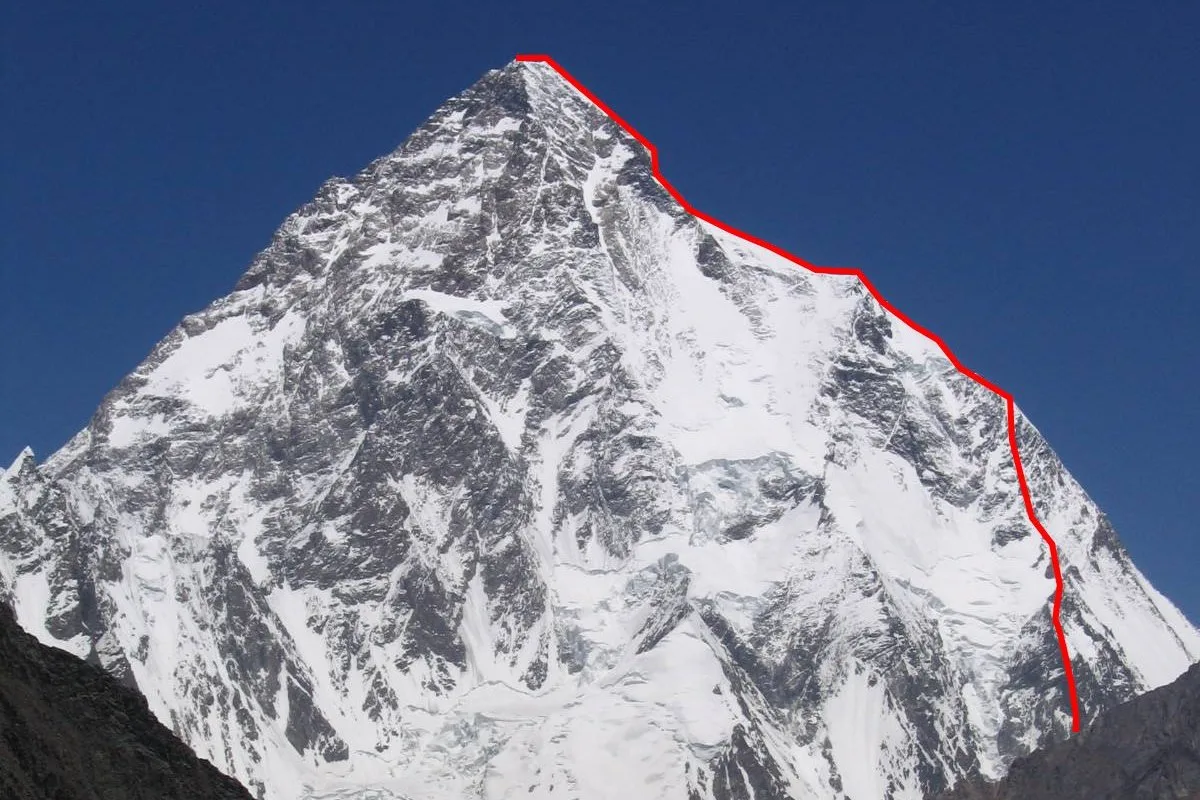
Climbing all fourteen of the world's 8,000-metre peaks was long regarded as a lifelong quest, typically requiring fifteen to twenty years of grueling perseveran...
Documented Sources & Archival Citations
- Guinness World Records: Youngest Person to Climb All 14 Eight-Thousanders(Guinness World Records)
Supporting claim: Official world record certification for Mingma Gyabu Sherpa
Accessed/Documented: 2019