2024 All-Time High-Altitude Capstone: The Modern Nepali Renaissance
The ultimate retrospective celebrating the modern generation of Nepali climbers who transformed high-altitude mountaineering from colonial client support into indigenous world leadership, culminating in the winter conquest of K2 and revolutionizing global alpine ethics.
Mountain Safety & Conditions Disclaimer: High-altitude climbing, glacial travel, and technical ascents entail severe objective risks including avalanches, serac collapses, rapid weather collapse, and altitude illness. Historical route descriptions and summit claims on Mountanity reflect documented archival sources and must not be used as live operational safety assessments. Local regulations, permits, and physical glacial topography change continuously.
Peer Review: Senior Editorial Board & Historical Reviewers • Editorial Standards
Official Expedition Narrative & Archival Record
Throughout the twentieth century, the indigenous climbers of the Himalayas—the Sherpas, Gurkhas, Tamangs, and Baltis—were largely cast in the shadows of Western expedition chronicles, hailed as indefatigable porters while summit credit was claimed by foreign sahibs. The 21st-century alpine renaissance shattered this dynamic forever. Led by visionaries like Nirmal Purja, Mingma Gyalje Sherpa, Mingma David Sherpa, Gelje Sherpa, Mingma Tenzi, and Sona Sherpa, Nepali alpinists took complete command of expedition leadership, logistical innovation, and ultimate technical mastery. When ten Nepali climbers summited K2 on January 16, 2021 in winter, they closed mountaineering's greatest historical chapter not as hired support, but as pioneering masters of the Earth's most severe vertical environments. This capstone chronicle documents that seismic evolution, honoring their resilience, unity, and indomitable spirit.
Documented Team Composition
- Nirmal Purja (Pioneer & Leader, Nepal)
- Mingma Gyalje Sherpa (IFMGA Guide & Winter K2 Pioneer, Nepal)
- Mingma Gyabu 'David' Sherpa (14 Peaks World Record Holder, Nepal)
- Gelje Sherpa (Everest Rescue Hero, Nepal)
- Mingma Tenzi Sherpa (Master Route Fixer, Nepal)
- Sona Sherpa (Elite SST High-Altitude Alpinist, Nepal)
Key Statistics & Topographic Figures
- Capstone Era
- 21st-Century Modern Alpinism
- Pinnacle Achievement
- First Winter Ascent of K2 (January 16, 2021)
- Record Speed 14 Peaks
- 6 Months, 6 Days (Nirmal Purja & Team)
- Youngest 14 Peaks Record
- 30 Years, 166 Days (Mingma David Sherpa)
- Winter No-O2 K2 Ascent
- Mingma Gyalje Sherpa
Archival Primary Source Quotations
“We are no longer just walking in the footsteps of others. We are carving the routes, setting the records, and leading the world.”
Defined Alpine Terminology & Concepts
- Nepali Alpine Renaissance
- The complete transformation of Himalayan high-altitude climbing into indigenous leadership, safety mastery, and world-record setting.
- IFMGA Guide Certification
- The highest international standard for professional mountain guiding, increasingly achieved by elite Nepali alpinists.
Frequently Asked Questions: 2024 All-Time High-Altitude Capstone: The Modern Nepali Renaissance
What is the Modern Nepali Renaissance in high-altitude mountaineering?
The 21st-century movement where Nepali mountaineers transitioned from hired support staff to international expedition leaders, entrepreneurs, and global record holders.
What milestone crowned the 21st-century Nepali mountaineering revolution?
The January 16, 2021 winter ascent of K2, where an all-Nepali team conquered the last unclimbed winter 8,000er and united at the summit as sovereign alpine masters.
Which Nepali climbers spearhead the 21st-century alpine vanguard?
Pioneers including Nirmal Purja, Mingma Gyalje Sherpa, Mingma David Sherpa, Gelje Sherpa, Mingma Tenzi Sherpa, and Sona Sherpa led this transformation.
Ascent Route & Topography
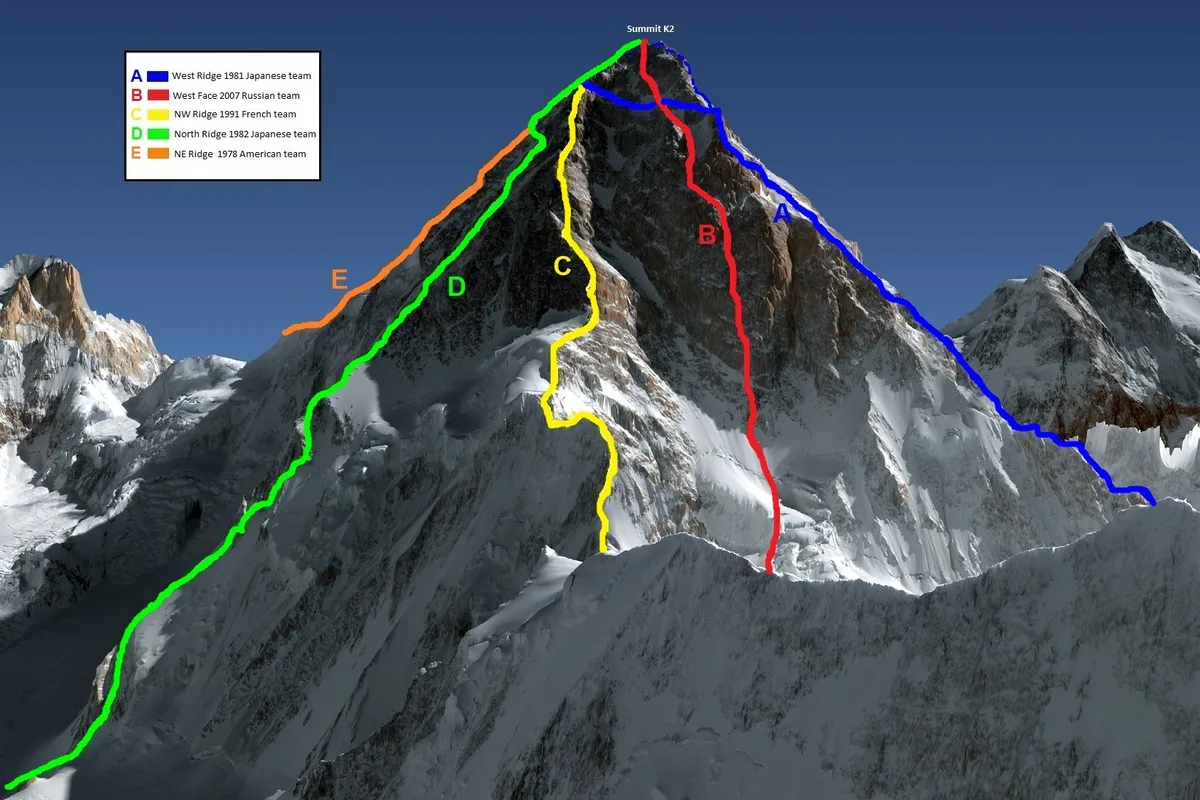
Abruzzi Spur (Southeast Ridge)
The Abruzzi Spur is the most famous and frequently climbed route on K2, tracing the mountain's steep southeast ridge from the Godwin-Austen Glacier to the summit. First explored in 1909 by Prince Luigi Amedeo, Duke of the Abruzzi, it was successfully climbed to the summit in 1954 by an Italian team. The route requires extreme physical endurance and high-grade technical climbing on rock, ice, and mixed terrain through legendary cruxes like House's Chimney, the Black Pyramid, and the Bottleneck couloir.
Target Objective Peak


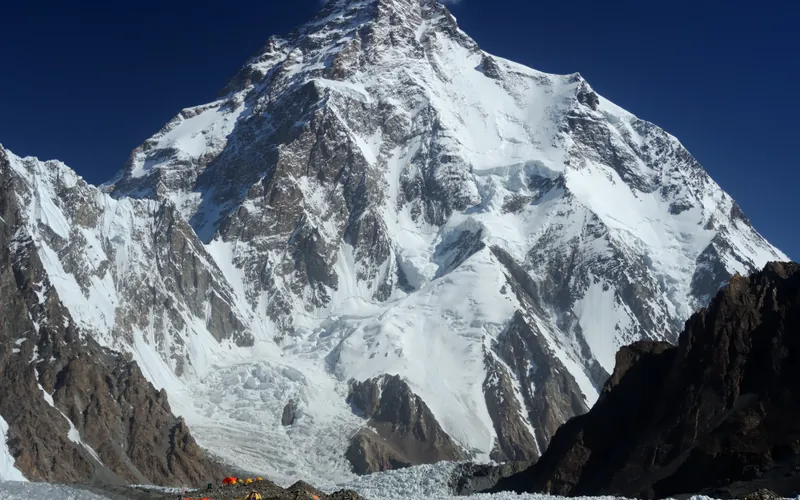
K2
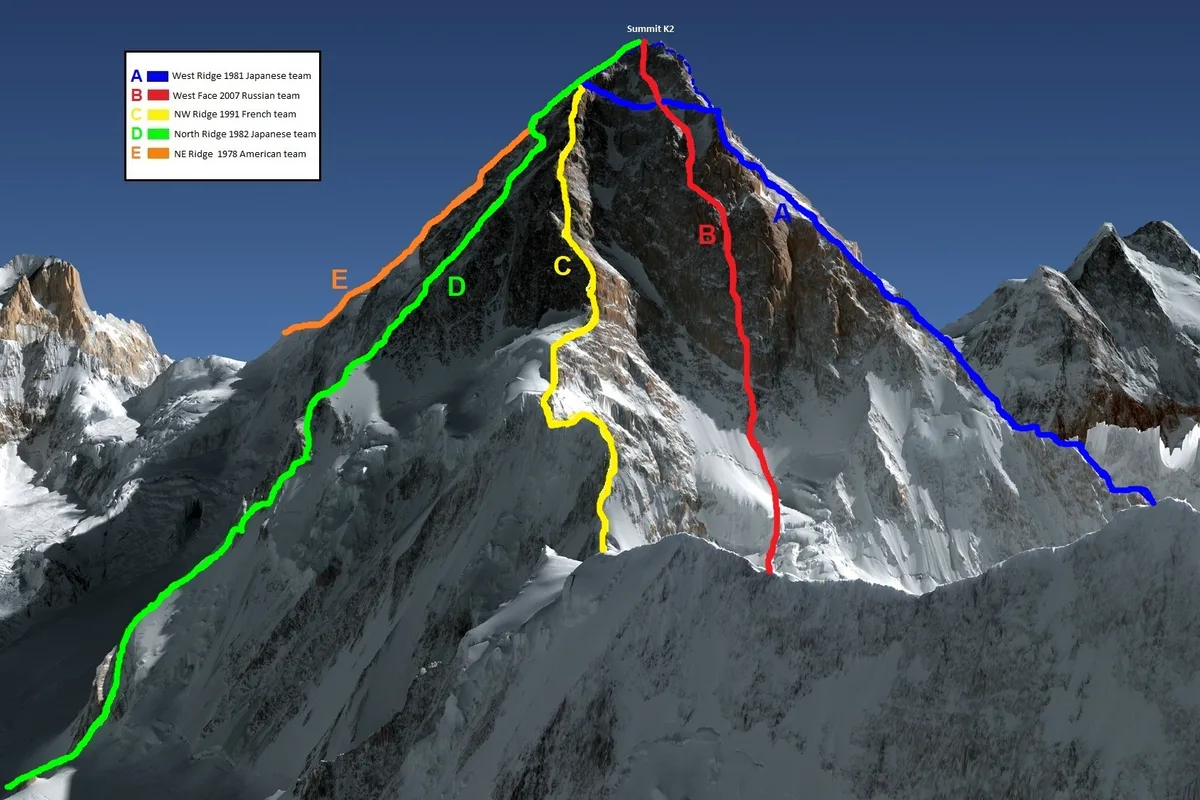
K2, at 8,611 meters (28,251 ft), is the second-highest mountain on Earth and widely regarded as the most technically demanding and lethal 8,000-meter peak. Located in the heart of the Karakoram on the border between Pakistan and China, K2 is characterized by sheer relief, severe weather anomalies, and persistent objective hazards including the notorious Bottleneck couloir.
Featured Expedition Climbers
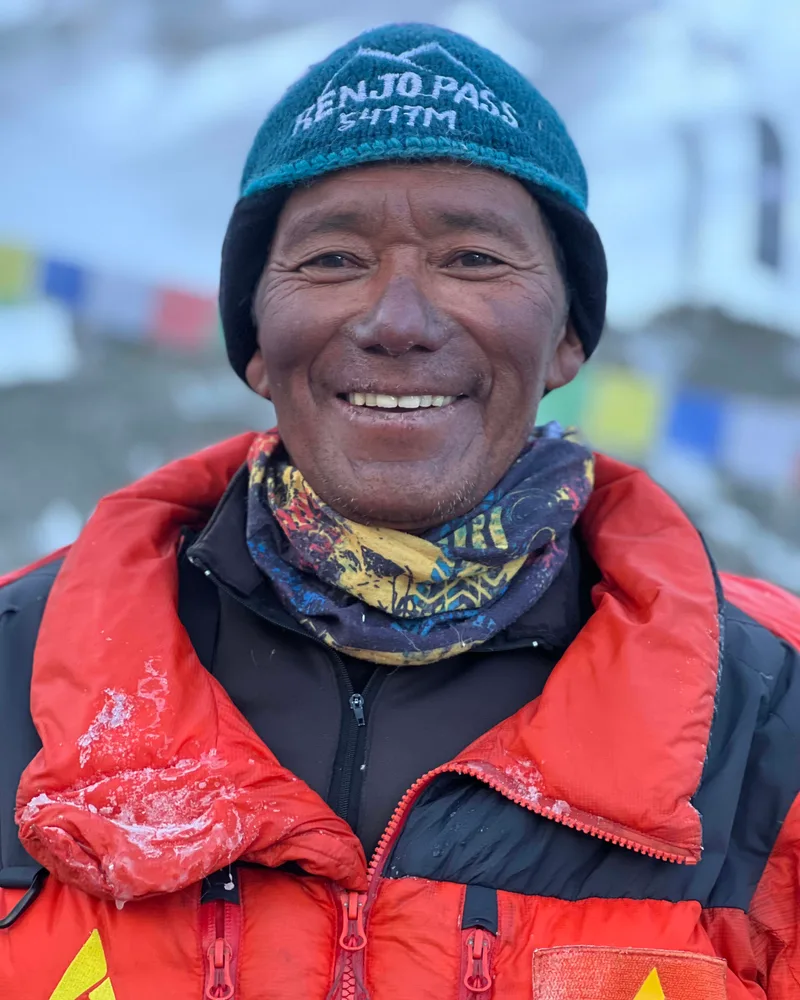
Gelje Sherpa
Known across the Himalayas as the 'Mountain Tiger', Gelje Sherpa embodies the pinnacle of physical strength, high-altitude endurance, and humanitarian heroism. Serving as a frontline climber on Nirmal Purja's elite team, Gelje participated in multiple speed ascents across the 8,000-metre peaks of Pakistan, Nepal, and Tibet. On January 16, 2021, Gelje pushed through hurricane-force winds to reach the summit of K2 in winter, completing the team that broke mountaineering's greatest barrier. In May 2023, while guiding a private client on Everest, Gelje encountered a Malaysian climber shivering in the snow, abandoned and near death at 8,500 metres on the Balcony. Putting human life above all summit ambitions, Gelje wrapped the hypothermic climber in a sleeping mat, hoisted him onto his back, and carried him solo for six hours through deep snow to Camp 4, pulling off one of the rarest successful rescues in Everest history.
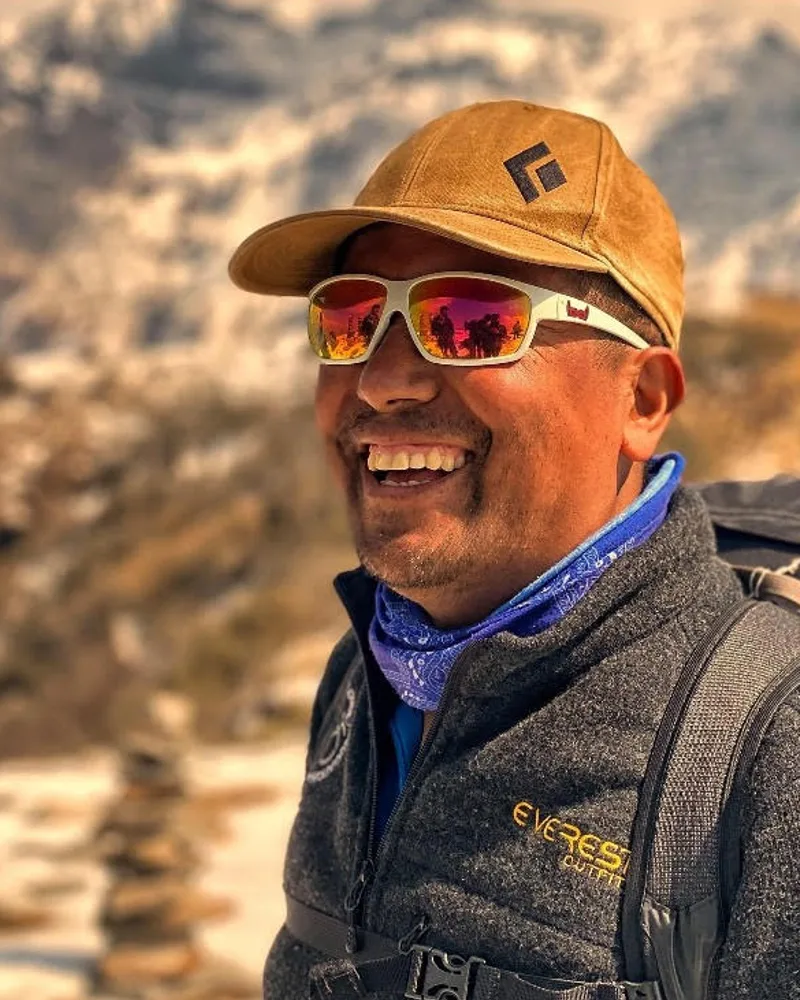
Mingma Gyabu 'David' Sherpa
Hailing from Taplejung in eastern Nepal, Mingma Gyabu Sherpa (known to the global alpine community as Mingma David) developed into one of the most prolific and reliable high-altitude climbers in modern history. Beyond his world-record speed on the 8,000-metre giants, Mingma David earned widespread respect for participating in over one hundred high-altitude rescue operations across the death zones of Everest, K2, and Annapurna. In 2019, Mingma David served as co-leader and primary logistics partner alongside Nirmal Purja on Project Possible, climbing nine eight-thousanders in rapid succession and setting the Guinness World Record as the youngest human to complete all fourteen 8,000ers. In January 2021, he played a pivotal role in the unified Nepali K2 winter expedition, carrying vital gear and summiting K2 on January 16, 2021.
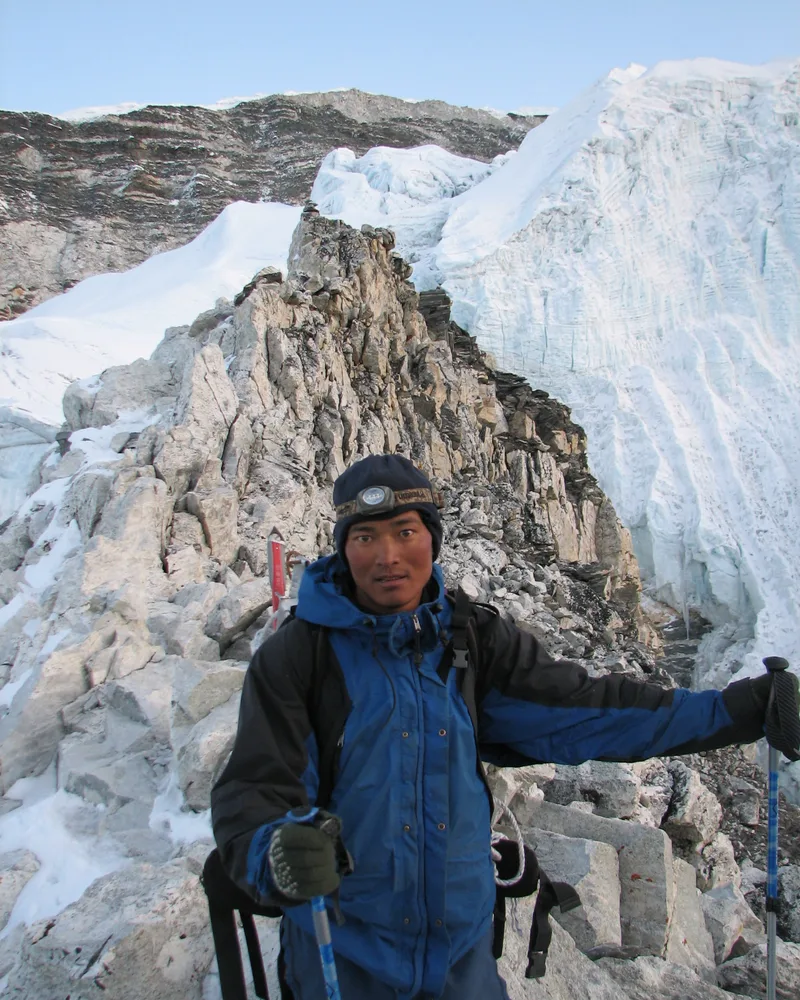
Mingma Gyalje Sherpa (Mingma G)
Born in the rugged Rolwaling Valley of Nepal, Mingma Gyalje Sherpa (widely known across international mountaineering as Mingma G) is one of the most technically accomplished high-altitude climbers of the modern era. An internationally certified IFMGA/UIAGM mountain guide, Mingma G established a reputation for fearless route-fixing and pure alpine ethics across the Himalaya and Karakoram. In January 2021, Mingma G joined forces with Nirmal Purja to solve the last remaining great frontier in high-altitude mountaineering: the winter first ascent of K2 (8,611 m). Battling temperatures below -50°C and hurricane winds, Mingma G led the critical route-fixing through the lethal Bottleneck and past the towering hanging serac. On January 16, 2021, he reached the summit of K2 entirely without the use of supplemental oxygen, uniting ten Nepali climbers at the apex in a triumphant display of indigenous mountaineering mastery.
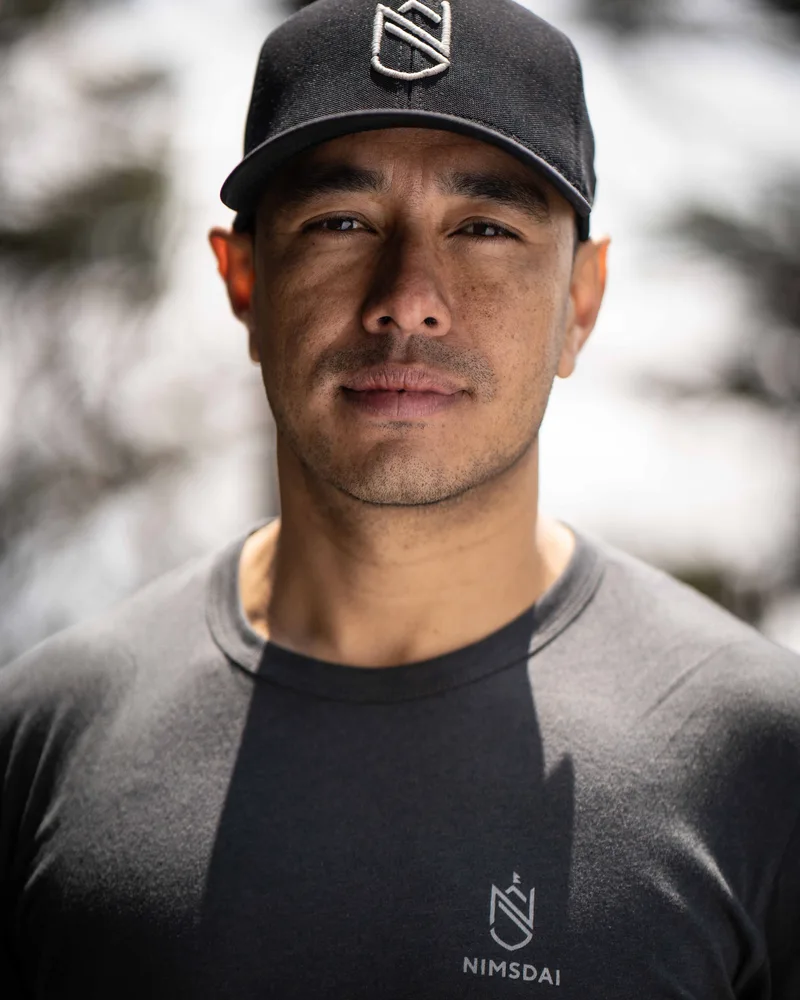
Mingma Tenzi Sherpa
Mingma Tenzi Sherpa is widely regarded by international expedition leaders as one of the hardest-working, most resilient high-altitude rope-fixers in the world. Having completed multiple ascents of Mount Everest, K2, and Kangchenjunga, Mingma Tenzi has spent thousands of hours operating in the lethal 'death zone' above 8,000 metres. During the 2020–2021 winter season on K2, Mingma Tenzi was part of Nirmal Purja's core summit assault team. Alongside Mingma G and his fellow Sherpas, Mingma Tenzi braved fierce -40°C gales to install heavy safety lines across the Black Pyramid and through the notorious Bottleneck beneath K2's hanging serac. On January 16, 2021, he reached the summit alongside his nine Nepali brothers, etching his name into the annals of global mountaineering.
Nirmal Purja
Nirmal 'Nimsdai' Purja was born on July 25, 1983, in Dana, a small village in the Myagdi District of western Nepal. Raised in Chitwan in the southern lowlands, he dreamed from childhood of military service. In 2003, at age nineteen, he joined the legendary British Brigade of Gurkhas, serving with distinction before becoming, in 2009, the first Gurkha to pass the grueling selection for the UK Special Forces' elite Special Boat Service (SBS). Across nearly a decade of classified combat operations as a cold-weather warfare specialist, Purja honed the extreme mental grit, physiological stamina, and high-stakes operational planning that would subsequently transform high-altitude mountaineering. Purja's climbing journey began during military leave in 2012 when, with zero prior mountaineering experience, he trekked to Everest Base Camp and summited Lobuche East (6,119m). In 2014, he achieved his first 8,000-meter summit on Dhaulagiri I after just fifteen days of acclimatization. In 2016 and 2017, he led Gurkha expeditions to Mount Everest, summiting twice and pioneering fast-rotation tactics. Recognising his extraordinary high-altitude physiology, Queen Elizabeth II appointed Purja a Member of the Most Excellent Order of the British Empire (MBE) in 2018 for outstanding achievements in extreme high-altitude mountaineering. Months later, he resigned from the Special Forces just years short of a guaranteed lifetime military pension to pursue a lifelong dream that seasoned alpine authorities deemed impossible. In 2019, Purja launched 'Project Possible 14/7'—a mission to summit all fourteen of the world's 8,000-meter 'death zone' peaks in just seven months, shattering the previous world record of seven years, ten months, and six days set by Kim Chang-ho. Starting on April 23 on the avalanche-prone north face of Annapurna I, Purja conquered Nepal's giants in rapid succession: Dhaulagiri, Kangchenjunga, Mount Everest, Lhotse, and Makalu. On Everest, Lhotse, and Makalu, he established a staggering record by summiting all three peaks in only 48 hours. Beyond speed, Purja gained global admiration for stopping his own climbs to lead life-saving high-altitude rescues, including the helicopter rescue of Dr. Chin Kin Wah on Annapurna and assisting stranded climbers on Kangchenjunga. Phase 2 of Project Possible swept through Pakistan's Karakoram in July 2019. In just twenty-three days, Purja summited Nanga Parbat, Gasherbrum I, Gasherbrum II, K2, and Broad Peak. On K2, when dozens of international teams were paralyzed by deep snow and severe avalanche danger in the Bottleneck, Purja and his team of Nepali climbers took charge of route-fixing, broke trail through the drifts, and spearheaded the successful team summit push. Moving to Tibet for Phase 3, he claimed Cho Oyu on September 23 and Manaslu on September 27. When China initially withheld permits for Shishapangma, international diplomatic appeals facilitated by the Nepali government led to special clearance. On October 29, 2019, Purja stood on Shishapangma's summit, completing all fourteen 8,000ers in just 189 days (6 months and 6 days). Fifteen months later, on January 16, 2021, Purja achieved high-altitude immortality by co-leading the historic first winter ascent of K2 (8,611m)—the last remaining 8,000-meter peak unclimbed in winter. In arctic temperatures of −65 °C, two Nepali teams unified their efforts. Purja chose to push for the summit entirely without supplemental oxygen, a feat of immense physiological defiance given his lack of high-camp acclimatization. Halting ten meters below the summit, all ten Nepali climbers linked arms, sang Nepal's national anthem, and stepped onto the summit together at 4:58 PM. Purja's career has redefined high-altitude mountaineering, shattered Western-centric historical paradigms, and brought rightful global recognition to Nepali and Sherpa climbers as supreme high-altitude masters.
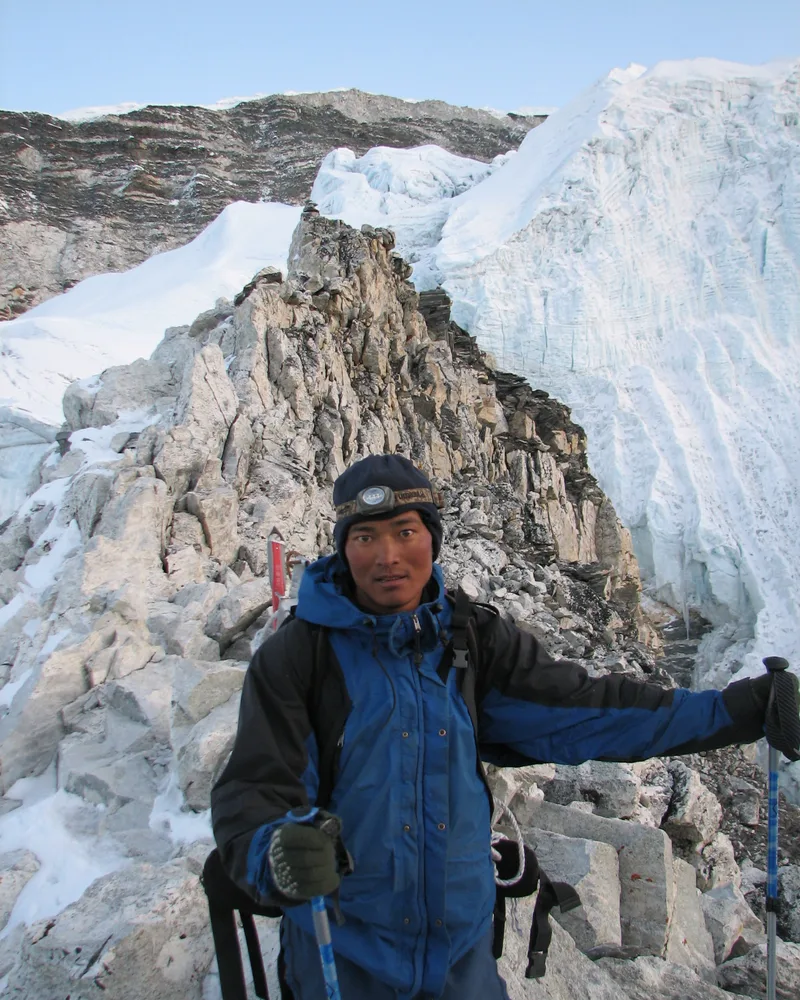
Sona Sherpa
Born in the Makalu region of Sankhuwasabha, Sona Sherpa rose through the ranks of Nepal's premier mountaineering agency, Seven Summit Treks, to become one of their most dependable high-altitude guides. Known for his modesty, endurance, and extraordinary strength in severe cold, Sona logged ascents of Everest, Manaslu, and Annapurna before taking on the winter challenge of K2. In the winter of 2020–2021, when multiple international teams converged on K2, Sona Sherpa provided essential high-camp logistics and route maintenance. When the summit push materialized on January 15–16, 2021, Sona joined Nirmal Purja's and Mingma G's teams at Camp 4. Climbing shoulder-to-shoulder with his nine compatriots, Sona reached the 8,611-metre summit in freezing twilight, completing the historic all-Nepali winter triumph.
Associated Historical Chronicles & Stories
Masters of the Vertical World: The Modern Nepali Renaissance
For nearly a century after the first European reconnaissance expeditions entered the Himalayas in the 1920s, the narrative of high-altitude mountaineering was f...
Documented Sources & Archival Citations
- The Himalayan Renaissance: Sherpa Leadership in Modern Alpinism(Alpine Journal / Himalayan Club)
Supporting claim: Comprehensive historical evaluation of 21st-century indigenous mountaineering leadership
Accessed/Documented: 2024