2002 Alberto Iñurrategi Annapurna I East Ridge Expedition
On May 16, 2002, Basque mountaineer Alberto Iñurrategi and French partner Jean-Christophe Lafaille summited Annapurna I (8,091m) via the formidable East Ridge without supplemental oxygen, completing Alberto's 14-peak quest in memory of his late brother Félix.
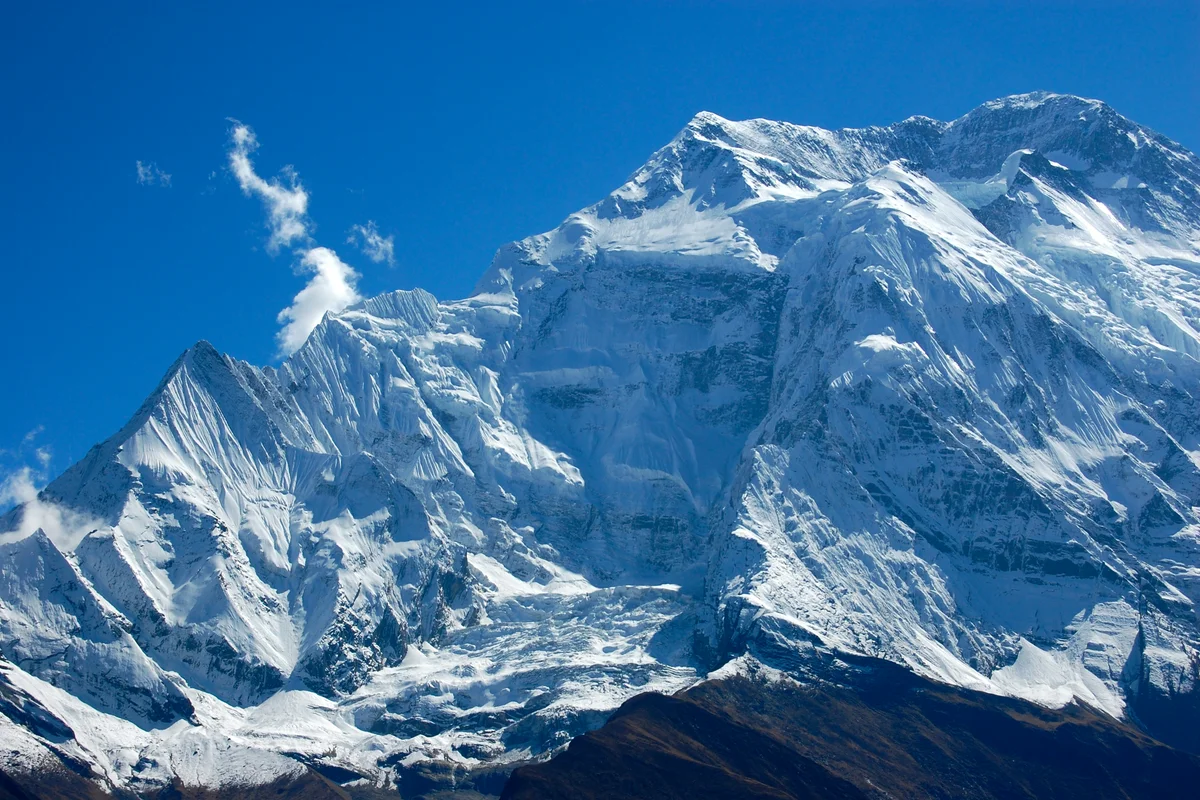
Mountain Safety & Conditions Disclaimer: High-altitude climbing, glacial travel, and technical ascents entail severe objective risks including avalanches, serac collapses, rapid weather collapse, and altitude illness. Historical route descriptions and summit claims on Mountanity reflect documented archival sources and must not be used as live operational safety assessments. Local regulations, permits, and physical glacial topography change continuously.
Peer Review: Senior Editorial Board & Historical Reviewers • Editorial Standards
Official Expedition Narrative & Archival Record
In spring 2002, Alberto Iñurrategi returned to the Himalaya for the final chapter of a journey that had begun eleven years earlier alongside his elder brother Félix. Following Félix's tragic death on Gasherbrum II in 2000, Alberto had summited Manaslu in 2001 and now confronted Annapurna I (8,091m), the final mountain. Teaming up with French alpine maestro Jean-Christophe Lafaille, Iñurrategi chose to climb the long and exposed East Ridge to avoid the deadly serac fall lines of the North Face. Operating in rapid alpine style without high-altitude porters or supplemental bottled oxygen, the two climbers traversed knife-edge snow cornices and technical rock steps at extreme altitude. On May 16, 2002, after a grueling final ridge traverse above 8,000 meters, Alberto Iñurrategi reached the summit of Annapurna I. At thirty-three years of age, he became the tenth person in history to climb all fourteen 8,000-meter peaks without supplemental bottled oxygen, dedicating the triumph entirely to the memory of his brother.
Documented Team Composition
- Alberto Iñurrategi (Spain/Basque Country, Summit Climber)
- Jean-Christophe Lafaille (France, Summit Climber)
Key Statistics & Topographic Figures
- Summit Date
- May 16, 2002 (10:00 AM)
Annapurna I (8,091m), Nepal
- Historic Ranking
- 10th Person in History Without O2
Second Spaniard to Complete the 14 Peaks
- Climber Age
- 33 Years Old
Youngest at the Time Without Supplemental Oxygen
- Ascent Route
- East Ridge Alpine Style
Traversed With Jean-Christophe Lafaille
- Tribute Summit
- Dedicated to Félix Iñurrategi
Honoring His Fallen Brother and Climbing Partner
Archival Primary Source Quotations
“On that cold ridge, I did not climb alone. Félix was with me in every breath, in every step toward the sky.”
Defined Alpine Terminology & Concepts
- Knife-Edge Arête
- A sharp, narrow mountain ridge of rock and overhanging snow cornices requiring extreme balance and offering no margin for error.
- Fair Means Alpinism
- The climbing ethic of tackling major peaks on equal terms with nature: without supplemental oxygen, siege ropes, or commercial support.
Frequently Asked Questions: 2002 Alberto Iñurrategi Annapurna I East Ridge Expedition
What was the historical significance of the 2002 Annapurna East Ridge expedition?
Alberto Iñurrategi became the tenth person in history to climb all 14 eight-thousanders without oxygen, completing the quest for his brother Félix.
When did Alberto Iñurrategi reach the summit of Annapurna I?
He summited Annapurna I on May 16, 2002, via the formidable and exposed East Ridge.
Who was Alberto Iñurrategi’s climbing partner on Annapurna in 2002?
He partnered with legendary French alpine master Jean-Christophe Lafaille in lightweight alpine style.
Why did Iñurrategi and Lafaille choose the East Ridge route?
They chose the East Ridge to avoid the deadly serac collapses and avalanche funnels of Annapurna’s classic North Face.
How old was Alberto Iñurrategi when he completed the fourteen peaks?
He was thirty-three years old, making him at the time the youngest climber in history to complete the 14 peaks without oxygen.
Did Alberto Iñurrategi use supplemental bottled oxygen on the East Ridge?
No, both Iñurrategi and Lafaille climbed strictly without supplemental bottled oxygen.
What personal tragedy inspired Alberto Iñurrategi’s ascent of Annapurna?
His brother and climbing partner Félix had died in a rappel accident on Gasherbrum II in 2000 after they had summited twelve 8000ers together.
What style of mountaineering was used on the East Ridge of Annapurna?
Pure lightweight alpine style: no fixed ropes, no high-altitude porters, and carrying tiny bivouac tents along the knife edge.
Ascent Route & Topography
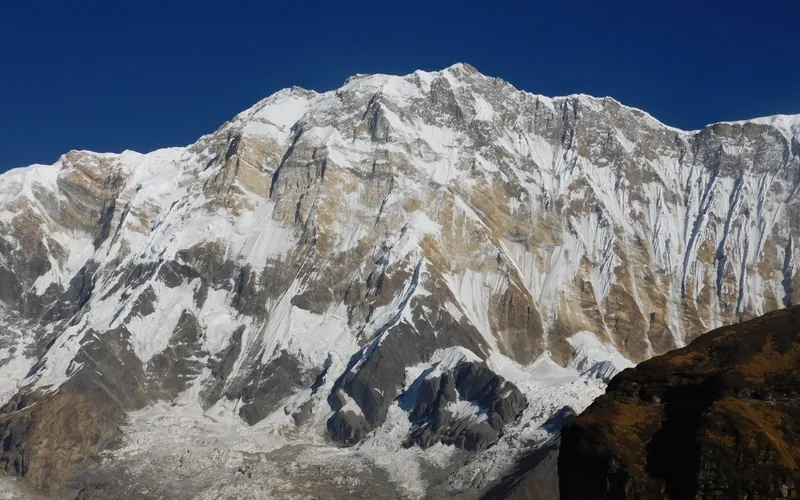
Annapurna I North Face (Herzog-Lachenal Route)
The North Face of Annapurna I is the historic first route ever climbed on an 8,000-meter peak, pioneered by French climbers Maurice Herzog and Louis Lachenal on June 3, 1950. Approached via the remote Miristi Khola valley, the route ascends the shattered North Annapurna Glacier, negotiates the terrifying avalanche-swept Sickle Glacier serac wall, and ascends steep snow gullies along the French Rib to gain the 8,091m summit.
Target Objective Peak
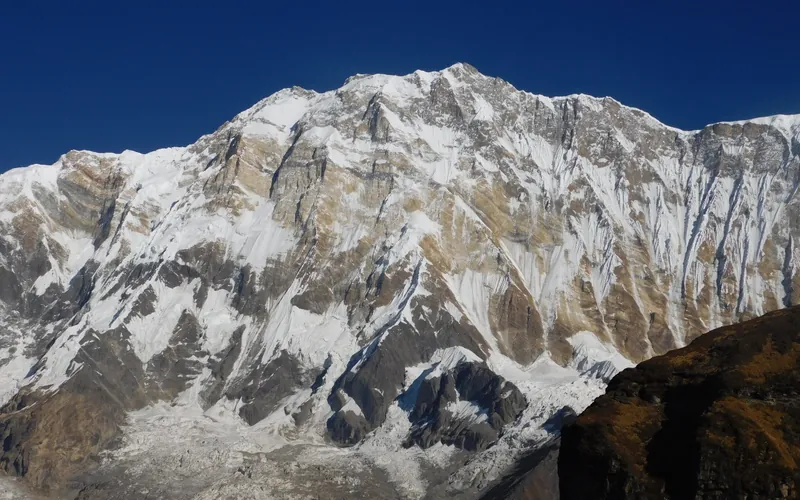

Annapurna I
Annapurna I, at 8,091 meters (26,545 ft), is the tenth-highest mountain in the world and historically the first 8,000-meter peak ever summited (June 3, 1950 by Maurice Herzog and Louis Lachenal). Rising above the Annapurna Sanctuary, its north and south walls present extreme avalanche and serac fall hazards.
Featured Expedition Climber
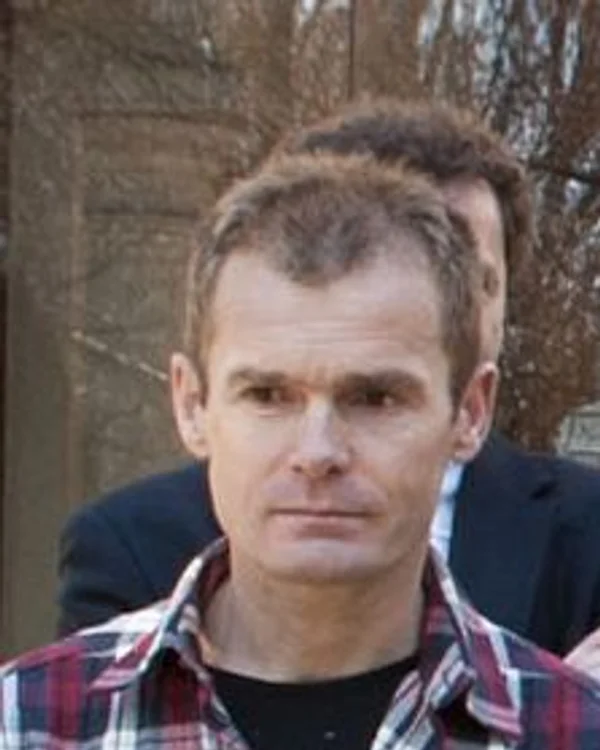
Alberto Iñurrategi
Alberto Iñurrategi Iriarte was born on November 3, 1968, in Aretxabaleta, Gipuzkoa, in the Basque Country of northern Spain. Introduced to the mountains at an early age alongside his elder brother Félix, Alberto quickly emerged as one of the most gifted high-altitude purists of his generation. The Iñurrategi brothers adopted an uncompromising ethical approach to Himalayan climbing, avoiding commercial logistics, fixed camps, and supplemental bottled oxygen. In 1991, at just twenty-two years of age, Alberto climbed his first eight-thousander, Makalu (8,485m), alongside Félix without artificial oxygen. Over the subsequent nine years, the brothers formed one of the most formidable partnerships in mountaineering history, methodically ticking off eleven more 8,000-meter peaks: Everest (1992), K2 (1994), Lhotse (1995), Kangchenjunga (1996), Shishapangma (1996), Broad Peak (1997), Dhaulagiri (1998), Nanga Parbat (1999), and Cho Oyu (1999). In July 2000, they reached the summit of Gasherbrum II (8,035m), their twelfth eight-thousander. Tragedy struck during the descent when a rappel anchor snapped at 6,500 meters, sending Félix falling to his death before Alberto's eyes. Devastated by the loss of his brother, Alberto retreated from the mountains before deciding to finish the quest they had begun together as an enduring tribute. In 2001, he summited Manaslu (8,163m). On May 16, 2002, Alberto made a bold alpine-style push up the East Ridge of Annapurna I (8,091m) with French alpinist Jean-Christophe Lafaille, stepping onto the summit to become the tenth person in history to climb all fourteen 8,000-meter peaks without supplemental oxygen. Alberto subsequently established the Félix Iñurrategi Foundation to build schools and medical infrastructure in the remote valleys of Baltistan, while continuing to climb landmark technical lines, including the Southwest Face of Gasherbrum IV in 2006 and a full traverse of Broad Peak in 2010.
Associated Historical Chronicles & Stories
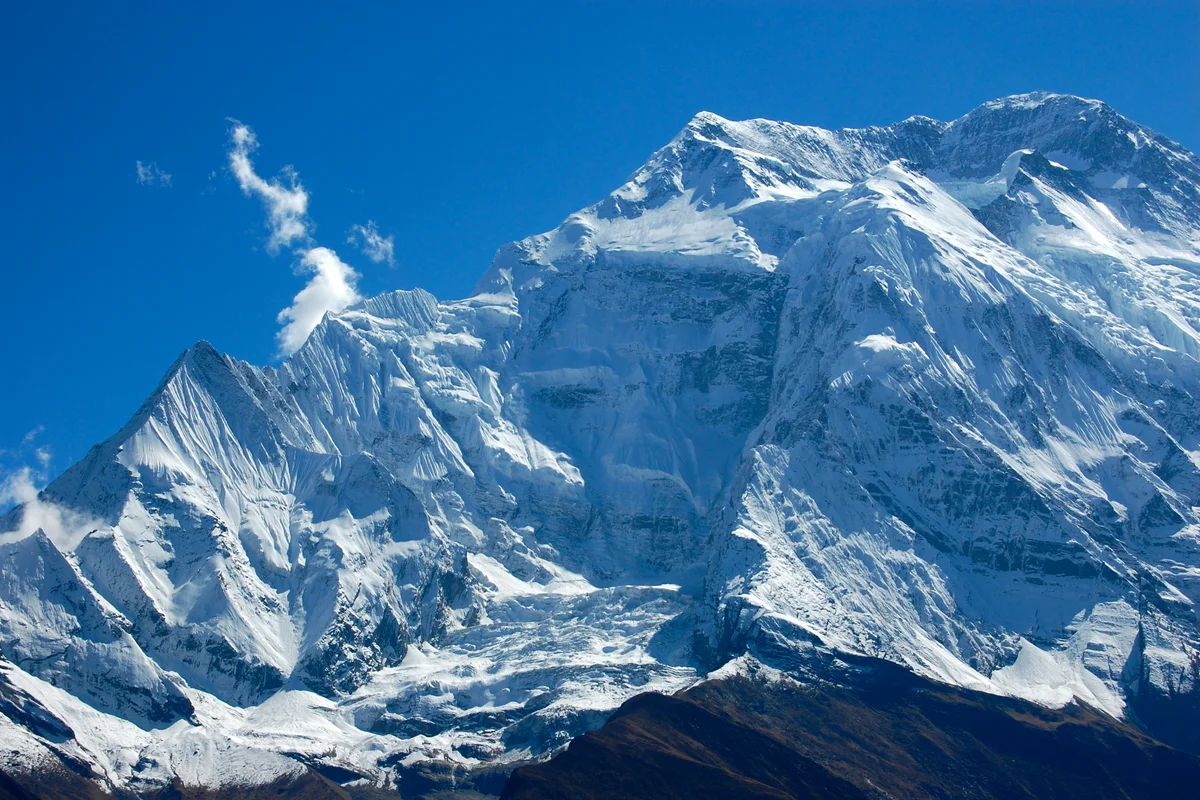
The Brother's Ridge: Alberto Iñurrategi Conquers Annapurna for Félix
On May 16, 2002, Basque purist Alberto Iñurrategi and Jean-Christophe Lafaille traversed Annapurna's lethal East Ridge without oxygen, completing all 14 peaks in memory of Alberto's late brother Félix.
Documented Sources & Archival Citations
- American Alpine Journal: Annapurna East Ridge and the 14 Summits by Alberto Iñurrategi(American Alpine Club)
Supporting claim: Official expedition report verifying the May 16, 2002 Annapurna East Ridge summit
Accessed/Documented: 2003 - Hire Himalaya: The Final Ridge for Félix(Alberto Iñurrategi / Editorial Desnivel)
Supporting claim: Personal memoirs detailing the alpine-style push on Annapurna and the emotional tribute to his brother
Accessed/Documented: 2002