Annapurna I North Face (Herzog-Lachenal Route)
The North Face of Annapurna I is the historic first route ever climbed on an 8,000-meter peak, pioneered by French climbers Maurice Herzog and Louis Lachenal on June 3, 1950. Approached via the remote Miristi Khola valley, the route ascends the shattered North Annapurna Glacier, negotiates the terrifying avalanche-swept Sickle Glacier serac wall, and ascends steep snow gullies along the French Rib to gain the 8,091m summit.
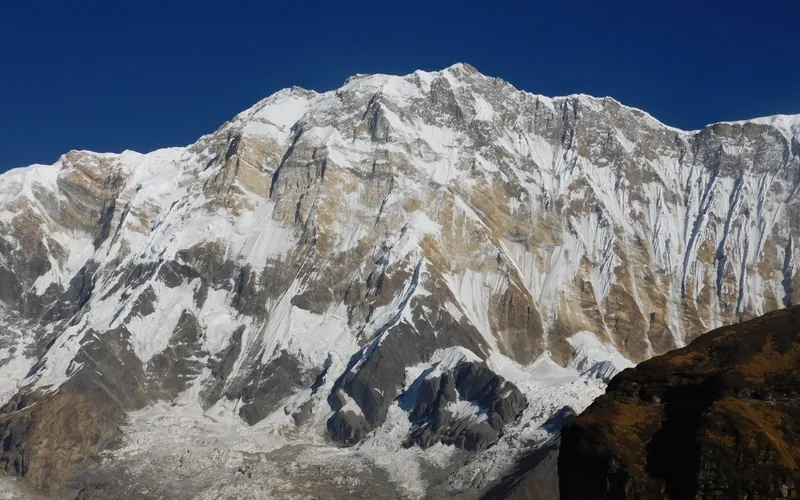
Ascent line, technical cruxes & camp topography profile for Annapurna I North Face (Herzog-Lachenal Route)
Mountain Safety & Conditions Disclaimer: High-altitude climbing, glacial travel, and technical ascents entail severe objective risks including avalanches, serac collapses, rapid weather collapse, and altitude illness. Historical route descriptions and summit claims on Mountanity reflect documented archival sources and must not be used as live operational safety assessments. Local regulations, permits, and physical glacial topography change continuously.
Peer Review: Senior Editorial Board & Historical Reviewers • Editorial Standards
Tactical & Camp Notes
Annapurna I is historically considered the most hazardous of the 8,000m peaks due to catastrophic, unpredictable hanging serac avalanches sweeping the entire central face.
Identified Objective Hazards
- •Catastrophic hanging serac avalanches from the Sickle Glacier wiping out climbing lanes
- •Extreme high-altitude exposure and hypothermia during spring monsoon transition storms
- •High crevasse activity and collapsing snow bridges on the North Annapurna Glacier
- •Severe frostbite resulting from moisture-laden winds funnelling up from southern valleys
Interactive Elevation Profile
Vertical profile, technical cruxes, and camp staging progression for Annapurna I North Face (Herzog-Lachenal Route) on Annapurna I.
Established on the grassy moraines of the Miristi Khola beneath the colossal glaciated amphitheatre.
Camp-by-Camp Topography
Key staging altitudes, technical cruxes, and terrain transitions for Annapurna I North Face (Herzog-Lachenal Route).
Base Camp
Established on the grassy moraines of the Miristi Khola beneath the colossal glaciated amphitheatre.
Camp I
Located on the lower ablation zone of the North Annapurna Glacier among frozen rubble.
Camp II
Positioned at the base of the steep headwall below the colossal Sickle ice formation.
The Sickle Glacier & Camp III
Placed on an icy terrace directly beneath colossal hanging ice seracs shaped like a curved sickle.
The French Rib & Camp IV
The high assault camp perched on a rock and snow spur above the main avalanche runout zones.
The French Couloir
A sustained 50°-55° snow and blue ice gully cutting between the North Face rock bands to the summit crest.
Annapurna I Summit
The sharp snow ridge marking the summit of the world's tenth-highest peak, the first 8,000er ever climbed.
Topographic Location & Terrain Map
Cartographic datum, massif coordinates, and terrain context for Annapurna I North Face (Herzog-Lachenal Route) on Annapurna I.
Interactive Topographic Terrain Map
Click below to load live cartographic contours, glacier approaches, and geographic markers for Annapurna I (28°35′46″ N, 83°49′13″ E).
Key Statistics & Topographic Figures
- Route Type
- Standard / Historic Route
Topography
- Technical Difficulty
- Extremely Demanding / Grade V, TD+
Alpine V, 55° hard ice, hanging serac navigation
- Country / Region
- Nepal (Annapurna Massif / Gandaki)
Location
Archival Primary Source Quotations
“A mountain route is not merely a path of rock and ice; it is a test of human endurance, judgment, and humility.”
Defined Alpine Terminology & Concepts
- Crux
- The most difficult and technically demanding pitch or section of a climbing route.
- Normal Route (Voie Normale)
- The most frequently climbed, least technical, and historically standard path to a mountain summit.
Frequently Asked Questions: Annapurna I North Face (Herzog-Lachenal Route)
What is the climbing difficulty and grade of Annapurna I North Face (Herzog-Lachenal Route)?
Annapurna I North Face (Herzog-Lachenal Route) on annapurna-1 is graded as Extremely Demanding / Grade V, TD+, with technical climbing requirements including Alpine V, 55° hard ice, hanging serac navigation.
What are the primary hazards on the Annapurna I North Face (Herzog-Lachenal Route)?
Climbers on Annapurna I North Face (Herzog-Lachenal Route) must navigate severe objective hazards including Catastrophic hanging serac avalanches from the Sickle Glacier wiping out climbing lanes, Extreme high-altitude exposure and hypothermia during spring monsoon transition storms, High crevasse activity and collapsing snow bridges on the North Annapurna Glacier, Severe frostbite resulting from moisture-laden winds funnelling up from southern valleys.
What camps are established on Annapurna I North Face (Herzog-Lachenal Route)?
Annapurna I North Face (Herzog-Lachenal Route) typically features 7 staging camps, progressing from Base Camp (4150m) up toward the summit.
Mountain Ascended
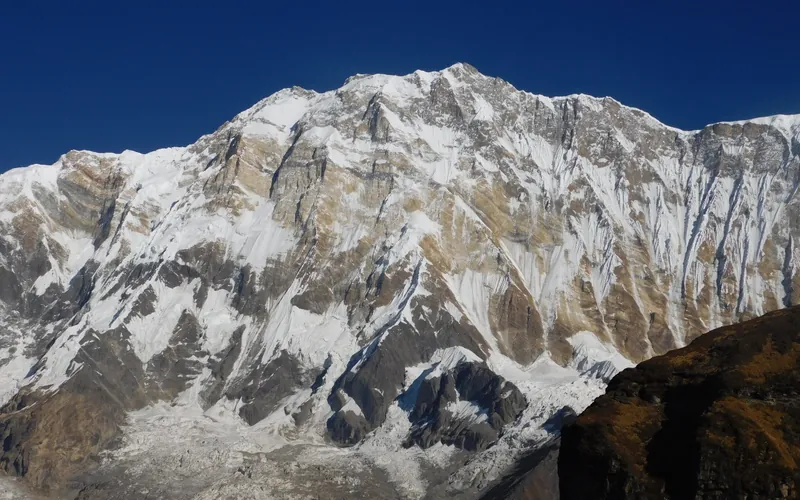

Annapurna I
Annapurna I, at 8,091 meters (26,545 ft), is the tenth-highest mountain in the world and historically the first 8,000-meter peak ever summited (June 3, 1950 by Maurice Herzog and Louis Lachenal). Rising above the Annapurna Sanctuary, its north and south walls present extreme avalanche and serac fall hazards.
Documented Expeditions on this Route (9)
Verified historical summits, siege campaigns, and pioneer attempts recorded on Annapurna I North Face (Herzog-Lachenal Route).
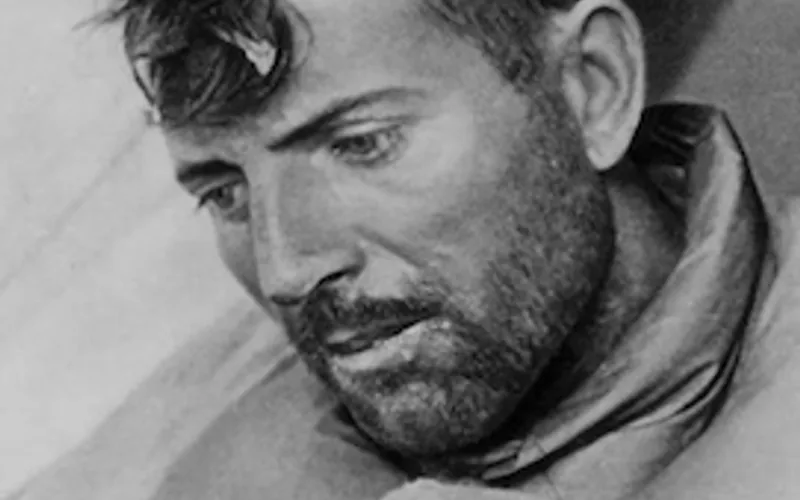
1950 French Annapurna Expedition
Led by Maurice Herzog, the 1950 French expedition made history by achieving the first summit of an 8,000-meter peak when Herzog and Louis Lachenal reached the top of Annapurna I (8,091m) on June 3, 1950, without supplemental oxygen.
1987 Polish Annapurna I Winter First Ascent Expedition
On February 3, 1987, Polish alpinists Artur Hajzer and Jerzy Kukuczka completed the historic first winter ascent of Annapurna I (8,091m), braving -40°C temperatures, hurricane-force winds, and hard blue ice along the North Face without supplemental bottled oxygen.
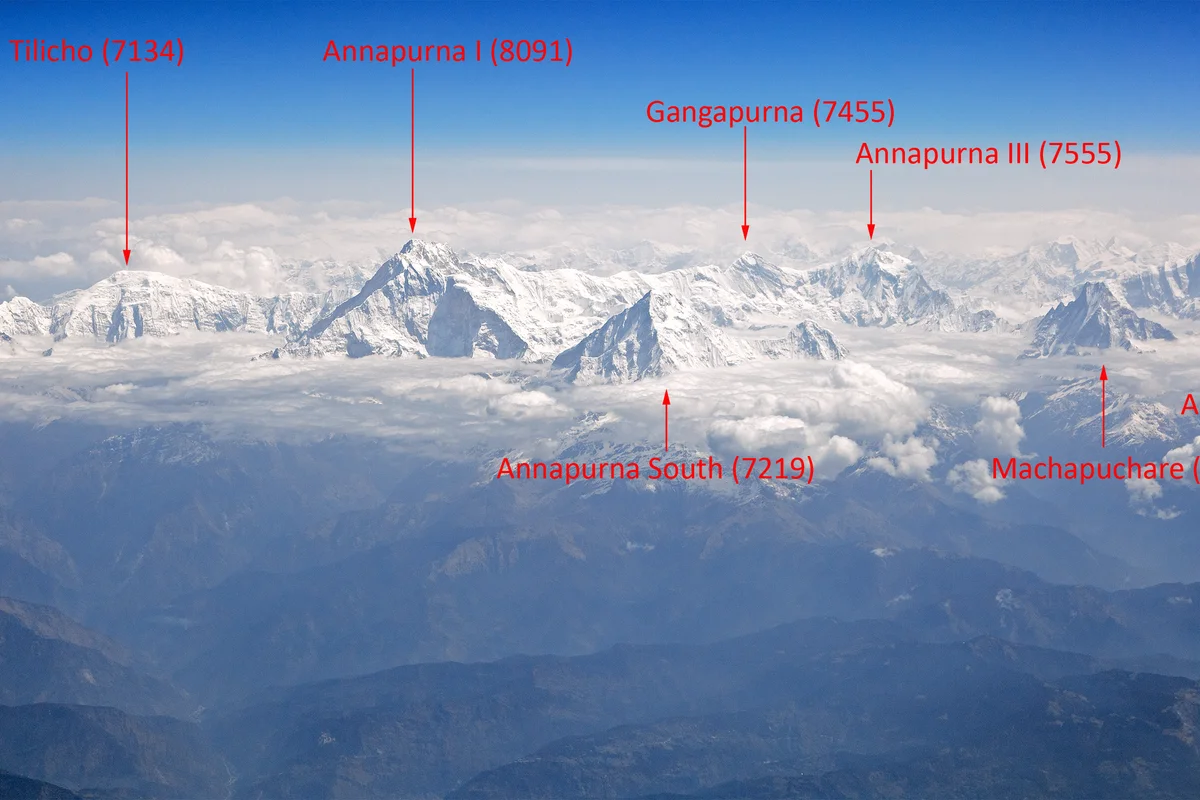
1999 Juanito Oiarzabal Annapurna I 14th Summit Expedition
On April 29, 1999, Basque mountaineer Juanito Oiarzabal conquered Annapurna I (8,091m) via the North Face without supplemental oxygen, becoming the sixth person in history, the third without bottled oxygen, and the first Spaniard to complete all fourteen 8,000-meter peaks.
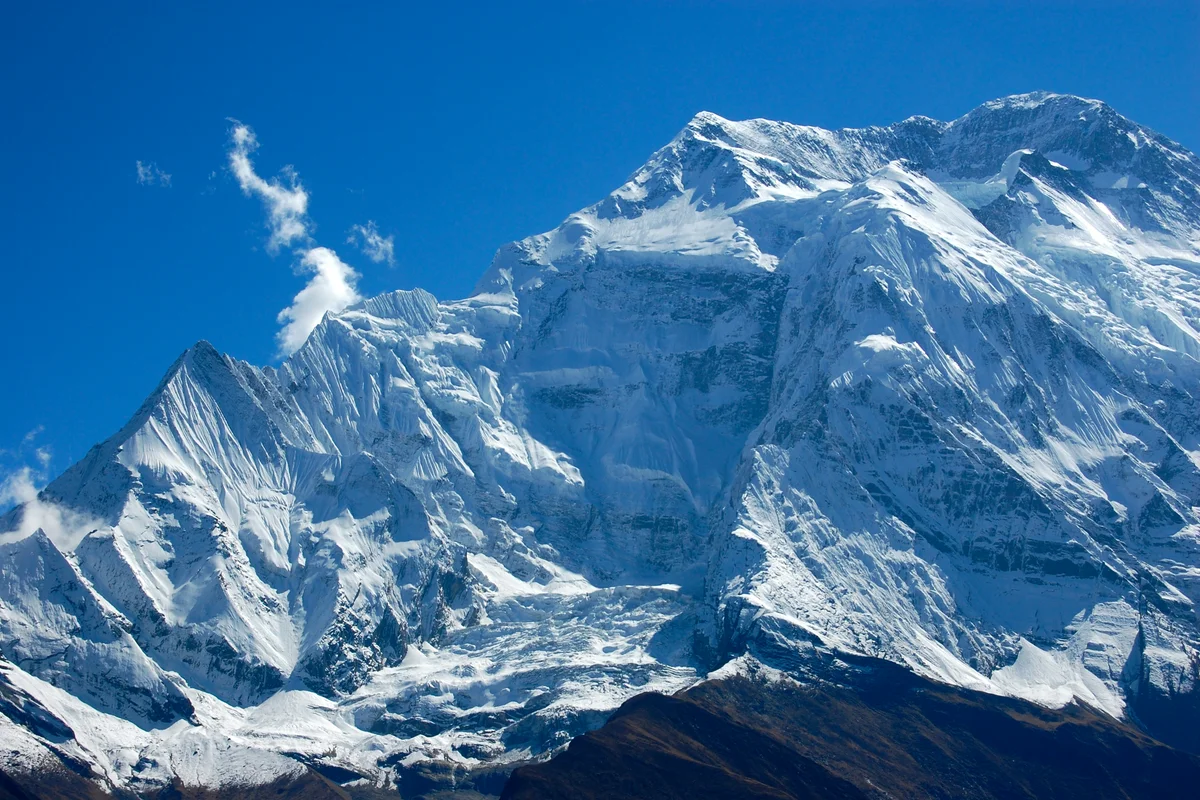
2002 Alberto Iñurrategi Annapurna I East Ridge Expedition
On May 16, 2002, Basque mountaineer Alberto Iñurrategi and French partner Jean-Christophe Lafaille summited Annapurna I (8,091m) via the formidable East Ridge without supplemental oxygen, completing Alberto's 14-peak quest in memory of his late brother Félix.
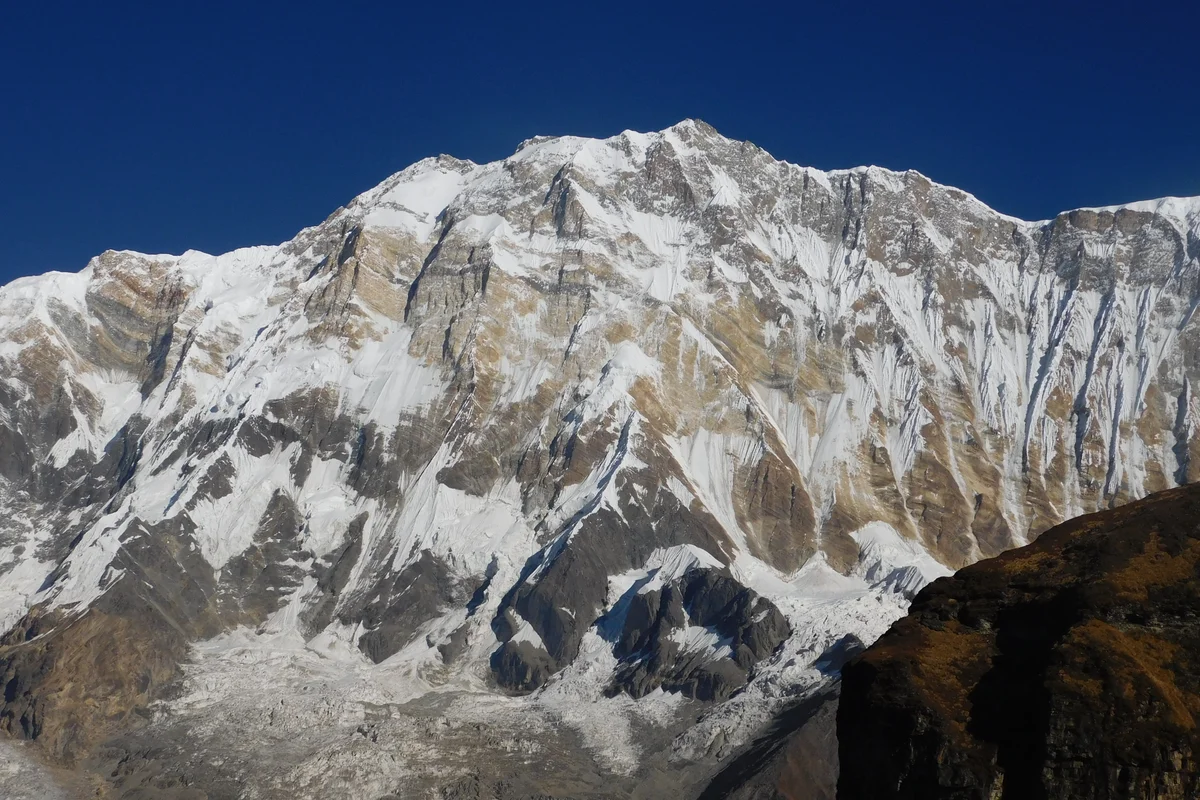
2005 Ed Viesturs Annapurna I Endeavour 8000 Expedition
On May 12, 2005, American mountaineer Ed Viesturs and Finnish partner Veikka Gustafsson reached the summit of Annapurna I (8,091m) via the North Face French route without supplemental oxygen, completing Viesturs's sixteen-year Project Endeavour 8000 to summit all fourteen 8,000-meter peaks.
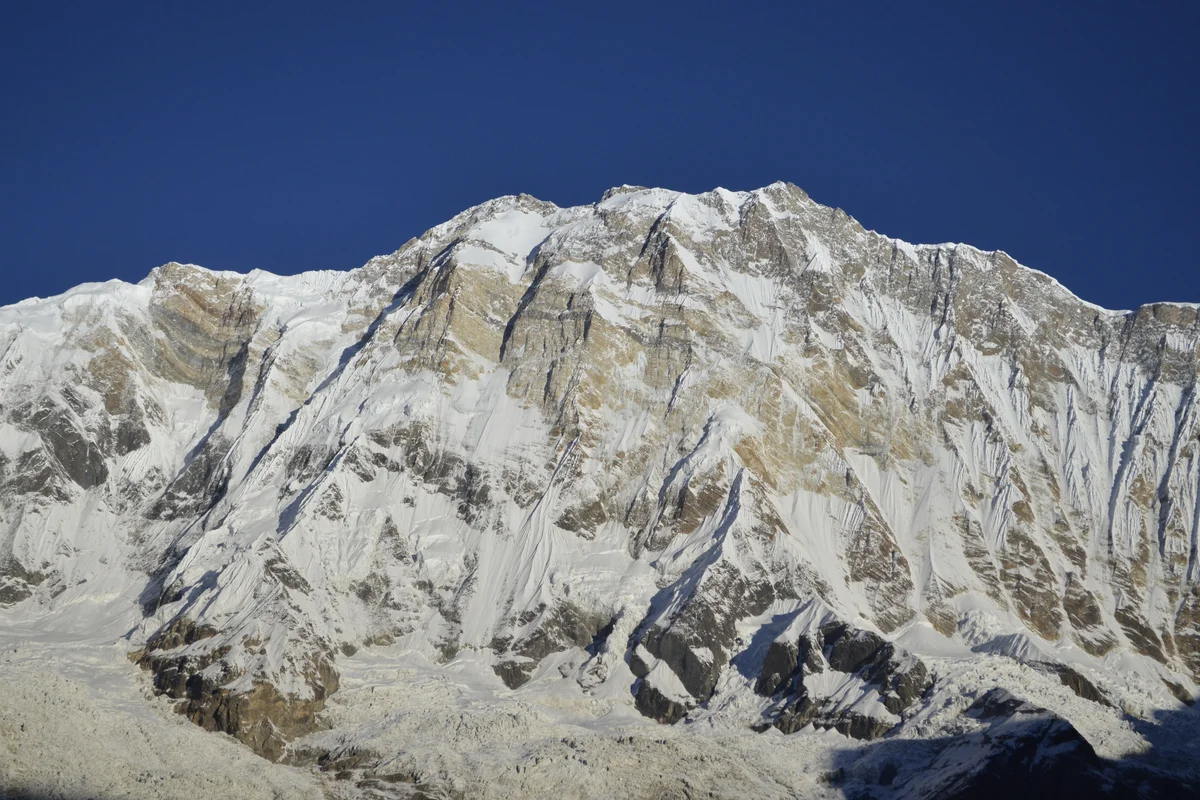
2010 Piotr Pustelnik Annapurna I & 14 Eight-Thousanders Completion
On April 27, 2010, fifty-eight-year-old Polish alpinist Piotr Pustelnik reached the summit of Annapurna I (8,091m) on his fifth attempt, completing his twenty-year journey to scale all fourteen of the world's 8,000-meter peaks.
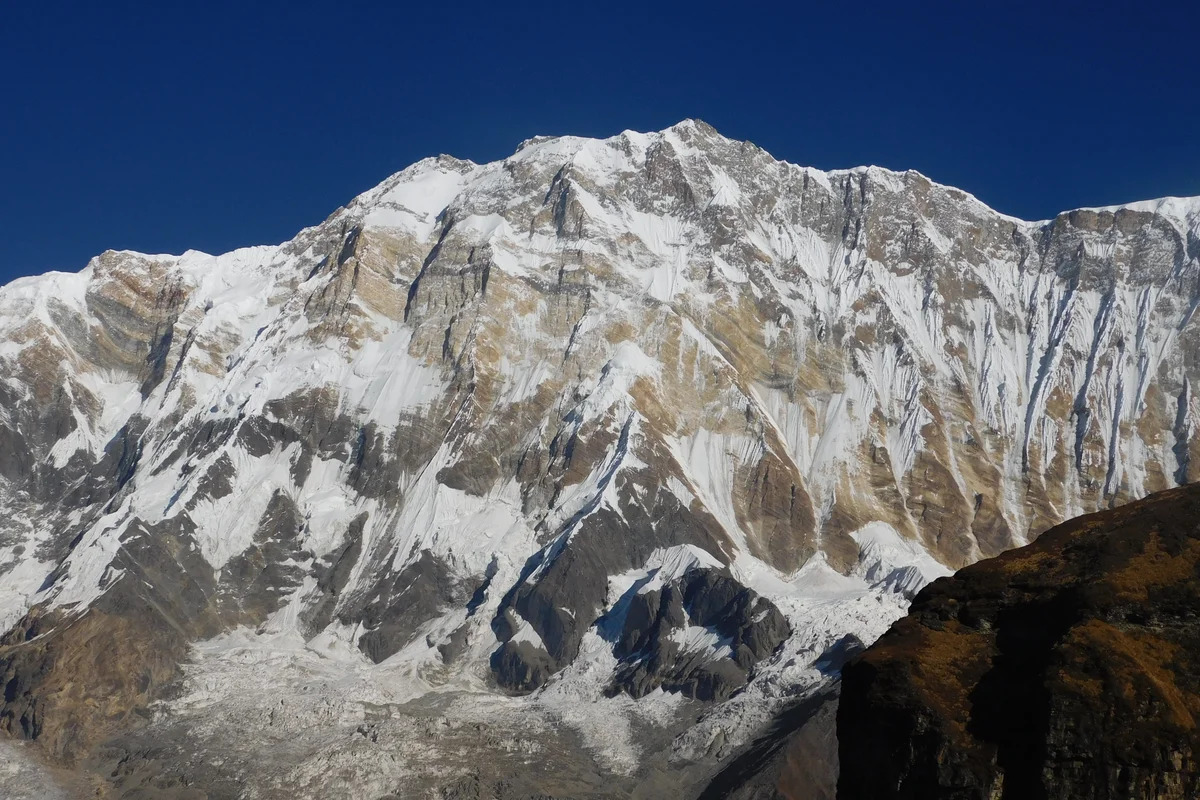
2016 Carlos Soria Annapurna I Senior World Record Expedition
On May 1, 2016, seventy-seven-year-old Spanish mountaineer Carlos Soria stood on the summit of Annapurna I (8,091m), setting an all-time world record as the oldest human being to conquer the deadliest of the fourteen eight-thousanders.
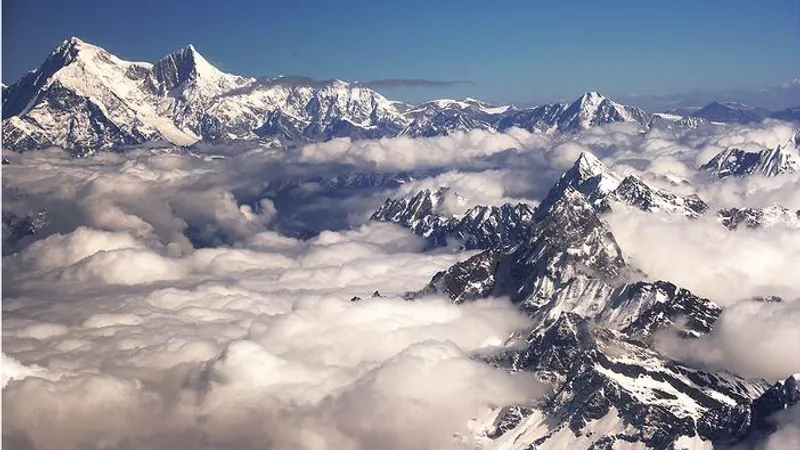
Project Possible 14/7: The 189-Day 14-Peak Odyssey
Led by former British Gurkha and Special Boat Service (SBS) operator Nirmal 'Nimsdai' Purja MBE, Project Possible 14/7 shattered the world speed record by summiting all fourteen 8,000-meter peaks in 6 months and 6 days (189 days), smashing the prior record of nearly eight years.
2019 Nirmal Purja Annapurna I Expedition
Nirmal Purja inaugurated Project Possible 14/7 on April 23, 2019, summiting Annapurna I (8,091m) via the North Face, before executing the daring high-altitude helicopter rescue of Dr. Chin Kin Wah.
Archival Chronicles & Stories on this Route (10)
In-depth longform historical narratives, harrowing survival accounts, and firsthand alpine journals on Annapurna I North Face (Herzog-Lachenal Route).
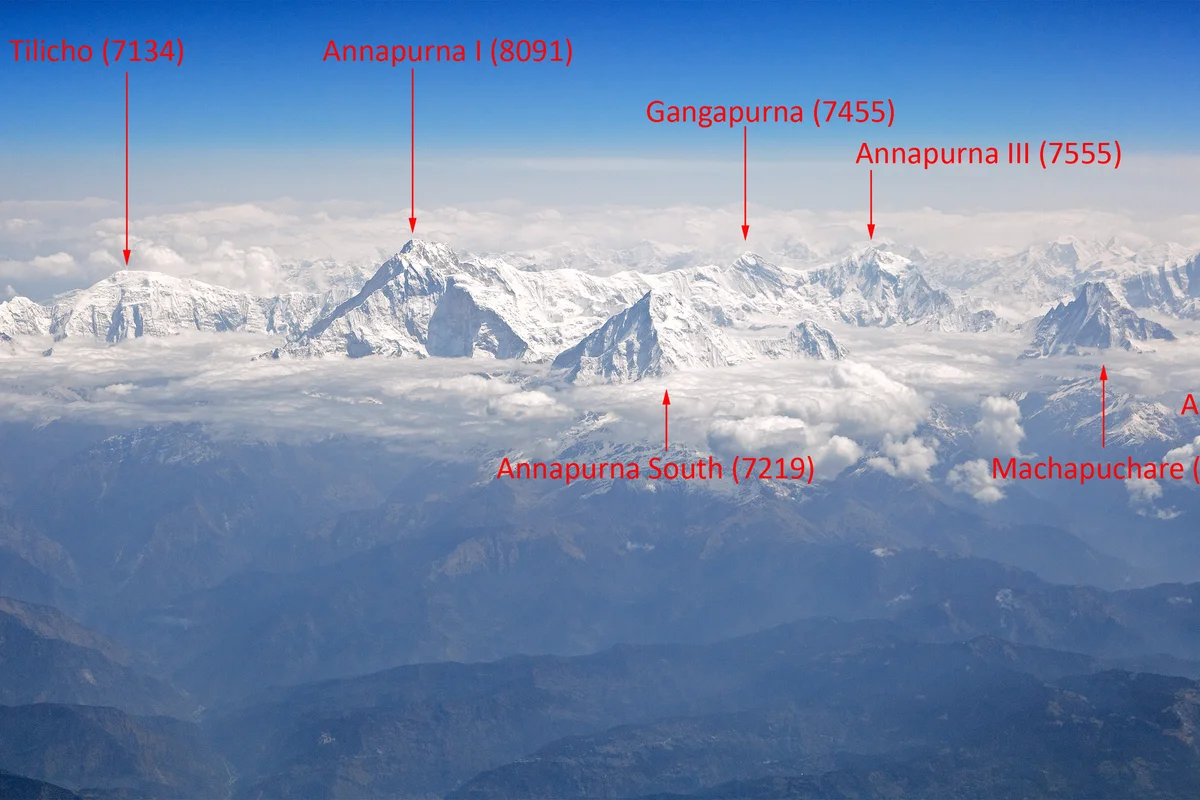
Cold Lightning: Artur Hajzer and Jerzy Kukuczka Conquer Annapurna in Winter
On February 3, 1987, Polish alpinists Artur Hajzer and Jerzy Kukuczka conquered Annapurna I in winter at -40°C, navigating blue ice and avalanche corridors without oxygen.
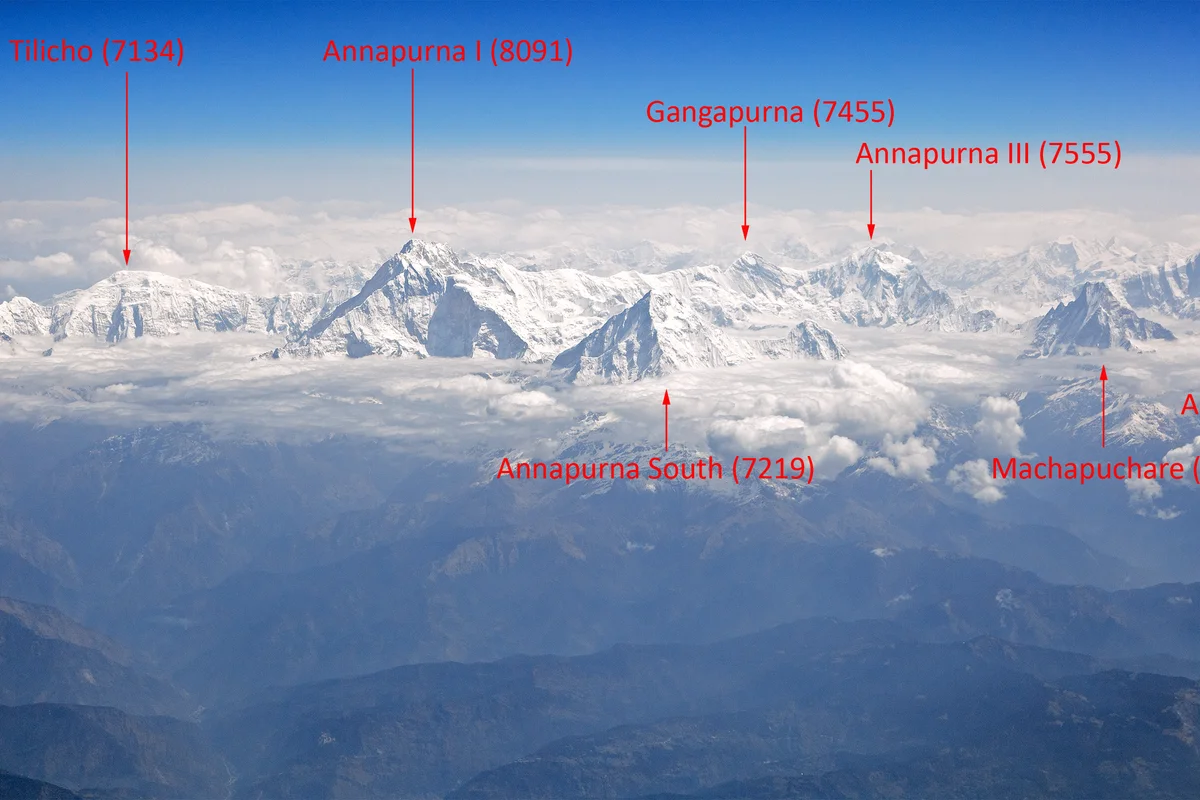
The Fourteenth Star: Juanito Oiarzabal Conquers Annapurna Without Oxygen
On April 29, 1999, Basque powerhouse Juanito Oiarzabal conquered Annapurna I without bottled oxygen, becoming the third person in history to complete all fourteen 8,000-meter peaks without artificial gas.
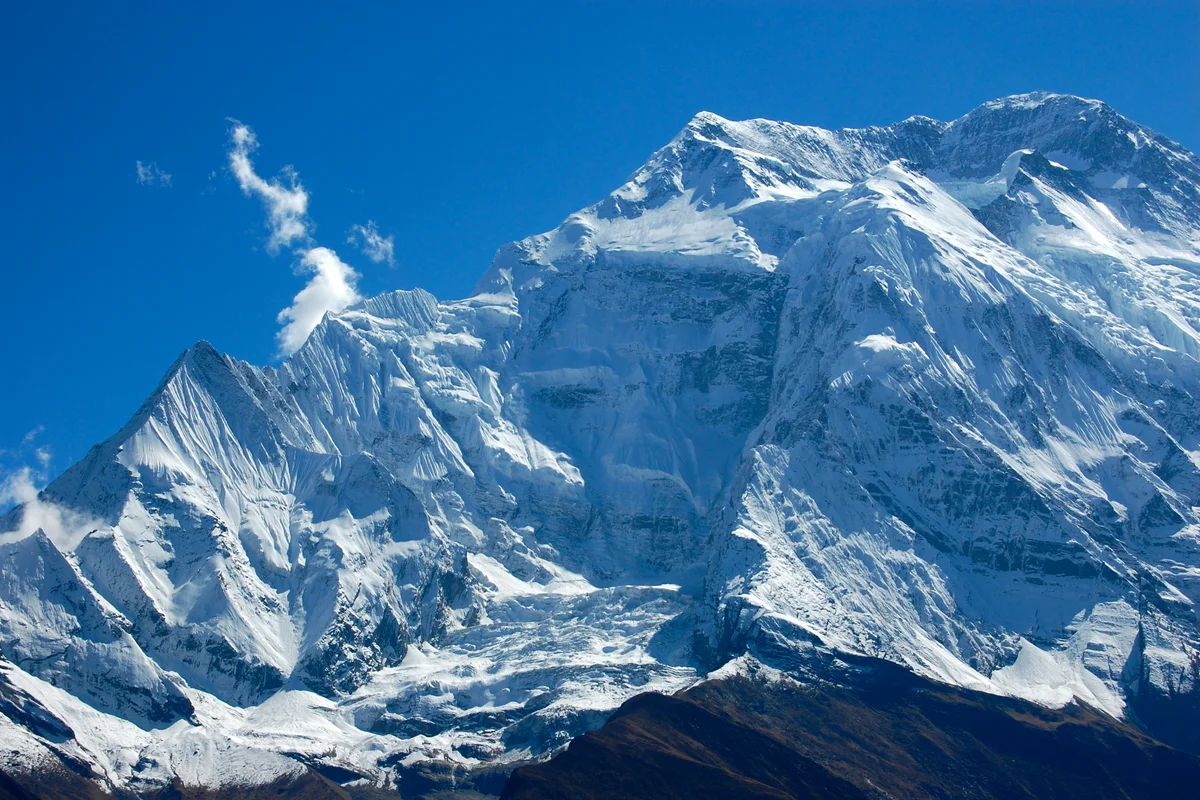
The Brother's Ridge: Alberto Iñurrategi Conquers Annapurna for Félix
On May 16, 2002, Basque purist Alberto Iñurrategi and Jean-Christophe Lafaille traversed Annapurna's lethal East Ridge without oxygen, completing all 14 peaks in memory of Alberto's late brother Félix.
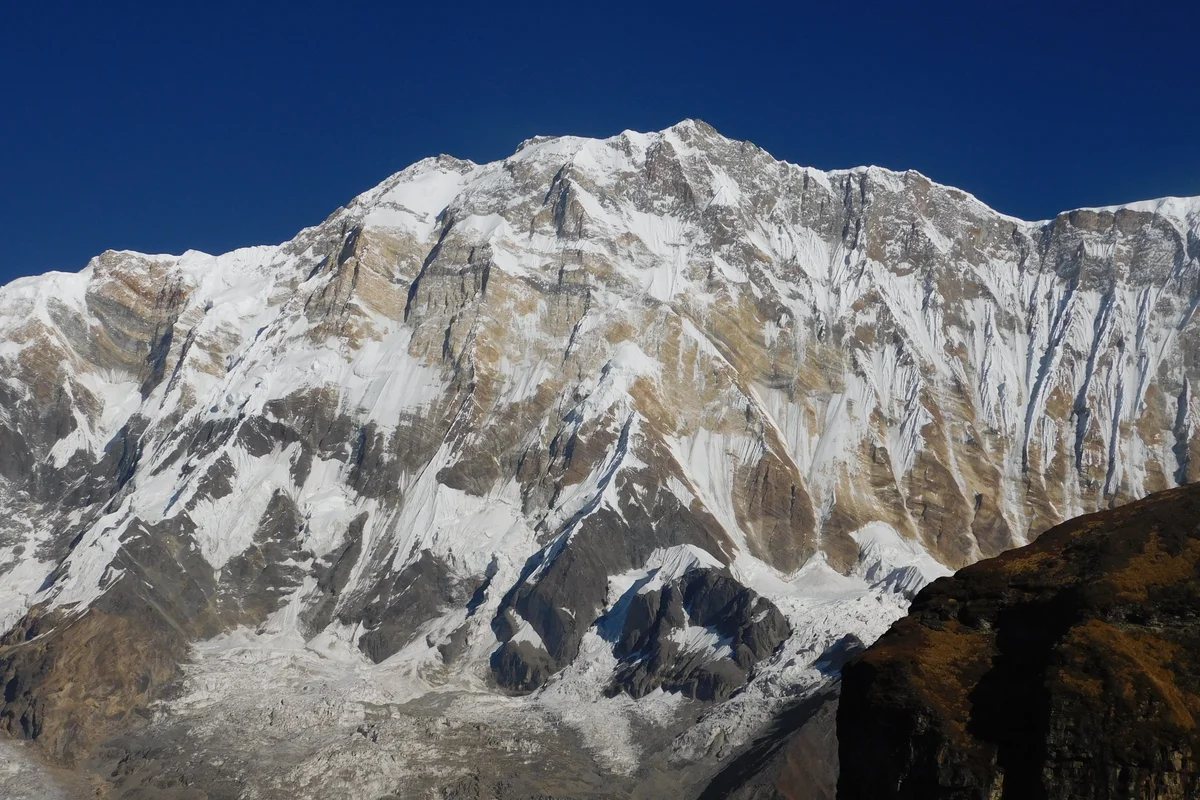
Mandatory Return: Ed Viesturs Completes Endeavour 8000 on Annapurna
On May 12, 2005, Ed Viesturs and Veikka Gustafsson conquered the lethal North Face of Annapurna I without bottled oxygen, fulfilling Viesturs's 16-year quest to climb all 14 eight-thousanders.
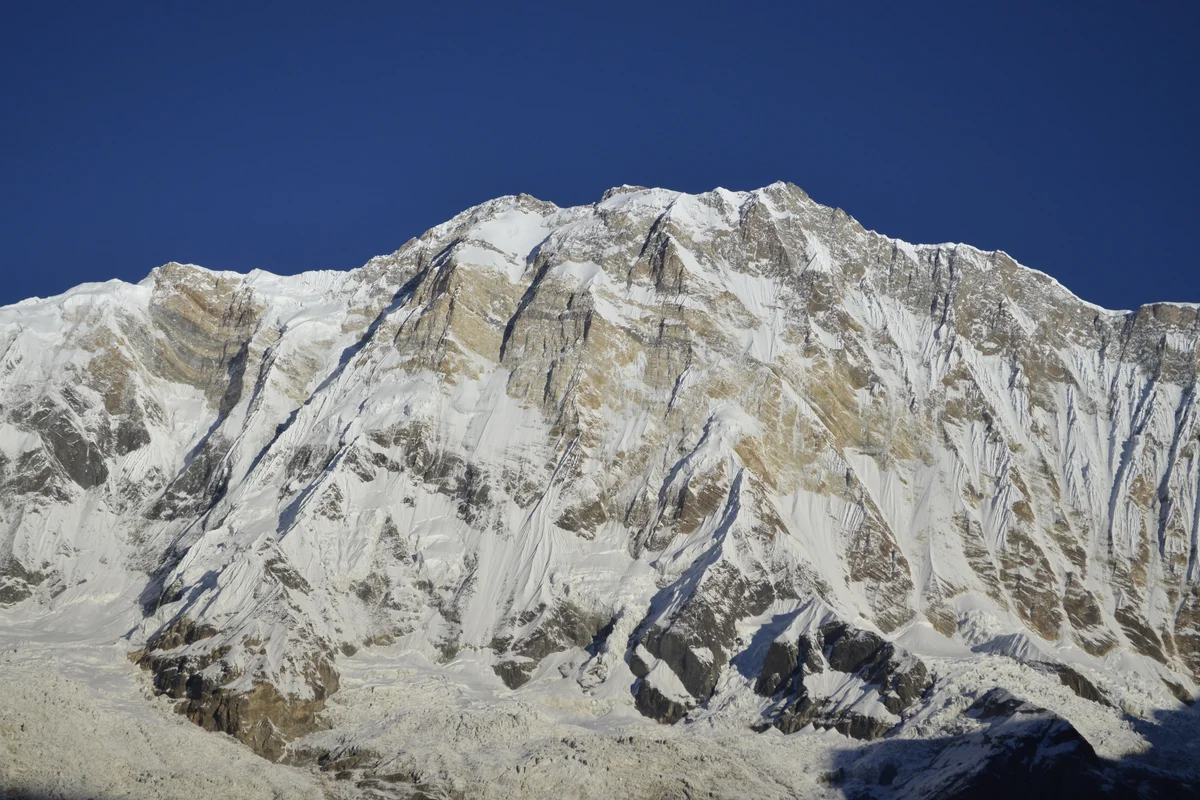
The Scholar's Crown: Piotr Pustelnik's 20-Year Quest on Annapurna
On April 27, 2010, Polish academic Piotr Pustelnik conquered Annapurna on his fifth attempt, becoming the third Pole and 20th person to climb all 14 eight-thousanders.
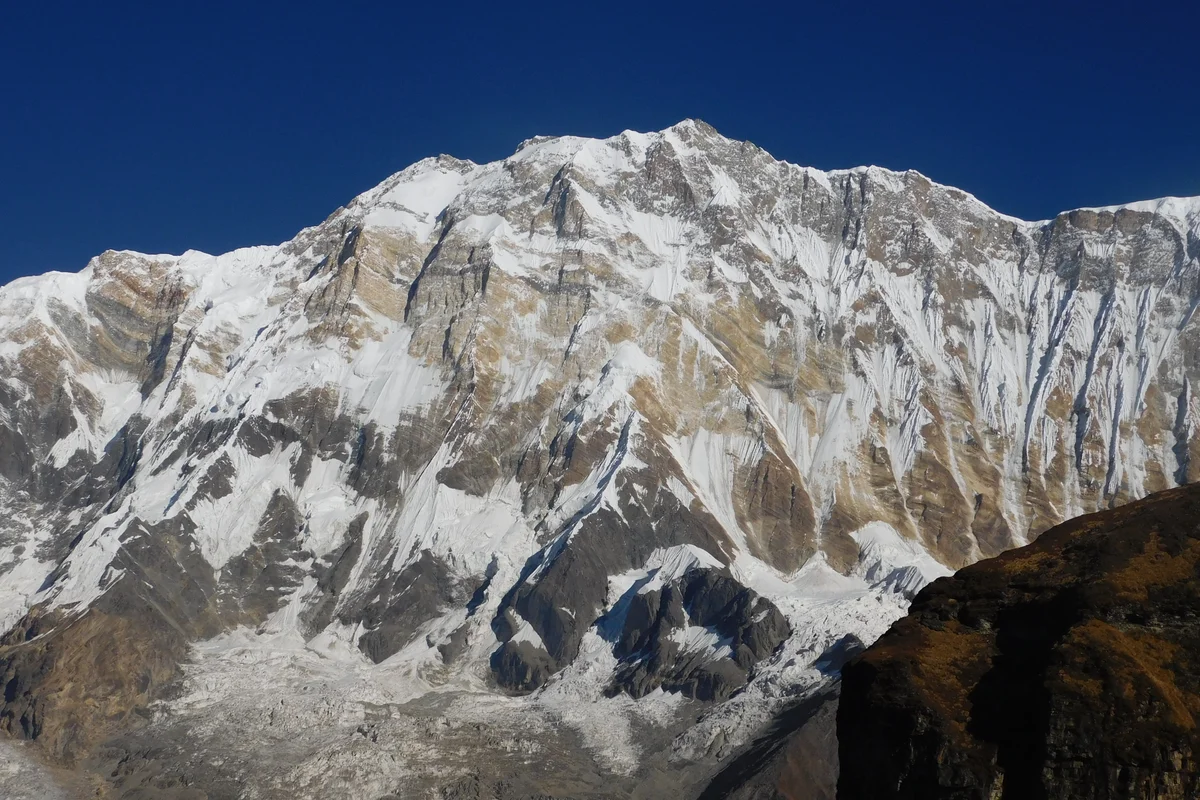
The Ageless Summit: Carlos Soria Conquers Annapurna at Seventy-Seven
On May 1, 2016, 77-year-old Spanish mountaineer Carlos Soria stood on the summit of Annapurna I, becoming the oldest human in history to conquer the deadliest eight-thousander.
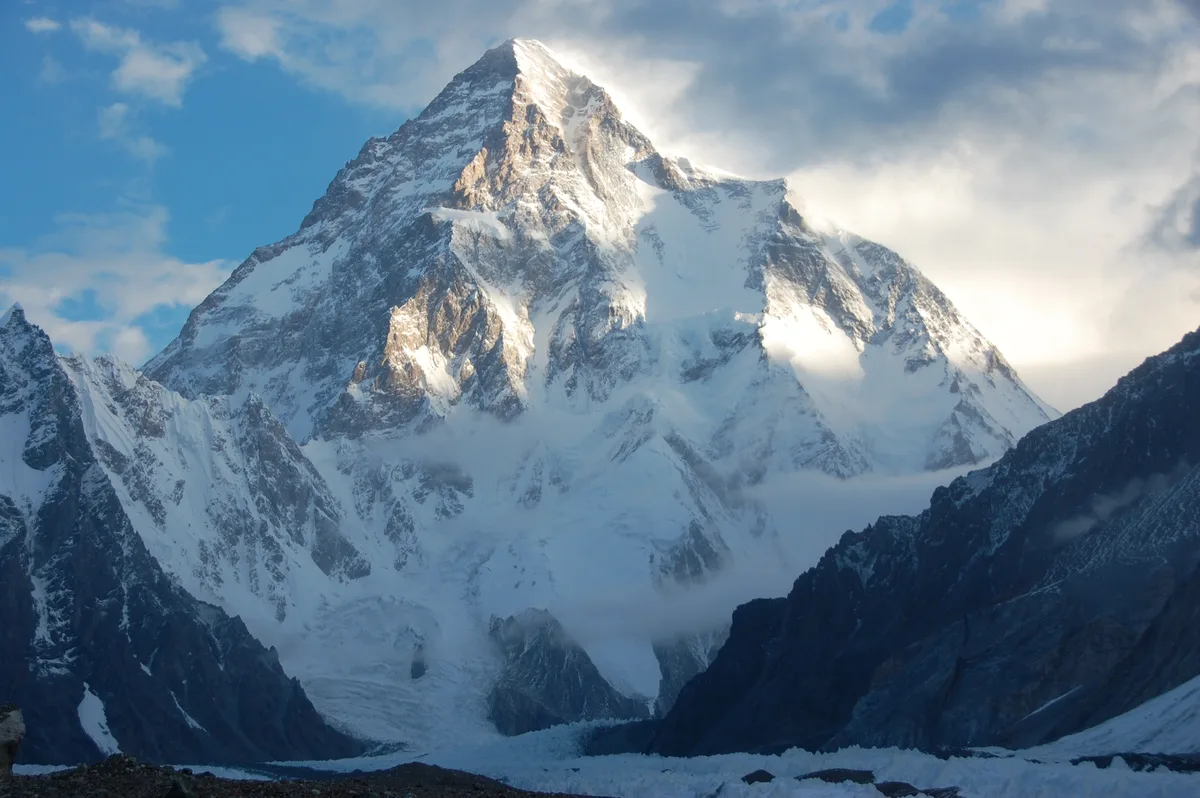
The Son of the Mountain: Sajid Ali Sadpara's Oxygen-Free Alpine Triumphs Across K2 and the 8,000ers
Carrying the torch of his legendary father Muhammad Ali Sadpara, Pakistani alpinist Sajid Ali Sadpara has redefined modern high-altitude climbing by conquering K2, Nanga Parbat, Manaslu, and Annapurna without bottled oxygen.
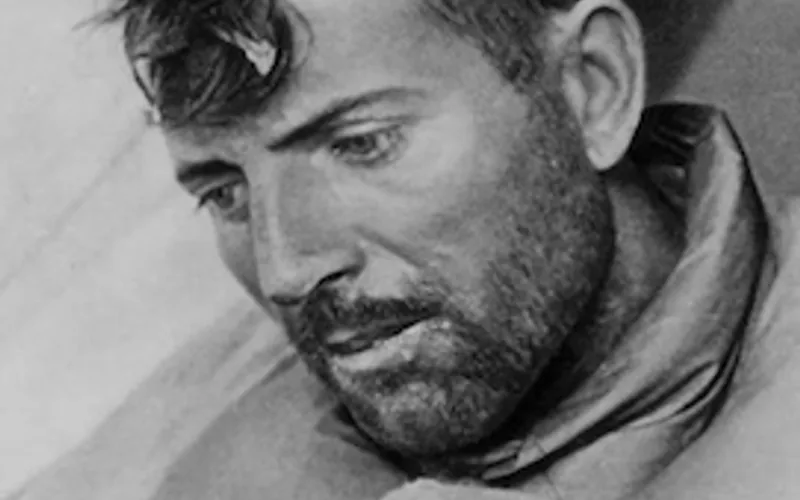
Annapurna 1950: The Agony and Glory of the First 8,000-Meter Summit
On June 3, 1950, Maurice Herzog and Louis Lachenal stood atop Annapurna I, conquering the first 8,000-meter peak in human history at the horrific cost of their fingers and toes.
Annapurna I: The Crucible of Project Possible & Rescue
The dramatic story of Nirmal Purja's Annapurna I ascent, opening Project Possible and executing a miraculous high-altitude helicopter rescue.
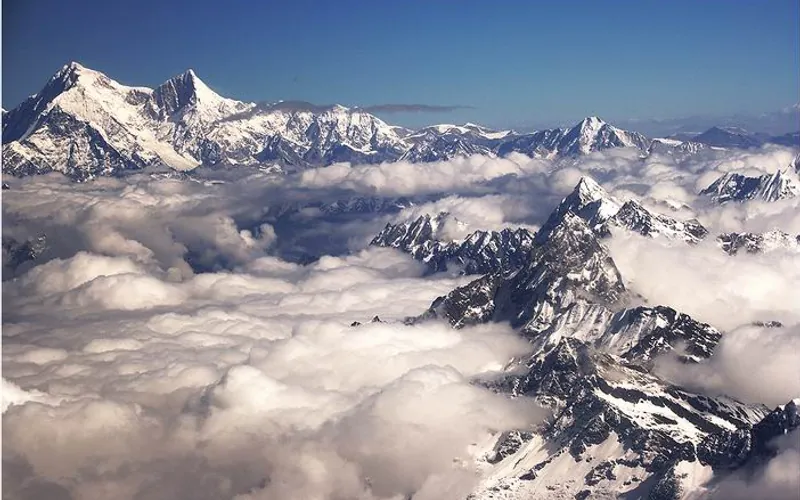
Project Possible 14/7: The 189-Day Himalayan Odyssey
How Nirmal 'Nimsdai' Purja and his Nepali team climbed all fourteen 8,000-meter peaks in 189 days, redefining the boundaries of human endurance.