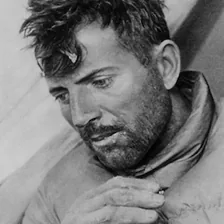
Maurice Herzog
Maurice Herzog was a French mountaineer and administrator who led the 1950 French Annapurna Expedition. On June 3, 1950, he and Louis Lachenal achieved the first confirmed summit of an 8,000-meter peak in human history. His harrowing survival story and classic book Annapurna became the bestselling mountaineering memoir of all time.
Mountain Safety & Conditions Disclaimer: High-altitude climbing, glacial travel, and technical ascents entail severe objective risks including avalanches, serac collapses, rapid weather collapse, and altitude illness. Historical route descriptions and summit claims on Mountanity reflect documented archival sources and must not be used as live operational safety assessments. Local regulations, permits, and physical glacial topography change continuously.
Peer Review: Senior Editorial Board & Historical Reviewers • Editorial Standards
Biographical Record & Archival Chronicle
Maurice Herzog was born on January 15, 1919, in Lyon, France. During World War II, he served with distinction as a captain in the French Resistance (5th Battalion of Chasseurs Alpins) fighting in the Alps. A passionate and disciplined amateur alpinist, Herzog honed his climbing craft in the Mont Blanc massif and the Dauphiné Alps, becoming a respected leader within the Club Alpin Français (CAF).
In early 1950, the French Alpine Club selected the 31-year-old Herzog to lead the landmark French Himalayan Expedition to Nepal. The kingdom had only recently opened its borders to foreigners, and the team had no detailed maps of the region. Tasked with finding and climbing either Dhaulagiri I or Annapurna I, the team spent weeks conducting pioneering explorations in the Kali Gandaki valley. After finding Dhaulagiri hopelessly steep and complex, Herzog turned the expedition's focus toward Annapurna I (8,091m), discovering a viable line up the North Face via the sickle-shaped glacier.
On June 3, 1950, accompanied by Chamonix mountain guide Louis Lachenal, Herzog launched the final summit push from Camp V without supplemental oxygen. Battling bitter winds, extreme altitude fatigue, and deteriorating weather, the two men stepped onto the 8,091-meter summit at 2:00 PM—the first humans to stand on the crest of an eight-thousander. In his summit euphoria, Herzog removed his heavy gloves to take photographs with the French flag, inadvertently dropping them down the mountain slopes. On the descent, severe hypoxia and deep snow caused them to lose their way, forcing a nightmare night in a crevasse bivouac alongside companions Gaston Rébuffat and Lionel Terray.
Herzog suffered catastrophic frostbite in both hands and feet. During the monsoon retreat through the Nepalese jungle to India, expedition doctor Jacques Oudot performed field amputations of all Herzog's fingers and toes without modern anesthesia while porters carried him in wicker baskets. Herzog survived to write Annapurna, which sold over 11 million copies worldwide and inspired generations of climbers with its famous closing line: 'There are other Annapurnas in the lives of men.'
Herzog later served as French Minister for Youth and Sports under President Charles de Gaulle (1958–1966), mayor of Chamonix (1968–1977), and an influential member of the International Olympic Committee (IOC) from 1970 to 1994. He was awarded the Grand Cross of the Legion of Honour. He passed away on December 13, 2012, at age ninety-three, forever celebrated as the man who opened the era of the eight-thousanders.
Notable Milestones & Ascents
- First human in history to summit an 8,000-meter peak (Annapurna I, 8,091m) alongside Louis Lachenal on June 3, 1950
- Conquered the virgin North Face of Annapurna I without supplemental oxygen on the first attempt
- Leader of the 1950 French Himalayan Expedition, successfully exploring uncharted approaches in Nepal
- Author of Annapurna (1951), selling over 11 million copies across 40 languages—the bestselling mountaineering book in history
- Decorated war veteran of the French Resistance (Chasseurs Alpins) during World War II
- Awarded the Grand Cross of the Legion of Honour (Grand-Croix de la Légion d'honneur)
- Served as French Minister for Youth and Sports and Mayor of Chamonix (1968–1977)
Key Statistics & Topographic Figures
- Historic Achievement
- First 8,000m Summit in History
June 3, 1950
- Mountain Conquered
- Annapurna I (8,091m)
North Face Route
- Memoir Sales
- 11+ Million Copies Worldwide
Bestselling Alpine Book
- State Honors
- Grand Cross of Legion of Honour
Republic of France
Archival Primary Source Quotations
“There are other Annapurnas in the lives of men.”
Defined Alpine Terminology & Concepts
- Eight-Thousander
- One of the fourteen distinct mountain peaks on Earth with an elevation greater than 8,000 meters above sea level.
- Sickle Glacier
- The prominent curved glacier on the North Face of Annapurna I pioneered by Herzog and Lachenal in 1950.
Frequently Asked Questions: Maurice Herzog
What is Maurice Herzog famous for in mountaineering history?
Maurice Herzog was the French expedition leader who, alongside Louis Lachenal, made the historic first confirmed ascent of an 8,000-meter peak when they summited Annapurna I (8,091m) on June 3, 1950, without supplemental oxygen.
How did Maurice Herzog lose his fingers and toes?
After summiting Annapurna I, Herzog took off his heavy gloves to take photographs and dropped them down the mountainside. On the descent through a fierce blizzard, he suffered catastrophic frostbite in both hands and feet, requiring emergency field amputations of all fingers and toes during the retreat.
What book did Maurice Herzog write about Annapurna?
Herzog authored Annapurna: First Conquest of an 8,000-Meter Peak (1951), which sold over 11 million copies in more than 40 languages, becoming the most widely read and influential mountaineering book in history.
Did Maurice Herzog use bottled oxygen on Annapurna in 1950?
No. Maurice Herzog and Louis Lachenal climbed Annapurna I entirely without supplemental bottled oxygen, relying purely on natural physical acclimatization.
What public offices did Maurice Herzog hold in France?
Herzog served as French Minister for Youth and Sports under President Charles de Gaulle (1958–1966), Mayor of Chamonix (1968–1977), and as an active member of the International Olympic Committee (1970–1994).
Associated Summits (1)
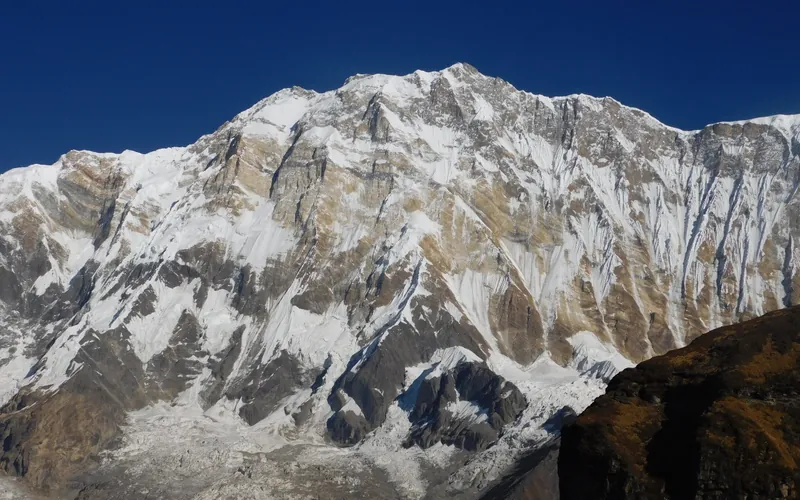

Annapurna I
Annapurna I, at 8,091 meters (26,545 ft), is the tenth-highest mountain in the world and historically the first 8,000-meter peak ever summited (June 3, 1950 by Maurice Herzog and Louis Lachenal). Rising above the Annapurna Sanctuary, its north and south walls present extreme avalanche and serac fall hazards.
Pioneered & Associated Routes (2)
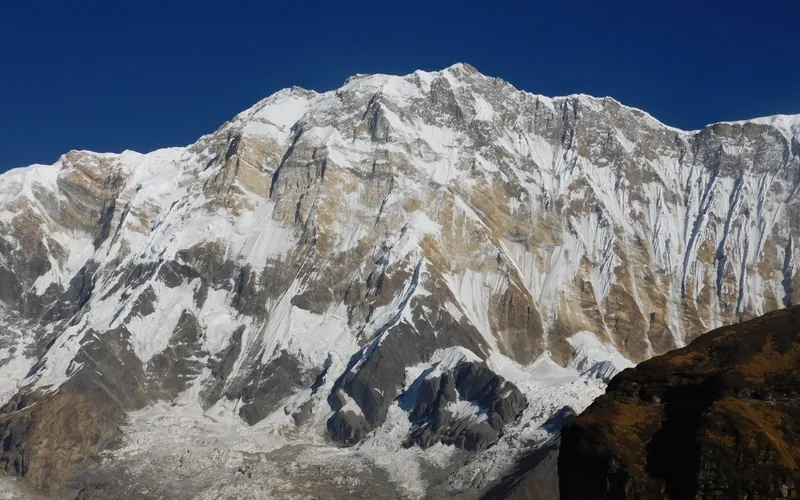
Annapurna I North Face (Herzog-Lachenal Route)
The North Face of Annapurna I is the historic first route ever climbed on an 8,000-meter peak, pioneered by French climbers Maurice Herzog and Louis Lachenal on June 3, 1950. Approached via the remote Miristi Khola valley, the route ascends the shattered North Annapurna Glacier, negotiates the terrifying avalanche-swept Sickle Glacier serac wall, and ascends steep snow gullies along the French Rib to gain the 8,091m summit.
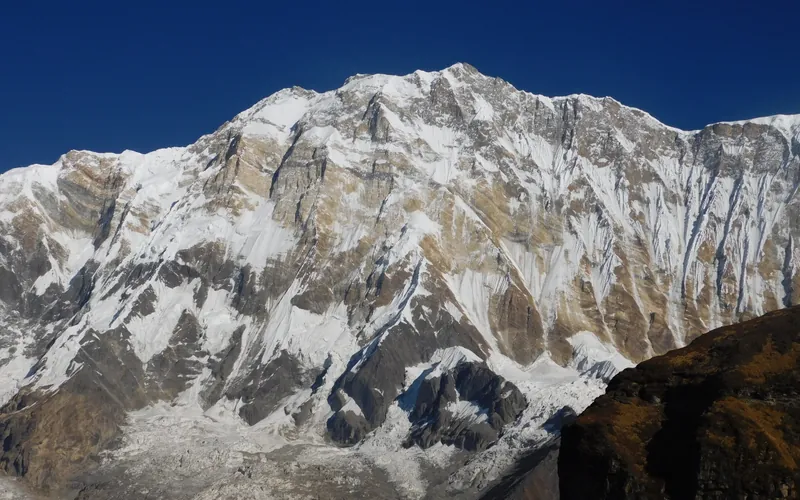
Annapurna I South Face (Bonington-Haston-Whillans Route)
The South Face of Annapurna I is one of the most formidable big-wall arenas in world mountaineering, rising 3,000 vertical metres of sheer rock, ice flutings, and overhanging bands directly from the Annapurna Sanctuary. First ascended via siege tactics by Dougal Haston and Don Whillans in 1970, it was later climbed in a revolutionary, lightweight solo push by Swiss alpinist Ueli Steck in October 2013 in just 28 hours round-trip.
Documented Expeditions (1)
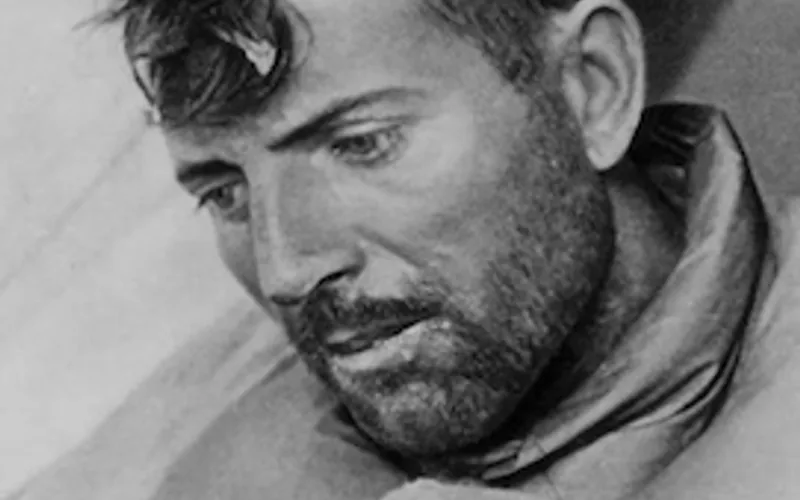
1950 French Annapurna Expedition
Led by Maurice Herzog, the 1950 French expedition made history by achieving the first summit of an 8,000-meter peak when Herzog and Louis Lachenal reached the top of Annapurna I (8,091m) on June 3, 1950, without supplemental oxygen.
Associated Chronicles & Stories (1)
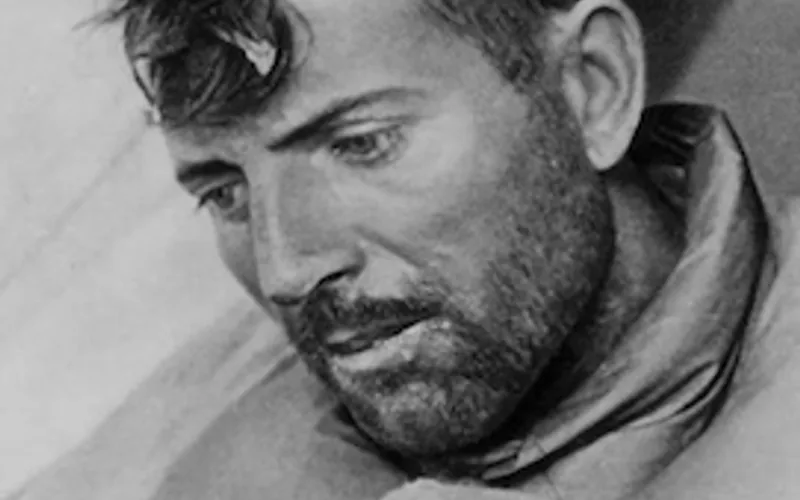
Annapurna 1950: The Agony and Glory of the First 8,000-Meter Summit
On June 3, 1950, Maurice Herzog and Louis Lachenal stood atop Annapurna I, conquering the first 8,000-meter peak in human history at the horrific cost of their fingers and toes.
Documented Sources & Archival Citations
- Annapurna: First Conquest of an 8,000-Meter Peak(Maurice Herzog / Jonathan Cape)
Supporting claim: Official autobiographical chronicle of the 1950 French Annapurna Expedition and summit climb
Accessed/Documented: 1951 - True Summit: What Really Happened on the Legendary Ascent of Annapurna(David Roberts / Simon & Schuster)
Supporting claim: Critical historical examination of Lachenal's uncensored diaries and the 1950 expedition reality
Accessed/Documented: 2000 - The Himalayan Database: Spring 1950 Annapurna Expedition(Elizabeth Hawley Archive)
Supporting claim: Official expedition records, member rosters, and summit timestamps
Accessed/Documented: 2026