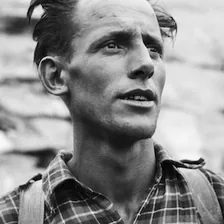
Louis Lachenal
Louis Lachenal was a brilliant French mountain guide and technical climber who co-achieved the historic first ascent of an 8,000-meter peak (Annapurna I) with Maurice Herzog on June 3, 1950. Renowned for his speed, icecraft, and partnership with Lionel Terray, Lachenal sacrificed his feet to ensure the expedition's survival.
Mountain Safety & Conditions Disclaimer: High-altitude climbing, glacial travel, and technical ascents entail severe objective risks including avalanches, serac collapses, rapid weather collapse, and altitude illness. Historical route descriptions and summit claims on Mountanity reflect documented archival sources and must not be used as live operational safety assessments. Local regulations, permits, and physical glacial topography change continuously.
Peer Review: Senior Editorial Board & Historical Reviewers • Editorial Standards
Biographical Record & Archival Chronicle
Louis Lachenal was born on July 17, 1921, in Annecy, Haute-Savoie, France. Nicknamed 'Biscante' for his fiery, irreverent spirit and diminutive, agile frame, Lachenal began rock climbing as an adolescent in the limestone cliffs of the Semnoz. In 1942, he qualified as an official Chamonix mountain guide, quickly emerging as one of the fastest and most technically audacious alpinists of his generation.
Teaming up with fellow guide Lionel Terray in the mid-1940s, Lachenal formed the most formidable climbing partnership in post-war European mountaineering. In 1946, the pair made the fourth ascent of the notoriously dangerous Walker Spur on the Grandes Jorasses. In July 1947, Lachenal and Terray completed the second ascent of the dreaded North Face of the Eiger (Eigerwand) in the Bernese Oberland, shaving hours off previous records during unpredictable storms and proving their peerless technical speed on mixed ground.
In 1950, Lachenal was hired as a professional lead climbing member of the French Himalayan Expedition to Annapurna I (8,091m). While expedition leader Maurice Herzog climbed driven by national glory and patriotic symbolism, Lachenal was a pragmatic professional guide who understood the terrifying physiological stakes. On the morning of June 3, 1950, high on the North Face, Lachenal realized that his feet were freezing solid. Turning to Herzog, he asked the famous, poignant question: 'If I go back, what will you do?' Herzog replied that he would continue to the summit alone. Knowing that Herzog would die without him, Lachenal made the supreme professional sacrifice: 'Then I will follow you.'
The pair stood on the summit of Annapurna at 2:00 PM, becoming the first humans to stand on top of an eight-thousander. Lachenal immediately began a frantic descent to save his extremities, enduring an unplanned crevasse bivouac at 7,400 meters with Herzog, Gaston Rébuffat, and Lionel Terray. Severe frostbite destroyed his feet, leading to the surgical amputation of all his toes during the monsoon retreat through Nepal. Lachenal documented the unvarnished realities of the expedition in his candid journal Carnets du Vertige (Notebooks of Vertigo), which challenged the romanticized national myth.
Despite losing all his toes, Lachenal miraculously adapted his technique and returned to professional alpine guiding and competitive skiing in Chamonix. Tragic fate struck on November 25, 1955: while descending the Vallée Blanche on skis with companion Jean-Pierre Payot, a snow bridge collapsed and Lachenal plummeted 25 meters down a dark crevasse, dying instantly at age thirty-four. He remains revered as the pure, unselfish soul of the Annapurna triumph.
Notable Milestones & Ascents
- First human in history to summit an 8,000-meter peak (Annapurna I, 8,091m) with Maurice Herzog on June 3, 1950
- Second ascent of the notorious North Face of the Eiger (Eigerwand) with Lionel Terray (July 1947)
- Fourth ascent of the Walker Spur on the Grandes Jorasses alongside Lionel Terray (1946)
- Second ascent of the North Face of the Grandes Jorasses via the Croz Spur
- First ascent of the Pointe Lachenal in the Mont Blanc massif, named in his honor
- Author of the posthumously published candid climbing journal Carnets du Vertige (Notebooks of Vertigo)
Key Statistics & Topographic Figures
- First 8000er Summit
- Annapurna I (8,091m)
June 3, 1950
- Eiger North Face
- 2nd Ascent (July 1947)
With Lionel Terray
- Walker Spur
- 4th Ascent (1946)
Grandes Jorasses
- Profession
- Chamonix Mountain Guide
Compagnie des Guides
Archival Primary Source Quotations
“If I turn back now, what will you do? ... Then I will follow you.”
Defined Alpine Terminology & Concepts
- Chamonix Guide
- A certified professional alpine mountain guide belonging to the Compagnie des Guides de Chamonix, founded in 1821.
- Eigerwand
- The notorious 1,800-meter vertical North Face of the Eiger in the Bernese Alps, famed for severe rockfall and blizzards.
Frequently Asked Questions: Louis Lachenal
Who was Louis Lachenal?
Louis Lachenal was an elite French Chamonix mountain guide who, alongside Maurice Herzog, achieved the first ascent of Annapurna I (8,091m) on June 3, 1950, becoming one of the first two humans to stand atop an 8,000-meter peak.
What sacrifice did Louis Lachenal make on Annapurna?
Realizing his feet were freezing, Lachenal asked Herzog if he would continue alone. Knowing Herzog would die without him, Lachenal selflessly continued to the summit, paying the price of losing all his toes to severe frostbite during the descent.
How did Louis Lachenal die in 1955?
On November 25, 1955, while descending the Vallée Blanche on skis in Chamonix, a snow bridge collapsed beneath him and Lachenal fell 25 meters down a hidden crevasse, dying instantly at age thirty-four.
What is Louis Lachenal’s book Carnets du Vertige?
Carnets du Vertige (Notebooks of Vertigo) is Lachenal’s personal journal published posthumously in 1956, offering an unvarnished, authentic, and critical perspective on the realities of the 1950 Annapurna expedition.
Associated Summits (2)
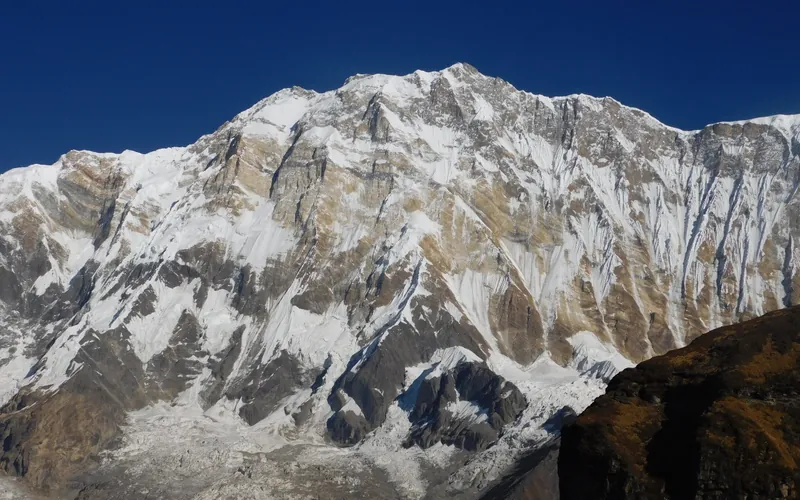

Annapurna I
Annapurna I, at 8,091 meters (26,545 ft), is the tenth-highest mountain in the world and historically the first 8,000-meter peak ever summited (June 3, 1950 by Maurice Herzog and Louis Lachenal). Rising above the Annapurna Sanctuary, its north and south walls present extreme avalanche and serac fall hazards.
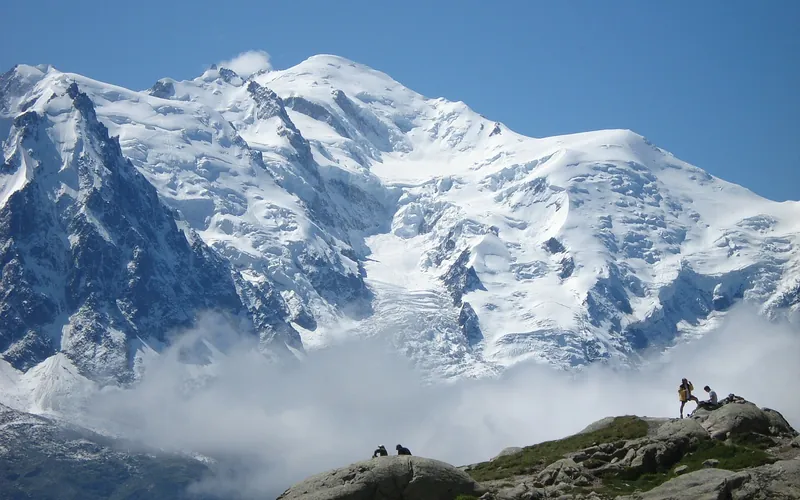


Mont Blanc
Mont Blanc (Monte Bianco), at 4,808 meters (15,774 ft), is the highest mountain in the Alps and Western Europe. Rising on the Franco-Italian watershed, this iconic glacier-draped granite massif is revered as the historic cradle of modern mountaineering following its celebrated first ascent in 1786. Featuring towering seracs, complex crevasse systems, and classic ridges like the Goûter and Bosses, it attracts climbers from around the globe.
Pioneered & Associated Routes (3)
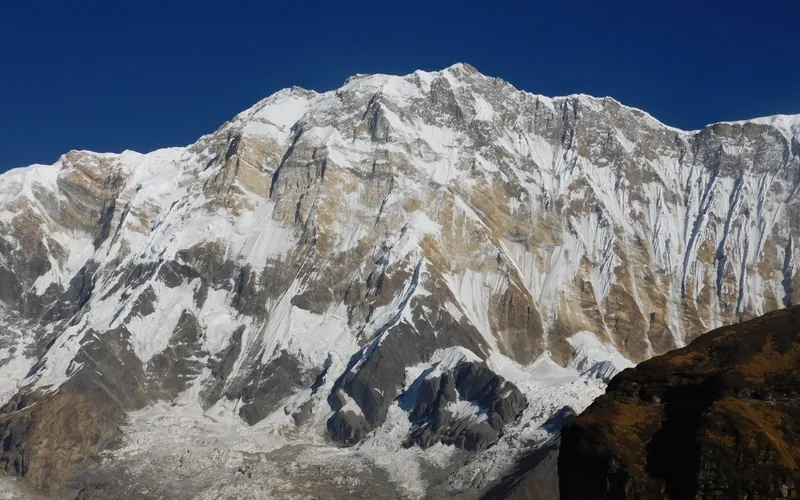
Annapurna I North Face (Herzog-Lachenal Route)
The North Face of Annapurna I is the historic first route ever climbed on an 8,000-meter peak, pioneered by French climbers Maurice Herzog and Louis Lachenal on June 3, 1950. Approached via the remote Miristi Khola valley, the route ascends the shattered North Annapurna Glacier, negotiates the terrifying avalanche-swept Sickle Glacier serac wall, and ascends steep snow gullies along the French Rib to gain the 8,091m summit.
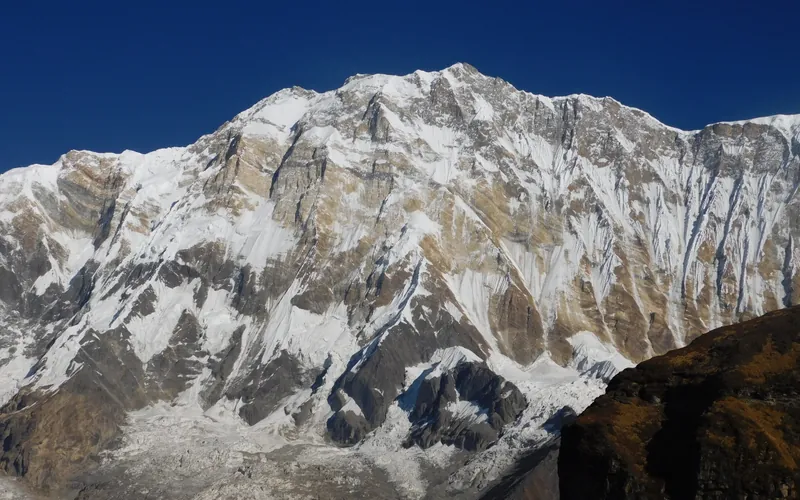
Annapurna I South Face (Bonington-Haston-Whillans Route)
The South Face of Annapurna I is one of the most formidable big-wall arenas in world mountaineering, rising 3,000 vertical metres of sheer rock, ice flutings, and overhanging bands directly from the Annapurna Sanctuary. First ascended via siege tactics by Dougal Haston and Don Whillans in 1970, it was later climbed in a revolutionary, lightweight solo push by Swiss alpinist Ueli Steck in October 2013 in just 28 hours round-trip.
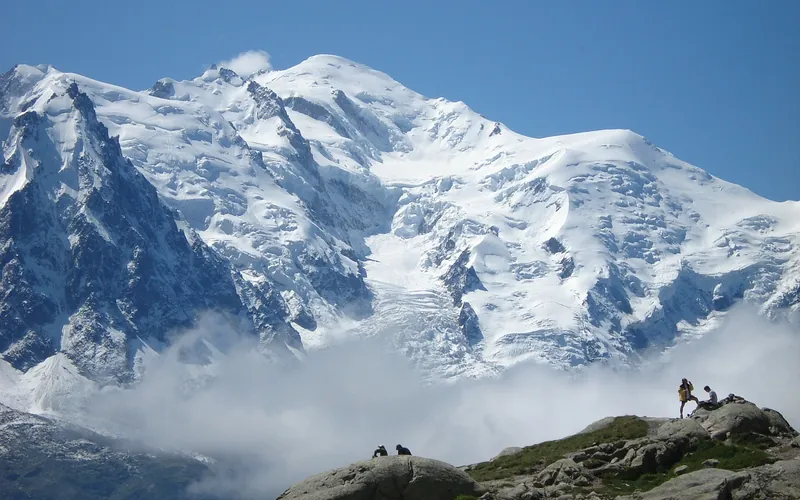
Goûter Route (Voie Royale / Normal Route)
The Goûter Route, often called the Voie Royale, is the most frequented and classic line to the summit of Mont Blanc (4,808 m). Starting from the Tramway du Mont-Blanc terminus at Nid d'Aigle (2,372 m), climbers ascend past the Tête Rousse Glacier, traverse the notorious Grand Couloir, scramble up the steep Aiguille du Goûter to the Goûter Refuge (3,835 m), and complete the dawn push across the Dôme du Goûter and the exposed knife-edge Arête des Bosses to the summit dome.
Documented Expeditions (1)
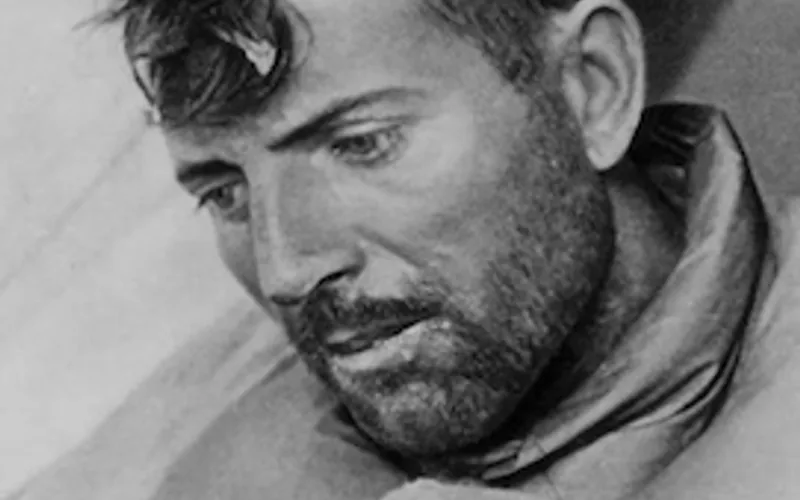
1950 French Annapurna Expedition
Led by Maurice Herzog, the 1950 French expedition made history by achieving the first summit of an 8,000-meter peak when Herzog and Louis Lachenal reached the top of Annapurna I (8,091m) on June 3, 1950, without supplemental oxygen.
Associated Chronicles & Stories (1)
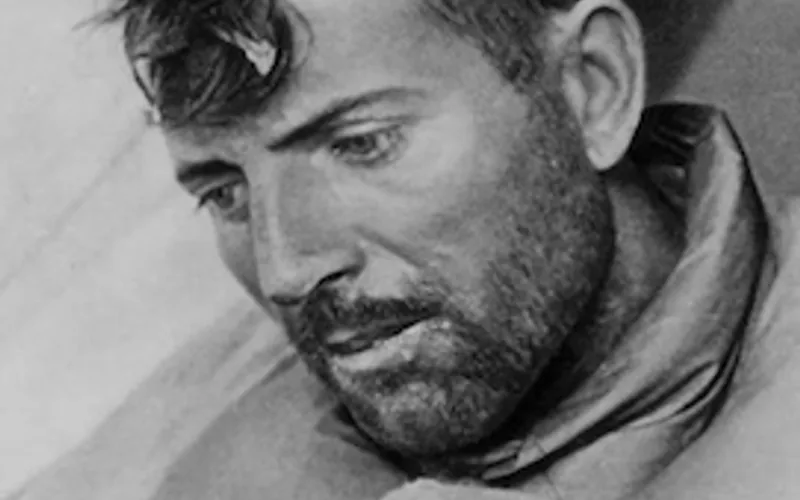
Annapurna 1950: The Agony and Glory of the First 8,000-Meter Summit
On June 3, 1950, Maurice Herzog and Louis Lachenal stood atop Annapurna I, conquering the first 8,000-meter peak in human history at the horrific cost of their fingers and toes.
Documented Sources & Archival Citations
- Carnets du Vertige (Notebooks of Vertigo)(Louis Lachenal / Éditions Guérin)
Supporting claim: Autobiographical journals detailing alpine climbs, Eigerwand ascent, and Annapurna reality
Accessed/Documented: 1956 - Conquistadors of the Useless(Lionel Terray / Gollancz)
Supporting claim: Primary eyewitness account of the Lachenal-Terray rope partnership and Annapurna rescue
Accessed/Documented: 1963 - True Summit: What Really Happened on the Legendary Ascent of Annapurna(David Roberts / Simon & Schuster)
Supporting claim: In-depth historical analysis of Lachenal's crucial role and sacrifice on Annapurna
Accessed/Documented: 2000