
Artur Hajzer
Artur Hajzer (1962–2013) was a towering Polish mountaineer, expedition organizer, and outdoor entrepreneur who made the historic first winter ascent of Annapurna I in 1987 with Jerzy Kukuczka. Revered as the architect of modern Polish winter climbing, Hajzer founded the Polish Winter Himalayan Mountaineering 2010–2015 program, spearheading winter breakthroughs across the Karakoram.
Mountain Safety & Conditions Disclaimer: High-altitude climbing, glacial travel, and technical ascents entail severe objective risks including avalanches, serac collapses, rapid weather collapse, and altitude illness. Historical route descriptions and summit claims on Mountanity reflect documented archival sources and must not be used as live operational safety assessments. Local regulations, permits, and physical glacial topography change continuously.
Peer Review: Senior Editorial Board & Historical Reviewers • Editorial Standards
Biographical Record & Archival Chronicle
Artur Hajzer was born on June 28, 1962, in Zielona Góra, Poland, and began climbing at age fourteen in the Polish Jura and Tatras. Physically imposing, relentless in deep snow, and gifted with exceptional logistical talent, he earned the affectionate nickname 'Słoń' (The Elephant) among the Polish 'Ice Warriors'. In the mid-1980s, Hajzer became the primary climbing partner of legendary alpinist Jerzy Kukuczka, forming one of the most formidable duos in Himalayan history.
Together with Kukuczka, Hajzer pulled off a sequence of audacious firsts. On February 3, 1987, Hajzer and Kukuczka achieved the historic first winter ascent of Annapurna I (8,091m), navigating the North Face in ferocious -40°C gales without supplemental oxygen. Later that same year, they opened a bold new technical route up the West Ridge of Shishapangma (8,027m) and conquered the East Ridge of Manaslu (8,163m). In 1989, Hajzer led the heroic international rescue mission on the West Ridge of Mount Everest, saving Andrzej Marciniak after five Polish climbers perished in a colossal avalanche on the Lho La.
In the 2000s, realizing that Poland's golden era of winter alpinism was fading, Hajzer revitalized the national climbing community. In 2010, he launched the state-backed 'Polish Winter Himalayan Mountaineering 2010–2015' (Polski Himalaizm Zimowy) program, designed to discover, train, and support young Polish alpinists on unclimbed winter eight-thousanders. Under Hajzer's strategic directorship, Polish teams achieved the historic first winter ascents of Gasherbrum I (2012) and Broad Peak (2013). Tragically, on July 7, 2013, while descending the Japanese Couloir on Gasherbrum I during an alpine attempt, Hajzer suffered a fatal fall, leaving behind an immortal legacy as the visionary patron of winter Himalayan alpinism.
Notable Milestones & Ascents
- Achieved the historic first winter ascent of Annapurna I (8,091m) on February 3, 1987, with Jerzy Kukuczka
- Opened a new technical route on the West Ridge of Shishapangma (8,027m) and the first ascent of Shishapangma West (7,966m) in 1987
- Opened a new technical route on the East Ridge of Manaslu (8,163m) in 1986 with Jerzy Kukuczka
- Organized and led the daring May 1989 rescue on the Lho La pass of Mount Everest, saving Andrzej Marciniak
- Founded and directed the Polish Winter Himalayan Mountaineering 2010–2015 program, producing winter first ascents of Gasherbrum I and Broad Peak
- Summited seven 8,000-meter peaks: Manaslu, Annapurna, Shishapangma, Annapurna East, Dhaulagiri, Nanga Parbat, and Makalu
Key Statistics & Topographic Figures
- Lifespan
- June 28, 1962 – July 7, 2013
Zielona Góra, Poland / Gasherbrum I, Pakistan
- Annapurna Winter First Ascent
- February 3, 1987 (8,091m)
With Jerzy Kukuczka Without Bottled Oxygen
- Program Founder
- Polski Himalaizm Zimowy 2010–2015
Directed National Winter Exploration in Karakoram
- 1989 Everest Lho La Rescue
- Saved Andrzej Marciniak
Led International Rescue After Fatal Avalanche
- Eight-Thousanders Summited
- 7 Peaks (Annapurna, Manaslu, Shishapangma, etc.)
High-Altitude Career Total
Archival Primary Source Quotations
“Winter climbing in the Himalaya is Poland’s great national school of character; we owe it to history to finish what began in the cold.”
Defined Alpine Terminology & Concepts
- Polski Himalaizm Zimowy (PHZ)
- The state-supported Polish Winter Himalayan Mountaineering project founded by Artur Hajzer to claim the remaining unclimbed winter 8,000-metre peaks.
- Lho La Rescue Operation
- The dramatic international helicopter and ground rescue on Everest’s western shoulder in May 1989 organized by Artur Hajzer to save stranded survivor Andrzej Marciniak.
Frequently Asked Questions: Artur Hajzer
Who was Artur Hajzer and why is he called the architect of modern Polish winter alpinism?
Artur Hajzer (1962–2013) made the first winter ascent of Annapurna in 1987 and later founded the Polish Winter Himalayan Mountaineering 2010–2015 program.
Which 8,000-metre peak did Artur Hajzer climb first in winter?
On February 3, 1987, Artur Hajzer and Jerzy Kukuczka achieved the historic first winter ascent of Annapurna I (8,091m) without supplemental oxygen.
What was Artur Hajzer’s nickname and how did he earn it?
He was nicknamed "Słoń" (The Elephant) by his Polish teammates because of his massive physical strength, large stature, and relentless stamina breaking trail in deep snow.
What historic rescue did Artur Hajzer organize on Mount Everest in 1989?
In May 1989, Hajzer organized a daring international rescue mission on the Lho La pass of Mount Everest, saving avalanche survivor Andrzej Marciniak.
What national program did Artur Hajzer create to revive Polish winter climbing?
In 2010, Hajzer established Polski Himalaizm Zimowy 2010–2015, which trained young Polish climbers and produced first winter ascents of Gasherbrum I and Broad Peak.
What new routes did Artur Hajzer open with Jerzy Kukuczka?
Hajzer and Kukuczka opened bold new technical routes on the West Ridge of Shishapangma (1987) and the East Ridge of Manaslu (1986).
Where and when did Artur Hajzer tragically die?
Hajzer died on July 7, 2013, after a fall while descending the Japanese Couloir on Gasherbrum I during an alpine attempt with Marcin Kaczkan.
What outdoor companies did Artur Hajzer establish in Poland?
Hajzer co-founded Alpinus and HiMountain, two of Poland’s most influential outdoor apparel, technical climbing, and mountaineering equipment brands.
Associated Summits (7)
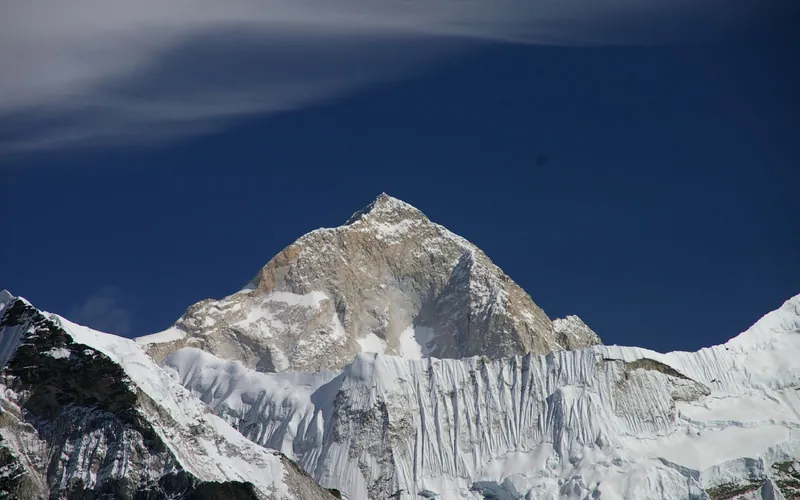


Makalu
Makalu, at 8,485 meters (27,838 ft), is the fifth-highest mountain on Earth, located 19 km southeast of Mount Everest. An isolated four-sided granite pyramid, it is known for technical knife-edge ridges, severe exposure, and punishing weather, making it one of the most challenging eight-thousanders.
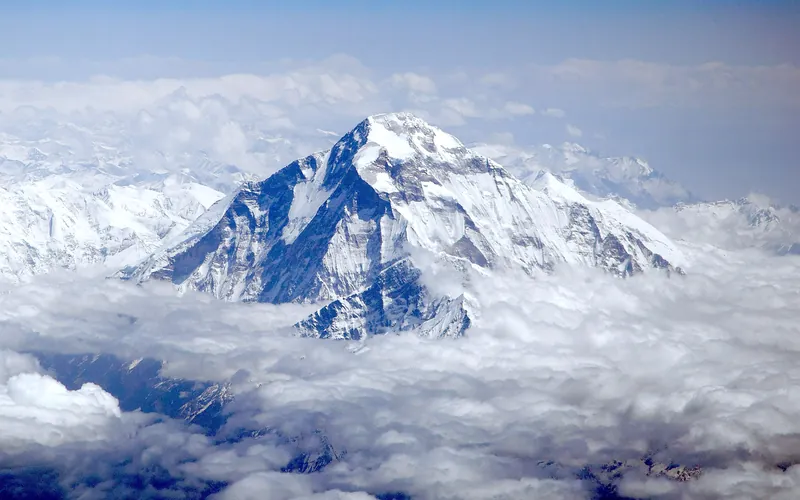
Dhaulagiri I
Dhaulagiri I, at 8,167 meters (26,795 ft), is the seventh-highest mountain on Earth and the highest peak situated entirely within Nepal. Rising steeply above the Kali Gandaki Gorge—the deepest gorge on Earth—opposite Annapurna, Dhaulagiri forms a staggering 7,000-meter vertical rise from the river valley.
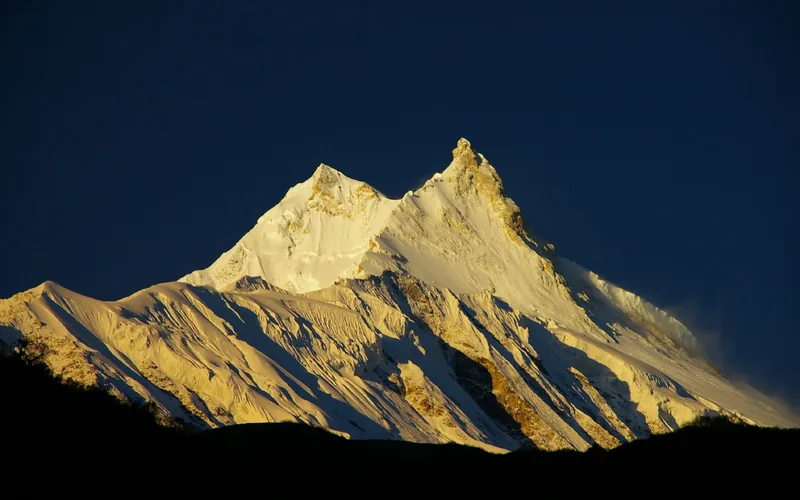
Manaslu
Manaslu, at 8,163 meters (26,781 ft), is the eighth-highest mountain in the world, situated in the Mansiri Himal of west-central Nepal. Known as the 'Mountain of the Spirit', its long ridges and valley glaciers offer dramatic topography culminating in a delicate, exposed knife-edge summit crest.
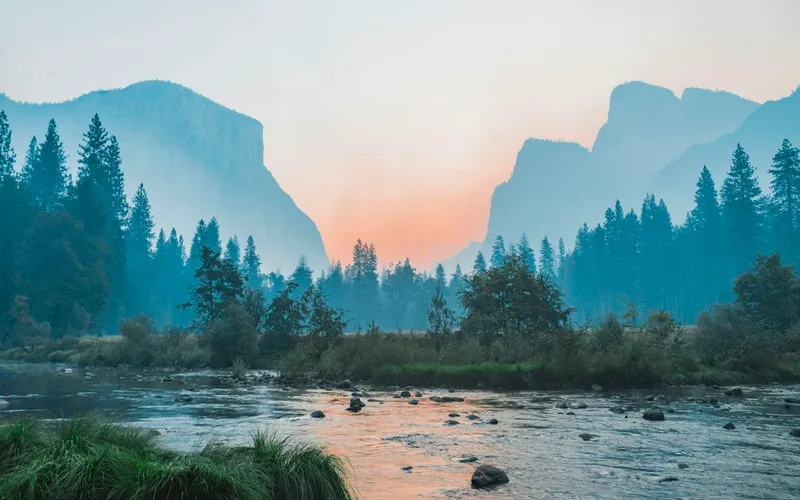

Nanga Parbat
Nanga Parbat, at 8,126 meters (26,660 ft), is the ninth-highest mountain on Earth and the western anchor of the Himalayas in Pakistan. It boasts the Rupal Face, the highest vertical precipice in the world at 4,600 meters from valley floor to summit. Known for profound climbing history, highlighted by Hermann Buhl's legendary solo summit without supplemental oxygen in 1953.
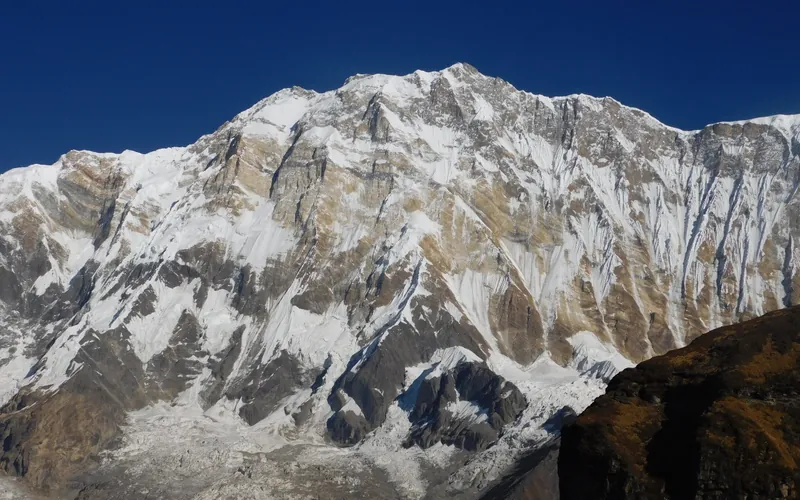
Annapurna I
Annapurna I, at 8,091 meters (26,545 ft), is the tenth-highest mountain in the world and historically the first 8,000-meter peak ever summited (June 3, 1950 by Maurice Herzog and Louis Lachenal). Rising above the Annapurna Sanctuary, its north and south walls present extreme avalanche and serac fall hazards.
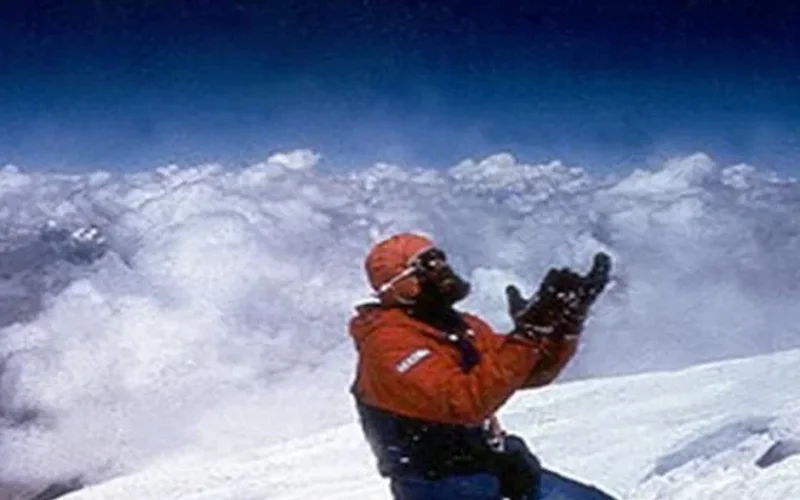
Gasherbrum I
Gasherbrum I, at 8,068 meters (26,470 ft), is the eleventh-highest mountain in the world. Named 'Hidden Peak' by explorer William Martin Conway due to its concealment behind surrounding Karakoram giants, it stands on the border between Pakistan and China. The peak was first climbed in 1958 by an American team led by Nick Clinch, and in 1992 Nazir Sabir summited it with Rajab Shah and Mehrban Shah, marking his fourth Pakistani eight-thousander.
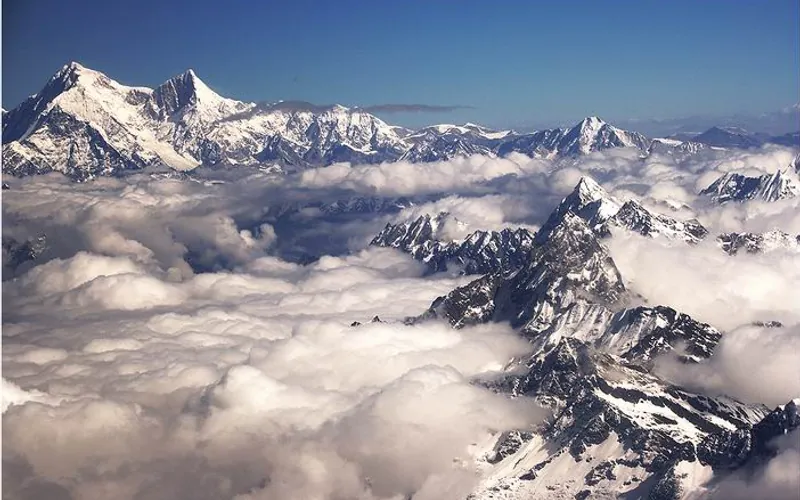
Shishapangma
Shishapangma, at 8,027 meters (26,335 ft), is the fourteenth-highest mountain on Earth and the only 8,000-meter peak situated entirely within Tibetan/Chinese territory. Due to geopolitical restrictions, it was the final eight-thousander to be climbed, summited by a Chinese expedition on May 2, 1964.
Pioneered & Associated Routes (11)
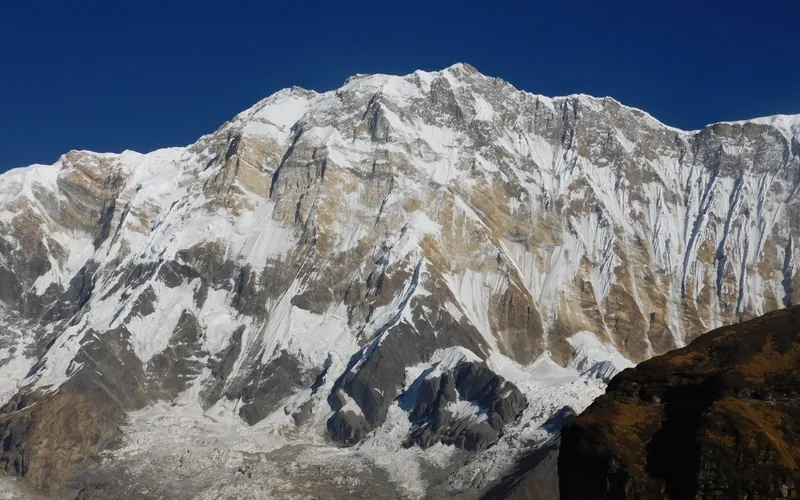
Annapurna I North Face (Herzog-Lachenal Route)
The North Face of Annapurna I is the historic first route ever climbed on an 8,000-meter peak, pioneered by French climbers Maurice Herzog and Louis Lachenal on June 3, 1950. Approached via the remote Miristi Khola valley, the route ascends the shattered North Annapurna Glacier, negotiates the terrifying avalanche-swept Sickle Glacier serac wall, and ascends steep snow gullies along the French Rib to gain the 8,091m summit.
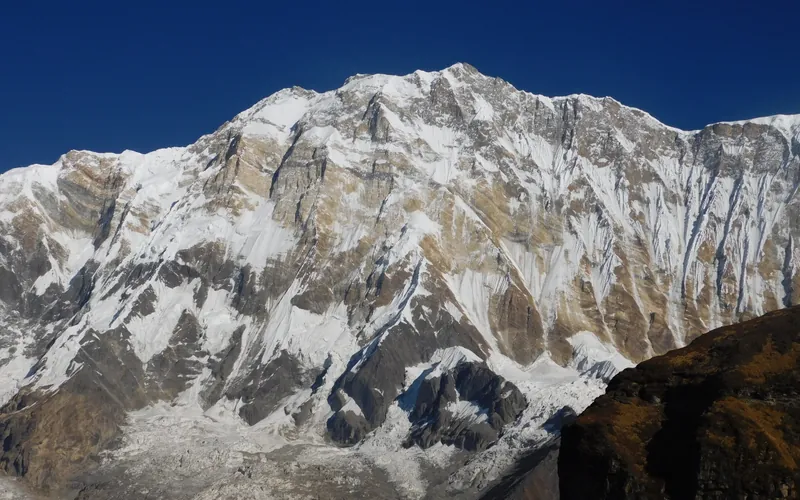
Annapurna I South Face (Bonington-Haston-Whillans Route)
The South Face of Annapurna I is one of the most formidable big-wall arenas in world mountaineering, rising 3,000 vertical metres of sheer rock, ice flutings, and overhanging bands directly from the Annapurna Sanctuary. First ascended via siege tactics by Dougal Haston and Don Whillans in 1970, it was later climbed in a revolutionary, lightweight solo push by Swiss alpinist Ueli Steck in October 2013 in just 28 hours round-trip.
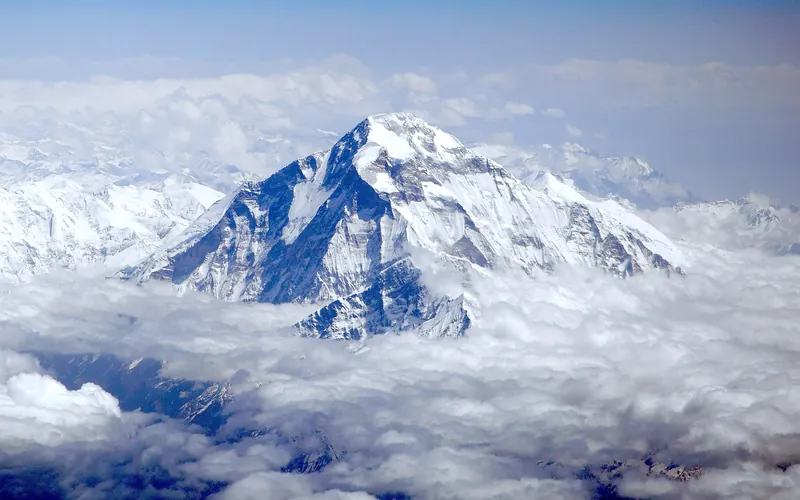
Dhaulagiri I Northeast Ridge (Normal Route)
The Northeast Ridge is the standard climbing route on Dhaulagiri I, first ascended in 1960 by a Swiss-Austrian team. The route begins on the glaciated Mayangdi Khola valley, climbs to the Northeast Col (5,700m), and works its way up the mountain's north-northeast face. The upper section traverses steep, wind-scoured blue ice shelves below the summit rocks and negotiates a final, exposed couloir leading directly to the 8,167m summit.
Northwest Face & Japanese Couloir (Normal Route)
The Northwest Face via the Japanese Couloir is the standard and most frequently climbed line on Gasherbrum I (8,068m / Hidden Peak). Starting from the South Gasherbrum Glacier, climbers traverse the shared lower icefall into the Gasherbrum Cwm, then branch southward toward the forbidding northwest wall. The technical centerpiece is the Japanese Couloir—a sustained 50 to 60-degree gully of hard blue ice and shattered rock leading to the high col and summit slopes. First ascended in 1958 by Americans Pete Schoening and Andy Kauffman via the South Ridge, the Japanese Couloir line became the modern benchmark, climbed rapidly in 1992 by Nazir Sabir, Rajab Shah, and Mehrban Shah.
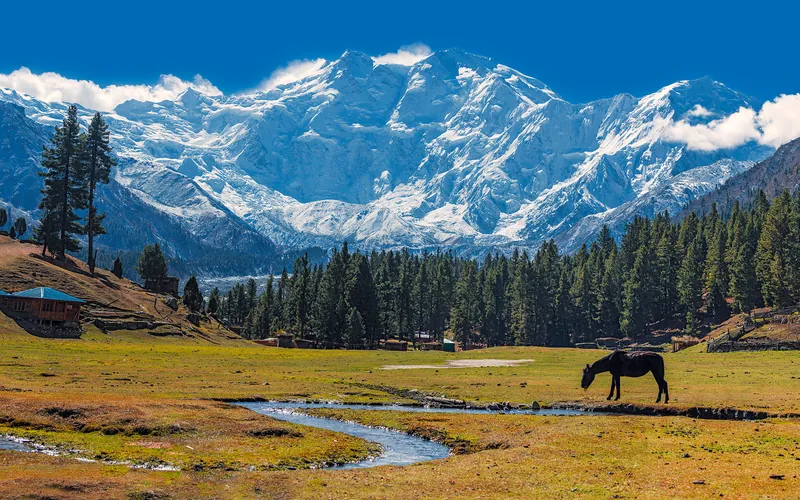
Kinshofer Route (Diamir Face)
The Kinshofer Route is the standard climbing route up the Diamir Face on Nanga Parbat's western side. First climbed in 1962 by German mountaineer Toni Kinshofer and his teammates, it is famous for its early vertical crux, the Kinshofer Wall, which sits low on the mountain between Camp I and Camp II. Once past the wall, climbers face a massive glaciated amphitheater leading up into the freezing upper Bazhin Basin and summit shoulder.
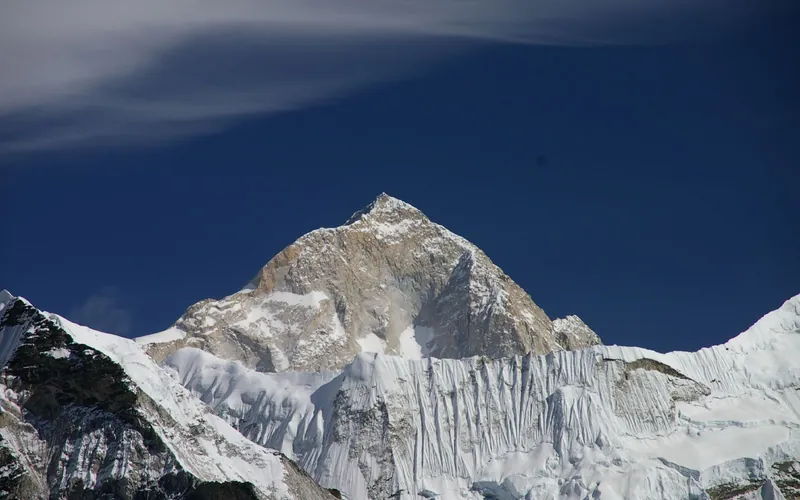
Makalu Northwest Ridge (French Route)
The Northwest Ridge is the classic pioneering line on Makalu, first opened by the historic French expedition of 1955. From Advanced Base Camp on the Chago Glacier, climbers ascend steep snow and ice fields to gain Makalu La (7,400m), a high, wind-blasted col connecting Makalu to Kangchungtse. Above Makalu La, the route climbs through the technical French Couloir—a mixed corridor of steep ice and broken granite—before emerging onto the exposed summit crest.
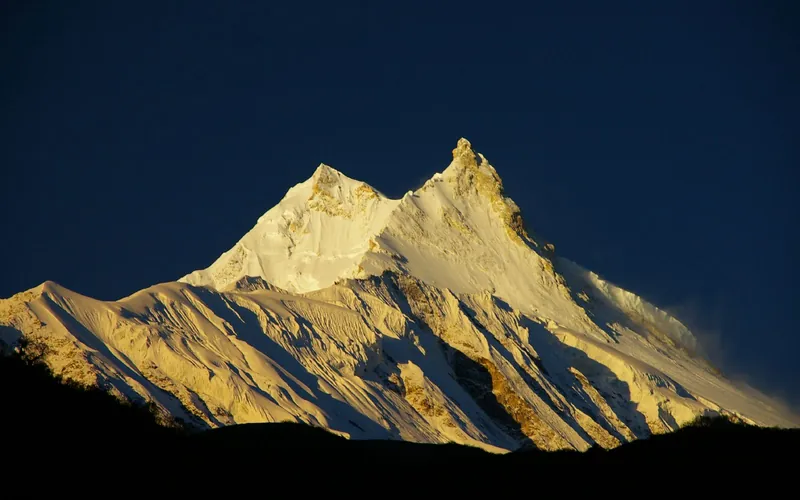
Manaslu Northeast Face (Normal Route)
The Northeast Face is the standard route on Manaslu, first forged in 1956 by a Japanese expedition. Ascending from the Manaslu Glacier above the village of Samagaon, the route climbs through an active, heavily crevassed icefall between Camps 1 and 2, traverses wide snow plateaus up to Camp 4, and culminates in a delicate, exposed knife-edge snow arête leading to the true summit pin.
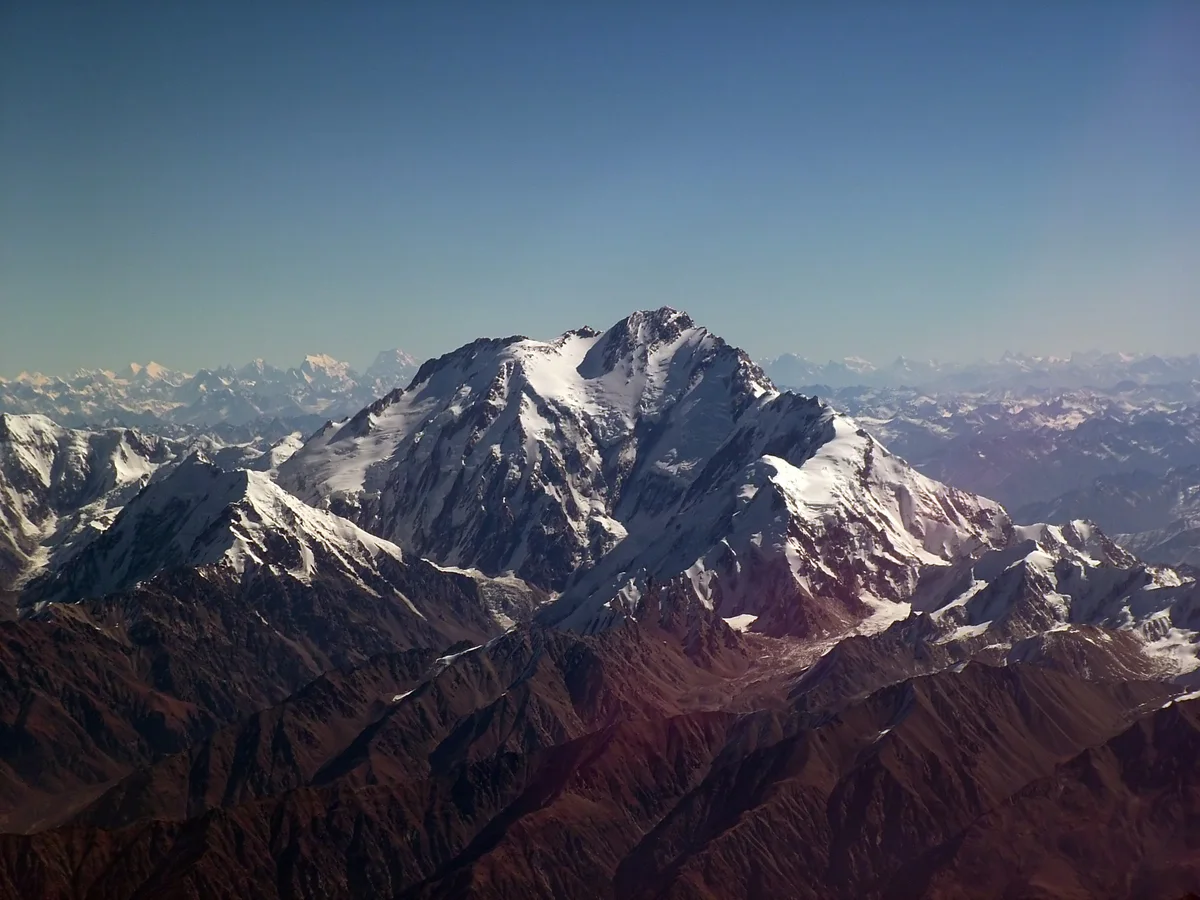
Mazeno Ridge Complete Traverse
The Mazeno Ridge of Nanga Parbat is widely considered the longest and most demanding high-altitude ridge on any eight-thousander, stretching an unbelievable 10 kilometres in length and traversing eight subsidiary peaks exceeding 7,000 metres before meeting the final summit pyramid. Long dubbed the last great problem of the Western Himalaya, it defeated numerous elite expeditions over three decades until British veterans Sandy Allan and Rick Allen completed the first full integral traverse and summit push in pure alpine style over eighteen heroic days in July 2012.
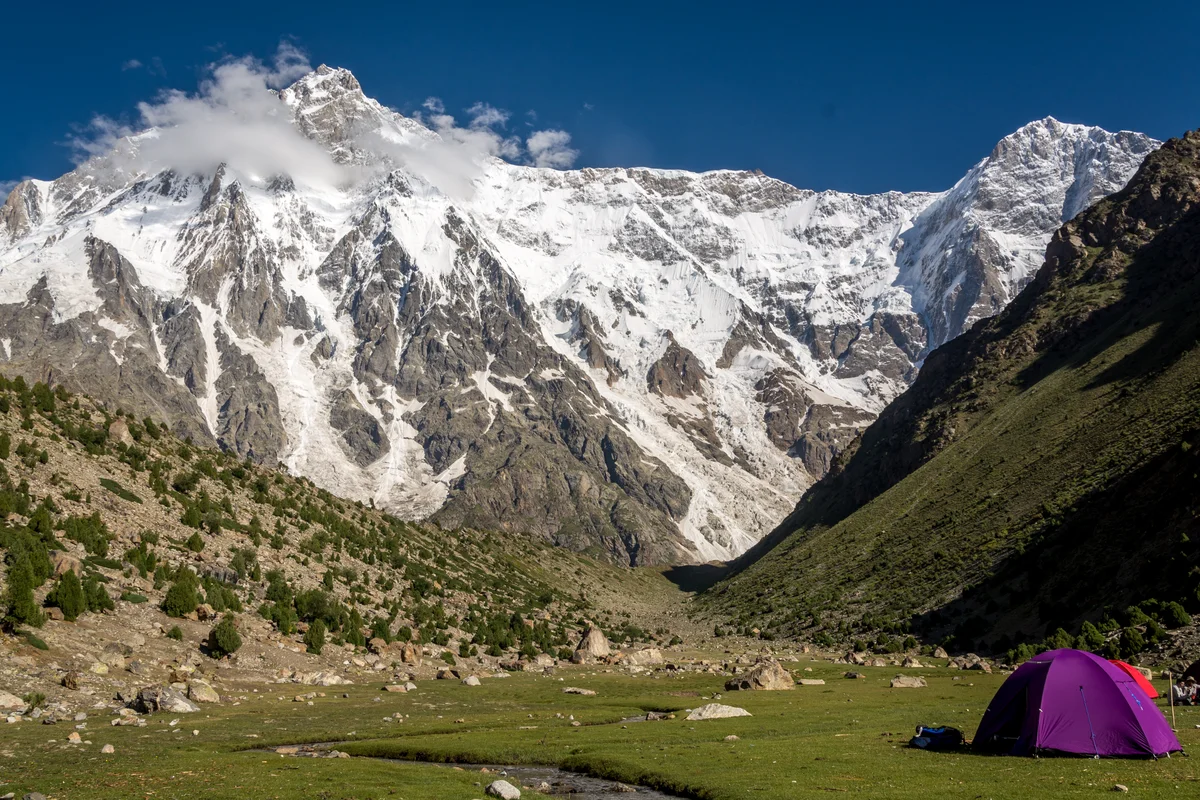
Central Pillar of the Rupal Face Direct
The Central Pillar of the Rupal Face on Nanga Parbat is the greatest vertical mountain wall on Earth, rising an astounding 4,100 metres from the Rupal Valley floor to the 8,126-metre summit. First attempted over decades, it was conquered in pure, lightweight alpine style between September 1 and 8, 2005, by American alpinists Steve House and Vince Anderson without fixed ropes, high camps, or supplemental oxygen, earning them the prestigious Piolet d'Or.
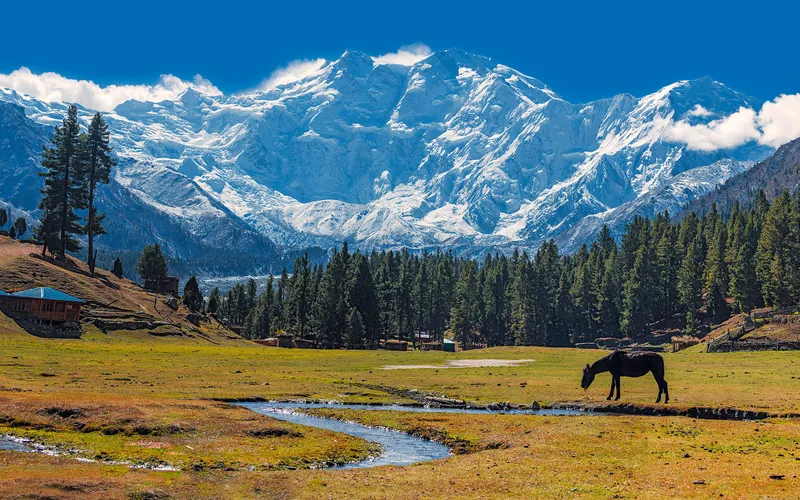
Rakhiot Flank & East Ridge (Original 1953 Route)
The historic original route on Nanga Parbat (8,126m), ascending from the Rakhiot Glacier over the heavily crevassed Rakhiot Icefall to reach the colossal Silbersattel (Silver Saddle) at 7,450 meters. From the saddle, the route traverses an immense high snow plateau for over three kilometers before negotiating the Bazhin Gap and climbing steep mixed rock ribs up the summit pyramid. Immortalized by Hermann Buhl's epic 41-hour solo summit without supplemental oxygen in July 1953.
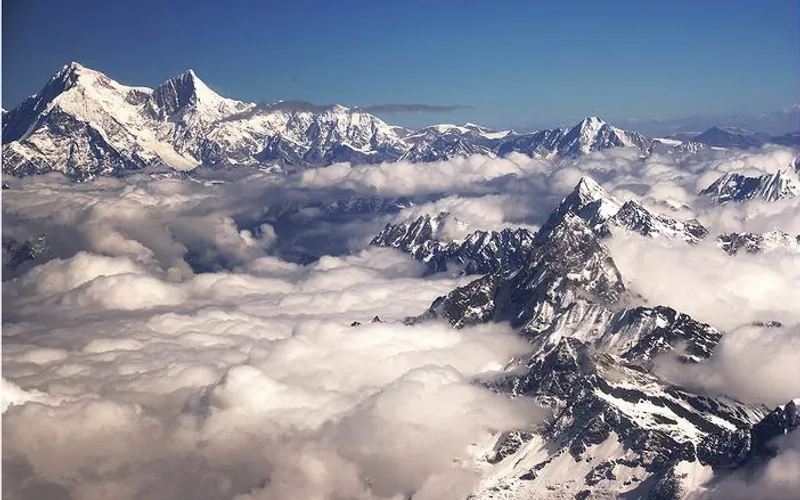
Shishapangma Northwest Ridge (Normal Route)
The Northwest Ridge is the standard route on Shishapangma, situated entirely in Tibet and first ascended by a Chinese expedition in 1964. Approached from the dry, high-altitude plateau of southern Tibet, the route climbs gently sloping glaciers to an upper plateau, gains the Central Peak (8,008m), and traverses a knife-edge snow arête with massive drop-offs to reach the true Main Summit at 8,027m.
Documented Expeditions (1)
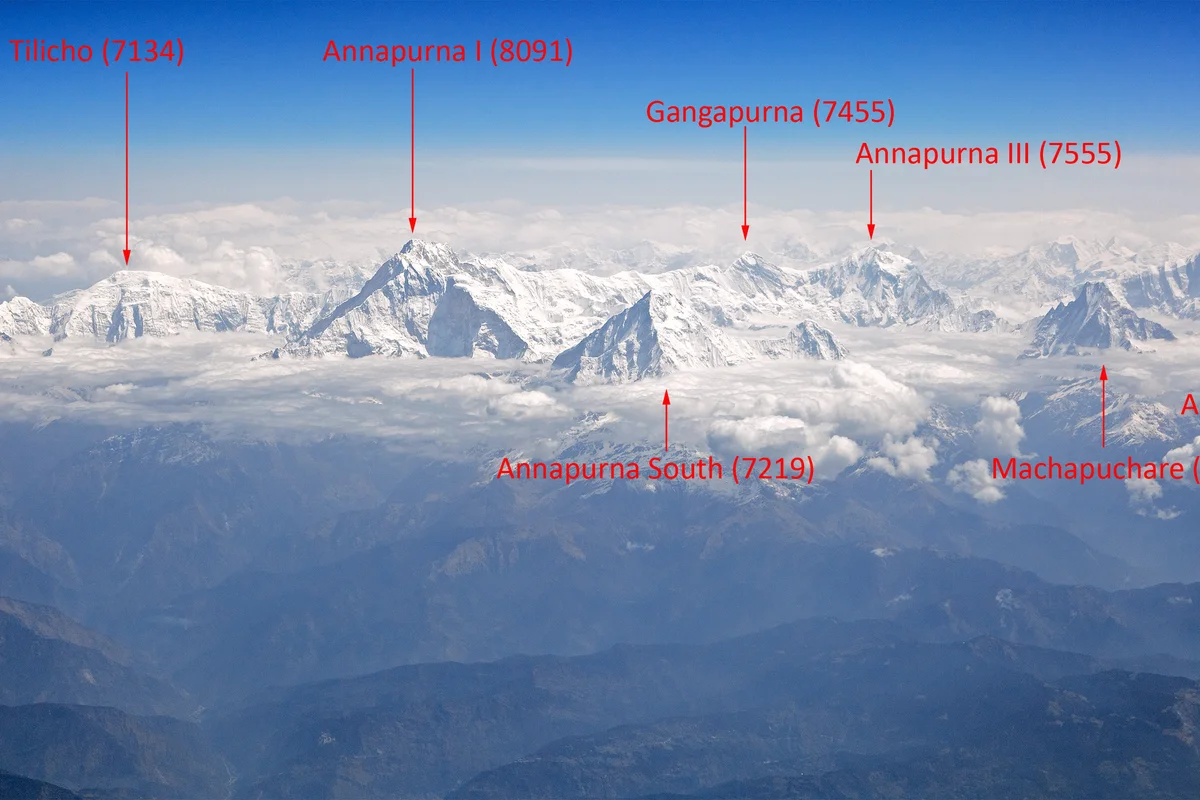
1987 Polish Annapurna I Winter First Ascent Expedition
On February 3, 1987, Polish alpinists Artur Hajzer and Jerzy Kukuczka completed the historic first winter ascent of Annapurna I (8,091m), braving -40°C temperatures, hurricane-force winds, and hard blue ice along the North Face without supplemental bottled oxygen.
Associated Chronicles & Stories (2)
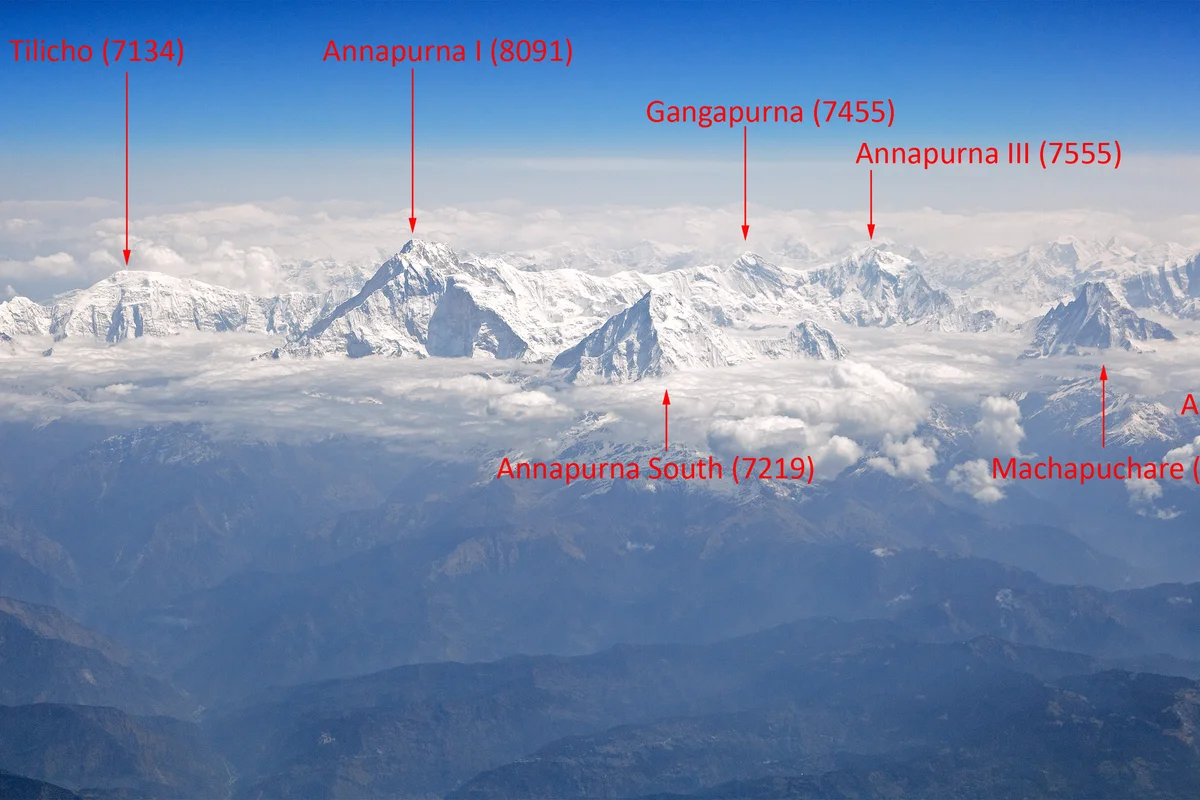
Cold Lightning: Artur Hajzer and Jerzy Kukuczka Conquer Annapurna in Winter
On February 3, 1987, Polish alpinists Artur Hajzer and Jerzy Kukuczka conquered Annapurna I in winter at -40°C, navigating blue ice and avalanche corridors without oxygen.
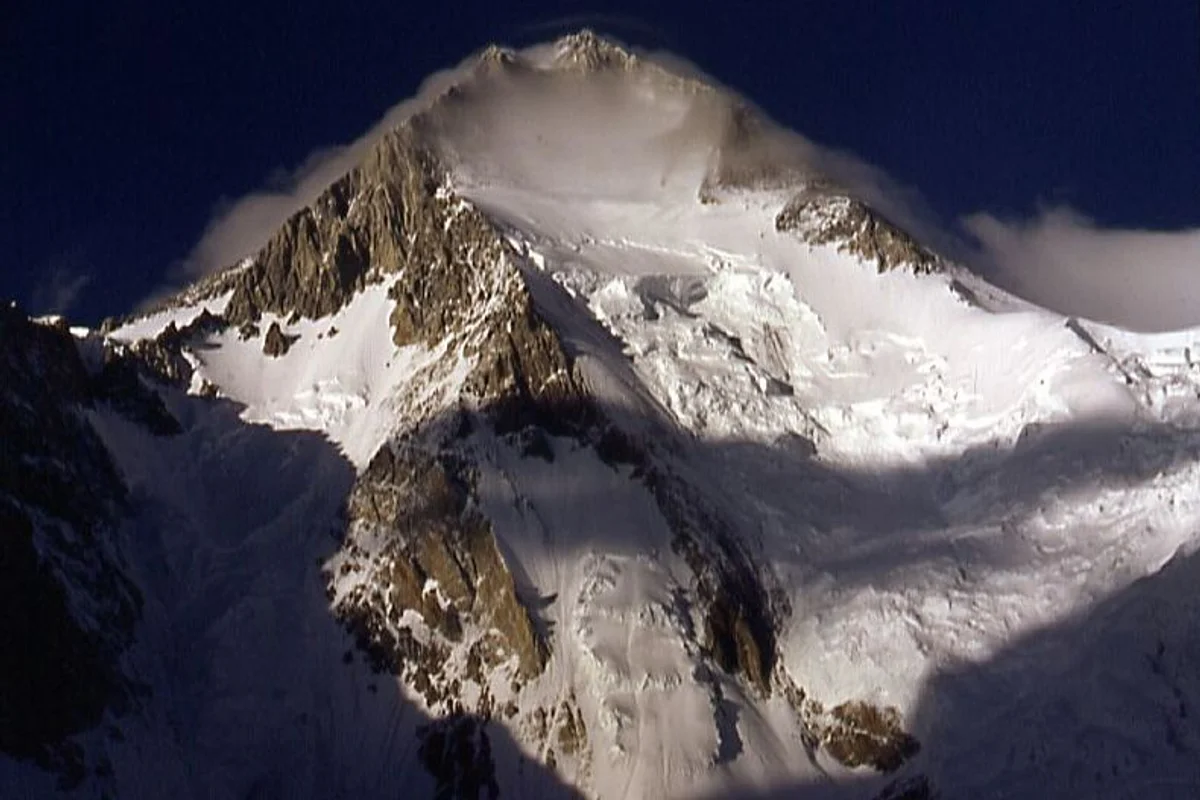
Cold Steel: The Historic First Winter Ascent of Gasherbrum I
On March 9, 2012, Polish Ice Warriors Adam Bielecki and Janusz Gołąb completed the first winter ascent of Gasherbrum I in the Karakoram at -38°C without supplemental oxygen.
Documented Sources & Archival Citations
- American Alpine Journal: Annapurna Winter First Ascent by Artur Hajzer(American Alpine Club)
Supporting claim: Official expedition record and technical summary of the February 3, 1987 first winter ascent
Accessed/Documented: 1988 - Atak Rozpaczy (Attack of Despair)(Artur Hajzer / Wydawnictwo Stapis)
Supporting claim: Personal memoirs detailing extreme winter expeditions with Jerzy Kukuczka and the 1989 Everest rescue
Accessed/Documented: 1994